Uganda Safari vs Rwanda Gorilla 2026: Cost & Wildlife
Uganda gorilla permits cost $800 vs Rwanda's $1,500 in 2026. Compare wildlife, costs, seasons, and accessibility to choose your perfect gorilla safari.
Great Zimbabwe Tours 2027: Entry Fees and Package Costs
Discover Great Zimbabwe Tours 2027: Entry Fees and Package Costs - Expert guide to safari tourism and wildlife destinations.
5 min read
Uganda Safari vs Rwanda Gorilla 2026
Last updated: July 2026
Uganda gorilla trekking permits cost $800 versus Rwanda's $1,500 in 2026, making Uganda 45% cheaper overall. Uganda offers more wildlife variety and permit availability, while Rwanda provides a more compact, luxury experience. Both deliver unforgettable mountain gorilla encounters. Compare verified operators on SafariFind to find the best fit for your budget and travel style.
At a Glance
Uganda gorilla permit cost: $800 per person
Rwanda gorilla permit cost: $1,500 per person
Total Uganda trip (7 days): $2,200–$3,500
Total Rwanda trip (7 days): $3,500–$5,500
Best time to visit: June–August or December–February (dry seasons)
Best for: Budget-conscious travelers (Uganda), luxury seekers (Rwanda)
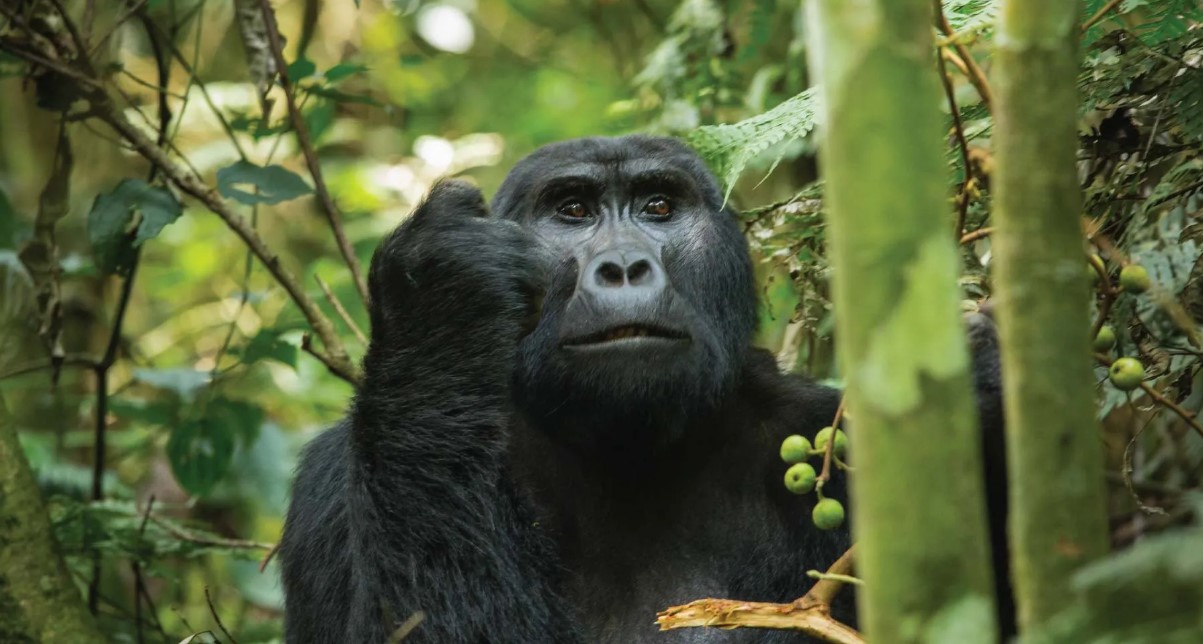
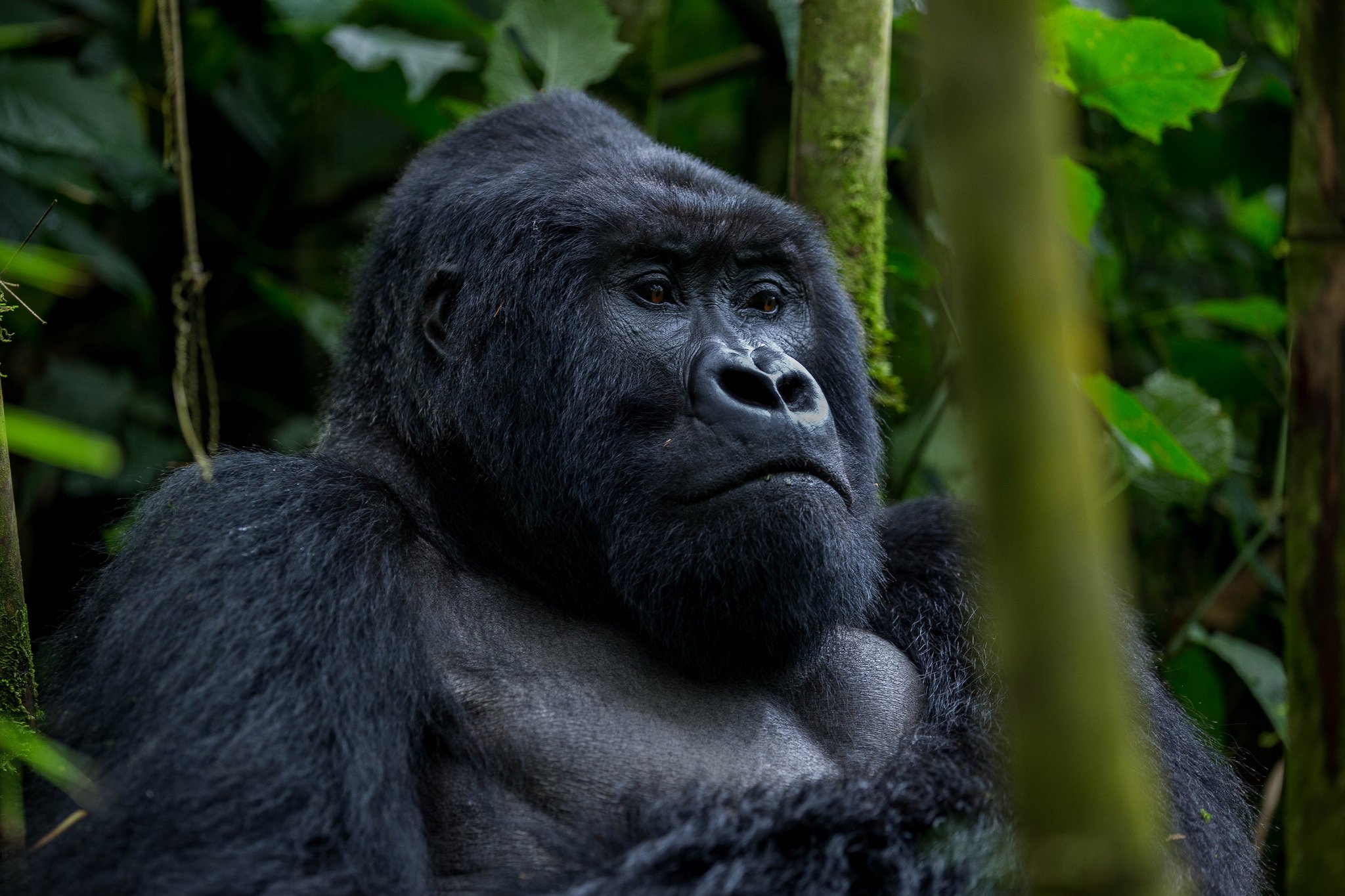
Uganda Safari vs Rwanda Gorilla trekking represents two distinct ways to experience mountain gorillas in Central Africa during 2026. Both countries protect roughly 50% of the world's remaining mountain gorillas in their national parks. However, the cost, wildlife variety, terrain, and overall experience differ significantly between the two destinations.
Uganda gorilla trekking happens primarily in Bwindi Impenetrable National Park and Mgahinga Gorilla National Park in southwestern Uganda. Rwanda's gorilla trekking centers on Volcanoes National Park near the border with Uganda and Democratic Republic of Congo. Each location offers genuine encounters with these endangered primates, but the paths to get there are quite different.
The most obvious difference is price. In 2026, Uganda's gorilla permit costs $800 per person, while Rwanda's costs $1,500 per person [1]. This $700 difference per permit shapes the entire cost structure of your safari. But cost is just one factor—wildlife diversity, accessibility, lodge options, and travel logistics also vary between the two countries.
Uganda offers more than gorillas. You can see tree-climbing lions in Ishasha sector, chimpanzees in Kibale Forest, and the Big Five across multiple parks [1]. Rwanda focuses more heavily on gorillas but includes excellent birding, volcano hikes, and visits to Akagera National Park for traditional safari experiences. Your choice depends on whether you want a gorilla-focused trip or a comprehensive wildlife adventure.
Why Compare Uganda and Rwanda in 2026?
Many travelers assume Uganda and Rwanda offer identical gorilla experiences. They don't. Uganda provides more permit availability, lower costs, and greater wildlife variety. Rwanda delivers a more exclusive, polished experience with shorter trekking times and luxury infrastructure. Understanding these differences helps you pick the right destination for your budget, fitness level, and safari goals.
In 2026, gorilla permits remain limited in both countries to protect the animals. Uganda issues approximately 80 permits daily across both parks, while Rwanda issues around 96 permits daily [1]. This availability difference matters if you're booking last-minute or traveling during peak season (June–August). Uganda's flexibility can save you hundreds of dollars if you're flexible on dates.
Permit Costs and Total Safari Expenses
The permit fee is just the starting point. Your total Uganda safari versus Rwanda gorilla trip includes transportation, accommodation, meals, guides, and park fees. Let's break down the real costs for 2026.
Uganda Gorilla Safari Full Cost Breakdown
Uganda's gorilla permit costs $800 in 2026 [1]. A 7-day Uganda gorilla safari typically costs $2,200–$3,500 per person total. This includes the $800 permit, three nights in a mid-range lodge near the gorilla parks ($150–$250 per night), internal flights ($200–$400), meals, park fees, and guide services.
Budget lodges in Bwindi area run $80–$120 per night. Mid-range options cost $150–$250 per night. Luxury lodges exceed $400 per night. Your choice dramatically affects the final price. A budget traveler might spend $2,200–$2,800 total. A mid-range traveler spends $2,800–$3,500. Luxury travelers budget $4,000–$5,500 for seven days.
Uganda's permit availability and lower costs make it ideal if you're exploring the region. Many travelers combine gorilla trekking with visits to Uganda's dry season wildlife parks, extending their trip and spreading costs across more experiences.
Rwanda Gorilla Safari Full Cost Breakdown
Rwanda's gorilla permit costs $1,500 per person in 2026 [1]. A 7-day Rwanda gorilla safari typically costs $3,500–$5,500 per person total. This includes the $1,500 permit, three nights in mid-range accommodation ($200–$300 per night), internal flights ($150–$300), meals, and guide services.
Rwanda's lodges tend to be pricier than Uganda's. Budget options cost $120–$180 per night. Mid-range lodges cost $200–$350 per night. Luxury properties exceed $500 per night. Rwanda's infrastructure is more developed, which increases accommodation prices. A mid-range Rwanda trip costs roughly $4,000–$5,000. Luxury travelers budget $5,500–$7,000.
Rwanda's higher costs reflect its reputation for safety, luxury tourism infrastructure, and political stability. The country markets itself as a premium destination. If luxury and convenience matter more than budget, Rwanda delivers a polished experience.
Cost Factor
Uganda 2026
Rwanda 2026
Gorilla permit
$800
$1,500
Mid-range lodge (per night)
$150–$250
$200–$350
7-day total (mid-range)
$2,800–$3,500
$4,000–$5,500
Best for
Budget travelers
Luxury seekers
Uganda saves you $1,200–$2,000 on a typical 7-day trip compared to Rwanda. That's money you can spend on additional safari experiences, longer stays, or your next adventure. Explore Uganda safari packages under $2,500 to see verified operators offering excellent value.
Beyond cost, the actual wildlife encounters and trekking experience differ between Uganda and Rwanda. Understanding these differences helps you choose the right destination for your interests and fitness level.
Uganda's Wildlife Diversity
Uganda offers far more than gorillas. The country hosts chimpanzees, forest elephants, buffalo, antelopes, and over 1,000 bird species [1]. Bwindi Impenetrable National Park protects about 50% of the world's remaining mountain gorillas—roughly 400 individuals. You trek through dense rainforest, often in groups of up to eight people, with daily permit limits of 80 trekkers.
Uganda's advantage is wildlife variety. You can combine gorilla trekking with chimpanzee trekking in Kibale Forest (2-3 hours away), tree-climbing lions in Ishasha, and traditional game drives in Queen Elizabeth National Park. This combination appeals to travelers who want diverse experiences beyond gorillas. Many opt for the Uganda gorilla safari versus game drive comparison to decide their priorities.
Uganda's gorilla trekking is more physically demanding. Bwindi's dense forest and steep terrain challenge most fitness levels. Treks can last 4–8 hours depending on gorilla location. Mgahinga's treks are typically shorter (2–4 hours) and easier. If you have mobility concerns, Mgahinga is the better choice.
Rwanda's Gorilla-Focused Experience
Rwanda's Volcanoes National Park protects about 400 mountain gorillas as well [1]. However, Rwanda's gorilla trekking is more controlled and predictable. The park habituates gorillas specifically for tourism, meaning encounters are more reliable. Treks average 2–4 hours, significantly shorter than Uganda's.
Rwanda's infrastructure around gorilla trekking is superior. Visitor centers are modern. Guides are highly trained. Accommodation near the park is upscale. The experience feels more organized and luxury-oriented. For travelers prioritizing comfort and predictability, Rwanda excels.
Rwanda also offers volcano hikes, visits to Akagera National Park for Big Five game drives, and Lake Kivu experiences. However, gorillas remain the main attraction. If gorillas are your sole focus and you prefer a compact, comfortable experience, Rwanda fits perfectly.
Gorilla Trekking Conditions
Both countries trek to habituated gorilla families. Uganda's families live in dense forest with steep slopes. Rwanda's families inhabit similar terrain but are more accustomed to human visitors. Encounter quality is comparable—both offer 1 hour with the gorillas once found.
Uganda's treks feel more adventurous and wild. Rwanda's feel more controlled and intimate. Your preference determines which experience suits you. Adventure seekers prefer Uganda. Comfort-focused travelers prefer Rwanda. Both deliver life-changing encounters with endangered primates.
Best Times to Visit and Seasonal Considerations
Timing your Uganda safari versus Rwanda gorilla trip affects costs, wildlife viewing, and trekking difficulty. Both countries have distinct dry and wet seasons in 2026.
Uganda's Peak Seasons
Uganda's best seasons are June–August and December–February (dry seasons) [1]. During these periods, rainfall is minimal, trails are less muddy, and gorillas are easier to track. June–August is peak tourist season, meaning higher prices and more crowded treks. December–February is slightly less crowded and offers comparable wildlife viewing.
Shoulder seasons (March–May and September–November) feature occasional rain but lower prices. Gorilla trekking is still possible but trails are muddier. If you're flexible on budget and willing to trek in wet conditions, shoulder seasons save 15–25% on permits and lodges.
Uganda's wet seasons mean challenging trekking but fewer tourists. Guides still locate gorillas reliably. Experienced trekkers enjoy the solitude and lower costs. First-timers should book during dry seasons for better conditions.
Rwanda's Peak Seasons
Rwanda follows the same seasonal pattern: dry seasons are June–August and December–February [1]. However, Rwanda's dry seasons are slightly less pronounced than Uganda's. Rainfall is lighter, and conditions are more consistent year-round.
Rwanda's peak season (June–August) sees premium pricing and advance bookings essential. December–February offers better availability and slightly lower rates. Rwanda's gorilla permits rarely sell out compared to Uganda's, giving you more flexibility.
Rwanda's trekking is less affected by seasonal conditions due to shorter treks and better trail maintenance. Even during wetter months, Rwanda's experience remains comfortable. This consistency makes Rwanda ideal if you have fixed travel dates.
Book gorilla permits 3–6 months ahead during peak season for both countries. Last-minute availability in Uganda is more common than Rwanda. If you're flexible, Uganda offers better last-minute deals. For Rwanda, plan further ahead to secure permits.
How you reach each destination affects total trip cost and logistics. Uganda and Rwanda have different transportation hubs and entry points.
Reaching Uganda's Gorilla Parks
Most travelers fly into Kampala's Entebbe International Airport. From there, internal flights to Kasese (2 hours) or Mbarara (3 hours) connect you to gorilla parks. Alternatively, some drive 8–10 hours from Kampala to Bwindi or Mgahinga. Driving is cheaper but more exhausting.
Internal flights cost $200–$400 per person. Driving saves flight costs but costs $300–$500 for vehicle hire and fuel. Many travelers combine both: fly out, drive back to see other wildlife.
Uganda's accessibility is less developed than Rwanda's. Flights aren't daily. Roads can be rough. However, this "rougher" experience appeals to adventure travelers and saves money. Budget travelers often drive to cut costs.
Reaching Rwanda's Gorilla Parks
Most travelers fly into Kigali International Airport. From there, a scenic 2-hour drive reaches Volcanoes National Park in Ruhengeri. The drive is smooth, modern road through beautiful terrain. No internal flights needed for most travelers.
Rwanda's accessibility is superior. Direct flights from major African hubs are common. The road to Volcanoes is well-maintained. Transportation logistics are simpler. This convenience adds to Rwanda's higher costs but reduces travel stress.
Rwanda's centralized location (gorillas, volcanoes, and Akagera are all drivable distances) makes multi-destination trips easier. Uganda requires more internal flights or long drives between parks.
Visa and Entry Considerations
Both Uganda and Rwanda offer visa-on-arrival or e-visas for most nationalities. Uganda's e-visa costs $50. Rwanda's costs $50. Both require yellow fever vaccination. Processing times are similar. No advantage to either country on entry requirements.
Choosing Between Uganda and Rwanda: Decision Framework
After reviewing costs, wildlife, and logistics, how do you decide? Use this framework to match your priorities with the right destination in 2026.
Choose Uganda If You:
Have a tight budget (save $1,200–$2,000 on a 7-day trip)
Want wildlife diversity beyond gorillas (chimps, lions, Big Five)
Enjoy adventure and don't mind challenging trekking conditions
Prefer lower tourist density and more authentic experiences
Can book last-minute and need permit flexibility
Choose Rwanda If You:
Prioritize comfort and luxury infrastructure
Want predictable, shorter trekking experiences
Prefer well-maintained roads and organized logistics
Have fixed travel dates and need permit certainty
Seek a polished, premium safari experience
Neither choice is wrong. Your priorities determine the best fit. Many travelers choose Uganda for value and adventure. Others choose Rwanda for comfort and predictability. Browse verified Uganda safari operators on SafariFind to compare packages and read authentic reviews from travelers who've made this choice.
Practical Tips for Planning Your 2026 Trip
Whether you choose Uganda or Rwanda, these tips help you book wisely and maximize your experience.
Book Early for Peak Season
Gorilla permits sell out during June–August in both countries. Book 3–6 months ahead to secure dates. Last-minute availability is rare during peak season. If you're inflexible on dates, book immediately. Uganda offers more last-minute availability than Rwanda.
Factor in Acclimatization
Both parks sit at high altitude (6,000–8,000 feet). Arrive 1–2 days early to acclimatize and reduce altitude sickness risk. This adds cost but improves your trekking experience. Plan accordingly in your budget.
Invest in Proper Gear
Waterproof jackets, hiking boots, and gaiters are essential. Gorilla trekking means wet, muddy conditions regardless of season. Pack layers for temperature changes. Don't skimp on footwear—good boots prevent injuries on steep trails.
Consider Travel Insurance
Gorilla permits are non-refundable in both countries. Travel insurance covering trip cancellation protects your investment. Medical evacuation insurance is crucial in remote areas. Budget $200–$400 for comprehensive coverage.
Use Verified Safari Operators
Compare Uganda safari lodges and operators on SafariFind to find verified companies with authentic reviews. Read what previous travelers experienced. Check ratings and review counts. Reputable operators handle permits correctly, provide experienced guides, and ensure safety. This reduces risk and improves your experience.
Key Takeaways
Book Uganda gorilla safaris 3–6 months ahead to save 15–20% compared to last-minute rates, with permits costing $800 versus Rwanda's $1,500.
Uganda's 7-day safaris cost $2,200–$3,500 total (mid-range), saving $1,200–$2,000 compared to Rwanda's $4,000–$5,500.
Uganda offers wildlife diversity (chimps, lions, Big Five) beyond gorillas, ideal for adventure seekers; Rwanda focuses on gorillas with luxury infrastructure.
Visit during dry seasons (June–August or December–February 2026) for optimal trekking conditions and best gorilla encounter reliability in both countries.
Compare verified operators on SafariFind to secure reliable guides, authentic reviews, and packages matching your budget and experience level.
Frequently Asked Questions
How much does a gorilla trekking permit cost in Uganda versus Rwanda in 2026?
Uganda's gorilla permit costs $800 per person in 2026, while Rwanda's costs $1,500 per person [1]. This $700 difference per permit is the most significant cost gap between the two countries. Over a group of four trekkers, Uganda saves $2,800 on permits alone compared to Rwanda.
What is the total cost of a 7-day Uganda versus Rwanda gorilla safari in 2026?
A 7-day Uganda gorilla safari costs $2,200–$3,500 per person (mid-range), including the $800 permit, mid-range lodging, internal flights, and meals. A 7-day Rwanda gorilla safari costs $4,000–$5,500 per person (mid-range) [1]. Uganda's savings of $1,200–$2,000 per person make it significantly more budget-friendly.
Which country offers more wildlife diversity—Uganda or Rwanda?
Uganda offers significantly more wildlife diversity. Beyond mountain gorillas, Uganda features chimpanzees, tree-climbing lions, forest elephants, and over 1,000 bird species across multiple national parks [1]. Rwanda focuses primarily on gorillas but includes volcano hikes and Akagera National Park for Big Five game drives. Choose Uganda for wildlife variety; choose Rwanda for gorilla-focused experiences.
Is gorilla trekking easier in Uganda or Rwanda?
Rwanda's gorilla trekking is easier. Treks average 2–4 hours on maintained trails with habituated gorillas accustomed to visitors. Uganda's treks last 4–8 hours through dense forest on steep terrain, making them more physically demanding [1]. Choose Rwanda for comfort and shorter hikes; choose Uganda for adventure and longer wilderness experiences.
When is the best time to visit Uganda or Rwanda for gorilla trekking in 2026?
Both countries' best seasons are June–August and December–February (dry seasons) when rainfall is minimal and trails are less muddy [1]. June–August is peak tourist season with higher prices. December–February offers better availability and slightly lower rates. Book permits 3–6 months ahead during peak season. For last-minute flexibility, Uganda offers more availability than Rwanda. Request quotes from verified operators on SafariFind to compare availability and pricing for your preferred dates.
How do I book a gorilla trekking safari in Uganda or Rwanda?
Book through verified safari operators who handle permits, logistics, and accommodation. SafariFind connects you with trusted tour operators offering Uganda and Rwanda gorilla packages with authentic traveler reviews. Compare operators, read feedback from previous trekkers, and request quotes for your dates. Most operators require 30–50% deposit to secure permits. Permits are non-refundable, so confirm your dates before paying.
Conclusion
Uganda and Rwanda both offer extraordinary mountain gorilla encounters in 2026, but they serve different traveler profiles. Uganda delivers better value, more wildlife diversity, and adventure-focused experiences at $2,200–$3,500 for seven days. Rwanda offers luxury infrastructure, shorter treks, and predictable logistics at $4,000–$5,500 for seven days.
Your choice depends on budget, fitness level, and travel priorities. Budget-conscious adventurers choose Uganda and save $1,200–$2,000 while seeing chimps, lions, and diverse wildlife. Luxury seekers choose Rwanda for polished accommodations, shorter trekking, and convenient logistics.
Both countries protect roughly 50% of the world's remaining mountain gorillas. Both deliver life-changing primate encounters. Both require advance booking during peak seasons (June–August and December–February). Neither destination disappoints.
Ready to plan your gorilla safari? Compare verified Uganda and Rwanda operators on SafariFind today. Browse actual packages with pricing, duration, and authentic reviews from previous trekkers. Request quotes from multiple operators to find the best fit for your budget and travel style. Your perfect gorilla adventure awaits in 2026.
Plan Your Safari with SafariFind
These recommendations use real data from SafariFind, where you can compare operators, browse packages, and read verified traveler reviews before you book.
5★ - "We had an excellent experience with Pilama Safaris! The booking was very easy and the company was very responsive and helpful as we made our booking. The safari experience itself was great. Jacob, our guide, was amazing!" - CeCe • Verified review
5★ - "Our trip to Uganda was unforgettable. We opted for a gorilla trekking tour with Pilama Safaris. It was my first such tour and also my first trip to Uganda. My travels usually take me to Southeast and South Asia. But this" - D. Maria • Verified review
5★ - "They treated us really well and always care about us to be comfortable. Also they are really friendly and helpful. We were always laughing. Of course they have lots of knowledge about nature and about Uganda. We love ani" - Ryo • Verified review
"They treated us really well and always care about us to be comfortable. Also they are really friendly and helpful. We were always laughing. Of course they have lots of knowledge about nature and about Uganda. We love animals, we love Uganda because of them. Thank you so much."
Ryo•7/11/2026
5★ - "Go Explore gave us the greatest experience we have had in Uganda. Perfect in guiding us around and very flexible! We managed to even see the gorillas, though it was not initally planned." - Margaux • Verified review
"Go Explore gave us the greatest experience we have had in Uganda. Perfect in guiding us around and very flexible! We managed to even see the gorillas, though it was not initally planned."
Margaux•7/11/2026
5★ - "I was working with a tour operator out of Kenya to plan a Uganda gorilla trek followed by a Kenya & Tanzania safari. For some reason, the Uganda portion started having issues with only a few weeks to go. Enter Brian Aher" - Dave Medlicott • Verified review
"I was working with a tour operator out of Kenya to plan a Uganda gorilla trek followed by a Kenya & Tanzania safari. For some reason, the Uganda portion started having issues with only a few weeks to go. Enter Brian Ahereza of GoExplore. Wow! Talk about fast acting and excellent service. Within 1 day, Brian arranged everything. The only thing that would have made my trip better is if I had added one extra day, but by this point, we couldn't squeeze it in, so Brian did the absolute best with what he had to work with. For starters, one of the best things that could have happened did! ANd that was to have Charles assigned as our driver/guide. We flew into Kigali, Rwanda and Charles met us at the airport and took us to our hotel. The next morning we got up for the long drive to the Nkoringo area of Bwindi. A lot of this drive is on some VERY difficult dirt roads and Charles was masterful at navigating the terrain. Furthermore, I was using offline Google Maps to track our location and there is no possible way I could have gotten to where Charles was going. We got to Nkoringo Lodge and immediately loved it. Brian had arranged for us to have one of only 2 rooms there that had on demand hot water. Our room overlooked Bwindi and we sat on the deck admiring the view. To get to the bar/dining area, we hiked up and over a ridge and the view from that side was south to the 3 volcanoes on the border of Uganda/Rwanda/Congo - absolutely beautiful! The next day we did the trek to the Nkuringo gorilla group. It was not a difficult trek until we had to cross a fast flowing stream because the gorillas had gone to that side and as soon as we crossed, they came back! So we did too. And then we found them and it was such a wonderful experience! My wife was standing next to me and a young male (7-8 years old??) suddenly turned and started walking towards us. My wife moved to the left, but our guide said to stand still. The gorilla walked right between us and as he passed, he stuck out his arm between my legs and grasped me around the thigh!!! OMG! Even though I could feel his amazing power, I did not feel in danger. Just as quickly, he let go and continued walking! After that amazing trek, we drove (another long day) up to Queen Elizabeth National Park and spent 2 nights at the Buffalo Safari lodge. We did a couple of games drives in which we saw lots of antelope, elephants, buffalo and 6 lions (all female, with one or two young males). We followed with a boat ride on the Kazenga channel which was fantastic. The next day, we drove to Kibale National Park to look for Chimps. We arrived at our wonderful lodge, the Chimpanzee Forest Guest House at about lunchtime and then headed to Kibale for our Chimp Trek. At lunch, we met a couple who showed us amazing pictures from their trek that very morning. Unfortunately for us, even with 7 groups in the forest, we could only find 2 chimp sand they were up in the trees. That happens in nature, but the real lesson is to take the morning trek!!! The next day, Charles drove us to Entebbe and our Uganda trip was over. One of my friends asked me about the birds in Uganda. My wife loves birds and by extension, I have come to love them as well. SHe asked Charles, our guide, about every single bird we saw. Charles had a very well worn copy of "Birds of East Africa". He didn't need that book because he had it memorized. Charles was a fantastic driver/guide/person! He made our trip incredibly special! I can't thank Brian, Charles and GoExplore enough for making this so special!!!"