SafariFind, Inc. · 34 Brier Avenue, Unit 610, Wilmington, DE 19805, United States · Company No. 10818632
Uganda Safari Weather 2026: Dry vs Green Season Guide
Last updated: August 2026
Uganda receives up to 1,500 millimetres of rain in many areas each year, yet its safari seasons offer very different travel experiences. [4]
Uganda Safari Weather 2026: Dry vs Green Season Guide helps you choose between the drier June–October period and the greener November–May period. Choose the dry season for easier trekking and wildlife viewing. Choose the green season for lush scenery, photography, fewer crowds, and more wildlife births. Safari prices have no single fixed rate, so compare current packages and request quotes before booking.
Uganda Safari Weather 2026 at a Glance
Cost: No fixed weather-season price; compare current operator quotes for your route.
Best time: June–October for drier conditions and easier trekking. [6]
Green season: November–May for lush landscapes, photography, and fewer crowds. [6]
Rain pattern: The main rainy periods are March–May and September–November. [4]
Gorilla trekking: Bwindi sits between about 1,160 and 2,607 metres, so rainforest weather can change quickly. [7]
Hottest months: December–February, with evening temperatures around 17–18°C. [4]
What Is Uganda Safari Weather 2026: Dry vs Green Season Guide?
Uganda Safari Weather 2026: Dry vs Green Season Guide explains how rainfall, temperature, road conditions, and forest altitude affect a safari. Uganda has two broad travel periods: a drier season from June to October and a greener season from November to May. [6] These labels help, but local weather still differs by region.
Uganda is a landlocked East African country bordered by the Democratic Republic of the Congo, Sudan, Kenya, Rwanda, and Tanzania. [1] The country covers more than 93,000 square miles and has a coast on Lake Victoria, which the source identifies as Africa’s largest lake. [1] These large landscapes create varied weather across parks.
Known for: varied landscapes and local weather
Uganda is known for rainforest parks, savannah areas, highlands, lakes, and changing elevation. Rainfall does not affect every safari area in the same way. A sunny morning in one park does not guarantee dry trails in another region.
Most of Uganda receives about 1,000–1,500 millimetres of annual rainfall. [4] The primary rainy seasons are March–May and September–November. [4] However, the 2026 season guide places November–May within the wider green season and June–October within the dry season. [6]
Why the season matters
Season choice affects your daily plan. Dry roads often make long drives simpler. Firmer trails can help during forest walks. Green months can bring bright plant growth, clear colours, and dramatic skies. They also create a stronger need for waterproof clothing and flexible timing.
Gorilla trekking needs special care because Bwindi’s gorilla parks sit at roughly 1,160–2,607 metres. [7] This altitude creates high-altitude rainforest microclimates. Rain can arrive quickly, even during a generally dry month.
Best for: first-time visitors who want simpler logistics, choose June–October. Best for: photographers and travellers who enjoy green scenery, choose November–May. Your route, fitness, and interest in gorillas should guide the final choice.
How Does the Dry Season Compare With the Green Season?
The dry season is generally best for easier travel and wildlife viewing, while the green season is best for scenery, photography, and fewer crowds. June–October offers the clearest seasonal choice for travellers who prefer drier tracks. November–May offers richer plant life and more varied light. [6]
Name
Price
Duration
Rating
Best For
Dry season safari
Request current quote
Depends on route
Compare verified reviews
Wildlife viewing and easier trekking
Green season safari
Request current quote
Depends on route
Compare verified reviews
Photography and fewer crowds
Mixed-season safari
Request current quote
Depends on travel dates
Compare verified reviews
Flexible travellers with varied routes
Dry season: June to October
June–October is Uganda’s broad dry-season window in the 2026 safari guide. [6] Many travellers select these months because lower rainfall can improve road access and walking conditions. Dry weather also supports a more predictable daily rhythm, especially when your itinerary includes long transfers.
June and July can suit travellers who want a fresh start to the dry period. August and September often appeal to visitors planning a classic wildlife route. October can bring changing conditions as the next rainy period approaches. Always ask the operator about current park access.
Dry season does not mean rain-free weather. Bwindi remains a rainforest environment, and its altitude creates local weather patterns. [7] Pack a waterproof shell even when your calendar shows a dry month.
Green season: November to May
November–May is the wider green-season window. [6] The landscape becomes lush, and the season is well suited to travellers who value colour, plant life, and dramatic skies. More wildlife births also form part of the green-season appeal described in current safari guidance. [6]
March–May is the main long-rain period, while September–November overlaps with another primary rainy period. [4] These months can bring heavier showers, muddy paths, and slower road travel. The reward is a vivid landscape and a quieter feel in many travel plans.
December–February are Uganda’s hottest months. Evening temperatures still average about 17–18°C, so nights can feel pleasant after warm days. [4] Lightweight clothing, sun protection, and a light jacket remain useful.
How to choose between them
Choose June–October for easier trekking and a lower rain risk.
Choose November–February for greener scenery with warmer days.
Choose March–May for lush landscapes if you accept wetter trails.
Choose September–November only after checking the route’s local forecast.
Choose a flexible itinerary when your trip crosses two seasonal periods.
SafariFind connects travellers with verified tour operators and authentic reviews. Use the marketplace to compare what each package includes, then check whether the route matches your weather priorities.
Pack for sun, rain, mud, cool evenings, and changing forest conditions. A useful Uganda safari kit includes breathable clothing, a waterproof outer layer, strong walking shoes, sun protection, and a small day bag. The right mix matters more than packing for one season alone.
Dry-season packing list
Dry-season travellers should pack light layers for warm days and cooler mornings. Dust can rise on unpaved roads, so sunglasses and a scarf or buff can protect your face. Neutral-colour clothing works well for game drives and keeps your bag practical.
Long-sleeved shirts and lightweight trousers
Breathable socks and closed walking shoes
Wide-brimmed hat, sunglasses, and sunscreen
Light fleece or jacket for early drives
Refillable water bottle and personal medicines
Green-season packing list
Green-season travellers need the same basic layers plus stronger rain protection. Use a waterproof jacket, pack cover, and dry bags for phones or cameras. Quick-dry clothing helps after a shower, while spare socks improve comfort on wet trails.
Waterproof jacket with a hood
Pack liner or dry bags for electronics
Water-resistant hiking shoes with good grip
Extra socks and quick-dry trousers
Microfibre towel and insect protection
Gorilla trekking and altitude
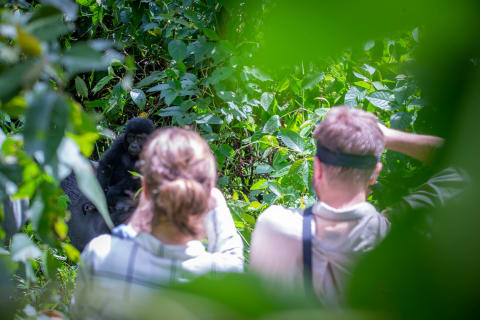
Bwindi’s high-altitude rainforest needs special preparation. The parks range from about 1,160 to 2,607 metres, and their elevation creates local microclimates. [7] Expect damp vegetation, steep paths, and weather that changes faster than a general country forecast suggests.
Wear shoes with firm grip and trousers that protect your legs. Keep your rain layer inside your day bag, not at the bottom of your main luggage. Trekking conditions depend on recent rain, so ask your operator for a trail update before departure.
Plan a weather-smart Uganda safari by matching your park route, activity, and travel dates. Start with the experience that matters most. Gorilla trekking, savannah game drives, photography, and birding can each favour a different balance of rain, light, and trail comfort.
Step 1: Set your main safari goal
Choose gorilla trekking if forest wildlife is your top priority.
Choose game drives if you prefer open landscapes and road-based viewing.
Choose photography if green scenery and dramatic light matter most.
Choose a mixed route if you want both rainforest and savannah.
Dry-season travel is often the simpler starting point for first-time visitors. Green-season travel suits people who accept wet weather for richer colour and fewer crowds. A mixed plan can work when your dates are fixed, but it requires realistic transfer times.
Step 2: Build a flexible daily plan
Leave space around long drives and forest walks. Rain can slow roads and change the feel of a trail. A flexible schedule protects your best activities when a shower arrives at the wrong time.
Use early mornings for game drives and clear light. Carry rain gear on every forest outing. Ask your guide about local conditions each morning because regional weather can differ sharply.
Step 3: Compare operators carefully
Verified operators should explain seasonal road conditions, included transfers, accommodation, permits, and backup plans. Read authentic traveller reviews before selecting a package. Check whether the quoted service matches your fitness level and preferred weather.
Price range: no single Uganda safari price applies to every season or route. Costs depend on the operator, accommodation, permits, transport, and trip length. Request itemised quotes instead of relying on a broad headline figure.
Use official government advice for final decisions. Share your route with your operator, especially when your itinerary includes Bwindi’s high-altitude rainforest or remote roads.
Step 5: Check the forecast without overtrusting it
Check the forecast shortly before travel, but do not treat it as a guarantee. Safari weather changes by location and altitude. A general forecast can show rain in Kampala while your park route stays dry, or the reverse.
Best practice: prepare for both conditions every day. Carry sun protection, a waterproof layer, and comfortable walking shoes. This simple habit keeps weather from controlling your entire safari.
Choose June–October for the drier season and generally easier trekking conditions. [6]
Choose November–May for greener landscapes, photography, fewer crowds, and more wildlife births. [6]
Expect the main rains in March–May and September–November, then plan extra road time. [4]
Pack a waterproof layer for Bwindi year-round because its 1,160–2,607 metre altitude creates rainforest microclimates. [7]
Compare itemised 2026 quotes because safari cost depends on route, permits, transport, accommodation, and duration.
Frequently Asked Questions
What is the best month for a Uganda safari in 2026?
June–October is the best broad period for easier trekking and wildlife viewing. The 2026 safari guide classifies these months as Uganda’s dry season. [6] However, Bwindi remains a high-altitude rainforest, so travellers should carry rain protection in every month.
When is Uganda’s green season?
Uganda’s green season runs from November to May in the 2026 safari guide. [6] The season brings lush scenery, strong photography conditions, fewer crowds, and more wildlife births. March–May is also part of the main rainy period, so wet trails are more likely. [4]
Does it rain all day during Uganda’s rainy season?
Uganda’s rainy season does not mean constant rain every day. Rainfall varies by region, altitude, and date. Most of Uganda receives about 1,000–1,500 millimetres annually, while Bwindi creates its own rainforest microclimate. [4][7] Build flexibility into drives and treks.
What are Uganda’s hottest months?
December, January, and February are described as Uganda’s hottest months. Evening temperatures average about 17–18°C during this period. [4] Pack breathable daytime clothing, sun protection, and a light layer for cooler mornings and evenings.
What should I pack for a Uganda safari in August?
Pack light layers, walking shoes, a hat, sunglasses, sunscreen, insect protection, and a waterproof jacket. August falls within Uganda’s June–October dry-season window, but Bwindi’s rainforest weather can still change quickly because of altitude. [6][7]
How do I book a weather-suitable Uganda safari?
Choose a route first, then compare verified operators, package inclusions, current quotes, and authentic reviews on SafariFind. Select a dry-season package for easier trekking or a green-season package for lush scenery and fewer crowds. Confirm weather plans directly with the operator before booking.
Conclusion: Which Uganda Safari Season Is Right for You?
Uganda Safari Weather 2026: Dry vs Green Season Guide shows that both seasons offer a strong reason to visit. June–October is the clearest choice for easier trekking, drier roads, and classic wildlife viewing. November–May is the better fit for green landscapes, photography, fewer crowds, and more wildlife births. [6]
Choose December–February if you prefer Uganda’s hottest months and mild evenings around 17–18°C. [4] Choose March–May only when you can accept heavier rain and slower travel. For Bwindi, pack rain gear in every season because the parks sit between about 1,160 and 2,607 metres. [7]
SafariFind helps you compare verified safari packages, tour operators, and authentic traveller reviews. Review the route, inclusions, permits, and weather plan before you commit.
These recommendations use real data from SafariFind, where you can compare operators, browse packages, and read verified traveler reviews before you book.
"We spent over two weeks exploring the beautiful country of Uganda with Openbill Safaris Uganda, and the entire experience completely exceeded our expectations. It was a truly immersive journey that was deeply respectful of the local communities, nature, and the territory. Our itinerary covered all the incredible highlights Uganda has to offer. We went on thrilling wildlife safaris, and the absolute highlights were the life-changing gorilla and chimpanzee trekking experiences. Beyond the wildlife, Openbill Safaris did an amazing job of immersing us in the local culture. They even organized a trip for us to watch an Africa Cup of Nations match live at the stadium, which was an unforgettable, high-energy highlight! Emmanuel and his team looked after every single detail with maximum professionalism, passion, and care. If you are looking for an authentic, perfectly organized, and eco-conscious adventure in Uganda, I highly recommend traveling with Emmanuel and his team. We couldn't have asked for a better experience!"
Grazia•23 July 2026
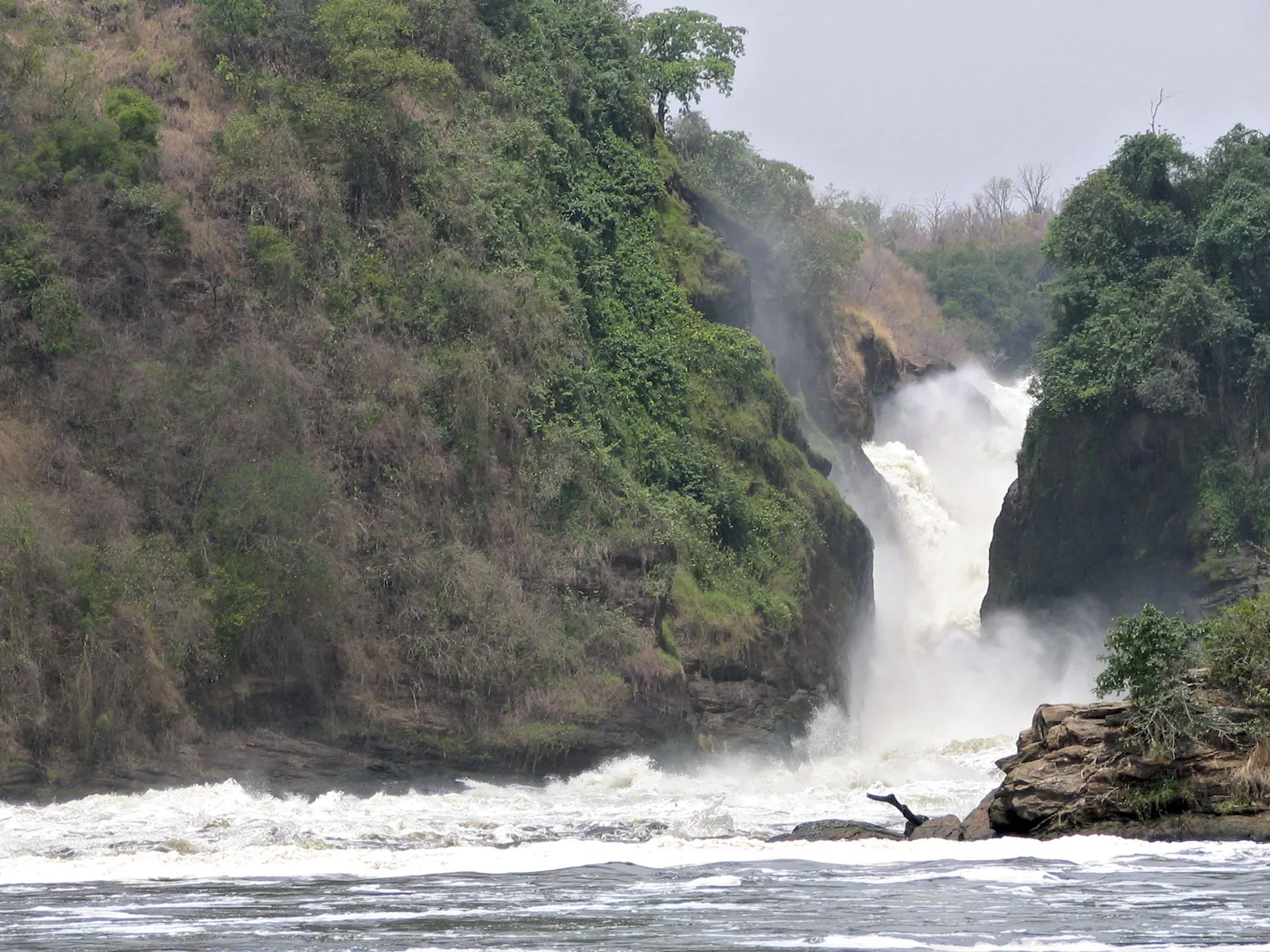
"We had an excellent experience with Pilama Safaris! The booking was very easy and the company was very responsive and helpful as we made our booking. The safari experience itself was great. Jacob, our guide, was amazing! He was extremely professional and the trip was all very well planned out. He also went out of his way to make our trip comfortable, taking care of all of the little details. He was very knowledgeable about the animals and the park. He also taught us a lot about Uganda culture in general. We felt like the safari was an excellent value and we would highly recommended it to anyone. The highlight for us was seeing the top of the Murchison Falls - it’s a breathtaking view. Thank you for an amazing experience, Pilama Safaris! Make a one sentence summary"
CeCe•16 July 2026
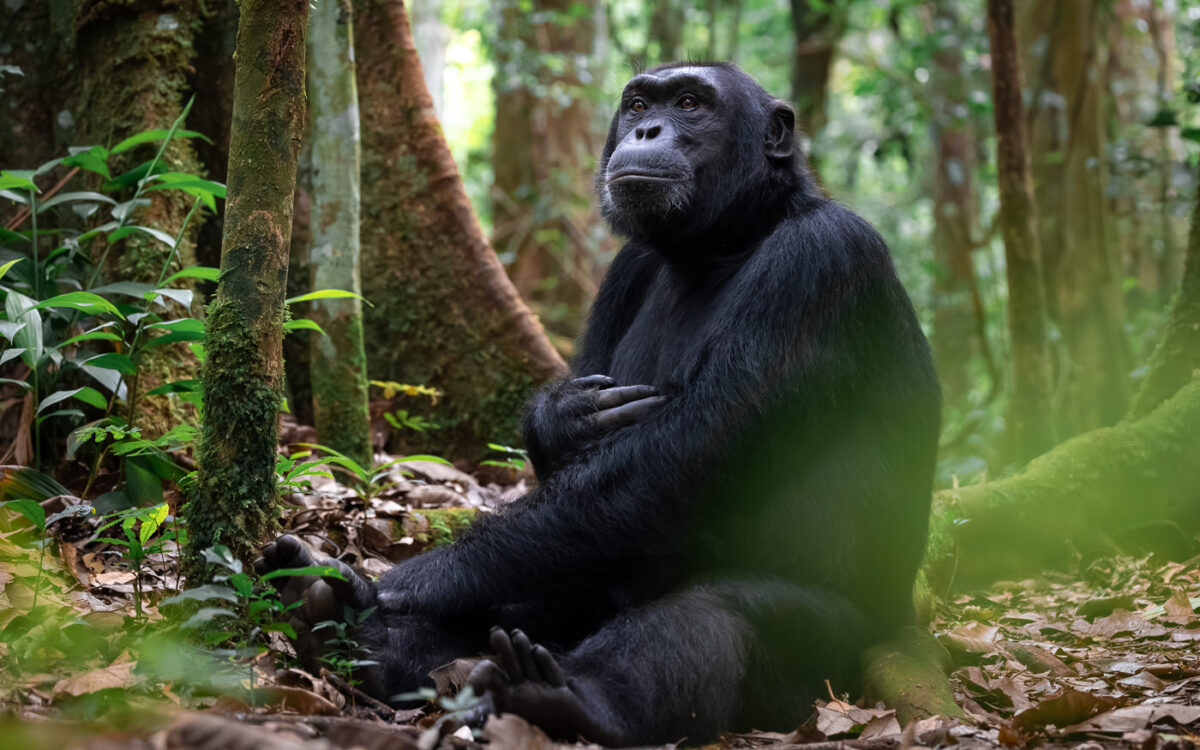
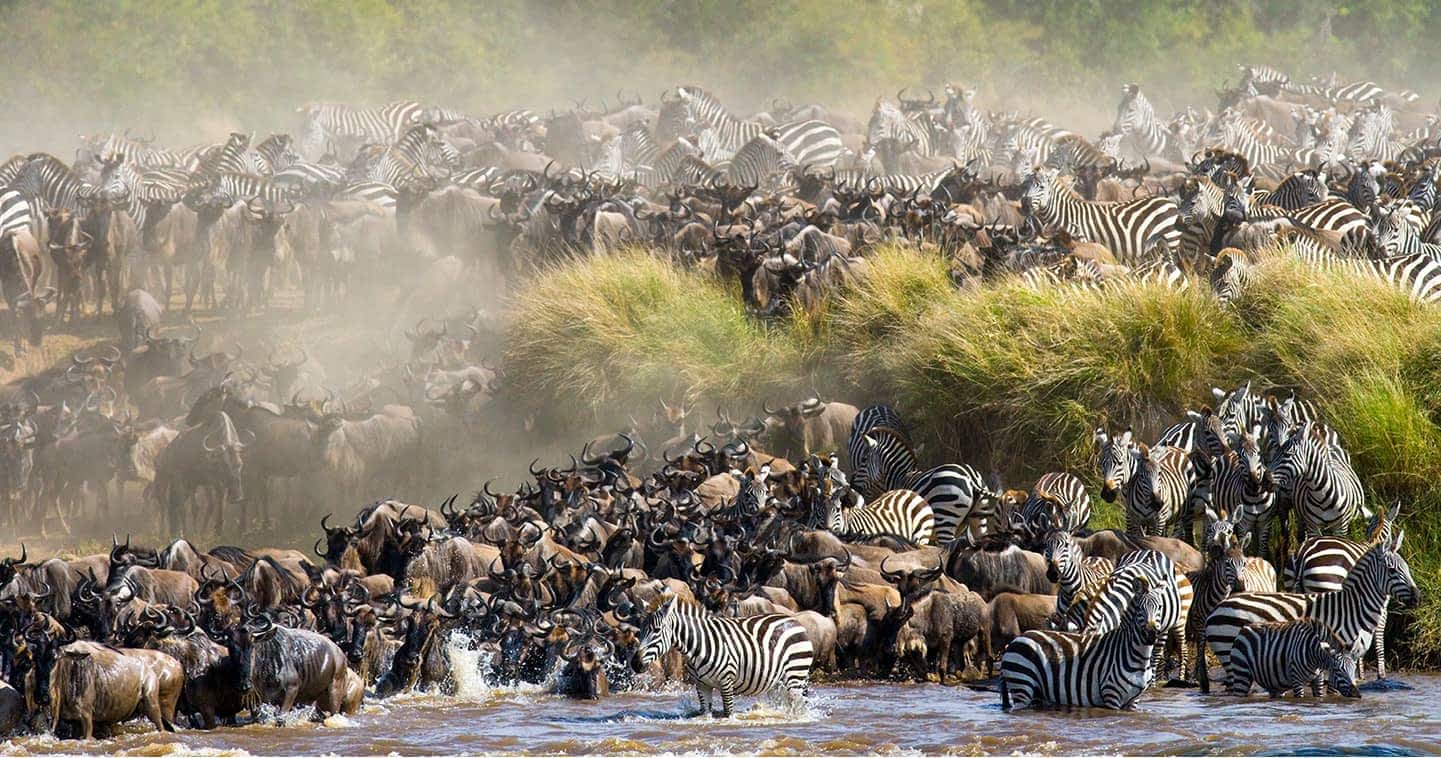
"Our trip to Uganda was unforgettable. We opted for a gorilla trekking tour with Pilama Safaris. It was my first such tour and also my first trip to Uganda. My travels usually take me to Southeast and South Asia. But this trip was something special. I found myself just a few meters away from a gorilla family in Bwindi and could hardly believe my eyes. I was moved to tears to be able to get so close to these animals. These gentle giants. I hadn't expected that. The entire organization was effortless yet remarkably sophisticated. Daniel, our tour guide, expertly shared his insider knowledge and was simply a pleasant person to listen to. He knew what he was doing as we entered the gorillas' domain. We felt safe and well cared for and had a great time. After Uganda, we went to the Masai Mara, where we had the opportunity and the incredible luck to witness the Great Migration. What an experience! I'll be able to tell my grandchildren about it. When thousands of wildebeest crossed the Mara River, it was like something out of a nature film, and we were right in the middle of it, not just spectators. Pilama Safaris also has a real knack for choosing accommodations. Every lodge is definitely recommendable, even for a longer stay. Communication with the organizers was straightforward and based on a handshake agreement. What was agreed upon was delivered and was well worth the money. One more thing: the trip planning and the entire itinerary were coordinated with us in advance and were tailor-made. Even when we wanted to add a relaxing day at short notice, the program was quickly changed, and we were able to unwind in the hotel's spa area. (automatic translation from German)"
D. Maria•16 July 2026
"I just returned from Uganda on safari With goexplore the experience was greaty best moment was the lion tracking with Dr shafat of carnivore project and gorillas in mgahinga beautiful animals Victoria Was Great with us on email from Start and she came to pick us at hotel I advise work with her she is perfect."
Brownlee•11 July 2026
"my trip to Murchison falls with my daughter was so full of surprises Brian sent us a quote and a very good travel plan however it was so pricey nevertheless I expected to have a normal trip that did not include much we were picked up by Moses from the airport for our 3 days to Murchison falls but surpassingly Brians planning was on top after reading a few of his good work on Internet from the past travellers on trip advisor he organised for us the a very good safari we slept at pakuba safaris lodge and another night we slept at pakuba lodge all these lodges were very nice food was good except at para lodge the wildlife was so much and we could not just feel it was enough for us everyday was a new experience for us lions cabs, leopards, herds of elephants and very many antelopes as well this is the best national park Uganda has with well protected and conserved wildlife this company will take you to an amazing trip thinking Brian charged us highly yes fine but the price was valued to its bet. the best trip my daughter enjoyed so far"

 Ask Tembo