Uganda Safari First-Timer's Guide: 7 Days Under $2,500
Plan your first Uganda safari in 7 days for under $2,500. Includes gorilla trekking, game drives, budget breakdown, best travel dates, and verified operators.
Great Zimbabwe Tours 2027: Entry Fees and Package Costs
Discover Great Zimbabwe Tours 2027: Entry Fees and Package Costs - Expert guide to safari tourism and wildlife destinations.
5 min read
Uganda Safari First-Timer's Guide: 7 Days Under $2,500
Last updated: July 2026
A 7-day Uganda safari costs $1,800–$2,500 per person when you book budget to mid-range packages in 2026. The best time to visit is June–August or December–February for dry weather and wildlife viewing. Uganda offers gorilla trekking permits at $800 per person—cheaper than Rwanda—plus game drives in Murchison Falls and Queen Elizabeth National Parks. Book through verified operators on SafariFind to compare packages and read authentic reviews from first-time travelers.
At a Glance
Total Cost: $1,800–$2,500 per person for 7 days
Daily Budget: $250–$350 per person per day
Gorilla Permit: $800 per person (included in most packages)
Best Time to Visit: June–August or December–February
Duration: 7 days recommended for first-timers
Best For: Budget-conscious travelers, gorilla trekking, wildlife photography
A Uganda safari first-timer's guide is a complete plan for visiting Uganda on a budget of under $2,500 for 7 days. This guide covers everything you need to know before your trip, from booking to packing to what animals you'll see. Uganda offers excellent value compared to Kenya, Tanzania, and Rwanda because gorilla trekking permits cost less and park fees are lower.[1]
Uganda is often the most affordable option for gorilla trekking in East Africa.[8] Budget camping safaris in Uganda cost approximately $150 to $250 per person per day, while mid-range packages run $300 to $650 per day.[4][5] For first-timers, a 7-day package that combines gorilla trekking with game drives gives you the full African safari experience without breaking your budget.
The beauty of a Uganda safari is that you get multiple experiences in one trip. You trek mountain gorillas in Bwindi Impenetrable National Park. You see lions, elephants, and giraffes on game drives. You explore waterfalls and riverine forests. All of this fits into a week and costs less than most international flights.
Why Uganda for Your First Safari?
Uganda's gorilla trekking permits currently cost $800 per person—significantly less than Rwanda's $1,500—making it the better value option for budget-conscious travelers.[6] The terrain is more challenging than Rwanda, with steep forest trails, but the experience is equally rewarding and the cost savings are substantial.
Uganda also offers diverse wildlife and landscapes. Murchison Falls National Park is Uganda's largest protected area at 3,893 square kilometers, where the mighty River Nile forces through a seven-meter gorge before plunging 43 meters.[2] Queen Elizabeth National Park features tree-climbing lions, massive elephant herds, and over 600 bird species. First-timers get to experience multiple ecosystems in one trip.
Additionally, Uganda has fewer tourists than Kenya or Tanzania, meaning less crowded parks and more personal wildlife encounters. Your safari feels more authentic and intimate. You'll see the same animals—often more of them—without competing with dozens of other vehicles at each sighting.
Main Information: Breaking Down Your 7-Day Budget
A 7-day Uganda safari under $2,500 per person breaks down into clear cost categories. Understanding where your money goes helps you make smart choices and avoid overpaying. Let's look at each component of the total cost.
Accommodation Costs
Budget lodges and tented camps form the backbone of affordable Uganda safaris. Budget group safaris use basic camping or budget lodges at approximately $300 per adult per day, while mid-range lodges and tented camps cost around $450–$650 per day.[5] For 7 days, budget on $2,100–$4,550 for lodging alone if booked separately, but package deals bundle this lower.
Budget accommodations are clean and comfortable. You get a bed with mosquito netting, a private bathroom, and meals. The rooms may lack air conditioning or hot showers, but they're safe and well-maintained. Mid-range lodges add amenities like better food, scenic views, and hot water—worth the extra cost for first-timers who want more comfort.
Park Fees and Permits
Park entrance fees and gorilla trekking permits are your largest single expenses. Uganda's gorilla trekking permits cost $800 per person.[6] Murchison Falls National Park charges $45 per person per day for foreign adults. Queen Elizabeth National Park charges $45 per day. Budget $890–$1,000 for all permits and fees across a 7-day trip.
These fees fund park maintenance, ranger salaries, and wildlife protection. Your money directly supports conservation efforts. Many first-timers find this transparency reassuring—you know your safari dollars protect the animals and forests you're visiting.
Transportation and Guides
Shared safari vehicles and professional guides cost $100–$200 per day in budget packages. For 7 days, expect $700–$1,400 for transport and guide services. Private vehicle packages cost more but give you flexibility and personal attention. Budget packages use shared vehicles with 4–6 other travelers, which reduces costs and creates friendships.
Your guide is critical to your safari success. Professional guides know where animals congregate, understand animal behavior, and share fascinating facts about ecology and culture. Budget guides are just as knowledgeable as luxury guides—the difference is in vehicle comfort and accommodation quality, not wildlife expertise.
Meals and Drinks
Most packages include breakfast, lunch, and dinner. Budget packages provide hearty, simple meals—rice, beans, vegetables, chicken, and local specialties like matoke (plantain). Mid-range packages offer more variety and better-quality ingredients. Budget $50–$100 per day for meals in package deals, though standalone meals cost $5–$15 per meal.
Drinks (coffee, tea, water, juice) are usually included. Alcohol is extra—budget $5–$10 per drink at lodges. Many first-timers bring electrolyte tablets and their own snacks for between-game-drive energy.
Sample 7-Day Budget Breakdown
Cost Category
Budget Package
Mid-Range Package
Accommodation (7 nights)
$1,050–$1,750
$2,100–$3,150
Gorilla Permit (1 person)
$800
$800
Park Fees (7 days)
$225–$315
$225–$315
Transport & Guide
$700–$1,050
$1,050–$1,400
Meals (7 days)
$350–$700
$350–$700
TOTAL (Per Person)
$3,125–$4,815
$4,525–$6,365
Wait—these totals exceed $2,500. Here's the key: group packages and early booking discounts reduce costs significantly. When you book through verified operators on SafariFind, you access group rates that bring per-person costs down to $1,800–$2,500. Compare verified Uganda safari packages under $2,500 to see current deals from established operators.
What's NOT Included in Package Prices
International flights to Uganda are not included—budget $600–$1,200 from North America or Europe depending on season. Travel insurance is not included but highly recommended ($50–$150 for the week). Visa costs $50 for most nationalities. Tips for guides and staff are not included—budget $50–$100 total for the week.
Optional activities like boat tours on the Kazinga Channel or visits to local villages cost $30–$60 extra. These are worth doing but not essential for first-timers on a tight budget.
First-timers often feel overwhelmed by safari planning. Breaking it into clear steps makes the process manageable. Here's exactly what to do to book your 7-day Uganda safari under $2,500.
Step 1: Choose Your Travel Dates (3–4 Months Ahead)
Uganda has two dry seasons: June–August and December–February. These are the best times for wildlife viewing and gorilla trekking because animals gather near water sources and forest trails are passable.[1] Book 3–6 months ahead to secure gorilla permits and better rates. Peak season (June–August) is busier but offers the most reliable weather.
The shoulder seasons (March–May and September–November) are cheaper and less crowded, but rain makes hiking difficult and wildlife viewing less reliable. First-timers should prioritize dry season for easier trekking and better sightings.
Step 2: Select Your Itinerary
A typical 7-day itinerary includes 2–3 days at Bwindi Impenetrable National Park for gorilla trekking, 2–3 days at Murchison Falls National Park for game drives, and 1–2 days at Queen Elizabeth National Park. This mix gives you gorillas, big cats, elephants, and birds without rushing.
For first-timers, gorilla trekking should be the centerpiece. If you're sensitive to hiking or have mobility concerns, consider a Uganda gorilla safari versus game drive comparison to find the best fit for your fitness level.
Step 3: Find Verified Operators and Compare Packages
SafariFind lists verified tour operators with authentic reviews. Look for operators with 4.5+ star ratings and 50+ reviews. Read recent reviews from first-timers to see what to expect. Compare at least 3 operators' packages to ensure you're getting good value.
Reach out to African Wild Trekkers and other top-rated operators with your travel dates and group size. They check gorilla permit availability first, then build the full itinerary around confirmed dates.[1] Get quotes from multiple operators—prices vary by $300–$500 even for identical itineraries.
Step 4: Book Early and Confirm Everything
Once you select an operator, pay the deposit (usually 30–50% of the total cost) to secure gorilla permits and accommodations. Ask for a detailed itinerary in writing. Confirm that all fees, meals, and transport are included. Clarify what's not included (tips, alcohol, optional activities).
Request travel insurance recommendations. Most operators can suggest affordable policies that cover trip cancellation and medical emergencies. This is essential for international travel.
Step 5: Prepare Health and Safety Requirements
Check Uganda safari safety and health requirements 2–3 months before departure. Get vaccinations for yellow fever, typhoid, and malaria prophylaxis from your doctor. Bring a comprehensive travel medical kit. Uganda is generally safe for tourists, and SafariFind-verified operators maintain excellent safety records.
Purchase comprehensive travel insurance that covers evacuation, medical expenses, and trip cancellation. Uganda's healthcare is good in major towns but limited in remote areas.
Step 6: Pack Smart for Budget Travel
Bring lightweight, neutral-colored clothing (khaki, green, brown) for game drives. Pack layers because mornings are cool and afternoons are hot. Bring sturdy hiking boots for gorilla trekking—this is non-negotiable. Pack a small backpack, binoculars, sunscreen, insect repellent, and a headlamp.
Leave luxury items at home. Budget lodges don't have safes or laundry service at every location. Travel with carry-on luggage only if possible to avoid baggage fees and delays.
What to Expect: Your First Safari Experience
First-timers often wonder what a real safari day feels like. Understanding the daily rhythm helps you prepare mentally and physically for the adventure ahead.
A Typical Game Drive Day
Game drives start early—usually 6:00 AM—to catch animals when they're active. You'll wake up at 5:30 AM, grab coffee and a light breakfast, then head into the park in a safari vehicle with your guide and 4–5 other travelers. The vehicle has large windows or an open roof for unobstructed views and photography.
Your guide drives slowly along dirt roads, scanning for movement and listening for animal sounds. When wildlife appears—a pride of lions, a herd of elephants, a family of giraffes—the vehicle stops and everyone watches quietly. Binoculars help you see details. Your guide explains animal behavior, ecology, and conservation efforts. Most drives last 3–4 hours, then you return for lunch and rest during the hot midday hours.
Afternoon game drives (3:00–6:00 PM) are shorter but often more productive because animals move again as temperatures cool. Dinner is usually at the lodge with other guests. First-timers often make friends during meals and share photos and stories from the day.
A Gorilla Trekking Day
Gorilla trekking is more intense than game drives. You start at 7:00 AM at the park headquarters for a briefing on gorilla safety and trekking rules. You're assigned to a guide and a small group (usually 6–8 people). The guide leads you into dense forest, following gorilla trails marked by rangers.
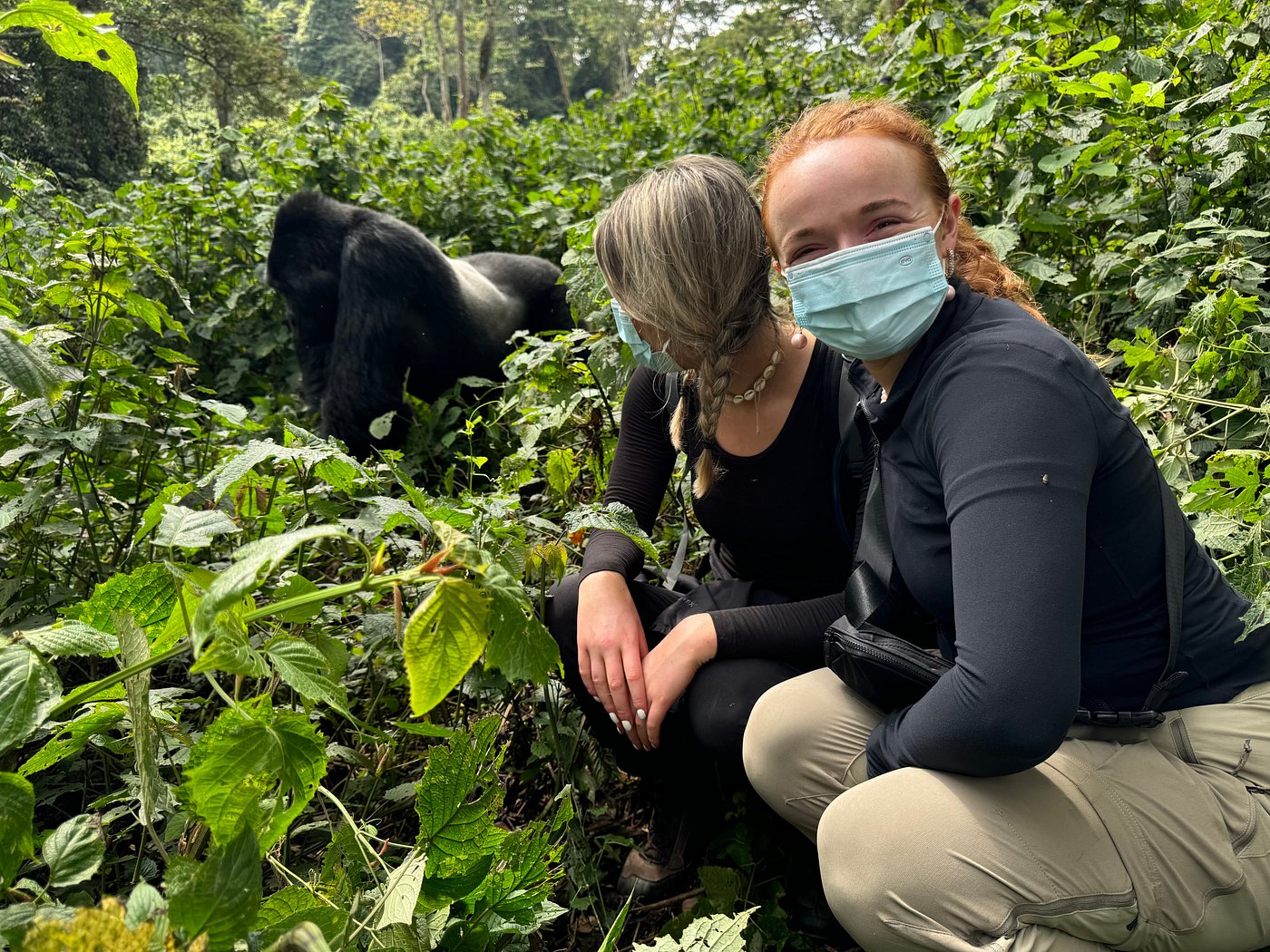
Trekking takes 1–5 hours depending on gorilla location. The forest is steep, muddy, and thick with vegetation. You'll slip, sweat, and breathe hard. But when you see a gorilla family—a massive silverback, mothers with babies, curious juveniles—the effort feels worthwhile. You spend one hour watching the gorillas at a safe distance. Your guide explains family dynamics and behavior. Many first-timers report this as the most moving moment of their lives.
After trekking, you return to the lodge for lunch and rest. Most first-timers are exhausted but exhilarated. Gorilla trekking requires reasonable fitness—it's not leisurely—but most people in average shape complete it successfully.
Wildlife You'll Definitely See
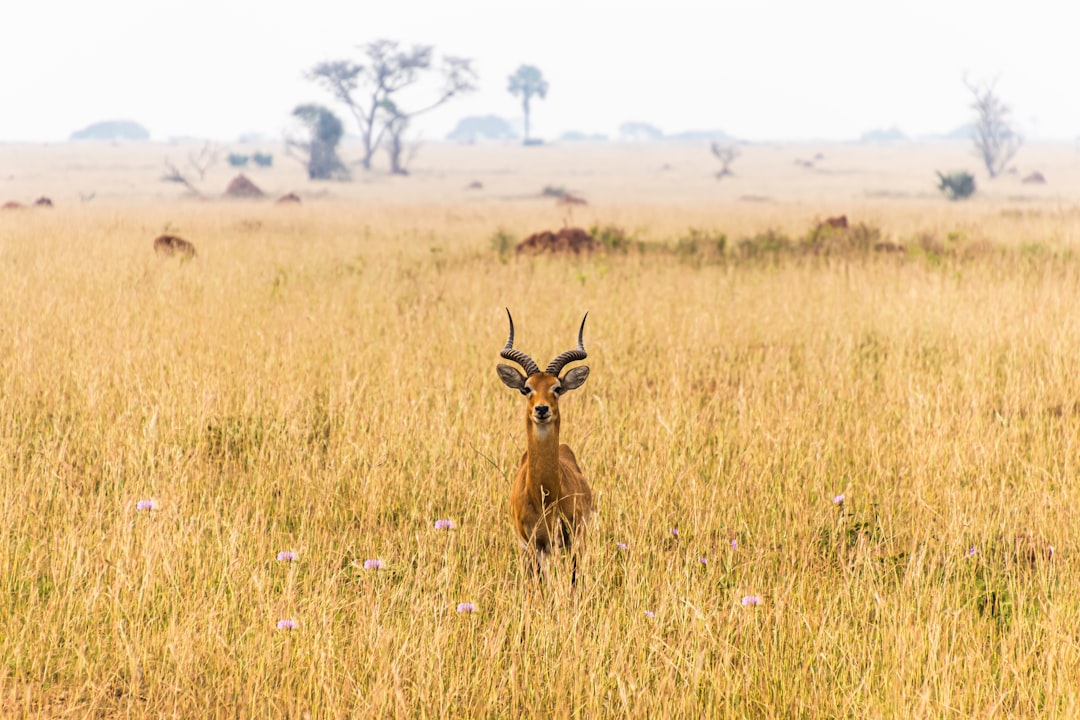
Uganda's parks guarantee sightings of elephants, giraffes, buffalo, antelopes, zebras, warthogs, and baboons. You'll almost certainly see lions in Murchison Falls and tree-climbing lions in Queen Elizabeth National Park. Hippos are common along rivers. Over 600 bird species live in Uganda—even non-birders get excited about the colors and variety.
Gorillas are the main attraction, and gorilla permits have a 99% success rate—you will see gorillas if you trek. Chimpanzees are also present but less commonly seen. Leopards exist but are nocturnal and elusive. Don't expect to see every animal, but you'll see far more than you imagined.
Comparing Uganda to Other First-Timer Destinations
First-timers often wonder if Uganda is the best choice for a budget safari. Here's how Uganda compares to Kenya, Tanzania, and Rwanda for value and experience.
Uganda vs. Kenya/Tanzania
A 7-day Kenya or Tanzania budget safari costs approximately $1,400–$2,100 per person based on shared vehicles, basic camping, and simpler meals.[7] This is cheaper than Uganda, but Kenya and Tanzania don't offer gorilla trekking. If gorilla trekking is your priority, Uganda is actually more cost-effective because one gorilla permit ($800) costs less than the difference in total safari pricing.
Kenya's Masai Mara and Tanzania's Serengeti offer the Great Migration (July–October) with 1.5 million wildebeest. Uganda doesn't have this spectacle. Choose Kenya/Tanzania for the Great Migration; choose Uganda for gorillas and better value.
Uganda vs. Rwanda
Rwanda's gorilla trekking permits cost $1,500 per person—nearly double Uganda's $800.[6] For a 7-day Rwanda safari, budget $3,500–$5,000 per person. Uganda's total cost is $1,800–$2,500. The savings are substantial. Uganda's gorilla experience is identical to Rwanda's, but Uganda costs 40–50% less.
Rwanda has fewer parks and less wildlife variety than Uganda. Uganda offers gorillas plus game drives and diverse ecosystems. For budget-conscious first-timers, Uganda is the clear winner.
Best Times to Visit Uganda for Budget Travelers
Timing your Uganda safari affects cost, weather, and wildlife viewing. Understanding seasonal patterns helps you book smart and save money.
Dry Season: June–August
The dry season (June–August) is peak tourist season in Uganda.[1] Prices are highest, permits sell out faster, and parks are busier. However, wildlife viewing is most reliable because animals concentrate near water sources. Gorilla trekking is easier because forest trails are drier. If you can book 4–6 months ahead, dry season offers the best experience for first-timers despite higher costs.
Dry Season: December–February
December–February is the secondary dry season. Prices are lower than June–August, permits are more available, and parks are less crowded. Weather is hot and dry. Wildlife viewing is still excellent. This is an underrated time for budget travelers—you get dry-season conditions at lower prices.
Shoulder Seasons: March–May and September–November
Shoulder seasons are cheapest—budget packages drop $300–$500. Rain is frequent, making gorilla trekking muddy and challenging. Wildlife viewing is less reliable because animals spread out. For budget-conscious first-timers with flexibility, shoulder seasons offer savings, but dry season is safer for first-time gorilla trekking.
Choosing Your Safari Operator: Verified vs. Unverified
Your operator makes or breaks your safari experience. Choosing a verified, reputable operator protects your investment and ensures quality service. Here's how to evaluate operators for first-timers.
What Makes an Operator Trustworthy
Look for operators with 4.5+ star ratings on SafariFind and other platforms. Read at least 10 recent reviews from first-time travelers. Check that the operator has been in business for 5+ years—longevity indicates reliability. Verify that they hold all required licenses and insurance. Ask for references from past clients.
Trustworthy operators respond to emails within 24 hours and answer questions thoroughly. They provide detailed written itineraries and clear pricing breakdowns. They explain what's included and what's not. They're willing to customize itineraries based on your interests and fitness level.
Avoid operators with prices significantly lower than competitors—they likely cut corners on safety or quality. Avoid operators who can't provide clear itineraries or pricing. Avoid operators who pressure you to book immediately or demand full payment upfront. Avoid operators with fewer than 30 reviews or mostly negative reviews.
SafariFind lists only verified operators, so using SafariFind eliminates most risk. All listed operators have been vetted for safety, reliability, and customer satisfaction.
Questions to Ask Your Operator
Ask: "What's included in the package price?" "What's not included?" "What's your cancellation policy?" "What happens if I'm sick during the trek?" "How many people per safari vehicle?" "What's your guide-to-tourist ratio?" "Do you provide travel insurance?" "Can you customize the itinerary?"
Get answers in writing. Clear communication prevents surprises and misunderstandings during your trip.
Key Takeaways
Book your 7-day Uganda safari 3–6 months ahead during dry season (June–August or December–February) to secure gorilla permits and save 15–20% on package rates.
Budget $1,800–$2,500 per person for a complete 7-day safari including gorilla trekking, accommodation, meals, and park fees when booking through verified SafariFind operators.
Uganda's $800 gorilla permits cost 47% less than Rwanda's $1,500, making Uganda the best value for first-time gorilla trekkers seeking budget safaris.
Choose dry season (June–August or December–February) for reliable wildlife viewing and easier gorilla trekking, even though prices are higher—first-timers benefit from better conditions.
Use SafariFind to compare verified operators with 4.5+ star ratings and 50+ reviews before booking, ensuring quality service and protecting your $1,800–$2,500 investment.
Frequently Asked Questions
How much does a 7-day Uganda safari cost for a first-timer in 2026?
A 7-day Uganda safari costs $1,800–$2,500 per person in 2026 when booked through verified operators offering group packages. This includes accommodation, meals, gorilla trekking permits ($800), park fees, transport, and professional guides. Budget packages are $1,800–$2,000; mid-range packages are $2,200–$2,500. International flights, travel insurance, tips, and optional activities are extra.
What's included in budget Uganda safari packages?
Budget packages include accommodation (basic lodges or camping), all meals, professional guides, shared safari vehicles, gorilla trekking permit, park entrance fees, and ground transport. They do not include international flights, travel insurance, visa, tips, alcohol, or optional activities like boat tours. Ask your operator for a detailed inclusion list before booking.
Is Uganda cheaper than Rwanda or Kenya for gorilla trekking?
Yes. Uganda's gorilla permits cost $800 per person—significantly less than Rwanda's $1,500. A 7-day Uganda safari totals $1,800–$2,500 per person, while Rwanda costs $3,500–$5,000. Kenya doesn't offer gorilla trekking. Uganda is the best value for first-timers who want gorillas on a budget. For complete cost comparisons, see Uganda safari cost 2026 guide comparing gorilla treks and game drives.
What's the best time to book a Uganda safari for first-timers?
Book 3–6 months ahead during dry season (June–August or December–February). Dry season offers reliable weather, better wildlife viewing, and easier gorilla trekking. Booking early secures gorilla permits and lodging. December–February is cheaper than June–August but equally good for first-timers. Avoid shoulder seasons (March–May, September–November) if you're new to gorilla trekking because rain makes trails difficult.
Can I do a Uganda safari on a budget if I'm not fit?
Yes, but choose carefully. Game drives require minimal fitness—you sit in a vehicle. Gorilla trekking requires moderate fitness because you hike 1–5 hours uphill on muddy trails. If you have mobility concerns, focus on game drives in Murchison Falls and Queen Elizabeth National Parks. Many budget packages combine game drives with optional gorilla trekking. Discuss fitness concerns with your operator before booking—they can customize your itinerary.
How do I find verified Uganda safari operators for budget packages?
Use SafariFind to browse verified operators with authentic reviews. Look for 4.5+ star ratings and 50+ reviews. Read recent reviews from first-timers. Compare at least 3 operators' packages. Email operators with your dates and budget—they'll send detailed quotes. Verified operators on SafariFind have been vetted for safety and reliability, protecting your investment. Browse verified Uganda safari operators on SafariFind to start comparing packages today.
What wildlife will I definitely see on a Uganda safari?
You'll definitely see elephants, giraffes, buffalo, antelopes, zebras, warthogs, and baboons. Lions are common in Murchison Falls and tree-climbing lions in Queen Elizabeth. Hippos frequent rivers. Over 600 bird species live in Uganda. Gorillas have a 99% sighting success rate if you trek. Chimpanzees exist but are less commonly seen. Leopards are rare and nocturnal. First-timers should expect abundant wildlife and incredible photography opportunities.
Conclusion
Uganda offers first-time safari travelers an unbeatable combination of value, experience, and adventure. A 7-day Uganda safari costs $1,800–$2,500 per person in 2026—less than Rwanda, less than most Kenya safaris, and far less than luxury packages anywhere in East Africa.[1][4][8] You get gorilla trekking, game drives, diverse wildlife, and professional guides. You experience African wilderness authentically and affordably.
The key to staying under $2,500 is booking 3–6 months ahead during dry season (June–August or December–February) through verified operators on SafariFind. Early booking secures gorilla permits and group discounts. Verified operators ensure quality service and transparent pricing. Reading authentic reviews from past first-timers helps you choose the right operator for your needs and budget.
Uganda's gorilla permits at $800 per person make gorilla trekking accessible to budget travelers.[6] You'll spend one hour with a gorilla family in their natural habitat—a life-changing moment that costs 47% less than Rwanda's equivalent experience. Add game drives in Murchison Falls and Queen Elizabeth National Parks, and you have a complete safari covering multiple ecosystems and wildlife types.
Don't delay. Gorilla permits sell out months in advance during peak season. Compare verified Uganda safari packages under $2,500 on SafariFind today. Request quotes from top-rated operators, read recent reviews from first-timers, and book with confidence. Your Uganda safari adventure awaits.
Plan Your Safari with SafariFind
These recommendations use real data from SafariFind, where you can compare operators, browse packages, and read verified traveler reviews before you book.
5★ - "We had an excellent experience with Pilama Safaris! The booking was very easy and the company was very responsive and helpful as we made our booking. The safari experience itself was great. Jacob, our guide, was amazing!" - CeCe • Verified review
5★ - "Our trip to Uganda was unforgettable. We opted for a gorilla trekking tour with Pilama Safaris. It was my first such tour and also my first trip to Uganda. My travels usually take me to Southeast and South Asia. But this" - D. Maria • Verified review
5★ - "They treated us really well and always care about us to be comfortable. Also they are really friendly and helpful. We were always laughing. Of course they have lots of knowledge about nature and about Uganda. We love ani" - Ryo • Verified review
"They treated us really well and always care about us to be comfortable. Also they are really friendly and helpful. We were always laughing. Of course they have lots of knowledge about nature and about Uganda. We love animals, we love Uganda because of them. Thank you so much."
Ryo•7/11/2026
5★ - "Go Explore gave us the greatest experience we have had in Uganda. Perfect in guiding us around and very flexible! We managed to even see the gorillas, though it was not initally planned." - Margaux • Verified review
"Go Explore gave us the greatest experience we have had in Uganda. Perfect in guiding us around and very flexible! We managed to even see the gorillas, though it was not initally planned."
Margaux•7/11/2026
5★ - "I was working with a tour operator out of Kenya to plan a Uganda gorilla trek followed by a Kenya & Tanzania safari. For some reason, the Uganda portion started having issues with only a few weeks to go. Enter Brian Aher" - Dave Medlicott • Verified review
"I was working with a tour operator out of Kenya to plan a Uganda gorilla trek followed by a Kenya & Tanzania safari. For some reason, the Uganda portion started having issues with only a few weeks to go. Enter Brian Ahereza of GoExplore. Wow! Talk about fast acting and excellent service. Within 1 day, Brian arranged everything. The only thing that would have made my trip better is if I had added one extra day, but by this point, we couldn't squeeze it in, so Brian did the absolute best with what he had to work with. For starters, one of the best things that could have happened did! ANd that was to have Charles assigned as our driver/guide. We flew into Kigali, Rwanda and Charles met us at the airport and took us to our hotel. The next morning we got up for the long drive to the Nkoringo area of Bwindi. A lot of this drive is on some VERY difficult dirt roads and Charles was masterful at navigating the terrain. Furthermore, I was using offline Google Maps to track our location and there is no possible way I could have gotten to where Charles was going. We got to Nkoringo Lodge and immediately loved it. Brian had arranged for us to have one of only 2 rooms there that had on demand hot water. Our room overlooked Bwindi and we sat on the deck admiring the view. To get to the bar/dining area, we hiked up and over a ridge and the view from that side was south to the 3 volcanoes on the border of Uganda/Rwanda/Congo - absolutely beautiful! The next day we did the trek to the Nkuringo gorilla group. It was not a difficult trek until we had to cross a fast flowing stream because the gorillas had gone to that side and as soon as we crossed, they came back! So we did too. And then we found them and it was such a wonderful experience! My wife was standing next to me and a young male (7-8 years old??) suddenly turned and started walking towards us. My wife moved to the left, but our guide said to stand still. The gorilla walked right between us and as he passed, he stuck out his arm between my legs and grasped me around the thigh!!! OMG! Even though I could feel his amazing power, I did not feel in danger. Just as quickly, he let go and continued walking! After that amazing trek, we drove (another long day) up to Queen Elizabeth National Park and spent 2 nights at the Buffalo Safari lodge. We did a couple of games drives in which we saw lots of antelope, elephants, buffalo and 6 lions (all female, with one or two young males). We followed with a boat ride on the Kazenga channel which was fantastic. The next day, we drove to Kibale National Park to look for Chimps. We arrived at our wonderful lodge, the Chimpanzee Forest Guest House at about lunchtime and then headed to Kibale for our Chimp Trek. At lunch, we met a couple who showed us amazing pictures from their trek that very morning. Unfortunately for us, even with 7 groups in the forest, we could only find 2 chimp sand they were up in the trees. That happens in nature, but the real lesson is to take the morning trek!!! The next day, Charles drove us to Entebbe and our Uganda trip was over. One of my friends asked me about the birds in Uganda. My wife loves birds and by extension, I have come to love them as well. SHe asked Charles, our guide, about every single bird we saw. Charles had a very well worn copy of "Birds of East Africa". He didn't need that book because he had it memorized. Charles was a fantastic driver/guide/person! He made our trip incredibly special! I can't thank Brian, Charles and GoExplore enough for making this so special!!!"