
Safari Guides•24 min read
Mozambique Safari Animals: Species Guide by Park

Discover 200+ mammal species across Mozambique's parks. See Big Five, rhinos, and 740 bird species. Best time May-October. Packages from $1,500.
Share this article
Discover 200+ mammal species across Mozambique's parks. See Big Five, rhinos, and 740 bird species. Best time May-October. Packages from $1,500.

Discover 5-Day Tanzania Safari Itinerary: Daily Plan and 2027 Cost - Expert guide to safari tourism and wildlife destinations.

Discover Zambia Walking Safari Packages 2027: Prices and Booking - Expert guide to safari tourism and wildlife destinations.
Discover Great Zimbabwe Tours 2027: Entry Fees and Package Costs - Expert guide to safari tourism and wildlife destinations.
Last updated: July 2026
Mozambique is home to over 200 mammal species and 740 bird species across diverse parks like Gorongosa and Great Limpopo. The best time to visit is May to October when wildlife congregates near water sources. Safari packages start at $1,500-$3,500 for 5-7 days. Explore verified Mozambique safari operators on SafariFind to find packages matching your budget and interests.
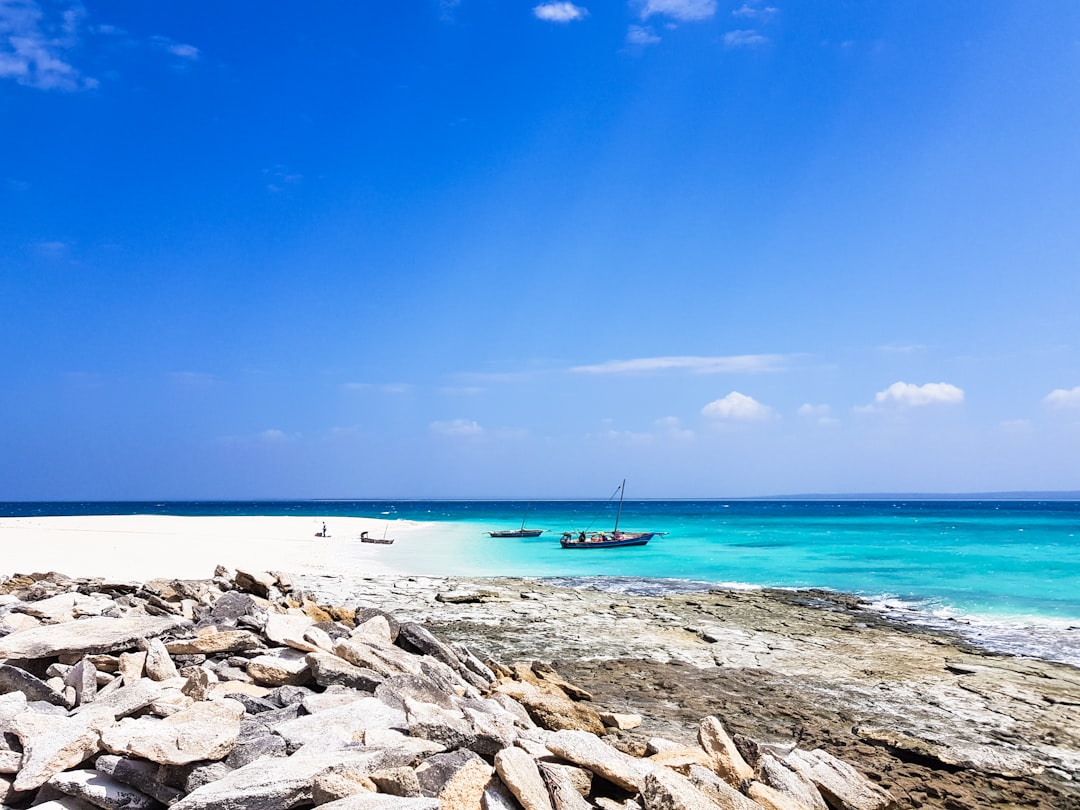
Mozambique safari animals represent one of Africa's most underrated wildlife destinations, with over 200 mammal species and 740 bird species spread across pristine national parks and reserves.[1][3] While many travelers focus on Kenya and Tanzania, Mozambique offers authentic safari experiences at a fraction of the cost, with recovering wildlife populations and minimal crowds. The country's parks have undergone remarkable restoration since the 1990s, transforming them into thriving ecosystems where you can encounter elephants, lions, leopards, and countless other species.
Mozambique's safari experience differs from traditional African safaris in one key way: fewer tourists mean more genuine wildlife encounters. Park infrastructures continue improving, and animal numbers are on the increase, especially after recent reintroductions of black and white rhinos in Zinave National Park.[4] Whether you're interested in the Big Five, rare bird species, or marine wildlife, Mozambique delivers diverse safari opportunities without overwhelming crowds.
Mozambique's wildlife spans across multiple habitat types, from savanna grasslands to coastal reserves. The country's parks host impressive concentrations of large mammals, with recent wildlife counts showing significant population increases. Understanding which animals live in which parks helps you plan your safari route and set realistic expectations for sightings.
Mozambique's parks are home to the Big Five: lions, leopards, elephants, buffalo, and rhinoceros.[5] Great Limpopo Transfrontier Park, spanning 35,000 square kilometers across the Mozambique-South Africa-Zimbabwe border, hosts healthy populations of these iconic species alongside giraffes, zebras, hyenas, and hippopotamuses.[5] Gorongosa National Park features similar large mammal diversity, with recent aerial counts showing increasing populations of buffalo, kudu, and impala.
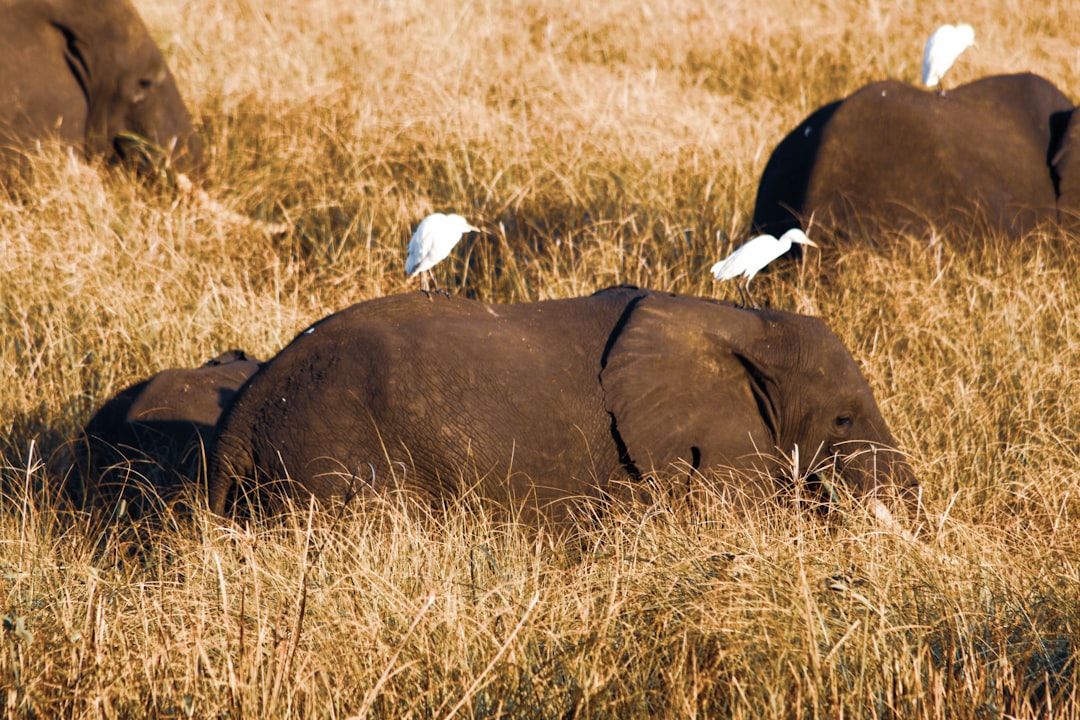
Elephants are among Mozambique's most visible large animals, particularly in Gorongosa and Great Limpopo where herds of 50-100 individuals roam seasonal water sources. Lions hunt across open grasslands in both parks, though sightings require patience and early morning drives. Leopards are present but elusive, preferring dense vegetation where they remain hidden during daylight hours.
Mozambique hosts exceptional antelope diversity, including impala, kudu, eland, and waterbuck species. Recent wildlife surveys in Gorongosa revealed particularly dramatic increases in impala populations, making them among the most frequently sighted animals on game drives.[2] These smaller herbivores often congregate in herds of 20-50 individuals, especially during the dry season when they gather at reliable water points.
Beyond antelopes, you'll encounter warthogs, zebras, giraffes, and various smaller mammals like hyenas, wild dogs, and jackals. Zinave National Park recently became home to reintroduced African wild dogs, representing a major conservation success story. These highly social predators hunt in coordinated packs, offering thrilling wildlife viewing opportunities for lucky observers.
Mozambique protects several critically endangered species found nowhere else on Earth. The Selous' zebra, endemic to Mozambique, represents one of the continent's rarest equine species with fewer than 200 individuals remaining in the wild.[3] Vincent's bush squirrel and other endemic mammals highlight Mozambique's unique biodiversity and conservation importance.
The recent reintroduction of black and white rhinos in Zinave National Park marks a turning point for Mozambique's conservation efforts.[4] These rhinos, extinct in the country for decades, now roam protected grasslands with armed anti-poaching patrols ensuring their safety. Seeing a rhino in Mozambique represents a genuine conservation victory and an unforgettable safari moment.
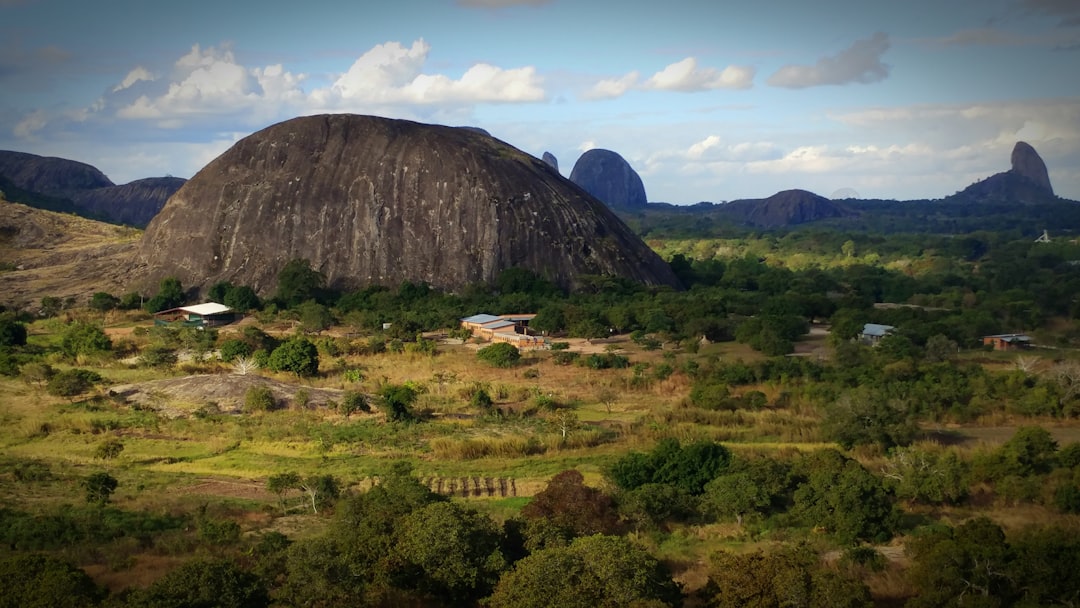
Gorongosa National Park stands as Mozambique's flagship wildlife destination, hosting the country's most diverse and concentrated animal populations. This 5,000-square-kilometer park underwent complete restoration starting in 1994 after decades of conflict destroyed its wildlife populations. Today, Gorongosa demonstrates Africa's most successful wildlife recovery story, with animal populations rebounding dramatically.[2]
Gorongosa's latest aerial wildlife counts from October 2018 revealed remarkable population increases across nearly all species.[2] Buffalo populations surged upward, kudu numbers climbed steadily, and impala populations exploded beyond expectations. These herbivores now number in the thousands across the park's grasslands and woodlands, creating cascading effects throughout the food chain.
Large predators returned as prey populations recovered. Lions now hunt regularly throughout Gorongosa, with pride sizes growing as prey availability increased. Leopards inhabit the park's densest forests and rocky outcrops, though they remain challenging to spot. Hyenas and African wild dogs have also reestablished populations, adding to the park's predator diversity.
Elephants represent Gorongosa's most iconic large mammals, with herds growing steadily as restoration efforts continue. You'll typically encounter family groups of 15-30 individuals during dry season game drives, particularly near Mount Gorongosa's slopes where water sources concentrate wildlife. These intelligent giants display complex social behaviors, often stopping to dust-bathe or visit mineral licks.
Gorongosa's avian diversity rivals its mammal populations, with over 400 bird species recorded in the park.[2] The park's varied habitats—from grasslands to forests to wetlands—support everything from small insectivores to large raptors. Secretary birds stalk across open plains hunting snakes, while crowned eagles soar above forest canopies searching for monkeys and other prey.
Reptiles thrive in Gorongosa's warm climate, with numerous snake species, monitor lizards, and crocodiles inhabiting the park's water sources. Nile crocodiles congregate in the Pungwe River during dry season, creating spectacular viewing opportunities from safe distances. These prehistoric-looking predators can reach lengths exceeding 5 meters, making them among Africa's most formidable reptiles.
Great Limpopo Transfrontier Park represents one of Africa's most ambitious conservation initiatives, creating a massive 35,000-square-kilometer wildlife sanctuary spanning three countries without fences or borders.[5] This fenceless approach allows animals to migrate freely across international boundaries, creating one of the continent's most diverse wildlife ecosystems.
Great Limpopo Transfrontier Park hosts all five members of the Big Five in healthy, sustainable populations.[5] Elephants roam across vast grasslands in herds exceeding 100 individuals, particularly during wet season migrations. Lions hunt cooperatively across open plains, with several prides maintaining territories throughout the park's Mozambique section.
Leopards prefer the park's denser woodlands and rocky terrain, emerging during dawn and dusk to hunt smaller prey. Buffalo congregate in massive herds numbering hundreds, especially near reliable water sources during dry season. Rhinoceros populations, though smaller, are steadily increasing as anti-poaching efforts strengthen across the transfrontier area.
Beyond the Big Five, Great Limpopo supports extraordinary herbivore diversity. Giraffes browse acacia trees across open savannas, their long necks reaching leaves other animals cannot access. Zebras graze in mixed herds with wildebeest, creating dramatic landscape scenes during dry season congregations. Cheetahs, hyenas, and wild dogs add predatory diversity to the ecosystem.
Smaller antelopes including impala, kudu, eland, and sable antelope inhabit various habitat zones throughout the park. Hippopotamuses congregate in water holes during dry season, creating dangerous but mesmerizing viewing opportunities. Warthogs and porcupines emerge during cooler evening hours, adding to the park's mammal diversity.
Great Limpopo Transfrontier Park hosts over 500 bird species, making it a paradise for bird watchers and wildlife photographers.[5] Large raptors including crowned eagles, martial eagles, and fish eagles soar above the landscape hunting prey. Colorful bee-eaters, rollers, and kingfishers add visual splendor to water-side game drives.
Nocturnal species including owls, nightjars, and other night birds create atmospheric soundscapes during evening drives. Morning bird songs mark sunrise across the park, with dozens of species calling simultaneously. Whether you're an experienced birder or casual wildlife enthusiast, Great Limpopo's avian diversity will captivate you.
Zinave National Park and Maputo Special Reserve represent Mozambique's emerging safari destinations, offering intimate wildlife experiences away from established tourist routes. Both parks showcase different ecosystems and animal communities, providing diverse safari opportunities for visitors seeking authentic African experiences.
Zinave National Park gained international attention through its ambitious rhino reintroduction program, welcoming both black and white rhinos to its protected grasslands.[4] This restoration effort represents a major conservation victory, bringing a species back from local extinction. Park protection includes armed anti-poaching patrols ensuring these valuable animals' safety and survival.
Beyond rhinos, Zinave hosts diverse wildlife including elephants, buffalo, lions, and various antelope species. The park's smaller size compared to Gorongosa or Great Limpopo creates more intimate wildlife encounters, with animals often approaching safari vehicles more closely. Seasonal water sources concentrate animals in predictable locations, increasing sighting probability during dry season visits.
Maputo Special Reserve offers Mozambique's most unique safari experience, combining terrestrial and marine wildlife viewing. This coastal reserve protects both bush animals and marine species, allowing visitors to encounter elephants, buffalo, and various antelope species alongside marine turtles and dolphins. The combination creates a truly distinctive safari experience unavailable elsewhere in Mozambique.
The reserve's coastal location brings seasonal whale migrations, with humpback whales passing offshore during specific months. Marine birds including fish eagles and cormorants hunt in coastal waters alongside traditional bush species. This blend of land and sea wildlife makes Maputo Special Reserve particularly appealing for travelers seeking diverse safari experiences.
Wildlife viewing success in Mozambique depends heavily on seasonal timing, with different periods offering distinct advantages and challenges. Understanding seasonal patterns helps you plan your safari for maximum animal encounters and comfortable travel conditions.
The dry season (May to October) represents the optimal time for Mozambique safaris, offering the best combination of wildlife viewing and comfortable weather conditions. As rainfall decreases, animals concentrate around reliable water sources, making them easier to locate and observe. Vegetation thins during this period, improving visibility across grasslands and woodlands.
Temperatures during dry season remain pleasant, typically ranging from 15-25°C, making long game drives comfortable and enjoyable. Skies are generally clear, providing excellent photography conditions and unobstructed wildlife viewing. Road conditions improve as seasonal rains cease, making park access easier and more reliable.
Peak safari months occur from July to September when dry season conditions peak and wildlife congregations are most dramatic. However, these months also bring increased tourist numbers, potentially crowding popular viewing areas. Booking through SafariFind allows you to compare packages and find operators who access less-crowded viewing areas during peak season.
The wet season (November to April) presents different safari advantages and challenges. Rainfall transforms the landscape into lush green vegetation, attracting breeding birds and creating spectacular photographic opportunities. Animal populations disperse across the landscape as water becomes available throughout the parks, making sightings less predictable but more rewarding for patient observers.
Wet season temperatures soar, often exceeding 30°C with high humidity making extended game drives uncomfortable. Road conditions deteriorate significantly, with some park sections becoming inaccessible during heavy rainfall. Malaria risk increases during wet season months, requiring careful health precautions and medication consultation before travel.
Despite challenges, wet season offers advantages including lower tourist numbers and excellent bird watching opportunities. Lush vegetation creates stunning landscape photography conditions, and you may encounter animals in their natural, dispersed state rather than concentrated at water holes. Budget-conscious travelers often find better package rates during wet season months.
Planning a successful Mozambique safari requires understanding park options, wildlife expectations, logistics, and booking strategies. Taking time to research and prepare ensures you maximize wildlife encounters while staying within budget and comfort preferences.
Your choice of park significantly impacts your safari experience and animal encounters. Gorongosa National Park offers the most developed infrastructure and highest wildlife concentration, making it ideal for first-time safari visitors. Great Limpopo Transfrontier Park provides vast wilderness experiences and diverse animal populations for travelers seeking remote safari adventures. Zinave suits conservation-minded visitors interested in rhino reintroduction projects.
Consider your interests when selecting parks. Bird watchers should prioritize Gorongosa or Great Limpopo for their exceptional avian diversity. Photography enthusiasts benefit from Gorongosa's varied habitats and accessible wildlife. Budget travelers find better value in smaller parks like Zinave, which offer intimate experiences at lower costs than established destinations.
Booking through verified safari operators ensures quality experiences and fair pricing. SafariFind connects you with established Mozambique tour operators offering transparent pricing and authentic traveler reviews. Comparing packages on SafariFind helps you identify operators matching your budget, interests, and travel dates.
When evaluating operators, check their experience in Mozambique parks, guide qualifications, and safety records. Read detailed traveler reviews to understand real customer experiences rather than marketing claims. Reputable operators provide comprehensive pre-trip information, reliable transportation, and professional guiding services.
Mozambique safaris offer exceptional value compared to Kenya, Tanzania, or Botswana destinations. Five-day safari packages typically cost $1,500-$2,500 per person, while seven-day packages range from $2,000-$3,500 depending on accommodation and park selection.[6] These prices include park fees, guiding, and meals, making Mozambique one of Africa's most affordable safari destinations.
Budget considerations include accommodation type (camping, mid-range lodge, or luxury resort), transportation (group vehicle or private vehicle), and meal arrangements. Booking during shoulder seasons (April-May or September-October) often provides 10-20% discounts compared to peak season rates. Early booking three to six months ahead typically yields better pricing and accommodation selection.
Learn detailed Mozambique safari cost breakdowns for 5, 7, and 10-day budgets in our 2026 pricing guide, which helps you plan finances and compare operator quotes accurately.
Maximizing wildlife viewing success requires understanding animal behavior, using proper techniques, and maintaining realistic expectations. These practical tips enhance your safari experience and increase sighting probability across all parks.
Wildlife activity peaks during early morning (5:30-10:00 AM) and late afternoon (3:30-sunset) periods when temperatures cool and animals become more active. Predators hunt during these cooler times, while herbivores graze before heat peaks. Schedule your game drives around these optimal viewing windows for maximum animal encounters.
Midday drives (10:00 AM-3:00 PM) typically offer fewer sightings as animals seek shade and rest during peak heat. However, midday drives provide opportunities to observe animal behavior in natural settings rather than concentrated water-hole viewing. Night drives, where permitted, reveal nocturnal species including owls, nightjars, and smaller mammals invisible during daylight.
Respecting wildlife ensures animal safety and enhances viewing quality for all visitors. Maintain safe distances from animals as specified by your guide, typically 25 meters for most species and greater distances for predators. Keep noise levels low, avoiding sudden movements or loud conversations that startle animals. Photography flashes should be avoided as they disturb wildlife and degrade image quality.
Never attempt to feed wildlife or leave food unattended, as this creates dangerous habituation and behavioral problems. Respect park regulations regarding vehicle speeds, off-road driving restrictions, and protected areas. These guidelines ensure animal welfare while maintaining the authentic safari experience that makes Mozambique special.
Bring quality camera equipment including telephoto lenses (200-400mm recommended) for wildlife photography. Binoculars enhance animal observation, allowing you to identify species and observe behavior from appropriate distances. Notebook and field guide help you document species sightings and learn animal identification skills throughout your safari.
Early morning and late afternoon light provides optimal photography conditions with warm, directional sunlight creating dramatic wildlife images. Overcast days offer soft, even lighting suitable for action photography. Patience yields the best results—waiting quietly for animals to approach often produces superior photographs compared to actively chasing subjects.
Understanding how Mozambique's wildlife compares to other African safari destinations helps you make informed travel decisions. While Mozambique differs from Kenya, Tanzania, and Botswana in some ways, it offers unique advantages for specific traveler types.
Mozambique hosts similar animal diversity to Kenya and Tanzania, with over 200 mammal species and 740 bird species.[1][3] However, population densities differ significantly. Kenya's Masai Mara and Tanzania's Serengeti concentrate wildlife more densely due to established tourism infrastructure and larger tourist numbers. Mozambique's lower tourist density means fewer vehicles around animals, creating more authentic encounters despite potentially lower sighting frequency.
Wildlife populations in Mozambique are rapidly increasing following conservation successes, particularly in Gorongosa and Zinave parks. While populations remain smaller than established East African parks, growth trajectories suggest Mozambique will rival traditional destinations within 5-10 years. This recovery trajectory makes Mozambique exciting for travelers interested in witnessing conservation success stories.
Mozambique safaris cost significantly less than comparable Kenya, Tanzania, or Botswana experiences. Five-day Mozambique packages range from $1,500-$2,500 per person, while equivalent Kenyan or Tanzanian safaris typically cost $2,500-$4,000 or more. This 40-50% price advantage makes Mozambique ideal for budget-conscious travelers seeking authentic African safari experiences without premium pricing.
Accommodation options range from budget camping ($30-$50 per night) to luxury lodges ($300+ per night), allowing customization to specific budget preferences. All-inclusive package pricing includes park fees, meals, and guiding, eliminating surprise expenses common in other destinations. Compare Mozambique safari value against Zanzibar beach alternatives in our detailed 2026 comparison guide, helping you decide between safari and beach experiences.
Mozambique attracts far fewer tourists than Kenya's Masai Mara or Tanzania's Serengeti, creating more authentic wildlife encounters with fewer vehicles competing for viewpoints. This lower crowd density appeals to travelers seeking genuine African experiences rather than crowded safari circuits. You'll often have animals nearly to yourself, rather than joining 10-15 other vehicles at popular sightings.
However, lower tourist numbers mean less developed infrastructure and fewer accommodation options in some parks. Remote locations require careful planning and reliable operator selection. The trade-off between comfort and authenticity appeals differently to different travelers—adventure seekers embrace rougher conditions for genuine wilderness experiences, while comfort-focused travelers prefer established destinations with predictable amenities.
Understanding conservation challenges and successes provides context for Mozambique's wildlife viewing opportunities. The country's wildlife populations faced near-extinction during decades of conflict but now demonstrate remarkable recovery through dedicated conservation efforts.
Mozambique's national parks underwent complete restoration after the civil war ended in 1992, with systematic wildlife reintroduction beginning in the mid-1990s. Gorongosa National Park represents the most dramatic recovery story, with animal populations increasing from near-zero to thousands across multiple species.[2] This restoration demonstrates wildlife's resilience when given proper protection and management.
Ongoing conservation efforts focus on expanding animal populations while developing sustainable tourism. Recent successes include African wild dog reintroduction in Zinave and black and white rhino reintroduction programs demonstrating commitment to biodiversity restoration.[4] These projects create exciting viewing opportunities while supporting genuine conservation work.
Mozambique protects 20 globally threatened bird species and numerous mammal species found nowhere else on Earth.[3] The critically endangered Selous' zebra survives only in Mozambique, making it a priority for conservation efforts. Vincent's bush squirrel and other endemic species require ongoing protection from habitat loss and poaching.
Anti-poaching patrols protect wildlife from illegal hunting, particularly targeting high-value species like rhinos and elephants. International conservation organizations partner with Mozambique's government to fund protection efforts and sustainable community development programs. Supporting verified safari operators contributes directly to these conservation efforts, as tourism revenue funds park management and protection.
Safari quality depends partly on accommodation and logistical support available in each park. Mozambique's developing tourism infrastructure offers diverse options ranging from budget-friendly to luxury experiences.
Gorongosa National Park offers the most developed accommodation infrastructure, with options including the Carr Foundation's Chitengo Safari Camp, private eco-tourism lodges, and budget camping facilities.[6] Chitengo Safari Camp provides comfortable accommodation with experienced guiding, attracting thousands of international visitors annually since opening in 2009. Private operators offer mid-range and luxury options with varying service levels and price points.
Explore detailed Mozambique safari lodge options comparing luxury versus budget accommodations with honest reviews in our 2026 lodge guide, helping you select properties matching your comfort and budget preferences.
Great Limpopo Transfrontier Park's Mozambique section offers more limited accommodation, requiring careful planning and operator selection. Some areas feature basic lodge accommodation while others provide camping-only options. The trade-off involves rougher conditions but more authentic wilderness experiences and lower costs. Operators typically arrange all logistics, managing transportation and meals throughout your safari.
Zinave and Maputo Special Reserve have minimal developed infrastructure, suitable primarily for experienced safari travelers comfortable with basic facilities. These parks appeal to adventurous travelers seeking intimate wildlife experiences away from established tourist routes. Operators handle all logistical arrangements, managing vehicle transport, camping setup, and meal preparation.
Mozambique's Big Five include lions, leopards, elephants, buffalo, and rhinoceros. All five species inhabit Great Limpopo Transfrontier Park and Gorongosa National Park in healthy, viewable populations. Recent rhino reintroductions in Zinave National Park have expanded rhino viewing opportunities beyond traditional parks.
Mozambique hosts 740 bird species total, with Great Limpopo Transfrontier Park alone featuring over 500 species.[5] Gorongosa National Park has over 400 recorded bird species. These numbers include 20 globally threatened species, making Mozambique a paradise for serious bird watchers and wildlife photographers.
The best time to visit Mozambique for wildlife viewing is May to October during the dry season. During these months, animals concentrate around reliable water sources, vegetation thins for better visibility, and comfortable temperatures make extended game drives enjoyable. July to September offers peak wildlife viewing but also higher tourist numbers.
Yes, you can see rhinos in Mozambique, particularly in Zinave National Park where black and white rhinos have been successfully reintroduced.[4] These conservation success stories represent major achievements in wildlife restoration. Sightings require patience and early morning drives, but rhino encounters offer unforgettable safari moments.
A 5-day Mozambique safari costs $1,500-$2,500 per person in 2026, while 7-day packages range from $2,000-$3,500 depending on accommodation and park selection. These all-inclusive prices cover park fees, guiding, meals, and transportation. Explore detailed cost breakdowns for different safari durations and budget levels on SafariFind to find packages matching your financial preferences.
Mozambique's greatest wildlife recovery success is Gorongosa National Park, where aerial counts from October 2018 showed dramatic population increases in buffalo, kudu, impala, and other species after near-extinction during conflict.[2] Recent reintroductions of African wild dogs in Zinave and black and white rhinos across multiple parks demonstrate ongoing conservation commitment and species recovery success.
SafariFind connects you with verified Mozambique safari operators offering transparent pricing and authentic traveler reviews. Browse safari packages, compare operators, read detailed reviews from previous travelers, and request quotes directly from verified tour operators. This approach ensures quality experiences and fair pricing compared to booking independently.
Mozambique safari animals offer exceptional wildlife viewing experiences at affordable prices, with over 200 mammal species and 740 bird species distributed across diverse national parks and reserves.[1][3] The country's wildlife populations demonstrate remarkable recovery from conflict-era decimation, with ongoing conservation successes including rhino reintroductions and predator population growth. Whether you're interested in Big Five encounters, rare bird species, or conservation success stories, Mozambique delivers authentic African safari experiences without overwhelming crowds.
The best time to visit is May to October when dry season conditions concentrate animals near water sources and comfortable temperatures enable extended game drives. Budget-conscious travelers find exceptional value with 5-7 day packages starting at $1,500-$3,500 per person, representing 40-50% savings compared to Kenya, Tanzania, or Botswana alternatives. Read honest reviews of Mozambique safari experiences from verified travelers on SafariFind to understand real visitor perspectives beyond marketing claims.
Start planning your Mozambique safari today by exploring verified operators and packages on SafariFind. Compare accommodation options, guide qualifications, and traveler reviews to select operators matching your interests and budget. Request quotes from multiple verified operators to identify the best value and most compelling itineraries. With careful planning and verified operator selection, you'll experience Africa's most authentic and affordable safari destination in 2026.
These recommendations use real data from SafariFind, where you can compare operators, browse packages, and read verified traveler reviews before you book.
5★ - "This is the second time I am writing a review of my experience of traveling with Kikwetu Cultural Adventures. Last year, Ken Benson and his team organized an 80 day custom made safari through 7 African countries for me w" - Ingrid • Verified review
"This is the second time I am writing a review of my experience of traveling with Kikwetu Cultural Adventures. Last year, Ken Benson and his team organized an 80 day custom made safari through 7 African countries for me with such outstanding logistics and customer service throughout the safari, that this year I decided to turn again to Ken and his team to ask for his professional assistance in organizing a half-around-the-world tour for me. I am 71 years old and decided that it was now or never for me to travel to some parts of the world which always have exerted a lot of attraction over me. I communicated to Ken via e-mail my ideas of where I wanted to go and how long I wanted to stay in each place and asked him to arrange flight connection, ground transportation, accommodation, sightseeing, etc. It turned out to be the safari of a lifetime: 31 days and 7500 km by road through rural and religious Ethiopia. One week in Nairobi with visits to museums and galleries, the Sheldrick’s elephant orphanage, a hike through Hell’s Gate close to Naivasha, Kibera slum and a very enjoyable walking tour through down town Nairobi which is especially recommendable on a Sunday. Flight from Nairobi to Nampula and ground transportation to Nacala, Mozambique. From Nacala, I had arranged for a freighter travel to Singapore with a stop over in Mauritius Island, but with three weeks on my hands while waiting for another freighter to come along and take me back home to Mexico across the Indian and the Pacific Ocean, Ken arranged for a 12 day safari in Indonesia, visiting Central and East Java, Sulawesi and Bali, and one week in Malaysia with highlights in Georgetown, Ipoh and Malacca. My journey lasted 122 days and whenever network connections were available, Ken kept track of my travels and was in contact with me and/or the subcontracted provider to make sure, that everything went according to program and schedule. It was a most gratifying experience and I want to thank Ken, Livingstone, Paul and the rest of Kikwetu Cultural Adventures for having made one more of my dreams come true. There is no doubt in my mind that, if you are interested in a truly custom made safari inside Africa and in neighboring countries, Kikwetu Cultural Adventures is the best choice for getting what you are looking for with regard to advice, support, customer service and price."