Malawi Safari Safety 2026: Crime Stats & Best Protected Parks
Malawi safari safety guide 2026: crime statistics, protected parks like Liwonde & Majete, health precautions, and verified operators for secure wilderness experiences.
Karera Beach Packages 2027: Prices, Access and Best Stays
Discover Karera Beach Packages 2027: Prices, Access and Best Stays - Expert guide to safari tourism and wildlife destinations.
5 min read
Malawi Safari Safety 2026: Crime Stats & Parks
Last updated: July 2026
Malawi is one of Africa's safest countries for safaris in 2026, with crime rates of 5.0/10 in cities and minimal threats in protected parks like Liwonde and Majete. Book through verified operators on SafariFind to access safe, guided experiences with real traveler reviews and secure itineraries.
At a Glance
Overall Safety Rating: 6.0/10 (safe for tourists)
Crime Rate: 5.0/10 (moderate in cities, low in parks)
Road Safety: 5.0/10 (drive defensively, avoid night travel)
Best Protected Parks: Liwonde, Majete, Nyika National Parks
Best Time to Visit: May-October (dry season, fewer health risks)
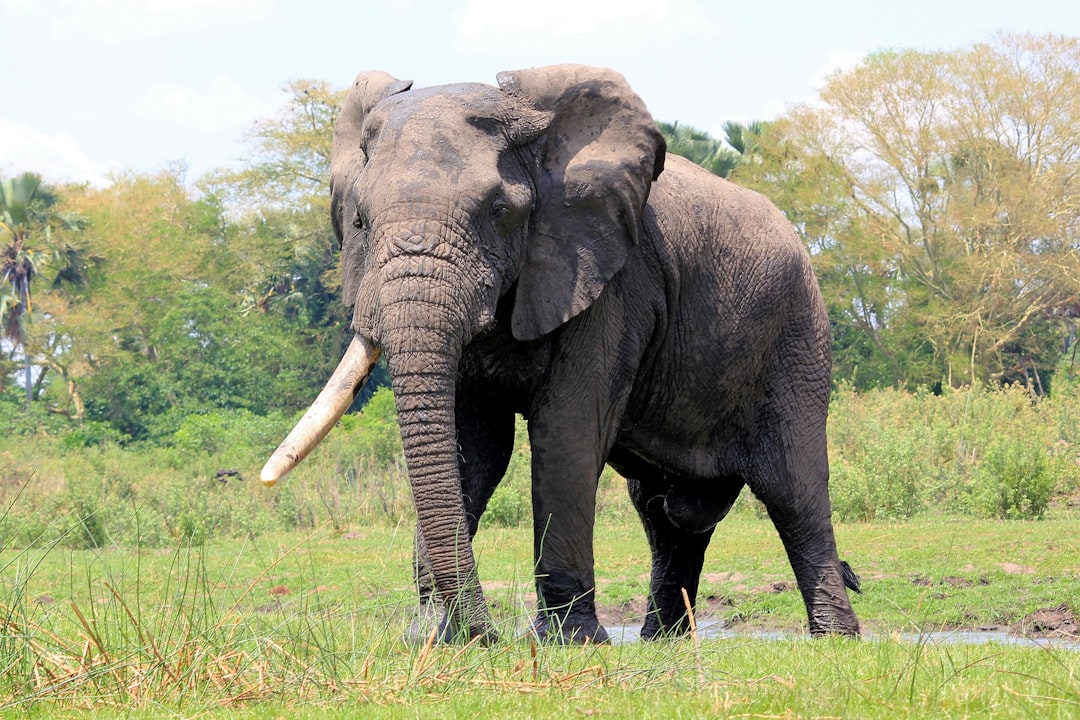
Wildlife Highlights: Big Five, elephants, hippos, lions, cheetahs
Malawi safari safety in 2026 means understanding crime statistics, park protections, and health precautions for a secure wilderness experience. This guide covers real safety data, the best protected parks, and practical tips for staying secure during your safari adventure.
Malawi is regarded as one of the most welcoming countries in Africa, popular with solo travelers and families alike.[1] The country has earned the nickname "Warm Heart of Africa" for its friendly people and improving wildlife reserves. In 2014, Lonely Planet ranked Malawi as the 5th best country to visit in the entire world, not just Africa.[2]
Safari security in Malawi depends on where you go. Protected parks like Liwonde and Majete offer controlled environments with armed rangers. City areas like Lilongwe and Blantyre have moderate crime, mainly petty theft. The good news? Most safari-specific threats are manageable with proper planning and verified tour operators.
This article breaks down crime statistics, highlights the safest parks, and shows you how to book secure safaris. You'll learn which parks have Big Five protection, what safety ratings mean, and how to choose trusted operators through SafariFind.
Understanding Malawi's Crime Statistics in 2026
Overall Crime Rates and What They Mean
Malawi has a safety score of 6.0/10 overall, meaning it's reasonably safe compared to other African countries.[4] Crime rates are moderate at 5.0/10, with most incidents concentrated in urban areas like Lilongwe and Blantyre. Parks and rural safari zones have significantly lower crime because they're monitored by rangers and lodge security teams.
The primary crime concern is petty theft, not violent crime. Pickpockets target transit hubs, markets, and major tourist attractions. Scams around hotels and tour bookings do happen, which is why booking through SafariFind's verified operators protects you with authentic reviews and secure payment systems.
Road safety scores 5.0/10, which means you should avoid intercity travel at night and favor reputable transport companies.[4] Most safari operators use well-maintained vehicles with experienced drivers, so organized tours are safer than self-driving.
Crime in Cities vs. Safari Parks
Urban areas like Lilongwe have moderate crime. Watch for pickpockets on crowded streets and around bus stations. However, safari parks operate under strict security protocols. Rangers patrol boundaries, lodges have fenced perimeters, and guides accompany all game drives.
Liwonde National Park and Majete Wildlife Reserve employ armed anti-poaching units that also protect tourists. These teams patrol 24/7, making wildlife encounters safer and more controlled. Nyika National Park uses similar ranger networks. When you book through verified operators, you're always with trained guides carrying communication devices.
The crime risk inside a safari park is lower than walking through a city market. Rangers know the terrain, anticipate wildlife behavior, and maintain constant radio contact with lodge security.
Health and Malaria Precautions
While not a crime issue, malaria is a real health threat in Malawi, especially during wet season (November-April). Most safari lodges operate in drier months when mosquitoes are less active. Taking antimalarial medication, using insect repellent, and sleeping under nets reduces your risk significantly.
Consult your doctor 4-6 weeks before travel. Many operators recommend malaria prophylaxis. Quality lodges provide screened rooms and mosquito nets. This is one reason May-October is the safest and most popular safari season.
Best Protected Parks in Malawi for Safari Security
Liwonde National Park: The Safest Choice
Liwonde National Park is Malawi's flagship protected area and one of Africa's safest safari destinations. The park covers 548 square kilometers along the Shire River, with constant ranger patrols and modern security infrastructure.[1] Thanks to African Parks' conservation efforts, Liwonde now hosts the Big Five: lions, elephants, leopards, buffalo, and rhinos.[8]
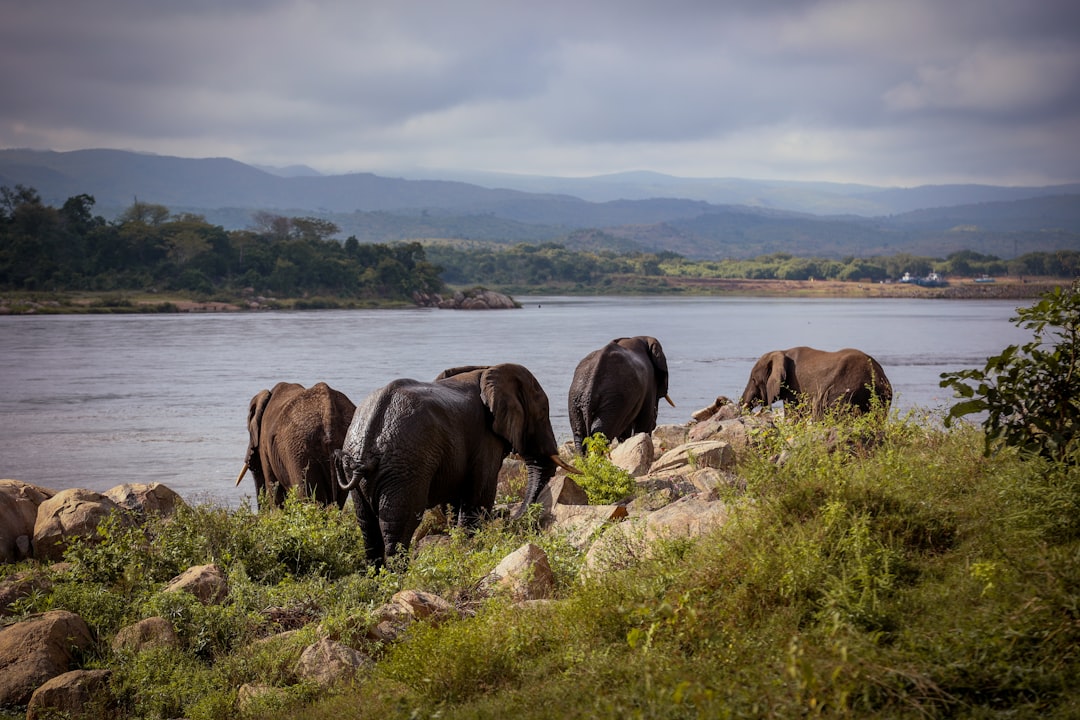
The park offers river safaris, game drives, and walking tours, all conducted with armed guides. Hippos, crocodiles, and elephants cluster along the river, making it ideal for photography and wildlife observation. Every safari vehicle carries communication equipment linked to lodge headquarters.
Liwonde's safety comes from its small size and high ranger-to-visitor ratio. You're never far from help, and ranger patrols prevent poaching and protect tourists. The park is best visited May-October when water levels drop and wildlife congregates near remaining waterholes.
Majete Wildlife Reserve: Conservation Success Story
Majete Wildlife Reserve demonstrates Malawi's commitment to safe, protected safaris. Once nearly empty due to poaching, Majete has been completely restocked with Big Five animals through a major reintroduction program led by African Parks.[8] The reserve now protects over 700 elephants, 60 lions, and dozens of other species in a heavily guarded 70,000-hectare area.
Security at Majete is strict. Armed rangers patrol constantly, and tourists move only with licensed guides. The reserve's remote location means fewer crowds and more authentic wildlife experiences. Walking safaris let you track animals on foot with expert guides who read tracks and behavior.
Majete suits travelers seeking exclusive experiences and serious wildlife photography. The reserve is smaller and less developed than Liwonde, so expect rustic but secure lodging. Safety protocols are rigid because the reserve prioritizes both wildlife and visitor protection.
Nyika National Park: Walking Safaris and Mountain Views
Nyika National Park offers a different safari experience: walking tours and cycling safaris on highland plateaus at 2,000+ meters elevation. The park is Malawi's largest protected area, spanning 3,134 square kilometers with diverse ecosystems and fewer crowds than Liwonde.[2]
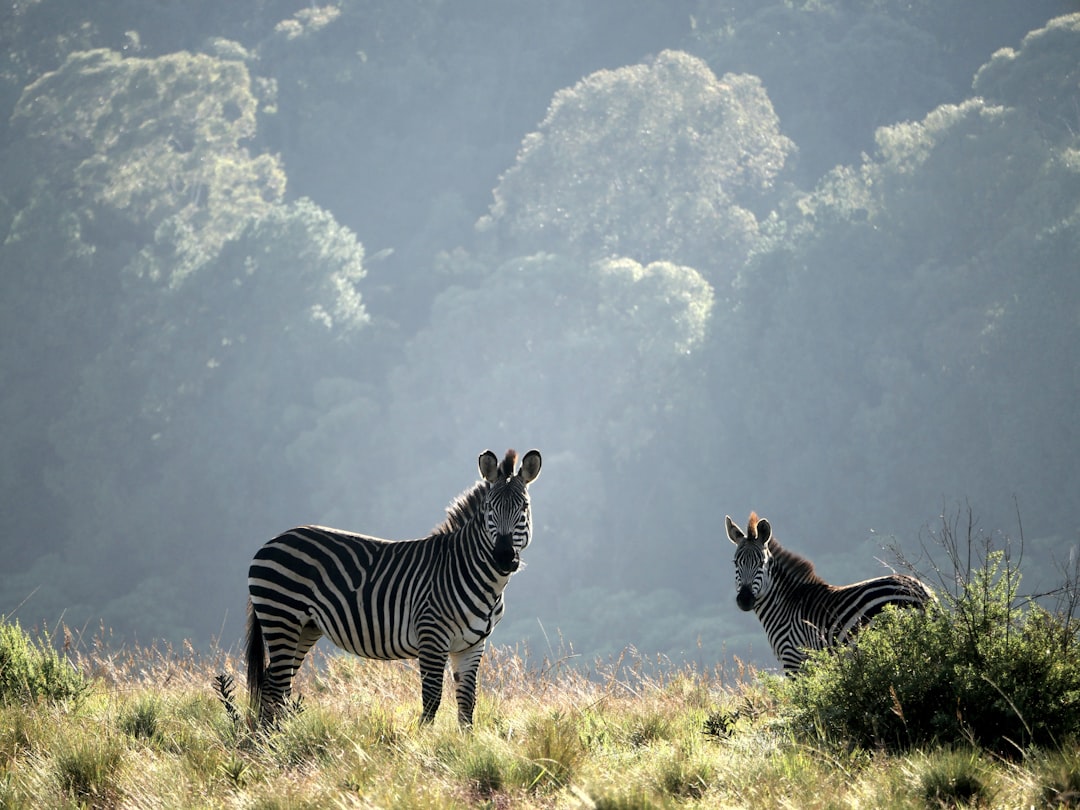
Walking safaris in Nyika are exceptionally safe because rangers accompany every group. You'll spot smaller animals like antelopes, zebras, and warthogs. The high elevation means fewer mosquitoes and lower malaria risk. Nyika suits travelers who prefer active exploration over vehicle-based game drives.
The park's isolation is both a feature and consideration. You're far from cities, which reduces crime risk but also emergency response time. However, most lodges have satellite phones and medical kits. Always book through established operators familiar with park protocols.
Comparison Table: Malawi's Top Safari Parks
Park
Best For
Wildlife Highlights
Safari Style
Safety Rating
Liwonde
River safaris, varied wildlife
Elephants, hippos, crocodiles, Big Five
Boat and vehicle drives
Excellent (9/10)
Majete
Exclusive experiences, photography
Lions, cheetahs, rhinos, elephants
Walking and vehicle safaris
Excellent (9/10)
Nyika
Walking tours, mountain scenery
Antelopes, zebras, birds, highland views
Walking and cycling safaris
Very Good (8/10)
How to Stay Safe During Your Malawi Safari
Choosing Verified Tour Operators
The single best safety decision is booking through verified tour operators with authentic reviews. SafariFind connects you with licensed operators who meet safety standards, carry insurance, and employ trained guides. Reading reviews from previous travelers reveals which operators prioritize security and deliver on promises.
Verified operators conduct background checks on guides, maintain vehicles to safety standards, and carry emergency communication equipment. They know park rules, ranger contact procedures, and evacuation protocols. Unverified operators cut corners on safety to reduce costs, putting you at risk.
When comparing operators on SafariFind, check their ratings, review counts, and specific safety mentions. Look for operators with 4.5+ stars and at least 20 reviews. Read recent reviews (2025-2026) mentioning security, guide professionalism, and emergency preparedness.
Park-Specific Safety Rules
Each Malawi park has specific safety protocols. At Liwonde, never leave your vehicle without a guide. Stay 25 meters from elephants and 15 meters from lions. On river safaris, sit in designated boat seats and wear life jackets. At Majete, walking safaris require minimum group sizes of four people with two armed rangers.
Nyika walking safaris have different rules: stay with your guide, don't approach wildlife, and remain on marked trails. Bring binoculars and telephoto lenses instead of getting close. Park rangers enforce these rules to protect both visitors and animals.
Your operator briefs you on rules before entering parks. Follow instructions exactly. These rules exist because they work—Malawi's parks have excellent safety records because visitors respect wildlife boundaries.
Practical Safety Tips
Avoid traveling at night. Most safari operators schedule early morning and late afternoon drives, returning before dark. If you must travel between towns, use reputable bus companies or hire private drivers through your lodge. Avoid showing expensive cameras, jewelry, or cash in towns.
Keep valuables in lodge safes, not your room. Travel with copies of passport pages, not originals. Register with your embassy before arriving. Tell someone at home your itinerary and lodge contacts. Most lodges have satellite phones for emergencies.
Stay hydrated and wear sun protection. Malawi's sun is intense, and dehydration impairs judgment. Malaria prevention is critical: take antimalarial medication as prescribed, use insect repellent at dusk and dawn, and wear long sleeves and pants in early morning and evening.
Booking Safe Packages Through SafariFind
Compare verified safari packages on SafariFind to find operators offering secure, well-reviewed experiences. SafariFind lists detailed package information including park locations, included amenities, guide qualifications, and pricing. Read authentic traveler reviews mentioning safety, guide expertise, and lodge conditions.
Request quotes from multiple operators. Ask about ranger training, vehicle maintenance schedules, emergency protocols, and insurance coverage. Verified operators answer these questions clearly because transparency builds trust. Avoid operators who are vague about safety procedures.
Book 3-6 months ahead for peak season (May-October) to secure reputable operators. Early booking also locks in better rates. SafariFind's marketplace lets you compare prices and guarantees you're booking with verified companies, not unlicensed guides operating from hotel lobbies.
The dry season is Malawi's safest and most popular safari period. May-October brings cooler temperatures, minimal rainfall, and lowest malaria risk. Wildlife congregates near permanent water sources, making sightings more reliable. Dry roads are easier to navigate, reducing accident risk.
May-July offers the best wildlife viewing as animals gather at waterholes. August-October remains excellent with fewer tourists. This season has the lowest health risks because mosquitoes are less active. If you're concerned about safety, choose May-October for your safari.
Book dry season safaris 4-6 months ahead. Operators fill quickly, and early booking secures better rates. Most SafariFind packages offer discounted rates for shoulder season (September-October) compared to peak (June-August).
Wet Season (November-April): Higher Health Risks
Wet season brings rain, lush vegetation, and increased malaria transmission. Mosquitoes thrive in warm, wet conditions. Road conditions deteriorate, and some park areas become inaccessible. However, wet season offers unique advantages: fewer tourists, lower prices, and spectacular bird watching.
If you travel during wet season, malaria precautions are essential. Take antimalarial medication religiously. Sleep in screened rooms with mosquito nets. Wear long sleeves and pants at dusk and dawn. Consider extending your trip because some parks have limited game drive routes during flooding.
Wet season safaris suit experienced travelers comfortable with rustic conditions and health precautions. Budget travelers sometimes choose this season for lower prices, but safety requires extra attention to malaria prevention.
Comparing Malawi to Other Southern African Safari Destinations
Malawi's safety profile compares favorably to neighboring countries. For detailed comparisons of wildlife, cost, and experiences across the region, explore how Malawi Safari vs Botswana 2026 stacks up in terms of safety and value. Malawi offers exceptional safety at lower costs than Botswana, with equally impressive wildlife viewing.
Malawi's smaller parks mean more personal attention from rangers and guides. You're less likely to encounter large tour groups. This intimacy increases both safety and wildlife experience quality. Verified operators on SafariFind specialize in creating these personalized, secure experiences.
Real Traveler Experiences and Safety Reviews
SafariFind features authentic reviews from travelers who've experienced Malawi safaris. Recent reviews consistently praise safety and guide professionalism. Travelers mention feeling secure with operators, confident in ranger expertise, and impressed by lodge security measures.
One common theme in positive reviews: choosing reputable operators made the difference. Travelers who booked through SafariFind reported smooth experiences with professional guides, well-maintained vehicles, and reliable communication. Those who booked with unverified operators encountered problems like delayed pickups, unprepared guides, and poor vehicle conditions.
Reading detailed reviews helps you understand what "safe" means in practice. Look for mentions of ranger professionalism, vehicle reliability, lodge security, and guide communication skills. These specifics matter more than generic safety claims.
Key Takeaways
Book through verified SafariFind operators with 4.5+ star ratings to access trained guides, maintained vehicles, and emergency protocols that make Malawi safaris secure.
Visit Liwonde National Park or Majete Wildlife Reserve during May-October dry season when malaria risk is lowest and wildlife viewing is most reliable.
Avoid night travel between towns and keep valuables in lodge safes, as petty theft in cities is the main crime concern, not safari park incidents.
Take antimalarial medication as prescribed and use insect repellent at dusk and dawn to prevent malaria, the actual health threat in Malawi safaris.
Compare 7-day safari packages on SafariFind ranging from $2,000-$4,500 per person to find operators emphasizing safety protocols and guide training.
Frequently Asked Questions
Is Malawi safe for safari tourism in 2026?
Yes, Malawi is one of Africa's safest safari destinations with a 6.0/10 safety rating.[4] Protected parks like Liwonde and Majete have excellent security with armed rangers, and most crime is petty theft in cities, not safari parks. Booking through verified operators on SafariFind ensures you have trained guides, maintained vehicles, and reliable communication equipment throughout your safari.
What are the main safety concerns in Malawi?
Crime is moderate (5.0/10) and concentrated in cities like Lilongwe and Blantyre, primarily petty theft around transit hubs and markets.[4] Road safety scores 5.0/10, so avoid intercity travel at night. Inside safari parks, the main concern is malaria during wet season (November-April), not crime. Parks have armed rangers and controlled access, making them safer than cities. Health precautions like antimalarial medication and insect repellent address the actual risks.
Which Malawi parks are safest for safaris?
Liwonde National Park and Majete Wildlife Reserve are the safest, both with armed ranger patrols, modern security infrastructure, and constant monitoring.[1][8] Liwonde offers river safaris with excellent wildlife viewing and ranger supervision on every drive. Majete specializes in exclusive walking safaris with Big Five protection. Nyika National Park is also safe with walking and cycling tours. All three have excellent security records and are regularly visited by SafariFind's verified operators.
What's the best time to visit Malawi for safety?
May-October (dry season) is safest because malaria risk is lowest, roads are better, and wildlife viewing is most reliable.[1] Temperatures are cooler, mosquitoes are less active, and parks are fully operational. June-August is peak season with the most wildlife, while September-October offers fewer tourists and lower prices. Avoid November-April wet season if malaria is a concern, though experienced travelers can visit with strict antimalarial precautions.
How do I choose a safe safari operator in Malawi?
Book through SafariFind's verified operators with 4.5+ star ratings and authentic reviews mentioning safety, guide training, and professionalism. Read recent reviews (2025-2026) describing specific experiences with ranger expertise, vehicle conditions, and lodge security. Ask operators about guide background checks, vehicle maintenance schedules, emergency protocols, and insurance coverage. Avoid unverified operators offering suspiciously low prices, as they often cut corners on safety. Verified operators maintain standards that protect both you and wildlife.
What health precautions should I take for a Malawi safari?
Consult your doctor 4-6 weeks before travel about antimalarial medication appropriate for Malawi. Take medication exactly as prescribed—missing doses reduces effectiveness. Use insect repellent (DEET-based) at dusk and dawn when mosquitoes are active. Wear long sleeves and pants during these times. Sleep in screened rooms with mosquito nets provided by lodges. Stay hydrated and use sunscreen. These precautions reduce malaria risk to near zero, especially during dry season (May-October) when mosquitoes are least active.
Can I book a safe Malawi safari under $3,000?
Yes, SafariFind offers verified 7-day Malawi safari packages ranging from $2,000-$4,500 per person depending on park, season, and lodge choice. Budget options use smaller lodges and shared game drives but maintain full safety standards with trained guides and armed rangers. Compare packages on SafariFind to find operators offering security and value. Shoulder season (September-October) offers better rates than peak season (June-August). Early booking (3-6 months ahead) secures lower prices and your preferred operator.
Conclusion
Malawi safari safety in 2026 is excellent when you make informed choices about parks, operators, and timing. Malawi is one of Africa's safest countries for safari tourism, with protected parks staffed by armed rangers and modern security protocols.[1] The main safety concern is petty theft in cities, not safari parks. Inside protected areas like Liwonde and Majete, you're safer than in urban areas.
Your safety depends on three factors: visiting during dry season (May-October), booking through verified operators, and following park rules. SafariFind's verified operators employ trained guides, maintain vehicles to safety standards, and carry emergency communication equipment. Reading authentic traveler reviews reveals which operators prioritize your security and deliver professional experiences.
To further understand safari experiences and costs in Malawi, explore SafariFind's guides on Malawi Safari Packages 2026 and Malawi Safari Cost 2026 to compare options that fit your budget and safety priorities.
Health precautions are equally important. Take antimalarial medication as prescribed, use insect repellent, and sleep under mosquito nets. These simple steps virtually eliminate malaria risk. Combined with park security and operator professionalism, you'll have a safe, memorable safari experience.
Ready to book? Compare verified safari packages on SafariFind today. Browse detailed operator profiles, read authentic reviews from travelers, and request quotes from multiple companies. SafariFind's marketplace makes it easy to find secure, well-reviewed safaris that match your budget and interests. Your perfect Malawi safari awaits—book with confidence through verified operators who prioritize your safety and satisfaction.
Plan Your Safari with SafariFind
These recommendations use real data from SafariFind, where you can compare operators, browse packages, and read verified traveler reviews before you book.
What Travelers Say (SafariFind Reviews)
5★ - "Thank you for organizing an incredible experience! It’s clear that this journey was a perfect blend of relaxation, adventure, networking and breathtaking natural beauty. Starting at Kenya Namanga, the adventure through T" - Ms Temz • Verified review
"Thank you for organizing an incredible experience! It’s clear that this journey was a perfect blend of relaxation, adventure, networking and breathtaking natural beauty. Starting at Kenya Namanga, the adventure through Tanzania, Malawi, Zambia, Zimbabwe, Botswana, and Namibia truly was a dream itinerary. Chitimba Beach and Kande beach in Malawi brings its magic to life—the pristine sands, tranquil waters, and, of course, the breathtaking sunrise and sunset of Lake Malawi. The transition to Zambia and the awe-inspiring Victoria Falls was beautiful. The sheer power of the falls, combined with the thrilling bungee jump over the Zambezi Gorge, was an exciting experience.Exploring the falls from the Zimbabwean side and the lush rainforest walk sounds like the perfect complement to this natural wonder. The wildlife encounters in Chobe National Park, Botswana, and the surreal landscapes of Sossusvlei in Namibia seem to have added layers of depth and diversity to my journey. The detailed planning and seamless logistics of the trip truly shine through, ensuring that we were able to enjoy each destination without worry. Thank you for the accommodations, felt home away from home, the guide and overall organization was impeccable It’s clear that this journey wasn't just a trip—it was an unforgettable adventure packed with moments of awe and wonder. Highly recommended for anyone looking for the perfect mix of thrill, culture, and nature! Looking forward to travel with you😊"
Ms Temz•4/22/2026
5★ - "We are really excited about our safari! We booked a 4 day safari, visiting Tarangire, Serengeti and Ngoro Ngoro cCater. Our guide Zighy was always there, kept us safe and allowed us to see lots of animals and birds, all " - Corinne • Verified review
"We are really excited about our safari! We booked a 4 day safari, visiting Tarangire, Serengeti and Ngoro Ngoro cCater. Our guide Zighy was always there, kept us safe and allowed us to see lots of animals and birds, all big fives, without pressure and allowing us to fully enjoy the experience. Zighy is a special person, very respectful of the people, flora and fauna of the savannah. Doudi, the manager of Meijo Safaris, was kind, he explained to us before the safari what to expect and then came back at the end of the safari to get feedback. The hotels and lodges were comfortable, the one in Serengeti is very special (Malawi), and the staff very nice. The chefs have been great! We will recommend this unforgettable safari to our friends. Thanks Meijo Safaris!"