
Safari Guides•22 min read
Malawi Safari Cost 2026: Daily Rates by Park & Operator

Malawi safari costs $150–$300 daily in 2026. Compare rates by park, accommodation, and operator. Save 20–30% vs Tanzania. Book now.
Share this article
Malawi safari costs $150–$300 daily in 2026. Compare rates by park, accommodation, and operator. Save 20–30% vs Tanzania. Book now.

Discover 5-Day Tanzania Safari Itinerary: Daily Plan and 2027 Cost - Expert guide to safari tourism and wildlife destinations.

Discover Zambia Walking Safari Packages 2027: Prices and Booking - Expert guide to safari tourism and wildlife destinations.
Discover Great Zimbabwe Tours 2027: Entry Fees and Package Costs - Expert guide to safari tourism and wildlife destinations.
Last updated: July 2026
A 5-day Malawi safari costs $1,754–$2,000 per person in 2026, with daily rates ranging from $150–$300 depending on park and accommodation level. Malawi offers 20–30% lower daily costs than Tanzania, making it ideal for budget-conscious travelers. Book 3–6 months ahead for the best prices, or explore last-minute deals 2–4 weeks before departure.
Malawi safari costs in 2026 vary by park, accommodation type, and booking timing. Daily rates range from $150 for budget camps to $300 for premium lodges. Understanding these rates helps you plan a safari that fits your budget without sacrificing quality wildlife experiences.
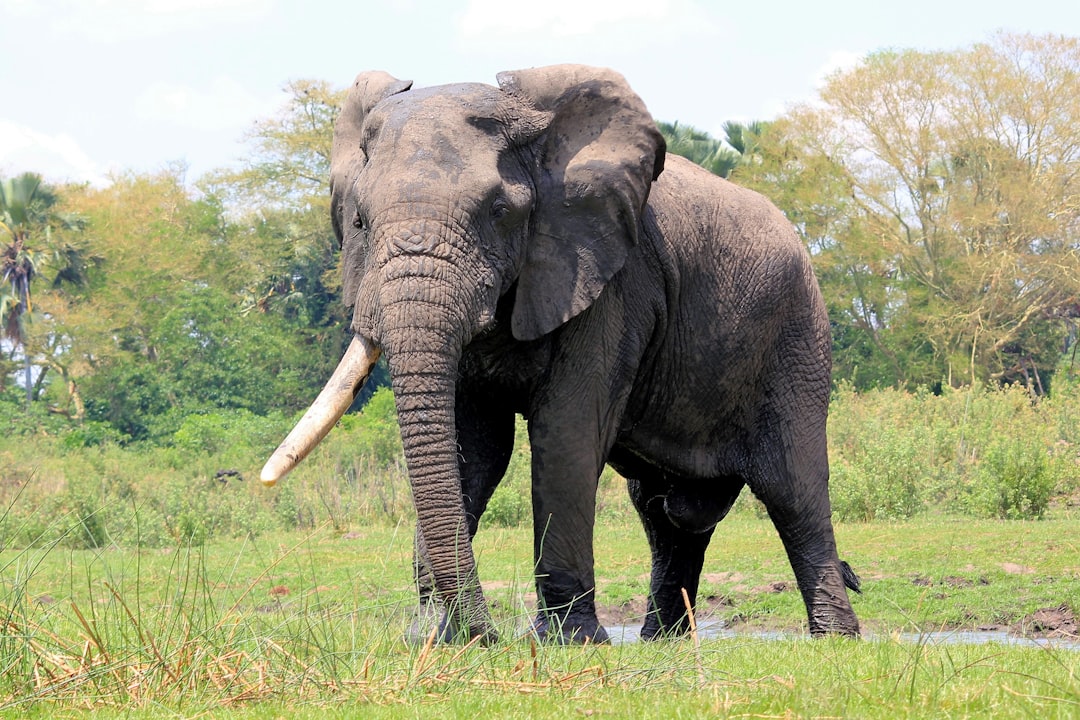
Liwonde National Park on the Shire River in southern Malawi is the country's premier wildlife destination.[1] The park covers 548 square kilometres of riverine forest, floodplain, and mopane woodland. This makes it the ideal choice for first-time safari visitors seeking excellent value.
Malawi safaris cost 20–30% less than Tanzania safaris, with daily rates of $150–$300 compared to Tanzania's $250–$1,500+.[3] This significant savings makes Malawi attractive for travelers watching their budget. You get world-class wildlife viewing without premium African prices.
A typical 5-day Malawi safari costs $1,754–$2,000 per person total, including park fees, guides, and accommodation.[1] Budget an additional $600–$1,200 for international flights. This makes a complete Malawi safari trip quite affordable compared to other African destinations.
Malawi offers excellent value for travelers seeking authentic African wildlife experiences. The country's lower daily rates mean you can extend your safari without breaking your budget. Many travelers combine Malawi with Zambia beach time for a complete African adventure at reasonable cost.
Park entrance fees, guide services, and vehicle costs drive most safari expenses. Understanding how these costs break down helps you make informed decisions about accommodation levels and park choices. Knowing the real daily rates prevents sticker shock and allows better budget planning.
Malawi safari daily costs depend heavily on your accommodation choice. Budget camps cost $150–$200 per day, mid-range lodges run $200–$250, and premium lodges charge $250–$300 or more. Each tier includes accommodation, meals, park fees, and a professional guide.
Budget safari camps offer basic but comfortable rooms with shared or private bathrooms. Meals are simple but filling, featuring local cuisine. You get experienced guides and quality wildlife viewing without luxury amenities. This tier suits first-timers and travelers prioritizing experiences over comfort.
Budget options typically include camping or basic lodge rooms with mosquito nets and fans. Bathrooms may be shared facilities. Meals happen at communal tables where you meet other travelers. Many budget camps are eco-friendly and support local communities directly.
Mid-range lodges provide private rooms with en-suite bathrooms and air conditioning. Meals are more varied, featuring both local and international dishes. You enjoy smaller group sizes and more personalized service. This tier offers the best value-to-experience ratio for most travelers.
Mid-range properties typically have 20–40 rooms spread across scenic grounds. Common areas include dining halls, lounges, and often a bar. Some offer activities like walking safaris or boat trips on the Shire River. This accommodation level suits families and travelers wanting comfort with authenticity.
Premium lodges offer luxury rooms with premium bedding, private decks, and spa amenities. All-inclusive packages feature gourmet meals, premium beverages, and exclusive experiences. You get the highest staff-to-guest ratios and personalized itineraries. This tier suits travelers seeking luxury African experiences.
Premium properties feature 10–20 suites with high-end furnishings and private outdoor spaces. Meals are chef-prepared with seasonal menus. Guides are often specialists in wildlife or photography. Amenities may include infinity pools, wine cellars, or spa treatments overlooking the bush.
Different Malawi parks offer varying daily rates based on accessibility, wildlife density, and accommodation availability. Liwonde National Park typically charges $150–$250 per day, while Nkhotakota Wildlife Reserve runs $120–$200 daily. Choosing the right park depends on your budget and wildlife priorities.
Liwonde National Park rates range $150–$250 per day depending on accommodation.[1] The park's riverine setting on the Shire River offers exceptional wildlife viewing. Hippos, elephants, and buffalo congregate along the river, especially during dry season. This park is Malawi's most developed for safari tourism.
Liwonde offers multiple lodging options from budget to premium tiers. Budget camps cost $150–$180 daily, mid-range lodges run $200–$230, and premium properties charge $250+. Most packages include twice-daily game drives, walking safaris, and river cruises. Book 3–6 months ahead for best availability and rates.
Nkhotakota Wildlife Reserve costs $120–$200 per day, making it Malawi's most budget-friendly park. Located on Lake Malawi's shore, it offers fewer tourists and more solitude. Wildlife includes elephants, buffalo, and various antelope species. This park suits travelers seeking authentic experiences with minimal crowds.
Nkhotakota has limited accommodation options compared to Liwonde, mostly mid-range and budget camps. Daily rates reflect this limited infrastructure. You get personalized attention and quieter game drives. The trade-off is fewer amenities and longer travel times from Lilongwe airport.
Kasungu National Park rates average $130–$200 per day for all-inclusive packages. This park is less developed for tourism than Liwonde, meaning fewer daily visitors. Wildlife viewing is still excellent, with large elephant populations and diverse bird species. Kasungu suits adventurous travelers seeking off-the-beaten-path experiences.
Kasungu has minimal accommodation infrastructure, with only a few basic to mid-range lodges. This keeps daily rates lower than Liwonde. Access requires longer drives from major airports. Consider Kasungu if you want authentic safari experiences away from tourist crowds and prefer lower costs.
| Park Name | Daily Rate Range | Best For | Top Wildlife | Accessibility |
|---|---|---|---|---|
| Liwonde National Park | $150–$250/day | First-timers, families | Elephants, hippos, buffalo | Easy (near Lilongwe) |
| Nkhotakota Wildlife Reserve | $120–$200/day | Budget travelers | Elephants, buffalo, antelope | Moderate (lakeside) |
| Kasungu National Park | $130–$200/day | Adventure seekers | Elephants, buffalo, birds | Difficult (remote) |
When you book your Malawi safari dramatically impacts daily rates. Booking 3–6 months ahead offers the lowest prices with full park availability.[2] Last-minute bookings 2–4 weeks before departure can yield discounts if operators have unsold spots, but availability becomes unpredictable.[2] Shoulder season bookings (April–May, November) offer moderate pricing with good wildlife viewing.
Peak season daily rates run $200–$300 per person, especially July through September. This period offers the best wildlife viewing as animals gather at water sources during the dry season. Booking 4–6 months ahead secures the lowest peak season rates. Last-minute peak season bookings rarely offer discounts due to high demand.
Peak season accommodations fill quickly, sometimes completely by March for July–August travel. Operators often implement minimum stay requirements. Group sizes are larger, and you share game drives with more travelers. However, wildlife viewing is exceptional, making higher costs worthwhile for serious wildlife photographers.
Shoulder season daily rates average $150–$200 per person, offering excellent value. April–May features pleasant weather and good wildlife viewing before the dry season peak. November sees animals still concentrated at water sources but with fewer tourists. Booking 2–3 months ahead secures good rates without peak season premiums.
Shoulder season offers the best value-to-experience ratio for most travelers. Accommodations have availability, guides are less rushed, and daily rates reflect lower demand. Wildlife viewing remains excellent. Consider shoulder season if you have flexibility with travel dates and want to maximize your safari budget.
Off-season daily rates drop to $120–$180 per person, the year's lowest prices. December through March brings rain, but wildlife viewing remains good as animals spread across the landscape. Many travelers skip this season, so you get exclusive experiences. Booking just 4–8 weeks ahead often secures last-minute deals.
Off-season suits budget-conscious travelers and those seeking solitude. Rain refreshes the landscape, making it stunningly photogenic. Bird watching is exceptional during this period. However, some park roads become impassable after heavy rains. Check road conditions before committing to off-season travel.
Learn more about seasonal pricing by reading our guide to Malawi Safari Dry Season 2026: Wildlife Peak & Real Costs, which breaks down monthly rates and wildlife patterns throughout the year.
Most Malawi safari daily rates include accommodation, meals, park fees, and professional guides. Some packages add activities like walking safaris or boat trips. Understanding what's included prevents surprise costs and helps compare operators fairly. Always confirm inclusions before booking.
Standard daily rates include your room or tent, all meals (breakfast, lunch, dinner), park entrance fees, and a professional English-speaking guide. Vehicle transportation during game drives is included. Most packages offer twice-daily game drives (early morning and late afternoon). Drinking water and basic snacks during drives are typically provided.
Laundry services are usually included at mid-range and premium properties. Some camps offer complimentary Wi-Fi in common areas. Naturalist guides provide wildlife education and photography assistance. Medical evacuation insurance is sometimes included at premium properties.
Walking safaris typically cost $20–$50 extra per person for 2–3 hours. Boat trips on the Shire River run $30–$60 per person. Photography workshops with specialist guides cost $100–$200. Night drives, where permitted, add $40–$80 to your daily cost.
Spa treatments at premium lodges range $50–$150 per service. Helicopter flights over the park cost $300–$500 per person. Village visits or cultural experiences typically cost $30–$50. Fishing trips on Lake Malawi run $60–$100 per person. Ask about these extras when booking to budget accurately.
International flights to Malawi are never included in daily safari rates. Travel insurance, visa fees, and vaccinations are your responsibility. Alcoholic beverages beyond complimentary wine at premium lodges cost extra. Tips for guides and staff are customary but optional. Personal items, toiletries, and phone calls are your expense.
Airport transfers sometimes require separate payment, though many operators include them. Travel to Malawi from your home country is always separate. Travel days before and after your safari are not covered. Some operators exclude park fees for specific activities or special permits.
For comprehensive details on what to expect, explore our Malawi Safari Camps 2026: Wellness Walking vs Traditional Game Drives guide, which compares package inclusions across different lodge types.
Different Malawi safari operators charge varying daily rates for similar experiences. Budget operators average $150–$180 daily, mid-tier operators run $200–$240, and premium operators charge $250–$350+. Comparing operators helps you find the best value without sacrificing quality. Use SafariFind to compare verified safari packages and read authentic traveler reviews.
Budget operators keep costs low through basic accommodations and shared vehicles. They work with smaller groups and minimal staff. Quality remains acceptable for budget-conscious travelers. These operators excel at delivering authentic experiences without frills. Many are family-run businesses supporting local communities directly.
Budget operators often use experienced guides despite lower pay. They know parks intimately and offer genuine wildlife education. Vehicles are functional but older model Land Rovers. Accommodations are clean and safe but lack luxury amenities. This tier suits first-timers and travelers prioritizing experiences over comfort.
Mid-tier operators balance comfort with reasonable pricing. They use newer vehicles and employ more staff per guest. Accommodations feature private bathrooms and decent furnishings. Service is professional without being overly formal. This tier offers the best value for most travelers seeking quality experiences.
Mid-tier operators typically manage 3–6 properties across different parks. They maintain consistent quality standards. Guides receive better training and earn higher wages. Vehicles are well-maintained with good safety records. This tier suits families and travelers wanting comfort with authenticity.
Premium operators charge higher rates for luxury amenities and personalized service. They offer exclusive properties with small group sizes. Guides are often wildlife specialists or photographers. Meals are chef-prepared with premium ingredients. This tier suits travelers seeking luxury African experiences.
Premium operators manage iconic lodges with heritage histories. Staff-to-guest ratios are exceptionally high. Vehicles are top-model Land Rovers with premium equipment. Activities are customized to your interests. These operators cater to high-end travelers and special occasions.
Browse and compare verified operators with real traveler reviews by exploring SafariFind's operator directory to find the perfect match for your budget and travel style.
A 7–10 day Malawi safari typically costs $1,050–$2,100 per person, depending on accommodation level and park selection. This duration allows you to visit multiple parks and experience diverse wildlife. Seven days is the minimum for a meaningful safari experience that justifies travel costs. Ten days lets you explore multiple parks with less rushed schedules.
A 7-day budget Malawi safari costs approximately $1,050–$1,260 per person total. This includes 6 nights accommodation at $150/day ($900), park fees ($100), guide services ($80), and vehicle transport ($70–$90). International flights add $600–$1,200 separately. Meals are included in daily rates, so no additional food costs.
Budget 7-day safaris typically visit one or two parks. Liwonde is the usual choice due to accessibility. You get 12 game drives (twice daily) plus some walking safaris. This duration is tight but allows meaningful wildlife encounters. It suits travelers with limited time and smaller budgets.
A 7-day mid-range Malawi safari costs approximately $1,400–$1,680 per person total. This includes 6 nights at $220/day ($1,320), park fees ($100), guide services ($100), and vehicle transport ($80). Flights remain $600–$1,200 extra. You get better accommodations and more personalized service than budget options.
Mid-range 7-day safaris often combine two parks or include special activities. You might spend 4 days in Liwonde and 2 days in Nkhotakota. This allows diverse wildlife viewing and landscapes. Guides provide deeper knowledge. Accommodations feature private bathrooms and better meals. This duration and tier suit most families and couples.
A 10-day premium Malawi safari costs approximately $2,250–$3,000 per person total. This includes 9 nights at $250/day ($2,250), park fees ($150), guide services ($150), and special activities ($100–$200). Flights add $600–$1,200 separately. You experience luxury accommodations and personalized itineraries.
Premium 10-day safaris often visit three parks with leisurely schedules. You might spend 4 days in Liwonde, 3 days in Nkhotakota, and 2 days in Kasungu. Special experiences include helicopter flights, photography workshops, or cultural visits. This duration allows deep park immersion. Premium travelers enjoy exclusive experiences and top-tier service.
For detailed 7-day itineraries under budget constraints, read our Malawi Safari First-Timer's Guide: 7 Days Under $2,500 article for step-by-step planning advice.
Beyond daily rates, unexpected costs can increase your total safari budget. International flights often exceed initial expectations. Visa fees, travel insurance, and vaccinations add $200–$500. Tips for guides and staff are customary but optional. Planning for these costs prevents budget shock and ensures a stress-free safari.
Flights to Lilongwe, Malawi's main airport, typically cost $600–$1,200 from North America or Europe. Budget airlines sometimes offer cheaper fares but with longer layovers. Flight costs vary seasonally, with peak season (June–August) commanding premiums. Book flights 2–3 months ahead for better rates. Round-trip flights from the US average $800–$1,000.
Domestic flights within Malawi (e.g., Lilongwe to Liwonde airstrip) cost $150–$250 per person. Some safari packages include these internal flights. Check what's included before booking. Flying saves significant time compared to long road transfers.
Malawi visa costs $75–$150 depending on your nationality and processing speed. Most nationalities receive 30-day tourist visas on arrival for $75. Expedited processing adds $25–$50. Check current requirements at the Malawi embassy before traveling. Some nationalities get visa-free entry for 90 days.
Travel insurance typically costs $50–$150 for a 2-week trip. Comprehensive coverage including medical evacuation costs more. Vaccinations (yellow fever, typhoid, malaria prophylaxis) run $200–$400. These are essential health precautions, not optional expenses.
Guide tips are customary in Africa, typically 10–15% of the daily rate or $15–$30 per day. Staff tips at lodges average $10–$20 total for multi-day stays. Tips are not included in quoted daily rates. Budget $150–$300 in cash for tips during a week-long safari. This directly supports local staff earning modest wages.
Tipping is discretionary but strongly encouraged. Guides rely on tips to supplement low base salaries. Your tip often determines service quality on future days. Carry small denomination bills for convenient tipping. Ask your operator about tipping customs at specific properties.
Sunscreen, insect repellent, and toiletries cost $30–$50 if purchased locally. Bring these from home when possible—local prices are higher. Malaria prophylaxis (antimalarial medication) costs $30–$80 and requires a prescription. Camera equipment, binoculars, and safari gear add $100–$500+ if you don't already own them.
Souvenirs and local crafts run $20–$200 depending on your shopping habits. Photography permits for certain activities cost $10–$50. Laundry service at lodges typically costs $5–$15 per item. Budget $100–$200 for miscellaneous expenses during your safari.
Malawi safari daily costs range $150–$300 per person depending on accommodation level and park. Budget camps cost $150–$200, mid-range lodges run $200–$250, and premium properties charge $250–$300+. All-inclusive rates cover accommodation, meals, park fees, guides, and vehicle transport.[1]
A 5-day Malawi safari costs $1,754–$2,000 per person total, including accommodation, meals, park fees, and guides. Add $600–$1,200 for international flights separately. Budget operators offer packages at the lower end, while premium operators charge toward the upper range. Booking 3–6 months ahead secures the best rates.[2]
Yes, Malawi safaris cost 20–30% less than Tanzania safaris in 2026. Malawi daily rates average $150–$300 compared to Tanzania's $250–$1,500+.[3] Malawi offers exceptional value for wildlife viewing without premium African pricing. Both destinations deliver world-class safari experiences, but Malawi suits budget-conscious travelers better.
Daily rates include accommodation, all meals, park entrance fees, professional English-speaking guides, and twice-daily game drives. Most packages offer walking safaris and some water activities. Alcoholic beverages beyond complimentary wine, international flights, tips, and special activities cost extra. Confirm inclusions with your operator before booking.
December–March offers the lowest daily rates ($120–$180) due to rainy season. April–May and November provide excellent value ($150–$200) during shoulder season with good wildlife viewing. Peak season (June–October) costs more ($200–$300) but offers the best dry-season wildlife viewing. Book your preferred dates 3–6 months ahead for best pricing.
Compare verified safari packages on SafariFind to see real prices from multiple operators. Read authentic traveler reviews to ensure quality. Request quotes from 3–4 operators to compare options. Book 3–6 months ahead for the lowest rates, or check for last-minute deals 2–4 weeks before departure if you have flexibility.
Malawi safari costs in 2026 range from $150–$300 per day, making it Africa's best value for wildlife experiences. A 5-day safari costs $1,754–$2,000 per person, while 7–10 day trips run $1,050–$2,100 total. Liwonde National Park remains the premier destination, offering exceptional wildlife viewing at reasonable rates. Booking 3–6 months ahead secures the lowest prices with guaranteed availability.
The key to maximizing your safari budget is booking during shoulder season (April–May, November) when daily rates drop to $150–$200 while wildlife viewing remains excellent. Budget-conscious travelers should avoid peak season premiums unless they specifically want the driest conditions. Last-minute bookings rarely offer discounts due to limited operator capacity, so commit to firm dates well in advance.
Don't forget hidden costs like international flights ($600–$1,200), visas ($75–$150), travel insurance ($50–$150), and guide tips ($150–$300). These add $875–$1,800 to your total safari cost beyond daily rates. Planning for these expenses prevents budget shock and ensures a stress-free experience.
Ready to book your Malawi safari? Compare verified safari packages on SafariFind to find operators matching your budget and travel dates. Read authentic reviews from previous travelers to ensure quality. Request quotes from multiple operators to compare pricing and inclusions. Your perfect Malawi safari adventure awaits—start exploring today.
These recommendations use real data from SafariFind, where you can compare operators, browse packages, and read verified traveler reviews before you book.
5★ - "Thank you for organizing an incredible experience! It’s clear that this journey was a perfect blend of relaxation, adventure, networking and breathtaking natural beauty. Starting at Kenya Namanga, the adventure through T" - Ms Temz • Verified review
"Thank you for organizing an incredible experience! It’s clear that this journey was a perfect blend of relaxation, adventure, networking and breathtaking natural beauty. Starting at Kenya Namanga, the adventure through Tanzania, Malawi, Zambia, Zimbabwe, Botswana, and Namibia truly was a dream itinerary. Chitimba Beach and Kande beach in Malawi brings its magic to life—the pristine sands, tranquil waters, and, of course, the breathtaking sunrise and sunset of Lake Malawi. The transition to Zambia and the awe-inspiring Victoria Falls was beautiful. The sheer power of the falls, combined with the thrilling bungee jump over the Zambezi Gorge, was an exciting experience.Exploring the falls from the Zimbabwean side and the lush rainforest walk sounds like the perfect complement to this natural wonder. The wildlife encounters in Chobe National Park, Botswana, and the surreal landscapes of Sossusvlei in Namibia seem to have added layers of depth and diversity to my journey. The detailed planning and seamless logistics of the trip truly shine through, ensuring that we were able to enjoy each destination without worry. Thank you for the accommodations, felt home away from home, the guide and overall organization was impeccable It’s clear that this journey wasn't just a trip—it was an unforgettable adventure packed with moments of awe and wonder. Highly recommended for anyone looking for the perfect mix of thrill, culture, and nature! Looking forward to travel with you😊"
5★ - "We are really excited about our safari! We booked a 4 day safari, visiting Tarangire, Serengeti and Ngoro Ngoro cCater. Our guide Zighy was always there, kept us safe and allowed us to see lots of animals and birds, all " - Corinne • Verified review
"We are really excited about our safari! We booked a 4 day safari, visiting Tarangire, Serengeti and Ngoro Ngoro cCater. Our guide Zighy was always there, kept us safe and allowed us to see lots of animals and birds, all big fives, without pressure and allowing us to fully enjoy the experience. Zighy is a special person, very respectful of the people, flora and fauna of the savannah. Doudi, the manager of Meijo Safaris, was kind, he explained to us before the safari what to expect and then came back at the end of the safari to get feedback. The hotels and lodges were comfortable, the one in Serengeti is very special (Malawi), and the staff very nice. The chefs have been great! We will recommend this unforgettable safari to our friends. Thanks Meijo Safaris!"