Madagascar Safari vs Tanzania: Wildlife, Cost & Which Wins 2026
Compare Madagascar and Tanzania safaris: unique wildlife, pricing ($2,500–$5,500 vs $3,150–$4,550), best seasons, and which destination wins for your budget.
Likoma Island Beach Packages 2027: Prices and Boat Access
Discover Likoma Island Beach Packages 2027: Prices and Boat Access - Expert guide to safari tourism and wildlife destinations.
5 min read
Madagascar Safari vs Tanzania: Which Wins 2026
Last updated: July 2026
Madagascar safaris cost $2,500–$5,500 for 10–14 days and feature unique lemurs and fewer tourists. Tanzania safaris cost $3,150–$4,550 for 7–10 days with iconic wildlife like the Great Migration. Choose Madagascar for exclusive wildlife experiences or Tanzania for classic safari spectacles.
At a Glance
Madagascar Cost: $2,500–$5,500 per person (10–14 days) in 2026[1]
Tanzania Cost: $3,150–$4,550 per person (7–10 days) in 2026[4]
Madagascar Best Time: July–September (whale watching peak season)[2]
Tanzania Best Time: June–October (Great Migration in Serengeti)
Madagascar Best For: Unique wildlife, fewer crowds, budget-conscious travelers
Tanzania Best For: Classic safari experiences, iconic wildlife spectacles
Madagascar Safari vs Tanzania: Which Destination Wins in 2026?
Choosing between Madagascar safari and Tanzania safari depends on what wildlife experience you want and your budget. Madagascar offers exclusive endemic species like lemurs and fossas that exist nowhere else on Earth. Tanzania delivers classic African safari moments, including the famous Great Wildebeest Migration that moves across the Serengeti.[5]
Both destinations have grown popular with travelers seeking authentic African experiences. Madagascar attracts adventurers who want something different from typical safari routes. Tanzania appeals to travelers who dream of iconic safari images they've seen in documentaries and films.
This guide compares both destinations across wildlife, cost, timing, and logistics. You'll learn which destination matches your travel style and budget. By the end, you'll know exactly where to book your next African adventure.
What Makes Each Destination Unique
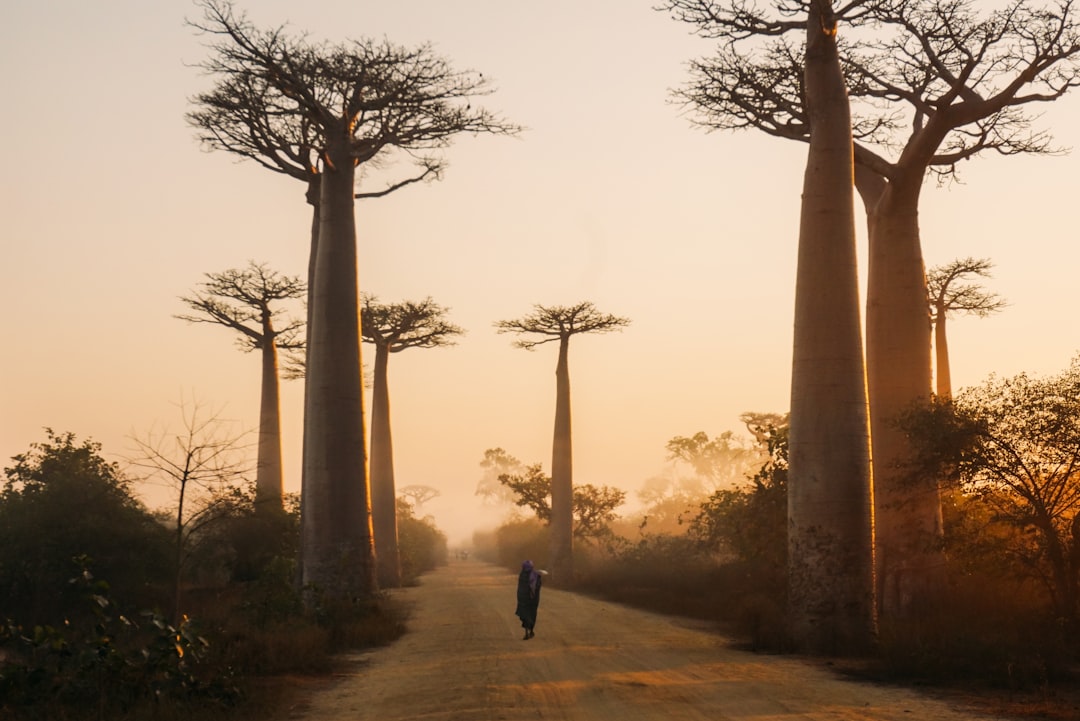
Madagascar stands apart because 90% of its wildlife exists only there. Lemurs, chameleons, and unique bird species create an experience unlike any other safari destination. The landscape feels otherworldly with red rock formations and spiny forests.
Tanzania offers the classic African safari most people imagine. You'll see lions, elephants, giraffes, and zebras in massive herds. The Great Migration brings 1.5 million wildebeest across the Mara River between July and October.[5] This spectacle has no equal in Madagascar.
Wildlife Comparison: Madagascar vs Tanzania
Madagascar and Tanzania offer completely different wildlife encounters. Madagascar's animals evolved in isolation, making every species feel exotic and rare. Tanzania's animals represent the classic African safari experience most travelers expect.
Madagascar's Unique Wildlife
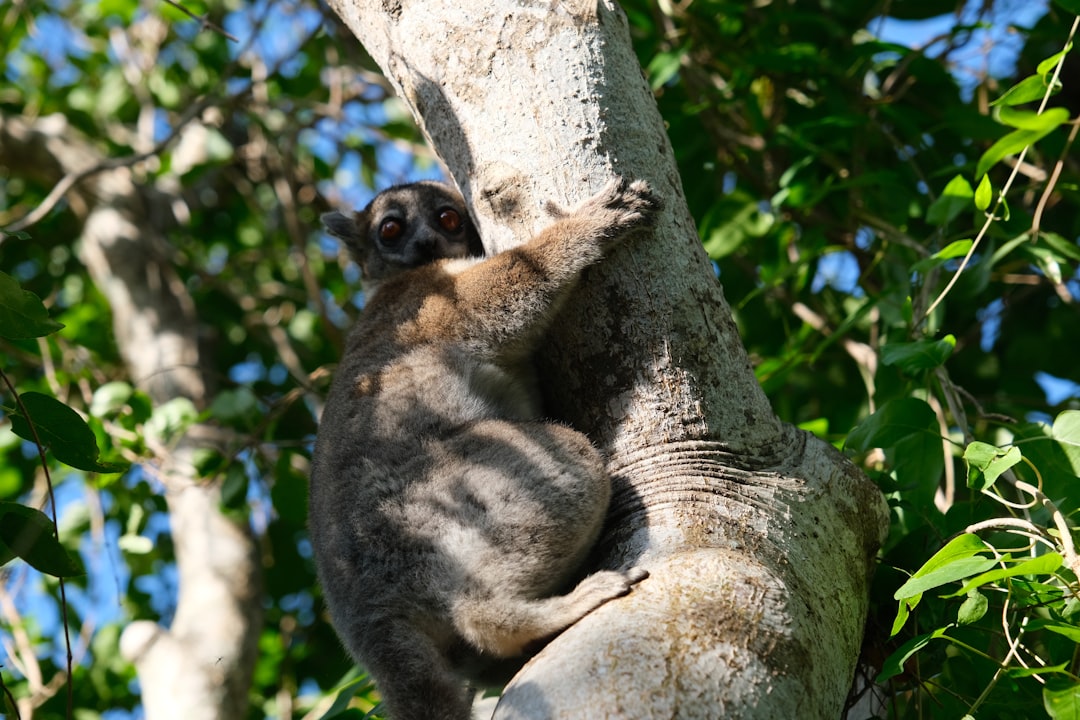
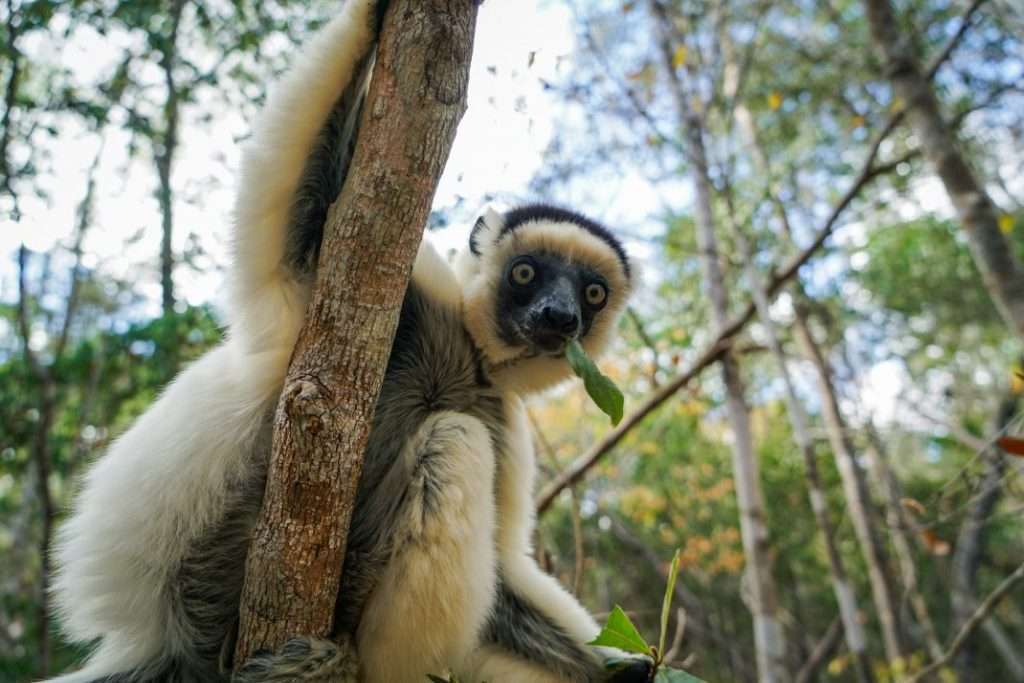
Madagascar's wildlife is found nowhere else on the planet. The island hosts over 100 lemur species, from tiny mouse lemurs to massive indris. These primates are the main attraction for most Madagascar safari visitors.
Beyond lemurs, Madagascar features chameleons in wild colors, fossas (cat-like predators), and endemic birds. The Madagascar safari animals checklist includes creatures found nowhere else. Whale watching is also incredible during peak season from July to September, when humpback whales migrate near the coast.[2]
The downside? Fewer big animals like lions, elephants, or rhinos. If you want to see Africa's largest predators and herbivores, Madagascar won't deliver that experience.
Tanzania's Iconic Wildlife
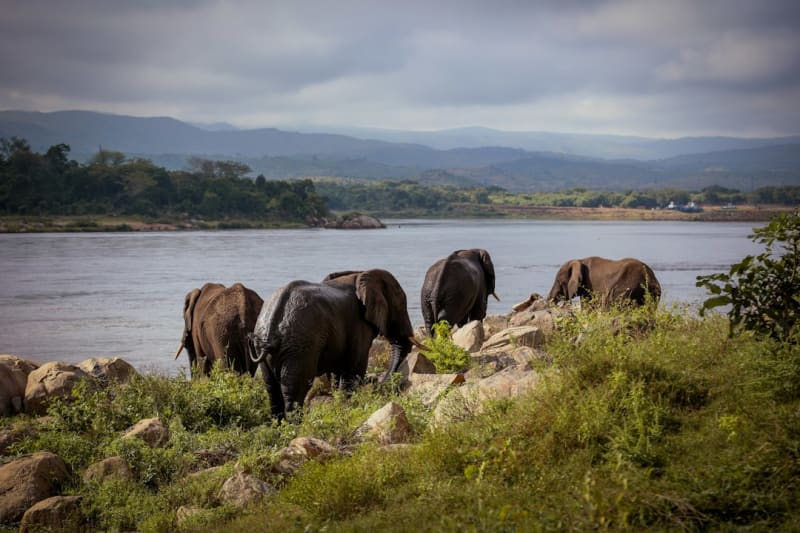
Tanzania delivers the wildlife experiences featured in nature documentaries. The Serengeti National Park hosts enormous herds of wildebeest, zebras, and gazelles. Lions, leopards, and African wild dogs hunt these herds throughout the year.[7]
The Great Wildebeest Migration is Tanzania's signature experience. Between July and October, over 1 million wildebeest cross the Mara River in one of nature's most dramatic events.[5] This spectacle happens nowhere else on Earth.
Tanzania also offers excellent elephant, giraffe, and buffalo viewing. Ngorongoro Crater concentrates wildlife in a stunning natural amphitheater. If you want Africa's most famous animals in one trip, Tanzania wins.
Cost Breakdown: Madagascar vs Tanzania Safari Pricing
Madagascar safaris cost between $2,500 and $5,500 per person for 10–14 days in 2026.[1] Tanzania safaris range from $3,150 to $4,550 per person for 7–10 days.[4] Both destinations offer excellent value, but the trip length and daily rates differ significantly.
Madagascar Safari Costs in 2026
A 10–14 day Madagascar safari typically costs $2,500–$5,500 per person, depending on lodge quality and group size.[1] Budget safaris with basic accommodations run $175–$250 per day. Mid-range lodge experiences cost $300–$450 per day. Luxury safaris with premium lodges exceed $500 per day.
Madagascar requires longer trips because the island is large and wildlife viewing requires patient searching. You'll spend more time driving and hiking to find lemurs and other endemic species. This extended duration means higher total costs despite potentially lower daily rates.
Accommodation costs in Madagascar vary by region. The Madagascar safari lodges guide shows that basic lodges cost $80–$150 per night, mid-range lodges run $200–$350 per night, and luxury properties exceed $400 per night in 2026. Remote locations often cost more due to limited infrastructure.
Tanzania Safari Costs in 2026
Tanzania safaris cost $3,150–$4,550 per person for 7–10 days in 2026.[4] Daily rates run $350–$500 per person for mid-range private safaris. Budget camping safaris cost $250–$400 per day. Luxury fly-in safaris start at $850 per day and can exceed $2,000 per day.[4]
Tanzania is more efficient for safari viewing because wildlife concentrates in specific parks. The Serengeti, Ngorongoro Crater, and Tarangire offer reliable animal sightings without extensive searching. Shorter trips mean lower total costs despite higher daily rates.
Tanzania's lodge prices match Madagascar's. Budget lodges cost $100–$200 per night. Mid-range properties run $250–$400 per night. Luxury fly-in camps exceed $500 per night. However, Tanzania's shorter trip length reduces total accommodation costs.
Which Destination Costs Less?
For a comparable 10-day trip, Madagascar and Tanzania cost roughly the same. A 10-day Tanzania safari runs about $3,500–$5,000 total. A 10-day Madagascar safari runs about $2,500–$5,500 total. The difference is minimal, but Madagascar can be slightly cheaper if you choose budget accommodations.
However, Tanzania offers better value for shorter trips. A 7-day Tanzania safari costs $2,450–$3,500. A 7-day Madagascar safari is difficult because the island requires more time to see diverse wildlife. If you have limited time, Tanzania delivers better value.
Compare verified safari packages on SafariFind to see current pricing from trusted operators. You can request quotes from multiple companies and read authentic traveler reviews to find the best deal for your budget.
Best Time to Visit: Seasonal Comparison
The best time to visit each destination depends on weather and wildlife activity. Madagascar's peak season runs July through September, when whale watching is excellent and temperatures are cool.[2] Tanzania's peak season is June through October, when the Great Migration occurs and wildlife viewing is optimal.
Madagascar's Peak Season
July through September is Madagascar's best time to visit. Temperatures are cool (60–75°F), rainfall is minimal, and roads are passable. This is also peak whale watching season, when humpback whales migrate near the coast.[2] Hiking and lemur spotting are excellent during these months because animals are active and vegetation is not overgrown.
The Madagascar safari in August 2026 offers ideal conditions for both land and marine wildlife viewing. August is slightly warmer than July but still dry and comfortable.
November through March is Madagascar's rainy season. Temperatures climb to 80–90°F, roads become muddy, and some parks close temporarily. However, rain brings lush vegetation and active wildlife. Budget travelers often visit during shoulder months (April–June, October) for lower prices and fewer crowds.
Tanzania's Peak Season
Tanzania's peak season is June through October. Temperatures range from 50–80°F depending on elevation. Rainfall is minimal, and wildlife congregates near water sources, making animals easier to spot. This is when the Great Wildebeest Migration crosses the Mara River in dramatic fashion.
July and August are Tanzania's busiest months because the migration peaks and weather is perfect. September and October offer fewer crowds with still-excellent wildlife viewing. Prices are 15–20% lower in September and October compared to July and August.
November through May is Tanzania's rainy season. Temperatures climb to 75–90°F, and some roads become difficult. However, wildlife disperses, and prices drop significantly. Birdwatching is exceptional during the rainy season because migratory birds arrive.
Crowd Levels and Pricing
Madagascar stays relatively quiet year-round because fewer international tourists visit. Even during peak season (July–September), you'll encounter fewer safari vehicles than in Tanzania. This means more intimate wildlife experiences but potentially higher per-person costs due to lower demand.
Tanzania experiences significant crowds during the June–October peak season. Popular parks like the Serengeti can have 20+ vehicles watching a single lion pride. However, the massive number of safaris creates competition, which keeps prices lower. Off-season safaris (November–May) cost 30–40% less but offer lower reliability for wildlife sightings.
Both destinations require international flights and careful planning. Madagascar's capital, Antananarivo, receives flights from Europe and Africa. Tanzania's main hub, Dar es Salaam, connects to most African cities and Europe. Both countries require visas for most nationalities.
Getting to Madagascar
Most international visitors fly into Antananarivo's Ivato International Airport. Flights from Europe take 14–18 hours with one stop. From the US, expect 18–24 hours with connections. Once in Madagascar, you'll need domestic flights or long road transfers to reach safari areas.
Road conditions in Madagascar are challenging. Many safari areas require 4–8 hour drives from Antananarivo on unpaved roads. This extends trip length and increases costs. However, the journey reveals Madagascar's unique landscape and culture.
Safety is a consideration when traveling in Madagascar. The Madagascar safari safety guide recommends booking with established operators and avoiding travel after dark. Most safari areas are safe, but petty theft occurs in cities.
Getting to Tanzania
Most visitors fly into Dar es Salaam International Airport. Flights from Europe take 12–16 hours with one stop. From the US, expect 16–22 hours with connections. Tanzania also has smaller airports at Kilimanjaro (near the northern safari circuit) and Zanzibar.
Road conditions in Tanzania are significantly better than Madagascar. Paved highways connect major cities. Safari parks are within 2–4 hours of international airports via well-maintained roads. This makes Tanzania easier to navigate and faster to reach safari areas.
Tanzania's infrastructure is more developed than Madagascar's. Hotels, restaurants, and medical facilities are readily available. ATMs and money exchange services are common. This makes independent travel easier if you don't book an all-inclusive safari package.
Visa Requirements
Madagascar requires a visa for most nationalities. Tourist visas cost $35–$45 and are valid for 30 days. You can obtain a visa on arrival at Antananarivo airport, though advance online applications are recommended.
Tanzania also requires a visa for most visitors. Tourist visas cost $50–$100 depending on your nationality. Tanzania offers online e-visas that are faster and more convenient than on-arrival visas. Processing takes 2–5 business days.
Safari Experience and Atmosphere
The safari experience differs dramatically between Madagascar and Tanzania. Madagascar offers intimate, exploratory experiences where you search for rare animals. Tanzania provides classic safari moments with abundant wildlife and dramatic landscapes.
Madagascar's Exploration-Based Safari
Madagascar safaris emphasize exploration and discovery. You'll hike through forests searching for lemurs, trek to remote canyons, and visit local villages. The experience feels more like adventure travel than traditional safari. You might walk for hours and see only a few lemurs, but the sense of discovery is thrilling.
Madagascar's smaller parks and limited infrastructure create an off-the-beaten-path feeling. You'll encounter other tourists infrequently. Local guides often speak English fluently and share deep knowledge about Madagascar's unique ecosystem. This personalized attention enhances the experience.
The landscape is dramatic with red rock formations, spiny forests, and coastal cliffs. Photography opportunities are abundant, though wildlife is often distant. Patient travelers who enjoy hiking and cultural interaction love Madagascar safaris.
Tanzania's Classic Safari Experience
Tanzania safaris deliver the iconic African safari experience. You'll drive in open-sided vehicles spotting lions, elephants, and giraffes in natural habitats. The landscape is vast and dramatic with endless plains and volcanic formations.
Tanzania's parks are large and well-developed with numerous lodges and restaurants. You'll share safari experiences with other travelers but benefit from professional infrastructure. Guides are knowledgeable and often speak multiple languages. Daily wildlife sightings are almost guaranteed.
The pace is relaxed with early morning and late afternoon game drives. You'll return to comfortable lodges with good food and amenities. This suits travelers who want adventure without roughing it. Families with children often prefer Tanzania's comfort level.
Cultural Interactions
Madagascar offers unique cultural experiences. Many safaris include visits to local Malagasy villages where you'll learn about traditional practices. These interactions feel authentic because tourism is still developing.
Tanzania also offers cultural experiences, particularly visits to Maasai villages. However, these experiences are more commercialized because tourism is more established. You might feel like you're visiting a performance rather than genuine cultural exchange.
Key Takeaways
Book Madagascar safaris 3–6 months in advance to save 15–20% on accommodations and secure preferred lodge dates in peak season (July–September).
Choose Tanzania if you want to see the Great Wildebeest Migration between July and October; no other destination matches this spectacle.
Madagascar's 10–14 day trips cost $2,500–$5,500 per person, while Tanzania's 7–10 day trips cost $3,150–$4,550; for comparable time, both destinations cost similarly.
Visit Madagascar for unique endemic wildlife like lemurs and whale watching; visit Tanzania for classic African safari with lions, elephants, and herds of wildebeest.
Tanzania offers better value for shorter trips (7 days) because wildlife is concentrated and easily accessible; Madagascar requires longer trips to see diverse species.
Frequently Asked Questions
Is Madagascar safari cheaper than Tanzania safari?
Madagascar safaris cost $2,500–$5,500 for 10–14 days, while Tanzania safaris cost $3,150–$4,550 for 7–10 days.[1][4] For equivalent trip lengths, both destinations cost similarly. Madagascar can be slightly cheaper per day, but requires longer trips. Tanzania offers better value for shorter 7-day trips because wildlife is more concentrated and easier to access.
What's the best time to visit Madagascar vs Tanzania in 2026?
Madagascar's best time is July–September for cool weather, minimal rain, and peak whale watching season.[2] Tanzania's best time is June–October for the Great Wildebeest Migration and optimal wildlife viewing.[5] Both destinations have similar peak seasons, but Tanzania's June–October window is slightly more reliable for wildlife sightings. Both destinations cost 15–20% more during peak season.
Which destination has more wildlife: Madagascar or Tanzania?
Tanzania has more diverse and abundant wildlife, including lions, elephants, giraffes, and 1.5 million wildebeest during the Great Migration.[5] Madagascar has fewer large animals but features 100+ endemic lemur species found nowhere else.[1] Choose Tanzania for iconic African wildlife and Madagascar for unique endemic species.
How long should I spend on each safari?
Plan 7–10 days for Tanzania to see the major parks and have time for game drives and relaxation. Plan 10–14 days for Madagascar to explore diverse regions and search for endemic wildlife. Shorter trips (5–7 days) work better in Tanzania; Madagascar requires more time because wildlife viewing requires patient searching.
Can I combine both Madagascar and Tanzania in one trip?
Yes, combining both destinations is possible in 18–21 days. Spend 10 days in Madagascar and 8–10 days in Tanzania to experience both destinations thoroughly. However, this requires multiple flights and extended travel time. Most travelers prefer focusing on one destination to maximize wildlife viewing and minimize travel fatigue. Explore verified safari packages on SafariFind that combine multiple African destinations if you want a multi-country experience.
Which destination is safer for solo travelers?
Both destinations are generally safe for organized safari tours. Madagascar requires more caution in cities, though safari areas are secure. The Madagascar safari safety guide recommends booking with established operators and avoiding solo city exploration. Tanzania's better infrastructure makes independent travel easier. Both destinations are safer when booked through verified tour operators who provide transportation and security.
Conclusion
Madagascar safari and Tanzania safari both deliver exceptional African adventures, but they serve different traveler types. Madagascar wins for unique endemic wildlife, intimate exploration experiences, and discovering lemurs found nowhere else on Earth. Tanzania wins for iconic safari moments, the Great Wildebeest Migration, and reliable wildlife sightings in famous parks.
Cost-wise, both destinations offer similar value in 2026. Madagascar safaris cost $2,500–$5,500 for 10–14 days, while Tanzania safaris cost $3,150–$4,550 for 7–10 days.[1][4] Choose Madagascar if you have 2+ weeks and want something different from typical African safaris. Choose Tanzania if you have 1–2 weeks and want classic safari experiences with abundant wildlife.
The best time to visit either destination is July–October when weather is ideal and wildlife is active. Book 3–6 months in advance to secure preferred lodges and save 15–20% on peak season rates.
Compare verified safari packages on SafariFind to find the best operators, pricing, and itineraries for your budget. Read authentic traveler reviews to learn what to expect from each destination. Request quotes from multiple operators to find packages that match your dates and preferences. Your next African adventure awaits—whether you choose Madagascar's unique wildlife or Tanzania's classic safari spectacles.
Plan Your Safari with SafariFind
These recommendations use real data from SafariFind, where you can compare operators, browse packages, and read verified traveler reviews before you book.
5★ - "From start to finish, this tour was an unforgettable experience. When enquiring about planning this trip ,Tony was very responsive, informative and. answered all our questions as we went along .When my suitcase didn't ar" - Jane • Verified review
"From start to finish, this tour was an unforgettable experience. When enquiring about planning this trip ,Tony was very responsive, informative and. answered all our questions as we went along .When my suitcase didn't arrive in Madagascar Tony sorted it for me and negotiated with the airline on my behalf, going above and beyond and was very much appreciated Our guides were all knowledgeable, friendly, and punctual and clearly passionate about what they do, which made the whole trip both fun and informative. The itinerary was perfectly balanced — we saw all the major highlights without ever feeling rushed, and there were plenty of opportunities to take photos, ask questions, and just soak up the atmosphere. The transportation was comfortable, everything ran smoothly and on time, and as it was a private tour we were able to spend as little or as much time at each place as we chose. Every stop had something unique to offer, and the insider stories and local tips really brought the culture to life. It’s rare to find a tour that gets every detail right, but this one truly did, guides were on time , transfers were smooth, everything was flexible to our wishes. Hugh thanks to Tony, Sidney, Princee and Nico. The drivers were all awesome and we always felt safe despite some roads been very African massage- bumpy ! We left with amazing memories, beautiful photos, and a much deeper appreciation for the country. I’d recommend it to anyone looking for an authentic and enjoyable experience. We would do it again in a heartbeat!"
Jane•1/24/2026
5★ - "I highly recommend the Friendly Tour Guide Mada. The best cars I have seen on Madagascar, very clean, comfortable and modern. Drivers and tour guide are professionals! Very polite and helpful. Except 3 spots written in t" - Yevheniia • Verified review
"I highly recommend the Friendly Tour Guide Mada. The best cars I have seen on Madagascar, very clean, comfortable and modern. Drivers and tour guide are professionals! Very polite and helpful. Except 3 spots written in the description, expect visit to a very nice European restaurant with an amazing view! We are very happy, that we found this reliable tour operator. Thank you for everything ☺️"
Yevheniia•1/24/2026
5★ - "We have recently finished a 10 day tour of Madagascar in April 2025 using the operator “Madagascar Natural Tours” from start to finish it almost felt too good to be true, I have never met any one else from Australia who " - Savannah Lubke • Verified review
"We have recently finished a 10 day tour of Madagascar in April 2025 using the operator “Madagascar Natural Tours” from start to finish it almost felt too good to be true, I have never met any one else from Australia who has been to Madagascar so we were very hesitant in whether it would be safe and had no idea how to organise a holiday there or what to expect. Harilala was extremely professional and communicative the entire way and answered every single (too many) questions of ours and made us feel comfortable and excited. He planned our itinerary just perfectly we listed a couple of things we had wanted to see - baobab avenue, lemurs and Nosy Be. He organised our whole itinerary, accomodation and flights for us so that it flowed seamlessly. He provided options in accomodation as we were seeking honeymoon style resorts. The hotels that he booked were beautiful, clean, great food and lovely staff! We had a few internal flights in our itinerary and it was so nice stepping off the plane and trusting that there would be a guide there waiting for us to get us to our hotel. The few times during our stay we had a question regarding our tour, Harilala would reply to our messages almost immediately and paid very careful attention to ensure we were happy and getting the most out of our tour. Using Madagascar Natural Tours took all stress out of the holiday / planning and allowed us to just show up and make memories of a lifetime! I would highly recommend this company to anybody curious to explore Madagascar! Particularly if you do not speak French, we struggled with the language barrier however all guides had amazing English which was such a relief. We can’t wait to come back in a few years time!!"
Savannah Lubke•1/19/2026
5★ - "We entrusted Harilala with our Madagascar tour, explaining what we wanted to see and visit. What can I say? He exceeded our expectations! Besides the wonderful tour, Solo and Fidele, our tour leaders, made the difference" - Manuel • Verified review
"We entrusted Harilala with our Madagascar tour, explaining what we wanted to see and visit. What can I say? He exceeded our expectations! Besides the wonderful tour, Solo and Fidele, our tour leaders, made the difference. We spent 20 days in Madagascar, and they flew by; everything was fantastic. We'll definitely be back to see the southernmost part of the country."
Manuel•1/19/2026
5★ - "Our experience with the conpany was very positive. They arranged custom tour for us in very short time frame and everything went smoothly. Our driver took very good care of us and drove us safely around Madagascar even t" - Juho • Verified review
"Our experience with the conpany was very positive. They arranged custom tour for us in very short time frame and everything went smoothly. Our driver took very good care of us and drove us safely around Madagascar even though the roads are not in very good condition. They have english speaking drivers for those whi don't speak french. Owner of the company is very active on whatsapp and Facebook, so it is veey easy to get information about tours. Would recommend."