What Vaccinations Does Burundi Require for Emiratis in 2026?
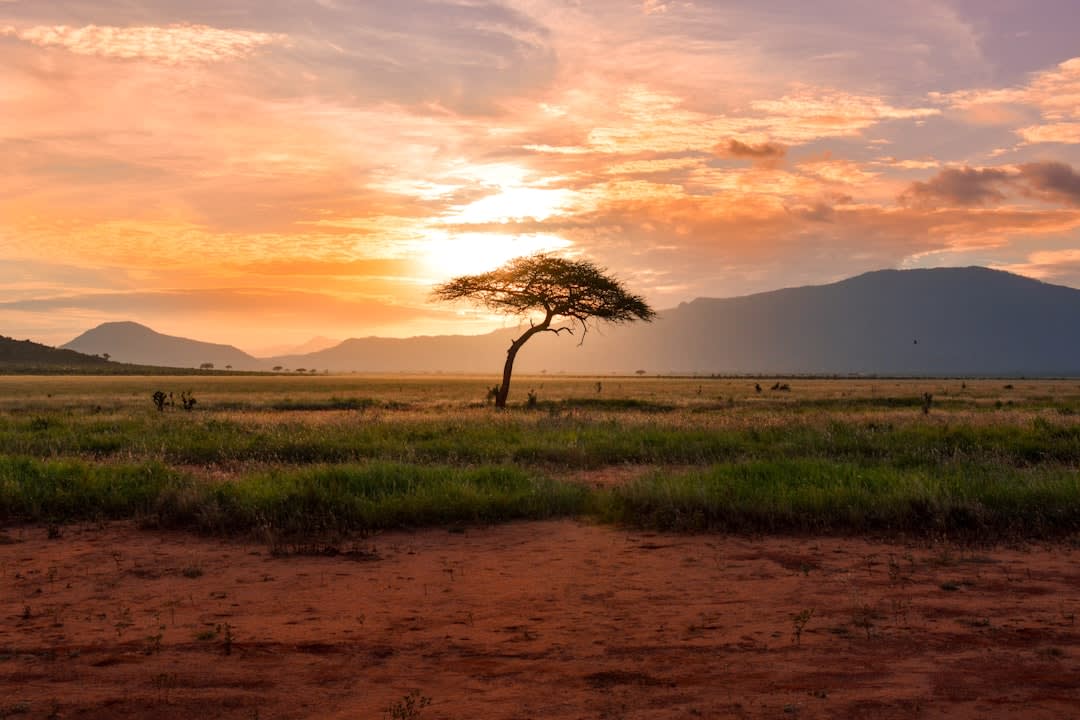
Burundi requires yellow fever vaccination proof for all arriving travellers aged 9 months and older, including Emirati citizens travelling from the United Arab Emirates. Typhoid, hepatitis A and malaria prevention should also be discussed with a travel-health clinician before departure.
Quick answer: Burundi requires proof of yellow fever vaccination for all arriving travellers aged 9 months and older, according to the CDC’s Burundi entry guidance. This requirement applies to Emirati citizens travelling from the United Arab Emirates, and your itinerary—including connections and airport transfers—should be reviewed before travel. [1] The CDC also recommends typhoid vaccination for most travellers visiting rural areas, smaller cities or friends and relatives, while hepatitis A vaccination is recommended for unvaccinated travellers going to Burundi. [1]
Last checked August 2026 — always confirm with official sources before travelling. This guide is general travel information, not legal or medical advice. Entry and health rules can change, and a travel-health clinic should assess your age, medical history, itinerary and planned activities.
Burundi health requirements for Emirati citizens at a glance
Travellers should separate mandatory entry documentation from vaccines that are recommended for personal protection. The yellow fever certificate is the principal vaccination document identified in the available Burundi entry guidance. [1][2]
| Health item | Status for entry or travel | What Emirati travellers should do |
|---|---|---|
| Yellow fever vaccination certificate | Required for arriving travellers aged 9 months and older | Carry the International Certificate of Vaccination or Prophylaxis (ICVP), commonly called the yellow card. [1] |
| Typhoid vaccine | Recommended for most travellers, especially for rural areas, smaller cities or visits to friends and relatives | Discuss vaccination with a clinician before departure. [1] |
| Hepatitis A vaccine | Recommended for unvaccinated travellers going to Burundi | Ask a clinician whether you need a first dose, series or an alternative because of age or allergy. [1] |
| Cholera vaccine | May be considered for travel to areas with active cholera transmission | Check current outbreak information and obtain individual medical advice. [1] |
| Malaria prevention | Recommended as a travel-health precaution for Burundi | Discuss prescription prophylaxis and mosquito-bite prevention for your full itinerary. [6] |
Visa rules are separate from health rules. The U.S. Department of State country information page lists a visa as required for Burundi and says a visa may also be available on arrival; check the current position for your passport before booking. [2] For the immigration process, see our guide to whether Emirati citizens need a Burundi visa in 2026.
Yellow fever certificate rules for travellers from the UAE
The CDC lists Burundi’s country entry requirement as yellow fever vaccination for all arriving travellers aged 9 months and older. [1] Therefore, travelling on a UAE passport or departing from Dubai or Abu Dhabi does not by itself remove the need to prepare yellow fever proof for Burundi.
Carry your ICVP in physical form with your passport and other travel documents. The CDC states that a completed ICVP is considered valid for the life of the person vaccinated, following the International Health Regulations change that eliminated routine booster requirements for entry. [3] Border officials may still check that the certificate is properly completed, so ask the authorised vaccination centre to issue it correctly.
Your route matters. The CDC advises travellers and healthcare professionals to consider the full itinerary, including transfers through airports where a traveller might pass immigration or leave the airport during a long connection. [3] A connection can therefore affect the documents or health checks applied to your journey. Confirm the rules with the airline, the relevant transit authority and Burundi’s official authorities before departure, particularly if your route passes through another African country.
Some secondary travel-health sources describe yellow fever certification differently, including requirements linked to departure from or transit through risk countries. [6][7] Because the CDC’s current Burundi traveller page states that the vaccine is required for all arriving travellers aged 9 months and older, the safest preparation is to carry a valid certificate regardless of whether you fly directly from the UAE. [1]
If yellow fever vaccination is medically contraindicated, ask a qualified doctor about the appropriate medical-waiver process. The CDC notes that travellers can comply with entry requirements by presenting an ICVP showing vaccination or a medical waiver, but acceptance depends on the destination’s rules and officials. [3]
Recommended vaccinations and when to arrange them
Book a travel-health consultation well before departure rather than treating vaccination as an airport formality. The clinician can check your previous records, routine immunisations, pregnancy status, immune status, allergies and the areas you plan to visit.
Routine vaccinations
The UAE travel information page advises travellers to remain up to date with vaccinations recommended by the U.S. Centers for Disease Control and Prevention. [4] Ask the clinic to review your routine protection and whether any booster or catch-up dose is appropriate. Do not assume that a childhood vaccination record automatically answers every travel-health question.
Hepatitis A
The CDC recommends hepatitis A vaccination for unvaccinated travellers aged one year or older going to Burundi. Infants aged 6 to 11 months should also receive a dose when travelling, although that early dose does not count toward the routine two-dose series. [1] Travellers with a vaccine-component allergy may be advised to receive immune globulin instead; the CDC says its protection lasts up to two months depending on the dose. [1]
Typhoid
Typhoid vaccination is recommended for most travellers, with particular relevance for people staying with friends or relatives or visiting smaller cities and rural areas. [1] Vaccination does not replace careful food and water precautions, so discuss both with your clinician.
Cholera and other itinerary-specific decisions
Cholera vaccination may be considered for travellers going to areas of active cholera transmission. [1] The decision depends on current local conditions, accommodation, access to medical care and planned activities; confirm the situation close to departure rather than relying on an old itinerary checklist.
Other vaccines may be relevant to an individual traveller, but the supplied Burundi guidance does not establish a universal entry requirement for them. A clinician should decide whether additional protection is appropriate based on your medical history and activities. For comparison, SafariFind also publishes Burundi vaccine guidance for Singaporean travellers and country-specific articles for other nationalities; those articles should not be treated as substitutes for advice for UAE passport holders.
Malaria in Burundi: prophylaxis and mosquito prevention
Malaria prevention deserves a separate consultation from yellow fever documentation. A travel-health provider cited in the research recommends antimalarial prophylaxis for travellers to all regions of Burundi and notes that chloroquine resistance is present. [6] The choice of medicine depends on factors such as pregnancy, age, other medicines, allergies, medical conditions and the time available before departure.
Do not start, stop or share prescription antimalarial medicine without medical advice. Ask the clinic how long before travel to begin the medicine, how long to continue it after leaving and what to do if you develop a fever.
- Use insect repellent as directed and reduce exposed skin, particularly around dusk and overnight.
- Sleep under a mosquito net or in accommodation with effective screening or air conditioning where possible.
- Seek medical attention promptly for fever during the trip or after returning. Tell the clinician that you have been in Burundi.
The same travel-health research identifies food- and water-borne illnesses, chikungunya, hepatitis A, schistosomiasis, typhoid, yellow fever and Zika among health concerns associated with Burundi travel. [6] These references are not a diagnosis or a complete outbreak bulletin, so check current notices before departure and follow local public-health instructions.
Health documents and travel insurance
Pack your passport, ICVP and any medical records or prescriptions relevant to your trip. Keep a photograph or secure digital copy of important documents separately from the originals, while carrying the original yellow card where officials can inspect it.
Travel insurance is not a substitute for preventive care. The travel information reviewed for Burundi strongly recommends considering supplementary insurance that includes medical evacuation. [5] Before paying for a policy, check whether it covers safari or other remote activities, hospital treatment, evacuation, repatriation, pre-existing conditions and disruptions caused by a medical event.
Emirati travellers should also review the UAE Ministry of Foreign Affairs travel information for Burundi shortly before departure. The ministry advises travellers to follow official authorities’ instructions, keep emergency, ambulance and hospital contacts available, and request help from the UAE mission in an emergency. [8]
If you are comparing safari packages, review what each package includes for transport, accommodation and activities, then arrange insurance and medical evacuation cover separately unless the operator clearly confirms otherwise. You can compare safari packages on SafariFind before finalising your itinerary.
Medication rules and what to pack
Carry prescription medicines in their original packaging with the prescription or a doctor’s letter. A traveller-information source recommends checking with Burundi authorities that medicines are legal before travel. [5] This is particularly important for controlled medicines, injectable medicines, large quantities or products that may have different names in the UAE and Burundi.
- Bring enough regular medication for the planned trip, subject to the destination’s import rules.
- Keep medicines in hand luggage rather than relying only on checked baggage.
- Carry a written list of generic names, doses, allergies and relevant diagnoses.
- Ask your doctor whether heat, altitude, long drives or remote safari conditions affect storage or dosing.
- Pack mosquito repellent, sun protection, a basic first-aid kit and oral rehydration supplies appropriate for your needs.
Do not assume that a medicine sold freely in the UAE is automatically permitted in Burundi. Confirm uncertain items with an official Burundian diplomatic or migration authority before flying.
Health facilities and emergencies in Burundi
The supplied research does not provide a verified, current list of hospitals, ambulance numbers or safari-area clinics in Burundi. Do not rely on an unverified online emergency-number list. Save the contact details supplied by your accommodation, tour operator, insurer and the UAE mission, and confirm local arrangements before travelling. [8]
Ask your safari operator where the nearest medical facility is at each stage of the itinerary, how road or air evacuation would be arranged, and which number should be called first. This matters especially for journeys outside major urban areas, where transport to care may require additional planning.
Before departure, make a written plan covering fever, severe diarrhoea, dehydration, injury and allergic reactions. If you become unwell, tell medical staff about your travel dates, rural stays, mosquito exposure, medicines and vaccinations. Keep your insurance assistance number accessible and contact the UAE mission for consular support when appropriate. [8]
Final checklist for Emirati travellers
- Confirm the current Burundi entry rule and carry a yellow fever ICVP for every arriving traveller aged 9 months or older. [1]
- Review every transit airport and whether the connection involves immigration or leaving the airport. [3]
- Ask a travel-health clinician about hepatitis A, typhoid, cholera and routine vaccinations. [1][4]
- Arrange malaria advice and mosquito protection for the complete Burundi itinerary. [6]
- Check prescription-medicine legality and carry medicines in original packaging with supporting documents. [5]
- Buy insurance that addresses medical evacuation and planned safari activities. [5]
- Save official UAE assistance information and current local emergency contacts before departure. [8]
For a second perspective on the same destination, read SafariFind’s guide to Burundi vaccines and health rules for Japanese travellers, while remembering that the yellow fever entry rule cited here is the relevant guidance for your Burundi arrival planning.
Frequently Asked Questions
Do Emirati citizens need a yellow fever certificate for Burundi?
Yes. Burundi’s CDC entry guidance says yellow fever vaccination is required for all arriving travellers aged 9 months and older. Emirati citizens should carry the completed International Certificate of Vaccination or Prophylaxis. [1]
Does the yellow fever rule apply if I fly directly from the UAE?
Yes, the CDC wording applies to all arriving travellers aged 9 months and older, so a direct UAE departure does not remove the requirement. [1]
Does a transit airport affect Burundi vaccination requirements?
It can. The CDC says travellers should consider their full itinerary, including transfers where they may pass immigration or leave an airport during a long connection. Confirm the route with the airline and official authorities. [3]
How long is a Burundi yellow fever certificate valid?
The CDC states that a completed International Certificate of Vaccination or Prophylaxis is considered valid for the life of the vaccinated person. Make sure the certificate is properly completed by an authorised vaccination centre. [3]
Which vaccines are recommended for Emiratis visiting Burundi?
The CDC recommends typhoid vaccination for most travellers, particularly those visiting rural areas or smaller cities, and hepatitis A vaccination for unvaccinated travellers going to Burundi. Cholera vaccination may be considered for areas with active transmission. [1]
Is malaria a risk throughout Burundi?
The travel-health research used for this guide recommends antimalarial prophylaxis for travellers to all regions of Burundi and notes chloroquine resistance. Ask a clinician to choose the appropriate medicine for your health and itinerary. [6]
When should I visit a travel-health clinic before Burundi?
Arrange a consultation as early as possible before departure so a clinician can review your records, medical conditions, vaccine timing and malaria options. The research does not establish one universal appointment deadline for every traveller. [1][6]
Is travel insurance required for Burundi?
The supplied research does not establish a universal travel-insurance entry requirement for Burundi. Supplementary insurance with medical-evacuation cover is strongly recommended in the travel information reviewed. [5]
Can I take prescription medicine to Burundi?
You should carry prescription medicine in its original packaging with the prescription or a doctor’s letter, and check with Burundi authorities that the medicine is legal before travel. [5]
What should I do in a medical emergency in Burundi?
Follow the emergency plan provided by your accommodation or safari operator, contact your insurer and use verified local medical contacts. The UAE Ministry of Foreign Affairs advises travellers to keep emergency, ambulance and hospital numbers available and request assistance from the UAE mission when needed. [8]