Ask Tembo
Protecting Kenya's National Parks 2026: Conservation Status & Strategy
Kenya's 23 national parks and 28 reserves protect 8% of the country's land and anchor a conservation model combining protected areas, community conservancies, and ranger-led anti-poaching. Despite ongoing threats from poaching, habitat loss, and human-wildlife conflict, integrated efforts by the Kenya Wildlife Service, NGOs, and local communities are delivering measurable wins—including doubled lion populations in Maasai Mara and expanded wildlife habitat beyond park boundaries.
Current Conservation Status: Kenya's National Parks in 2026
Kenya's network of 23 national parks and 28 national reserves protects approximately 8% of the country's land mass, forming the backbone of East African wildlife conservation.[1] Complementing these formally protected areas, community and private conservancies now safeguard an additional 180,000 hectares (450,000 acres)—effectively doubling wildlife habitat in key regions like Maasai Mara.[2] This integrated model, overseen by the Kenya Wildlife Service (KWS), represents a shift from fortress-style conservation toward landscape-scale protection that balances wildlife security with community livelihoods. However, with Kenya's human population projected to reach 57.8 million by 2030, the pressure on these protected spaces remains acute and requires constant innovation.[3]
Why Kenya's National Parks Matter
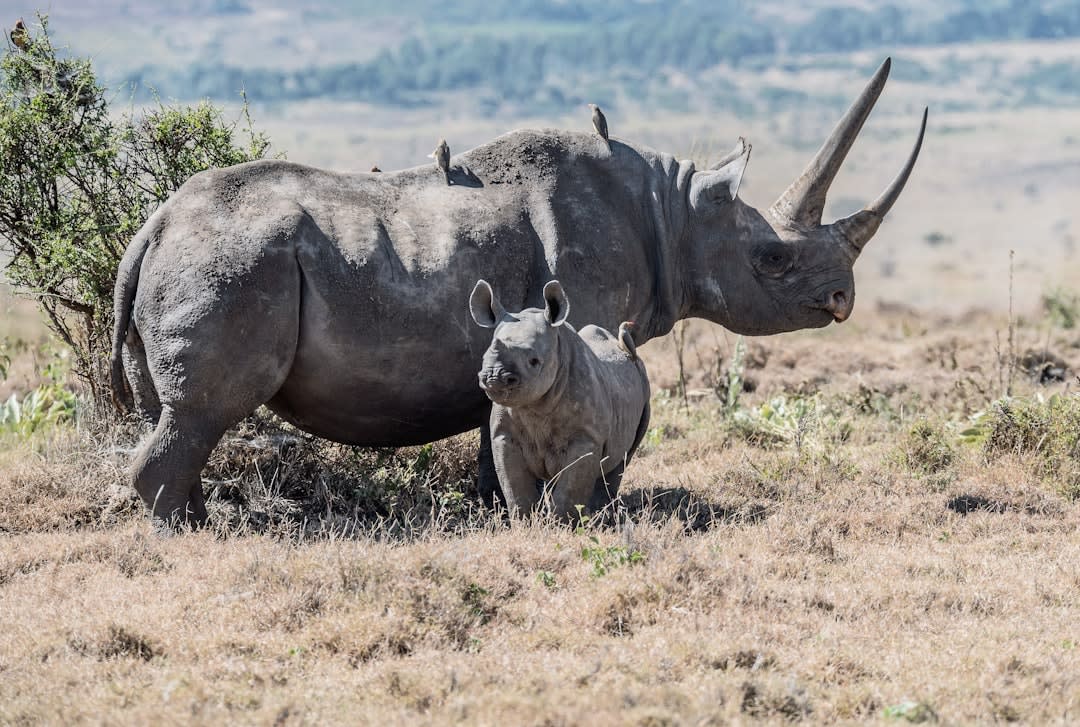
Kenya's parks and reserves protect some of Africa's most iconic ecosystems and species. From the vast savannahs of the Maasai Mara and Amboseli to the montane forests of Mount Kenya and the arid rangelands of Samburu and Shaba, these landscapes sustain African elephants, lions, black rhinos, and hundreds of other species. Beyond their intrinsic value, Kenya's parks generate critical ecosystem services—water provision, carbon storage, and soil conservation—and underpin a tourism economy worth billions annually. For local Maasai, Samburu, and other pastoral communities, these reserves offer dry-season water and grazing, making conservation inseparable from cultural survival.[4]
Historically, Kenya's conservation story is complex. Over the 40 years following independence in 1963, Kenya's human population quadrupled while its wildlife population shrank to one-quarter of its original size.[5] Colonial-era reserves created for hunting and settler land-grabbing were later formalized as national parks under the 1945 National Park Ordinance.[6] This legacy left deep tensions between conservation and community rights—tensions that modern community-based conservation models are now actively healing.
Major Threats to Kenya's Protected Areas
Poaching and Illegal Wildlife Trade
Despite decades of anti-poaching effort, illegal killing remains a persistent threat. The ivory trade, driven by international demand, continues to drive elephant poaching, particularly in remote reserves. Bushmeat poaching and wire snares kill lions, leopards, and other carnivores at alarming rates.[7] Rangers working for the Kenya Wildlife Service and supported by organisations like Save the Elephants and the Lion Recovery Fund conduct daily foot and vehicle patrols, often in extremely challenging conditions, to intercept poachers before they strike.[7] The Elephant Crisis Fund (ECF), which supports rangers across African reserves with improved tracking technology and aerial patrol support, has bolstered ranger capacity in reserves like Samburu National Reserve, where rangers like Christopher Lmingisa Leadismo (Head of Anti-poaching, Save the Elephants) lead the charge.[7]
Human-Wildlife Conflict
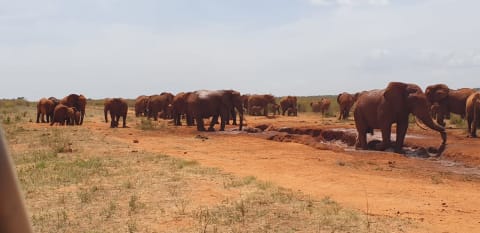
As wildlife numbers have recovered within protected areas, animals increasingly move into adjacent community lands in search of food and water. Elephants can travel up to 195 kilometres (121 miles) per day, crossing park boundaries and raiding crops or threatening livestock and human safety.[8] Lions, leopards, and other predators similarly move beyond reserve boundaries, creating lethal conflict. This dynamic has introduced new conservation imperatives: mitigation measures like electric fencing, stone walls, reinforced livestock enclosures (bomas), and wildlife compensation programs are now integral to protecting both wildlife and livelihoods.[9] The Mount Kenya Electric Fence Project, funded by Rhino Ark Charitable Trust and implemented by the Kenya Wildlife Service and Kenya Forest Service, has drastically reduced illegal grazing, charcoal burning, and poaching incidents while enabling reforestation and improved water catchment recovery.[10]
Habitat Loss and Climate Change
Expansion of agriculture into arid and semi-arid lands, combined with rapid urbanization, is fragmenting wildlife corridors and reducing available habitat. Climate variability—prolonged droughts and erratic rainfall—compounds these pressures, affecting both wildlife and pastoral communities that depend on the same natural resources. Half of Kenya's Key Biodiversity Areas remain unprotected, leaving critical habitats and species vulnerable to conversion and degradation.[11] Conservation organizations like Nature Kenya are working collaboratively with landowners, researchers, and government agencies to integrate biodiversity safeguards into land-use planning, particularly in threatened grasslands like the Kinangop Plateau.[11]
Kenya's Conservation Infrastructure: Parks, Reserves & Organisations
The Kenya Wildlife Service (KWS)
The Kenya Wildlife Service is the statutory authority managing Kenya's national parks and reserves.[1] KWS oversees biodiversity conservation, ecosystem services management, low-impact tourism, community livelihoods integration, and research facilitation. KWS rangers provide 24/7 patrol coverage, respond to wildlife threats, and work alongside community scouts and international partners. The service's strategic focus includes wildlife security, protected area management, conservation science, veterinary services, and the wildlife economy.[1]
Key Protected Areas
Mount Kenya National Park and Forest Reserve, designated a UNESCO World Heritage Site (1997) and UNESCO Biosphere Reserve (1978), exemplifies integrated conservation. KWS, the Mount Kenya Trust (MKT), Rhino Ark, and numerous community partners collaborate on biodiversity conservation, water supply protection, low-impact tourism, community eco-tourism enterprises (beekeeping, tree nurseries), and scientific research.[10] The park's management emphasizes collaborative governance, with KWS, the Kenya Forest Service, county governments, and communities sharing responsibility for forest protection and benefit distribution.[10]
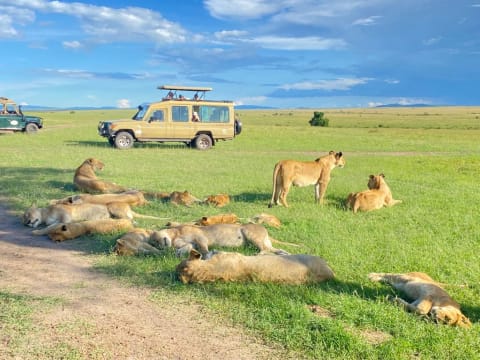
Maasai Mara National Reserve (MMNR), covering approximately 580 square miles in southwestern Kenya, is flanked by 15 private conservancies totalling another 560 square miles of protected land owned and operated by local Maasai.[5] This landscape-scale approach has delivered measurable success: MMNR's lion population has doubled over the past decade.[5] The conservancy model has transformed former poachers into rangers and herders into stewards, creating economic incentives for wildlife protection.[9]
Amboseli National Park, located at the base of Mount Kilimanjaro's northern slope, has evolved from a colonial hunting reserve to a model of community-based conservation. Year-round springs critical to wildlife and Ilkisongo Maasai pastoral communities anchor the park's ecological and cultural significance. Today, conservation efforts beyond park boundaries—through community conservancies and benefit-sharing arrangements—generate more financial benefit to local people than park revenue alone, while reducing human-wildlife conflict and increasing environmental awareness.[12]
Samburu National Reserve, in Kenya's arid north, protects rare species found nowhere else: Grevy's zebra, reticulated giraffe, gerenuk, and Beisa oryx. KWS rangers and community scouts conduct regular patrols, with special focus on the Ewaso Nyiro River, the reserve's lifeline.[13] Save the Elephants works with KWS rangers, county rangers, and community conservation rangers to protect elephants through anti-poaching foot and vehicle patrols, collaring and monitoring operations, and elephant security.[7]
Shaba National Reserve, also in the north, combines wildlife protection with community empowerment through Samburu Women's Beading Cooperatives, cultural tourism initiatives, community ranger recruitment, and education bursaries. Anti-poaching patrols, elephant corridor preservation, rapid response units, and camera trapping projects monitor rare species like leopard and striped hyena.[13]
Community Conservancies: Expanding Protected Space
Community conservancies represent one of Kenya's most innovative conservation contributions. These are private or communal lands combined into large protected areas by local landowners, who then earn income by leasing land for safaris, lodges, and tourism activities. Conservancies safeguard critical wildlife corridors and buffer zones connecting national parks while creating economic opportunities—jobs in tourism, conservation, and sustainable livestock grazing—for local residents.[2] This model has made Kenya a global leader in community-driven conservation.[2]
Around Maasai Mara, 24 conservancies protect 180,000 hectares, effectively doubling the habitat available to wildlife beyond the reserve's formal boundaries.[2] By ensuring communities see tangible benefits from conservation, conservancies foster a sense of ownership and stewardship, transforming incentives: former poachers become rangers; herders become wildlife advocates.[9]
Rangers, Technology & Anti-Poaching Strategy
Anti-poaching efforts in Kenya rely on a combination of human skill, community partnerships, and emerging technology. Rangers—the frontline defenders of wildlife—are often underfunded and under-equipped, relying on short-term grants and fragmented budgets.[14] Recognising this gap, initiatives like The Ranger Fund, launched with early leadership from the Barrett Family Foundation, aim to raise at least $700,000 annually to support more than 275 rangers across 14 projects, addressing the chronic under-resourcing that threatens conservation gains.[14]
On the ground, rangers and lion protection units funded by the Lion Recovery Fund conduct daily patrols through national parks and reserves, navigating difficult terrain to monitor wildlife, remove wire snares, and arrest poachers.[7] In Samburu, tracker-dog units work alongside rangers to locate poachers before they cause harm.[15] Wildlife rangers use GPS collars and camera trapping to monitor the location and welfare of rhinos and elephants, ensuring all animals are accounted for.[15]
The Elephant Crisis Fund (ECF) enhances ranger capacity with new tracking and sensing technologies, better communications infrastructure, and aerial patrol support, enabling rangers to work more efficiently and safely.[7] These integrated approaches—human expertise combined with technology—have proven effective, particularly in reserves where ranger presence is consistent and well-resourced.
Conservation Science and Education
Research and education underpin Kenya's long-term conservation strategy. The School for Field Studies (SFS) Center for Endangered Species Conservation, located in the Rift Valley between Mount Kenya, Amboseli, and other iconic parks, runs semester and summer programmes focused on endangered species, elephants, and wildlife health. Students and faculty engage with KWS staff, regional conservation experts, Maasai and Indigenous peoples, NGOs, and landowners, contributing research data on how climate change impacts wildlife populations and ecosystems.[16]
Nature Kenya, a partner organisation, has acquired four Nature Reserves to safeguard grasslands in perpetuity. In these reserves, a controlled grazing system using sheep maintains grassland structure suitable for Sharpe's Longclaw, a threatened endemic bird. Wool from the sheep is purchased by the Njabini Wool Crafters Cooperative Society, generating income for local communities while preserving habitat.[11] Nature Kenya's Site Support Groups, such as Friends of Kinangop Plateau (founded 1997), are instrumental in habitat conservation and restoration, biodiversity research and monitoring, environmental education, and community empowerment.[11]
Conservation Successes and Ongoing Challenges
Documented Progress
Lion population recovery in Maasai Mara stands as a flagship success. The lion population has doubled over the past decade, driven by anti-poaching efforts, habitat protection, and community buy-in.[5] This recovery demonstrates that landscape-scale conservation—combining protected areas with conservancies—can reverse declines when implemented with consistent funding and political will.
Habitat expansion through conservancies has added 180,000 hectares of protected land in Maasai Mara alone, effectively doubling the reserve's wildlife carrying capacity and connectivity.[2] This expansion allows large, migratory animals like elephants to move safely across larger territories, reducing human-wildlife conflict and enabling natural population dynamics.
Community-led conservation innovation has transformed incentives. Electric fencing, reinforced livestock enclosures, and wildlife compensation programs have reduced livestock losses while protecting wildlife.[9] Beekeeping, wool production, and sustainable tourism enterprises generate income independent of land conversion, demonstrating that conservation and livelihoods can align.
A question about Kenya? Ask Tembo
Remaining Challenges
Despite progress, significant obstacles persist. Half of Kenya's Key Biodiversity Areas remain unprotected, leaving critical habitats vulnerable.[11] Funding and resources for monitoring illegal activity are subject to shifts in political prioritisation, public opinion, and cultural tradition.[5] When funding lapses, hard-won ranger expertise and local partnerships are lost, undermining conservation gains.
Human-wildlife conflict continues to escalate as human populations expand and wildlife moves beyond park boundaries in search of food and water.[5] While mitigation technologies exist, their deployment is uneven, and livestock predation and crop raiding remain leading causes of human deaths and economic loss in pastoral and agricultural communities.[7]
Climate variability threatens both wildlife and the communities that live alongside them. Prolonged droughts and erratic rainfall affect ecosystem health and pastoral livelihoods, creating pressure to convert protected land to agriculture or overgraze remaining rangeland. Conservation strategies must account for these climate realities or risk failure.[16]
A single conservation strategy cannot tackle this mounting vulnerability. Protecting areas within reserve boundaries helps, but many threats operate beyond these borders. General biodiversity conservation interventions prove insufficient without targeted strategies that account for habitat specialists and climate-sensitive species.[11] This demands complementary approaches: protected areas, community conservancies, wildlife corridors, climate adaptation, and livelihood diversification all working in concert.
Tourism's Role in Funding Conservation
Tourism is Kenya's largest earner of foreign exchange and a critical funding source for park management and community conservation. Visitor fees support ranger salaries, equipment, research, and community benefit-sharing programmes. Conservancy-based safaris generate direct income for Maasai and other landowners, creating powerful economic incentives to protect wildlife and maintain habitat corridors.
When travellers book conservation-supporting safaris through operators committed to community benefit and wildlife protection, they directly fund anti-poaching operations, ranger training, and local employment. On SafariFind, you can browse and book safaris with operators who transparently support these conservation models, ensuring your visit contributes measurably to habitat and species protection.
Responsible safari tourism—low-impact, guided by local experts, respecting wildlife behaviour and cultural norms—generates income without degrading the very assets that make Kenya's parks valuable. This creates a virtuous cycle: wildlife protection becomes profitable, communities benefit, and conservation is sustained.
How Travellers Can Support Kenya's National Parks
- Choose operators with transparent conservation commitments. Ask about anti-poaching support, community employment, and benefit-sharing arrangements. Reputable operators disclose how visitor fees support conservation and local livelihoods.
- Respect wildlife and park regulations. Stay on designated tracks, maintain safe distances from animals, and follow guide instructions. Wildlife disturbance can disrupt feeding, breeding, and migration—undermining conservation goals.
- Support community-based tourism. Patronise lodges and guides owned by local communities. Opt for cultural experiences, beekeeping projects, and craft cooperatives that provide direct income to conservation stakeholders.
- Pack responsibly and minimise waste. Carry all rubbish out; avoid single-use plastics. Waste degrades habitats and can be fatal to wildlife. Pack light and sustainably for your safari.
- Donate or volunteer with vetted organisations. Groups like Save the Elephants, the Lion Recovery Fund, Rhino Ark, and Nature Kenya offer direct support to ranger programmes and habitat restoration. Research before donating to ensure funds reach frontline conservation work.
- Advocate for Kenya's conservation. Share your safari experience responsibly on social media. Highlight the rangers, communities, and organisations making conservation work. Public awareness drives political will and donor funding.
Last Reviewed: July 2026
Conservation data changes constantly. For the latest figures on wildlife populations, park management, and funding, consult the Kenya Wildlife Service (kws.go.ke), Save the Elephants, the Lion Recovery Fund, Nature Kenya, and other organisations cited below. This article reflects the best available evidence as of July 2026 and will be updated as new data emerges.
Frequently Asked Questions
What percentage of Kenya is protected as national parks and reserves?
Approximately 8% of Kenya's total land mass is formally protected as national parks and reserves. This includes 23 national parks, 28 national reserves on land, four marine national parks, and six marine national reserves. When community and private conservancies are included, the protected area network expands significantly—for example, 24 conservancies around Maasai Mara protect an additional 180,000 hectares (450,000 acres), effectively doubling the reserve's habitat.
Which national parks in Kenya are best for wildlife viewing?
Maasai Mara National Reserve is renowned for the annual wildebeest migration and dense predator populations, including lions whose numbers have doubled in the past decade. Amboseli National Park, at the base of Mount Kilimanjaro, offers year-round wildlife and iconic elephant viewing. Mount Kenya National Park combines montane forest biodiversity with cultural significance. Samburu and Shaba reserves in the north protect rare species like Grevy's zebra and reticulated giraffe. For specific itineraries and operator recommendations, consult SafariFind's guide to reputable safari companies operating in Maasai Mara and other parks.
How do rangers protect wildlife from poaching in Kenya?
Rangers conduct daily foot and vehicle patrols, remove wire snares, and arrest poachers. They use GPS collars and camera trapping to monitor wildlife location and welfare. The Elephant Crisis Fund and Lion Recovery Fund support rangers with improved tracking technology, communications infrastructure, and aerial patrol support. In Samburu, tracker-dog units work alongside rangers to locate poachers before they strike. However, rangers remain underfunded; The Ranger Fund aims to raise $700,000 annually to support over 275 rangers across 14 projects, addressing chronic under-resourcing.
What is a community conservancy in Kenya?
A community conservancy is land owned by local communities (often Maasai or Samburu pastoralists) that is combined with neighbouring properties to create large, protected wildlife areas. Landowners earn income by leasing land for safaris, lodges, and tourism activities. This model safeguards wildlife corridors and buffer zones connecting national parks while creating local employment in tourism and conservation. Around Maasai Mara, 24 conservancies protect 180,000 hectares and have transformed former poachers into rangers and herders into stewards.
How does human-wildlife conflict affect Kenya's conservation?
As wildlife populations recover within protected areas, animals increasingly move into adjacent community lands in search of food and water. Elephants can travel up to 195 kilometres per day, raiding crops and threatening livestock and human safety. Lions and leopards similarly move beyond reserve boundaries, killing livestock and occasionally people. Mitigation measures—electric fencing, reinforced livestock enclosures (bomas), wildlife compensation programmes, and technology that tracks animal movement—help reduce conflict. However, conflict remains a leading driver of poaching and pressure to convert protected land.
What role does tourism play in Kenya's park conservation?
Tourism is Kenya's largest earner of foreign exchange and a critical funding source for park management, ranger salaries, equipment, research, and community benefit-sharing programmes. Visitor fees support anti-poaching operations and habitat protection. Conservancy-based safaris generate direct income for Maasai and other landowners, creating powerful economic incentives to protect wildlife. When travellers book conservation-supporting safaris through operators committed to community benefit and wildlife protection, they directly fund these efforts, making responsible tourism a conservation tool.
How is climate change affecting Kenya's national parks?
Climate variability—prolonged droughts and erratic rainfall—affects both wildlife and the pastoral communities that live alongside them. These conditions stress ecosystems, reduce water availability, and create pressure to convert protected land to agriculture or overgraze remaining rangeland. Conservation strategies must account for climate realities, including habitat restoration, wildlife corridor protection, and livelihood diversification. Research at the School for Field Studies and other institutions focuses on how Kenya's wildlife, ecosystems, and communities are responding to environmental threats.
What are the main threats to Kenya's protected areas?
The primary threats are poaching (driven by ivory trade and bushmeat demand), habitat loss (from agriculture and urbanization), human-wildlife conflict (as wildlife moves beyond park boundaries), and climate change (drought and erratic rainfall). Additionally, half of Kenya's Key Biodiversity Areas remain unprotected, and funding for monitoring illegal activity fluctuates with political prioritisation. A single conservation strategy cannot address all these threats; complementary approaches—protected areas, community conservancies, wildlife corridors, climate adaptation, and livelihood diversification—are essential.
How can I support Kenya's national park conservation when I visit?
Choose operators with transparent conservation commitments; ask about anti-poaching support and community employment. Respect wildlife and park regulations by staying on designated tracks and maintaining safe distances. Support community-based tourism through locally owned lodges and craft cooperatives. Minimise waste and pack responsibly. Donate or volunteer with vetted organisations like Save the Elephants, the Lion Recovery Fund, Rhino Ark, and Nature Kenya. Share your experience responsibly on social media to raise awareness and drive political will for conservation funding.
What is the Mount Kenya Electric Fence Project?
The Mount Kenya Electric Fence Project, funded by Rhino Ark Charitable Trust and implemented by the Kenya Wildlife Service and Kenya Forest Service, protects the Mount Kenya, Aberdares, and Mau Forest Complex. The fence is equipped with solar energizers and monitored patrols. It has drastically reduced illegal grazing, charcoal burning, and poaching incidents while enabling reforestation and improved water catchment recovery. This project exemplifies how technology and ranger presence work together to protect both biodiversity and ecosystem services.
Are there opportunities to volunteer in Kenya's national parks?
Yes. Organisations like the School for Field Studies offer semester and summer programmes in wildlife conservation and endangered species research in the Rift Valley. Shaba National Reserve and other parks offer volunteer opportunities in wildlife monitoring, community work, and conservation education. The Ranger Fund also supports ranger recruitment and training across multiple reserves. Contact specific parks, NGOs like Nature Kenya and Save the Elephants, or conservation-focused tour operators for current volunteer placements and requirements.
What is Kenya's vision for national park conservation by 2030?
Kenya's conservation agenda centres on protecting biodiversity as a national heritage while enhancing human-wildlife coexistence and benefit-sharing. The strategic focus includes expanding protected area networks (formal reserves and community conservancies), strengthening ranger capacity and funding, integrating climate adaptation into land-use planning, and filling knowledge gaps about species and habitats before they vanish. As Kenya's population is projected to reach 57.8 million by 2030, the challenge is to maintain and expand wildlife habitat while supporting livelihoods—a goal achievable only through sustained funding, political will, and community partnership.
Trips that match this guide