
 Ask Tembo
Safari Guides•22 min read
Kenya Safari With Kids: 7 Family Rules for a Safe 2026 Trip

Discover Kenya Safari With Kids: 7 Family Rules for a Safe 2026 Trip - Expert guide to safari tourism and wildlife destinations.
Trips that match this guide
Discover Kenya Safari With Kids: 7 Family Rules for a Safe 2026 Trip - Expert guide to safari tourism and wildlife destinations.

Discover Lamu Day Trips and Safari Packages: 2027 Prices - Expert guide to safari tourism and wildlife destinations.

Discover Chobe Safari Itinerary 2027: 5 Days, Route and Cost - Expert guide to safari tourism and wildlife destinations.
SafariFind app
Keep up with your inquiries and bookings, and message operators wherever you are.


Discover Isalo Walking Safari Packages 2027: Prices and Booking - Expert guide to safari tourism and wildlife destinations.
Last updated: July 2026
A Kenya safari with kids is safe and rewarding when families follow seven simple rules: use a trusted guide, stay inside the vehicle, plan health needs, choose age-fit activities, protect children from sun and insects, build in travel time, and check operator policies. Most Kenyan safari areas are malaria zones, so speak with a doctor before travel. Compare family packages, prices, and verified reviews for your 2026 dates.
Kenya safari with kids trips turn wildlife lessons into real family memories, but safety starts before the airport. A lion sighting feels thrilling from a vehicle. It feels very different when a child understands why the guide asks everyone to stay quiet and seated.
Kenya safari with kids planning works best when parents match the trip to their children’s ages, energy, health needs, and attention spans. This guide explains seven family rules for a safer 2026 trip. It also covers family lodges, walking activities, photography, flights, payments, and how to choose reliable safari companies.
Quick answer: Yes, kids can go on a safari in Kenya. Families should choose a guide-led itinerary, keep children inside the vehicle, confirm activity age limits, prepare for malaria areas, and allow extra travel time. A listed three-day family tour welcomes all ages and visits Nairobi, Narok, Maasai Mara, and the Mara River. [4]
SafariFind connects travelers with verified tour operators and authentic traveler reviews. Use this guide to ask better questions before requesting a quote. For costs, park choices, and operator examples, read the current Kenya safari cost guide for 2026.
A Kenya safari with kids is a guided wildlife holiday built around short drives, safe viewing, suitable lodging, and regular rest. The experience can include Nairobi, Maasai Mara, Amboseli, family camps, cultural visits, and selected nature activities. The best plan gives children clear rules while leaving enough time for meals, sleep, and play.
Maasai Mara is known for open grassland, guided game drives, and strong wildlife viewing. Nairobi is useful for starting or ending a family itinerary. Amboseli is another popular choice for families, but road and flight timing need careful planning.
Family safari programs vary by operator. One listed itinerary lasts three days and includes Nairobi, Narok, Maasai Mara National Reserve, and the Mara River. It welcomes all ages and operates in English and Spanish. [4] This example shows why parents should check the full route, language, and age policy before booking.
A Kenya safari is best for children who enjoy animals, outdoor time, and new places. Younger children may need shorter drives and more breaks. Older children often enjoy photography, tracking lessons, birdwatching, and questions with the guide.
Parents should not judge a safari only by its lodge photographs. Ask how long drives last, whether the vehicle is private, and whether the operator can change the pace. A private vehicle often gives families more control over meal stops, departure times, and quiet breaks. Confirm every feature in writing.
Wild animals remain unpredictable, even when a guide has years of experience. Children also tire faster than adults during early drives, long transfers, and hot afternoons. Simple rules reduce risk and help the whole family enjoy the trip.
The seven rules cover the main decisions families face:
Parents who want to compare family travel options can compare Kenya family safari packages and request a quote through SafariFind. Check the itinerary before comparing the headline price.
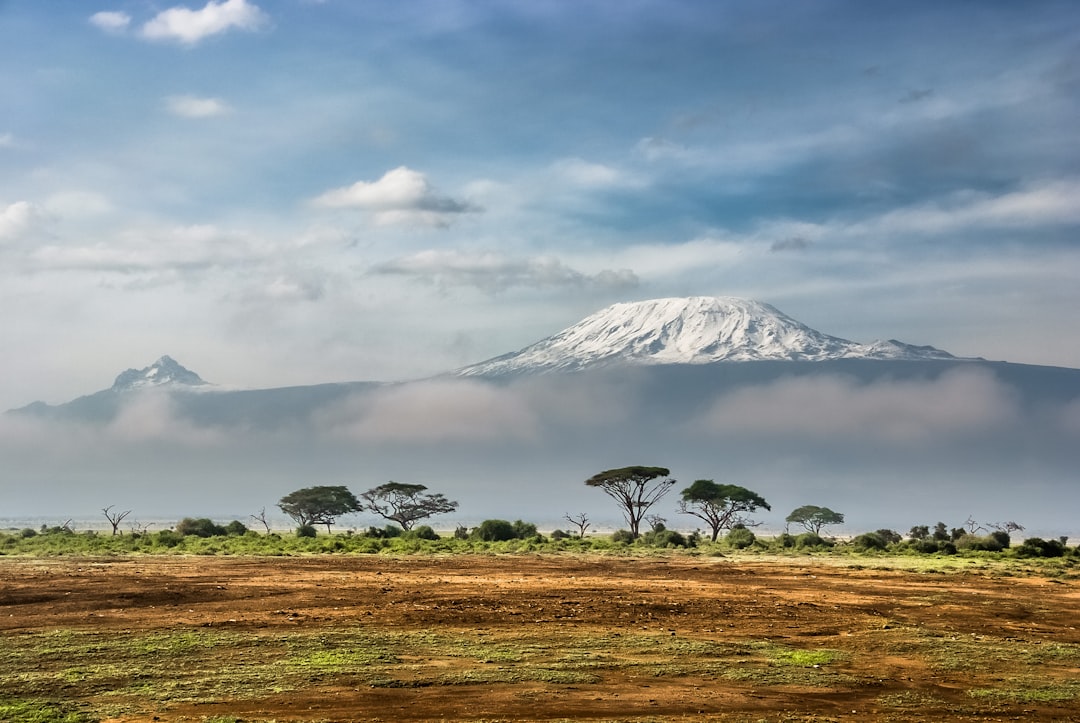
The seven family safety rules are simple: stay with the guide, prepare health needs, respect age limits, protect against sun and insects, follow park rules, allow travel buffers, and select a reliable operator. These rules help parents manage both wildlife risk and normal travel stress during a Kenya safari.
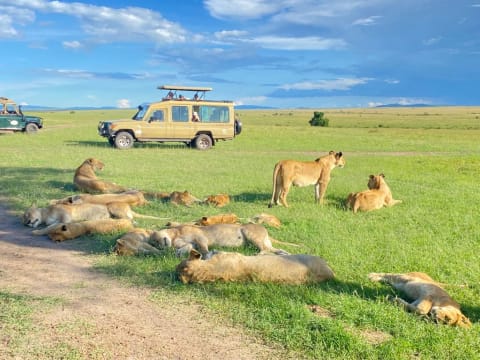
Children should remain inside the safari vehicle during game drives and follow the guide’s instructions exactly. [1] Do not let a child stand on a seat, lean far outside, shout at animals, or leave the vehicle without clear permission.
Explain the reason before the first drive. Animals may react to movement, noise, or sudden changes. A simple family briefing works well: stay seated, keep voices low, listen quickly, and ask before taking photographs.
Routine childhood vaccinations should be up to date before a Kenya trip. Yellow-fever vaccination requirements may apply when travelers arrive from certain countries, so parents should confirm current advice with a doctor. [1]
Most Kenyan safari areas are malaria zones. Families should consult a doctor about suitable malaria prophylaxis for each traveler. [2] Ask about age, weight, allergies, side effects, prescription timing, and what to do after returning home.
Pack a small health kit with prescribed medicine, basic first-aid items, oral rehydration supplies, children’s pain relief, and copies of prescriptions. Bring enough regular medicine for delays. Do not rely on a remote lodge to stock a child’s exact medicine.
Walking-safari minimum ages must be confirmed directly with local conservancy rangers. Hot-air-balloon operators typically set minimum ages at about 6–7 years. [5] Never assume that an activity listed as “family friendly” suits every child.
Ask for the minimum age, maximum group size, walking distance, start time, and emergency plan. A child who cannot walk quietly for the required time may enjoy a vehicle drive more. Safety improves when the activity matches the child, not the adult’s wish list.
Pack sunscreen, insect repellent, sun hats, light clothing, closed shoes, and refillable water bottles. Choose clothes that cover shoulders and legs during early morning and late afternoon drives. A warm layer also helps because game drives can start early.
Apply products according to the label and your doctor’s advice. Keep repellent away from eyes, mouths, food, and broken skin. Parents should check children often for thirst, headache, tiredness, bites, and signs of overheating.
Stay on designated roads and viewing areas, and follow instructions from park rangers or guides. Some parks may require permits for professional photography or drone use. [3] Families should ask before using large camera equipment or flying any drone.
Travelers are also advised to disable GPS or location tagging to help protect wildlife from poaching. [3] Turn off automatic location sharing on phones and cameras. This small step protects animals and reduces unwanted public tracking of sightings.
Families should allow at least four hours between departing Amboseli and an international flight. [6] Children need more time for meals, toilets, luggage, traffic, and unexpected road delays.
Tell the operator your flight time before confirming the itinerary. Ask whether the final transfer is by road or air. A plan that looks comfortable for adults may feel rushed with children and luggage.
A reliable safari company gives clear information about vehicles, guides, lodges, payments, deposits, cancellations, emergency support, and changes. Parents should read recent reviews of popular safari tour operators and look for comments about communication when something goes wrong.
SafariFind helps families compare verified tour operators, packages, and authentic reviews. Look for evidence of clear policies, flexible planning, and consistent service. Ask who handles support after payment and who helps if a vehicle, room, or transfer changes.
The best Kenya safari company for kids is the one that matches your family’s needs and explains its safety, price, and support policies clearly. Do not choose only by the lowest quote. Compare vehicle type, guide quality, lodge location, activity rules, payment terms, and recent customer feedback.
Families often search for the best companies offering safari tours in Kenya. A useful answer depends on your trip style. A budget family may value shared transport and simple lodges. A luxury Kenya safari may focus on private vehicles, premium camps, and flexible schedules.
Ask each company these questions:
Operators that answer these questions in writing are easier to assess. Parents can then identify safari companies with a reputation for product reliability and low failure rates by checking repeat themes in reviews. Look for consistent praise, not one perfect comment.
Families should ask which Kenya safari lodges have the best service, room setup, food options, and wildlife access for their needs. A lodge close to a park gate may reduce long drives. A remote camp may offer a special setting but require more transfer time.
Check whether the room has suitable beds, a family layout, safe walking paths, and staff support. Ask about meal timing and children’s menus. Also confirm whether the lodge sits inside a reserve, outside a park, or in a private conservancy. That location affects drive times and activity choices.
Families asking how to choose a safari operator with flexible payment plans, deposits, and refund policies should request the full booking terms before paying. The document should state deposit size, balance date, cancellation charges, date-change rules, and what happens after an operator change.
Do not treat a low deposit as proof of good value. A clear policy is more useful than a vague promise. Keep invoices, payment receipts, emails, insurance details, and the final itinerary in one shared family folder.
Prices depend on park fees, accommodation, transport, guide service, season, and trip length. The supplied research does not provide a verified standard price for a family safari. Use the Kenya safari packages guide for 2026 to understand how to compare current options.
For families comparing price limits, compare Kenya safari packages by budget, duration, and family needs on SafariFind. Read the included services before deciding which offer gives the best value for money.
A safari in Kenya and Zanzibar can work for families who want wildlife and beach time. However, every extra flight or transfer adds planning steps. Ask the operator to show the connection plan, luggage rules, child-friendly hotel details, and total travel time.
The same principle applies to a best safari in Kenya and Tanzania trip. Cross-border travel can add permits, transfers, and different park rules. A family itinerary should leave time for rest rather than packing every day with activities.
Families can start a safe Kenya safari by setting ages, dates, health needs, budget limits, and preferred activities. Then compare two or three written itineraries. A good plan balances wildlife viewing with rest, simple transfers, and clear support if plans change.
Write down each child’s age, sleep needs, food limits, medicines, walking ability, and interests. Note whether anyone dislikes long drives, heat, early starts, or unfamiliar food. This short profile helps an operator design a safer and more enjoyable route.
Decide whether you need a private vehicle. Private travel usually gives families more control, but the final price depends on the operator and itinerary. Shared trips may cost less, but they can limit breaks and departure changes.
Choose one or two main wildlife areas before adding more stops. A shorter route can feel richer than a rushed circuit. Ask how many hours each transfer takes and where the family can rest.
Keep the first game drive short if possible. Children can learn the vehicle routine without becoming tired. Later, add longer drives when they understand quiet viewing and wildlife distance.
Essential items for a week-long safari adventure include:
Use soft luggage if the operator requests it. Keep medicines, documents, snacks, and one change of clothes in a day bag. Children should not carry heavy bags on long transfers.
A family safari day works best with a simple rhythm: breakfast, a drive, rest, lunch, quiet time, and an optional afternoon activity. Children often enjoy a small wildlife task. Ask them to record three animals, two birds, and one new fact.
Parents should also plan quiet time for themselves. A rested adult makes better safety decisions. Do not pressure children to stay on every drive if they need sleep or a lodge break.
Review passport rules, travel insurance, vaccination advice, medicines, and emergency contacts before departure. Travelers should check country-specific entry guidance. SafariFind’s guides for Kenya eTA requirements for Danish citizens and Kenya eTA requirements for Austrian citizens can support early planning.
Health advice can differ by nationality and medical history. Families can also review the current Kenya vaccination and health guide for Austrian travelers. Ask a qualified clinician for personal advice rather than copying another family’s medicine plan.
Yes, kids can go on a safari in Kenya when families choose a guided itinerary and follow wildlife safety rules. Children should remain inside the vehicle during game drives. Parents should also match activities to age, prepare health needs, and plan regular breaks. [1]
The best company depends on your children’s ages, budget, route, lodging needs, and support expectations. Compare verified operators by safety information, vehicle type, flexible itinerary options, deposit terms, refund rules, and recent traveler reviews. SafariFind helps families compare these details in one marketplace.
The right lodge depends on its location, wildlife access, room layout, child policy, meals, and transfer time. Ask whether the lodge sits inside a reserve, near a park gate, or in a conservancy. Then compare recent reviews about service, safety, and family comfort.
Ask for written booking terms before paying. The terms should state the deposit, balance date, cancellation charges, refund process, date-change rules, and support plan for delays or service failures. A clear policy is a stronger sign of reliability than a low deposit alone.
Children should pack sunscreen, insect repellent, a sun hat, light layers, closed shoes, warm clothing, water bottles, snacks, prescribed medicine, and copies of prescriptions. Add binoculars and a simple wildlife guide. Keep medicines, documents, and one change of clothes in a day bag.
Start by comparing verified packages and operators, then request a written itinerary and quote. Check reviews, inclusions, vehicle details, age rules, payment terms, and emergency support before paying. Families can compare options and request a quote through SafariFind’s safari marketplace.
A Kenya safari with kids is safe when families prepare health needs, follow guide instructions, respect wildlife distance, and choose activities that fit each child’s age. The most important rule is simple: children stay inside the vehicle during game drives. Parents should also confirm walking and balloon age limits, because activity policies differ.
Start with a realistic route. A three-day family itinerary can cover Nairobi, Narok, Maasai Mara, and the Mara River, while a longer trip can add rest days and another park. Families traveling from Amboseli should allow at least four hours before an international flight. [4][6]
Compare service as carefully as price. Look for clear deposits, refund terms, private or shared vehicle details, recent reviews, and support when plans change. SafariFind connects families with verified operators and authentic traveler feedback.
Compare verified Kenya safari packages on SafariFind and request your family quote. With careful planning, your 2026 trip can give children a safe, calm, and lasting connection to Kenya’s wildlife.
These recommendations use real data from SafariFind, where you can compare operators, browse packages, and read verified traveler reviews before you book.
African Hagyko Safaris - Kenya • 75 reviews • Verified operator

5.0(87 reviews)· Nairobi, Kenya
Across The Wild Tours & Safaris - Kenya • 59 reviews • Verified operator

4.9(59 reviews)· Nairobi, Kenya
Tukutane Kenya Safaris - Kenya • 13 reviews • Verified operator

4.8(13 reviews)· Nairobi, Kenya
Cherish Africa Safaris - Kenya • 27 reviews • Verified operator

5.0(27 reviews)· Kenya
KAITECH TRAVEL LTD - Kenya • Verified operator

New on SafariFind· Nairobi, Kenya
7-Day Kenya Classic Sopa Circuit Safari • $2,230 • 7 days • by KAITECH TRAVEL LTD
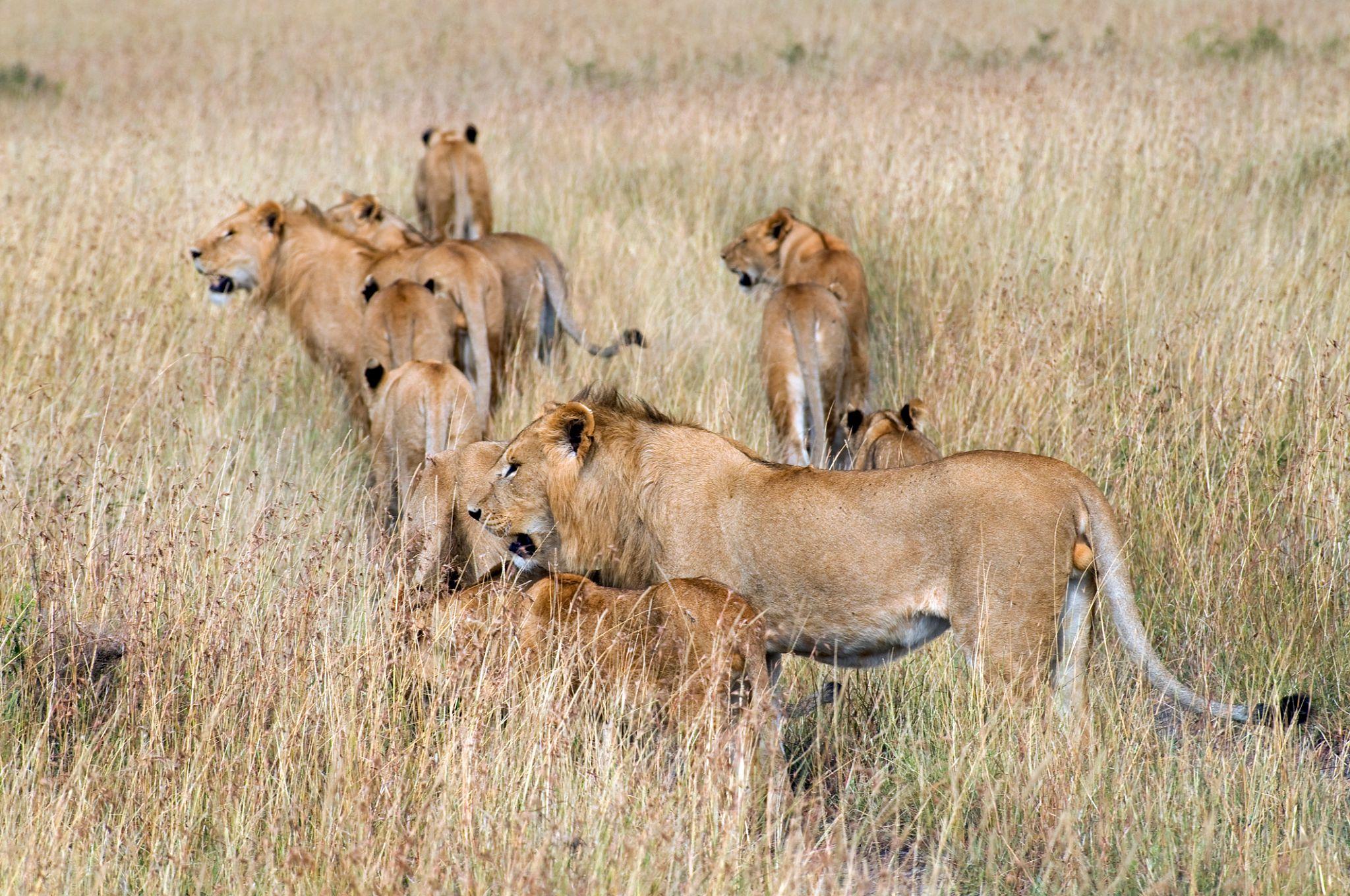
by KAITECH TRAVEL LTD • 7 Days
4-Day Masai Mara National Reserve in Kenya • $1,355 • 4 days • by African Hagyko Safaris
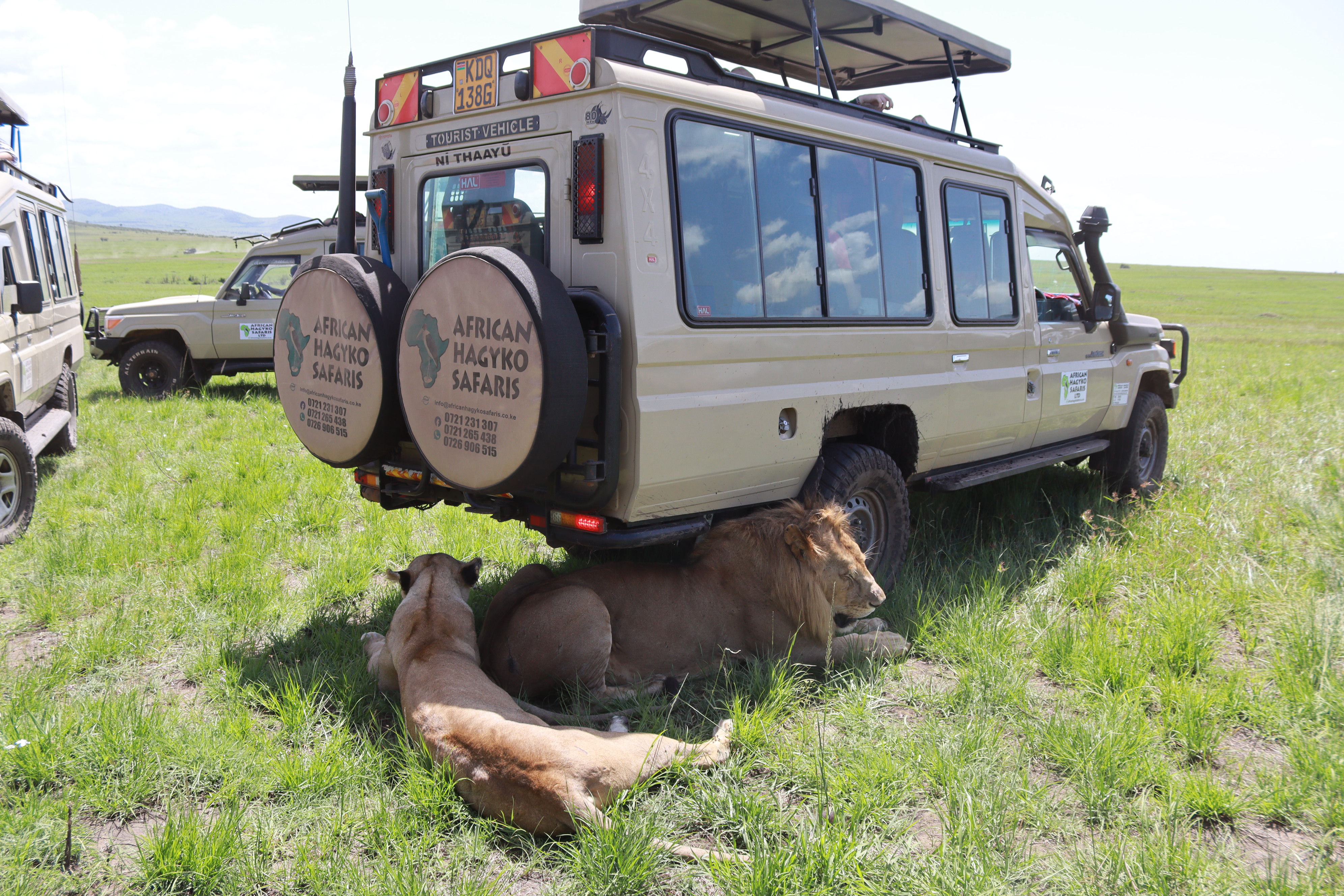
by African Hagyko Safaris ltd • 4 Days
1-Day Nairobi Night Life Dinner Experience in Kenya • $60 • 1 days • by African Hagyko Safaris
by African Hagyko Safaris ltd • 1 Days
3-Day Kenya Masai Mara Safari • $1,005 • 3 days • by KAITECH TRAVEL LTD
by KAITECH TRAVEL LTD • 3 Days
6-Day Samburu National Reserve, Ol Pejeta Conservancy & Lake Nakuru National Park • $1,570 • 6 days • by African Hagyko Safaris
by African Hagyko Safaris ltd • 6 Days
8-Day 8 DAYS 7 NIGHTS KENYA SAFARI • $3,704 • 8 days • by SIGNATURE SAFARI
by SIGNATURE SAFARI • 8 Days
1-Day Nairobi national Park • $121 • 1 days • by African Hagyko Safaris
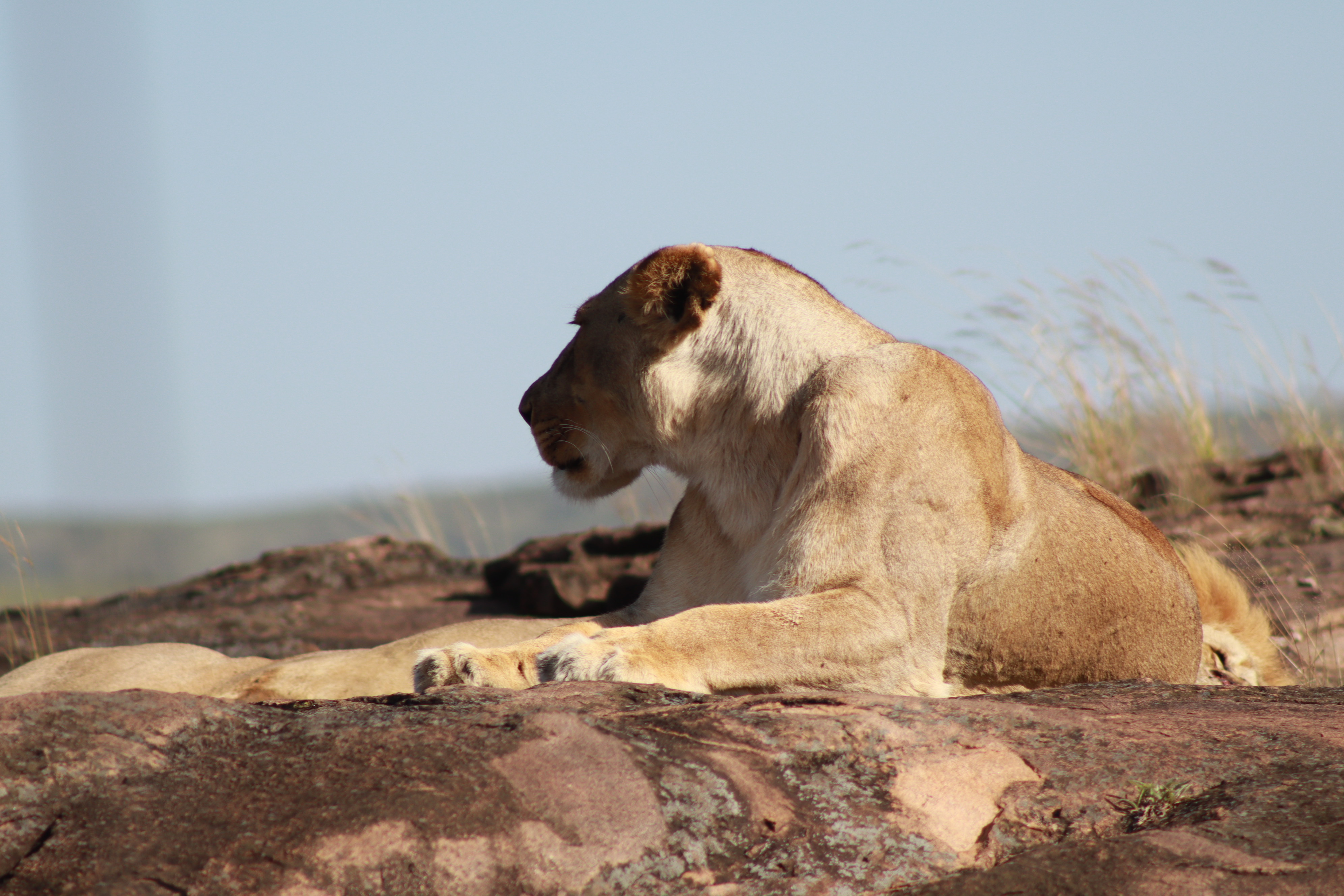
by African Hagyko Safaris ltd • 1 Days
12-Day Great Migration River Crossing • $6,063 • 12 days • by GoExplore Safaris
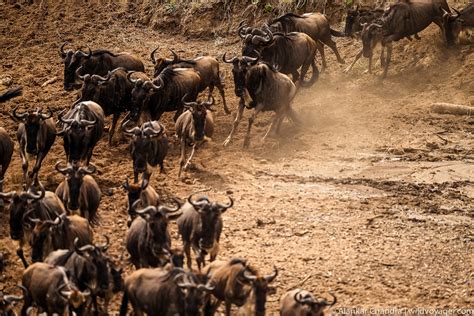
by GoExplore Safaris • 12 Days
"13 day photographic safari of Northern Kenya NP , Meru, Buffalo Springs, Samburu and Laikipia wilderness lodge. This safari far exceeded all our expectations, from beginning to end everything was as requested, including the safari vehicle modified for photography. We were lucky to have Jimmy as our driver/guide, his knowledge and dedication ensured we saw all and more of the wildlife we were hoping to photograph. I would not hesitate to recommend Supersight Tour (Stephen) and we are already looking forward to our next trip to Kenya."
"I have used James on at least 6 occassions, both for my family and myself and when we have friends and family visiting us in Kenya. We have gone to Samburu, the Maasai Mara and Amboseli. James has also coordinated a trip to the Serengeti for us. The cars are well maintained, James is very reliable and safe driver who knows a lot about Kenya's history and the animals across the parks. His cars are comfortable and the rates are very fair compared to many other providers in Kenya. I have been living in Kenya 6+ years so have a good amount of comparison and can comfortably say we highly recommend james and the guys at Supersight Tours"
"Our 3-day Masai Mara safari was absolutely unforgettable! From start to finish, everything was perfectly organized . smooth transport, comfortable accommodation, and an incredible James the guide who made the experience both fun and educational. Each game drive was a new adventure; we spotted lions, elephants, cheetahs, and even witnessed a breathtaking sunset over the savannah. The guide’s knowledge of wildlife and the Maasai culture added so much depth to the trip. Meals were delicious, and every detail was handled with care. I highly recommend Super sight tours and travel to anyone who wants a true taste of Kenya’s natural beauty and warm hospitality. It was the experience of a lifetime!"
"Our guides, Tony from Kenya and Bakali from Tanzania, are professional. They do always find an animal far away while driving and get the perfect position quickly thus we can make a wonderful shoot. Under their knowledgeable instruction, we can recognize many African wildlife from it now! During the 9 days game, we spot the Big 5 and many kinds of African birds, even we were at the scene which lions hunt for buffalo! This is awesome! Our guides are good drivers as well, they conquer the muddy roads which leave some damaged vehicles on. And our chefs are considerate, they designed the good meals that every dish we ate always better than before till the end of tour. This is an unforgettable safari game! Makes me strong will to visit Africa again!"
"We have good communication during this trip. If it need,travel agency would satisfy our needs as possible as they can. Our tour guide in Kenya and Tanzania-- Fred and Edward, both of them are experienced and careful. We met so many rainy days , and the road was very difficult to drive. They conquered all obstacles and sucessfully took us to see what we want to see, like big five, migration . Really thank you, kiliholidays."