A 7-day Kenya safari under $2,000 per person is possible with mid-range packages covering Masai Mara and Amboseli National Parks. Budget safaris typically run $1,700–$2,000 in low season (January–June). Book through verified operators on SafariFind to compare authentic packages and read real traveler reviews before committing.
At a Glance
Cost range: $1,700–$2,000 per person (low season)
Best time to visit: January–June (less crowded, lower prices)
Duration: 7 days recommended for two parks
Typical parks: Masai Mara and Amboseli National Park
Best for: Budget-conscious travelers, families with children, first-time safari goers
What's included: Accommodation, park fees, meals, game drives, professional guide
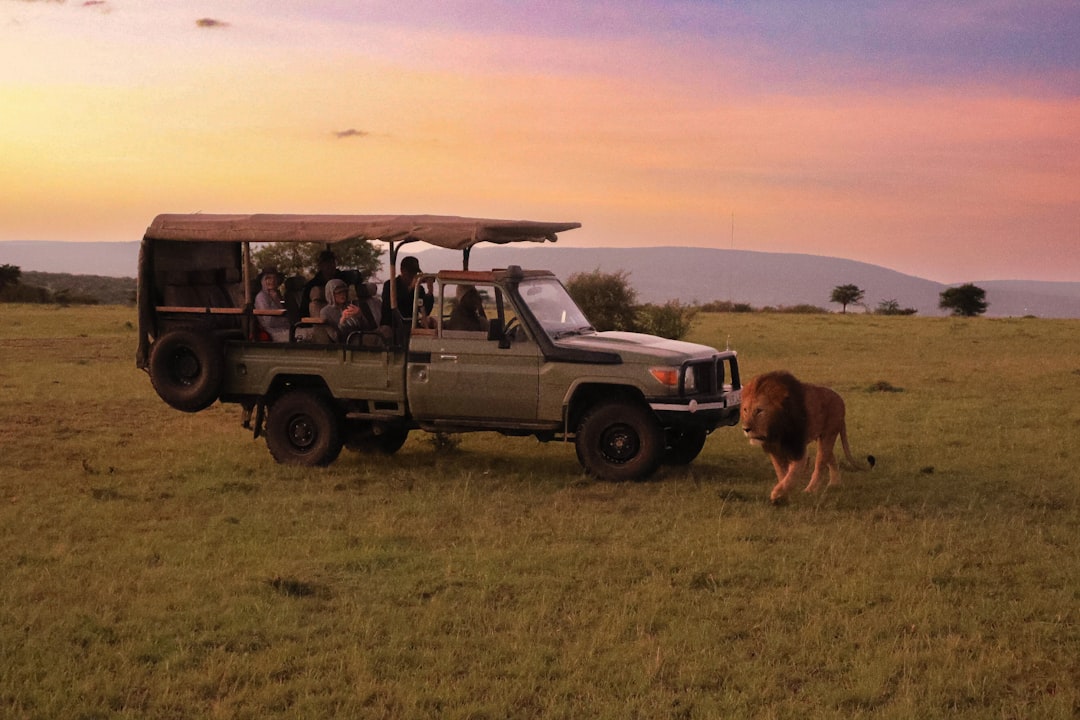
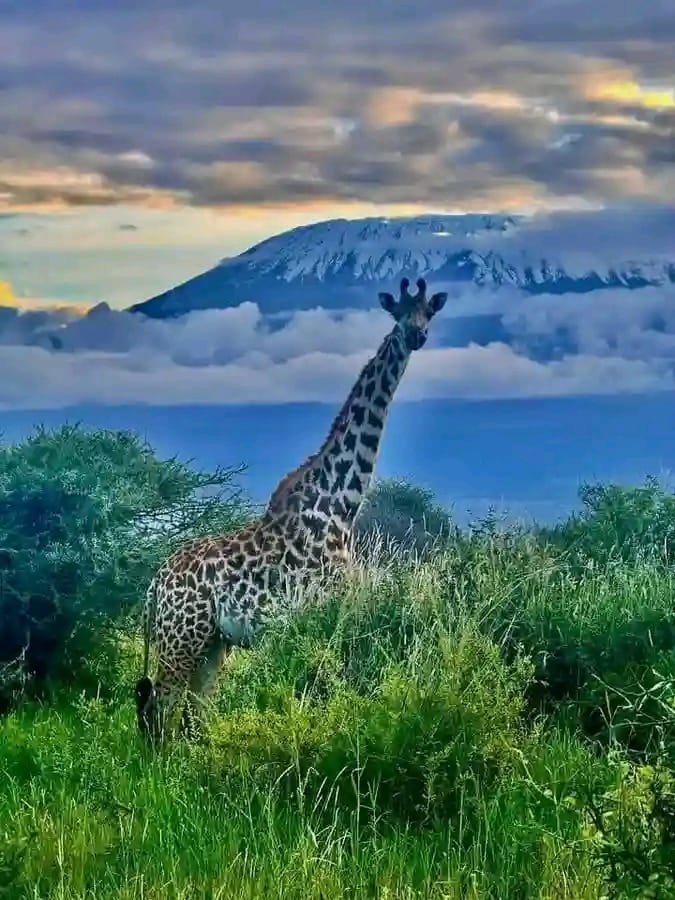
Kenya safari packages under $2,000 for 7 days are mid-range trips designed for travelers who want authentic wildlife experiences without luxury prices. These packages include accommodation at comfortable lodges or tented camps, all meals, professional guides, and daily game drives in Kenya's top national parks.[1] Most budget-friendly 7-day itineraries combine two parks—typically Masai Mara and Amboseli—to maximize wildlife viewing and variety.
Budget safaris in Kenya offer genuine value. You'll see the same wildlife—lions, elephants, zebras, giraffes—as luxury tourists but stay in simpler accommodations and travel in shared vehicles. The experience is authentic and memorable without the $5,000+ price tag of five-star lodges.
Key Features of Budget Kenya Safaris
These packages typically feature shared accommodation in mid-range lodges with basic but clean rooms. Game drives happen early morning and late afternoon when animals are most active. Your guide is experienced and knowledgeable about wildlife behavior and park ecosystems.
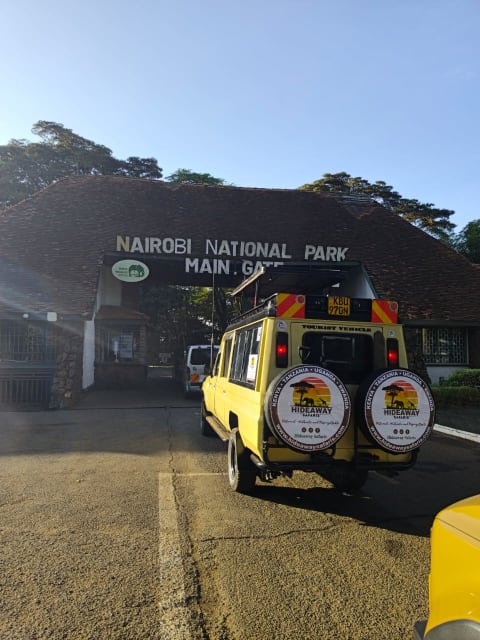
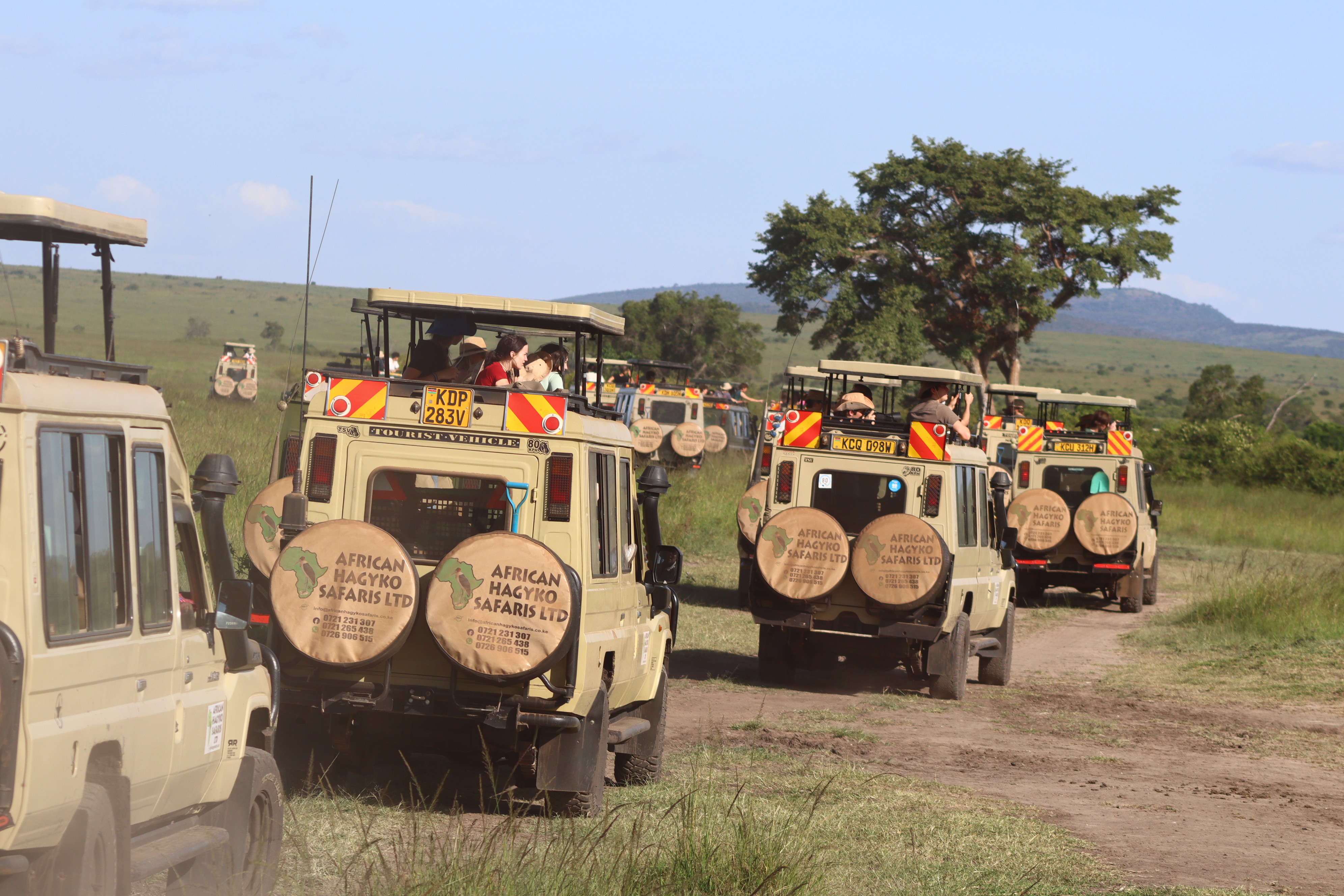
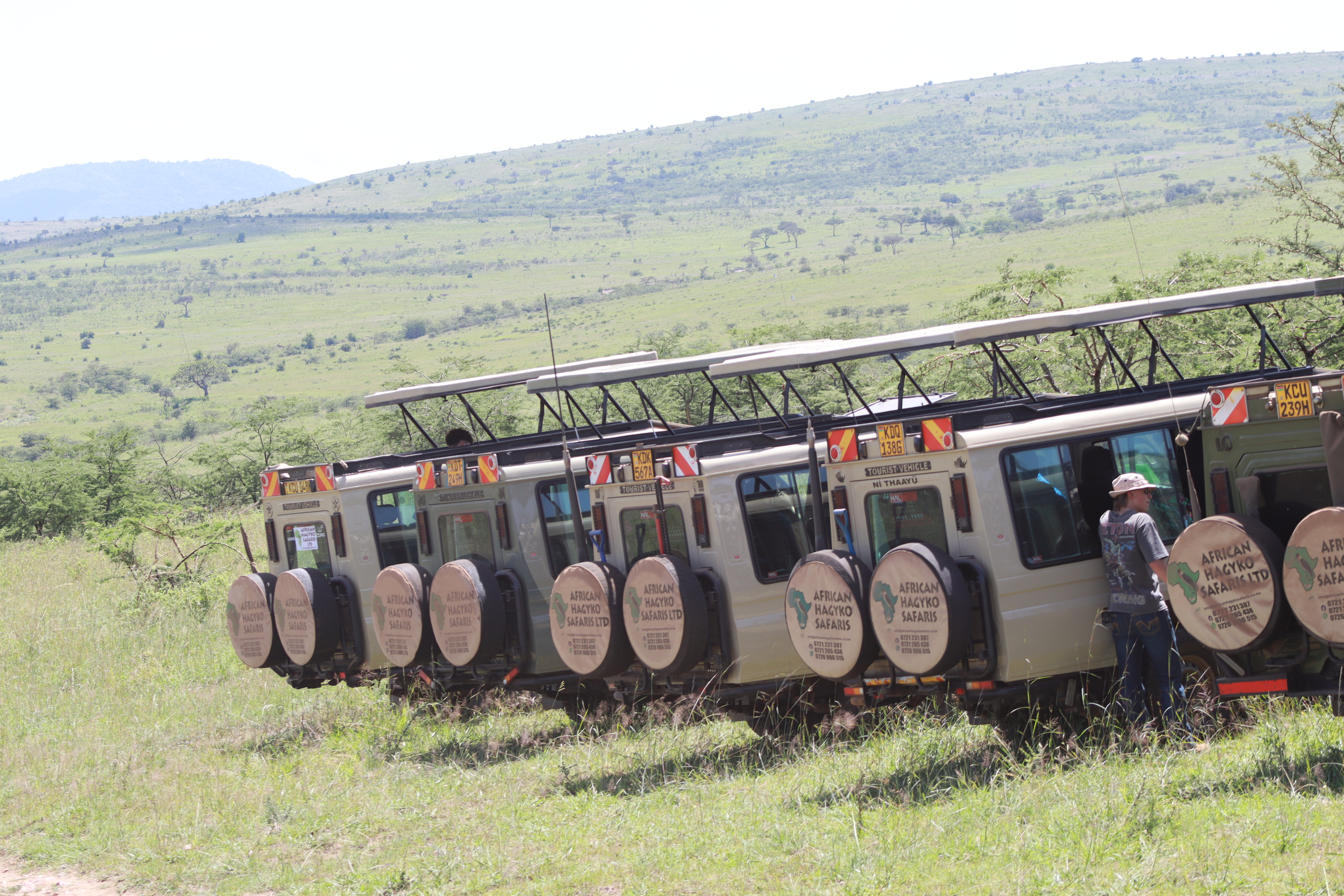
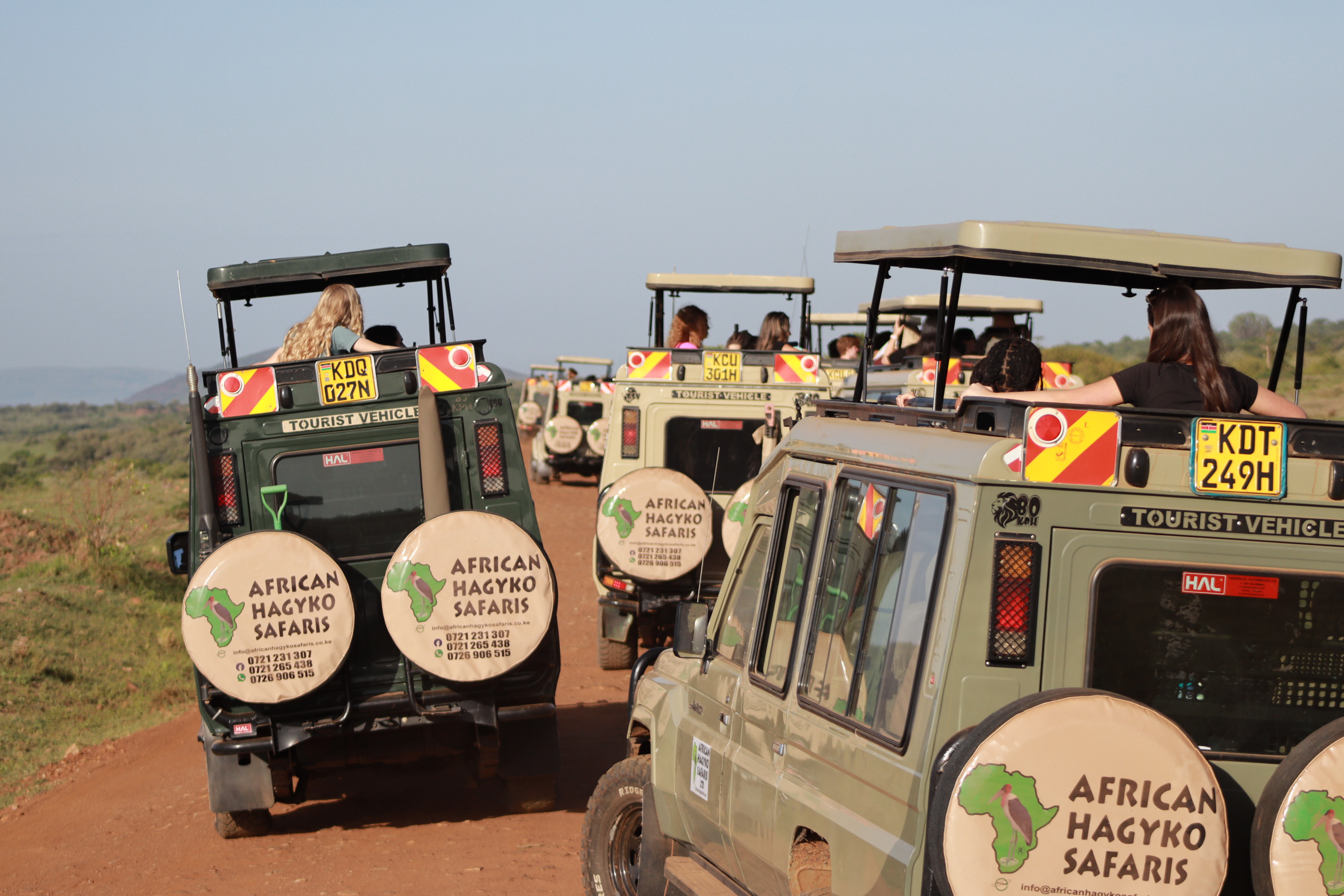
Meals are included and feature local Kenyan cuisine alongside international options. You'll eat at your lodge or designated camp sites. Transportation uses sturdy safari vehicles with pop-up roofs for unobstructed wildlife photography.
Why Kenya Safaris Under $2,000 Matter
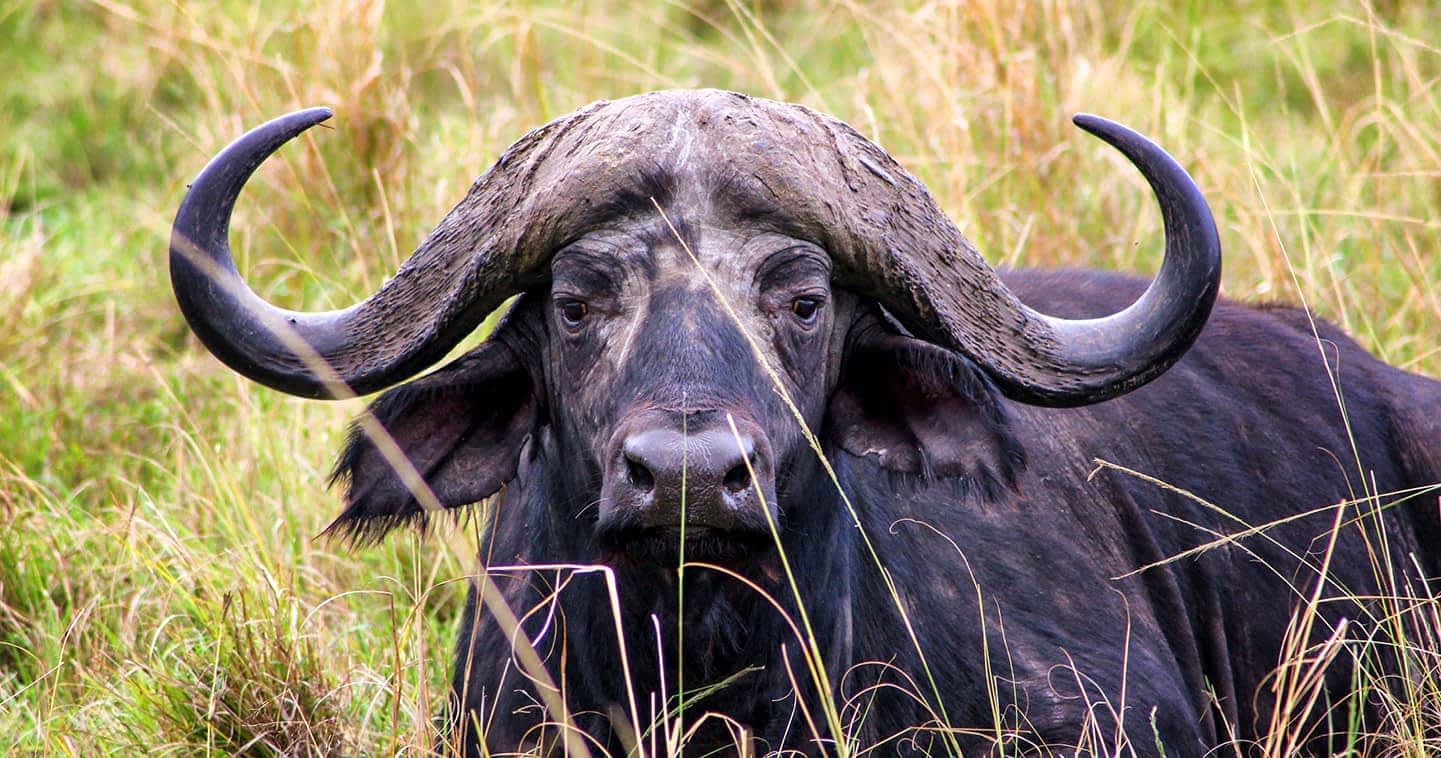
Affordable safari packages democratize African wildlife tourism. Families with children, students, and budget travelers can now experience the Great Migration and see iconic animals without spending a month's salary.[2] These trips support local communities through employment and lodge operations while keeping conservation funding flowing.
Choosing a budget safari doesn't mean compromising on wildlife encounters. The Masai Mara and Amboseli host massive animal populations regardless of accommodation tier. Your guide's skill and timing matter more than lodge luxury for spotting wildlife.
What's Included and Excluded in Under-$2,000 Packages
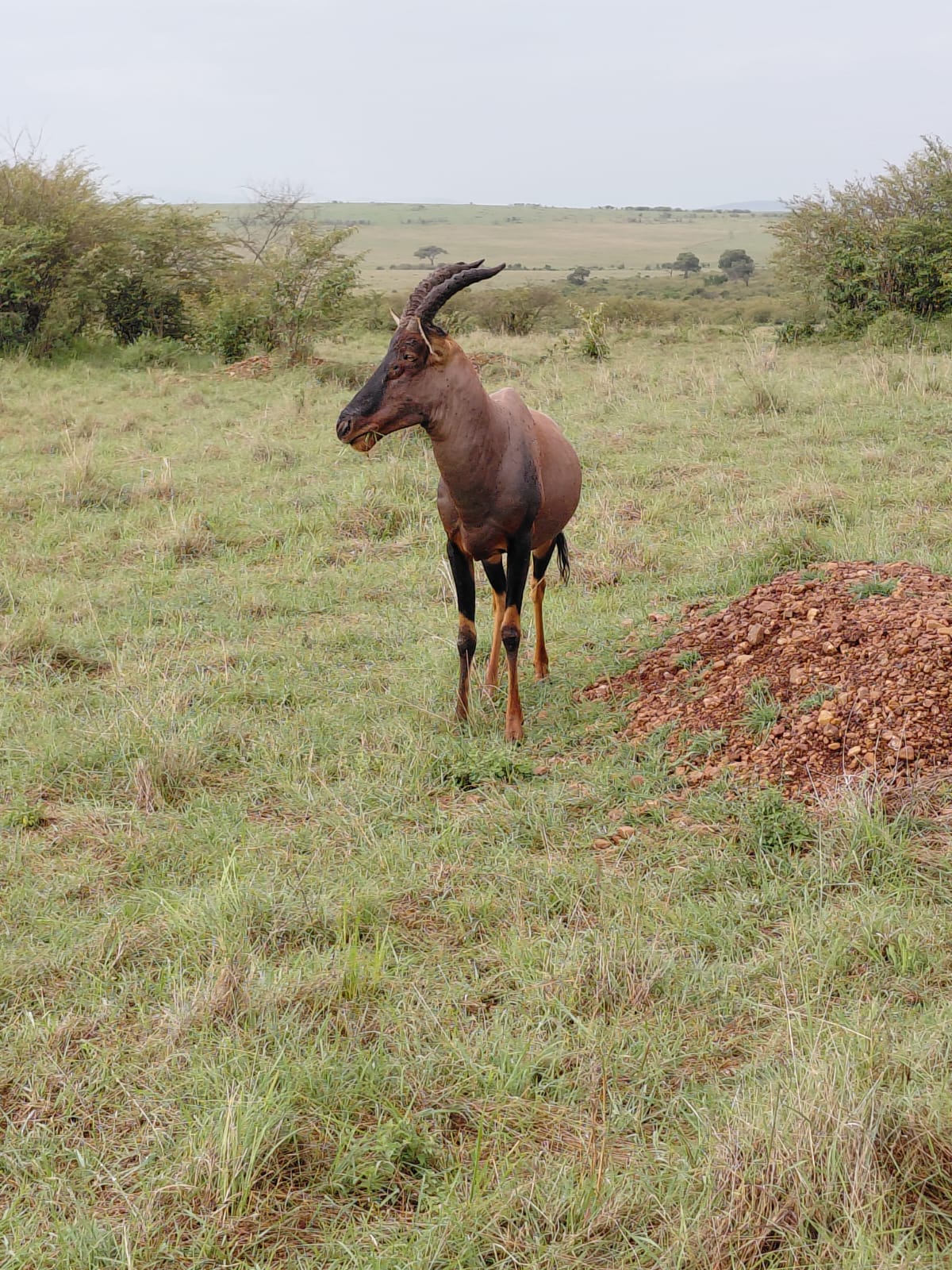
Understanding what your $2,000 covers prevents budget surprises after booking. Kenya safari packages under $2,000 typically include accommodation, meals, park entrance fees, game drives, and a professional guide. However, several important costs fall outside this price.[3]
What's Included
Accommodation at mid-range lodges or tented camps (usually 2–3 stars)
All meals (breakfast, lunch, dinner) at your lodge
Park entrance fees for Masai Mara and Amboseli
Daily game drives (morning and afternoon)
Professional English-speaking safari guide
Ground transportation between parks and lodges
Drinking water during game drives
What's NOT Included (Plan Extra Budget)
International flights from your home country are never included—expect $600–$1,500 depending on your location.[3] Kenya's eVisa costs $50 and you must apply online before arrival. Travel insurance is highly recommended but not included; budget $100–$300 for a week-long trip.
Alcoholic beverages at your lodge are usually extra. Tips for guides and lodge staff are customary—plan $10–$20 per day. Hot air balloon safaris in Masai Mara cost $450–$550 per person and are optional add-ons.[3] Personal activities like spa treatments or premium excursions also cost extra.
Vaccinations and health precautions are your responsibility. You may need yellow fever, typhoid, and malaria prophylaxis depending on your home country. Visit your doctor 4–6 weeks before departure. Check SafariFind's health guides for detailed vaccination requirements for international travelers.
A 7-day Kenya safari under $2,000 typically follows one of two main itineraries: the Masai Mara-Amboseli combination or the Masai Mara-Nairobi route. Both allow sufficient time in each location for meaningful wildlife encounters while staying within budget.[2]
Classic 7-Day Itinerary: Masai Mara + Amboseli
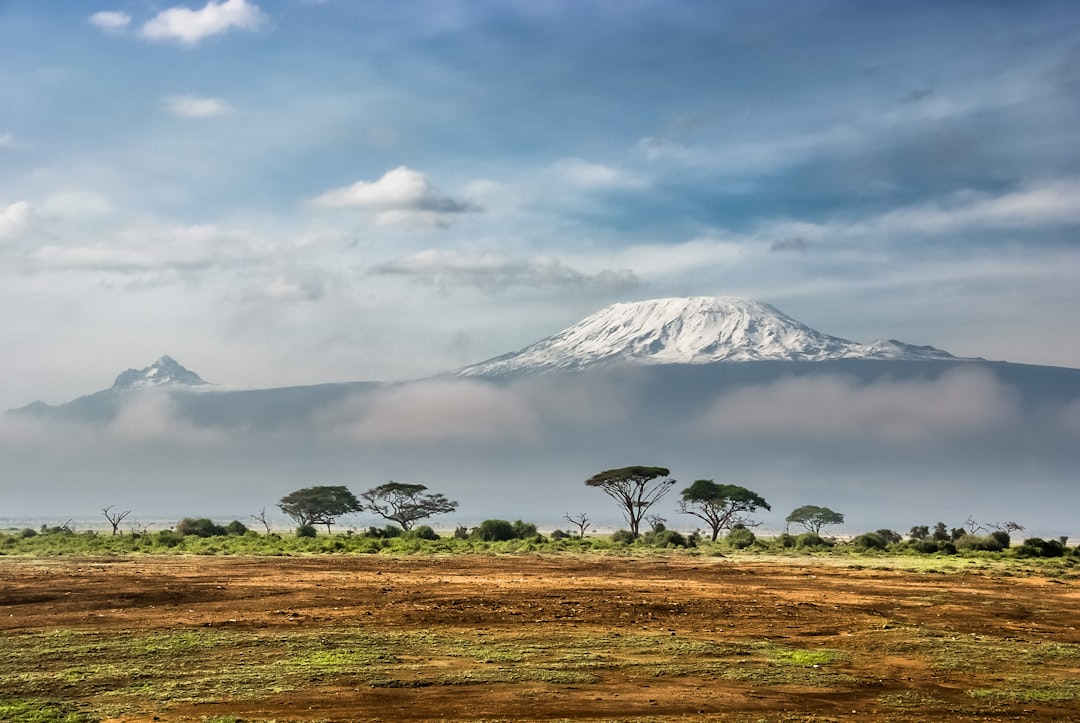
This route maximizes wildlife diversity. Days 1–2 involve travel from Nairobi to Masai Mara National Reserve, with afternoon game drives. Days 3–4 focus on intensive Mara exploration—this park hosts the largest lion population in Kenya and offers excellent elephant and buffalo sightings. Days 5–6 involve travel to Amboseli National Park, famous for Mount Kilimanjaro views and large elephant herds. Day 7 returns to Nairobi.
This itinerary suits first-time safari visitors and families. You experience two distinct ecosystems and have backup wildlife viewing in case of weather delays.
Alternative: Extended Masai Mara + Cultural Visit
Some budget packages replace Amboseli with a Maasai village cultural tour. You spend 4–5 days in Masai Mara, then 1–2 days visiting a local Maasai community to learn about traditional pastoralist life. This costs roughly the same but offers cultural immersion instead of a second park.
Which itinerary suits you? Choose Mara-Amboseli if you're focused purely on wildlife. Choose Mara-Maasai if you want cultural experiences alongside animal encounters.
Timing Within Your 7 Days
Most packages allocate 3–4 full days in Masai Mara (where wildlife density is highest) and 2–3 days in Amboseli. Travel days consume the remaining time. Early starts—typically 6:00 AM game drives—maximize wildlife encounters when animals are active.
Request itineraries with at least 3 full days in Masai Mara for the best chance of seeing lions, leopards, and the Great Migration. Compare detailed itineraries on SafariFind to see exactly how each operator structures their 7-day packages.
How to Choose Reputable Safari Operators Under $2,000
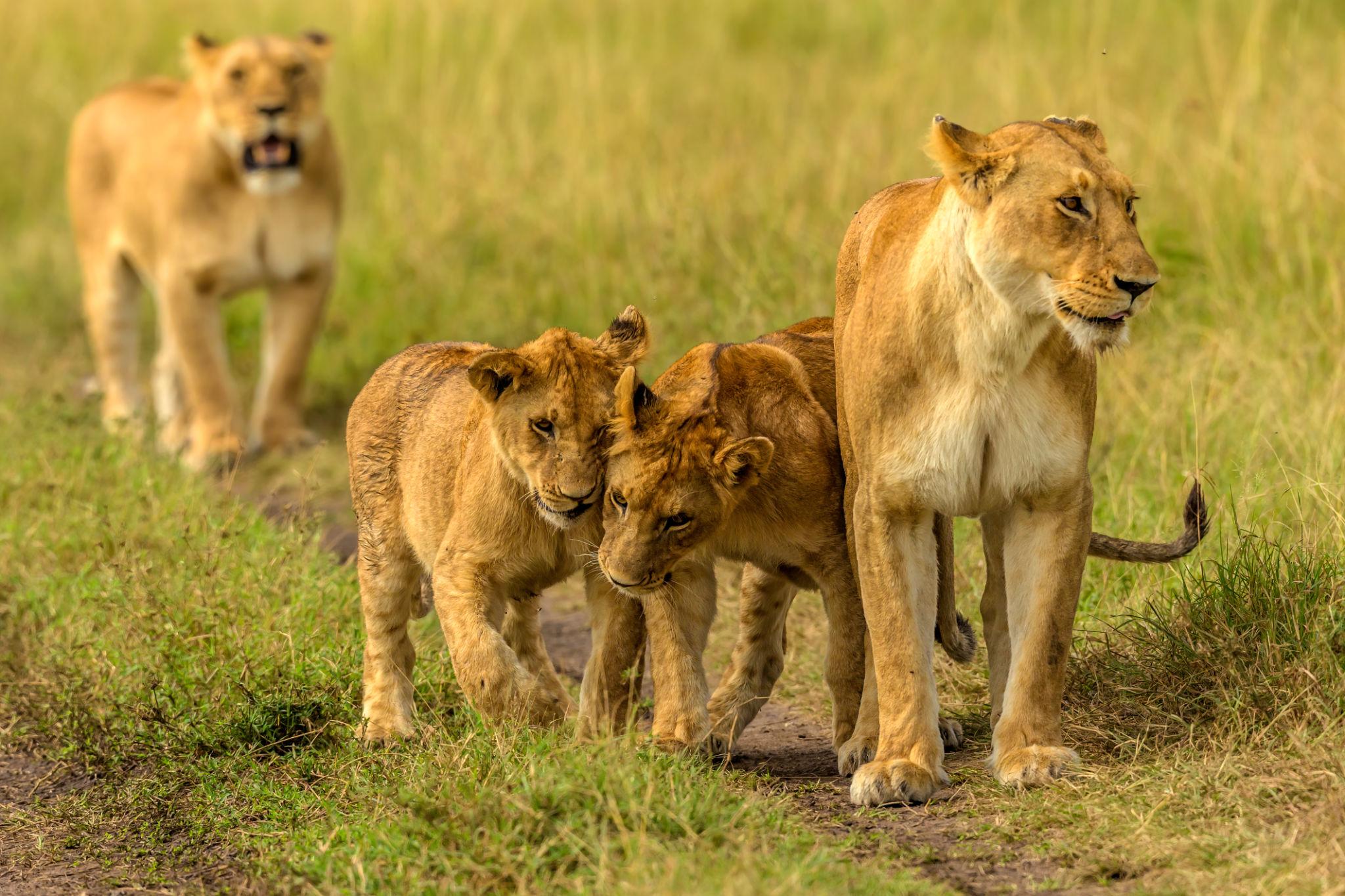
Selecting a trustworthy operator is critical—you're entrusting your safety and experience to their expertise. Kenya has hundreds of safari companies; many offer genuine value while others cut corners on guide training or vehicle maintenance. Look for operators recognized for their quality accommodation and customer service.[4]
What Makes a Reputable Safari Company
Reputable operators are licensed by Kenya's Tourism Board and have established track records. Check their experience—companies operating for 10+ years typically have refined systems. Read authentic customer reviews on independent platforms. Look for specific praise: "The guide was knowledgeable," "Food was excellent," "Vehicle was well-maintained."
Verify they employ trained, certified guides. Professional guides complete formal training programs and hold government credentials. Ask about guide qualifications before booking. Reputable companies proudly display certifications and staff credentials.
Examine their accommodation standards. Mid-range lodges should have clean rooms with private bathrooms, reliable electricity, and good food. Visit operator websites for photos and guest reviews. SafariFind lists verified operators with transparent reviews—read multiple customer experiences before deciding.
Red Flags to Avoid
Avoid operators with no online presence or outdated websites. Skip companies with exclusively positive reviews—real businesses have occasional critical feedback. Be suspicious of prices significantly below $1,700 for 7 days; they may cut essential corners.
Don't book directly from social media without researching the company independently. Scammers create fake operator profiles. Always verify phone numbers and email addresses on official websites. Request written confirmations of all details before transferring payment.
Best Operators for Budget Safaris
Top companies offering safari tours in Kenya that emphasize value include established operators with strong customer loyalty. These companies justify their cost with specific features: experienced guides, quality accommodation, reliable vehicles, and transparent pricing. Browse SafariFind's verified operator listings to find companies with 4.5+ star ratings and 50+ reviews—this indicates consistent quality and customer satisfaction.
Seasonal pricing dramatically affects your safari cost. Kenya safari packages under $2,000 are most available during low season (January–June) when demand drops and operators offer discounts.[4] Understanding seasonal patterns helps you secure the best value while avoiding crowds.
Low Season: January–June (Best for Budget Travelers)
January through June is Kenya's low season. Fewer international tourists visit, allowing operators to offer reduced rates—often 20–30% cheaper than peak season. Masai Mara still has excellent wildlife; the dry season (January–March) concentrates animals around remaining water sources, making sightings easier.
Rainfall increases March–May, but this "green season" brings fewer tourists and lush landscapes. Afternoon thunderstorms are common but brief. Operators actually prefer low-season bookings because they guarantee vehicle utilization.
High Season: July–December (Higher Prices)
July–October is peak safari season when the Great Migration crosses Masai Mara. Prices spike 30–50% above low-season rates. You'll see massive wildebeest herds and dramatic river crossings, but expect crowded game drives and fully booked lodges.
November–December offers moderate pricing and good wildlife viewing. School holidays drive up demand in December, raising prices slightly.
Booking Strategy for Best Prices
Book 3–6 months ahead to secure discounted low-season rates.[1] Early bookings often include promotional discounts. Booking during low season itself (January–May) offers immediate availability but fewer discount options.
If you must travel July–October for the Great Migration, book 6+ months early and expect $2,200–$2,500 minimum. Negotiate with operators for bundle discounts if booking multiple packages or bringing groups.
Essential Items to Pack for Your 7-Day Safari
Packing correctly makes your safari comfortable and safe. Kenya's climate varies—mornings are cool, afternoons hot, and evenings cool again. Pack layers and sun protection. Here's what you need for a week-long safari adventure.
Clothing and Footwear
Lightweight, breathable clothing in neutral colors (khaki, olive, tan) to blend with wildlife
Long-sleeved shirts for sun and insect protection
Long pants (avoid bright patterns that startle animals)
Warm sweater or fleece for cool mornings (temperatures drop to 50°F/10°C before sunrise)
Sturdy hiking boots broken in before your trip
Comfortable walking shoes for lodge areas
Hat or cap with brim for sun protection
Underwear and socks for 7 days (lodges provide laundry service)
Photography and Optics
Bring a good camera—telephoto lens (200mm+) for wildlife photography. Binoculars (8x42 magnification) enhance wildlife spotting. Extra camera batteries and memory cards are essential; charging opportunities may be limited during game drives.
Health and Personal Care
Malaria prophylaxis medication (prescribed by your doctor before travel)
Sunscreen SPF 50+
Insect repellent with DEET (for mosquitoes, especially at dawn/dusk)
Anti-diarrheal medication
Personal prescription medications in original containers
Basic first aid supplies (blister treatment, pain relief, antihistamine)
Toilet paper and hand sanitizer
Other Essentials
Bring your passport, travel insurance documents, and vaccination certificates. Pack a lightweight daypack for game drives. Include a refillable water bottle to stay hydrated. Download offline maps and wildlife identification apps before losing cell signal.
Can Kids Go on a Safari in Kenya?
Yes, children can absolutely enjoy Kenya safaris. Most safari operators welcome families and offer discounted rates for young travelers. Children under 12 typically pay only about 30% of the adult price—roughly $1,000 for a 7-day trip.[5] Teens (12–17) pay 50–70% of adult rates depending on the package tier.
Best Age for Safari Travel
Children aged 5+ enjoy safaris most. They're old enough to sit quietly during game drives and appreciate wildlife. Younger children (under 5) struggle with early wake-ups and long driving hours.
Park fees are also reduced for children. Kids under 9 enter Masai Mara free; children 9–15 pay $45 per day versus $80+ for adults.[5] This makes family safaris very affordable.
Tips for Family Safaris
Choose operators experienced with families. Request vehicles with good suspension for comfort during rough roads. Pack snacks and entertainment for long drives. Bring binoculars sized for children—regular binoculars are too heavy.
Schedule rest days at your lodge so kids can swim and relax. Many family-friendly lodges offer activities like nature walks or cultural visits that interest children. Early game drives (6:00 AM) are challenging for young kids; negotiate flexible schedules if your operator allows.
How to Book a Guided Safari Online in Kenya
Booking online is straightforward and safer than cash-only arrangements. SafariFind makes comparing operators and requesting quotes simple. Follow these steps to secure your safari.
Step 1: Choose Your Dates and Parks
Decide your travel dates and which parks interest you. Masai Mara offers the best wildlife density; Amboseli provides Mount Kilimanjaro views and large elephant herds. Consider your budget, time available, and wildlife priorities.
Step 2: Browse Verified Operators
Visit SafariFind to browse verified safari companies. Filter by price range (under $2,000), destination, and traveler ratings. Read authentic reviews from previous customers—look for specific comments about guide quality, food, and accommodation conditions. Check operator ratings and review counts; companies with 50+ reviews and 4.5+ stars indicate consistent quality.
Step 3: Request Quotes and Compare
Request quotes from 2–3 operators. Provide exact travel dates, group size, and any special requests (dietary needs, photography focus, cultural interests). Operators respond within 24–48 hours with detailed itineraries and pricing breakdowns.
Compare quotes carefully. The cheapest option isn't always best—check what's included, accommodation quality, and customer reviews. Mid-range pricing ($1,800–$2,000) typically offers the best value.
Step 4: Confirm Booking and Payment
Once you've chosen an operator, confirm all details in writing. Verify dates, included activities, accommodation names, meal arrangements, and cancellation policies. Reputable operators require a deposit (usually 25–50% of total cost) with the balance due 4–6 weeks before travel.
Use credit card payments when possible for buyer protection. Ask about flexible payment plans and refund policies—reputable companies offer reasonable cancellation terms.
Step 5: Prepare and Confirm
Apply for your Kenya eVisa 4 weeks before travel. Get vaccinations and malaria prophylaxis from your doctor. Confirm all details 2 weeks before departure. Receive your final itinerary and guide contact information.
SafariFind's verified operators handle logistics professionally. You receive pre-departure emails with packing lists, travel tips, and emergency contacts. This transparency builds trust and ensures smooth travel.
Kenya vs. Tanzania Safari Comparison 2026
Kenya and Tanzania both offer world-class safaris. For budget travelers, Kenya is slightly cheaper, with 7-day packages starting at $1,700 versus Tanzania's $1,900+.[4] Both countries feature iconic wildlife and professional operators. Your choice depends on specific interests and budget flexibility.
Kenya Safaris: Masai Mara Focus
Kenya's Masai Mara offers the highest wildlife concentration in Africa. Lion sightings are nearly guaranteed; elephant and buffalo herds are massive. The Great Migration (July–October) creates dramatic scenes as 1.5 million wildebeest cross the Mara River. Kenya's infrastructure is well-developed with abundant mid-range lodges, making budgets easier to manage.
Kenya safaris suit first-time visitors and those prioritizing wildlife quantity. Park access is straightforward; roads are reasonable.
Tanzania Safaris: Serengeti Vastness
Tanzania's Serengeti is larger and wilder than Masai Mara. Wildlife spreads across 14,750 square kilometers, creating more solitude. Serengeti lacks the river crossings visible in Mara but offers incredible predator-prey dynamics and bird watching. Tanzania safaris feel more remote and adventurous.
Tanzania packages typically cost 10–15% more than Kenya equivalents. The Serengeti is best for experienced travelers and photography enthusiasts.
Budget Comparison
Feature
Kenya (Masai Mara)
Tanzania (Serengeti)
7-Day Budget Cost
$1,700–$2,000
$1,900–$2,300
Wildlife Density
Very High
High (more spread out)
Great Migration Viewing
Excellent (river crossings)
Excellent (vast herds)
Infrastructure
Well-developed
Developing, more remote
Best For
First-timers, families
Adventure seekers, photographers
For budget travelers, Kenya wins on affordability and accessibility. Choose Kenya unless you specifically want Tanzania's wilderness experience or have flexible budgets.
What to Expect: Typical Daily Schedule
Understanding your daily routine helps you prepare mentally and physically. Safari days start early and involve extended vehicle time, but they're structured to maximize wildlife encounters and comfort.
Morning Game Drive (6:00 AM–10:00 AM)
Your guide picks you up at 5:45 AM with hot tea or coffee. The vehicle heads into the park as dawn breaks—prime time for predators and herbivores. You'll drive slowly, stopping frequently for wildlife sightings. Your guide uses radio communication with other guides to track big cats and rare animals.
Morning drives are cooler and more comfortable than afternoon heat. Most wildlife encounters happen during these hours.
Mid-Day Break (10:00 AM–1:00 PM)
You return to your lodge for breakfast and rest. Lodges serve buffet breakfasts with eggs, toast, fruit, and coffee. You'll have 2–3 hours to relax, nap, shower, and eat lunch. Some lodges offer optional activities: nature walks, village visits, or relaxation by the pool.
Afternoon Game Drive (4:00 PM–7:00 PM)
The second game drive focuses on different areas and animals active during late afternoon. Temperatures cool as the sun lowers. This drive often yields great photography light and different wildlife activity than morning.
Evening (7:00 PM onward)
You return to your lodge for dinner. Lodges serve three-course meals with Kenyan cuisine and international options. Evenings are social—you'll meet other travelers and discuss the day's sightings. Most people retire early (9:00 PM) given the early wake-up.
This schedule repeats for 4–5 days in each location. Your body adapts quickly to the early starts.
Key Takeaways
Book your 7-day Kenya safari 3–6 months ahead during low season (January–June) to secure rates under $2,000 per person and save 20–30% versus peak season pricing.
Choose the Masai Mara and Amboseli combination itinerary for maximum wildlife diversity—you'll see lions, elephants, and giraffes while staying within budget constraints.
Verify operator credentials on SafariFind by reading authentic customer reviews (aim for 4.5+ stars with 50+ reviews) and confirming they're licensed by Kenya's Tourism Board.
Pack neutral-colored clothing, sturdy boots, a good camera with telephoto lens, and malaria prophylaxis medication prescribed by your doctor at least 4 weeks before travel.
Bring children aged 5+ on family safaris—kids under 12 pay roughly 30% of adult prices ($1,000 for 7 days) and enter parks free or at reduced rates, making family trips very affordable.
Frequently Asked Questions
How much does a 7-day Kenya safari cost in 2026?
A 7-day Kenya safari costs between $1,700 and $2,500 per person in 2026, depending on season and accommodation tier.[1] Budget safaris during low season (January–June) run $1,700–$2,000; mid-range packages cost $1,900–$2,300. Peak season (July–October) prices jump to $2,200–$2,500+. These prices exclude international flights ($600–$1,500), Kenya eVisa ($50), and travel insurance.
What's the best time to book a Kenya safari for the lowest prices?
The best time to book is 3–6 months before your intended travel dates, and the best time to travel is January–June (low season) for the lowest prices.[1] During these months, operators offer 20–30% discounts compared to peak season. If you must travel July–October for the Great Migration, book 6+ months early and expect higher prices ($2,200–$2,500).
Can kids go on a Kenya safari, and how much do they cost?
Yes, children aged 5+ can enjoy Kenya safaris. Kids under 12 typically add only $1,000 to a 7-day trip—roughly 30% of the adult price.[5] Teens (12–17) pay 50–70% of adult rates. Park entrance fees are also reduced: children under 9 enter Masai Mara free; children 9–15 pay $45 per day versus $80+ for adults. This makes family safaris very affordable within your under-$2,000 budget.
What items are essential to pack for a week-long safari adventure?
Essential items include neutral-colored, lightweight clothing (khaki, olive, tan), long-sleeved shirts, long pants, sturdy hiking boots, a warm sweater for cool mornings, sunscreen SPF 50+, insect repellent with DEET, binoculars, a good camera with telephoto lens, malaria prophylaxis medication, and a refillable water bottle. Pack your passport, vaccination certificates, and travel insurance documents. Avoid bright patterns that startle wildlife—guides recommend earth tones for all clothing and gear.
How do I choose a reputable Kenya safari operator for booking?
Choose operators licensed by Kenya's Tourism Board with 10+ years of experience. Read authentic customer reviews on SafariFind, aiming for companies with 4.5+ star ratings and 50+ reviews. Look for specific praise about guide expertise, accommodation quality, and vehicle condition. Verify guide certifications and request written confirmations of all details before payment. Avoid operators with exclusively positive reviews, no online presence, or prices significantly below $1,700—these are red flags for corner-cutting. SafariFind's verified operators display transparent reviews and professional credentials, making comparison straightforward.
What's included versus excluded in a Kenya safari under $2,000?
Included: accommodation, meals, park entrance fees, game drives, professional guide, and ground transportation.[3] Excluded: international flights ($600–$1,500), Kenya eVisa ($50), travel insurance ($100–$300), alcoholic beverages, tips ($10–$20 per day), hot air balloon safaris ($450–$550), vaccinations, and personal activities. Ask your operator for a detailed breakdown before booking. SafariFind's verified operators provide transparent pricing—compare multiple quotes to understand exactly what your $2,000 covers and what costs extra.
Should I choose Kenya or Tanzania for a budget safari in 2026?
Kenya offers better budget value—7-day packages start at $1,700 versus Tanzania's $1,900+.[4] Kenya's Masai Mara has higher wildlife density and more developed mid-range infrastructure, making budgets easier to manage. Tanzania's Serengeti is larger and wilder but costs 10–15% more and suits experienced travelers. For first-timers and budget-conscious families, Kenya is the better choice. Explore verified Kenya safari packages on SafariFind to find operators offering the best value for your budget and travel style.
Conclusion
Kenya safari packages under $2,000 for 7 days are absolutely achievable in 2026. Budget safaris deliver authentic wildlife experiences in Masai Mara and Amboseli without luxury price tags. By booking during low season (January–June) with verified operators, you'll secure rates between $1,700–$2,000 per person while enjoying professional guides, comfortable mid-range lodges, and daily game drives that rival expensive alternatives.
The key to success is choosing reputable operators recognized for their quality accommodation and customer service. Read authentic reviews on SafariFind, compare detailed itineraries from multiple companies, and verify all inclusions before paying deposits. Families benefit from reduced children's rates—kids under 12 add only $1,000 to your total, making group trips remarkably affordable.
Pack thoughtfully, prepare your health requirements (malaria prophylaxis, vaccinations) well ahead, and set realistic expectations about early starts and long driving hours. Your 7-day safari will deliver unforgettable wildlife encounters, cultural insights, and memories worth far more than the modest price tag.
Start your booking journey today. Compare verified safari packages on SafariFind to find operators offering the best value, read authentic traveler reviews, and request quotes that fit your exact budget and schedule. Your Kenyan adventure awaits.
Plan Your Safari with SafariFind
These recommendations use real data from SafariFind, where you can compare operators, browse packages, and read verified traveler reviews before you book.
"13 day photographic safari of Northern Kenya NP , Meru, Buffalo Springs, Samburu and Laikipia wilderness lodge. This safari far exceeded all our expectations, from beginning to end everything was as requested, including the safari vehicle modified for photography. We were lucky to have Jimmy as our driver/guide, his knowledge and dedication ensured we saw all and more of the wildlife we were hoping to photograph. I would not hesitate to recommend Supersight Tour (Stephen) and we are already looking forward to our next trip to Kenya."
Keith Turner•16 July 2026
"I have used James on at least 6 occassions, both for my family and myself and when we have friends and family visiting us in Kenya. We have gone to Samburu, the Maasai Mara and Amboseli. James has also coordinated a trip to the Serengeti for us. The cars are well maintained, James is very reliable and safe driver who knows a lot about Kenya's history and the animals across the parks. His cars are comfortable and the rates are very fair compared to many other providers in Kenya. I have been living in Kenya 6+ years so have a good amount of comparison and can comfortably say we highly recommend james and the guys at Supersight Tours"
Kristoffer•16 July 2026
"Our 3-day Masai Mara safari was absolutely unforgettable! From start to finish, everything was perfectly organized . smooth transport, comfortable accommodation, and an incredible James the guide who made the experience both fun and educational. Each game drive was a new adventure; we spotted lions, elephants, cheetahs, and even witnessed a breathtaking sunset over the savannah. The guide’s knowledge of wildlife and the Maasai culture added so much depth to the trip. Meals were delicious, and every detail was handled with care. I highly recommend Super sight tours and travel to anyone who wants a true taste of Kenya’s natural beauty and warm hospitality. It was the experience of a lifetime!"
Nungari•16 July 2026
"Our guides, Tony from Kenya and Bakali from Tanzania, are professional. They do always find an animal far away while driving and get the perfect position quickly thus we can make a wonderful shoot. Under their knowledgeable instruction, we can recognize many African wildlife from it now! During the 9 days game, we spot the Big 5 and many kinds of African birds, even we were at the scene which lions hunt for buffalo! This is awesome! Our guides are good drivers as well, they conquer the muddy roads which leave some damaged vehicles on. And our chefs are considerate, they designed the good meals that every dish we ate always better than before till the end of tour. This is an unforgettable safari game! Makes me strong will to visit Africa again!"
Corey•15 July 2026
"We have good communication during this trip. If it need,travel agency would satisfy our needs as possible as they can. Our tour guide in Kenya and Tanzania-- Fred and Edward, both of them are experienced and careful. We met so many rainy days , and the road was very difficult to drive. They conquered all obstacles and sucessfully took us to see what we want to see, like big five, migration . Really thank you, kiliholidays."

 Ask Tembo