Ask Tembo
How Safari Tourism Funds Conservation in Kenya (2026)
Safari tourism generates critical funding for Kenya's protected areas and community conservancies, supporting ranger patrols, anti-poaching efforts, and habitat protection. Over 230 community-led conservancies now cover 16% of Kenya's landmass, with ecotourism revenues directly enabling wildlife protection while improving local livelihoods.
Quick Answer: Safari Tourism's Conservation Impact in Kenya
Safari tourism is Kenya's primary funding mechanism for wildlife protection. Ecotourism revenues pay for ranger patrols, anti-poaching operations, and habitat restoration across protected areas and community conservancies. Conservation organisations and community groups leverage tourism income to sustain long-term conservation, with over 230 community-led conservancies now covering approximately 16% of Kenya's landmass as of 2023.[1] Global research shows ecotourism funds 84% of national parks' operating budgets and 99% of funding for threatened mammal, bird, and amphibian habitats.[2]
Why Safari Tourism Matters for Kenya's Wildlife
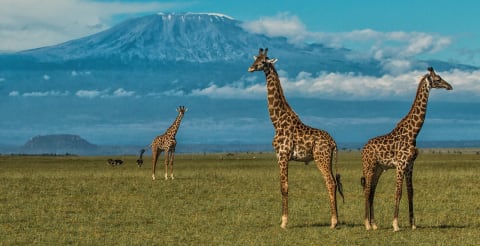
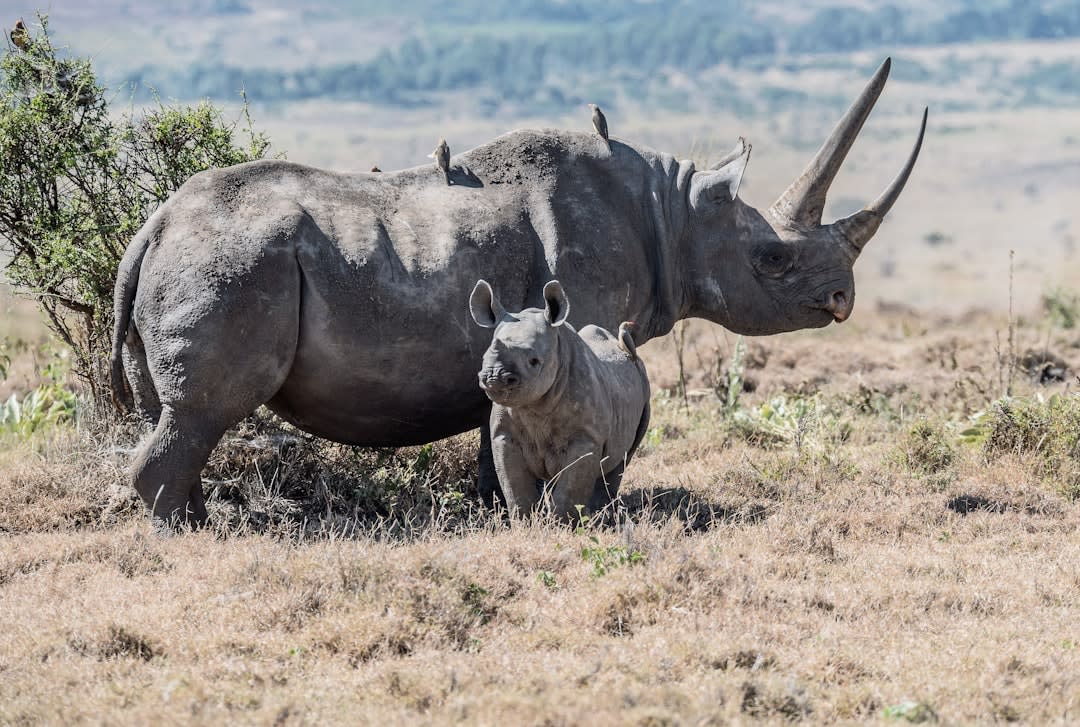
Kenya's iconic wildlife—elephants, lions, cheetahs, African wild dogs, and endangered species like pangolins and Rothschild's giraffes—depends on sustained funding that government budgets alone cannot provide. More than 65% of Kenya's wildlife lives on community and private land, not in national parks.[3] Tourism revenues create direct financial incentives for landowners and communities to protect rather than convert these habitats.
The model is straightforward: tourists pay entry fees, lodge charges, and guide fees. A portion flows back to park management, ranger wages, veterinary care, habitat restoration, and community benefit-sharing schemes. This revenue stream has proven more reliable than donor grants for funding day-to-day conservation operations, especially after external shocks like the COVID-19 pandemic.
How Safari Revenue Funds Conservation on the Ground
Conservation funding from tourism takes multiple forms:
- Ranger Patrols and Anti-Poaching: Tourism revenue directly pays wildlife rangers' salaries. In conservancies across Kenya, rangers conduct daily patrols, monitor wildlife populations, and deter poaching. Between December 2020 and December 2022, the African Conservancies Fund provided over US$2 million in affordable loans to four Maasai Mara conservancies managing 70,000 hectares (170,000 acres), ensuring ranger patrols continued uninterrupted during tourism revenue collapse.[4]
- Habitat Expansion and Restoration: Ecotourism funds habitat protection and land acquisition. For cheetahs and African wild dogs, ecotourism revenue enabled the expansion of protected habitat areas, slowing population declines.[2] In the Eselenkei Protected Area, Kenya, community-based ecotourism combined with conservation doubled bird species in the area, demonstrating measurable ecological recovery.[2]
- Veterinary Care and Wildlife Management: Lodge and entry fees fund veterinary services, wildlife rescue operations, and breeding programmes. Revenue covers food provisioning for endangered animals and predator control to protect both wildlife and livestock.
- Community Benefits and Human-Wildlife Conflict Mitigation: Tourism revenue funds compensation programmes when wildlife damages crops or kills livestock, reducing retaliatory poaching. In Amboseli and other ecosystems, these payments incentivize coexistence rather than conflict.[3]
- Marine Conservation: The Miamba Yetu Sustainable Reef Investment Programme, funded by the Global Fund for Coral Reefs and implemented by the Wildlife Conservation Society in Kenya and Tanzania, promotes eco-friendly tourism alongside blue carbon projects and sustainable fisheries to generate funding for coral reef conservation while supporting coastal communities.[5]
Community Conservancies: The Tourism-Conservation Link
Kenya's community conservancy movement represents the most direct link between safari visitors and on-the-ground conservation. As of 2023, Kenyans have established over 230 conservancies, covering millions of acres and approximately 16% of the country's landmass, with the majority being community-led.[1] These are not government-owned parks; they are collectively managed by local pastoralists, farmers, and Indigenous groups who own or hold usufruct rights to the land.
When a tourist books a safari at a community conservancy lodge, revenue is distributed among:
- Conservancy operating costs (ranger salaries, equipment, vehicles)
- Community member dividends (direct payments to landowners)
- Local schools, water projects, and health facilities
- Wildlife management and habitat restoration
For example, Il Ngwesi Conservancy in Laikipia County set aside 8,675 hectares of grazing land for conservation in 1996 and built an eco-lodge with USAID support. The lodge employed 10 community members to manage operations and trained 16 rangers.[6] Revenue from tourism became the primary incentive for the Il Laikipia Maasai ('people of wildlife') to maintain wildlife corridors and reduce hunting pressure.
Similarly, in Amboseli, community-led conservation on group ranches such as Olgulului–Ololarashi is securing vital wildlife corridors for elephants while supporting pastoralist livelihoods through ecotourism and revenue-sharing models.[3]
Tourism Operators and Sustainability Standards
Ecotourism Kenya, the national ecotourism association, is driving conservation-aligned tourism standards. By 2027, the organisation plans to increase partnerships with conservation groups by 30% and launch ecotourism projects with county governments in 5 counties by 2026.[7] The association is integrating sustainability reporting into its framework, requiring members to submit annual sustainability reports by 2027 and include carbon footprint calculators for tourism operators, targeting a 5% reduction in overall carbon emissions across membership by 2029.[7]
When booking safari packages in Kenya, travellers can prioritise operators who are Ecotourism Kenya members or certified by conservation organisations. These operators commit to wildlife protection standards, community benefit-sharing, and environmental management.
Conservation Finance Innovations: Beyond Traditional Tourism
Kenya's conservation sector is diversifying revenue streams beyond lodge fees:
- Project Finance for Permanence (PFP): The Nature Conservancy partnered with the Government of Kenya, conservation stakeholders, private sector, and communities to develop a sustainable financing mechanism—a conservation trust fund designed to provide long-term, predictable funding for community conservancies.[8] This model reduces dependence on volatile tourism revenues.
- Carbon Credit Projects: REDD+ (Reducing Emissions from Deforestation and Degradation) and blue carbon projects generate revenue for conservancies. Chyulu Hills REDD+ Carbon Project, for example, channels forest conservation payments to local communities and rangers.[9]
- Philanthropic and Bond Financing: Conservation International's African Conservancies Fund demonstrates how blended finance—combining affordable loans, philanthropic grants, and future tourism revenue—can bridge funding gaps during crises.[4]
- Restoration and Ecosystem Services Payments: Programmes like the Mount Kenya Regenerative Agroforestry Project aim to plant more than 10 million trees over seven years, creating jobs for rural smallholder farmers while revitalising degraded lands and restoring habitats for wildlife threatened by human activity.[10]
Threats to Tourism-Funded Conservation
The COVID-19 pandemic exposed the vulnerability of tourism-dependent conservation. When international tourism stopped in 2020, conservancy revenue collapsed. Ranger salaries, wildlife patrols, and community benefits evaporated, forcing some conservancies to consider converting land to agriculture or livestock grazing.[4] This crisis accelerated innovation in conservation finance, but it revealed a systemic risk: conservation dependent on tourism alone cannot withstand global shocks.
Additional challenges include:
- Unequal Benefit Distribution: In some cases, tourism revenue has been captured by lodge owners, conservation NGOs, or government agencies, with minimal benefits reaching local communities. Transparency and governance strengthening are ongoing requirements.[6]
- Land Tenure and Legal Uncertainty: Community conservancies operate under varied legal frameworks. Weak land tenure security and competing development pressures (mining, agriculture, infrastructure) threaten conservancy sustainability.[8]
- Underfunding of Management: Most community conservancies lack sufficient funding for social projects, management plans, and economic investments. In one case study, a conservancy allocated only 4% of budgeted expenditure to community development, restricting support for expanding conservation initiatives.[6]
- Climate and Ecological Pressures: Drought, habitat degradation, and human-wildlife conflict persist. Tourism alone cannot address these drivers; integrated landscape management and climate adaptation are essential.[3]
Measurable Conservation Outcomes from Safari Tourism
The link between tourism revenue and conservation outcomes is documented:
- Species Population Recovery: For hoolock gibbons and golden lion tamarins, ecotourism funds habitat restoration, which helps reverse human-caused habitat degradation and aids population growth.[2] In Kenya's Eselenkei Protected Area, community-based ecotourism doubled bird species presence.[2]
- Predator Control and Prey Protection: Ecotourism revenue funds wildlife management staff to control predators and poachers. African penguins and the great green macaw benefit from ecotourism money used for predator control.[2]
- Ranger Effectiveness: Conservancies with stable tourism revenue employ full-time rangers. Research shows that ranger-led conservation at scale—supported by tourism and blended finance—delivers measurable environmental change, capacity building, and sustainable livelihoods.[9]
- Habitat Protection at Scale: Over 230 conservancies, many sustained by tourism, now protect 16% of Kenya's landmass.[1] This network of protected areas supplements national parks and creates wildlife corridors essential for megafauna like elephants.
How Responsible Safari Tourism Supports Conservation
Travellers booking safaris in Kenya directly fund conservation when they:
- Choose conservancy lodges over commercial chains: Community-owned and community-based tourism enterprises retain higher percentages of revenue for local conservation and development. Research conservation organisations' partner operators to identify community-aligned lodges.
- Prioritise certified operators: Ecotourism Kenya members and conservation-certified operators commit to sustainability standards. Ask operators about their conservation partnerships and community benefit-sharing policies before booking.
- Extend stays in protected areas: Longer visits generate more revenue per tourist, reducing pressure to increase visitor numbers and their ecological footprint. 7-day safari itineraries are more conservation-efficient than short trips.
- Engage with rangers and guides: Tips for rangers directly support anti-poaching patrols. Guides who explain conservation challenges educate visitors, building global support for Kenya's wildlife.
- Support community-based tourism activities: Visiting local markets, cultural centres, and community conservancy visitor centres ensures revenue reaches communities managing the land.
When booking on SafariFind, you can filter for reputable safari operators recognised for consistently earning consumer trust and conservation partnerships. Operators with strong customer service and transparent pricing models are typically more accountable to conservation standards.
Government and NGO Roles in Tourism-Funded Conservation
Kenya's conservation landscape involves multiple actors:
- Kenya Wildlife Service (KWS): Manages national parks and collects entry fees, which are reinvested in conservation and ranger operations. KWS revenue depends heavily on international tourist arrivals.
- Wildlife Conservation Society (WCS): Implements the Miamba Yetu Sustainable Reef Investment Programme, mobilising conservation finance through ecotourism and community enterprises along Kenya's coast.[5]
- The Nature Conservancy (TNC): Partners with government and communities on Project Finance for Permanence, securing long-term funding commitments for conservancies.[8]
- Conservation International: Designed and manages the African Conservancies Fund, providing affordable loans to conservancies during revenue shortfalls and helping communities diversify income streams, including expanded conservancy protection for pangolins in northwest Maasai Mara.[4]
- International Fund for Animal Welfare (IFAW): Works across key landscapes like Amboseli and Tsavo, supporting community-led conservation, land-use planning, and human-wildlife conflict mitigation.[3]
- Community Forest Associations and Conservancy Groups: Locally managed entities that directly control conservation decisions and revenue distribution.
The Future: Scaling Sustainable Tourism-Funded Conservation
Kenya's conservation sector recognises that tourism alone cannot fund the estimated costs of effective wildlife protection. The government is working with conservation stakeholders to develop Project Finance for Permanence, a financial mechanism that combines government commitments, philanthropic funding, carbon credits, and tourism revenue into a diversified, resilient funding portfolio.[8]
A question about Kenya? Ask Tembo
Key priorities for 2026–2029 include:
- Increasing long-term government funding commitments to conservancies
- Scaling carbon credit and blue carbon projects to diversify conservancy income
- Strengthening community conservancy governance and financial transparency
- Integrating climate adaptation into conservation planning, recognising that drought and habitat degradation threaten both wildlife and tourism
- Expanding ecotourism to underutilised conservancies, spreading conservation benefits across more landscapes
As Elijah Toirai, a conservancy leader, noted after the COVID-19 recovery: "Born out of this emergency, we discovered a new way to do conservation." That new way combines tourism, conservation finance innovation, and community leadership—a model Kenya is scaling across the country.
Frequently Asked Questions
FAQs are auto-generated below and should not be duplicated in content_html.
Last Reviewed: July 2026
Conservation data changes rapidly. See the cited sources below for the latest figures on conservancy funding, ranger employment, and wildlife population trends.
Frequently Asked Questions
How much of my safari booking fee goes to conservation in Kenya?
The percentage varies by operator and lodge. Community conservancy lodges typically retain 30–50% of revenue for conservation, ranger salaries, and community benefits. Commercial lodges may allocate 5–15%. Ask your operator directly about their conservation breakdown before booking. Operators certified by Ecotourism Kenya or partnered with conservation organisations like The Nature Conservancy or Wildlife Conservation Society typically have higher conservation allocations.
Do safari entry fees fund Kenya's national parks?
Yes. Kenya Wildlife Service (KWS) collects entry fees from visitors to national parks like the Maasai Mara, Amboseli, and Tsavo. These revenues are reinvested in park management, ranger patrols, anti-poaching operations, and wildlife care. However, tourism revenue alone is insufficient; KWS also relies on government budget allocations and conservation grants.
What is a community conservancy, and how does tourism fund it?
A community conservancy is land collectively managed by local communities for wildlife conservation. Kenya has over 230 community conservancies covering 16% of the country's landmass. Tourism revenue from lodges, entry fees, and guide services flows directly to conservancy operating costs, ranger wages, habitat restoration, and community dividends. Communities have direct financial incentive to protect wildlife rather than convert land to agriculture.
How did COVID-19 impact conservation funding in Kenya?
When international tourism stopped in 2020, conservancy revenues collapsed. Rangers were laid off, anti-poaching patrols ceased, and communities lost income. Conservation International and the Maasai Mara Wildlife Conservancies Association launched the African Conservancies Fund, providing over US$2 million in affordable loans to four conservancies by December 2022, enabling ranger patrols and community income to resume.
Can ecotourism actually save endangered species?
Yes, with conditions. Global research shows ecotourism funds 84% of national parks' budgets and 99% of funding for threatened mammal, bird, and amphibian habitats. In Kenya, ecotourism revenue has enabled habitat expansion for cheetahs and African wild dogs, doubled bird species in protected areas, and funded predator control protecting endangered animals. However, tourism must be combined with anti-poaching enforcement, habitat restoration, and community benefit-sharing to be effective.
Which safari operators in Kenya are best for conservation?
Operators who are members of Ecotourism Kenya or partnered with conservation organisations like The Nature Conservancy, Wildlife Conservation Society, or Conservation International typically prioritise conservation funding. Ask operators about their annual conservation spending, community benefit-sharing percentage, and ranger employment numbers. Conservancy-based lodges (Il Ngwesi, Olgulului–Ololarashi, Namunyak) retain higher conservation percentages than commercial chains.
What is Project Finance for Permanence, and how does it help conservation?
Project Finance for Permanence (PFP) is a financial mechanism developed by The Nature Conservancy with the Government of Kenya and conservation stakeholders. It combines government funding commitments, philanthropic grants, carbon credits, and tourism revenue into a conservation trust fund designed to provide long-term, predictable funding for community conservancies. This reduces dependence on volatile tourism revenues alone.
How do safari tourism revenues help protect Kenya's wildlife from poaching?
Tourism revenue pays ranger salaries and anti-poaching operations. Rangers conduct daily patrols, monitor wildlife populations, and deter poachers. In conservancies where tourism is strong, rangers are employed full-time and equipped with vehicles, radios, and technology. During the COVID-19 crisis, when tourism revenue collapsed, ranger patrols stopped—demonstrating the direct link between tourist spending and anti-poaching effectiveness.
What are the main threats to tourism-funded conservation in Kenya?
Tourism revenue is volatile and vulnerable to global shocks (pandemics, economic downturns). Land tenure insecurity, weak governance, and unequal benefit distribution threaten some conservancies. Drought, habitat degradation, and human-wildlife conflict persist despite tourism funding. Additionally, some conservancies lack sufficient funding for management plans and community development. Long-term conservation requires diversified funding (carbon credits, government allocations, philanthropic grants) alongside tourism.
How can I ensure my safari visit supports conservation?
Book with conservancy lodges or operators certified by Ecotourism Kenya. Ask about conservation partnerships and community benefit-sharing. Tip rangers and guides generously—tips directly support anti-poaching patrols. Choose longer safaris (7+ days) to generate more revenue per visitor. Visit community markets and cultural centres. Support operators transparent about their conservation spending and with strong customer service records.
Is safari tourism sustainable in the face of climate change?
Drought and habitat degradation threaten both wildlife and tourism. Conservation must integrate climate adaptation into landscape management. Kenya's Mount Kenya Regenerative Agroforestry Project aims to plant 10 million trees, creating jobs while restoring habitats. Carbon credit projects and blue carbon initiatives (like Miamba Yetu) generate conservation funding while addressing climate mitigation. Tourism-funded conservation is most sustainable when combined with climate-resilient land management.
What percentage of Kenya's wildlife lives outside national parks?
More than 65% of Kenya's wildlife lives on community and private land, not in government-protected national parks. This is why community conservancies and private wildlife areas are critical for conservation. Tourism revenue from these lands directly incentivises communities to protect rather than convert wildlife habitat, making community-based conservation economically viable.
Trips that match this guide
ACATREE TOURS AND SAFARIS · ★ 5.0
From £3,229 pp