Zambia Safari Animals: What You'll See by Park & Season 2026
Discover Zambia's Big Five and 780+ bird species across South Luangwa, Lower Zambezi, and Kafue parks. Best wildlife viewing May-October. Book verified safaris.
Zambia's safari parks host the Big Five and 780+ bird species across diverse ecosystems. Best wildlife viewing runs from May to October during the dry season. South Luangwa excels for leopards and walking safaris, while Lower Zambezi offers excellent elephant sightings. Book verified safari packages on SafariFind to compare operators and read authentic reviews from past travelers.
At a Glance
Cost: $2,000–$5,000 per person for 7-day packages in 2026
Best time to visit: May to October (dry season with peak wildlife concentration)
Duration: 7–10 days recommended for comprehensive wildlife viewing
Best for: Leopard enthusiasts, walking safari lovers, wildlife photographers
Zambia is home to Africa's most diverse and accessible safari experiences, featuring the Big Five and over 780 bird species across multiple national parks.[1] The country's wildlife thrives in varied ecosystems, from riverine forests to open grasslands. You'll encounter lions, leopards, elephants, buffalo, and black rhinos in different parks throughout the year.
Zambia's safari animals vary significantly by park and season. South Luangwa pioneered walking safaris in Africa and remains the strongest destination for guided foot safaris, while Lower Zambezi excels at elephant viewing along the river.[2] The dry season from May to October concentrates wildlife around water sources, making animal sightings more predictable and rewarding.
The country attracts fewer tourists than Kenya or Tanzania, meaning you experience Zambia's wildlife with less crowding. This advantage lets you spend more time observing animal behavior without competing for viewing spots. Safari operators here focus on quality experiences rather than high-volume tourism.
Big Five Animals in Zambia's National Parks
Lions: Africa's Most Iconic Predators
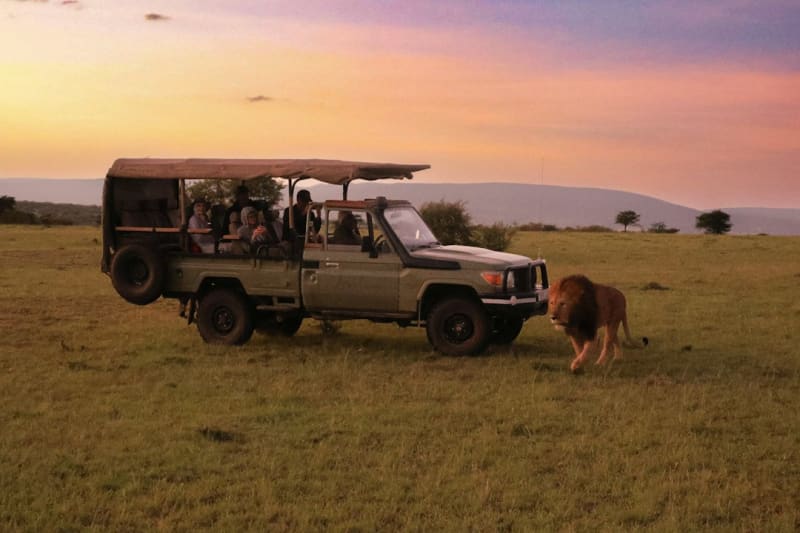
Zambia hosts healthy lion populations across multiple parks. South Luangwa and Lower Zambezi offer the best lion viewing opportunities.[3] You'll spot them resting in shaded areas during morning game drives or active during cooler evening hours. Pride sizes range from 4 to 15 individuals, and male lions with dark manes are particularly impressive.
Lions in Zambia's parks are relatively accustomed to safari vehicles, allowing closer observation than in some other African destinations. Early morning drives increase your chances of seeing lions during active hunting or feeding periods. The dry season concentrates prides near reliable water sources.
Leopards: Zambia's Elusive Specialists
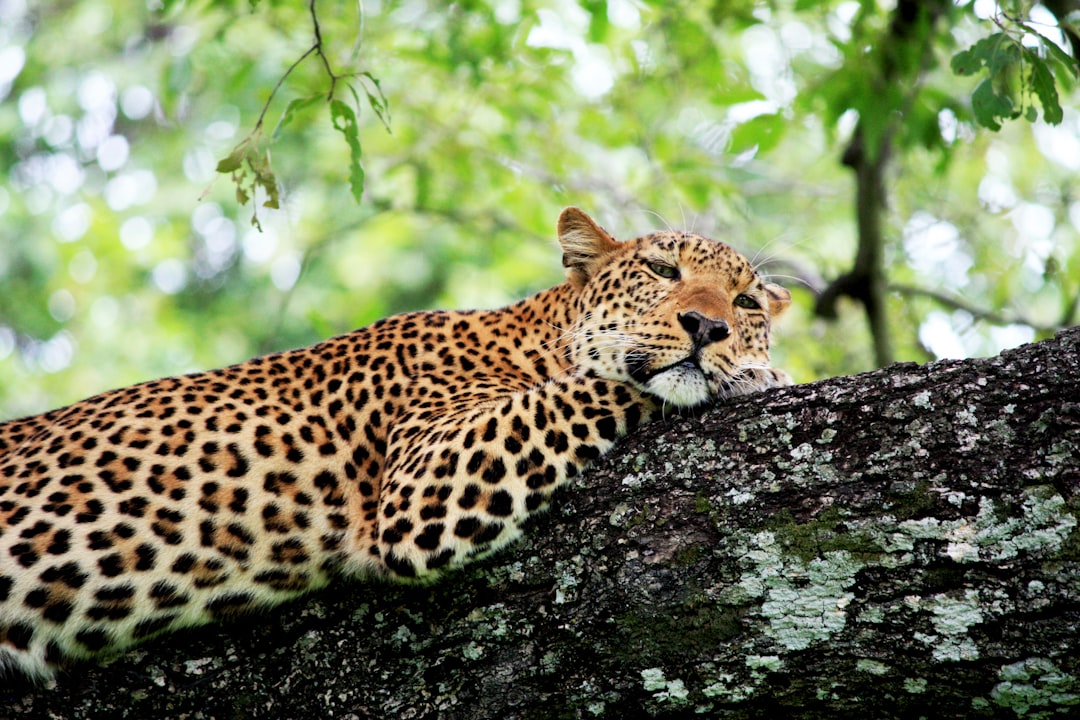
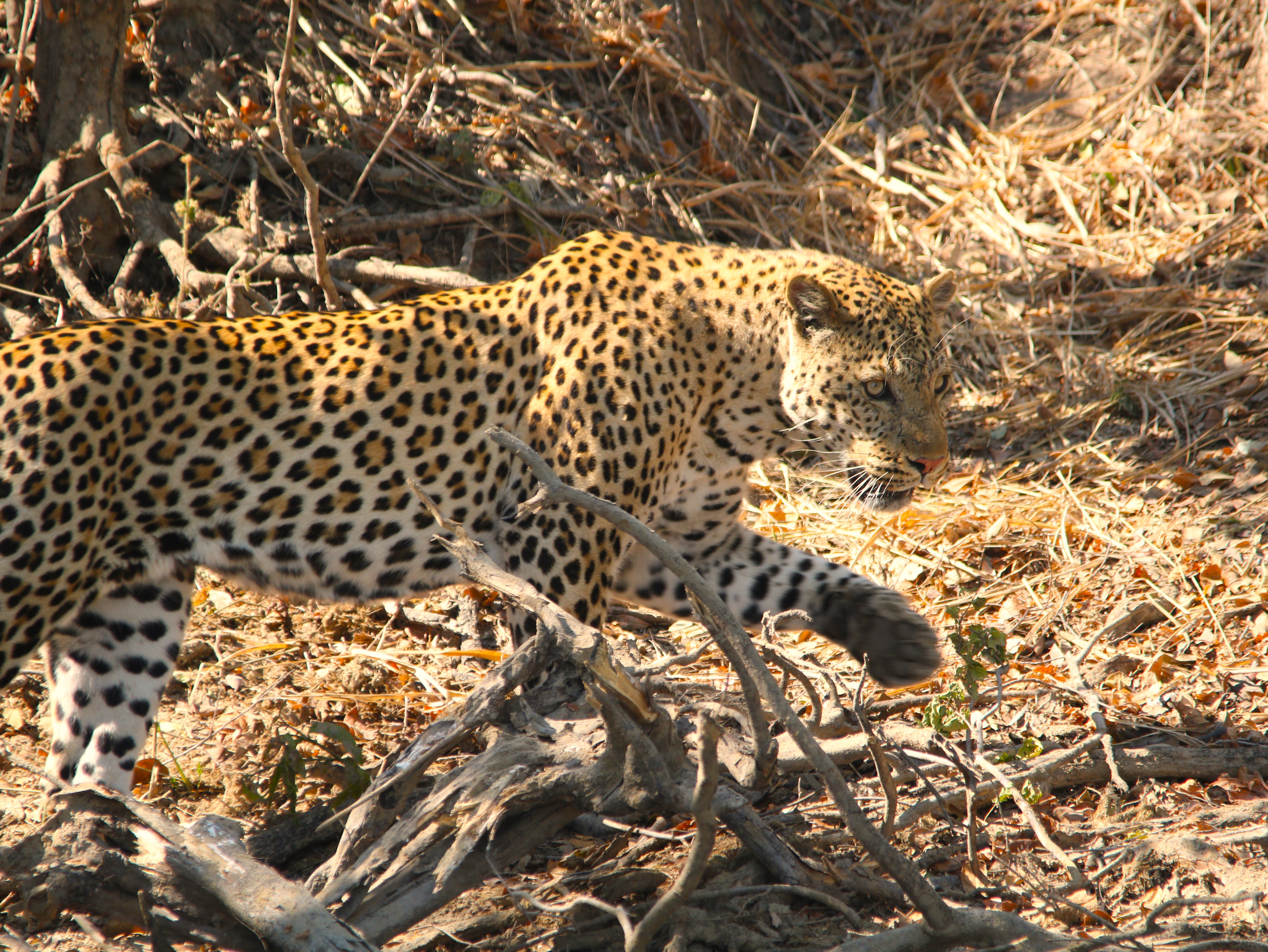
South Luangwa National Park is world-renowned for leopard sightings and walking safaris.[2] The park's dense vegetation and riverine habitat provide perfect leopard territory. These solitary, nocturnal cats are difficult to spot, but Zambia's experienced guides have exceptional track records.
Leopards hunt at dawn and dusk, so early morning and late afternoon game drives offer the best chances. The dry season from July to September increases sighting frequency as vegetation thins. Kafue National Park also supports a strong leopard population with less tourism pressure than South Luangwa.
Elephants: River Giants and Grassland Wanderers
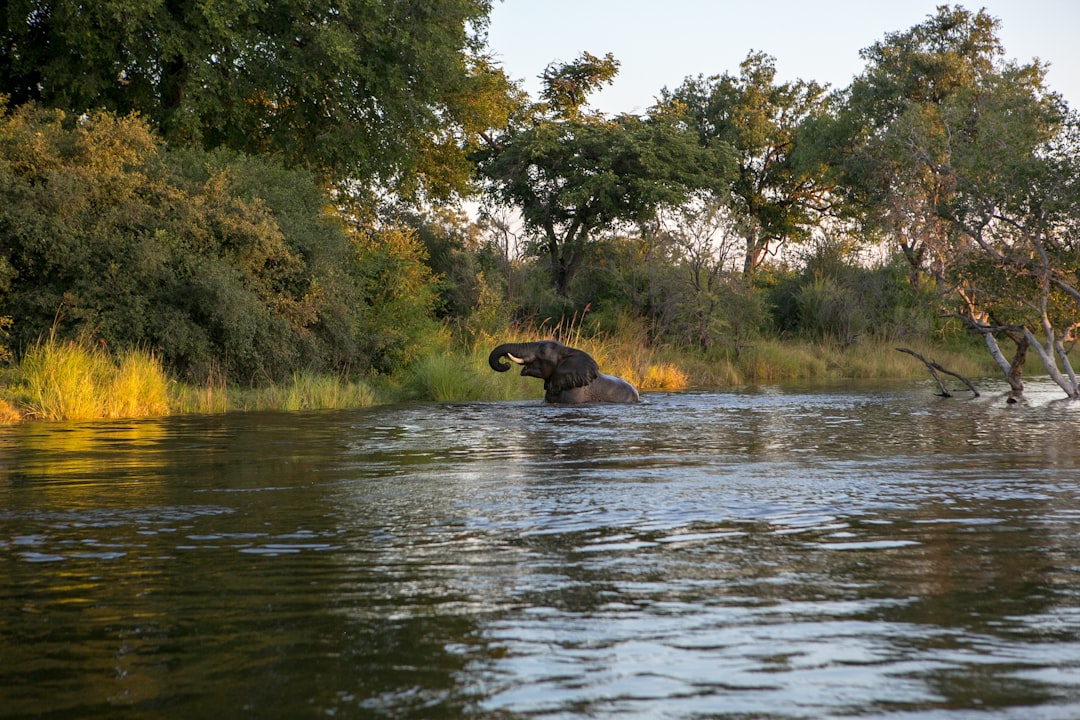
Lower Zambezi National Park features elephant herds that parade along the Zambezi River in impressive numbers.[3] You'll witness these massive animals bathing, drinking, and crossing between feeding grounds. Herds range from small family groups to gatherings of 50+ individuals during peak dry season.
South Luangwa also hosts substantial elephant populations, particularly along the Luangwa River. The dry season from May to October brings elephants into concentrated areas, creating unforgettable viewing moments. Zambia's elephants show relatively relaxed behavior around safari vehicles compared to other regions.
Buffalo: Unpredictable Herd Animals
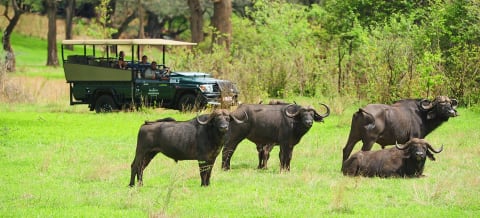
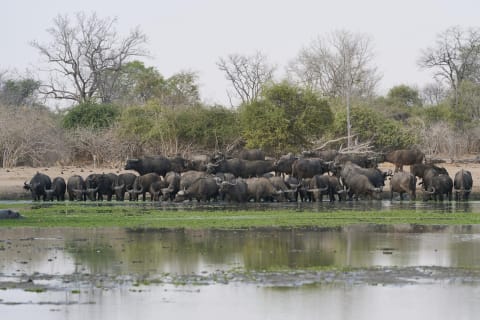
Buffalo herds gather in impressive concentrations throughout Zambia's parks, particularly in South Luangwa and Lower Zambezi.[3] These powerful animals are unpredictable and command respect from guides. Herds can number from dozens to several hundred individuals during the dry season.
Buffalo prefer areas near water and grassland. Early morning and evening drives often reveal large herds moving between feeding grounds. The dry season from July to September concentrates buffalo populations, increasing sighting probability.
Black Rhinos: Rare and Protected Species
Zambia is home to black rhinos in North Luangwa National Park and Mosi-oa-Tunya National Park.[6] These endangered animals are rarely seen due to small population numbers and solitary habits. Sightings are considered exceptional wildlife encounters and require patience and luck.
Black rhino conservation efforts in Zambia have shown positive results in recent years. If you're specifically interested in rhino viewing, inform your safari operator in advance so they can plan accordingly. The dry season offers slightly better viewing chances as vegetation thins.
Wild dogs are among Zambia's most thrilling wildlife encounters, and Lower Zambezi offers strong sighting opportunities.[3] These highly intelligent pack hunters are endangered across Africa, making Zambia a crucial viewing destination. Packs typically include 6 to 20 individuals working together with impressive coordination.
Wild dog sightings are more common during the dry season when prey concentrates near water sources. The dogs' distinctive painted coats and large rounded ears make them instantly recognizable. Watching a pack hunt demonstrates remarkable teamwork and strategy.
Giraffes: Graceful Giants
Southern giraffes appear throughout Zambia's parks, particularly in Lower Zambezi and Kafue.[7] These tallest land animals browse acacia trees and other vegetation, moving with surprising grace. You'll spot them in grassland and open woodland areas, often in small herds of 2 to 6 individuals.
Giraffes are generally calm around safari vehicles and provide excellent photography opportunities. Their height allows them to spot predators from great distances. The dry season concentrates giraffe sightings near reliable water sources.
Antelopes: Diverse Herbivores
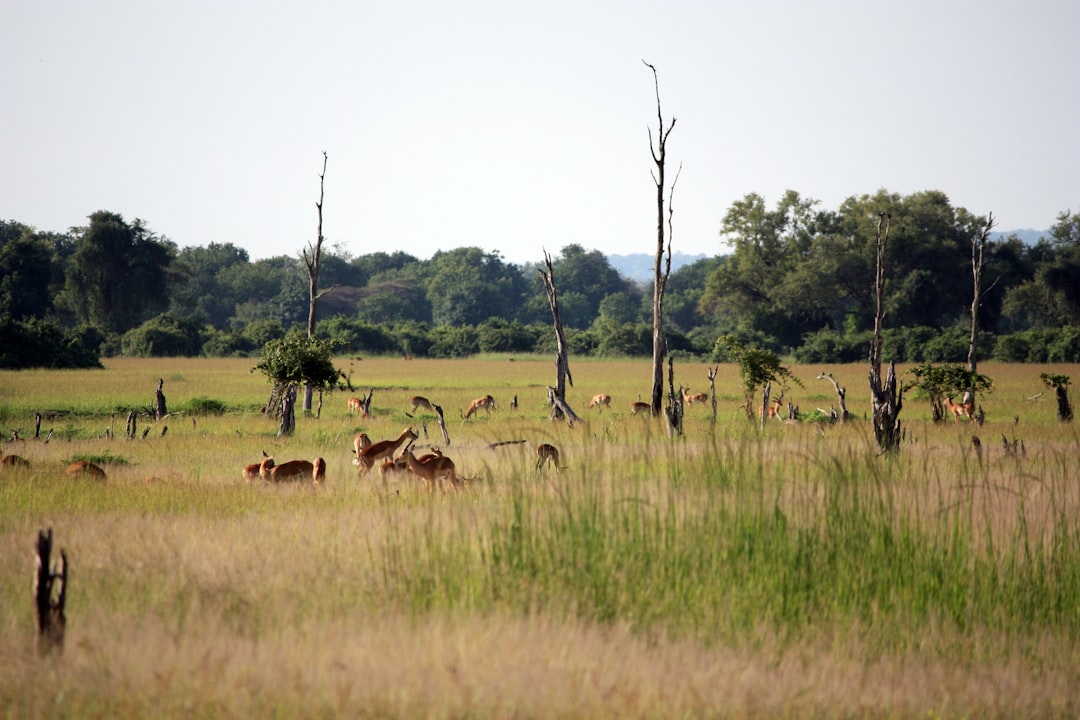
Zambia hosts numerous antelope species including greater kudu, waterbuck, impala, and blue wildebeest.[7] Each species occupies specific habitats, from dense woodland to open grassland. Antelope herds range from small bachelor groups to large mixed herds during the dry season.
Greater kudu are particularly impressive, with males displaying long spiral horns. Waterbuck prefer areas near water, often seen wading in rivers and water holes. Blue wildebeest gather in substantial herds, creating dynamic game drive experiences.
Hippos and Crocodiles: River Residents
The Luangwa and Zambezi rivers teem with hippos and crocodiles, concentrated in South Luangwa and Lower Zambezi parks.[3] Hippos spend daylight hours submerged in water, emerging at night to graze. Crocodiles bask on riverbanks and hunt fish and small mammals.
River safaris and evening game drives offer excellent hippo and crocodile viewing. These ancient reptiles can reach lengths of 5 meters or more. Hippo pods include 15 to 50 individuals in prime viewing areas during the dry season.
Park-by-Park Wildlife Guide for 2026
South Luangwa National Park: Walking Safari Destination
South Luangwa National Park covers 9,050 square kilometers and pioneered walking safaris in Africa.[2] The park's 9,050 square kilometers of woodland, grassland, and riverine habitat create diverse wildlife viewing opportunities. Leopards are the park's signature species, with exceptional sighting records during the dry season.
Walking safaris here offer intimate wildlife encounters impossible from vehicles. Your guide tracks animals on foot, reading spoor and animal behavior with expert skill. Elephants parade along the Luangwa River in large numbers, while lions and leopards patrol the floodplains.[3] Buffalo herds gather in impressive concentrations. The park hosts over 400 bird species, making it exceptional for birdwatchers.
Best viewing runs from May to October. July and August offer the highest wildlife concentration but also attract more tourists. June and September provide excellent sightings with fewer visitors. Explore walking safari packages to find operators specializing in South Luangwa experiences.
Lower Zambezi National Park: Elephant and Wild Dog Country
Lower Zambezi National Park stretches along the Zambezi River and specializes in elephant viewing and wild dog encounters. The April seasonal reopenings of Chula Island Camp and Kutali Camp bring renewed life to the wilds of Lower Zambezi.[4] This park offers a more exclusive safari experience with fewer operators than South Luangwa.
Elephants dominate Lower Zambezi's wildlife viewing, with herds crossing the river and feeding along its banks. Wild dogs hunt in coordinated packs, providing thrilling predator-prey spectacles. Lions are active throughout the park, and leopard sightings occur regularly. The Zambezi River itself hosts hippo pods and crocodile populations.
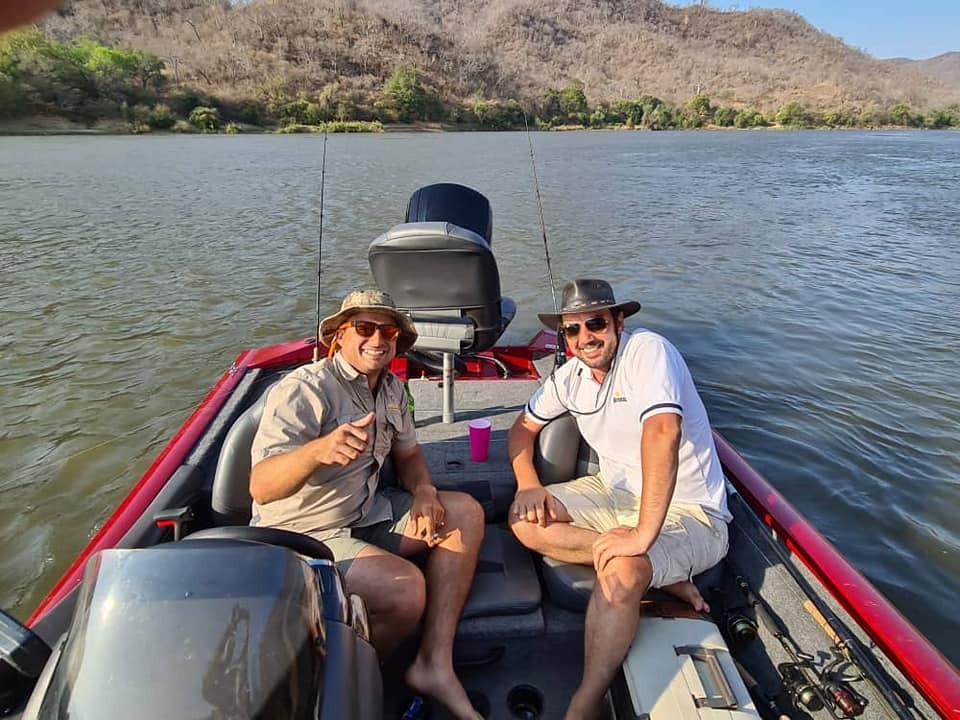
River safaris complement game drives, offering unique perspectives on wildlife behavior. Fishing activities provide downtime between safari drives. Best viewing occurs from May to October. The park receives fewer visitors than South Luangwa, allowing more intimate wildlife encounters.
Kafue National Park: Diversity and Antelope Abundance
Kafue National Park is Zambia's largest park and hosts unique antelope species found nowhere else in the country. Leopard viewing at Musekese Conservancy within Kafue offers exceptional sighting opportunities.[5] The park's varied habitats support diverse wildlife communities across its vast terrain.
Kafue excels at antelope viewing, with species like red lechwe, Kafue lechwe, and puku found in specific habitats. Elephant populations are healthy throughout the park. Wild dog packs hunt across Kafue's open areas. The park is less developed than South Luangwa, offering adventurous travelers a more remote experience.
Best visiting occurs from June to October when wildlife concentrates near water sources. Fewer lodges operate here compared to other parks, meaning more exclusive experiences. Photographers appreciate Kafue's dramatic landscapes and varied habitats.
North Luangwa National Park: Remote Wilderness
North Luangwa National Park offers remote wilderness safari experiences with limited infrastructure. Black rhinos inhabit this park as part of conservation efforts.[6] The park's isolation creates a genuine African wilderness atmosphere with minimal tourist impact.
Wildlife populations are healthy but spread across vast areas, requiring patience and experienced guides. Walking safaris dominate here more than in other parks. The park's remoteness means fewer sightings overall but more authentic, undisturbed wildlife behavior.
Best visiting runs from June to September when dry conditions concentrate wildlife. Travel logistics are more complex here, requiring advance planning and specialist operators.
Mosi-oa-Tunya National Park: Victoria Falls and Rhino Viewing
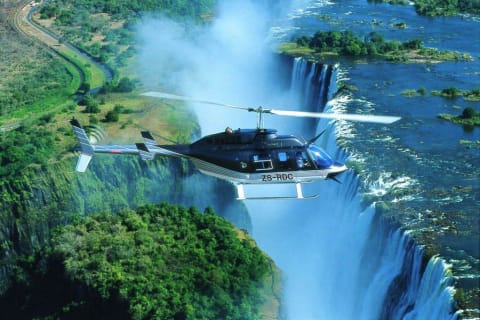
Mosi-oa-Tunya National Park combines Victoria Falls tourism with wildlife viewing, hosting black rhino populations.[6] The park is smaller than other Zambian parks but offers scenic landscapes alongside wildlife. Game viewing is more limited here compared to larger parks.
The park works well as an add-on to larger safari experiences rather than a standalone destination. Victoria Falls itself is a major attraction, combining adventure activities with wildlife observation. Elephant and antelope viewing occur, though in lower numbers than in premier parks.
The dry season from May to October offers the best wildlife viewing in Zambia.[6] Vegetation thins significantly, making animals easier to spot. Water sources concentrate wildlife populations, increasing sighting probabilities dramatically. Temperatures are cooler and more comfortable for game drives.
July and August represent peak season with the highest wildlife concentration but also more tourists. June and September offer excellent sightings with fewer visitors. October marks the end of the dry season as temperatures rise and vegetation begins greening. This period combines good wildlife viewing with lower tourist numbers.
Early morning game drives from 5:30 AM to 11:00 AM offer the best predator viewing. Evening drives from 4:00 PM to 7:30 PM provide additional opportunities. Walking safaris work exceptionally well during the dry season when ground conditions are firm.
Green Season (November–April): Fewer Tourists, Different Wildlife
The green season from November to April brings lush vegetation and lower tourism numbers.[6] Rainfall rejuvenates the landscape, creating scenic beauty. Wildlife disperses across broader areas, making sightings less predictable than in the dry season.
Birdwatching is exceptional during this period with migratory species present. Young animals are born during the green season, offering opportunities to see cubs and calves. Lodges offer significant discounts, reducing safari costs by 30-50% compared to peak season.
November to December offers a transition period with improving animal sightings as dry season approaches. January and February bring heavy rains in some areas, potentially limiting game drive access. March and April mark the tail end of green season with vegetation still thick but some animals concentrating near water.
Planning Your Zambia Safari in 2026
Health and Safety Considerations
Zambia requires certain vaccinations for international visitors. Review vaccination requirements for Swedish travelers or Irish travelers based on your nationality. Malaria prevention is essential in most Zambian parks. Consult your doctor about antimalarial medications at least 4 weeks before travel.
Wildlife safety depends on experienced guides and vehicle protocols. Never approach animals on foot outside organized walking safaris. Respect guide instructions regarding wildlife observation distances. Most safari injuries result from ignoring safety guidelines.
Entry requirements may change, so verify current regulations with your nearest Zambian embassy. Digital visa applications have streamlined the process significantly as of 2026.
Accommodation and Lodge Selection
Compare Zambia safari lodges by budget and luxury options to find accommodations matching your preferences. Budget lodges operate in the $50-150 per night range, while luxury properties command $300-800+ nightly. Mid-range options between $150-300 per night offer excellent value.
Lodge location significantly impacts your wildlife viewing experience. South Luangwa lodges offer unparalleled leopard viewing, while Lower Zambezi properties excel at elephant encounters. Remote Kafue lodges provide solitude and authentic wilderness experiences. Book lodges 4-6 months ahead for peak season to secure preferred properties.
Safari Package Options and Pricing
Seven-day safari packages in Zambia typically cost $2,500-$5,000 per person in 2026, including accommodation, meals, and game drives.[8] Find walking tour packages under $2,500 for budget-conscious travelers. Prices vary based on lodge category, season, and included activities.
Peak season rates (July-August) run 30-40% higher than shoulder season pricing (June, September-October). Green season packages (November-April) offer 30-50% discounts compared to peak season. Flight costs to Zambia average $800-1,500 from Europe, varying by departure city and booking timing.
Compare verified safari packages on SafariFind to see real pricing and authentic traveler reviews. Request quotes from multiple operators to ensure competitive rates and quality service.
Best Time to Visit by Your Interests
Leopard enthusiasts should visit South Luangwa from July to September when sightings peak. Walking safari lovers benefit from June through September when ground conditions are ideal. Birdwatchers should plan November through March when migratory species are present. Budget travelers maximize savings by visiting November to April when rates drop significantly.
Photography-focused safaris work best in May-June and September-October when lighting is excellent and wildlife is active but not peak-season crowded. Family safaris suit June and September when conditions are comfortable and sightings are strong.
Wildlife Photography and Observation Tips
Camera Gear and Settings
A telephoto lens of 200-400mm is essential for wildlife photography in Zambia. Fast shutter speeds of 1/1000 second or higher freeze animal movement. Early morning and late afternoon light creates the best photography conditions. Bring extra batteries and memory cards as charging opportunities are limited in remote lodges.
Beanbags or vehicle-mounted stabilizers improve image sharpness during bumpy game drives. Polarizing filters reduce glare and enhance colors. Neutral density filters manage exposure in bright conditions.
Ethical Wildlife Observation
Maintain respectful distances from all wildlife. Never approach animals on foot outside guided walking safaris. Minimize noise and sudden movements that startle animals. Allow predators to hunt without interference, even if outcomes seem unfavorable.
Experienced guides understand animal behavior and know safe observation distances. Trust their expertise and follow their instructions. Ethical observation ensures animal welfare and creates better long-term experiences than intrusive approaches.
Identifying Species in the Field
Carry a field guide specific to Zambian wildlife for species identification. Learn distinctive features before your trip: male kudu have spiral horns, waterbuck display white rump patches, impala have black facial stripes. Your guide will teach you identification skills during drives.
Photography helps document species and behaviors for future reference. Taking notes on sightings creates memorable records. Many travelers find species checklists rewarding, tracking animals seen across multiple parks.
Key Takeaways
Book your Zambia safari 4-6 months ahead for July-September peak season to secure preferred lodges and save on last-minute rates.
Visit South Luangwa from July to September for world-class leopard sightings, with walking safaris offering the most intimate wildlife encounters.
Combine multiple parks in a single trip: pair South Luangwa's leopards with Lower Zambezi's elephants for comprehensive Big Five viewing.
Choose the green season (November-April) for 30-50% lodge discounts and exceptional birdwatching, accepting reduced predator sightings.
Hire experienced guides through verified SafariFind operators who understand animal behavior and can predict wildlife locations based on ecological knowledge.
Frequently Asked Questions
What is the best time to see lions in Zambia?
The dry season from July to October offers the best lion viewing in Zambia. Lions concentrate near reliable water sources during these months, and vegetation thins, making them easier to spot. Early morning and late afternoon game drives increase sighting chances as lions are most active during cooler hours.
Can you see all the Big Five in Zambia?
Yes, Zambia is home to lions, leopards, elephants, buffalo, and black rhinos.[6] However, seeing all five in a single trip requires planning. Leopards are best seen in South Luangwa, black rhinos in North Luangwa or Mosi-oa-Tunya. Combining parks increases your chances of completing the Big Five.
How much does a 7-day Zambia safari cost in 2026?
Seven-day Zambia safari packages cost $2,500-$5,000 per person in 2026, including lodging, meals, and game drives. Budget lodges start around $2,500 while luxury properties exceed $5,000. Peak season (July-August) costs 30-40% more than shoulder season (June, September-October). Green season discounts reach 30-50% off peak rates.
What wildlife can you see in Lower Zambezi National Park?
Lower Zambezi excels at elephant viewing, with herds parading along the river in impressive numbers. Wild dogs hunt in coordinated packs, offering thrilling predator encounters. Lions patrol the floodplains, leopards hunt nocturnally, and hippo pods fill the river. Buffalo herds gather in substantial concentrations during the dry season.[3]
Is walking safari safe in South Luangwa?
Walking safaris in South Luangwa are safe when conducted by experienced guides who understand wildlife behavior and carry appropriate safety equipment. Your guide controls pace and route based on animal activity. Never approach dangerous animals on foot, and always follow guide instructions. Thousands of travelers safely enjoy walking safaris annually in South Luangwa.
When do animals gather near water in Zambia?
Animals concentrate near water sources from May through October during the dry season. As rainfall decreases and water becomes scarce, wildlife congregates at remaining water holes and rivers. July and August represent peak concentration periods. This seasonal pattern makes the dry season ideal for wildlife viewing as animals are predictably located near water.
How do I book a Zambia safari with verified operators?
SafariFind connects travelers with verified safari operators offering authentic Zambia packages. Browse available safari packages, compare pricing and lodge options, and read authentic reviews from previous travelers. Request quotes from multiple operators to ensure competitive rates. SafariFind's verification process ensures operators meet quality and safety standards.
Conclusion
Zambia's safari animals represent Africa's most diverse and accessible wildlife viewing opportunities, with the Big Five and over 780 bird species across multiple national parks. The dry season from May to October concentrates wildlife near water sources, creating exceptional sightings. South Luangwa pioneered walking safaris and remains the world's premier leopard viewing destination, while Lower Zambezi specializes in elephant encounters and wild dog hunts.[3]
Seven-day safari packages cost $2,500-$5,000 per person in 2026, with significant discounts available during the green season from November to April. Combining parks maximizes your wildlife viewing: pair South Luangwa's leopards with Lower Zambezi's elephants for comprehensive Big Five experiences. Experienced guides make the difference between adequate and exceptional safaris, so prioritize operators with strong track records.
Start planning your Zambia safari today by comparing verified packages on SafariFind. Request quotes from multiple operators, read authentic traveler reviews, and book 4-6 months ahead for peak season to secure preferred lodges. Your Zambian wildlife adventure awaits, offering intimate encounters with Africa's most remarkable animals in their natural habitats.
Plan Your Safari with SafariFind
These recommendations use real data from SafariFind, where you can compare operators, browse packages, and read verified traveler reviews before you book.
4-Day Victoria Falls safari tour • $2,200 • 4 days • by Cultural Vibes Travel & tours
What Travelers Say (SafariFind Reviews)
"On 10.9. until 1.10. In 2023, I went on a trip to Botswana, Zimbabwe and a short visit to Zambia with my clients - friends. I carefully prepared the trip in cooperation with the manager of Cultural Vibes Travel & Tours, Mr. Tongesai Mutematsaka. After arriving in Gaborone we organized a short tour of the city ourselves and met Tongesai in Maun. Tongesai was our driver and guide practically the whole way. We visited the Okavango River Delta and its surroundings (Moremi Reserve, Mokoro boat cruise, flight over the Okavango Delta. This was followed by a visit to the Makgadikgadi Salt Flats, then the Elephant Sands area and in Botswana Chobe National Park with a cruise on the Chobe River. Then we crossed to Zimbabwe, which was the main part of our journey. In the Victoria Falls area, we visited the Monde settlement, took a helicopter flight over Victoria Falls, followed by a cruise on the Zambezi River as part of a visit to the national park of the same name. We also walked past Victoria Falls on the Zimbabwean side and had a Boma dinner in the evening (too much of a "tourist thing"). On the Zambian side of the falls we saw white rhinos in Mosi - oa - Tunya National Park, then visited the museum in Livingstone and walked the Zambian side of the falls. From Victoria Falls, we headed to Hwange National Park, where we had a beautiful program - a safari, and after Hwange, there was also a very interesting program in Matobo National Park (there, among other things, white rhinos (a mother with her little daughter), beautiful rock formations and prehistoric cave drawings. The next place visited was Khami with very interesting buildings, and then we visited the ruins of Great Zimbabwe, which are among the most important world monuments. This was followed by a visit to the Chinhoya Karst and finally the gallery in Harare. I would also like to comment on the provision of services: Accommodation in the hotels was at the standard, expected level, only the service at the Great Zimbabwe Hotel was rather lazy. Accommodation in lodges - very good and the best accommodation was in Iganyana tented camp in Hwange National Park, mainly due to the extraordinary professionalism and very friendly attitude of the staff there towards us, the visitors. I must also highly praise all the local guides we met everywhere, e.g. in Chobe, Hwange and Matobo National Parks. I want to emphasize that this journey is one of the most interesting that I have made around the world. I believe that my clients - friends were also satisfied with the set. Thanks to the travel agency Cultural Vibes Travel & Tours and Mr. Tongesai Mutematsaka. I recommend Cultural Vibes Travel & Tours to anyone considering a trip to Zimbabwe."
Viktor Chrást•22 June 2026
"Tongesai and his team provided a wonderful itinerary on our recent trip to Victoria Falls with day trips to Zambia and Botswana. They were a thoughtful and knowledgeable team who took great care to tailor the trip to our family's needs."
Kara Fraser•22 June 2026
"Our guide Tongesai was incredibly respectful, punctual, and friendly. He also helped us with transfers to and from the airport. The experience of visiting Victoria Falls on the Zambia side was amazing. The scenery is wonderful!!!"
Javier Fragozo•22 June 2026
"Tongesai was awesome from the start. I knew he was a good tour operator because he answered all of my questions in a timely manner and no question was ever stupid. Everything was just as he said once we arrived and really it was better. We prepared for about a year in advance for this trip and the tour operator was instrumental and making this trip a success. I highly recommend this tour operator to anyone who wants to visit Zimbabwe, Zambia, and Botswana. Give Tongesai a call or email, and you will 100% not be disappointed. I have a very deep understanding of border crossing and transportation challenges in many African countries at this point because of the efforts of the tour operator. This makes my wife and I have very comfortable to approach another visit or look at visiting a different African country."
JS•22 June 2026
"Cultural Vibes Travel and Tours and Tongesai Mutematsaka come with my highest recommendation!! Our trip to Zimbabwe, Zambia, and Botswana was everything I could have dreamed of. Tongesai was easy to work with, and always communicated back with me very quickly. I told him what I wanted and he personalized our experience within our budget. He was very flexible when I wanted to make any changes. He took care of every detail so I didn't have to. It was fabulous!! I highly recommend!! You will not be disappointed."
Kim Amen•22 June 2026
References
Zambia Safari Animals: Species Guide by Park 2026 | SafariFind

 Ask Tembo