Ask Tembo
Vaccinations & Health Rules Rwanda 2026 | Dutch Citizens
Dutch citizens traveling to Rwanda need yellow fever vaccination only if arriving from endemic countries; CDC recommends hepatitis A, typhoid, and malaria prophylaxis year-round. Consult a travel clinic 6 weeks before departure.
Quick Answer: Vaccination Requirements for Dutch Citizens Traveling to Rwanda
Yellow fever vaccination is required only if you're arriving from a yellow fever-endemic country; Rwanda is not classified as endemic by the WHO, so direct travel from the Netherlands does not require proof of vaccination.[1] However, the CDC and travel health experts recommend hepatitis A, typhoid, and routine immunizations for all travelers.[1] Malaria prophylaxis is advised year-round for all regions of Rwanda.[1] No COVID-19 testing is currently required for entry or departure.
Before you travel, consult a travel medicine provider or visit a travel clinic at least 6 weeks before your trip to confirm current requirements and receive personalized health advice based on your itinerary and medical history.
Yellow Fever Vaccination: Entry Requirements for Dutch Travelers
Do You Need a Yellow Fever Certificate?
Rwanda's entry rules for yellow fever vaccination depend on your country of origin and transit route:
- Direct travel from the Netherlands: Not required. The Netherlands is not classified by the WHO as a country with yellow fever transmission risk, so Dutch citizens traveling directly to Rwanda do not need proof of yellow fever vaccination.[1][3]
- Transit through endemic countries: If your itinerary includes a layover or transit of more than 12 hours in a yellow fever-endemic country (such as Uganda, Kenya, Ethiopia, or Democratic Republic of Congo), you will need proof of vaccination.[3][11] Rwanda enforces this rule strictly at immigration.
- Arriving from endemic countries: If you are traveling from or have recently been in a yellow fever-endemic country, vaccination is required for entry to Rwanda.[3]
Rwanda is not on the WHO list of countries with yellow fever transmission risk.[3] The WHO explicitly notes that Rwanda, despite its proximity to endemic regions, has only low potential for exposure to yellow fever virus and does not require vaccination for travelers originating from non-endemic countries.[3]
Vaccination Timing and Certificate Validity
If you require a yellow fever certificate:
- Vaccination timing: The vaccine must be administered at least 10 days before travel to be considered valid for entry.[8]
- Certificate validity: Yellow fever vaccination is now valid for life; you do not need repeat doses for subsequent trips.[8]
- International Certificate of Vaccination or Prophylaxis (ICVP): You must carry an official ICVP (yellow booklet) issued by an approved vaccination provider. Digital certificates may not be accepted at all border checkpoints.
Important: If your full itinerary includes layovers or transit through countries on the WHO yellow fever transmission list for more than 12 hours, you may need a certificate even if your final destination is Rwanda.[11] Confirm with your airline and consult your doctor about your specific routing before booking.
Medical Exemptions
Certain travelers may be exempt from yellow fever vaccination on medical grounds:[8]
- Infants under 1 year old (vaccination is not safe at this age)
- Pregnant women (though pregnancy is not an absolute contraindication; consult your doctor)
- Individuals with severe allergies to egg protein or other vaccine components
- People with severe immunodeficiency (e.g., HIV/AIDS with CD4 count below 200, active cancer treatment)
If you qualify for a medical exemption, obtain a signed exemption letter from a registered yellow fever vaccination center and carry it with your passport. Contact the Rwandan immigration authority or your nearest Rwandan embassy before travel to confirm acceptance of your exemption letter.
Recommended Vaccinations for Dutch Citizens Traveling to Rwanda
Routine Vaccinations
Before any international travel, ensure you are up to date with all routine vaccinations recommended in the Netherlands:[1]
- Diphtheria-Tetanus-Pertussis (DTaP, Tdap, or Td)
- Polio (IPV)
- Measles-Mumps-Rubella (MMR)
- Chickenpox (Varicella)
- Influenza (annual)
- COVID-19 (up to date with current recommendations)
- Shingles (Zoster) — especially if age 50+
Check with your huisarts (GP) or the Dutch health authority (RIVM) for your personal vaccination schedule before departure.
Hepatitis A
Recommendation: Strongly recommended for all travelers.[1][16]
- How it spreads: Contaminated food and water, poor sanitation
- Vaccination schedule: 2 doses (0 and 6–12 months); protection begins 2 weeks after the first dose
- Timing: Begin at least 4 weeks before departure
- Duration: Lifelong protection after the 2-dose series
Hepatitis A is present throughout Rwanda, with higher risk in rural areas and regions with limited sanitation.[16]
Typhoid
Recommendation: Recommended for most travelers, especially those staying with friends/family, visiting rural areas, or eating street food.[1][16]
- How it spreads: Contaminated food and water
- Vaccination options: Inactivated injection (single dose, protects for 2–3 years) or oral live attenuated vaccine (4 doses over 1 week, protects for 5 years)
- Timing: Inactivated vaccine: at least 2 weeks before travel; oral vaccine: complete series at least 1 week before travel
Typhoid risk is moderate throughout Rwanda, with higher exposure in urban areas with poor water sanitation and rural regions.[1]
Hepatitis B
Recommendation: Recommended for all travelers, especially those with potential for blood exposure, close contact with locals, or sexual contact.[16]
- Vaccination schedule: 2–3 doses over 6 months (rapid schedules available for last-minute travel)
- Timing: Begin at least 6 months before departure for the standard schedule; accelerated schedules require at least 4 weeks
- Duration: Lifelong protection after the complete series (check antibody levels if >10 years since vaccination)
Rabies
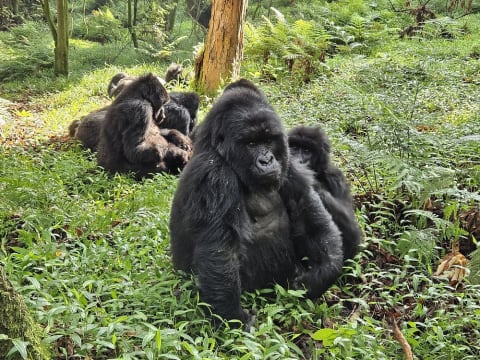
Recommendation: Strongly recommended if you plan gorilla trekking, wildlife activities, or prolonged rural stays; advisable for all travelers given limited medical facilities outside Kigali.[16]
- How it spreads: Saliva from infected animals (bites, scratches, or mucous membrane contact)
- Vaccination schedule: Pre-exposure prophylaxis (PrEP) = 3 doses (days 0, 7, 21 or 28)
- Timing: Complete series at least 2 weeks before departure
- Duration: Reduces post-exposure treatment time; does not eliminate need for post-exposure prophylaxis after suspected exposure
Rabies is present in Rwanda's wildlife. If you are bitten or scratched, seek immediate medical attention, as post-exposure prophylaxis must begin within 24 hours.
Routine Travel Vaccines: Summary Table
| Vaccine | Recommendation | Timing Before Travel | Duration of Protection |
|---|---|---|---|
| Hepatitis A | Strongly recommended | 4 weeks (1st dose) | Lifelong (after 2-dose series) |
| Typhoid | Recommended | 2 weeks (inactivated) / 1 week (oral) | 2–5 years (varies by type) |
| Hepatitis B | Recommended | 6 months (standard) / 4 weeks (accelerated) | Lifelong (after 2–3 dose series) |
| Rabies (PrEP) | Strongly recommended (wildlife/trekking) | 2 weeks (after 3-dose series) | Reduces post-exposure treatment time |
| Yellow Fever | Required if from/transiting endemic countries; not required from Netherlands | 10 days before travel | Lifelong |
Malaria: Risk, Prophylaxis, and Prevention
Malaria Risk in Rwanda
Malaria is endemic throughout Rwanda at moderate risk.[1][16] Unlike some African countries, malaria transmission occurs year-round in all regions, including Kigali, though risk is slightly higher during the rainy seasons (March–May and October–December).[16] The predominant parasite is Plasmodium falciparum, which is chloroquine-resistant.[16]
All travelers to Rwanda, regardless of destination or itinerary, are advised to take antimalarial prophylaxis.[1][16]
Antimalarial Prophylaxis Options
Consult a travel medicine provider to choose the best option for your trip. The main antimalarials used for Rwanda are:
- Atovaquone-proguanil (Malarone®): Daily dosing starting 1–2 days before entry, continuing daily during stay, and for 7 days after departure. Well-tolerated; no food restrictions. Cost is higher but fewer drug interactions.
- Doxycycline: Daily dosing starting 1–2 days before entry, continuing daily, and for 4 weeks after departure. Must be taken with food; increases photosensitivity (use high-SPF sunscreen). Inexpensive. Not suitable for pregnant women or children under 8 years.
- Mefloquine (Lariam®): Weekly dosing starting 2–3 weeks before entry, continuing weekly during stay, and for 4 weeks after departure. Neuropsychiatric side effects reported; avoid if history of depression or seizures.
- Tafenoquine (Krintafel®): Single loading dose 3 days before entry, then weekly. Requires G6PD (glucose-6-phosphate dehydrogenase) testing beforehand due to hemolysis risk in deficient individuals.[2]
Timing: Begin prophylaxis 1–3 days before entering Rwanda (depending on the drug chosen), continue daily or weekly throughout your stay, and continue for 4–7 days after departure (depending on the drug).
Non-Drug Malaria Prevention
Antimalarial medication is essential, but combine it with mosquito avoidance:
- Insect repellent: Apply CDC-recommended repellent containing DEET (20–30%), picaridin (20%), or oil of lemon eucalyptus (OLE) to exposed skin and clothing. Reapply every 3–4 hours or after swimming.
- Protective clothing: Wear long-sleeved shirts and long trousers, especially during dawn, dusk, and evening (peak mosquito hours).
- Bed nets: Sleep under an insecticide-impregnated mosquito net, even in air-conditioned hotels.
- Room treatment: Use insecticide spray or coils in your accommodation, or request the hotel to spray your room before check-in.
- Avoid bright colors: Mosquitoes are attracted to dark colors and floral patterns.
Health Documents, Insurance, and Medical Waivers
Travel Health Insurance
Purchase comprehensive travel health insurance before departure that covers:
- Emergency medical evacuation (especially important for remote areas and gorilla trekking regions)
- Hospital and clinic treatment
- Prescription medication reimbursement
- Dental emergencies
- Trip cancellation due to illness
Ensure your policy covers Rwanda and any planned activities (gorilla trekking, hiking, water sports). Many Dutch insurers offer add-on coverage for African travel.
Vaccination Records
Carry your vaccination records (yellow booklet / ICVP) and a copy of your vaccination history. Digital records may not be accepted at border checkpoints. If you receive vaccinations outside your home country, request an official ICVP from the vaccination provider.
Medical Waivers for Yellow Fever Exemptions
If you are medically exempt from yellow fever vaccination, obtain a signed exemption letter on letterhead from a registered yellow fever vaccination center. The letter should state your medical condition and why vaccination is contraindicated. Carry this letter with your passport and contact the Rwandan immigration authority in advance to confirm acceptance.
Medications: What to Pack and Customs Rules
Medications to Bring from Home
Rwanda's pharmacies stock basic medications, but supplies are limited outside Kigali. Bring sufficient quantities (in original containers with pharmacy labels) of:
- Antimalarial prophylaxis (full course)
- Any personal prescription medications (blood pressure, diabetes, asthma, etc.)
- Broad-spectrum antibiotic for traveler's diarrhea (e.g., azithromycin or ciprofloxacin) — obtain a prescription from your doctor before travel
- Antimotility agent (loperamide) for diarrhea
- Anti-nausea medication (ondansetron or metoclopramide)
- Altitude sickness prevention (acetazolamide/Diamox) if gorilla trekking or hiking volcanoes
- Antihistamine and topical hydrocortisone for insect bites and allergic reactions
- Pain relief (paracetamol, ibuprofen)
- Antacid and anti-diarrheal supplements (activated charcoal, bismuth subsalicylate)
- Sunscreen (SPF 50+) and lip balm with SPF
- Insect repellent with DEET or picaridin
Customs and Import Rules
Bring medications in their original containers with pharmacy labels showing your name and the drug name. Carry a copy of your prescriptions or a letter from your doctor stating the medical need for each medication. Rwanda allows personal quantities of legitimate medications for your own use; however, large quantities or medications without clear labeling may be questioned at customs.
Avoid: Codeine-containing medications (restricted in Rwanda), large quantities of antibiotics, or any controlled substances without a doctor's letter.
Health Facilities and Emergency Medical Care in Rwanda
Medical Facilities in Kigali
Kigali has the best medical facilities in Rwanda. Recommended hospitals and clinics include:
- King Faisal Hospital: Modern private hospital with emergency, laboratory, and pharmacy services
- Kigali Central Hospital (CHUK): Government hospital; basic services available
- Imed Kigali: Private clinic with English-speaking staff
Medical care in Kigali is generally good but may be limited compared to European standards. Expect out-of-pocket costs; ensure your travel insurance covers repatriation.
A question about Rwanda? Ask Tembo
Medical Facilities Outside Kigali
Rural regions and national parks (e.g., Volcanoes, Akagera) have limited medical infrastructure. Small health centers exist in towns like Musanze (near gorilla trekking) and Ruhengeri, but serious injuries or illnesses may require evacuation to Kigali or Kenya. Medical evacuation insurance is strongly recommended.
Pharmacies and Medication Availability
Pharmacies (pharmacies) are found throughout Kigali and larger towns. Staff may speak limited English. Common medications (antibiotics, antihistamines, antimalarials) are usually available, but specialized drugs or unusual formulations may not be stocked. Bring your own supply of prescription medications.
Emergency Contacts
- Emergency (Police, Fire, Ambulance): 112
- Netherlands Embassy in Rwanda: +250 252 596 600 (for consular assistance)
- International SOS (evacuation): +250 788 303 000
Traveler's Diarrhea and Water Safety
Tap water in Kigali is generally safe if chlorinated, but quality varies. Outside Kigali, drink bottled or boiled water only. Avoid ice cubes unless made from bottled water. Eat cooked foods and peel fruits yourself. Traveler's diarrhea is common; carry an antibiotic prescription and antimotility agent.
Altitude Considerations
Gorilla trekking in Volcanoes National Park and hiking Mount Bisoke or Mount Karisimbi involve elevations of 2,400–4,500 meters. Altitude sickness is a concern for some travelers. Consult your doctor about acetazolamide (Diamox) prophylaxis if you have a history of altitude sickness, are over 50, or are ascending rapidly. Ascend slowly, stay hydrated, and avoid alcohol for the first 48 hours.
Pre-Travel Health Checklist for Dutch Citizens
- 6–8 weeks before departure: Schedule a travel medicine consultation with your huisarts or a travel clinic (e.g., KLM Travel Clinic, Reisadviseur)
- Confirm your vaccination status: Routine vaccines (MMR, Tdap, polio, COVID-19)
- Receive travel vaccines: Hepatitis A (start 4 weeks before travel), typhoid, rabies (if needed), hepatitis B (if not previously vaccinated)
- Obtain antimalarial prescription: Choose the best option for your trip and start 1–3 days before entry
- Obtain medical waivers: If medically exempt from yellow fever vaccination, get a signed letter
- Prescribe traveler's diarrhea antibiotics: Azithromycin or ciprofloxacin
- Prescribe altitude sickness prevention: Acetazolamide (Diamox) if trekking or hiking
- Purchase travel health insurance: Ensure coverage for emergency evacuation and medical care in Rwanda
- Pack medications and supplies: Antimalarials, antihistamines, sunscreen, insect repellent, first-aid kit
- Carry vaccination records: Yellow booklet (ICVP) and copies of prescriptions
- Confirm yellow fever requirements: If transiting endemic countries, ensure you have proof of vaccination
- Register with your embassy: Inform the Netherlands Embassy of your travel dates for emergency contact
Combining Health Planning with Your Rwanda Safari
When you're ready to book your safari, compare Rwanda safari operators and costs on SafariFind to find a trusted partner. Ensure your chosen operator is informed of any health concerns (altitude sensitivity, dietary restrictions, medication storage) so they can plan your itinerary accordingly. You'll also want to confirm your visa requirements separately, as health and travel documents are distinct processes.
Frequently Asked Questions (FAQs)
Do Dutch citizens need a yellow fever vaccination to enter Rwanda?
No, Dutch citizens traveling directly from the Netherlands do not need a yellow fever vaccination to enter Rwanda.[1][3] However, if your itinerary includes transit of more than 12 hours in a yellow fever-endemic country (such as Uganda, Kenya, or Ethiopia), you will need proof of vaccination for entry to Rwanda.[3]
Is malaria a risk in Rwanda, and do I need to take antimalarial medication?
Yes, malaria is endemic throughout Rwanda at moderate risk year-round.[1][16] The CDC and WHO recommend antimalarial prophylaxis for all travelers, regardless of destination or itinerary within Rwanda.[1][16] Chloroquine-resistant Plasmodium falciparum is the predominant parasite. Begin prophylaxis 1–3 days before entry and continue for 4–7 days after departure (depending on the medication chosen).
What vaccinations does the CDC recommend for travel to Rwanda?
The CDC recommends routine vaccinations (MMR, Tdap, polio, COVID-19), plus hepatitis A, typhoid, and rabies for travelers to Rwanda.[1] Yellow fever vaccination is not recommended for direct travel from the United States or Netherlands, but is required if arriving from endemic countries.[1] Consult a travel medicine provider for a personalized assessment based on your itinerary and medical history.
How long before travel should I get vaccinated?
Schedule a travel medicine consultation 6–8 weeks before departure.[1] Hepatitis A requires 4 weeks before travel; typhoid (inactivated vaccine) requires 2 weeks; rabies (3-dose series) requires at least 2 weeks after the final dose; yellow fever requires 10 days before travel. Some vaccines require multiple doses spaced weeks or months apart, so early planning is essential.
Can I get yellow fever vaccination in Rwanda if I didn't get it before travel?
Yellow fever vaccination is available at some clinics in Kigali, but availability is not guaranteed. If you need a certificate and cannot obtain one before travel, you may be denied entry or required to quarantine. It is far safer and more reliable to get vaccinated before departure from the Netherlands.
What should I do if I get diarrhea while in Rwanda?
Traveler's diarrhea is common in Rwanda. Stay hydrated with bottled water, oral rehydration salts (ORS), or electrolyte drinks. Avoid dairy, fatty foods, and high-fiber foods. If diarrhea persists beyond 24 hours or is accompanied by fever, bloody stools, or severe cramping, take the antibiotic prescribed by your doctor (typically azithromycin or ciprofloxacin) and seek medical care. Carry an antimotility agent (loperamide) for symptomatic relief, but avoid it if you have fever or bloody stools.
Do I need travel health insurance for Rwanda?
Yes, comprehensive travel health insurance is strongly recommended. It should cover emergency medical evacuation (especially important for remote gorilla trekking areas), hospital and clinic treatment, prescription medications, and trip cancellation due to illness. Ensure your policy covers Rwanda and any planned activities. Standard Dutch home insurance does not cover medical costs abroad.
Is Kigali's tap water safe to drink?
Tap water in Kigali is generally chlorinated and considered relatively safe, but quality can vary. Outside Kigali, tap water safety is questionable. To be safe, drink only bottled or boiled water throughout Rwanda. Avoid ice cubes unless made from bottled water. Eat cooked foods and peel fruits yourself to reduce the risk of traveler's diarrhea.
What altitude sickness prevention should I bring for gorilla trekking?
Gorilla trekking in Volcanoes National Park involves elevations of 2,400–3,000+ meters. If you have a history of altitude sickness, are over 50 years old, or are ascending rapidly, consult your doctor about acetazolamide (Diamox) prophylaxis. Ascend slowly, stay hydrated, avoid alcohol for the first 48 hours, and rest adequately. Mild symptoms (headache, nausea) are common and usually resolve with rest and hydration.
Can I bring prescription medications into Rwanda?
Yes, you can bring personal quantities of legitimate prescription medications in their original containers with pharmacy labels. Carry a copy of your prescriptions or a letter from your doctor. Avoid codeine-containing medications (restricted in Rwanda) and large quantities of antibiotics or controlled substances without documentation. Declare medications at customs if asked.
What is the best malaria prevention medication for Rwanda?
The best antimalarial depends on your medical history, trip duration, and tolerance. Atovaquone-proguanil (Malarone) is well-tolerated with fewer side effects but is more expensive. Doxycycline is inexpensive but requires daily dosing and increases photosensitivity. Mefloquine has neuropsychiatric side effects. Tafenoquine requires G6PD testing. Consult a travel medicine provider to choose the best option for your personal circumstances.
Do I need rabies vaccination if I'm going on a gorilla trekking safari?
Rabies vaccination (pre-exposure prophylaxis) is strongly recommended for gorilla trekking or any close wildlife contact in Rwanda.[16] While the risk of rabies from gorillas themselves is low, other wildlife (bats, dogs, monkeys) carry the virus. Pre-exposure vaccination reduces post-exposure treatment time if you are bitten or scratched. The 3-dose series must be completed at least 2 weeks before travel.
Frequently Asked Questions
Do Dutch citizens need a yellow fever vaccination to enter Rwanda?
No, Dutch citizens traveling directly from the Netherlands do not need a yellow fever vaccination to enter Rwanda.[1][3] However, if your itinerary includes transit of more than 12 hours in a yellow fever-endemic country (such as Uganda, Kenya, or Ethiopia), you will need proof of vaccination for entry to Rwanda.[3]
Is malaria a risk in Rwanda, and do I need to take antimalarial medication?
Yes, malaria is endemic throughout Rwanda at moderate risk year-round.[1][16] The CDC and WHO recommend antimalarial prophylaxis for all travelers, regardless of destination or itinerary within Rwanda.[1][16] Chloroquine-resistant Plasmodium falciparum is the predominant parasite. Begin prophylaxis 1–3 days before entry and continue for 4–7 days after departure (depending on the medication chosen).
What vaccinations does the CDC recommend for travel to Rwanda?
The CDC recommends routine vaccinations (MMR, Tdap, polio, COVID-19), plus hepatitis A, typhoid, and rabies for travelers to Rwanda.[1] Yellow fever vaccination is not recommended for direct travel from the Netherlands, but is required if arriving from endemic countries.[1] Consult a travel medicine provider for a personalized assessment based on your itinerary and medical history.
How long before travel should I get vaccinated?
Schedule a travel medicine consultation 6–8 weeks before departure.[1] Hepatitis A requires 4 weeks before travel; typhoid (inactivated vaccine) requires 2 weeks; rabies (3-dose series) requires at least 2 weeks after the final dose; yellow fever requires 10 days before travel. Some vaccines require multiple doses spaced weeks or months apart, so early planning is essential.
Can I get yellow fever vaccination in Rwanda if I didn't get it before travel?
Yellow fever vaccination is available at some clinics in Kigali, but availability is not guaranteed. If you need a certificate and cannot obtain one before travel, you may be denied entry or required to quarantine. It is far safer and more reliable to get vaccinated before departure from the Netherlands.
What should I do if I get diarrhea while in Rwanda?
Traveler's diarrhea is common in Rwanda. Stay hydrated with bottled water, oral rehydration salts, or electrolyte drinks. Avoid dairy, fatty foods, and high-fiber foods. If diarrhea persists beyond 24 hours or is accompanied by fever, bloody stools, or severe cramping, take the antibiotic prescribed by your doctor and seek medical care.
Do I need travel health insurance for Rwanda?
Yes, comprehensive travel health insurance is strongly recommended. It should cover emergency medical evacuation (especially important for remote gorilla trekking areas), hospital and clinic treatment, prescription medications, and trip cancellation due to illness. Ensure your policy covers Rwanda and any planned activities.
Is Kigali's tap water safe to drink?
Tap water in Kigali is generally chlorinated and considered relatively safe, but quality can vary. Outside Kigali, tap water safety is questionable. To be safe, drink only bottled or boiled water throughout Rwanda. Avoid ice cubes unless made from bottled water.
What altitude sickness prevention should I bring for gorilla trekking?
Gorilla trekking in Volcanoes National Park involves elevations of 2,400–3,000+ meters. If you have a history of altitude sickness, are over 50 years old, or are ascending rapidly, consult your doctor about acetazolamide (Diamox) prophylaxis. Ascend slowly, stay hydrated, avoid alcohol for the first 48 hours, and rest adequately.
Can I bring prescription medications into Rwanda?
Yes, you can bring personal quantities of legitimate prescription medications in their original containers with pharmacy labels. Carry a copy of your prescriptions or a letter from your doctor. Avoid codeine-containing medications (restricted in Rwanda) and large quantities of antibiotics or controlled substances without documentation.
What is the best malaria prevention medication for Rwanda?
The best antimalarial depends on your medical history, trip duration, and tolerance. Atovaquone-proguanil (Malarone) is well-tolerated with fewer side effects but is more expensive. Doxycycline is inexpensive but requires daily dosing and increases photosensitivity. Consult a travel medicine provider to choose the best option for your personal circumstances.
Do I need rabies vaccination if I'm going on a gorilla trekking safari?
Rabies vaccination (pre-exposure prophylaxis) is strongly recommended for gorilla trekking or any close wildlife contact in Rwanda.[16] While the risk of rabies from gorillas themselves is low, other wildlife carry the virus. Pre-exposure vaccination reduces post-exposure treatment time if you are bitten or scratched. The 3-dose series must be completed at least 2 weeks before travel.
Trips that match this guide