Ask Tembo
Vaccinations & Health Rules for Uganda: Canadian Travellers 2026
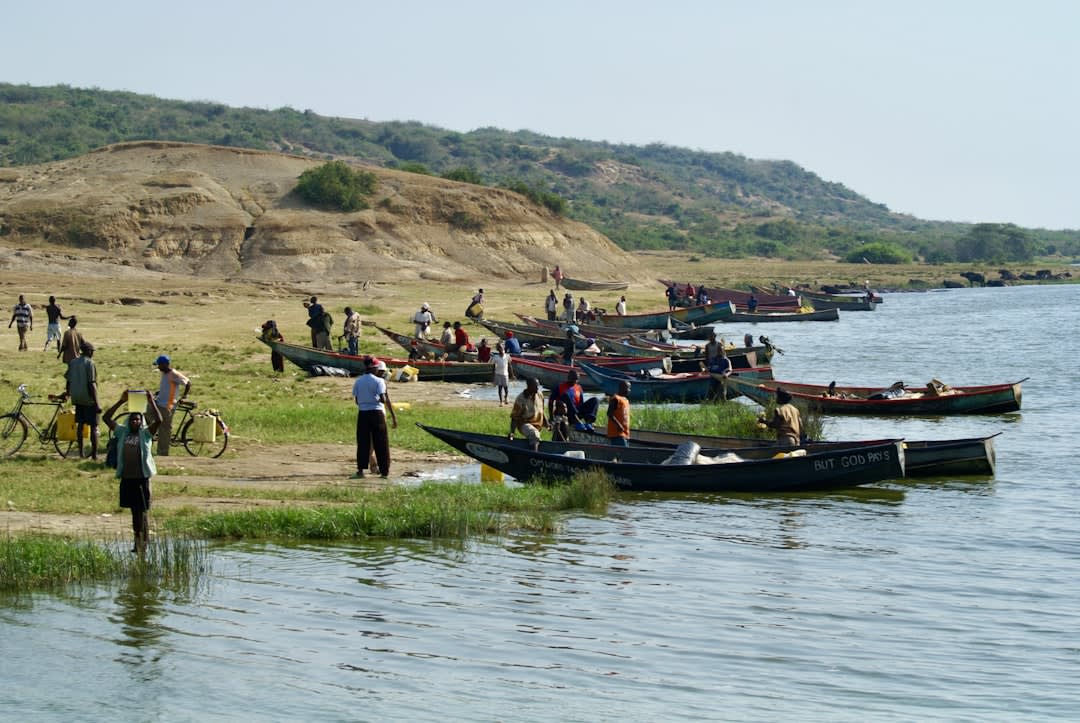
Yellow fever vaccination is required for all Canadian travellers entering Uganda aged 1 year and older. Malaria prophylaxis, typhoid, hepatitis A, and rabies vaccination are also strongly recommended depending on your itinerary and activities.
Quick Answer: What Vaccinations Do Canadian Travellers Need for Uganda?
Yellow fever vaccination is mandatory for entry to Uganda for all travellers aged 1 year and older, regardless of where you're arriving from. You must present an International Certificate of Vaccination or Prophylaxis (ICVP) at immigration.[1] The vaccine must be administered at least 10 days before travel to allow immunity to develop.[13] Malaria prophylaxis, typhoid, hepatitis A, and meningococcal vaccines are strongly recommended for all Canadian travellers.[1][2][13]
This article covers entry requirements, recommended vaccines, malaria prevention, health documents, and where to access healthcare in Uganda—based on official guidance from the CDC, Health Canada (PHAC), and Uganda's immigration authority.
Yellow Fever Vaccination: Entry Requirement & Certificate Rules
Is Yellow Fever Vaccination Required?
Yes. Uganda's government requires proof of yellow fever vaccination for all arriving travellers aged 1 year and older.[1] This is an entry requirement, not a recommendation—without a valid ICVP, you may be denied entry or required to be vaccinated at the airport.
Timing: Receive your yellow fever vaccination at least 10 days before departure. Immunity develops between 7–10 days after vaccination, so earlier is safer.[13]
Valid certificate: Your ICVP is valid for life—the World Health Organization eliminated booster requirements in 2016.[3] A single yellow fever vaccination provides lifelong protection and recognition under international health regulations.[3]
Yellow Fever Transit Rules for Canadian Travellers
If your itinerary includes a stopover in another yellow fever-endemic country before Uganda (or after), you may need a yellow fever certificate to enter that country as well. Common transit points include Kenya, Tanzania, Ethiopia, and Rwanda.[11] Check the specific requirements of any connecting countries on your itinerary—do not assume a direct Canada-Uganda flight means no other countries' rules apply.
When in doubt, carry your ICVP with you. It is the only proof of yellow fever vaccination accepted at borders worldwide.
Where to Get Yellow Fever Vaccination in Canada
Yellow fever vaccines are only administered at designated Yellow Fever Vaccination Centres in Canada. Canada's travel advice directs you to contact a designated centre well in advance of your departure.[2] These centres are authorized to issue the official ICVP. Many pharmacies and general clinics cannot provide this vaccine.
Finding a centre: Contact your provincial health authority or search Canada's network of travel clinics. Book your appointment 6–8 weeks before departure, as some vaccines (like rabies) require multiple doses over several weeks.
Recommended Vaccinations Beyond Yellow Fever
While yellow fever is the only vaccine required for entry, the CDC and Health Canada strongly recommend additional vaccinations based on your activities, length of stay, and regions visited within Uganda.
Routine Vaccinations to Confirm Before Travel
Ensure your routine vaccinations are up to date. These include:
- Tetanus-Diphtheria-Pertussis (Tdap): Booster every 10 years[13]
- Measles-Mumps-Rubella (MMR): Two doses required; confirm immunity status[13]
- Polio: Booster recommended for adults who completed primary series; Uganda has polio risk[2]
- Influenza: Annual flu vaccine recommended[13]
- Pneumococcal (PPSV23): For adults aged 65+ or with chronic conditions[13]
Review your vaccination record with a travel health provider at least 6–8 weeks before departure.
Travel-Specific Vaccinations
| Vaccine | Risk in Uganda | Recommendation | Timing |
|---|---|---|---|
| Typhoid | Present nationwide; risk from contaminated food/water | Recommended for most travellers, especially those visiting rural areas, staying with locals, or eating street food[1][13] | 2–4 weeks before travel (oral or injectable) |
| Hepatitis A | Risk from contaminated food/water; present nationwide[2] | Strongly recommended for all travellers[13] | 2 doses, 6–12 months apart; first dose before travel |
| Hepatitis B | Present in Uganda; risk via blood/body fluids[2] | Recommended for all travellers[13] | 3 doses over 6 months; start early |
| Meningococcal | Meningitis present; high risk nationwide[13] | Recommended for all travellers[13] | 2 weeks before travel (single dose) |
| Rabies (Pre-exposure) | Present in dogs, bats, and wildlife[2] | Recommended for adventure travellers, wildlife workers, those with close animal contact, and families with young children[2][13] | 3 doses over 21–28 days; start 6–8 weeks before travel |
Consult a travel health provider: Your personal risk depends on your itinerary, activities (safari, trekking, rural accommodation), length of stay, and medical history. A travel clinic can tailor recommendations to your specific trip.
Malaria: Risk Areas, Prophylaxis & Prevention
Malaria Risk in Uganda
Malaria is present throughout Uganda, including in all safari regions and major cities like Kampala.[1][2] The risk is year-round, particularly during rainy seasons (March–May and September–November). Chloroquine-resistant malaria is widespread in Uganda.[13]
Antimalarial Prophylaxis
Antimalarial medication is strongly recommended for all Canadian travellers to Uganda, regardless of duration or region.[1][13] Your travel health provider will recommend one of the following based on your medical history, allergies, and itinerary:
- Atovaquone-proguanil (Malarone): Start 1–2 days before travel; continue daily during stay and for 7 days after departure[13]
- Doxycycline: Start 1–2 days before travel; continue daily and for 4 weeks after departure[13]
- Mefloquine: Start 2–3 weeks before travel; continue weekly during stay and for 4 weeks after departure[13]
- Tafenoquine: Newer option; single pre-travel dose; confirm availability and suitability with your provider[13]
Do not self-prescribe: Obtain antimalarials by prescription only. Discuss side effects, drug interactions, and which option suits your health profile with a travel medicine specialist.
Mosquito Prevention (Essential Year-Round)
Antimalarial medication alone is not enough. Malaria is transmitted by Anopheles mosquitoes, which bite primarily at dusk and dawn. Protect yourself:
- Use insect repellent containing 20–30% DEET on exposed skin and clothing[1]
- Wear long sleeves and trousers during dawn and dusk (6 p.m.–6 a.m.)[1]
- Sleep under an insecticide-treated bed net, especially in rural or safari accommodations[1]
- Choose air-conditioned or screened accommodation where possible[1]
- Avoid outdoor activities during peak mosquito hours[1]
Other Health Risks in Uganda
Diseases Present (Information Only)
The following diseases are present in Uganda. Vaccines or prevention measures exist for some; others require awareness and precautions:[2]
- HIV: Present nationwide; practice safe behaviours[2]
- Tuberculosis (TB): Present; avoid prolonged close contact with coughing individuals[2]
- Schistosomiasis: Present in freshwater lakes and rivers; avoid swimming in untreated water[2]
- Mpox: Present in Uganda; practice hand hygiene and avoid contact with sick individuals or animals[2]
- Ebola and Marburg hemorrhagic fever: Rare but present; avoid contact with sick persons and wildlife, especially bats and primates[2]
- Pneumonic plague: Rare; avoid rodent contact[2]
For most tourists on standard safari and city itineraries, vaccination, malaria prophylaxis, and standard hygiene precautions are sufficient.
Health Documents & Travel Insurance
Documents You Must Carry
- International Certificate of Vaccination or Prophylaxis (ICVP): Original paper certificate showing yellow fever vaccination date and vaccinator's signature. Carry copies in your luggage and digitally (photo/PDF)[1][13]
- Prescription medications: Original bottles with your name and dosage clearly labelled; carry a copy of prescriptions[13]
- Vaccination record: Copies of all vaccinations received (Tdap, MMR, hepatitis, etc.) for reference[13]
- Travel health insurance certificate: See below[13]
Travel Health Insurance (Strongly Recommended)
Uganda's healthcare facilities outside Kampala are limited. Comprehensive travel health insurance is essential and should cover:
- Emergency medical evacuation to Kenya or South Africa (cost: $5,000–$50,000+ USD)[13]
- Hospital stays and treatment in Uganda[13]
- Emergency dental care[13]
- Prescription medication replacement[13]
- Trip cancellation due to illness[13]
Ensure your policy covers pre-existing conditions and adventure activities (safari, trekking) if applicable. Review exclusions carefully before departure.
Medications & What to Pack
Prescription Medications
Bring all prescription medications in original, clearly labelled containers. Carry a copy of your prescription or a letter from your doctor. Many medications available in Canada are not available in Uganda or are counterfeit. Do not rely on local pharmacies for essential medications.
Over-the-Counter Items to Pack
- Broad-spectrum antibiotic ointment (for cuts/scrapes)[13]
- Antidiarrhoeal medication (loperamide)[13]
- Antihistamine (for allergies/insect bites)[13]
- Pain reliever (acetaminophen or ibuprofen)[13]
- Antacid[13]
- Anti-nausea medication[13]
- Hydration salts (oral rehydration solution packets)[13]
- Sunscreen (SPF 50+)[13]
- Insect repellent (20–30% DEET)[13]
- Antimalarial medication (by prescription)[13]
- Any personal medications[13]
Medications sold in Uganda may be counterfeit or substandard. Bring what you need from Canada.
Healthcare Facilities & Emergency Services in Uganda
Quality of Care
Healthcare in Uganda is limited outside Kampala. Major hospitals in Kampala (such as Kampala International Hospital and Mulago National Hospital) meet basic international standards, but facilities in rural areas and smaller towns are basic.[13] Most safari lodges are located in remote areas with limited access to advanced medical care.
A question about Uganda? Ask Tembo
Emergency Evacuation
In case of serious illness or injury, medical evacuation to Kenya (Nairobi) or South Africa (Johannesburg) may be necessary. Evacuation costs $5,000–$50,000+ USD.[13] This is why travel health insurance with evacuation coverage is essential.
Contacting Canadian Assistance
The Canadian Consulate in Kampala can assist with emergency services and medical referrals:[13]
- Address: Jubilee Insurance Centre, 14 Parliament Avenue, Kampala, Uganda
- Telephone: +256 414 258-141 / +256 414 348-141 / +256 312 260-511
Register with Global Affairs Canada's travel advice for Uganda before departure to receive updates and emergency assistance.
Pharmacy Standards
Pharmacies in Kampala are generally reliable, but counterfeit medications are common in Uganda. Do not purchase medications without a prescription. Use pharmacies in established hotels or hospitals when possible.
Water, Food & Hygiene
Drinking Water
Tap water in Kampala is treated but not always safe for visitors. In rural areas and safari lodges, tap water is not potable.[13] Drink only:
- Bottled water (sealed, purchased from reputable shops)[13]
- Boiled water[13]
- Water purified with iodine or chlorine tablets[13]
- Purified water from a portable water filter[13]
Food Safety
Typhoid and hepatitis A are foodborne diseases present in Uganda. Reduce risk by:[13]
- Eating thoroughly cooked food served hot[13]
- Avoiding raw vegetables and unpeeled fruits[13]
- Avoiding street food and unpasteurized dairy[13]
- Eating only at established restaurants and safari lodges[13]
Hygiene & Sanitation
- Wash hands frequently with soap and clean water, especially before eating and after the toilet[13]
- Carry hand sanitizer (60% alcohol minimum) for situations where soap is unavailable[13]
- Use toilet facilities in lodges and established venues; avoid open defecation areas[13]
Before You Travel: Pre-Trip Health Checklist
- 6–8 weeks before: Book appointment at a designated Yellow Fever Vaccination Centre; consult travel health provider[13]
- 6 weeks before: Begin vaccinations requiring multiple doses (hepatitis B, rabies, typhoid)[13]
- 4 weeks before: Obtain antimalarial prescription; finalize vaccination schedule[13]
- 2 weeks before: Receive final vaccinations (meningococcal, any outstanding doses)[13]
- 10 days before: Receive yellow fever vaccination; begin antimalarial prophylaxis (1–2 days before travel, depending on medication)[13]
- Before departure: Obtain travel health insurance; confirm ICVP and all vaccination records are complete; pack medications and health supplies[13]
- At departure: Carry original ICVP, vaccination records, prescriptions, and travel insurance documents in a waterproof pouch[13]
Visa & Passport Requirements (Related to Travel)
While not a health requirement, your passport and visa are essential for entry. Canadian citizens require a visa to enter Uganda, which must be obtained online before travel. Your passport must be valid for at least 6 months beyond your expected departure date.[2] Ensure your travel documents are in order alongside your health preparations.
Planning Your Uganda Safari with Health in Mind
Uganda is a spectacular safari destination, home to mountain gorillas, tree-climbing lions, and pristine national parks. With proper vaccinations, malaria prophylaxis, and health precautions, Canadian travellers can safely enjoy Uganda's wildlife and landscapes. Start health preparations 6–8 weeks before your trip, and consult a travel medicine specialist to tailor recommendations to your specific itinerary.
Last checked July 2026 — always confirm with official sources before travelling. Requirements and health risks change; verify yellow fever entry requirements and malaria risk with the CDC, Health Canada, or your travel health provider immediately before departure.
Frequently Asked Questions
Do Canadian citizens need a yellow fever vaccination to enter Uganda?
Yes. Yellow fever vaccination is required for all Canadian travellers aged 1 year and older entering Uganda.[1] You must present an International Certificate of Vaccination or Prophylaxis (ICVP) at immigration. Receive the vaccine at least 10 days before travel at a designated Yellow Fever Vaccination Centre in Canada.[13]
How long is a yellow fever vaccination certificate valid for Uganda?
A yellow fever vaccination certificate is valid for life. The World Health Organization eliminated booster requirements in 2016, so a single yellow fever vaccination provides lifelong protection and recognition under international health regulations.[3]
What if I'm transiting through another country before Uganda? Do I need a yellow fever certificate?
If your itinerary includes a stopover in a yellow fever-endemic country (such as Kenya, Tanzania, Ethiopia, or Rwanda) before or after Uganda, you may need a yellow fever certificate for that country as well. Check the specific requirements of any connecting countries and always carry your ICVP.[11]
Is malaria prophylaxis recommended for all Canadian travellers to Uganda?
Yes. Malaria is present throughout Uganda, including in all safari regions and major cities. Antimalarial medication is strongly recommended for all Canadian travellers, regardless of duration or region.[1][13] Your travel health provider will prescribe an appropriate antimalarial based on your medical history.
What antimalarial medications are recommended for Uganda?
Common options include atovaquone-proguanil (Malarone), doxycycline, mefloquine, and tafenoquine.[13] Chloroquine-resistant malaria is present in Uganda, so chloroquine alone is not effective.[13] Your travel health provider will recommend the best option based on your health profile and itinerary.
Which vaccinations are recommended (but not required) for Uganda?
The CDC and Health Canada recommend typhoid, hepatitis A, hepatitis B, meningococcal, and rabies (pre-exposure) vaccinations for most Canadian travellers to Uganda.[1][2][13] Typhoid and hepatitis A are especially important if visiting rural areas or eating street food. Rabies is recommended for adventure travellers, families with young children, and those with close animal contact.
How early should I book a yellow fever vaccination appointment?
Book your appointment at a designated Yellow Fever Vaccination Centre at least 6–8 weeks before departure.[13] Yellow fever vaccines are only administered at designated centres, and appointments can fill up quickly. Receive the vaccine at least 10 days before travel to allow immunity to develop.
Is travel health insurance necessary for a trip to Uganda?
Yes. Comprehensive travel health insurance is strongly recommended and should cover emergency medical evacuation (cost: $5,000–$50,000+ USD), hospital stays, and emergency dental care.[13] Healthcare facilities are limited outside Kampala, and serious illness may require evacuation to Kenya or South Africa.
What should I pack for health and safety in Uganda?
Pack all prescription medications in original containers, antimalarial medication, insect repellent (20–30% DEET), sunscreen (SPF 50+), antihistamines, antidiarrhoeal medication, oral rehydration salts, and a first-aid kit.[13] Bring medications from Canada, as counterfeit drugs are common in Uganda.
Is tap water safe to drink in Uganda?
Tap water in Kampala is treated but not always safe for visitors. In rural areas and safari lodges, tap water is not potable.[13] Drink only bottled water (sealed), boiled water, or water purified with iodine tablets or a portable filter.
What is the Canadian Consulate contact information in Uganda for health emergencies?
The Canadian Consulate in Kampala can assist with emergency services and medical referrals. Address: Jubilee Insurance Centre, 14 Parliament Avenue, Kampala, Uganda. Telephone: +256 414 258-141 / +256 414 348-141 / +256 312 260-511.[13]
How far in advance should I consult a travel health provider for Uganda?
Consult a travel health provider 6–8 weeks before departure.[13] This allows time for multiple-dose vaccinations (hepatitis B, rabies), yellow fever vaccination (10 days before travel), and antimalarial prescription. Early consultation ensures you receive tailored recommendations based on your itinerary and health profile.
Trips that match this guide