Ask Tembo
Vaccinations & Health Rules for Tanzania: Austrian Citizens 2026
Austrian citizens travelling to Tanzania do not need a yellow fever certificate if arriving directly from Austria, but must present one if transiting through yellow fever-endemic countries for over 12 hours. Malaria prophylaxis, typhoid, and hepatitis A vaccination are strongly recommended for all regions below 1,800 metres.
Quick Answer: Vaccination & Health Requirements for Austrian Travellers to Tanzania
Austrian citizens travelling directly from Austria to Tanzania do not require a yellow fever vaccination certificate for entry. However, if your journey includes a stopover in a yellow fever-endemic country (such as Ethiopia, Uganda, Kenya, or other sub-Saharan African nations) for more than 12 hours, you must present a valid yellow fever International Certificate of Vaccination or Prophylaxis (ICVP) to enter Tanzania, even if you did not leave the airport during your layover.[1][3]
While yellow fever vaccination is not mandatory for direct travellers from Austria, malaria prophylaxis is strongly recommended for all regions of Tanzania below 1,800 metres, and typhoid and hepatitis A vaccination are advised for most travellers.[2] Tanzania introduced enhanced health screening measures on 19 May 2026 for arrivals from the Democratic Republic of Congo and Uganda due to Ebola concerns; all passengers from these countries must complete an online health declaration form in advance.[7]
Yellow Fever Certificate Requirements
Do You Need a Yellow Fever Certificate?
Direct travel from Austria: No certificate is required.[1][2] Austria is not classified as a country with yellow fever transmission risk, so Austrian citizens arriving directly in Tanzania do not need proof of yellow fever vaccination.
Travel via yellow fever-endemic countries: If your itinerary includes a stopover or transit through a yellow fever-risk country for more than 12 hours, you must present a valid yellow fever ICVP certificate to enter Tanzania.[1][3] This applies even if you remain in the airport during your stopover. Common transit points that trigger this requirement include:
- Addis Ababa, Ethiopia
- Kampala, Uganda
- Nairobi, Kenya
- Dar es Salaam, Tanzania (if connecting to another destination)
Transit exemptions: If you transit through a yellow fever-risk country but remain airside (do not pass through immigration or leave the transit area) for 12 hours or less, a yellow fever certificate is not required.[3]
Yellow Fever Vaccination Timing
If you require a yellow fever certificate, the vaccination must be administered at least 10 days before your arrival in Tanzania for it to be valid for entry.[1] The certificate is valid for life under current International Health Regulations (as of 2016); boosters are not required.[3]
Medical Exemptions
If your doctor has advised against yellow fever vaccination due to a medical condition (such as egg allergy, severe immunocompromise, or age over 60 years), you can travel to Tanzania with a written medical waiver letter from your physician. Present this letter to the border immigration officer at entry.[4] Children under 1 year of age are also exempt from the requirement.[2]
Zanzibar Special Requirements
If you are travelling to Zanzibar, you must purchase local travel insurance from the state-owned Zanzibar Insurance Corporation before arrival. This insurance costs approximately USD 44 and is valid for 92 days; it is required in addition to any personal travel insurance you may hold.[7]
Recommended Vaccinations for Tanzania
While yellow fever is not mandatory for direct travellers from Austria, the Austrian Federal Ministry for European and International Affairs and the CDC recommend several other vaccinations for Tanzania. Consult your doctor or travel clinic 4–6 weeks before departure to allow time for multiple-dose vaccines to take effect.[4]
Highly Recommended Vaccinations
| Vaccine | Recommendation | Timing | Notes |
|---|---|---|---|
| Typhoid | Recommended for most travellers, especially those staying with friends/relatives or visiting rural areas | At least 2 weeks before departure | Two formulations available: injection (single dose) or oral (3 doses over 1 week) |
| Hepatitis A | Recommended for all travellers | At least 2 weeks before first dose | Two doses required, 6–12 months apart; immunity begins 2 weeks after first dose |
| Hepatitis B | Recommended for all travellers; especially if medical care may be needed | Series of 3 doses over 6 months (standard) or 4 doses over 1 month (accelerated) | Complete series provides long-term immunity |
| Measles, Mumps, Rubella (MMR) | Ensure up to date; cases rising globally | At least 2 weeks before departure | Two doses required for immunity; verify status with your doctor |
| Routine Vaccinations | Ensure up to date: tetanus, diphtheria, polio | Confirm status with your doctor | Booster doses may be needed depending on age and last vaccination |
Vaccinations to Consider
Rabies: Consider if you plan extended travel, work with animals, or visit remote areas where post-exposure prophylaxis may not be readily available.[4]
Meningitis: May be recommended depending on season and planned activities.[4]
Japanese Encephalitis: Not recommended for most short-term travellers or those visiting only urban areas.[2]
Malaria: Risk, Prophylaxis & Prevention
Malaria Risk in Tanzania
Malaria risk, predominantly due to Plasmodium falciparum, exists throughout the year in the entire country below 1,800 metres elevation.[2][3] This includes all popular safari regions and Zanzibar. There is minimal risk in highland areas above 1,800 metres, though malaria can still occur in lower-elevation towns and rural areas.
Malaria Prophylaxis: Which Drug?
The CDC recommends malaria prophylaxis for all regions of Tanzania below 1,800 metres. Your doctor will recommend one of the following based on your medical history, drug allergies, and travel itinerary:[2]
- Atovaquone-proguanil (Malarone) — Start 1–2 days before arrival, continue daily during stay, continue for 7 days after departure
- Doxycycline — Start 1–2 days before arrival, continue daily, continue for 4 weeks after departure (take with full glass of water, avoid dairy products within 2 hours)
- Mefloquine (Lariam) — Start 2–3 weeks before arrival, continue weekly during stay, continue for 4 weeks after departure
- Tafenoquine — Single-dose option; requires G6PD (glucose-6-phosphate-dehydrogenase) deficiency testing before prescription due to risk of haemolysis
Discuss side effects, contraindications, and which drug suits your individual health profile with your travel medicine doctor or pharmacist at least 4–6 weeks before departure.
Malaria Prevention: Non-Drug Measures
Combine prophylaxis with these proven prevention strategies:
- Insect repellent: Use DEET-based repellent (20–30%) on exposed skin and clothing
- Protective clothing: Wear long sleeves, long trousers, and closed-toe shoes, especially at dawn and dusk when mosquitoes are most active
- Bed nets: Sleep under an insecticide-treated mosquito net if air conditioning is unavailable
- Accommodation: Stay in screened or air-conditioned rooms where possible
- Avoid stagnant water: Mosquitoes breed in standing water; avoid areas with poor drainage
Health Documents & Insurance Requirements
Travel Insurance (Mandatory for Zanzibar)
From October 1, 2025, all travellers entering Zanzibar must purchase local travel insurance from the state-owned Zanzibar Insurance Corporation before arrival. The policy costs approximately USD 44 and covers 92 days.[7] This is a mandatory entry requirement separate from personal travel insurance.
The Austrian Federal Ministry for European and International Affairs recommends that all travellers to Tanzania obtain comprehensive travel insurance that covers medical evacuation, as most healthcare providers overseas accept only cash payments.[7]
Health Declaration Form (Ebola Screening)
As of 19 May 2026, Tanzania requires all passengers arriving from or transiting through the Democratic Republic of Congo and Uganda to complete an online health declaration form before arrival.[7] Health screening and temperature checks are conducted at airports, land borders, and ports. Failure to complete the form may result in denial of entry.
Passport & Visa Validity
Your passport must be valid for at least 6 months from your date of arrival in Tanzania.[7] Austrian citizens do not require a visa for Tanzania if staying up to 90 days, but you must carry proof of onward travel (return flight or onward ticket) and sufficient funds for your stay.
Medications: What You Can & Cannot Bring
Permitted Medications
You may bring personal prescription and over-the-counter medications to Tanzania if they are:
- In original, labelled containers with your name and the prescriber's details
- For personal use only
- Accompanied by a copy of your prescription or doctor's letter (especially for controlled substances)
Keep medications in your carry-on luggage during flights, not checked baggage.
Restricted & Prohibited Medications
Tanzania restricts entry of certain medications. Avoid bringing:
- Large quantities of any medication (more than personal supply)
- Medications containing codeine, tramadol, or other opioids without a doctor's letter
- Psychotropic or controlled substances without explicit permission
If you require prescription medications that may be restricted, obtain a letter from your doctor in English and carry it at all times. Customs officers may request it.
A question about Tanzania? Ask Tembo
Recommended Medical Kit for Tanzania
Pack a small medical kit containing:
- Antimalarial prophylaxis tablets (as prescribed)
- Antihistamine (for insect bites and allergic reactions)
- Antidiarrhoeal medication (loperamide)
- Broad-spectrum antibiotic (e.g., amoxicillin, if prescribed)
- Paracetamol and ibuprofen
- Antacid or H2-blocker
- Sunscreen (SPF 30+) and lip balm
- DEET-based insect repellent
- Blister plasters and antiseptic cream
- Tweezers (for splinters) and thermometer
- Any personal prescription medications
Health Facilities & Emergency Care in Tanzania
Quality of Healthcare
Healthcare quality in Tanzania varies widely. Major cities such as Dar es Salaam and Arusha have private hospitals and clinics that meet international standards, but rural areas and national parks have limited facilities. Most private providers accept cash payment only; credit cards are rarely accepted.
Emergency Contacts
In case of medical emergency:
- Ambulance/Police: Dial 112 (nationwide emergency number)
- Tourist Police: +255 22 211 5148 (Dar es Salaam)
- Austrian Embassy in Tanzania: Contact details available via the Austrian Federal Ministry for European and International Affairs
Recommended Hospitals in Major Cities
Dar es Salaam: Aga Khan Hospital, Muhimbili National Hospital of Reference
Arusha: Arusha Lutheran Medical Centre, Nairobi Hospital (Kenya, 4–5 hours away)
Verify current contact details and whether your travel insurance is accepted before departure.
Pre-Departure Health Checklist for Austrian Travellers
- Schedule a travel health appointment with your doctor or travel clinic 4–6 weeks before departure
- Verify that routine vaccinations (MMR, tetanus, diphtheria, polio) are up to date
- Obtain yellow fever vaccination only if your itinerary includes transit through a yellow fever-endemic country for over 12 hours
- Arrange malaria prophylaxis prescription for all areas below 1,800 metres
- Obtain typhoid and hepatitis A vaccination
- Purchase comprehensive travel insurance that covers medical evacuation
- For Zanzibar travel, purchase mandatory local insurance from Zanzibar Insurance Corporation (USD 44)
- If arriving from Democratic Republic of Congo or Uganda, complete online health declaration form
- Ensure passport is valid for at least 6 months from arrival date
- Carry copies of prescriptions and a doctor's letter for any restricted medications
- Pack a medical kit with antimalarial prophylaxis, insect repellent, and basic first-aid supplies
- Download contact details for Austrian Embassy and recommended hospitals in Dar es Salaam and Arusha
Health Considerations for Tanzania Safari Travel
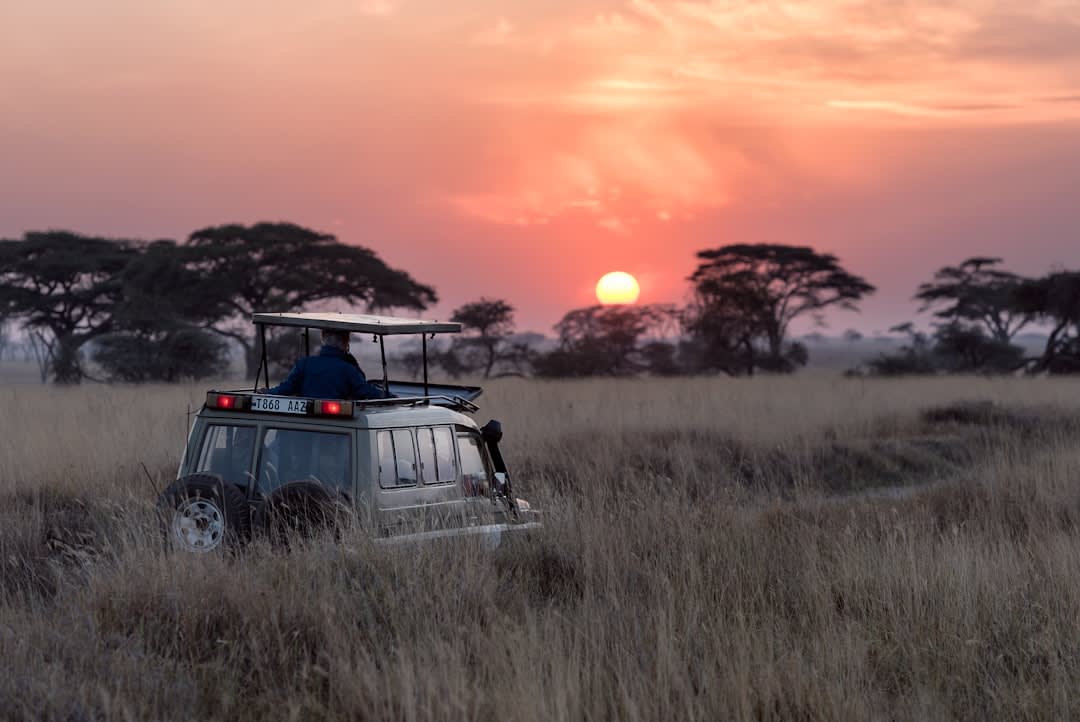
If you are planning a safari to the Serengeti, Ngorongoro, or Tarangire, be aware that these regions are all below 1,800 metres and carry malaria risk year-round. Many safari lodges provide mosquito nets and screens, but malaria prophylaxis is essential. Remote safari camps may have limited medical facilities; ensure your travel insurance covers medical evacuation to Dar es Salaam or Nairobi.
When choosing a safari operator, confirm that they have communication capabilities (satellite phone or radio) and a protocol for medical emergencies. Safari packages on SafariFind often include information about lodge facilities and nearest medical centres.
Frequently Asked Questions
FAQs will be inserted here from the faqs array.
Last checked July 2026 — always confirm with official sources before travelling. Vaccination requirements and health regulations change; verify current rules with the Austrian Federal Ministry for European and International Affairs (BMEIA), the Tanzanian Ministry of Health, or your travel clinic before departure. This article is informational only and does not constitute medical or legal advice.
Frequently Asked Questions
Do Austrian citizens need a yellow fever vaccination certificate to enter Tanzania?
No, if you are travelling directly from Austria. Austria is not classified as a yellow fever-endemic country, so Austrian citizens arriving directly in Tanzania do not require proof of yellow fever vaccination. However, if your journey includes transit through a yellow fever-risk country (such as Ethiopia, Uganda, or Kenya) for more than 12 hours, you must present a valid yellow fever ICVP certificate at entry, even if you remain in the airport during your stopover.
What vaccinations are recommended for Austrian travellers to Tanzania?
Typhoid and hepatitis A vaccination are recommended for most travellers; ensure routine vaccinations (MMR, tetanus, diphtheria, polio) are up to date. Yellow fever vaccination is not mandatory for direct travellers from Austria but is required if you transit through yellow fever-endemic countries for over 12 hours. Consult your doctor 4–6 weeks before departure to confirm which vaccinations suit your individual itinerary and health profile.
Is malaria prophylaxis required for Tanzania?
Malaria prophylaxis is strongly recommended for all regions of Tanzania below 1,800 metres, which includes all major safari areas and Zanzibar. Malaria risk exists year-round due to Plasmodium falciparum. Your doctor will prescribe one of several options (atovaquone-proguanil, doxycycline, mefloquine, or tafenoquine) based on your medical history and itinerary. Begin prophylaxis 1–2 days before arrival and continue as directed after departure.
Do I need travel insurance for Tanzania?
Comprehensive travel insurance is strongly recommended and should cover medical evacuation. Importantly, if you are travelling to Zanzibar, you must purchase mandatory local travel insurance from the Zanzibar Insurance Corporation (approximately USD 44 for 92 days) before arrival—this is a separate requirement from personal travel insurance. Most healthcare providers in Tanzania accept cash only.
What is the online health declaration form for Ebola screening?
As of 19 May 2026, Tanzania requires all passengers arriving from or transiting through the Democratic Republic of Congo and Uganda to complete an online health declaration form before arrival due to Ebola concerns. Health screening and temperature checks are conducted at airports, land borders, and ports. Failure to complete the form may result in denial of entry.
How long before travel should I get vaccinated?
Schedule a travel health appointment 4–6 weeks before departure. Some vaccines require multiple doses (e.g., hepatitis A requires 2 doses, 6–12 months apart) or take time to become effective. Yellow fever vaccination must be administered at least 10 days before arrival to be valid for entry. Consult your doctor or travel clinic early to allow sufficient time for vaccine series completion.
Can I bring my prescription medications to Tanzania?
Yes, you may bring personal prescription and over-the-counter medications in original, labelled containers for personal use. Carry a copy of your prescription or a doctor's letter, especially for controlled substances or medications that may be restricted (such as those containing codeine or opioids). Keep medications in your carry-on luggage during flights. Confirm with your doctor whether any of your medications may be restricted in Tanzania.
What should I do if I have a medical emergency in Tanzania?
Call 112 (nationwide emergency number) or contact the tourist police at +255 22 211 5148 in Dar es Salaam. Major cities have private hospitals meeting international standards (e.g., Aga Khan Hospital in Dar es Salaam), but rural safari areas have limited facilities. Ensure your travel insurance covers medical evacuation to Dar es Salaam or Nairobi. Download contact details for hospitals and the Austrian Embassy before departure.
Is a yellow fever medical waiver letter accepted in Tanzania?
Yes. If your doctor has advised against yellow fever vaccination due to medical contraindications (such as severe egg allergy, immunocompromise, or age over 60 years), you can travel with a written medical waiver letter from your physician. Present this letter to the border immigration officer at entry. Children under 1 year of age are also exempt from the yellow fever requirement.
What is the minimum passport validity for Tanzania entry?
Your passport must be valid for at least 6 months from your date of arrival in Tanzania. Austrian citizens do not require a visa for stays up to 90 days, but you must carry proof of onward travel (return flight ticket) and sufficient funds for your stay to satisfy entry requirements.
Are there any health risks in Zanzibar I should know about?
Zanzibar has malaria risk year-round below 1,800 metres, so malaria prophylaxis is essential. Additionally, as of October 2025, you must purchase mandatory local travel insurance from the Zanzibar Insurance Corporation (approximately USD 44 for 92 days) before arrival—this is a separate entry requirement. Healthcare facilities in Zanzibar are limited; ensure your travel insurance covers evacuation to Dar es Salaam.
How can I prevent malaria while on safari in Tanzania?
Use prescribed malaria prophylaxis (atovaquone-proguanil, doxycycline, mefloquine, or tafenoquine) and combine with non-drug measures: use DEET-based insect repellent (20–30%) on exposed skin, wear long sleeves and trousers at dawn and dusk, sleep under insecticide-treated mosquito nets, and stay in screened or air-conditioned accommodation. Many safari lodges provide nets and screens, but malaria risk exists year-round in all safari regions below 1,800 metres.
Trips that match this guide