Uganda Safari in December–February 2026: Dry Season Wildlife
Uganda safaris December–February offer dry season wildlife viewing, gorilla trekking, and lower prices. Book verified operators on SafariFind for 7-day packages from $2,500.
Great Zimbabwe Tours 2027: Entry Fees and Package Costs
Discover Great Zimbabwe Tours 2027: Entry Fees and Package Costs - Expert guide to safari tourism and wildlife destinations.
5 min read
Uganda Safari December–February: Dry Season
Last updated: July 2026
Uganda safaris in December through February offer perfect dry season conditions for wildlife viewing and gorilla trekking. Expect clear skies, accessible trails, and lower prices than peak season. A 7-day Uganda safari costs $2,500–$4,500 per person during these months. Book through verified operators on SafariFind to compare packages and read authentic reviews.
At a Glance
Best time to visit: December to February (dry season)
Cost: $2,500–$4,500 per person for 7 days
Duration: 7–10 days recommended
Best for: Gorilla trekking, game drives, birdwatching
Uganda safaris in December–February represent the second dry season when weather conditions favor wildlife exploration and hiking. December to February is an excellent time for a Uganda safari, with dry conditions making it ideal for exploring the country's breathtaking landscapes and diverse wildlife [1]. The dry season brings clear skies, lower humidity, and reduced rainfall, which means better visibility for spotting animals and easier access to trekking trails.
During these three months, Uganda's diverse ecosystems reveal their beauty. The country spans savanna, wetland, and forest habitats across parks like Queen Elizabeth, Murchison Falls, and Kidepo Valley [3]. Gorilla trekking in Bwindi Impenetrable Forest is the highlight, offering a once-in-a-lifetime experience with mountain gorillas in their natural habitat.
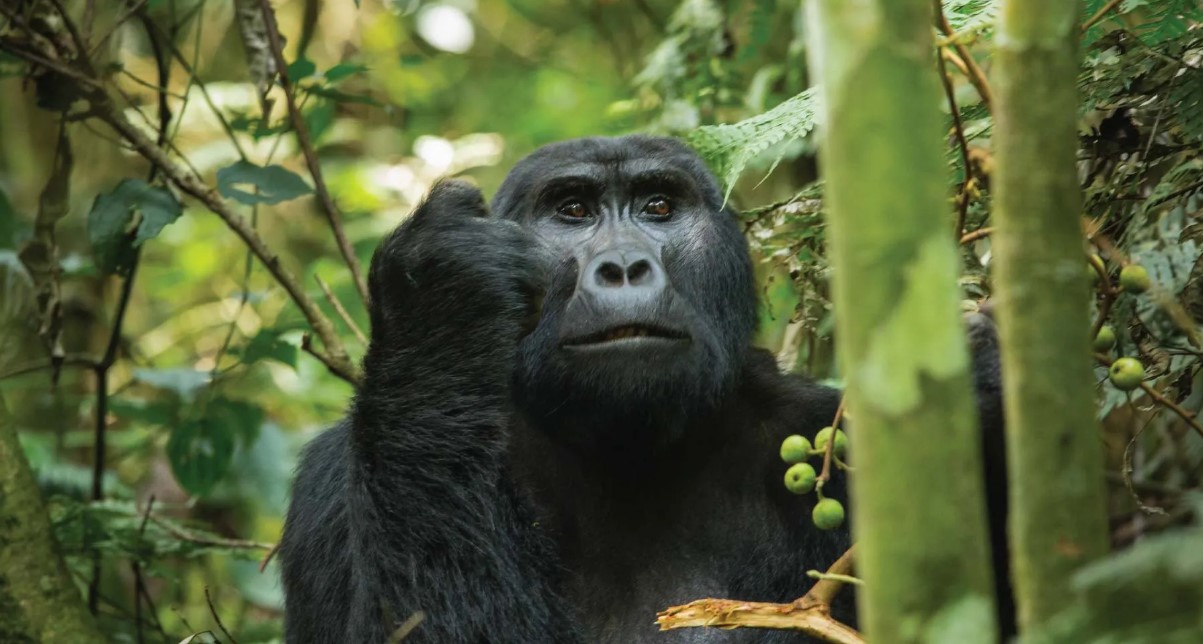
The dry seasons from June to August and December to February are ideal for your mountain gorilla safari [7]. This is when the trails in Bwindi are less muddy, and the weather conditions are most favorable for trekking. Your guides can move faster through the forest, and you'll enjoy clearer views of these magnificent primates.
February is particularly special for primate treks in Uganda [8]. The drier weather means that the trekking trails are much less slippery, which can be treacherous due to the steepness of the mountains. Combined with December and January, February completes a three-month window of optimal conditions.
Uganda's equatorial climate allows year-round safaris, but timing enhances specific experiences [5]. The dry season from December to February offers the best conditions for game viewing and gorilla trekking. This period coincides with the Northern Hemisphere winter, making it an excellent escape from cold weather.
December to February brings consistent dry conditions across Uganda. Rainfall is minimal, and days are typically sunny with comfortable temperatures ranging from 15–25°C (59–77°F). Clear skies mean excellent photography conditions and unobstructed views of wildlife.
Early mornings are cool and crisp, perfect for game drives when animals are most active. Afternoon temperatures warm up pleasantly without becoming too hot. Nights can be chilly, especially at higher elevations, so pack layers for comfort during evening drives.
Excellent Gorilla Trekking Conditions
Bwindi Impenetrable Forest becomes significantly more accessible during the dry season. Trails dry out, reducing the risk of slipping on muddy slopes. Visibility improves, allowing guides to spot gorillas more easily and safely guide you to these incredible primates.
The best time for wildlife safaris in Uganda is during the two dry seasons: December to February and June to September [6]. These periods offer the best conditions for game viewing and gorilla trekking. Success rates for gorilla sightings are highest during these months, with experienced guides locating family groups reliably.
Lower Prices Than Peak Season
December through February offers better value than the June–September peak season. Fewer international tourists visit during Northern Hemisphere winter, which means lower accommodation and package prices. You'll enjoy more personalized service with smaller guide groups and less crowding at popular viewpoints.
Package prices typically range from $2,500–$4,500 per person for 7 days, compared to $3,500–$5,500 during peak season. This price advantage makes Uganda safaris more accessible while maintaining excellent quality experiences.
Abundant Wildlife Visibility
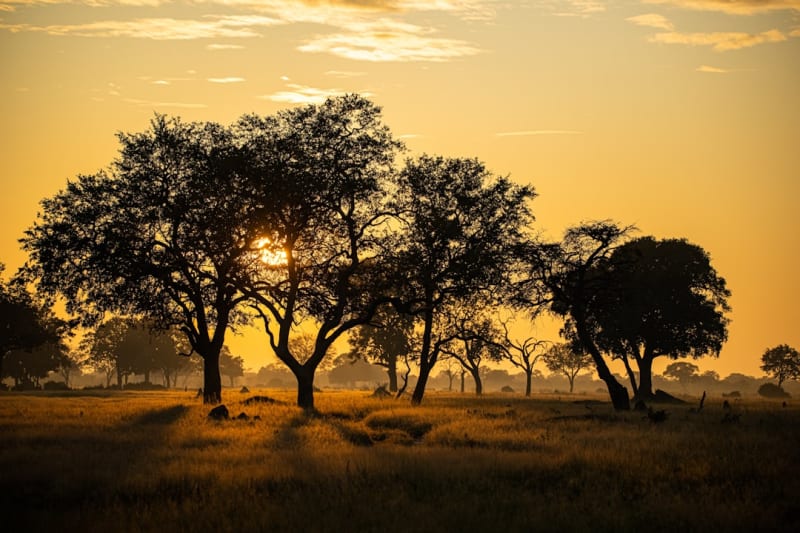
Dry conditions concentrate wildlife around remaining water sources. Animals gather at rivers, waterholes, and lakes, making them easier to spot on game drives. Vegetation is less dense after the dry season, providing clearer sightlines across savannas and grasslands.
Queen Elizabeth National Park becomes particularly rewarding during this period. You'll see elephants, buffalo, lions, antelopes, and numerous bird species. Murchison Falls National Park's Nile River attracts hippos and crocodiles, especially during morning and evening cruises.
Bwindi Impenetrable Forest is Uganda's most famous gorilla trekking destination. This ancient forest spans 32,000 hectares and is home to nearly 400 mountain gorillas—about half the world's remaining population. December to February offers peak conditions for tracking these endangered primates through the forest.
Gorilla permits cost $700 per person and allow one-hour visits with family groups. Early morning treks (5:00–6:00 AM starts) increase your chances of encountering gorillas while they're actively feeding. The trek duration varies from 1–8 hours depending on gorilla location, but dry season conditions make these hikes safer and more manageable.
Accommodation near Bwindi ranges from budget lodges ($50–$100 per night) to luxury eco-lodges ($300–$500 per night). Most safari packages include gorilla permits, guides, and accommodation, simplifying your planning.
Queen Elizabeth National Park
Queen Elizabeth National Park covers 1,978 square kilometers and showcases Uganda's diverse ecosystems. The park features savanna, wetlands, and forests that support lions, elephants, buffalo, antelopes, hippos, and over 600 bird species. December through February offers excellent game viewing conditions.
Game drives typically occur in early morning (6:00–10:00 AM) and late afternoon (3:30–7:00 PM) when animals are most active. Nile River cruises provide opportunities to see hippos, crocodiles, and waterbirds up close. The Kazinga Channel, connecting two lakes, is particularly rewarding for wildlife observation.
Queen Elizabeth is also famous for tree-climbing lions—a unique behavior where lions rest in acacia trees during hot days. December–February's cooler temperatures mean lions are more active on the ground, but tree sightings still occur regularly.
Murchison Falls National Park
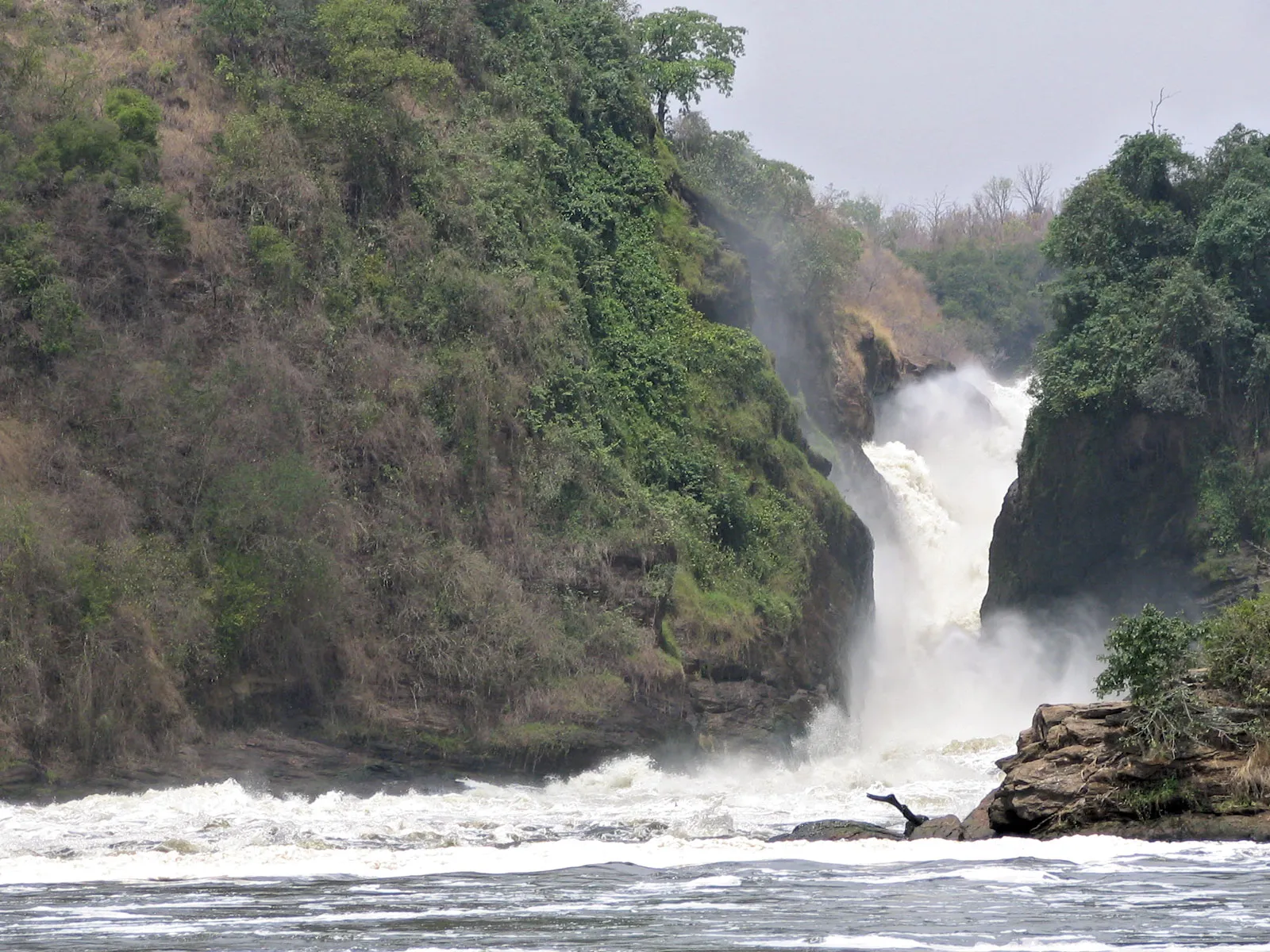
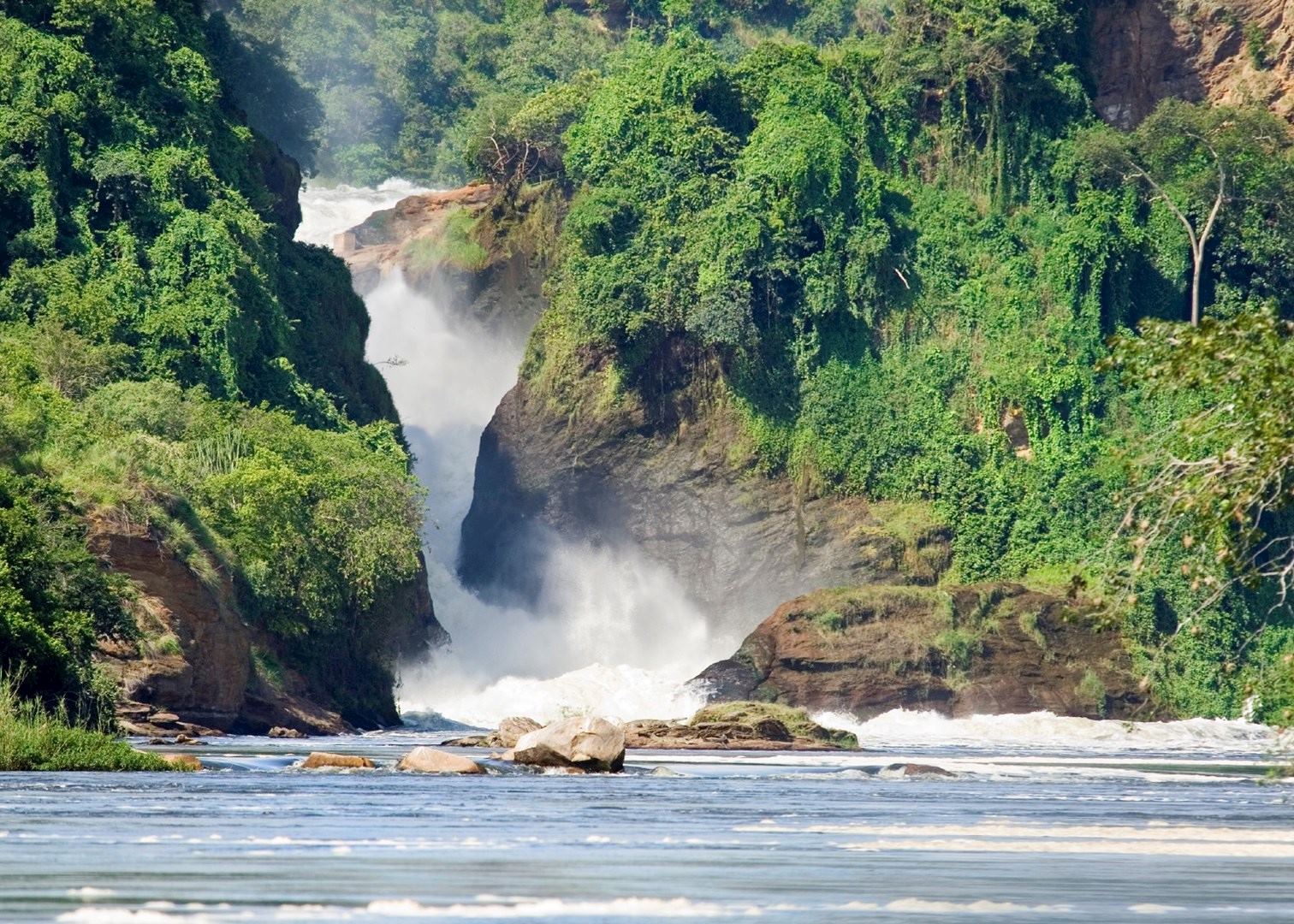
Murchison Falls National Park is Uganda's largest protected area, covering 3,840 square kilometers. The park features dramatic waterfalls where the Nile River plunges through a 7-meter-wide gorge, creating a spectacular natural wonder.
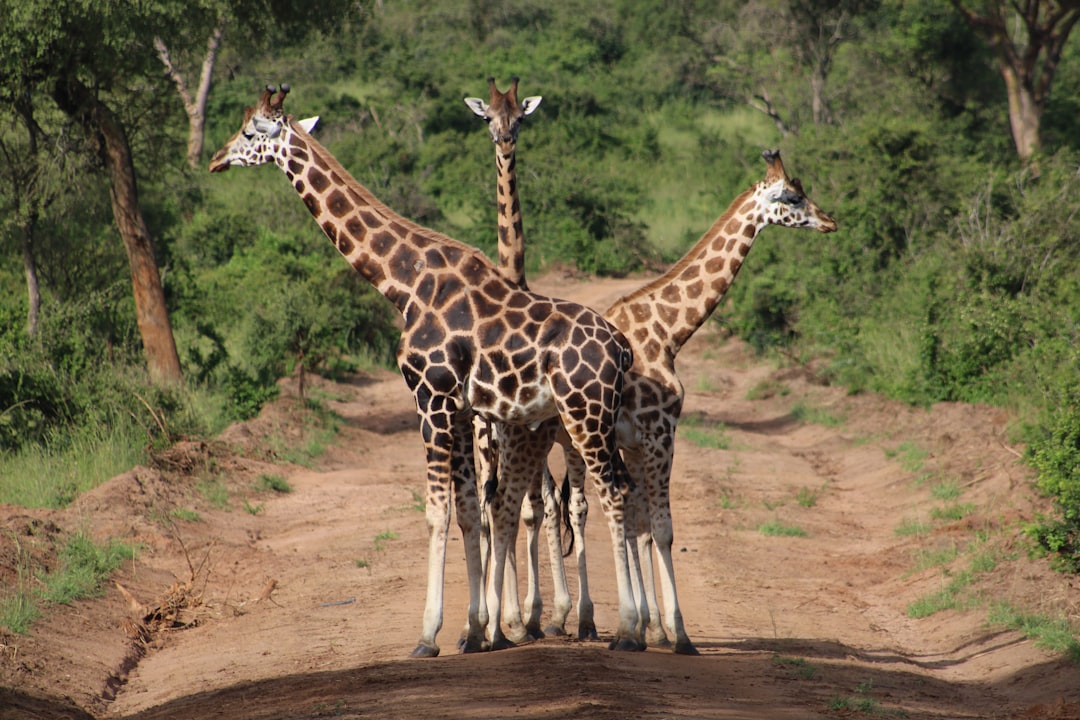
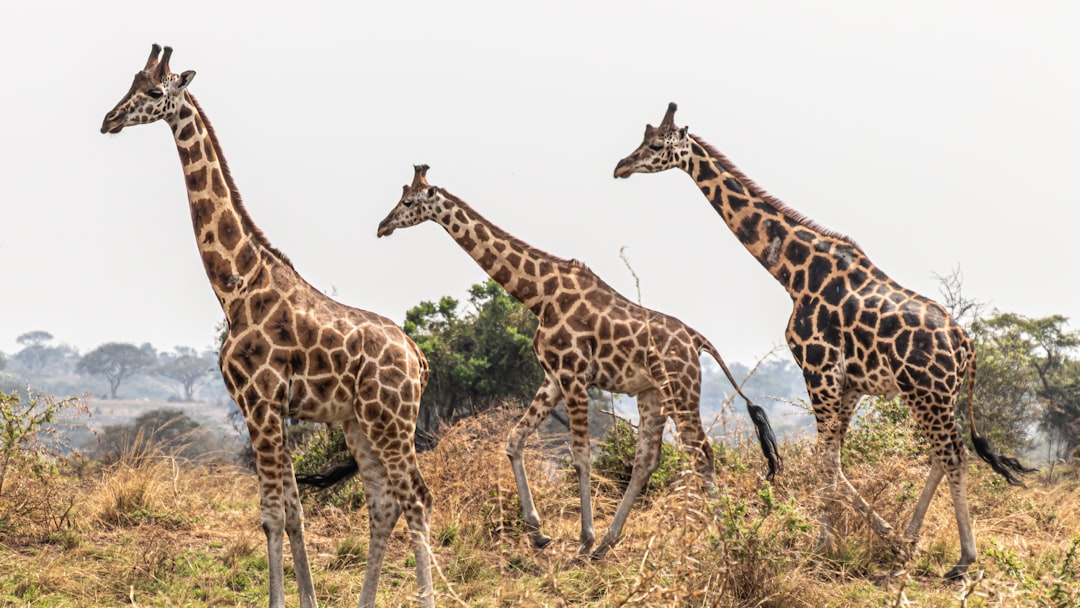
Wildlife includes elephants, buffalo, giraffes, lions, and hippos across savannas and woodlands. Nile River boat cruises (bottom of falls and top of falls) provide excellent opportunities for seeing hippos, crocodiles, and waterbirds. Game drives explore the park's northern and southern sectors, each offering distinct wildlife viewing.
Dry season conditions make river crossings safer and game drives more comfortable. December through February is ideal for photographing the Nile River and its abundant wildlife.
Kidepo Valley National Park
Kidepo Valley National Park is Uganda's most remote and least visited park, offering authentic wilderness experiences. Located in northeastern Uganda near the South Sudan border, Kidepo covers 1,442 square kilometers of pristine savanna, mountains, and valleys.
Wildlife includes lions, leopards, cheetahs, African wild dogs, giraffes, zebras, and over 475 bird species. The park's remoteness means fewer tourists and more exclusive wildlife encounters. December through February's dry conditions make game drives productive and comfortable.
Reaching Kidepo requires a 2-hour flight from Kampala to Apoka airstrip, but the effort rewards you with one of Africa's most unspoiled safari experiences.
Book your Uganda safari 3–6 months in advance for December–February travel. Gorilla permits in Bwindi are limited to 80 permits daily, and these often sell out during peak dry season. Early booking ensures availability and sometimes offers discounts of 10–15%.
A 7-day Uganda safari typically costs $2,500–$4,500 per person, including accommodation, meals, guides, park fees, and game drives. Gorilla permits ($700 per person) are usually added separately or included in premium packages. Budget safaris use mid-range lodges and shared vehicles, while luxury packages feature private vehicles and high-end accommodations.
Additional costs to consider include international flights ($800–$1,500 from North America or Europe), travel insurance ($100–$300), and personal expenses. Visa fees for Uganda are approximately $50 for US citizens.
What to Pack
Packing for December–February requires layers since mornings are cool and afternoons warm. Bring lightweight, moisture-wicking clothing in neutral colors (greens, tans, browns) that don't startle wildlife. Comfortable hiking boots are essential for gorilla trekking—broken-in boots prevent blisters during long forest treks.
Essential items include:
Binoculars for bird and wildlife spotting
Camera with extra batteries and memory cards
Sun protection (SPF 50+ sunscreen, hat, sunglasses)
Insect repellent with DEET for mosquito protection
Medications for malaria prevention (consult your doctor)
Before traveling to Uganda, consult a travel clinic about vaccinations and malaria prevention. Yellow fever vaccination is recommended, and some countries require proof of vaccination upon entry. Malaria is present in Uganda, so prophylaxis is advisable—your doctor can recommend the best option for you.
Review Uganda safari safety and travel health guidelines before departure. Uganda is generally safe for tourists, particularly in safari areas. Stick to established tour operators and follow your guide's instructions during wildlife encounters.
Drinking water should be bottled or boiled. Tap water in lodges is typically safe, but travelers with sensitive stomachs should drink bottled water exclusively. Altitude in some regions (Bwindi is 1,160–2,607 meters) may cause mild altitude adjustment, so ascend gradually and stay hydrated.
Best Operators and Package Selection
Choosing the right tour operator ensures a safe, quality experience. Look for companies with extensive Uganda experience, excellent reviews, and transparent pricing. Verified operators on SafariFind provide authentic customer feedback and clear package details.
Compare budget versus luxury gorilla trek packages to find the right fit for your preferences and budget. Premium operators offer smaller group sizes, experienced naturalist guides, and better accommodation options.
Ask potential operators about:
Gorilla permit inclusion and success rate guarantees
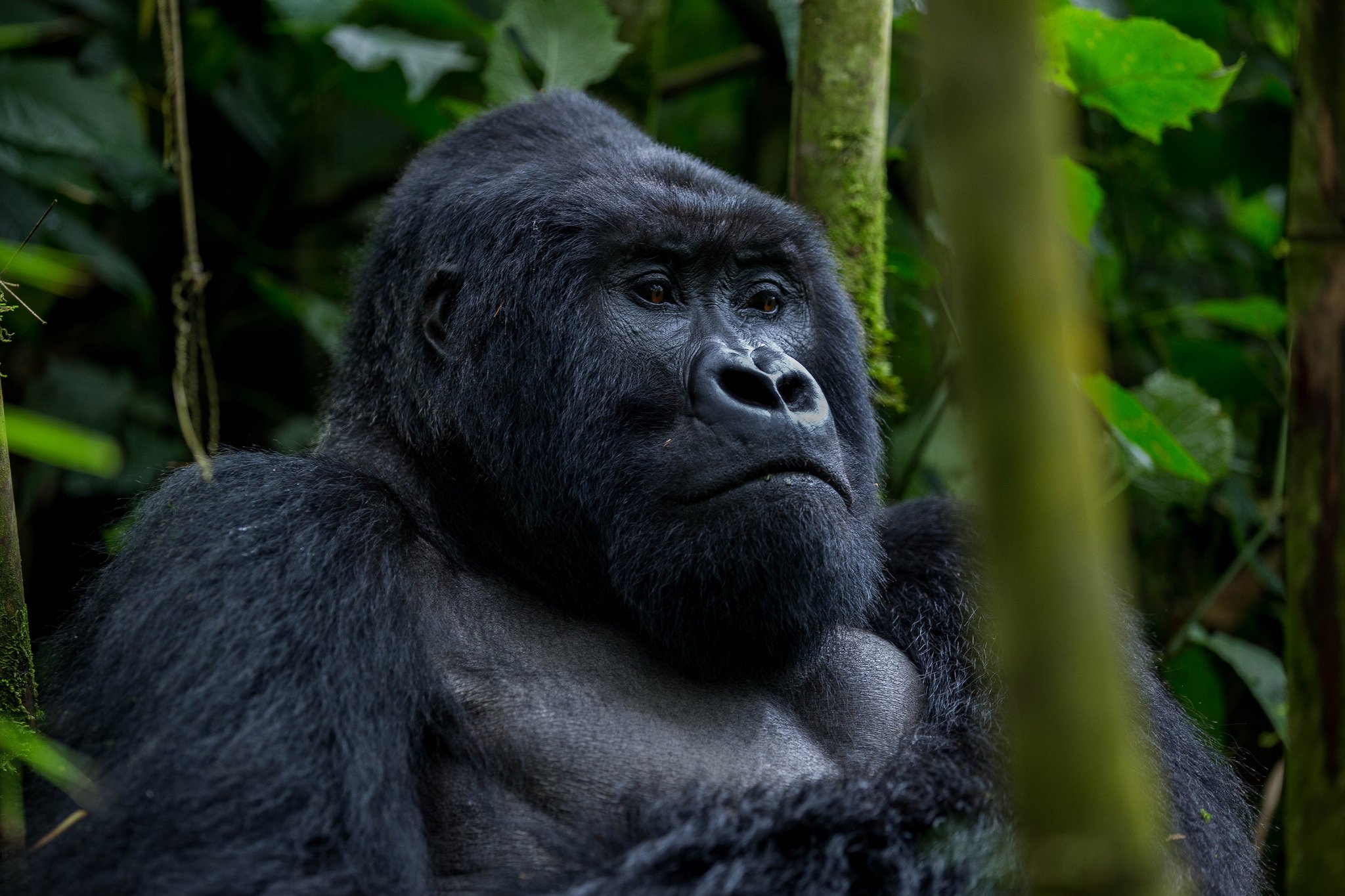
Mountain gorillas are Uganda's most iconic wildlife. These gentle giants weigh 135–220 kg (300–485 pounds) and live in family groups led by a dominant silverback male. December–February's dry conditions make gorilla trekking safer and more productive, with higher success rates for sightings.
Gorilla families in Bwindi range from 5–30 individuals. Visitors spend one hour observing a habittuated family at close range, photographing and watching their daily behaviors. This intimate encounter is often described as life-changing by travelers.
Elephants
African elephants are Uganda's largest land animals, weighing up to 6,000 kg. Queen Elizabeth and Murchison Falls national parks host significant elephant populations. Dry season concentrations around water sources make sightings frequent and predictable.
You'll observe elephants bathing in rivers, feeding on vegetation, and interacting with their herds. Early morning and late afternoon game drives offer the best elephant viewing opportunities.
Lions and Leopards
Lions inhabit Queen Elizabeth and Murchison Falls parks in small prides. December–February's cooler temperatures mean lions are more active during daylight hours, increasing sighting chances. You may encounter lions resting under trees or hunting during early morning drives.
Leopards are more elusive but present in most parks. These solitary, nocturnal cats are rarely seen, but patient observers on night drives occasionally spot them. Leopard sightings are considered special treats by experienced safari-goers.
Buffalo and Other Antelopes
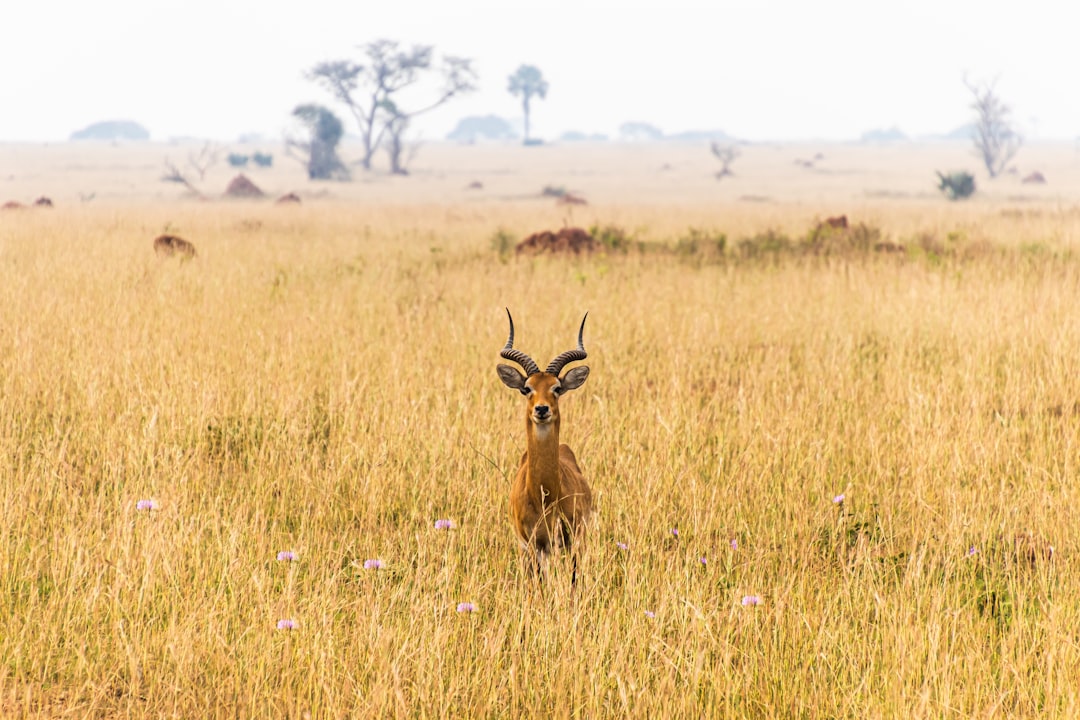
Cape buffalo congregate in herds and are frequently spotted during game drives. These powerful animals can be dangerous when threatened, so guides maintain safe distances. Antelopes including impala, waterbuck, and Uganda kob are abundant and provide colorful wildlife viewing.
Birdwatching Highlights
Uganda hosts over 1,000 bird species, earning it a reputation as one of Africa's premier birdwatching destinations. December–February brings migratory species from Europe and northern Africa, increasing bird diversity. Queen Elizabeth National Park is particularly renowned for avian life.
Book 3–6 months ahead: Secure gorilla permits and get 10–15% discounts on December–February packages before they sell out.
Pack layers and hiking boots: Mornings (15°C) are cool and afternoons (25°C) are warm; broken-in boots prevent blisters during 1–8 hour gorilla treks.
Budget $2,500–$4,500 for 7 days: This covers accommodation, meals, guides, and game drives, with gorilla permits ($700) typically added separately.
Expect 85%+ gorilla sighting success: December–February's dry conditions and clear trails make gorilla encounters highly likely compared to 60% success in rainy seasons.
Combine gorilla trekking with game drives: Visit Bwindi for gorillas, then Queen Elizabeth or Murchison Falls for lions, elephants, and river wildlife in one comprehensive safari.
Frequently Asked Questions
What's the best time to visit Uganda for safari?
December to February is excellent for Uganda safaris, offering dry weather, clear trails, and abundant wildlife. The best time for wildlife safaris in Uganda is during the two dry seasons: December to February and June to September [6]. These periods provide the best conditions for game viewing and gorilla trekking with higher success rates and more comfortable hiking conditions.
How much does a Uganda safari cost in December–February?
A 7-day Uganda safari costs $2,500–$4,500 per person during December–February, including accommodation, meals, guides, and game drives. Gorilla permits ($700 per person) are usually added separately or included in premium packages. December–February prices are 20–30% lower than June–September peak season rates, offering excellent value.
Is gorilla trekking difficult in December–February?
Gorilla trekking is most manageable during December–February when trails are dry and less slippery. The dry weather means that the trekking trails are much less slippery, which can be treacherous due to the steepness of the mountains [8]. Trek duration varies from 1–8 hours depending on gorilla location, but dry season conditions make these hikes safer and require less physical strain than wet season treks.
What wildlife will I see on a December–February Uganda safari?
You'll see mountain gorillas (in Bwindi), elephants, lions, leopards, buffalo, antelopes, hippos, crocodiles, and over 1,000 bird species depending on which parks you visit. Queen Elizabeth and Murchison Falls parks showcase diverse savanna and wetland wildlife, while Bwindi specializes in forest primates. Dry season conditions concentrate animals around water sources, making sightings frequent and predictable.
Do I need vaccinations to visit Uganda?
Yellow fever vaccination is recommended before traveling to Uganda, and some countries require proof upon entry. Malaria prophylaxis is advisable since the disease is present in Uganda—consult a travel clinic about the best option for you. Additional routine vaccinations (hepatitis A/B, typhoid) may be recommended depending on your travel history and health status.
How do I book a verified Uganda safari operator?
Browse SafariFind's verified operators and read authentic reviews from past travelers. Look for companies with excellent ratings, extensive Uganda experience, and transparent pricing. Ask operators about gorilla permit inclusion, guide qualifications, vehicle types, accommodation standards, and cancellation policies before booking. SafariFind helps you compare multiple operators and request quotes to find the best match for your needs.
What's included in a typical December–February safari package?
Standard packages include accommodation in lodges or camps, meals (breakfast, lunch, dinner), professional guides, game drives, park entrance fees, and ground transportation. Gorilla permits are usually separate ($700) or included in premium packages. International flights, travel insurance, visas, and personal expenses are typically not included. Review package details carefully to understand what's covered before booking.
Conclusion
Uganda safaris in December through February offer exceptional value and quality experiences during the dry season. The best time for wildlife safaris in Uganda is during the two dry seasons: December to February and June to September, providing optimal conditions for gorilla trekking and game viewing [6]. Clear skies, dry trails, and concentrated wildlife make this three-month window ideal for travelers seeking authentic African safari experiences.
December–February safaris deliver mountain gorilla encounters in Bwindi Impenetrable Forest combined with diverse game drives in Queen Elizabeth, Murchison Falls, or Kidepo Valley national parks. Prices of $2,500–$4,500 for 7 days are significantly lower than peak season rates, making Uganda more accessible without compromising quality.
The key to a successful December–February safari is booking 3–6 months ahead to secure gorilla permits and favorable rates. Pack layers for cool mornings and warm afternoons, bring broken-in hiking boots, and follow your guide's safety instructions throughout your journey.
Start planning your December–February Uganda safari today.Browse verified safari packages on SafariFind to compare operators, prices, and itineraries. Request quotes from multiple verified operators, read authentic traveler reviews, and find the perfect package for your budget and interests. Your once-in-a-lifetime gorilla encounter awaits in 2026.
Plan Your Safari with SafariFind
These recommendations use real data from SafariFind, where you can compare operators, browse packages, and read verified traveler reviews before you book.
5★ - "We had an excellent experience with Pilama Safaris! The booking was very easy and the company was very responsive and helpful as we made our booking. The safari experience itself was great. Jacob, our guide, was amazing!" - CeCe • Verified review
5★ - "Our trip to Uganda was unforgettable. We opted for a gorilla trekking tour with Pilama Safaris. It was my first such tour and also my first trip to Uganda. My travels usually take me to Southeast and South Asia. But this" - D. Maria • Verified review
5★ - "They treated us really well and always care about us to be comfortable. Also they are really friendly and helpful. We were always laughing. Of course they have lots of knowledge about nature and about Uganda. We love ani" - Ryo • Verified review
"They treated us really well and always care about us to be comfortable. Also they are really friendly and helpful. We were always laughing. Of course they have lots of knowledge about nature and about Uganda. We love animals, we love Uganda because of them. Thank you so much."
Ryo•7/11/2026
5★ - "Go Explore gave us the greatest experience we have had in Uganda. Perfect in guiding us around and very flexible! We managed to even see the gorillas, though it was not initally planned." - Margaux • Verified review
"Go Explore gave us the greatest experience we have had in Uganda. Perfect in guiding us around and very flexible! We managed to even see the gorillas, though it was not initally planned."
Margaux•7/11/2026
5★ - "I was working with a tour operator out of Kenya to plan a Uganda gorilla trek followed by a Kenya & Tanzania safari. For some reason, the Uganda portion started having issues with only a few weeks to go. Enter Brian Aher" - Dave Medlicott • Verified review
"I was working with a tour operator out of Kenya to plan a Uganda gorilla trek followed by a Kenya & Tanzania safari. For some reason, the Uganda portion started having issues with only a few weeks to go. Enter Brian Ahereza of GoExplore. Wow! Talk about fast acting and excellent service. Within 1 day, Brian arranged everything. The only thing that would have made my trip better is if I had added one extra day, but by this point, we couldn't squeeze it in, so Brian did the absolute best with what he had to work with. For starters, one of the best things that could have happened did! ANd that was to have Charles assigned as our driver/guide. We flew into Kigali, Rwanda and Charles met us at the airport and took us to our hotel. The next morning we got up for the long drive to the Nkoringo area of Bwindi. A lot of this drive is on some VERY difficult dirt roads and Charles was masterful at navigating the terrain. Furthermore, I was using offline Google Maps to track our location and there is no possible way I could have gotten to where Charles was going. We got to Nkoringo Lodge and immediately loved it. Brian had arranged for us to have one of only 2 rooms there that had on demand hot water. Our room overlooked Bwindi and we sat on the deck admiring the view. To get to the bar/dining area, we hiked up and over a ridge and the view from that side was south to the 3 volcanoes on the border of Uganda/Rwanda/Congo - absolutely beautiful! The next day we did the trek to the Nkuringo gorilla group. It was not a difficult trek until we had to cross a fast flowing stream because the gorillas had gone to that side and as soon as we crossed, they came back! So we did too. And then we found them and it was such a wonderful experience! My wife was standing next to me and a young male (7-8 years old??) suddenly turned and started walking towards us. My wife moved to the left, but our guide said to stand still. The gorilla walked right between us and as he passed, he stuck out his arm between my legs and grasped me around the thigh!!! OMG! Even though I could feel his amazing power, I did not feel in danger. Just as quickly, he let go and continued walking! After that amazing trek, we drove (another long day) up to Queen Elizabeth National Park and spent 2 nights at the Buffalo Safari lodge. We did a couple of games drives in which we saw lots of antelope, elephants, buffalo and 6 lions (all female, with one or two young males). We followed with a boat ride on the Kazenga channel which was fantastic. The next day, we drove to Kibale National Park to look for Chimps. We arrived at our wonderful lodge, the Chimpanzee Forest Guest House at about lunchtime and then headed to Kibale for our Chimp Trek. At lunch, we met a couple who showed us amazing pictures from their trek that very morning. Unfortunately for us, even with 7 groups in the forest, we could only find 2 chimp sand they were up in the trees. That happens in nature, but the real lesson is to take the morning trek!!! The next day, Charles drove us to Entebbe and our Uganda trip was over. One of my friends asked me about the birds in Uganda. My wife loves birds and by extension, I have come to love them as well. SHe asked Charles, our guide, about every single bird we saw. Charles had a very well worn copy of "Birds of East Africa". He didn't need that book because he had it memorized. Charles was a fantastic driver/guide/person! He made our trip incredibly special! I can't thank Brian, Charles and GoExplore enough for making this so special!!!"