Great Zimbabwe Tours 2027: Entry Fees and Package Costs
Discover Great Zimbabwe Tours 2027: Entry Fees and Package Costs - Expert guide to safari tourism and wildlife destinations.
5 min read
Tanzania Safari Photography Tours 2026
Last updated: July 2026
Tanzania safari photography tours combine expert wildlife guidance with specialized camera techniques for stunning images. Photography-focused tours cost $1,200-$3,500 per day and run year-round, with peak seasons July-October and December-February. Book through verified operators on SafariFind to compare packages, read authentic reviews, and find tours matching your skill level and budget.
At a Glance
Cost: $1,200-$3,500 per day for photography-focused tours
Best time: July-October (Great Migration) and December-February (dry season)
Duration: 5-14 days recommended for quality results
Best for: Amateur to professional photographers seeking wildlife images
Wildlife highlights: Big Five, tree-climbing lions, endangered black rhinos
Top locations: Serengeti, Ngorongoro Crater, Tarangire River, Lake Manyara
Tanzania Safari Photography Tours: Best Operators & Wildlife Hotspots 2026
Tanzania safari photography tours offer a specialized way to capture Africa's greatest wildlife moments. Unlike standard safaris focused on sightseeing, photography tours schedule game drives around optimal light, animal behavior, and composition opportunities.[1] These tours pair expert guides with photography instructors to help you capture professional-quality images while experiencing authentic wildlife encounters.
Tanzania's diverse landscapes and abundant wildlife make it one of Africa's premier photography destinations. The country hosts the Great Migration, tree-climbing lions, endangered black rhinos, and the Big Five across multiple protected areas.[4] Whether you're an amateur with a smartphone camera or a professional with telephoto lenses, Tanzania offers unmatched opportunities to photograph Africa's most iconic animals in their natural habitat.
What Makes Tanzania Safari Photography Tours Unique?
An African photo safari differs fundamentally from regular wildlife tours. Game drives, waterhole hides, and boat cruises are scheduled specifically around optimal shooting light, animal behavior, and composition opportunities rather than simply sightseeing.[1] This means early morning departures to catch golden hour, afternoon waits at waterholes, and flexible routing to follow wildlife movements.
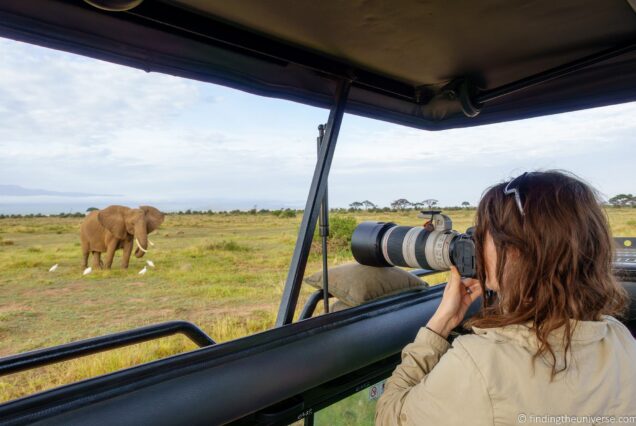
Private vehicle exclusivity is the first rule of photography safaris in Tanzania. Shared vehicles frustrate photographers because other guests want to move just as you're composing the perfect shot.[5] Most photography-focused operators in Tanzania provide private 4x4 vehicles with pop-up roof hatches, allowing 360-degree camera angles without disturbing wildlife or other guests.
Specialized instruction separates quality photography tours from standard safaris. Expert photographers guide you on camera settings, composition techniques, and wildlife behavior patterns.[2] They know which animals are most active at specific times, where light hits best, and how to anticipate wildlife moments before they happen.
You can explore photography packages on SafariFind to compare operators offering specialized instruction, private vehicles, and guaranteed wildlife encounters tailored to photographers' needs.
Top Tanzania Safari Photography Operators for 2026
Selecting a reputable tour operator is crucial for a successful Tanzania photography safari. A specialist operator understands wildlife movements, optimal photography spots, and how to tailor experiences to enhance your photographic results.[2] Tanzania's best safari companies for 2026 include locally-owned Arusha-based operators with strong review records and high-end international companies.
Locally-Owned Arusha-Based Operators
Suricata Safaris, Gosheni Safaris, Roy Safaris, Lion King Adventures, Altezza Travel, and Easy Travel & Tours represent Tanzania's top locally-owned operators.[3] These companies offer competitive pricing, deep regional knowledge, and personalized service. Local operators typically charge $800-$1,500 per day for photography tours, making them ideal for budget-conscious photographers seeking quality experiences.
Local operators excel at last-minute wildlife opportunities. Their guides know specific animal territories, seasonal movement patterns, and hidden waterholes where wildlife congregates during dry seasons. They can adjust itineraries instantly when guides spot rare animals or optimal photography conditions develop unexpectedly.
Luxury International Photography Operators
High-end international companies offer all-inclusive photography safaris with world-class lodges, gourmet meals, and professional photography instruction.[6] These operators typically charge $2,500-$3,500 per day and cater to serious photographers seeking guaranteed Big Five encounters and premium accommodations. They often provide photo editing workshops, equipment lending, and post-tour portfolio reviews.
Luxury operators secure exclusive access to private concessions and premium lodge locations. They coordinate with lodge photographers, arrange waterhole hides, and sometimes include helicopter photography options for aerial landscape shots. Many offer small group sizes (4-8 photographers) for personalized instruction.
Compare verified Tanzania safari operators on SafariFind to find photography specialists matching your budget, skill level, and wildlife interests.
Best Wildlife Hotspots for Photography in Tanzania
Tanzania's diverse ecosystems support exceptional wildlife photography opportunities across multiple protected areas. The Serengeti, Ngorongoro Crater, Tarangire River, and Lake Manyara each offer unique animal encounters and photographic advantages.[4] Combining multiple parks in a single tour maximizes your chances of photographing different species and landscapes.
Serengeti National Park: The Great Migration
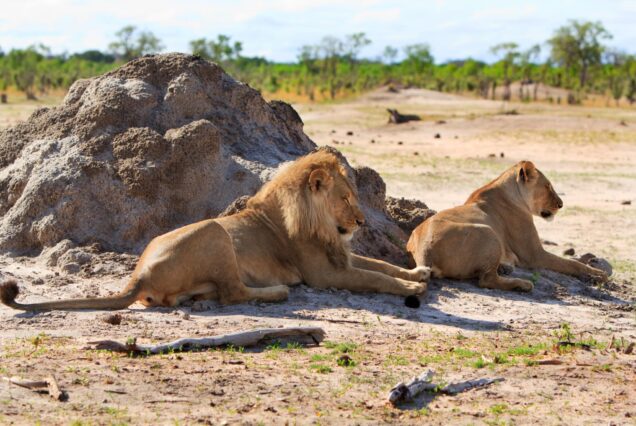
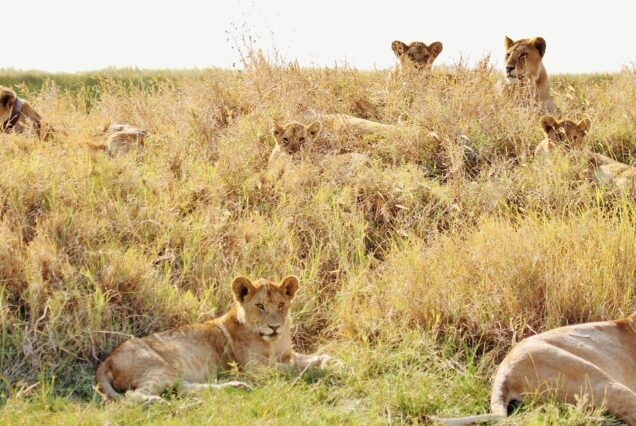
The Serengeti National Park covers 14,750 square kilometers in northern Tanzania and hosts the world's largest terrestrial mammal migration.[4] Between July and October, approximately 1.5 million wildebeest, zebras, and gazelles cross the park, creating dramatic photography opportunities. River crossings at the Mara River are particularly photogenic, with crocodiles, lions, and massive herds creating action-packed scenes.
The Serengeti's dry season (June-October) offers excellent wildlife photography because animals concentrate around remaining water sources. The park's sparse vegetation provides clear sightlines for photographing predators and prey. Golden light across endless plains creates stunning landscape photographs, especially during early morning and late afternoon hours.
Ngorongoro Crater: Black Rhinos & Density
Ngorongoro Crater hosts one of the highest concentrations of wildlife in Africa within a UNESCO World Heritage Site. The crater's 19-kilometer rim surrounds a closed ecosystem where endangered black rhinos, lions, buffalo, and elephants roam in relatively confined areas.[4] This density increases your chances of photographing the Big Five within single game drives.
The crater's unique geology creates dramatic backdrops for wildlife photographs. Steep escarpments, acacia forests, and alkaline lakes provide varied lighting and compositional opportunities. Early morning descents into the crater offer misty, atmospheric lighting perfect for mood-filled wildlife portraits.
Tarangire River: Elephant Concentrations
Tarangire National Park's permanent river attracts massive elephant herds during dry seasons, creating unparalleled photography opportunities. Hundreds of elephants gather at the river to drink and bathe, providing intimate portraits, family group dynamics, and dramatic action sequences.[4] The park also hosts tree-climbing lions, giraffes, and lesser-known species like fringe-eared oryx.
Tarangire's baobab trees create iconic African landscape elements for compositional variety. The river's edge provides natural leading lines and framing for wildlife portraits. Professional photographers often dedicate 2-3 days to Tarangire specifically for elephant photography.
Lake Manyara: Tree-Climbing Lions
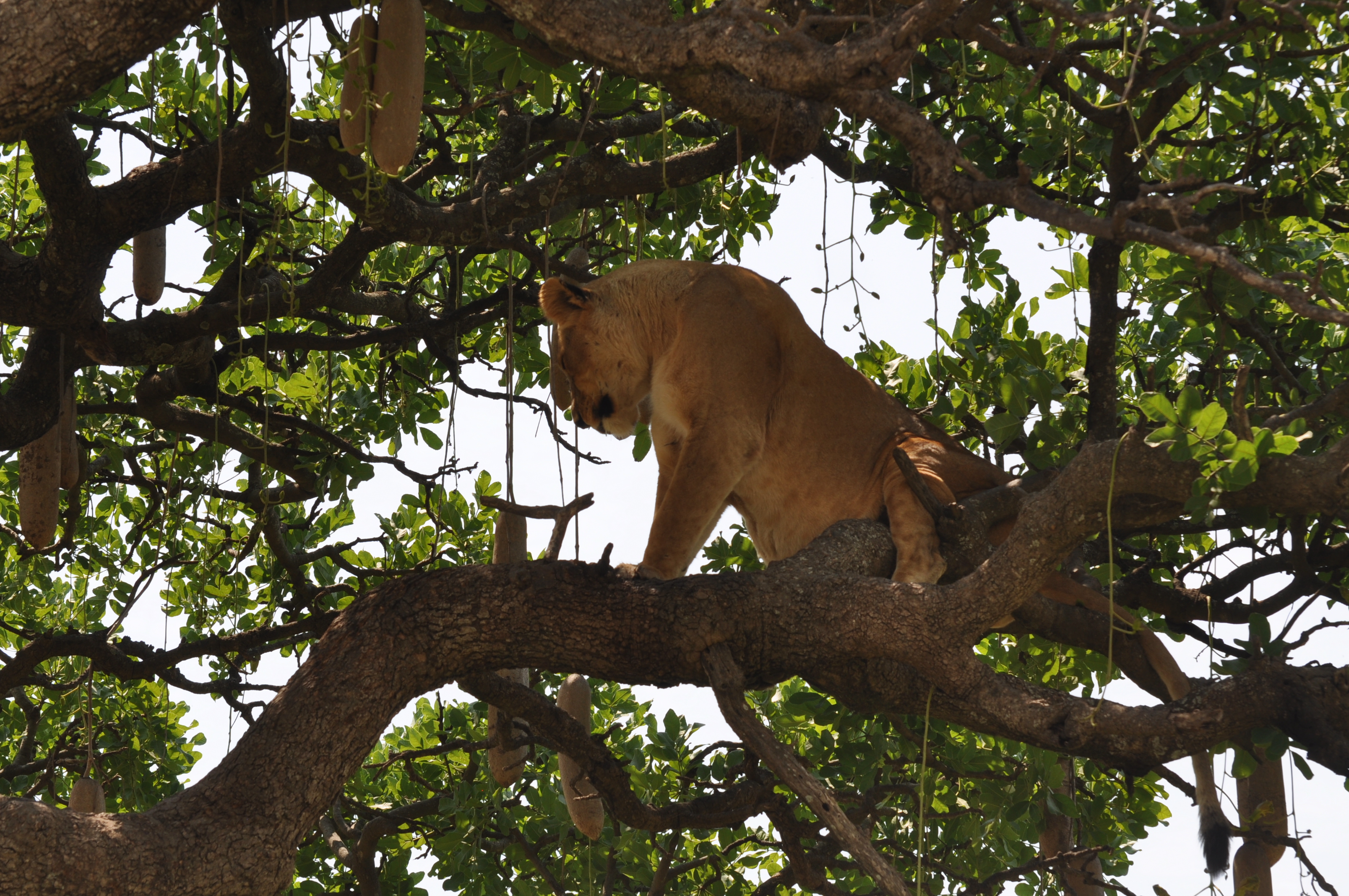
Lake Manyara National Park is famous for its tree-climbing lions, a behavior observed nowhere else in Africa.[4] These lions rest in acacia trees during hot afternoons, creating unusual and highly photogenic scenarios. The park's 330-square-kilometer area is compact enough for thorough wildlife exploration within 1-2 days.
Lake Manyara's diverse habitats support buffalo, hippos, giraffes, and over 400 bird species. The lake itself provides water reflections and landscape elements for compositional interest. The park's accessibility from Arusha makes it ideal for adding to multi-park photography itineraries.
Best Time to Visit for Tanzania Safari Photography
Timing dramatically affects photography success in Tanzania. Seasonal wildlife movements, weather patterns, and vegetation density create vastly different photographic conditions throughout the year.[6] Understanding seasonal advantages helps you choose the optimal travel dates for your specific wildlife interests.
July-October: Great Migration Peak
July through October represents Tanzania's premier wildlife photography season. The Great Migration reaches its climax with massive herds crossing rivers, predators hunting actively, and dramatic action sequences unfolding daily.[4] Weather is dry, vegetation is sparse, and animals concentrate near water sources, maximizing photography opportunities.
July-October offers the best chance to photograph predator-prey interactions, river crossings, and massive herd movements. Light is generally clear and bright, ideal for fast shutter speeds and action photography. However, this peak season brings higher prices ($2,000-$3,500 per day) and more tourists competing for viewing positions.
December-February: Calving Season
December through February brings the calving season when wildebeest herds give birth to hundreds of thousands of calves. Newborn animals create tender, emotional photographs while predators hunt vulnerable young. The southern Serengeti's green vegetation contrasts with abundant wildlife, offering varied compositional opportunities.
This season provides excellent weather, fewer tourists than July-October, and slightly lower prices ($1,500-$2,500 per day). Lush green grass creates beautiful landscape photography backdrops. However, afternoon rains can limit visibility and create muddy road conditions.
March-May & November: Shoulder Seasons
March through May and November offer budget-friendly photography opportunities with moderate wildlife activity. Long rains (March-May) create dramatic storm photography and lush landscapes, though reduced visibility can limit action shots. November's short rains bring migratory birds and scattered wildlife.
Shoulder seasons cost $1,200-$1,800 per day and attract fewer photographers, allowing more intimate guide-to-photographer ratios. These periods work well for photographers focusing on landscape, bird, and botanical photography rather than predator-prey action.
Learn more about seasonal considerations in our guide to the best time of year for wildlife viewing in Serengeti to plan your photography trip perfectly.
Photography Tour Pricing & What's Included
Tanzania safari photography tours range from budget-friendly options to ultra-luxury experiences. Understanding pricing tiers helps you select tours matching your budget and expectations.[6] Most photography operators offer all-inclusive pricing covering accommodations, meals, guides, vehicles, and park fees.
Budget Photography Tours: $1,200-$1,800 Per Day
Budget photography tours use shared accommodations in mid-range lodges, focus on group instruction, and operate in smaller vehicles. These tours typically include 2-3 game drives daily, breakfast and dinner, park entrance fees, and basic photography guidance. Budget operators often group 8-12 photographers per vehicle, limiting exclusive positioning opportunities.
Budget tours work well for amateur photographers building skills and experience. You'll still photograph the Big Five and experience the Great Migration, but with less personalized attention and potentially compromised positioning during peak wildlife moments. Daily costs run $1,200-$1,800 per person.
Mid-Range Photography Tours: $1,800-$2,500 Per Day
Mid-range tours balance quality accommodations with personalized instruction. These tours typically offer 4-6 photographer groups per vehicle, allowing better positioning and more individualized feedback from photography guides. Accommodations include private rooms in comfortable lodges with good meal quality and amenities.
Mid-range tours include unlimited game drives with flexible scheduling, photography workshops, and sometimes specialized hide experiences at waterholes. You receive more personalized instruction than budget tours while maintaining reasonable pricing. Daily costs run $1,800-$2,500 per person.
Luxury Photography Tours: $2,500-$3,500 Per Day
Luxury photography tours provide private vehicles, world-class accommodations, gourmet meals, and professional photography instruction. These exclusive experiences limit groups to 2-4 photographers per vehicle, ensuring optimal positioning and minimal competition. Luxury lodges feature premium amenities, spa services, and sunset cocktail hours.
Luxury tours often include helicopter photography flights, exclusive waterhole hides, and post-tour portfolio reviews with professional photographers. Some operators provide equipment rental, photo editing workshops, and access to exclusive private concessions. Daily costs run $2,500-$3,500 per person.
Bringing appropriate camera equipment dramatically improves your safari photography results. Tanzania's wildlife requires specific focal lengths, fast shutter speeds, and durable gear designed for dusty, hot environments.[5] Most professional photographers recommend bringing multiple lenses covering wide-angle to extreme telephoto ranges.
Camera Body Recommendations
Professional and advanced amateur photographers should bring cameras with fast continuous autofocus, high frame rates (8+ fps), and good low-light performance. Full-frame DSLRs or mirrorless cameras handle dynamic wildlife lighting better than crop-sensor bodies. Backup bodies are essential because equipment failures can ruin irreplaceable safari moments.
Essential Lenses
Pack a 14-24mm wide-angle lens for landscape photography, 70-200mm telephoto for wildlife, and 100-400mm super-telephoto for distant animals like tree-climbing lions. Many photographers bring 2-3 telephoto lenses to avoid changing lenses during critical moments. Fast apertures (f/2.8 or wider) help with low-light situations during overcast days and early morning sessions.
Accessories & Protection
Bring sturdy tripods, remote shutters, circular polarizing filters, and UV filters protecting expensive lenses from dust. Dust-proof camera bags, lens cleaning kits, and backup batteries are essential for extended safari days. Many photographers use bean bag supports inside vehicles for stable shooting without tripods.
Booking a Tanzania photography safari requires researching operators, comparing packages, reading reviews, and confirming logistics like visas and vaccinations.[2] The process takes 2-3 months for peak season tours and can be completed in 4-6 weeks for shoulder season trips.
Step 1: Define Your Photography Goals
Determine what wildlife you want to photograph (Big Five, birds, landscapes, specific species), your skill level (beginner to professional), and your budget ($1,200-$3,500 per day). Knowing these preferences helps you select operators specializing in your interests rather than generic wildlife tours.
Step 2: Research Verified Operators
SafariFind connects you with verified tour operators specializing in Tanzania photography safaris. Read authentic reviews from previous travelers, compare package prices, and request quotes from multiple operators. Verified operators display ratings and review counts, helping you identify trusted companies with proven track records.
Step 3: Compare Packages & Pricing
Request detailed itineraries showing daily schedules, included meals, accommodation types, and photography instruction specifics. Ask about vehicle types (private vs. shared), group sizes, and flexibility for wildlife-following opportunities. Compare total costs including flights, park fees, meals, and photography guides.
Step 4: Confirm Logistics
Verify visa requirements for your nationality, confirm recommended vaccinations with your doctor, and book flights to Kilimanjaro International Airport (JRO). Most operators handle park permits and ground logistics. Check travel insurance coverage for equipment and trip cancellation.
Professional wildlife photographers and experienced safari guides offer practical tips for maximizing your Tanzania photography results. These techniques work for all skill levels, from smartphone photographers to professional camera users.
Master Golden Hour Photography
The first and last hours of daylight provide the most flattering light for wildlife photography. Golden hour creates warm, directional light that adds depth and dimension to animal portraits. Wake early for sunrise game drives and stay out until sunset to capture optimal lighting. Many wildlife photographers take 70% of their best images during these two-hour windows.
Anticipate Animal Behavior
Experienced guides know that lions hunt at specific times, elephants drink at waterholes during afternoon heat, and birds sing at dawn. Ask your guide about animal behavioral patterns and position yourself accordingly. Anticipation beats reaction—position your camera before the action happens rather than trying to catch unexpected moments.
Compose for Story-Telling
Include environmental context showing habitat, social interactions, and behavioral moments rather than only close-up animal portraits. Photograph nursing mothers with calves, hunting sequences showing predator-prey dynamics, and animals interacting within their ecosystems. These storytelling images resonate more emotionally than isolated subject portraits.
Use Vehicle Stability Techniques
Stabilize cameras using bean bags resting on vehicle doors, dashboard mounts, or monopods rather than relying on hand-holding. Proper support reduces camera shake and allows faster shutter speeds without increasing ISO. Many photographers achieve sharper images using vehicle supports than expensive image stabilization technology.
Key Takeaways
Book Tanzania photography safaris 3-6 months ahead of peak season (July-October) to secure private vehicles and preferred operators at better rates.
Combine Serengeti (Great Migration) with Ngorongoro Crater and Tarangire River in a 7-10 day itinerary to photograph the Big Five and maximum wildlife diversity.
Invest in telephoto lenses (100-400mm) and fast autofocus cameras for professional-quality wildlife images rather than relying on smartphone cameras.
Select mid-range operators ($1,800-$2,500 per day) for personalized photography instruction and better positioning than budget tours without ultra-luxury costs.
Schedule game drives around golden hour (sunrise and sunset) when animals are most active and light is most flattering for photography.
Frequently Asked Questions
How much does a safari photography tour in Tanzania cost?
Tanzania photography tours cost $1,200-$3,500 per day depending on operator tier, accommodations, and group size. Budget tours run $1,200-$1,800 daily using mid-range lodges and group instruction. Mid-range tours cost $1,800-$2,500 daily with comfortable accommodations and personalized guidance. Luxury photography safaris cost $2,500-$3,500 daily with premium lodges, private vehicles, and professional instruction. Most packages include accommodations, meals, game drives, and park fees. Check our detailed guide on how much a Tanzania safari costs in 2026 for comprehensive pricing breakdowns.
What's the best time of year for wildlife photography in Tanzania?
July-October offers the best wildlife photography during the Great Migration when 1.5 million wildebeest cross rivers and predators hunt actively. December-February brings calving season with newborn animals and lush green landscapes, plus fewer tourists and lower prices. Both seasons offer excellent photography but different subjects—choose migration action for July-October or tender calving scenes for December-February. Shoulder seasons (March-May, November) provide budget-friendly photography with moderate wildlife activity and minimal tourist crowds.
What camera equipment should I bring for a Tanzania safari?
Professional photographers recommend full-frame cameras with fast continuous autofocus, 14-24mm wide-angle lenses for landscapes, 70-200mm telephoto for wildlife, and 100-400mm super-telephoto for distant animals. Bring backup camera bodies, fast lenses (f/2.8 aperture), sturdy tripods, polarizing filters, and dust-proof bags. Smartphone cameras work for casual photography but lack the reach and low-light performance needed for professional wildlife images. Read our complete Tanzania safari packing list for what to bring on a 10-day trip for detailed equipment guidance.
Which Tanzania parks are best for photography safaris?
The Serengeti National Park offers the Great Migration and diverse predators. Ngorongoro Crater provides the highest wildlife density and endangered black rhinos. Tarangire River hosts massive elephant concentrations during dry season. Lake Manyara features tree-climbing lions found nowhere else. Most photography itineraries combine 2-3 parks over 7-10 days to maximize wildlife variety and photographic opportunities. Ask operators about their specific routing and which parks they prioritize for photography positioning.
How do I book a Tanzania photography safari with verified operators?
SafariFind connects you with verified Tanzania safari operators specializing in wildlife photography. Browse photography packages, read authentic reviews from previous travelers, and request quotes from multiple operators. Compare daily costs, group sizes, vehicle types, photography instruction quality, and included accommodations. Booking typically takes 2-3 months for peak season trips. Confirm visa requirements, recommended vaccinations, and travel insurance before finalizing reservations. Start your booking search by comparing best safari tour operators for Tanzania from the US with 2026 reviews on SafariFind.
What's included in all-inclusive Tanzania photography safari packages?
All-inclusive photography packages typically include accommodations, all meals (breakfast, lunch, dinner), unlimited game drives with flexible scheduling, professional photography guides, park entrance fees, and vehicle transportation. Premium packages add photography workshops, equipment rental, waterhole hides, and sometimes helicopter flights. Confirm what's excluded—flights to Tanzania, travel insurance, tips, and personal expenses typically aren't included. Compare package details carefully to understand true all-in costs versus à la carte add-ons.
Conclusion
Tanzania safari photography tours combine world-class wildlife encounters with specialized instruction to help you capture stunning African images. The country's diverse ecosystems host the Great Migration, endangered species, and iconic predators across multiple photography hotspots.[4] Whether you're an amateur photographer building skills or a professional seeking fresh imagery, Tanzania offers unmatched opportunities for wildlife photography in 2026.
The Serengeti's dramatic migration (July-October) and Ngorongoro Crater's wildlife density create professional-quality photography moments daily. Mid-range operators ($1,800-$2,500 per day) balance quality instruction with reasonable costs, while luxury tours ($2,500-$3,500 daily) provide exclusive positioning and premium accommodations.[6] Planning your trip 3-6 months ahead secures private vehicles and preferred operators, especially for peak season departures.
SafariFind helps you compare verified Tanzania safari operators, read authentic reviews from previous photographers, and find packages matching your budget and skill level. Browse photography-focused packages, request quotes from multiple operators, and select tours offering private vehicles, personalized instruction, and proven wildlife positioning. Your perfect Tanzania photography safari awaits—start exploring verified operators and packages on SafariFind today to book your African wildlife photography adventure.
Plan Your Safari with SafariFind
These recommendations use real data from SafariFind, where you can compare operators, browse packages, and read verified traveler reviews before you book.
5★ - "A very great and good experience in Kenya to see big five we visit masai mara with Denis our guide and Tanzania our guides were very good we had a great trip we enjoy every second and my best spot was seeing lions hunt i" - Diaz Papez • Verified review
"A very great and good experience in Kenya to see big five we visit masai mara with Denis our guide and Tanzania our guides were very good we had a great trip we enjoy every second and my best spot was seeing lions hunt in the evening where they attack buffalos and like 5 lions were spotted In Uganda we only see gorillas and chimpanzee tracking my daughter was so amazed by the chimpanzees in kyambura in queen Elisabeth but we have a great trip which is unforgettable and we cant thank Victoria enough for putting together this and communication was perfect I recommend go explore safari"
Diaz Papez•7/11/2026
4★ - "I would be so naïve if I had never planned this trip to Tanzania with this company after a period of searching on trip advisor and other travel websites I found go explore safaris and sent them my trip request for me and" - Victoria Kristen • Verified review
"I would be so naïve if I had never planned this trip to Tanzania with this company after a period of searching on trip advisor and other travel websites I found go explore safaris and sent them my trip request for me and my daughters as they had gotten holidays from there college and I decided to plan for them a trip to Africa. Tanzania was the main destination so brian was the main correspondence person who responded to all my emails, he gave us a very nice tailor made trip proposal for 11 days in Tanzania visiting all the top destinations in Tanzania. so after a few emails and couple of questions we trusted this company and made our trip meet our expectations. my kids were so happy we had the very best of the trip we visited tarangire national park, Serengeti, lake manyara and Ngorongoro reserve which were so much full of wildlife and the evolving masai cultural visit in olpopongi in Arusha the lodges we slept in were very nice and clean me and my kids shared a very nice family room at Serengeti Serena lodge which had the best views in the plains hamza our guide was a very experienced driver guide and had a lot of information about his country and was happy sharing every moment making the trip so much fun I definitely have to recommend the services of your company to anyone travelling here in east Africa and looking forward to coming back to track the gorillas in uganda."
Victoria Kristen•7/11/2026
5★ - "My trip with brian was definitly amazing ! Everything was organised like i want ! The car , the guide , the accommodation was perfect ! Thanks You very much for this perfect trip in Tanzania and Kenya !" - Jegou • Verified review
"My trip with brian was definitly amazing ! Everything was organised like i want ! The car , the guide , the accommodation was perfect ! Thanks You very much for this perfect trip in Tanzania and Kenya !"
Jegou•7/11/2026
5★ - "in october we went on safari with goexplore safaris where victoria and jusper came to meet us at Entebbe and we went to wild waters lodge in jinja such a beautiful lodge on a small island on river nile our trip was for 1" - Micheal Kayo • Verified review
"in october we went on safari with goexplore safaris where victoria and jusper came to meet us at Entebbe and we went to wild waters lodge in jinja such a beautiful lodge on a small island on river nile our trip was for 10 days around Uganda where we saw gorilla and chimps the lodging was 5 star victoria's prompt response on email was amazing and i would rate her communication above 5stars we couldn't thank the team for putting together an amazing luxury safari for me and my brother thank so much we definitely will be travelling to kenya and Tanzania in the next coming year i would highly recommend their services to anyone travelling across east Africa"
Micheal Kayo•7/11/2026
5★ - "We did 11 days “Legends of East Africa” tour which includes Tanzania, Kenia and Uganda. The itinerary is amazing – it enables you to see all the best in East Africa: wild life in Serengeti and Masai Mara (we met everyone" - Natasha • Verified review
"We did 11 days “Legends of East Africa” tour which includes Tanzania, Kenia and Uganda. The itinerary is amazing – it enables you to see all the best in East Africa: wild life in Serengeti and Masai Mara (we met everyone we could meet: lions, cheetahs, leopards, a lot of antelopes, zebras, giraffes, baboons, hyenas), gorillas and chimpanzees in Uganda! Take hot air balloon in Masai Mara (optional, you need to book it advance), extra cost but it definitely worth it. Uganda is less popular as a tourist destination but definitely worth visiting – unique opportunity to visit gorillas and spend one hour with them in the forest, beautiful nature and very positive people! The program also includes visiting Masai village in Tanzania (extra cost) and traditional village in Uganda with bananas plantation. We really enjoyed lodging and meals (overall level was far above our expectations)! Lodges with nice design and views – especially in Uganda. Chris is a great guide with perfect English!"