Great Zimbabwe Tours 2027: Entry Fees and Package Costs
Discover Great Zimbabwe Tours 2027: Entry Fees and Package Costs - Expert guide to safari tourism and wildlife destinations.
5 min read
Tanzania Safari Packing: Gear Guide
Last updated: July 2026
A 10-day Tanzania safari requires a DSLR or mirrorless camera with telephoto lenses (300mm+), comfortable neutral-colored clothing, quality binoculars, and weather protection gear. Pack lightweight layers for temperature changes and waterproof bags for electronics. Book through verified operators on SafariFind to get packing tips from experienced guides before your trip.
At a Glance
Essential camera: DSLR or mirrorless with telephoto lens (300mm minimum)
Best clothing: Neutral colors (tan, khaki, olive) with long sleeves
Duration: 10 days (allows time for multiple parks and locations)
What is a Tanzania Safari Packing List for Wildlife Photography?
A Tanzania safari packing list for wildlife photography is a curated collection of gear and clothing designed specifically for 10-day wildlife photography trips. This list goes beyond basic safari essentials to include camera equipment, lenses, protective cases, and photography-specific accessories that help you capture stunning images of African wildlife.
Tanzania safari packing for photography differs from standard safari packing because you need specialized camera gear, lens protection, and equipment maintenance supplies. Your pack must balance professional photography equipment with practical clothing that works in hot, dusty, and unpredictable weather conditions.[1] The goal is to have everything you need without overpacking, since safari vehicles have limited space and weight restrictions.
Why Packing Right Matters for Wildlife Photography
Proper packing directly impacts your photography success. A telephoto lens of at least 300mm is essential if you want close-up images of distant wildlife.[7] Without the right gear organized properly, you'll miss critical shots, damage expensive equipment, and waste valuable safari time troubleshooting problems instead of photographing animals.
Tanzania's environment presents unique challenges. Dust from unpaved roads, heat, humidity, and sudden rain showers can ruin unprotected electronics. Smart packing protects your investment and ensures you're ready for every wildlife moment. Many photographers who explore dedicated photographic safari experiences report that proper gear preparation was their biggest regret when underprepared.
10-Day Safari Timeline and What You'll Face
A typical 10-day Tanzania safari starts in Arusha, moves through Tarangire National Park, visits Ngorongoro Crater, explores Central and Northern Serengeti, and may include Zanzibar or other destinations.[8] You'll experience early morning game drives (4:30 AM starts), intense afternoon heat (85-95°F), cool evenings (50-65°F), and potential afternoon rain showers during shoulder seasons.
This demanding schedule means your gear must be durable, weather-resistant, and organized for quick access. You'll pack and unpack daily, navigate rough roads, and work in challenging lighting conditions. Understanding this rhythm helps you pack strategically—keeping frequently used items accessible and protecting sensitive electronics from constant dust exposure.
Essential Camera Gear for Tanzania Wildlife Photography
Your camera body and lenses form the foundation of wildlife photography on safari. A DSLR or mirrorless camera with good autofocus performance and weather sealing is ideal for Tanzania's dusty, unpredictable environment. The camera must handle fast shutter speeds for moving animals and have reliable battery life for long game drives.
Primary Camera Body Selection
Choose a DSLR or mirrorless camera with weather sealing to protect against dust and moisture.[2] Full-frame cameras (Canon 5D/R5, Nikon Z6/Z9, Sony A7) offer excellent low-light performance crucial for early morning and late afternoon shoots. APS-C cameras (Canon R7, Sony A6700) are lighter and more affordable while still delivering professional results.
Battery life matters enormously on safari. A single game drive lasts 3-4 hours. Pack at least 3-4 fully charged batteries and a portable solar charger or power bank rated for camera batteries. Many lodges have limited electricity, so self-sufficiency is critical.
Telephoto Lens: Your Most Important Investment
A telephoto lens of at least 300mm is a must if you want close-up images of wildlife.[7] However, 400-600mm lenses deliver better results for distant animals like lions, leopards, and eagles. Popular options include the Canon RF 100-500mm, Nikon Z 100-400mm, or Sony FE 200-600mm.
Consider a 1.4x or 2x teleconverter to extend your reach without buying multiple lenses. A teleconverter adds weight and reduces light but saves luggage space on a 10-day trip. Test any teleconverter combination before your safari to ensure autofocus works smoothly.
Secondary and Wide-Angle Lenses
A 24-70mm lens provides context shots and landscape photography.[7] This "normal" lens captures the full scene—a lion in its habitat, not just a close-up head. Wide-angle lenses (14-24mm) work for dramatic landscapes, sunrise/sunset shots, and environmental portraits that tell the story of your safari experience.
Pack a minimum of two lenses to handle varied situations. Wildlife photography isn't just about magnification—it's about storytelling. A wide-angle lens showing a pride of lions on the Serengeti plains tells a different story than a 500mm close-up of a single lion's face.
Camera Protection and Cleaning Gear
Tanzania's dusty environment demands constant equipment care. Pack a comprehensive lens cleaning kit with air blower, lens cleaning solution, microfiber cloths, and sensor cleaning swabs.[4] Have a kit for blowing dust off and keeping your gear clean in dusty environments. If you feel comfortable with cleaning your sensor, bring sensor cleaning supplies, though many photographers wait until after their safari.
Invest in protective camera bags that fit inside your safari vehicle. Peak Design, Lowepro, and Domke make excellent camera backpacks that protect gear while remaining accessible. A weather-sealed camera bag with moisture-absorbing packets prevents humidity damage during rainy seasons.
Flash and Lighting Restrictions
Flash is usually not allowed because it disturbs, blinds, and harms animals.[4] Guides enforce this rule strictly to protect wildlife welfare. Instead, rely on high ISO sensitivity and fast lenses for low-light conditions. Modern cameras handle ISO 3200-6400 beautifully, making flash unnecessary for most situations.
Some lodges allow fill flash during evening game drives in controlled settings, but confirm with your operator beforehand. Your primary lighting tool is understanding how to use golden hour (sunrise and sunset) when warm, directional light creates stunning wildlife images.
Tanzania's climate varies dramatically between early morning (50-60°F), midday heat (85-95°F), and evening cool-downs (55-70°F). Proper layering keeps you comfortable while maintaining a neutral appearance that doesn't disturb wildlife. Neutral-color clothing blends into the landscape, improving both wildlife comfort and your photo composition.
Color Strategy for Wildlife Photography
Wear neutral colors like tan, khaki, olive green, and brown.[5] Avoid bright whites, reds, oranges, and blues that stand out against natural landscapes and can startle animals. Neutral tones also look better in background shots and environmental portraits. Many experienced safari photographers wear the same color scheme throughout their trip for visual consistency in their image library.
Neutral-color clothing serves double duty: it keeps wildlife calm and improves your photo aesthetics. A photographer in a bright red jacket dominates wildlife shots and distracts from the animal subject. Blend into the landscape, and your images naturally focus on the wildlife.
Essential Clothing Items
Pack light long-sleeve shirts and trousers as your safari uniform.[3] Long sleeves protect against sun, insects, and scratches while allowing better movement than short sleeves. Comfortable safari pants with multiple pockets keep your camera accessories organized and accessible.
Include breathable T-shirts for warm afternoons, a warm jacket or fleece for cool mornings and evenings, and a lightweight, packable rain jacket for afternoon showers.[3] During June-October (dry season), rain is less common, but shoulder seasons bring unpredictable weather. A packable rain jacket takes minimal space and provides essential protection.
Footwear and Accessories
Wear closed-toe hiking boots or safari shoes with good grip and ankle support. Game drives involve walking to viewpoints, climbing small hills, and navigating rocky terrain. Quality footwear prevents injuries and keeps you comfortable during 4+ hour morning drives.
Pack a safari hat or wide-brimmed cap to protect your face and neck from intense equatorial sun. Sunglasses reduce glare and protect your eyes during long drives. A lightweight scarf or neck gaiter protects your neck and can cover your camera lens if dust becomes extreme.
Undergarments and Socks
Pack moisture-wicking undergarments and socks designed for active travel. Cotton absorbs sweat and dries slowly in humid conditions. Merino wool or synthetic materials wick moisture, dry quickly, and resist odor—crucial for a 10-day trip with limited laundry facilities.
Most safari lodges offer laundry service, but it's slow. Pack 8-10 days of socks and undergarments so you're never caught short. Lightweight, quick-drying materials reduce overall luggage weight while ensuring you have clean items throughout your trip.
Wildlife Viewing and Photography Accessories
Beyond cameras and clothing, several accessories enhance both your viewing experience and photography success. Quality binoculars make wildlife spotting enjoyable and help you locate distant animals before positioning your camera.[1] Additional gear protects your equipment and improves your overall safari experience on a 10-day journey.
Binoculars for Wildlife Spotting
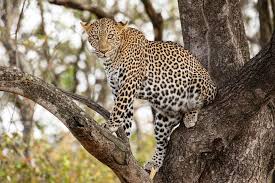
Binoculars make wildlife viewing much more enjoyable, allowing you to spot distant animals before your guide positions the vehicle.[1] Quality 8x42 or 10x42 binoculars reveal details invisible to the naked eye—a leopard in a tree, a pride of lions in tall grass, or a rare bird species. Invest in reputable brands like Swarovski, Zeiss, or Leica for clarity and durability.
Lightweight binoculars (under 28 ounces) reduce neck strain during long game drives. Keep binoculars accessible in a vehicle holder or around your neck, ready for instant use. Many photographers use binoculars to locate wildlife, then transition to telephoto lenses for detailed shots.
Waterproof Bags and Phone Protection
Pack waterproof bags or phone cases to protect your electronics.[3] Dust, moisture, and unexpected water crossings pose constant risks. Waterproof dry bags keep your phone, extra batteries, memory cards, and backup equipment safe from damage. A waterproof phone case allows you to photograph from the vehicle during rain without worrying about water damage.
Memory cards represent irreplaceable data—back up images daily to external hard drives or cloud storage when possible. Pack multiple memory cards (at least 256GB total capacity) so you never run out of storage during critical moments. Organize cards by date and location in a protective card holder.
Lighting Tools for Evening Photography
A small flashlight or headlamp is essential for navigating dark lodge pathways and photographing nocturnal animals during night game drives (if offered).[1] Pack a LED headlamp with red light mode to preserve night vision. Red light doesn't disturb wildlife as much as white light and helps you navigate without blinding yourself.
Some safari operators offer night game drives where you can photograph nocturnal animals like aardvarks, porcupines, and owls. A quality headlamp with adjustable brightness lets you navigate safely while remaining ready for wildlife photography opportunities.
Tripods and Stabilization Gear
A lightweight travel tripod or monopod stabilizes your camera for sharp images during long focal lengths and low-light conditions. Carbon fiber tripods weigh less than aluminum models, critical when luggage space is limited. Consider a compact ball head for quick adjustments between shots.
Vehicle windows and open hatches create vibration that blurs images at 300mm+ magnification. A beanbag or vehicle-mounted stabilizer keeps your lens steady during bumpy drives on unpaved roads. Many safari photographers use a monopod mounted to the vehicle door for stable, hands-free shooting.
A 10-day Tanzania safari involves remote locations, unpredictable weather, and exposure to unfamiliar environments. Beyond photography gear, you need health supplies, sun protection, and practical items that ensure comfort and safety throughout your journey.
Sun Protection and Skincare
Tanzania's equatorial sun is intense year-round. Pack high-SPF sunscreen (SPF 50+) and reapply every 2 hours, especially during game drives when you're stationary in direct sun. Sunburn damages skin and makes long days uncomfortable. Lip balm with SPF prevents painful chapped lips in dry, dusty conditions.
Include moisturizer for your face and hands—the combination of sun, dust, and low humidity dries skin quickly. A small bottle of aloe vera gel soothes minor sunburns and insect bites. Bring enough sunscreen for your entire trip; sunscreen is expensive and limited in remote safari lodges.
Insect Protection and First Aid
Pack insect repellent containing DEET (20-30%) to prevent mosquito bites and reduce malaria risk. Apply repellent to exposed skin and reapply after swimming or heavy sweating. Permethrin-treated clothing provides additional protection—many safari outfitters sell pre-treated shirts and pants.
Include a basic first aid kit with pain relievers, antihistamines for allergic reactions, anti-diarrhea medication, and antibiotic ointment. Tanzania's remote areas have limited medical facilities. Minor cuts and insect bites are common on safari; treat them promptly to prevent infection in warm, dusty conditions.
Hydration and Nutrition
Bring a durable reusable water bottle (2-3 liters capacity) and fill it at lodges before each game drive.[1] Staying hydrated in heat and altitude prevents fatigue and improves your photography focus. Lodges provide water, but carrying your own ensures you're never without hydration during long drives.
Pack high-energy snacks like nuts, energy bars, and dried fruit for between meals. Game drives start early (4:30 AM) before breakfast and last 4+ hours. Snacks maintain energy levels and prevent low blood sugar that affects your concentration and camera work.
Medications and Vaccinations
Consult your doctor about vaccinations and malaria prevention before your trip. Standard recommendations include yellow fever, typhoid, and tetanus vaccines. Malaria prophylaxis (antimalarial medication) is essential for most Tanzania regions; start medication before your trip as directed by your physician.
Pack prescription medications in original containers with pharmacy labels. Carry copies of prescriptions and a letter from your doctor explaining any medical conditions. Tanzania's pharmacies stock some common medications, but availability is unreliable. Bring enough medication for your entire 10-day trip plus a few extra days.
Luggage Strategy and Packing Organization
Safari vehicle space is limited. Two passengers share one row with a narrow aisle between seats. You need a luggage strategy that maximizes space while keeping photography gear accessible and organized during your 10-day journey.
Luggage Type and Size
Use a soft-sided duffel bag (around 60-70 liters) instead of rigid suitcases. Duffel bags compress, fit awkwardly shaped spaces, and survive rough handling. A rolling suitcase is impractical—safari lodges have no sidewalks, and vehicles have no luggage racks.
Most safari operators allow one checked bag (50 lbs/23kg) and one carry-on bag per person. Pack your camera gear, lenses, and irreplaceable items in your carry-on. Pack clothing and less critical items in your checked duffel bag. This way, if luggage is delayed, you still have your photography equipment.
Organizing Camera Gear
Use a camera backpack or shoulder bag that fits under your safari vehicle seat. This keeps your gear accessible during game drives and protected when you're not actively shooting. Peak Design, Domke, and Lowepro make excellent safari-specific camera bags with weather-resistant materials.
Organize lenses, batteries, memory cards, and cleaning supplies in clearly labeled compartments. During a game drive, you might have 30 seconds to switch lenses when a lion appears. A disorganized camera bag costs you critical shots. Practice accessing your gear at home before your safari.
Compression and Space Management
Use packing cubes to organize clothing by type (shirts, pants, underwear, socks). Compression cubes reduce volume and make it easy to find items without unpacking your entire duffel bag. Roll clothing instead of folding to save space—rolled items also wrinkle less.
Pack heavier items (shoes, camera gear) at the bottom of your duffel bag. Lighter items (clothing, toiletries) go on top. This distribution makes the bag easier to carry and prevents damage to sensitive electronics from compression.
Laundry and Daily Rotation
Most safari lodges offer laundry service, but turnaround is slow. Request laundry on your first day so items are ready by day three or four. Pack enough clothing to go 3-4 days without laundry. With strategic rotating, 8-10 days of clothing works for a 10-day trip.
Keep your safari outfit (neutral-colored shirt, pants, socks) accessible and wear it every day. Lodges expect this; other guests do the same. Rotate one or two other outfits for evening dinners and rest days. This approach minimizes packing volume while ensuring you're always appropriately dressed.
Preparing Before Your Safari: Final Checklist
The weeks before your safari are crucial for ensuring you have the right gear and that everything works properly. Testing equipment at home prevents frustrating failures in remote Tanzania locations where repairs are impossible.
Equipment Testing and Maintenance
Test your camera, lenses, and accessories thoroughly before departure. Charge all batteries fully and verify they hold charge for a full game drive (4+ hours). Test your camera's autofocus, image stabilization, and weather sealing. If you have a new camera or lens, practice using it extensively before your safari.
Clean your camera sensor and lenses before packing. Dust and debris left inside will magnify during your trip. Have a professional sensor cleaning if you're not confident doing it yourself. Pack a comprehensive cleaning kit and practice sensor cleaning at home before relying on it in the field.
Booking with Verified Operators
Partner with experienced safari operators who understand photography needs. Best safari tour operators for Tanzania often offer specialized photography-focused packages with extended game drives and prime wildlife viewing locations. These operators position vehicles strategically for optimal light and animal behavior.
Read reviews from previous wildlife photographers. Experienced photographers share specific feedback about vehicle positioning, guide expertise, and wildlife access—information that directly impacts your photography success. SafariFind's verified reviews from past travelers help you identify operators experienced with photography safaris.
Communication with Your Operator
Contact your safari operator at least 4 weeks before departure. Share your photography goals, camera equipment, and experience level. Professional operators adjust vehicle positioning, timing, and routes based on photographer needs. They know which locations offer best light at specific times and which animals are most active during your travel dates.
Ask your operator about packing specifics for your chosen parks and season. Serengeti in July differs dramatically from Serengeti in January. Your operator provides essential details about weather patterns, animal movements, and specific gear recommendations for your exact travel dates and locations.
Key Takeaways
Invest in a telephoto lens of at least 300mm—this single piece of gear determines 80% of your wildlife photography success on a 10-day Tanzania safari.
Pack neutral-colored clothing (tan, khaki, olive) exclusively; bright colors startle wildlife and degrade your image composition in environmental shots.
Bring 3-4 fully charged camera batteries and a portable solar charger; most lodges lack reliable electricity for daily charging during extended game drives.
Use waterproof bags and protective cases for all electronics; Tanzania's dust, humidity, and unexpected water crossings damage unprotected gear within days.
Book your safari 3-6 months in advance through verified operators like those listed on SafariFind to access photography-focused packages with prime wildlife viewing positions and extended game drives.
Frequently Asked Questions
What camera equipment do I absolutely need for a 10-day Tanzania wildlife photography safari?
You need a DSLR or mirrorless camera with weather sealing, a telephoto lens of at least 300mm (400-600mm is better), and a secondary 24-70mm lens for context shots.[7] Add binoculars, a lens cleaning kit, extra batteries, memory cards, and protective waterproof bags. This combination covers 95% of wildlife photography situations on a 10-day trip. Consider visiting Tanzania safari field guide resources to understand which animals you'll photograph, then choose lenses accordingly.
What clothing colors should I wear on a Tanzania safari for wildlife photography?
Wear neutral colors exclusively: tan, khaki, olive green, and brown.[5] Avoid bright whites, reds, oranges, and blues. Neutral tones don't startle wildlife and improve your photo composition by keeping attention on the animal subject rather than your appearance. Long sleeves and trousers provide sun protection and insect defense while maintaining the neutral color strategy essential for wildlife photography.
How much memory card storage do I need for a 10-day Tanzania safari?
Pack at least 256GB total capacity across multiple cards (four 64GB or two 128GB cards). A DSLR shooting high-resolution RAW images consumes 30-50MB per photo. With 500-1,000 shots daily during a 10-day safari, you'll need substantial storage. Carry backup external hard drives or cloud storage access to copy images daily, reducing reliance on memory cards alone.
Do I need a tripod or monopod for wildlife photography on a safari?
A lightweight carbon fiber monopod or compact tripod stabilizes your camera at 300mm+ focal lengths, especially during low-light conditions and bumpy vehicle drives. Vehicle vibration causes motion blur with long lenses; stabilization equipment prevents this. A vehicle-mounted beanbag or stabilizer is lighter and more practical than a traditional tripod in a cramped safari vehicle.
What sun protection and health items should I pack for Tanzania's equatorial climate?
Pack SPF 50+ sunscreen, lip balm with SPF, aloe vera gel, insect repellent with DEET (20-30%), and a basic first aid kit with pain relievers and antihistamines. Include a durable 2-3 liter reusable water bottle and high-energy snacks. Consult your doctor about malaria prophylaxis and required vaccinations (yellow fever, typhoid, tetanus) before your trip.
When should I book my Tanzania wildlife photography safari to get the best experience and pricing?
Book 3-6 months in advance to access the best photography-focused packages and secure prime vehicle positions during peak wildlife seasons (June-October).[1] Early booking also provides 15-20% discounts on rates. Browse affordable Tanzania safari packages on SafariFind to compare verified operators and request quotes from specialists experienced with wildlife photography trips.
Can I use flash photography during a Tanzania safari to improve low-light wildlife shots?
Flash is not allowed on Tanzania safaris because it disturbs, blinds, and harms animals.[4] Instead, use high ISO sensitivity (3200-6400) and fast lenses to capture low-light images without flash. Rely on golden hour photography (sunrise and sunset) when natural light is warm and directional. Modern cameras handle high ISO beautifully, making flash unnecessary for professional wildlife results.
Conclusion
Packing properly for a 10-day Tanzania wildlife photography safari transforms your trip from good to exceptional. The right camera gear, protective equipment, and practical items ensure you're ready for every wildlife moment while keeping yourself comfortable and healthy in challenging conditions. A telephoto lens of at least 300mm and quality binoculars form the foundation of successful wildlife photography, supported by neutral-colored clothing, waterproof protection, and essential health supplies.
Your 10-day journey through Tarangire, Ngorongoro Crater, and Serengeti offers unmatched wildlife photography opportunities—but only if your gear is properly organized and protected. Start with the essential checklist provided above, test all equipment before departure, and communicate with your safari operator about your photography goals. Most importantly, book with verified safari tour operators experienced in wildlife photography who understand how to position vehicles and time drives for optimal light and animal behavior.
Compare packages on SafariFind to find operators with strong photography credentials and authentic traveler reviews. Request quotes from verified operators, ask specific questions about vehicle positioning for photography, and read reviews from previous wildlife photographers. Your preparation now directly impacts the quality of images you'll capture and memories you'll treasure from Tanzania in 2026. Start planning today, pack strategically, and prepare for the safari of a lifetime.
Plan Your Safari with SafariFind
These recommendations use real data from SafariFind, where you can compare operators, browse packages, and read verified traveler reviews before you book.
10-Day Tanzania Grand Safari & Zanzibar Escape • $3,111 • 10 days • by Blessed Path Adventures
What Travelers Say (SafariFind Reviews)
5★ - "A very great and good experience in Kenya to see big five we visit masai mara with Denis our guide and Tanzania our guides were very good we had a great trip we enjoy every second and my best spot was seeing lions hunt i" - Diaz Papez • Verified review
"A very great and good experience in Kenya to see big five we visit masai mara with Denis our guide and Tanzania our guides were very good we had a great trip we enjoy every second and my best spot was seeing lions hunt in the evening where they attack buffalos and like 5 lions were spotted In Uganda we only see gorillas and chimpanzee tracking my daughter was so amazed by the chimpanzees in kyambura in queen Elisabeth but we have a great trip which is unforgettable and we cant thank Victoria enough for putting together this and communication was perfect I recommend go explore safari"
Diaz Papez•7/11/2026
4★ - "I would be so naïve if I had never planned this trip to Tanzania with this company after a period of searching on trip advisor and other travel websites I found go explore safaris and sent them my trip request for me and" - Victoria Kristen • Verified review
"I would be so naïve if I had never planned this trip to Tanzania with this company after a period of searching on trip advisor and other travel websites I found go explore safaris and sent them my trip request for me and my daughters as they had gotten holidays from there college and I decided to plan for them a trip to Africa. Tanzania was the main destination so brian was the main correspondence person who responded to all my emails, he gave us a very nice tailor made trip proposal for 11 days in Tanzania visiting all the top destinations in Tanzania. so after a few emails and couple of questions we trusted this company and made our trip meet our expectations. my kids were so happy we had the very best of the trip we visited tarangire national park, Serengeti, lake manyara and Ngorongoro reserve which were so much full of wildlife and the evolving masai cultural visit in olpopongi in Arusha the lodges we slept in were very nice and clean me and my kids shared a very nice family room at Serengeti Serena lodge which had the best views in the plains hamza our guide was a very experienced driver guide and had a lot of information about his country and was happy sharing every moment making the trip so much fun I definitely have to recommend the services of your company to anyone travelling here in east Africa and looking forward to coming back to track the gorillas in uganda."
Victoria Kristen•7/11/2026
5★ - "My trip with brian was definitly amazing ! Everything was organised like i want ! The car , the guide , the accommodation was perfect ! Thanks You very much for this perfect trip in Tanzania and Kenya !" - Jegou • Verified review
"My trip with brian was definitly amazing ! Everything was organised like i want ! The car , the guide , the accommodation was perfect ! Thanks You very much for this perfect trip in Tanzania and Kenya !"
Jegou•7/11/2026
5★ - "in october we went on safari with goexplore safaris where victoria and jusper came to meet us at Entebbe and we went to wild waters lodge in jinja such a beautiful lodge on a small island on river nile our trip was for 1" - Micheal Kayo • Verified review
"in october we went on safari with goexplore safaris where victoria and jusper came to meet us at Entebbe and we went to wild waters lodge in jinja such a beautiful lodge on a small island on river nile our trip was for 10 days around Uganda where we saw gorilla and chimps the lodging was 5 star victoria's prompt response on email was amazing and i would rate her communication above 5stars we couldn't thank the team for putting together an amazing luxury safari for me and my brother thank so much we definitely will be travelling to kenya and Tanzania in the next coming year i would highly recommend their services to anyone travelling across east Africa"
Micheal Kayo•7/11/2026
5★ - "We did 11 days “Legends of East Africa” tour which includes Tanzania, Kenia and Uganda. The itinerary is amazing – it enables you to see all the best in East Africa: wild life in Serengeti and Masai Mara (we met everyone" - Natasha • Verified review
"We did 11 days “Legends of East Africa” tour which includes Tanzania, Kenia and Uganda. The itinerary is amazing – it enables you to see all the best in East Africa: wild life in Serengeti and Masai Mara (we met everyone we could meet: lions, cheetahs, leopards, a lot of antelopes, zebras, giraffes, baboons, hyenas), gorillas and chimpanzees in Uganda! Take hot air balloon in Masai Mara (optional, you need to book it advance), extra cost but it definitely worth it. Uganda is less popular as a tourist destination but definitely worth visiting – unique opportunity to visit gorillas and spend one hour with them in the forest, beautiful nature and very positive people! The program also includes visiting Masai village in Tanzania (extra cost) and traditional village in Uganda with bananas plantation. We really enjoyed lodging and meals (overall level was far above our expectations)! Lodges with nice design and views – especially in Uganda. Chris is a great guide with perfect English!"