Great Zimbabwe Tours 2027: Entry Fees and Package Costs
Discover Great Zimbabwe Tours 2027: Entry Fees and Package Costs - Expert guide to safari tourism and wildlife destinations.
5 min read
Tanzania Safari Photography: 2026 Specialists
Last updated: July 2026
Tanzania's top wildlife photography safari companies in 2026 specialize in capturing Africa's most iconic moments. Expect to pay $3,500–$8,000 per person for 7–10 days with expert guides and small group sizes. The best time for wildlife photography is June–October during the Great Migration. Book through verified operators on SafariFind to compare packages and read authentic reviews from past photographers.
At a Glance
Cost: $3,500–$8,000 per person for 7–10 days
Best time: June–October (Great Migration and dry season)
Group size: 4–8 photographers per safari
Duration: 7–14 days recommended
Best for: Professional and amateur wildlife photographers
Tanzania safari photography companies are specialized tour operators that focus on capturing wildlife images in Africa's most stunning landscapes. These companies combine expert wildlife knowledge with professional photography instruction. They design itineraries specifically around animal behavior and lighting conditions for optimal shots.
Wildlife photography safari companies in Tanzania differ from standard safari tours in several key ways. They limit group sizes to 4–8 people instead of 12–15. Guides receive training in animal positioning and behavior prediction. Vehicles stay longer at wildlife sightings to capture the best moments.
KiliClimb Africa Safaris is a Tanzanian photography safari operator headquartered in Arusha, offering guided wildlife photo tours across Tarangire, Ngorongoro Crater, and the Serengeti.[1] Small groups of up to six guests travel in 4×4 vehicles fitted with camera mounts and shade. The company pairs experienced wildlife guides with photography mentors who understand composition and technical camera settings.
Roads of Adventure Safaris guarantees a tailor-made experience that focuses on your photographic interests.[2] Their team specializes in creating personalized itineraries that highlight the best wildlife encounters at the right times of day. They work with professional photographers and beginners equally well.
Women in Wildlife Photography LLC focuses on women-led, photography-driven safaris—blending expert guides, flexible itineraries, and community support.[6] This operator recognizes that women photographers often want different experiences than traditional group safaris offer. They prioritize comfort, safety, and creative freedom.
Top Tanzania Safari Photography Companies for 2026
Locally-Owned Arusha-Based Operators
The best safari companies in Tanzania for 2026 fall into four groups: locally-owned Arusha-based operators with strong review records, high-end luxury specialists, international photography-focused outfitters, and budget-conscious adventure companies.[3] Arusha-based operators include Suricata Safaris, Gosheni Safaris, Roy Safaris, Lion King Adventures, Altezza Travel, and Easy Travel & Tours.
These local companies offer several advantages. They know the parks intimately and have relationships with local guides. They operate at lower overhead costs than luxury chains. Most offer flexible booking and can customize itineraries within weeks rather than months.
Suricata Safaris specializes in small-group wildlife photography tours. They provide vehicle upgrades with pop-up roofs for unobstructed shooting. Guides receive annual training in wildlife behavior and photography fundamentals. Prices typically run $4,200–$6,500 for 7 days.
Professional Wildlife Photography Specialists
Untamed Photo Safaris leads small groups of passionate photographers on wildlife photo safaris through Kenya, Tanzania, and Uganda.[8] They specialize in immersive, expertly guided photographic safaris led by professional wildlife photographers. Their Tanzania itineraries focus on the Serengeti's Great Migration and predator–prey interactions.
Odysseys From Africa, located in Arusha, offers custom safari proposals for wildlife photography clients.[4] Their team requests information about your photography goals, camera equipment, and skill level. They then design itineraries around specific species, behaviors, or landscapes you want to photograph.
These specialists typically charge $5,500–$8,000 for 10-day safaris. The premium reflects smaller groups, expert guides, and flexible pacing. You'll spend 4–6 hours daily on game drives instead of the standard 2–3 hours.
Luxury and High-End Operators
Rede Tours and Safaris specializes in high-end, private safaris for photographers with premium budgets.[3] They offer exclusive use of vehicles, private guides, and access to remote locations. Accommodations include luxury lodges and high-end tented camps.
Luxury operators charge $6,000–$12,000+ per person for 7 days. However, you get dedicated vehicles, premium lodging, gourmet meals, and personalized attention. Some offer photography mentoring from renowned wildlife photographers.
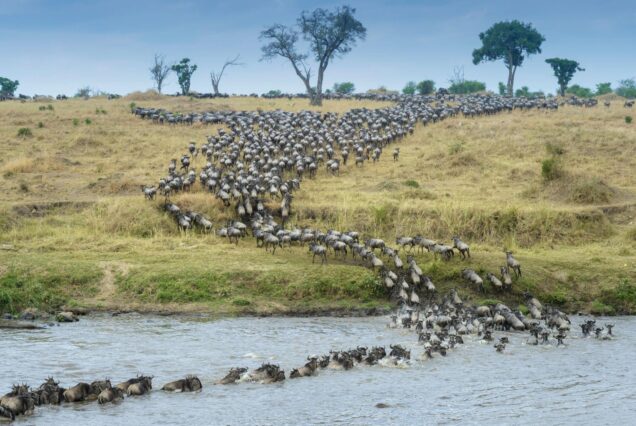
Tanzania's Serengeti National Park is one of the best safari destinations in the world for wildlife photography.[7] The park covers 14,750 square kilometers and hosts the Great Migration—1.5 million wildebeest, zebras, and gazelles moving between Tanzania and Kenya. Embark on a safari and capture the awe-inspiring Great Migration between June and October.
The best time for wildlife photography in Tanzania depends on what you want to photograph. The dry season runs June–October, when animals gather at water sources and grass is short. Visibility is excellent, and wildlife density peaks. This is peak season for the Great Migration.
November–May is the wet season. Animals disperse across the parks, but vegetation is lush and bird activity increases. Fewer tourists visit, so you get more solitude. Lighting is often softer due to cloud cover. Many photographers prefer June–October for quantity; some prefer November–May for quality and isolation.
July–September offers the most dramatic wildlife moments. The Great Migration crosses the Mara River in this window, creating iconic predator–prey scenes. Book photography safaris 4–6 months ahead for July–September departures to secure spots with the best operators.
What to Expect: Daily Schedules and Pacing
A typical photography safari day starts before sunrise. You'll leave your lodge at 5:30–6:00 AM to position vehicles for golden hour light. Morning drives last 3–4 hours, returning by 10:00 AM for breakfast and rest.
Afternoon sessions run 4:00–7:00 PM to capture late-day light. This timing catches predators hunting and golden-hour landscapes. Evenings include image review sessions where guides and photographers discuss the day's shots and plan next-day locations.
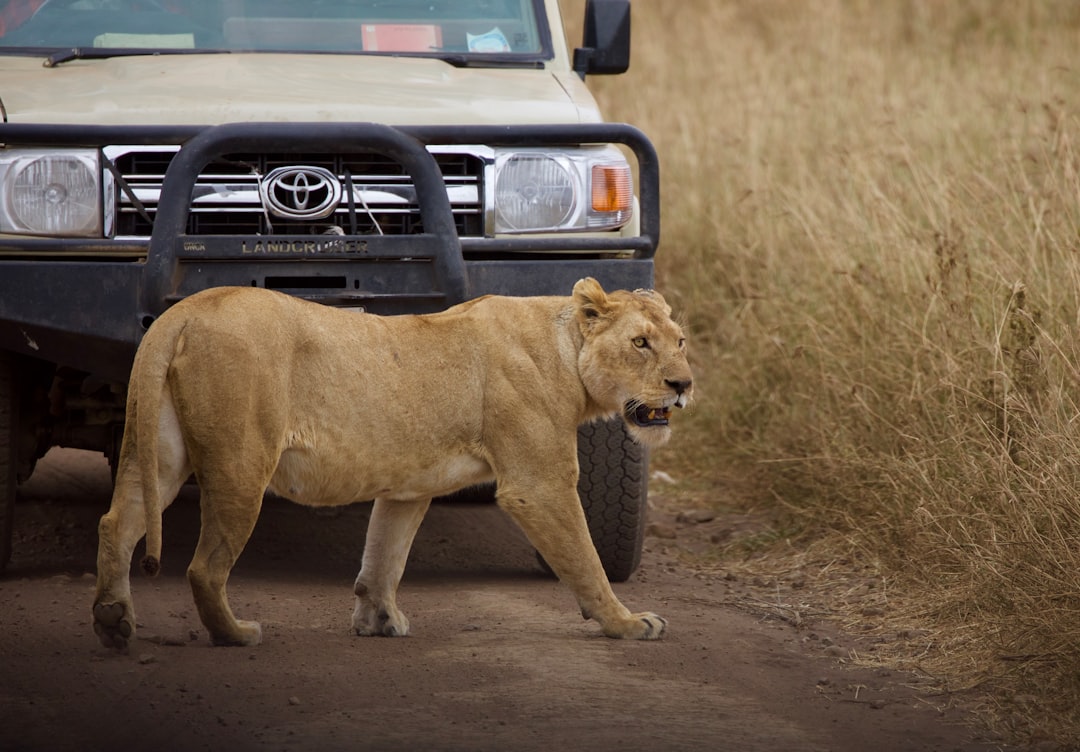
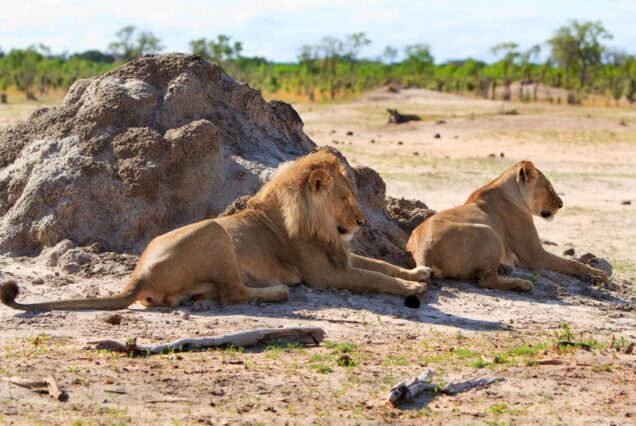
Photography-focused safaris move slowly. When you spot a lion, the vehicle stays 30–60 minutes instead of 5–10 minutes. Guides anticipate behavior and position vehicles for optimal angles. This pacing requires smaller groups and dedicated vehicles.
Equipment and Camera Considerations
Bring telephoto lenses of at least 400mm (full-frame equivalent). A 70–200mm or 100–400mm zoom works for scenic and medium-distance subjects. A 24–70mm covers landscapes and wide-angle shots. Backup bodies and extra batteries are essential.
Most safari vehicles have camera mounts and charging stations. Ask your operator about vehicle specifications during booking. Some companies provide gimbal heads or bean bags for camera support. Bring a laptop or external drives to back up images nightly.
Polarizing filters reduce glare from water and grass. Neutral-density filters help with exposure in bright conditions. A sturdy tripod or monopod improves stability during long telephoto shots. Weather protection for gear is critical during the wet season.
Find your perfect safari by exploring photography-focused packages on SafariFind. Compare operators, read reviews from past photographers, and request custom quotes that match your equipment and skill level.
Cost Breakdown and Booking Information
Typical Pricing for Wildlife Photography Safaris
Tanzania safari photography companies offer packages at different price points. Budget operators charge $3,500–$4,500 for 7 days with shared vehicles and basic lodges. Mid-range companies charge $4,500–$6,500 with smaller groups and comfortable accommodations. Luxury specialists charge $6,500–$12,000+ with exclusive vehicles and premium lodges.
Prices typically include accommodation, all meals, park fees, guides, and game drives. International flights, travel insurance, vaccinations, and visas are usually extra. Some operators offer all-inclusive packages that add flights from major cities for an additional $1,500–$3,000.
Peak season (July–October) costs 20–40% more than shoulder season (June, November). December–February is low season with discounts of 30–50%. However, January–February offers excellent wildlife photography in some regions.
How to Book Your Photography Safari
Start by defining your goals. What animals or behaviors do you want to photograph? What's your budget? How many days can you travel? Do you need flights included?
Research operators using SafariFind's verified listings and authentic reviews. Read feedback from past photographers specifically. Check if operators mention photography experience and vehicle specifications. Contact 3–5 operators with your requirements.
Request detailed itineraries showing daily schedules, lodge names, and guide information. Ask about group size, vehicle type, and photography-specific amenities. Confirm cancellation policies and payment schedules. Most operators require 30–50% deposits 60 days before departure.
Compare Tanzania safari and Zanzibar packages if you want to combine wildlife with beach relaxation. Many operators offer add-on Zanzibar extensions for 2–4 days after your safari. This creates a well-rounded East Africa trip.
Learn about visa requirements for US citizens traveling to Tanzania and recommended vaccinations for a Tanzania trip before finalizing bookings. These factors affect your preparation timeline and total trip cost.
Photography safaris should limit groups to 4–8 people maximum. Larger groups create competition for vehicle positioning and distract wildlife. Ask operators about their typical group sizes and whether they guarantee small groups or have larger backup groups.
Vehicle setup matters significantly. Pop-up or open-sided roofs allow shooting in all directions without reflections. Camera mounts and gimbal heads reduce hand fatigue. Shade covers protect equipment from sun and dust. Ask for photos of actual vehicles before booking.
Dedicated vehicles (one per group) beat shared vehicles (one per 2–3 groups). Dedicated vehicles can position anywhere and stay as long as wildlife cooperates. Shared vehicles must follow a rotation schedule.
Guide Expertise and Photography Knowledge
Expert guides predict animal behavior and position vehicles for optimal angles. They understand light direction and timing. They know seasonal animal movements and specific locations where certain species gather.
Ask if guides receive photography training. Do they understand composition, exposure, and focusing techniques? Can they explain camera settings in simple terms? Do they have experience working with professional photographers?
The best operators pair wildlife guides with photography mentors. Guides handle wildlife knowledge; mentors offer technical photography advice. This combination creates the best learning environment for improving your craft.
Flexibility and Customization
Photography safaris require flexibility. If a lion pride settles for a long hunt, the itinerary shifts. If rare birds appear, you adjust plans. Operators should build buffer time into schedules and empower guides to deviate from rigid plans.
Ask about customization options. Can you request specific animals or behaviors? Can you adjust daily pacing? Can you extend stays at productive locations? Rigid itineraries rarely work well for photography.
Booking your Photography Tanzania wildlife safari with Roads of Adventure Safaris guarantees a tailor-made experience that focuses on your photographic interests and schedule flexibility.[2]
Comparing Tanzania Safari Photography to Kenya and Other Regions
Tanzania and Kenya both offer world-class wildlife photography. The Serengeti rivals Kenya's Masai Mara for wildlife density and dramatic moments. However, Tanzania typically costs 15–25% less than Kenya. Tanzania's parks feel less crowded than Kenya's during peak season.
The Serengeti offers vast open plains ideal for wide-angle and landscape photography. The Masai Mara offers denser wildlife concentration in smaller areas. Choose Tanzania for solitude and scale; choose Kenya for intensity and accessibility.
Learn more by reading Tanzania Safari vs Kenya: Wildlife, Cost & Which Operator to Book 2026 to make an informed comparison before committing your budget.
Uganda and Rwanda offer different wildlife photography opportunities. Gorilla trekking in Rwanda and chimpanzee tracking in Uganda appeal to primatologists. These destinations cost more and require specialized operators. Tanzania's big five and large herbivore herds suit most wildlife photographers.
Northern Tanzania safari guide resources abound online. The region's established infrastructure makes logistics easier than southern Tanzania. However, southern parks like Selous offer exceptional photography without the crowds.
Practical Preparation and Logistics
Visas, Vaccinations, and Health Requirements
US citizens need a Tanzania visa, which costs $50–$100. You can obtain it on arrival or apply in advance online. Processing takes 1–5 days. Bring two blank passport pages and a digital photo.
Recommended vaccinations for a Tanzania trip include yellow fever, typhoid, hepatitis A, and malaria prevention. Consult your doctor 4–6 weeks before departure. Malaria prophylaxis is essential for all safari regions except high-altitude areas above 1,800 meters.
Travel insurance covering evacuation is highly recommended. Safari regions are remote, and medical facilities are limited. Policies cost $50–$200 for 2 weeks depending on coverage.
Read Tanzania Safari Visa & Vaccinations: US Citizen Requirements 2026 for detailed information on documentation and health preparation specific to American travelers.
Packing List Essentials for a 10-Day Safari
Pack neutral-colored clothing (khaki, olive, gray, brown). Avoid bright colors that startle wildlife. Bring long sleeves and pants for sun and insect protection. Include a lightweight rain jacket for wet season.
Footwear matters. Bring sturdy hiking boots for lodge areas and comfortable sandals for vehicles. Quick-dry shirts and moisture-wicking underwear prevent discomfort during long drives.
Sun protection is critical. Pack SPF 50+ sunscreen, a wide-brimmed hat, and sunglasses. Bring binoculars for spotting distant wildlife. A headlamp or flashlight helps for early morning departures.
Camera gear should include lens cleaning kits, microfiber cloths, and dust covers. Bring backup memory cards, extra batteries, and a portable charger. A small laptop or tablet helps review and organize images daily.
Consult a detailed packing list essentials for a 10-day safari guide before finalizing your luggage. These resources provide comprehensive checklists organized by category.
Getting There: Transportation Options
Most international visitors fly into Kilimanjaro International Airport (JRO) near Arusha. Direct flights from US cities take 15–18 hours with one stop. Major carriers include Kenya Airways, Ethiopian Airlines, and Qatar Airways. Airfare typically costs $1,000–$2,000 roundtrip.
From Arusha, drive to the Serengeti (4–5 hours), Tarangire (2 hours), or Ngorongoro Crater (1.5 hours). Some operators arrange charter flights to airstrips within parks, reducing drive time and increasing safari time.
Affordable Tanzania safari packages with flights included typically add $1,500–$2,500 to the base package price. These all-inclusive options simplify planning and often provide better value than booking flights separately.
Key Takeaways
Book Tanzania safari photography companies 4–6 months ahead for July–October departures to secure spots and save 15–20% on pricing through early-bird discounts.
Choose operators with small group sizes (4–8 people) and dedicated vehicles to maximize wildlife positioning and minimize competition for camera angles.
Expect to pay $3,500–$8,000 per person for 7–10 day wildlife photography safaris with expert guides and professional-grade vehicle setups in 2026.
The Serengeti during June–October offers the highest probability of capturing dramatic Great Migration moments, including river crossings and predator–prey interactions.
Compare verified operators on SafariFind to read authentic reviews from past photographers and confirm equipment specifications, guide credentials, and group size guarantees before committing payment.
Frequently Asked Questions
How much does a wildlife photography safari in Tanzania typically cost in 2026?
Tanzania safari photography companies charge $3,500–$8,000 per person for 7–10 days as of 2026. Budget operators with shared vehicles cost $3,500–$4,500. Mid-range companies with smaller groups cost $4,500–$6,500. Luxury specialists with exclusive vehicles cost $6,500–$12,000+. Peak season (July–October) costs 20–40% more than shoulder season. Prices typically include accommodation, meals, park fees, and guides but exclude international flights ($1,000–$2,000) and travel insurance.
What is the best time of year for wildlife photography in Tanzania's Serengeti?
The best time for wildlife photography in Tanzania's Serengeti is June–October during the dry season and Great Migration. July–September offers the most dramatic moments as 1.5 million wildebeest cross the Mara River. June and October provide excellent wildlife viewing with fewer tourists. November–May is the wet season with dispersed animals and lush vegetation—ideal for photographers seeking solitude and bird photography. Book 4–6 months ahead for peak season departures.
Which Tanzania safari companies specialize in wildlife photography and small group sizes?
Top Tanzania safari photography companies include KiliClimb Africa Safaris (Arusha-based, up to 6 guests per tour), Roads of Adventure Safaris (tailor-made photography itineraries), Women in Wildlife Photography LLC (women-led, photography-focused), Untamed Photo Safaris (professional photographer guides), and Odysseys From Africa (custom proposals). Locally-owned operators like Suricata Safaris, Gosheni Safaris, and Roy Safaris also offer photography-focused packages. All limit groups to 4–8 people and provide vehicles with camera mounts and shade for optimal shooting conditions.
What equipment and camera gear do I need for a Tanzania safari photography trip?
Bring telephoto lenses of at least 400mm (full-frame equivalent) for wildlife. A 70–200mm or 100–400mm zoom covers most situations. Include a 24–70mm for landscapes and wide angles. Bring backup camera bodies and extra batteries. Polarizing filters, neutral-density filters, and lens cleaning kits are essential. Ask your operator about vehicle camera mounts and charging stations. A laptop or external drive backs up images nightly. Tripods or monopods improve stability during long telephoto shots, especially in vehicles.
Are Tanzania safari and Zanzibar packages combined available for wildlife photography?
Yes, many operators offer Tanzania safari and Zanzibar combination packages. You spend 7–10 days on wildlife photography safaris in the Serengeti or Tarangire, then 2–4 days relaxing on Zanzibar's beaches. These all-inclusive packages typically cost $4,500–$6,500 per person for 10–14 days total. Combination trips appeal to photographers and non-photographers traveling together. Ask operators about package options and internal flight costs between mainland Tanzania and Zanzibar during booking.
How do I book a multi-day photography safari in Tanzania online with verified operators?
Start by exploring safari packages on SafariFind, which lists verified operators and authentic reviews from past photographers. Define your goals, budget, and travel dates. Contact 3–5 operators with your requirements and request detailed itineraries. Compare group sizes, vehicle types, lodge quality, and guide credentials. Read reviews from past photographers specifically. Ask about cancellation policies and payment schedules. Most operators require 30–50% deposits 60 days before departure. SafariFind lets you request quotes directly and compare multiple operators side-by-side before committing.
Conclusion
Tanzania's wildlife photography safari companies deliver world-class experiences for photographers of all skill levels in 2026. From locally-owned Arusha operators to international specialists, you'll find verified companies offering tailored itineraries, small groups, and expert guides trained in both wildlife behavior and photography fundamentals.
The Serengeti's Great Migration between June and October remains the premier wildlife photography event globally. Expect to invest $3,500–$8,000 per person for 7–10 days with professional-grade vehicle setups and guides who understand your creative goals. Book 4–6 months ahead for peak season departures to secure spots and maximize wildlife encounters.
Start planning by comparing verified Tanzania safari photography companies on SafariFind. Read authentic reviews from past photographers, request custom quotes, and confirm group sizes and vehicle specifications before payment. SafariFind connects you with honest operators who specialize in capturing Africa's most iconic moments through your lens.
Your perfect photography safari awaits. Browse safari packages on SafariFind today, request quotes from multiple verified operators, and begin planning your 2026 Tanzania wildlife photography adventure.
Plan Your Safari with SafariFind
These recommendations use real data from SafariFind, where you can compare operators, browse packages, and read verified traveler reviews before you book.
5★ - "A very great and good experience in Kenya to see big five we visit masai mara with Denis our guide and Tanzania our guides were very good we had a great trip we enjoy every second and my best spot was seeing lions hunt i" - Diaz Papez • Verified review
"A very great and good experience in Kenya to see big five we visit masai mara with Denis our guide and Tanzania our guides were very good we had a great trip we enjoy every second and my best spot was seeing lions hunt in the evening where they attack buffalos and like 5 lions were spotted In Uganda we only see gorillas and chimpanzee tracking my daughter was so amazed by the chimpanzees in kyambura in queen Elisabeth but we have a great trip which is unforgettable and we cant thank Victoria enough for putting together this and communication was perfect I recommend go explore safari"
Diaz Papez•7/11/2026
4★ - "I would be so naïve if I had never planned this trip to Tanzania with this company after a period of searching on trip advisor and other travel websites I found go explore safaris and sent them my trip request for me and" - Victoria Kristen • Verified review
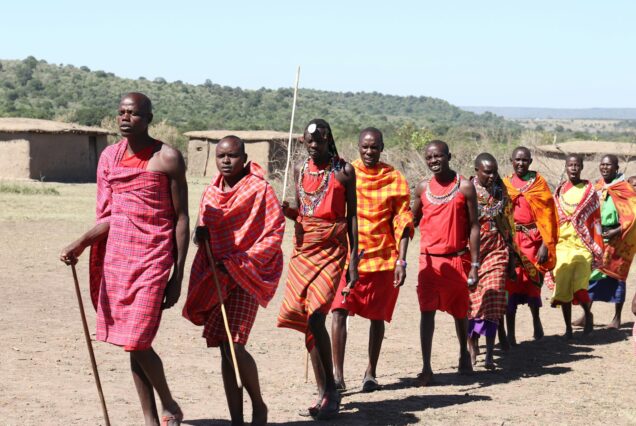
"I would be so naïve if I had never planned this trip to Tanzania with this company after a period of searching on trip advisor and other travel websites I found go explore safaris and sent them my trip request for me and my daughters as they had gotten holidays from there college and I decided to plan for them a trip to Africa. Tanzania was the main destination so brian was the main correspondence person who responded to all my emails, he gave us a very nice tailor made trip proposal for 11 days in Tanzania visiting all the top destinations in Tanzania. so after a few emails and couple of questions we trusted this company and made our trip meet our expectations. my kids were so happy we had the very best of the trip we visited tarangire national park, Serengeti, lake manyara and Ngorongoro reserve which were so much full of wildlife and the evolving masai cultural visit in olpopongi in Arusha the lodges we slept in were very nice and clean me and my kids shared a very nice family room at Serengeti Serena lodge which had the best views in the plains hamza our guide was a very experienced driver guide and had a lot of information about his country and was happy sharing every moment making the trip so much fun I definitely have to recommend the services of your company to anyone travelling here in east Africa and looking forward to coming back to track the gorillas in uganda."
Victoria Kristen•7/11/2026
5★ - "My trip with brian was definitly amazing ! Everything was organised like i want ! The car , the guide , the accommodation was perfect ! Thanks You very much for this perfect trip in Tanzania and Kenya !" - Jegou • Verified review
"My trip with brian was definitly amazing ! Everything was organised like i want ! The car , the guide , the accommodation was perfect ! Thanks You very much for this perfect trip in Tanzania and Kenya !"
Jegou•7/11/2026
5★ - "in october we went on safari with goexplore safaris where victoria and jusper came to meet us at Entebbe and we went to wild waters lodge in jinja such a beautiful lodge on a small island on river nile our trip was for 1" - Micheal Kayo • Verified review
"in october we went on safari with goexplore safaris where victoria and jusper came to meet us at Entebbe and we went to wild waters lodge in jinja such a beautiful lodge on a small island on river nile our trip was for 10 days around Uganda where we saw gorilla and chimps the lodging was 5 star victoria's prompt response on email was amazing and i would rate her communication above 5stars we couldn't thank the team for putting together an amazing luxury safari for me and my brother thank so much we definitely will be travelling to kenya and Tanzania in the next coming year i would highly recommend their services to anyone travelling across east Africa"
Micheal Kayo•7/11/2026
5★ - "We did 11 days “Legends of East Africa” tour which includes Tanzania, Kenia and Uganda. The itinerary is amazing – it enables you to see all the best in East Africa: wild life in Serengeti and Masai Mara (we met everyone" - Natasha • Verified review
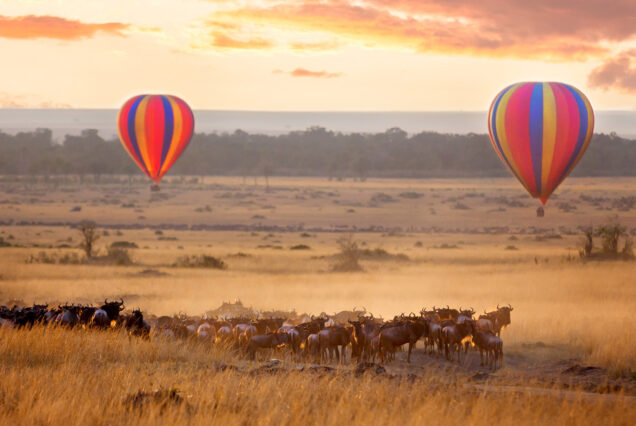
"We did 11 days “Legends of East Africa” tour which includes Tanzania, Kenia and Uganda. The itinerary is amazing – it enables you to see all the best in East Africa: wild life in Serengeti and Masai Mara (we met everyone we could meet: lions, cheetahs, leopards, a lot of antelopes, zebras, giraffes, baboons, hyenas), gorillas and chimpanzees in Uganda! Take hot air balloon in Masai Mara (optional, you need to book it advance), extra cost but it definitely worth it. Uganda is less popular as a tourist destination but definitely worth visiting – unique opportunity to visit gorillas and spend one hour with them in the forest, beautiful nature and very positive people! The program also includes visiting Masai village in Tanzania (extra cost) and traditional village in Uganda with bananas plantation. We really enjoyed lodging and meals (overall level was far above our expectations)! Lodges with nice design and views – especially in Uganda. Chris is a great guide with perfect English!"