SafariFind, Inc. · 34 Brier Avenue, Unit 610, Wilmington, DE 19805, United States · Company No. 10818632
Tanzania Safari All-Inclusive 2026
Last updated: July 2026
A $4,500 all-inclusive Tanzania safari covers luxury accommodations, meals, guided game drives, park fees, and internal transfers for 7 days. The best time to visit is July through October for the Great Migration. Book through verified operators on SafariFind to compare packages and read authentic reviews from past travelers.
At a Glance
Cost per person: $4,500 for 7 days all-inclusive (accommodation, meals, game drives, park fees)
Best time to visit: July–October for the Great Migration in the Serengeti
Duration: 7 days recommended for a complete northern Tanzania safari circuit
Getting there: International flights to Kilimanjaro Airport (extra cost); domestic flights between parks included
What is Included in a $4,500 All-Inclusive Tanzania Safari?
A $4,500 all-inclusive Tanzania safari is a complete package that covers luxury accommodations, meals, guided game drives, park fees, and internal transfers for seven days. This price point targets mid-to-luxury travelers who want excellent service without ultra-premium costs. International airfare to Tanzania is not included and costs extra. As of 2026, this represents the sweet spot for families and couples seeking quality wildlife experiences across northern Tanzania's famous parks.
Accommodation and Lodging
Your all-inclusive package includes stays at quality mid-range to luxury tented camps or lodges throughout your safari. These accommodations feature en-suite bathrooms, comfortable beds, and stunning views of the African landscape. You'll sleep in locations like the Serengeti, Ngorongoro Crater, and Tarangire National Park.
Luxury lodges and tented camps are the hallmark of a $4,500 safari experience [5]. Your rooms include air conditioning or fans, electricity, and hot showers. Many properties feature swimming pools and lounge areas where you can relax between game drives.
Meals and Beverages
All meals are included: breakfast, lunch, and dinner prepared by camp chefs using fresh local ingredients. Many luxury lodges include wine, beer, and soft drinks throughout your stay [3]. Picnic lunches are served in the field during game drives, allowing you to eat while watching wildlife.
Dietary requirements are accommodated with advance notice. Vegetarian, vegan, and allergy-friendly meals are standard offerings at reputable operators. You'll enjoy both international cuisine and authentic Tanzanian dishes.
Guided Game Drives and Park Entry
Your package includes two game drives daily: early morning and late afternoon when wildlife is most active. Each drive lasts 4–6 hours with a professional English-speaking safari guide [5]. You'll travel in a private 4×4 safari vehicle with pop-up roof for optimal wildlife viewing and photography.
All national park entrance fees are included: Serengeti, Ngorongoro, Tarangire, and Lake Manyara. These fees typically run $50–$80 per park per day. Your guide will explain animal behavior, ecology, and conservation efforts throughout your journey.
Internal Transfers and Transportation
Ground transportation between lodges is covered. For longer distances like Serengeti to Arusha, domestic flights cost $200–$400 per person and are usually included in all-inclusive packages [3]. Airstrips are located near major parks, saving you 6–8 hours of driving.
Private safari vehicles are dedicated to your group, offering comfort and flexibility. Drivers know back roads and prime wildlife viewing spots that public tour groups miss.
What's NOT Included
International airfare from your home country to Kilimanjaro Airport is extra. Budget $800–$1,500 for transatlantic flights. Travel insurance, visa fees ($50–$100), and vaccinations are your responsibility [2]. Guide tips are customary and typically $10–$20 per day per guide. Premium beverages like imported spirits may incur surcharges at some lodges.
Activities like hot air balloon rides ($500–$700), walking safaris ($150–$250), and helicopter tours ($1,000+) are optional add-ons. Personal shopping and spa treatments are also extra.
Breaking Down the $4,500 Cost Structure
Understanding where your $4,500 goes helps you appreciate the value. Budget safaris cost approximately $250–$350 per person per day, while mid-range safaris run $350–$600 per day [6]. Luxury safaris exceed $800–$1,500 per day [6]. A 7-day package at $4,500 averages $643 per day, placing it firmly in the luxury category.
Accommodation Costs (40% of Budget)
Luxury lodges and tented camps charge $250–$400 per night. Over 7 nights, you'll spend roughly $1,750–$2,800 on accommodation alone. Premium camps in the Serengeti command higher rates due to their remote locations and exclusive wildlife viewing opportunities.
Meals and Beverages (20% of Budget)
Quality meals cost $80–$120 per person daily when prepared by professional camp chefs. This includes three meals plus snacks and beverages. Seven days of dining costs approximately $560–$840 of your budget.
Game Drives and Park Fees (25% of Budget)
National park entrance fees range from $50–$80 per park daily. A 7-day itinerary visiting 3–4 parks costs roughly $1,050–$2,240 in park fees. Professional guide services and vehicle operation add another $200–$400 to this category.
Internal Flights and Ground Transport (15% of Budget)
Domestic flights between parks cost $200–$400 per person [3]. A 7-day safari with 2–3 internal flights runs approximately $400–$800. Ground transfers between airports and lodges are included in most packages.
Compare verified safari packages on SafariFind to see exactly how different operators allocate these costs. You may find operators who prioritize luxury lodging over flights, or vice versa.
Booking a Tanzania safari online is straightforward when you know where to look. Many travelers ask how to book a multi-day safari in Tanzania online, and the answer is to use reputable platforms like SafariFind that connect you with verified tour operators [5].
Step 1: Define Your Preferences
Decide your travel dates, budget, and interests. Do you prefer wildlife photography, birdwatching, or general nature observation? How many days can you dedicate to your safari? Are you traveling solo, as a couple, or with family? Your answers narrow down suitable packages quickly.
Step 2: Research Tour Operators
Use SafariFind to browse operators specializing in Tanzania safaris. Read authentic reviews from past travelers. Check ratings, review counts, and specific feedback about accommodations, guides, and wildlife sightings. Operators with 4.5+ stars and 100+ reviews typically offer reliable service.
Look for operators that specialize in your interests. If you're a photographer, find the best safari tour operators for Tanzania from the US who offer extended game drives and positioning for wildlife photography.
Step 3: Request Quotes
Contact 2–3 operators with your dates and preferences. Most respond within 24 hours with detailed itineraries and pricing. Ask about lodge options, meal quality, guide experience, and vehicle condition. Transparency here reveals operator quality.
Step 4: Compare Packages
SafariFind lets you compare packages side-by-side. Check inclusions, exclusions, cancellation policies, and payment terms. Some operators offer flexible cancellation up to 30 days before departure; others are stricter.
Step 5: Book and Prepare
Once you've chosen, secure your booking with a deposit (typically 25–50% of total cost). Finalize details like dietary requirements, room preferences, and activity interests. Begin preparing: arrange your visa, get vaccinations, and purchase travel insurance.
Visa Requirements and Health Preparation
Before booking your safari, verify visa requirements for Tanzania. US citizens need a Tanzanian visa, which costs $50–$100 and takes 5–10 business days to process through the embassy or online services [2]. You can apply for a visa on arrival at Kilimanjaro Airport, but pre-arranged visas prevent delays.
Recommended Vaccinations
Recommended vaccinations for a Tanzania trip include yellow fever, malaria prophylaxis, typhoid, and hepatitis A [2]. Consult your doctor 4–6 weeks before travel. Yellow fever vaccination requires a certificate for entry into Tanzania from certain countries.
Malaria prevention is critical. Take prophylaxis medication starting 1–2 weeks before arrival and continuing 4 weeks after departure. Use insect repellent containing DEET and wear long sleeves at dawn and dusk when mosquitoes are active.
Travel Insurance
Purchase comprehensive travel insurance covering medical evacuation, trip cancellation, and lost baggage. Safari destinations are remote, and emergency medical care can cost thousands. Insurance typically costs $200–$400 for a 7-day trip.
Review our detailed guide on Tanzania safari visa and vaccinations for US citizen requirements to ensure you're fully prepared before departure.
Packing list essentials for a 10-day safari differ from typical vacations. Tanzania safaris require specialized gear for comfort and safety in the African bush.
Clothing and Footwear
Neutral-colored clothes (khaki, tan, green) to avoid startling wildlife
Long-sleeved shirts and pants for sun and insect protection
Lightweight layers for cool mornings and evenings
Sturdy hiking boots with good ankle support
Comfortable walking shoes for camp use
Hat or cap with wide brim
Scarf or buff for face and neck protection
Photography and Optics
Camera with telephoto lens (200mm+ recommended)
Extra memory cards and batteries
Binoculars for wildlife spotting
Tripod or monopod for stable shots
Lens cleaning kit and protective bags
Health and Toiletries
High-SPF sunscreen (50+) and lip balm
Insect repellent with 20–30% DEET
Malaria prophylaxis medication
First-aid kit with blister treatments
Prescription medications in original bottles
Biodegradable toiletries to protect the environment
Electronics and Documents
Passport with blank pages and visa
Travel insurance documents
Vaccination certificates
Universal power adapter for Tanzania outlets
Portable charger for phones and cameras
Headlamp or flashlight for evening use
Most lodges provide laundry service, so pack less and plan on doing wash midway through your trip. Avoid heavy luggage; stick to a carry-on and small checked bag for easier airport transitions.
Best Time to Visit: Safari Season and Wildlife Migration
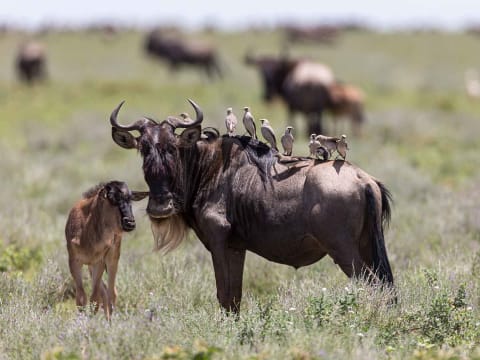
The best time of year for wildlife viewing in Serengeti is July through October [2]. During these months, the Great Migration brings 1.5 million wildebeest, zebras, and gazelles across the Serengeti to the Masai Mara in Kenya, creating one of Earth's greatest wildlife spectacles.
Peak Season (July–October)
Peak season offers the highest wildlife concentration and most reliable sightings. Temperatures are mild (60–75°F), and rainfall is minimal. However, expect higher prices and more tourists. Book 3–6 months ahead to secure the best lodges and save 15–20% on rates.
Shoulder Season (April–June and November–December)
Shoulder season provides excellent value with fewer crowds. April through June is the rainy season, but afternoon game drives remain productive. Wildlife is dispersed but still abundant. Prices drop 20–30% compared to peak season.
Green Season (November–March)
The green season features lush landscapes and birdwatching opportunities. December through February is warmest and driest within this period. Prices are lowest, but wildlife sightings are less predictable due to dispersed animals and dense vegetation.
For safari in Tanzania and Zanzibar combined, visit during dry season (July–October or December–February) when weather is optimal for both destinations.
Tanzania Safari and Zanzibar Packages: Combining Beach and Bush
Many travelers ask about Tanzania safari and Zanzibar packages that combine wildlife and beach relaxation. A typical itinerary includes 5–7 days on safari followed by 3–4 days on Zanzibar's pristine beaches.
Safari Portion (5–7 Days)
The first leg covers northern Tanzania parks: Serengeti, Ngorongoro Crater, and Tarangire. Your $4,500 budget covers this portion fully with luxury accommodations and all meals included.
Zanzibar Portion (3–4 Days)
Zanzibar adds $400–$800 per person for beach resort accommodation, meals, and activities like snorkeling or spice tours. Stone Town's historic architecture and pristine beaches offer perfect contrast to bush adventures.
Tanzania safari and Zanzibar packages from UK are popular with European travelers. Operators in London and Manchester offer competitive pricing (£3,000–£5,000) due to high demand and established partnerships with Tanzania lodges.
Explore safari packages combining Tanzania and Zanzibar on SafariFind to find operators offering bundled deals. Combined packages often provide 10–15% savings compared to booking safari and beach separately.
Comparing Tanzania Safaris to Kenya and South Africa
Travelers often compare safari in South Africa or Tanzania before booking. Each destination offers unique advantages. Tanzania emphasizes the Great Migration and pristine wilderness. Kenya focuses on the Masai Mara's dramatic river crossings. South Africa offers diverse ecosystems and luxury infrastructure.
Destination
Cost (7 days)
Best Season
Main Attraction
Best For
Tanzania
$4,000–$5,500
July–October
Great Migration
Wildlife photographers, nature lovers
Kenya
$3,500–$5,000
July–September
Masai Mara river crossings
First-time safari visitors
South Africa
$3,000–$6,000
May–September
Kruger National Park, Big Five
Luxury travelers, self-drive enthusiasts
Best safari in Kenya and Tanzania comparison: Tanzania offers more remote experiences and larger wildebeest herds, while Kenya provides easier access and more established tourism infrastructure. South Africa excels in luxury lodge amenities and diverse wildlife ecosystems.
Your choice depends on budget, interests, and travel style. Use SafariFind to compare specific tour operators across all three countries and read reviews from travelers who've visited each.
Top-Rated Luxury Lodges on a Tanzania Safari
Top-rated luxury lodges on a Tanzania safari elevate your experience beyond basic comfort. Premium camps feature gourmet dining, spa services, and spectacular views. Migration Camp in the Serengeti sits tucked away in kopje-esque rocks just above the Grumeti River [7]. The main lodge features a split-level lounge, swimming pool, and elegant restaurant. Each of its 20 tents is exceptionally appointed with luxury furnishings and panoramic wildlife views.
Other acclaimed properties include Singita Grumeti in the Serengeti, Four Seasons Safari Lodge at Serena, and Ngorongoro Crater Lodge with its dramatic caldera vistas. These lodges charge $1,000–$2,000+ per night but provide unparalleled service, cuisine, and wildlife access.
Mid-luxury options like Serengeti Sopa Lodge and Tarangire Sopa Lodge offer excellent value at $300–$600 per night, fitting comfortably within a $4,500 budget. These properties maintain high standards while remaining accessible to budget-conscious luxury seekers.
Reviews of Tanzania safari companies specializing in wildlife photography often highlight lodges with elevated viewing platforms, flexible game drive schedules, and guides trained in animal behavior. Check SafariFind's operator pages for verified reviews mentioning specific lodges and their photography amenities.
Northern Tanzania Safari Guide: Itinerary and Highlights
A northern Tanzania safari guide typically covers a 7-day circuit through Serengeti, Ngorongoro Crater, Tarangire, and Lake Manyara National Parks. This route maximizes wildlife diversity and iconic African landscapes.
Days 1–2: Tarangire National Park
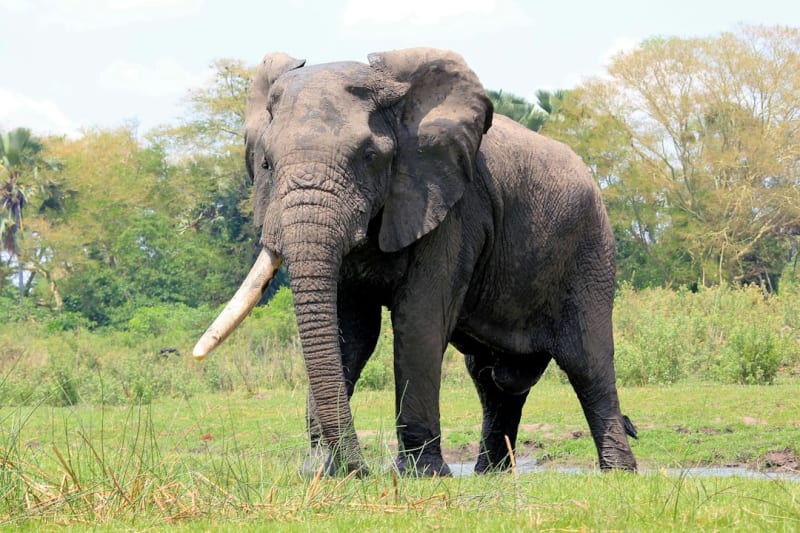
Start in Tarangire, famous for massive elephant herds (up to 3,000 at a time). The Tarangire River attracts wildlife year-round. You'll see lions, giraffes, zebras, and over 500 bird species. Accommodations are at mid-range lodges near the park entrance.
Days 3–4: Ngorongoro Crater
The Ngorongoro Crater is a UNESCO World Heritage Site and one of Earth's most dramatic calderas. Descend 600 meters into the crater floor where 25,000 animals live in this enclosed ecosystem. Sightings include black rhinos, flamingos, and all major predators.
Days 5–7: Serengeti National Park
Spend 3 days in the Serengeti, Africa's largest protected ecosystem. Your guide will position you for the Great Migration (July–October) or year-round predator interactions. Early morning and late afternoon drives offer the best wildlife viewing and photography opportunities.
This northern Tanzania safari guide itinerary covers roughly 400 kilometers. Internal flights between parks save driving time and reduce fatigue, allowing more time for game drives and wildlife observation.
African Safari Tanzania: What Makes It Unique
African safari Tanzania stands apart from other African destinations due to its vast wilderness areas and minimal development. The Serengeti alone covers 14,750 square kilometers of pristine habitat. Tanzania's parks remain less crowded than Kenya's famous reserves, offering more intimate wildlife encounters.
Tanzania's safari field guide tradition emphasizes ecological knowledge and animal behavior interpretation. Guides are trained to explain predator-prey relationships, migration patterns, and conservation challenges. This educational approach enriches your experience beyond simple wildlife spotting.
The country's commitment to conservation protects over 30% of its land as national parks and reserves. Revenue from tourism funds anti-poaching efforts and community development programs. When you book a Tanzania safari, your money directly supports wildlife protection and local employment.
Tanzania safari all inclusive packages appeal to travelers seeking hassle-free planning. Rather than coordinating flights, lodges, guides, and meals separately, one operator handles everything. This simplifies logistics and often provides cost savings through bulk partnerships with lodges and airlines.
Key Takeaways
Book 3–6 months ahead for peak season (July–October) to save 15–20% on rates and secure preferred lodges in the Serengeti and Ngorongoro.
Budget $4,500 per person for 7 days all-inclusive, covering luxury accommodations, meals, game drives, and park fees—international flights are extra at $800–$1,500.
Get vaccinated and obtain your visa before departure: yellow fever, malaria prophylaxis, and typhoid shots are recommended; US citizens need a Tanzanian visa ($50–$100).
Pack neutral-colored clothing and sturdy hiking boots to blend with wildlife and stay comfortable during 4–6 hour daily game drives in varying terrain.
Compare verified operators on SafariFind by reading authentic reviews, checking ratings (aim for 4.5+ stars), and requesting quotes from 2–3 companies before booking your safari.
Frequently Asked Questions
How much does a safari in Tanzania typically cost?
A 7-day luxury all-inclusive safari in Tanzania costs between $4,000 and $5,500 per person as of 2026 [2]. Budget safaris run $250–$350 per day, mid-range $350–$600 daily, and luxury $800–$1,500+ daily [6]. International airfare ($800–$1,500) is typically extra, as are optional activities like hot air balloon rides ($500–$700) and guide tips ($10–$20 per day per guide).
What's included in an all-inclusive Tanzania safari package?
An all-inclusive package covers luxury accommodations, all meals and beverages, guided game drives with professional English-speaking guides, national park entrance fees, internal transfers between lodges, and domestic flights between parks [5]. It does not include international airfare, travel insurance, visa fees, vaccinations, or optional activities like hot air balloon rides.
When is the best time to visit Tanzania for wildlife viewing?
The best time to visit is July through October when the Great Migration brings 1.5 million wildebeest across the Serengeti [2]. Temperatures are mild (60–75°F), rainfall is minimal, and wildlife concentration is highest. Shoulder season (April–June and November–December) offers excellent value with fewer crowds and 20–30% lower prices.
What visa and vaccination requirements apply to US citizens?
US citizens need a Tanzanian visa ($50–$100) obtained through the embassy or on arrival at Kilimanjaro Airport [2]. Recommended vaccinations include yellow fever, malaria prophylaxis, typhoid, and hepatitis A. Consult your doctor 4–6 weeks before travel. Yellow fever vaccination requires a certificate for entry from certain countries.
How do I book a multi-day safari in Tanzania online?
Define your dates, budget, and interests. Research tour operators on SafariFind and read authentic reviews from past travelers. Request quotes from 2–3 operators, compare packages side-by-side, and verify inclusions and cancellation policies. Once you've chosen, secure your booking with a deposit (25–50% of total cost) and begin visa and vaccination preparation.
Can I combine a Tanzania safari with Zanzibar beach time?
Yes, many operators offer combined packages: 5–7 days on safari plus 3–4 days on Zanzibar's beaches. Safari costs $4,000–$5,500; Zanzibar beach resorts add $400–$800 per person. Tanzania safari and Zanzibar packages from UK are especially popular, with operators in London offering competitive pricing due to high demand and established lodge partnerships.
Where can I find verified Tanzania safari tour operators?
SafariFind connects you with verified tour operators specializing in Tanzania safaris. Browse operators, filter by destination and budget, and read authentic reviews from previous travelers. The best safari tour operators for Tanzania from the US maintain 4.5+ star ratings and 100+ reviews. Request quotes directly through SafariFind to compare packages and pricing.
Conclusion
A $4,500 all-inclusive Tanzania safari represents exceptional value for luxury African wildlife experiences. Your investment covers premium accommodations, gourmet meals, expert guides, and access to some of Earth's greatest wildlife concentrations. The Great Migration, Ngorongoro Crater, and Serengeti's vast ecosystems deliver unforgettable memories.
Book 3–6 months ahead to secure the best lodges and peak season dates (July–October). Prepare your documentation early: visa, vaccinations, and travel insurance ensure smooth travel. Pack neutral clothing and quality camera gear to maximize wildlife photography opportunities.
Compare verified safari packages on SafariFind to find operators matching your interests and budget. Read authentic traveler reviews to understand each operator's strengths: some excel at photography, others at luxury service or family experiences. Request quotes from multiple operators to negotiate better rates and understand exactly what's included.
Tanzania awaits with unparalleled wildlife adventures and transformative African experiences. Your $4,500 investment opens doors to remote lodges, expert guides, and daily encounters with Africa's greatest animals. Begin planning your 2026 Tanzania safari today through SafariFind's verified marketplace.
Plan Your Safari with SafariFind
These recommendations use real data from SafariFind, where you can compare operators, browse packages, and read verified traveler reviews before you book.
"A very great and good experience in Kenya to see big five we visit masai mara with Denis our guide and Tanzania our guides were very good we had a great trip we enjoy every second and my best spot was seeing lions hunt in the evening where they attack buffalos and like 5 lions were spotted In Uganda we only see gorillas and chimpanzee tracking my daughter was so amazed by the chimpanzees in kyambura in queen Elisabeth but we have a great trip which is unforgettable and we cant thank Victoria enough for putting together this and communication was perfect I recommend go explore safari"
Diaz Papez•11 July 2026
"I would be so naïve if I had never planned this trip to Tanzania with this company after a period of searching on trip advisor and other travel websites I found go explore safaris and sent them my trip request for me and my daughters as they had gotten holidays from there college and I decided to plan for them a trip to Africa. Tanzania was the main destination so brian was the main correspondence person who responded to all my emails, he gave us a very nice tailor made trip proposal for 11 days in Tanzania visiting all the top destinations in Tanzania. so after a few emails and couple of questions we trusted this company and made our trip meet our expectations. my kids were so happy we had the very best of the trip we visited tarangire national park, Serengeti, lake manyara and Ngorongoro reserve which were so much full of wildlife and the evolving masai cultural visit in olpopongi in Arusha the lodges we slept in were very nice and clean me and my kids shared a very nice family room at Serengeti Serena lodge which had the best views in the plains hamza our guide was a very experienced driver guide and had a lot of information about his country and was happy sharing every moment making the trip so much fun I definitely have to recommend the services of your company to anyone travelling here in east Africa and looking forward to coming back to track the gorillas in uganda."
Victoria Kristen•11 July 2026
"My trip with brian was definitly amazing ! Everything was organised like i want ! The car , the guide , the accommodation was perfect ! Thanks You very much for this perfect trip in Tanzania and Kenya !"
Jegou•11 July 2026
"in october we went on safari with goexplore safaris where victoria and jusper came to meet us at Entebbe and we went to wild waters lodge in jinja such a beautiful lodge on a small island on river nile our trip was for 10 days around Uganda where we saw gorilla and chimps the lodging was 5 star victoria's prompt response on email was amazing and i would rate her communication above 5stars we couldn't thank the team for putting together an amazing luxury safari for me and my brother thank so much we definitely will be travelling to kenya and Tanzania in the next coming year i would highly recommend their services to anyone travelling across east Africa"
Micheal Kayo•11 July 2026
"We did 11 days “Legends of East Africa” tour which includes Tanzania, Kenia and Uganda. The itinerary is amazing – it enables you to see all the best in East Africa: wild life in Serengeti and Masai Mara (we met everyone we could meet: lions, cheetahs, leopards, a lot of antelopes, zebras, giraffes, baboons, hyenas), gorillas and chimpanzees in Uganda! Take hot air balloon in Masai Mara (optional, you need to book it advance), extra cost but it definitely worth it. Uganda is less popular as a tourist destination but definitely worth visiting – unique opportunity to visit gorillas and spend one hour with them in the forest, beautiful nature and very positive people! The program also includes visiting Masai village in Tanzania (extra cost) and traditional village in Uganda with bananas plantation. We really enjoyed lodging and meals (overall level was far above our expectations)! Lodges with nice design and views – especially in Uganda. Chris is a great guide with perfect English!"

 Ask Tembo