Serengeti Migration Best Time 2026: July Peak vs. Quiet Months
July offers peak Serengeti migration with river crossings but costs 40-60% more. November and February provide peaceful wildlife viewing at lower prices. Choose based on your priorities.
July offers peak Serengeti migration viewing with dramatic river crossings, but expect higher prices and crowded lodges. Quieter months like November and February provide excellent wildlife viewing at lower costs. The best time depends on whether you prioritize the migration spectacle or affordable, peaceful safari experiences.
At a Glance
Peak Season Cost: $600–$800 per day for luxury packages in July
Shoulder Season Cost: $300–$450 per day in quiet months
Best Time for Migration: July–October for Mara River crossings
Quietest Months: November–February with resident wildlife
Duration: 7–10 days recommended for optimal viewing
What Is the Serengeti Migration and Why Timing Matters
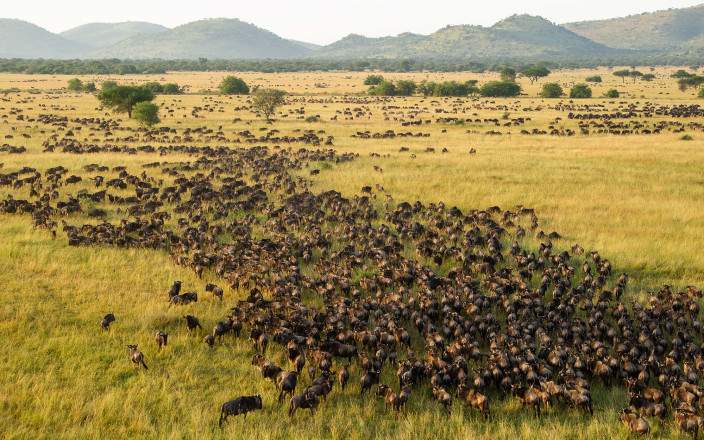
The Serengeti migration is Earth's largest land mammal movement, with over 1.5 million wildebeest, zebras, and gazelles traveling in a clockwise pattern across northern Tanzania and Kenya throughout the year. Timing your visit directly impacts what you'll see, how much you'll pay, and the crowds you'll encounter.
The Great Migration follows a predictable seasonal cycle driven by rainfall patterns. This means different months offer completely different experiences. Choosing the right time for your Serengeti safari depends on your priorities—whether you want the dramatic spectacle of river crossings, affordable prices, or peaceful wilderness solitude.
Understanding the best time for Serengeti wildlife viewing helps you book smarter. You'll know exactly what animals you'll see, what prices to expect, and how to avoid disappointment.
July Peak Season: The Migration Spectacle
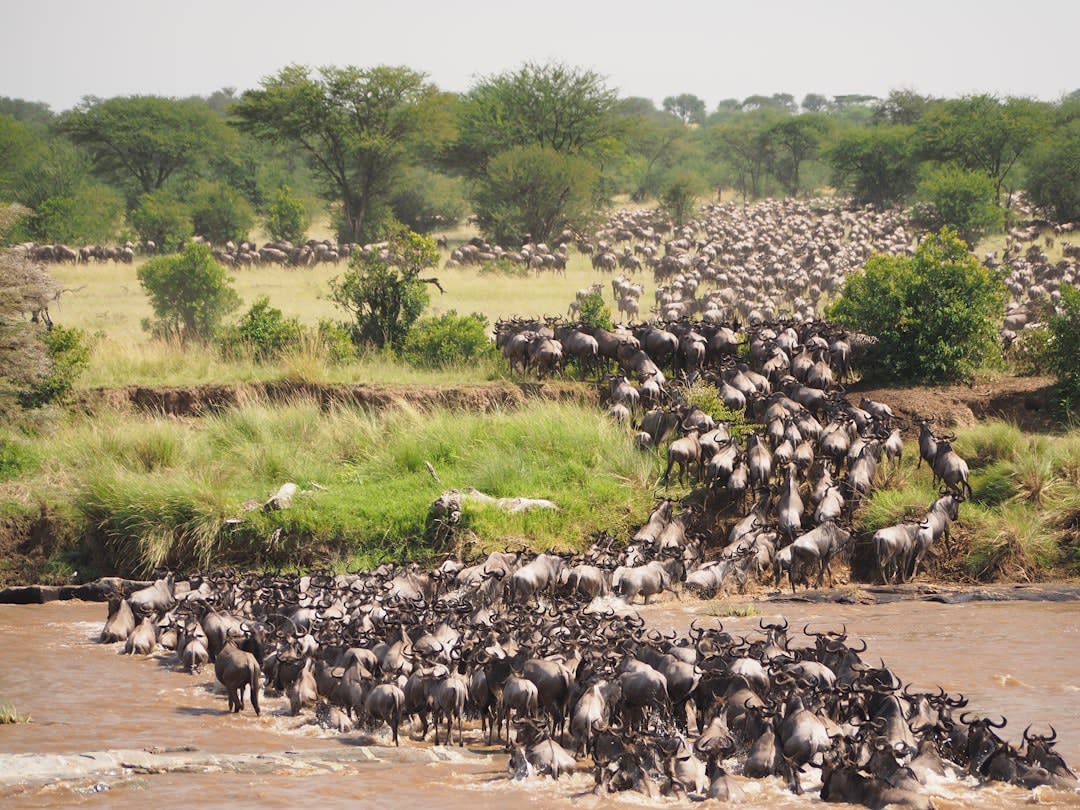
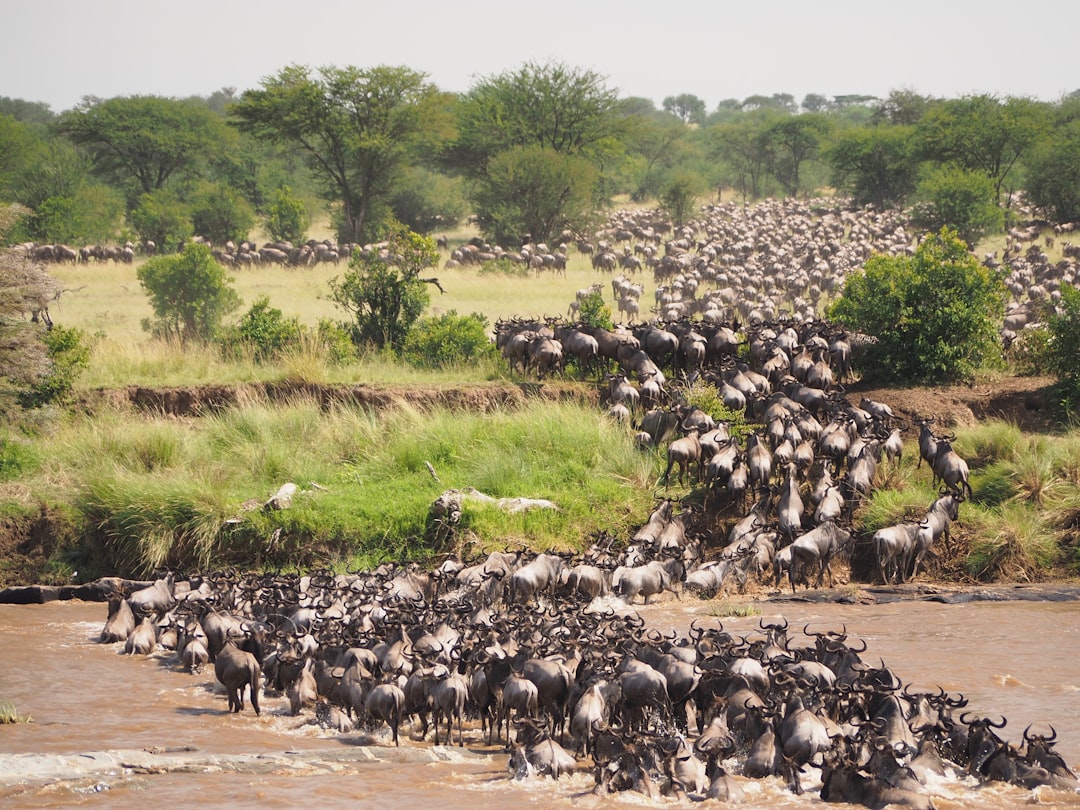
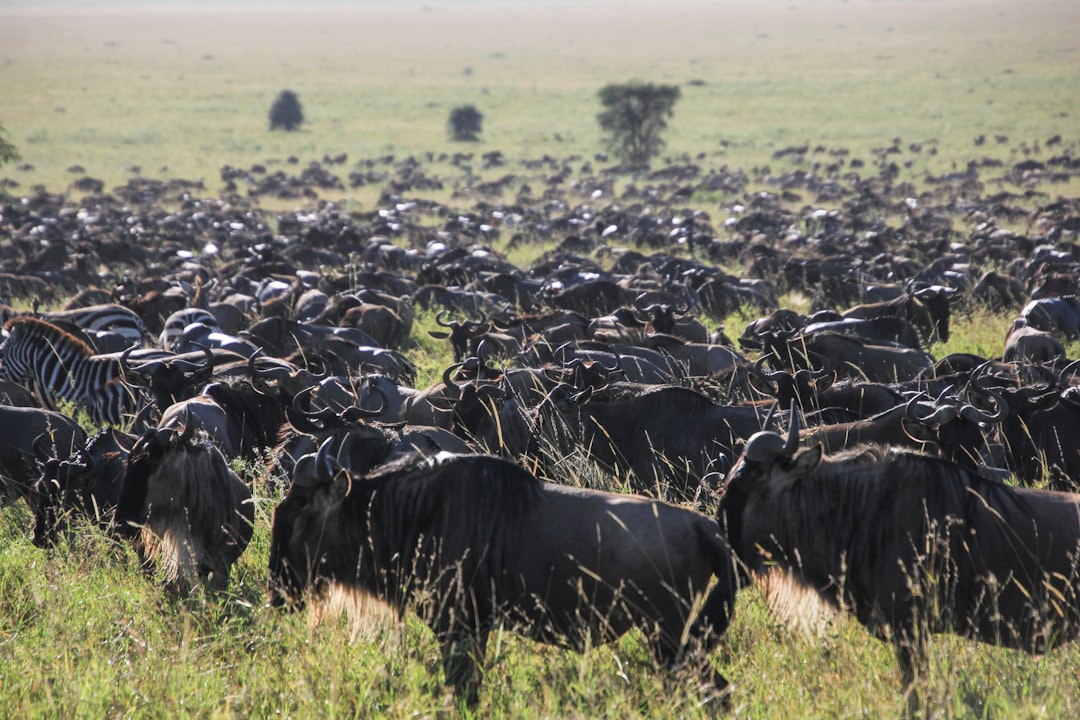
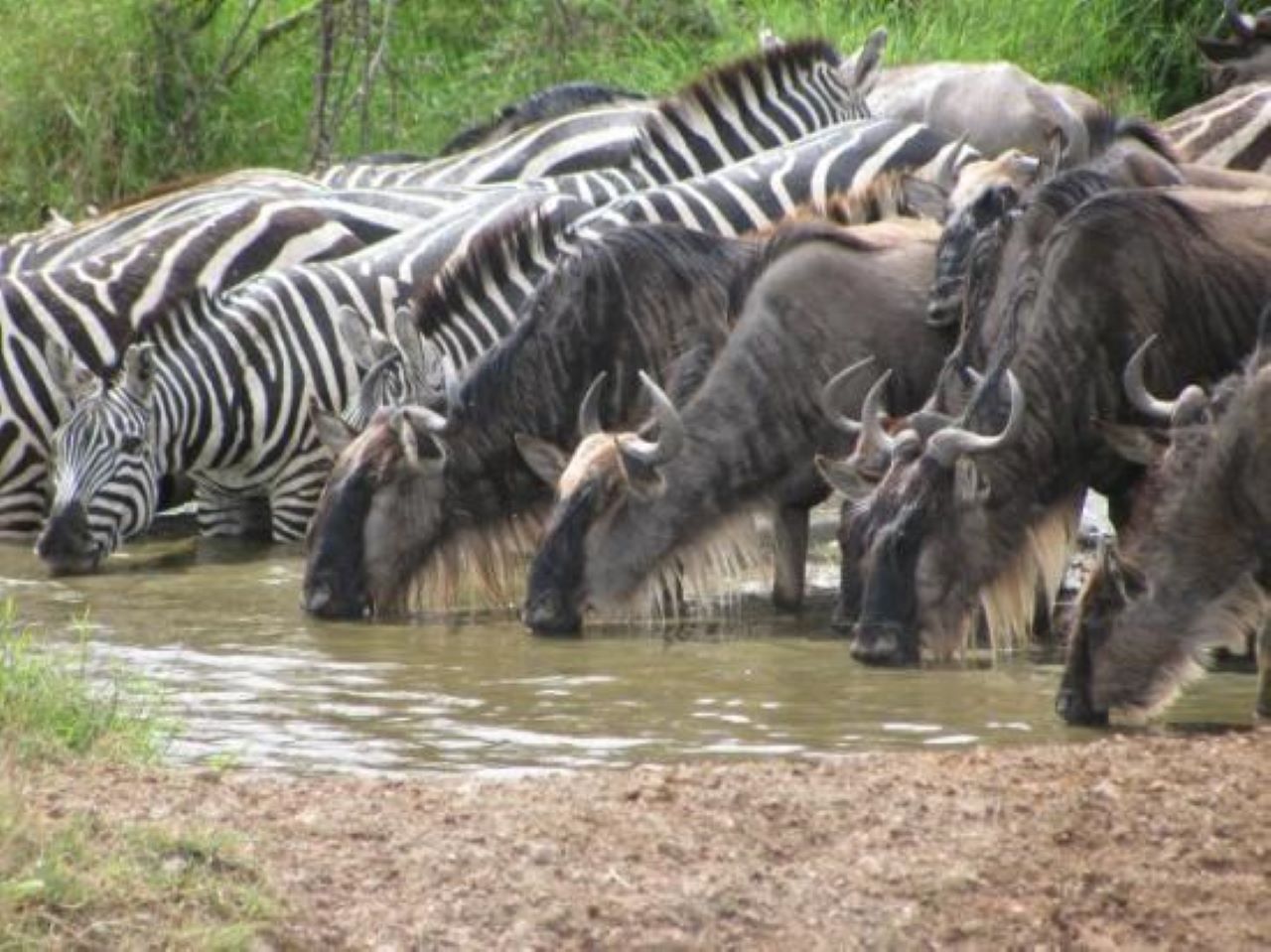
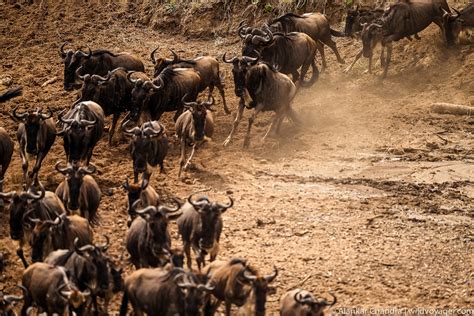
July represents the peak of the Serengeti migration season, particularly for the famous Mara River crossings in the northern Serengeti. [1] This month draws the largest concentrations of wildebeest and zebras, creating one of nature's most dramatic wildlife events. Predators like lions, leopards, and crocodiles position themselves strategically, making July ideal for witnessing intense predator-prey interactions.
Why July Is Peak Season
July marks the peak migration season because the herds move north from the southern plains to the northern Serengeti and Masai Mara. The Mara River crossings happen most frequently during July and August, offering thrilling moments as thousands of wildebeest charge across the water. [1] You'll witness multiple crossings daily, complete with splashing herds and hunting predators.
Weather in July is dry and cool, perfect for safari travel. Visibility is excellent, and animals gather around remaining water sources, making them easier to spot. The grass is short after the dry season, so wildlife viewing is unobstructed.
July Pricing and Availability
Peak season comes with premium pricing. Luxury safari packages cost $600–$800 per day in July, compared to $300–$450 per day during quieter months. [5] Most lodges and camps book 6–12 months in advance, meaning July dates fill quickly. Early booking is essential—ideally 2 to 12 months ahead for the best availability. [8]
Mid-range accommodations still offer good value but require advance planning. Budget safari options are limited during peak season. Expect to pay 40–60% more for flights, accommodations, and guided tours compared to shoulder seasons.
Crowds in July
July attracts the highest number of international visitors. Popular viewpoints along the Mara River can feel busy, especially during morning and evening game drives. If solitude matters to you, July isn't ideal. However, the Serengeti's vast size means you can still find quieter areas with effort and experienced guides.
Large tour groups are common, so book with operators who limit vehicle numbers at sightings. This improves your experience significantly.
Quiet Months: November and February for Peaceful Safari
November and February offer dramatically different Serengeti experiences. These quieter months feature resident wildlife populations, affordable pricing, and peaceful landscapes. [1] While you won't witness the Mara River crossings, you'll see abundant lions, leopards, elephants, giraffes, buffalo, and diverse antelope species year-round.
November: The Green Season Begins
November marks the start of the short rainy season, transforming the Serengeti into a lush, green landscape. Vegetation is abundant, and wildlife disperses across the park rather than concentrating around water sources. This means more exploration and less predictable sightings, but also fewer tourists and lower prices.
November temperatures are warm and pleasant. Rain typically falls in afternoon showers, leaving mornings clear for game drives. The landscape's green beauty attracts photographers seeking different aesthetics than the dry season's golden plains.
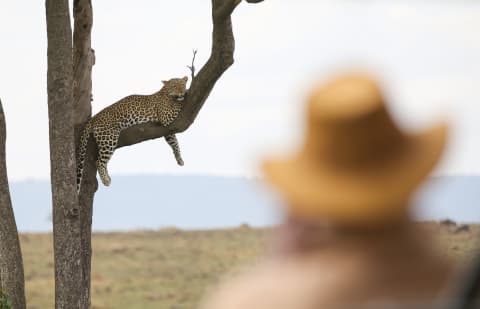
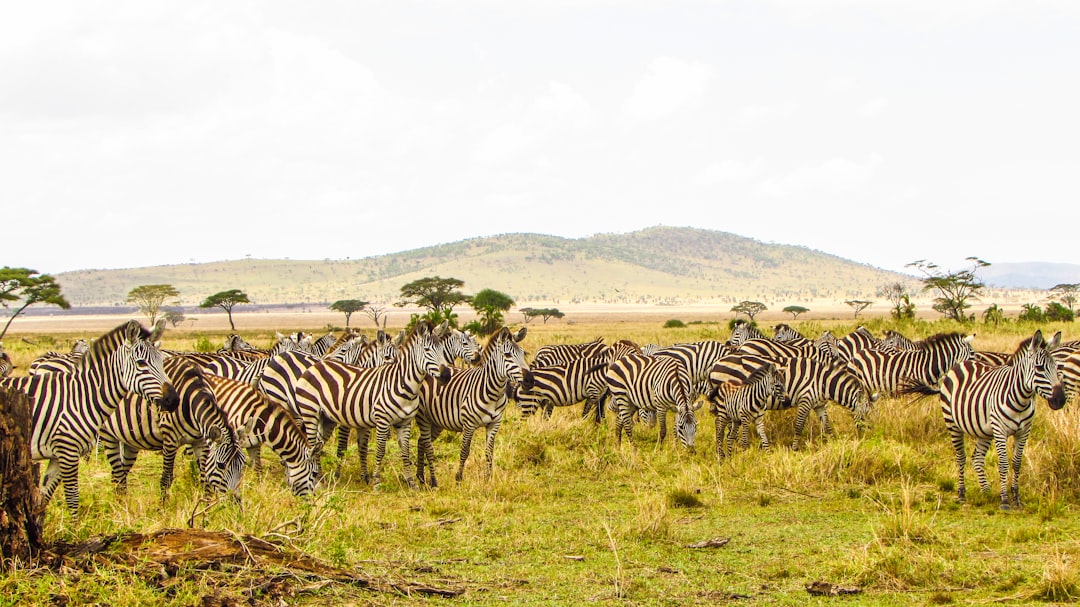
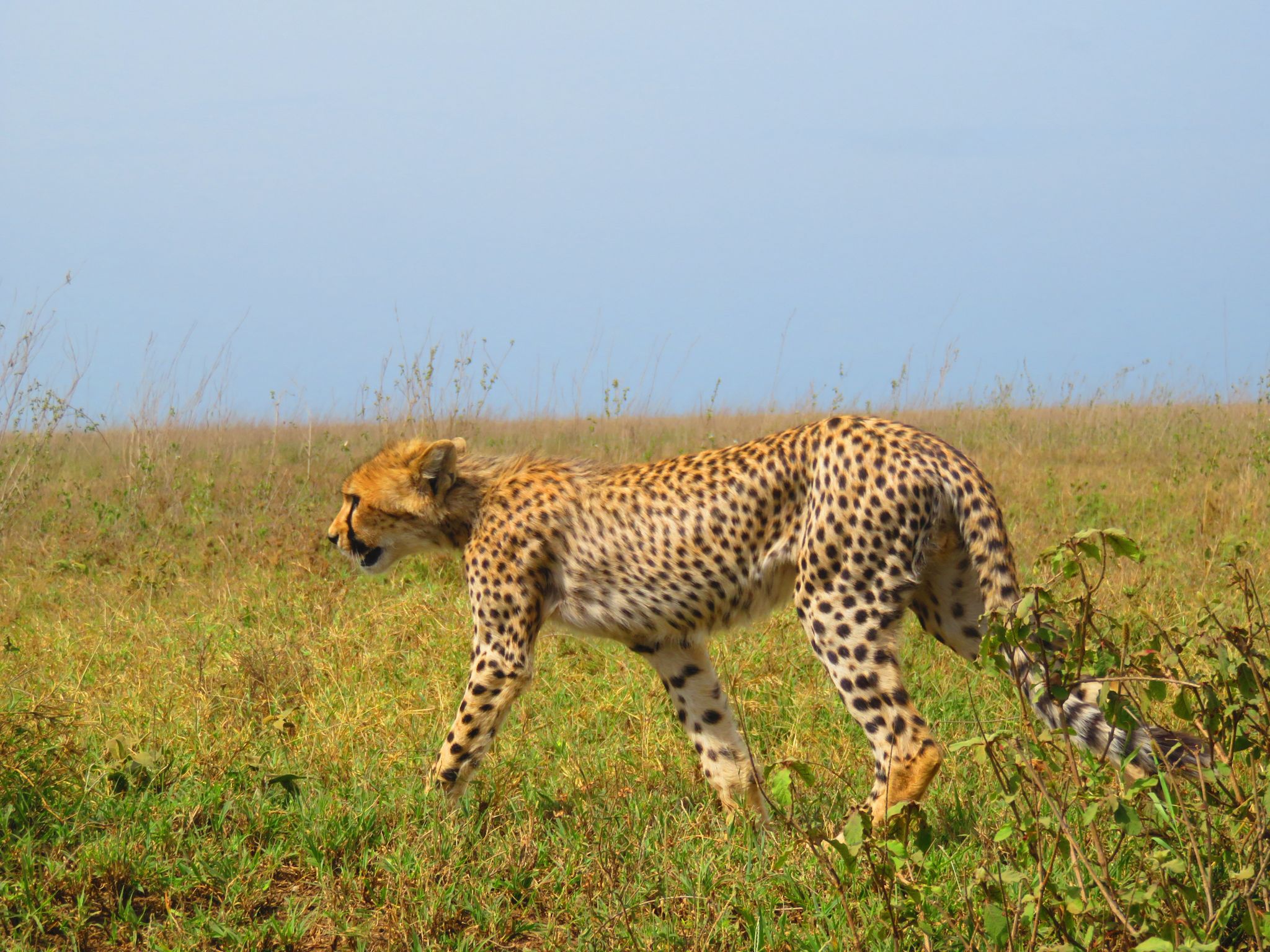
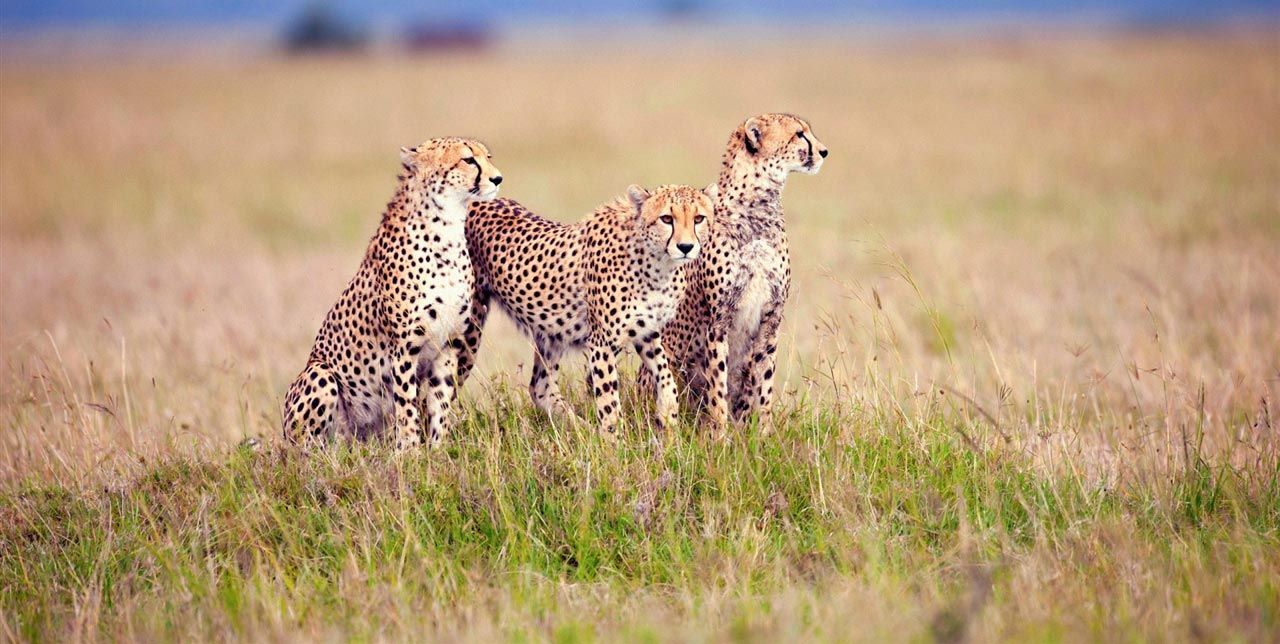
Wildlife viewing remains excellent. Resident populations of lions, leopards, cheetahs, elephants, buffalo, giraffes, and various antelope species stay throughout the year. [3] You'll see excellent predator action, just without the migration's drama.
February: The Calving Season
February is the southern Serengeti's peak calving season, when thousands of wildebeest calves are born. [7] This creates incredible predator action as lions, leopards, cheetahs, and wild dogs hunt newborn calves and their mothers. It's arguably the best time to see predator-prey interactions outside the Mara River crossings.
February offers warm temperatures and occasional afternoon rains. The southern plains are lush and green, supporting massive herds. Fewer tourists mean more personal attention from guides and intimate wildlife experiences.
Quiet Season Pricing
November and February pricing ranges from $300–$450 per day for mid-range packages, with luxury options at $400–$600 per day. [5] This represents 30–50% savings compared to peak season. Lodges have more availability, and you can often book just 2–4 weeks in advance.
Flight costs drop significantly, and tour operators offer discounts to fill rooms during slower periods. Budget travelers find better deals without sacrificing quality accommodations or experiences.
Shoulder Seasons: June and September-October Balance
Shoulder seasons offer a sweet spot between peak migration action and quiet month affordability. June and September-October provide excellent migration viewing with moderate pricing and fewer crowds than July.
June: Pre-Peak Migration
June marks the beginning of the dry season and the start of northward migration. Herds move from the southern plains toward the central Serengeti. Weather is dry and clear, perfect for game drives. Prices are lower than July but higher than November. Expect $400–$550 per day for mid-range packages.
June offers fewer tourists than peak season but more migration activity than quiet months. It's ideal if you want migration viewing without peak-season crowds and prices.
September-October: Post-Peak Migration
September and October see herds transitioning back south as the rainy season approaches. The northern Serengeti still hosts significant populations, providing excellent viewing opportunities. Prices are moderate at $350–$500 per day, and lodges have availability.
These months offer a good balance of wildlife action, reasonable costs, and manageable crowds. Weather transitions from dry to wetter, but mornings typically remain clear for game drives.
Understanding the full annual migration cycle helps you choose the perfect timing for your Serengeti safari. Each month offers distinct advantages and trade-offs.
Month
Migration Activity
Cost per Day
Crowds
Best For
January
Southern plains calving
$300–$450
Low
Budget travelers, calving season
February
Calving and predator action
$300–$450
Low
Wildlife photographers, predator hunters
March–May
Rainy season, dispersed herds
$300–$400
Very low
Budget travelers, green landscape photographers
June
Northward migration begins
$400–$550
Moderate
Migration seekers, shoulder season balance
July–August
Peak Mara River crossings
$600–$800
Very high
Migration enthusiasts, river crossing seekers
September–October
Southward migration transition
$350–$500
Moderate
Migration viewers, balanced experience
November–December
Green season, dispersed herds
$300–$450
Low
Budget travelers, green landscape seekers
This table shows that July and August offer peak migration viewing but at premium prices with heavy crowds. Quiet months (November, February, March–May) provide budget-friendly options with excellent resident wildlife viewing. Shoulder seasons (June, September–October) balance migration activity with moderate pricing and fewer crowds.
Booking Your Serengeti Safari: Timing and Strategy
Successful safari planning requires understanding when to book alongside when to visit. The best time to book a Serengeti Great Migration Safari is 2 to 12 months in advance, especially for peak migration highlights. [8] This advance booking ensures lodge availability and often secures better rates through early-bird discounts.
Peak Season Booking Strategy (July–August)
For July travel, book 6–12 months ahead. Popular lodges fill quickly, and prices increase as dates approach. Booking early locks in rates before price hikes. Tour operators often offer discounts for 6+ month advance bookings.
If you're flexible, consider booking for June or September-October instead. You'll find better availability, lower prices, and still excellent migration viewing.
Shoulder and Quiet Season Booking
For November, February, and March-May travel, you can book 2–4 months in advance. These months have more availability, allowing shorter booking windows. Many tour operators offer last-minute discounts to fill rooms during slower periods.
Budget travelers benefit from quiet season flexibility. You can often negotiate better rates or find special promotions on accommodations and guided tours.
Using SafariFind to Compare Options
Choosing the right safari operator is as important as timing. SafariFind connects you with verified tour operators offering transparent pricing and authentic reviews from past travelers. You can compare packages across different seasons, read real traveler feedback, and request quotes from multiple operators to find the best value.
Browse verified Serengeti safari packages on SafariFind to see real pricing for different months. This helps you understand actual costs versus generic price ranges and find operators offering the best customer service.
Wildlife Viewing Across Seasons: What You'll Actually See
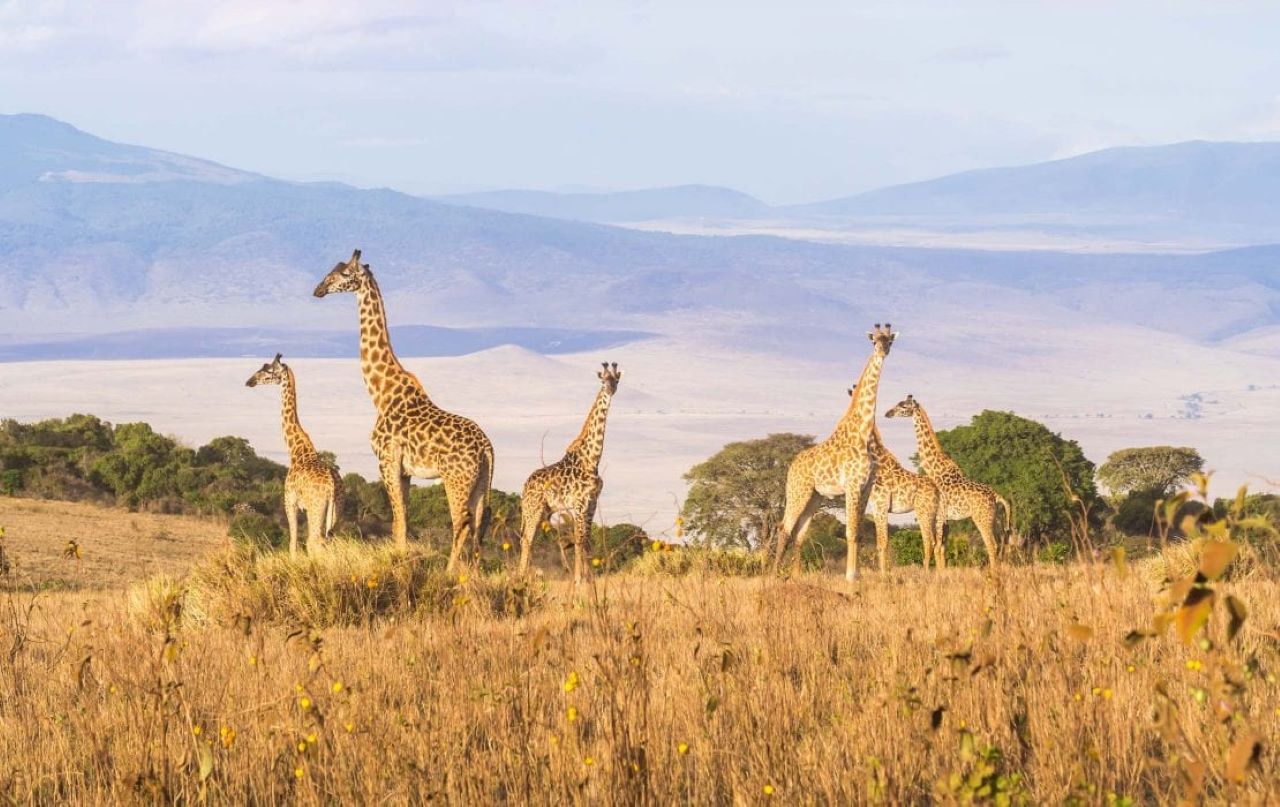
A common misconception is that you need the migration to see excellent wildlife. Actually, the Serengeti hosts resident populations of lions, leopards, cheetahs, elephants, buffalo, giraffes, and diverse antelope species year-round. [3] Migration adds spectacle, but it's not required for outstanding safari experiences.
Peak Season Wildlife (July–August)
July and August offer the highest concentration of large animals. Massive wildebeest and zebra herds create dramatic scenes. Predator action is intense as lions, leopards, and crocodiles hunt vulnerable migration animals. You'll witness the famous Mara River crossings with thrilling predator-prey interactions.
Peak season provides the best odds of seeing multiple predator kills and large-scale wildlife events. However, concentrated animals also mean concentrated tourists at popular viewpoints.
Quiet Season Wildlife (November, February, March–May)
Quiet months feature dispersed herds, but resident wildlife remains abundant. Lions, leopards, cheetahs, elephants, buffalo, and giraffes stay throughout the year. February's calving season offers spectacular predator action as predators hunt newborn calves.
Quieter landscapes mean more personal wildlife encounters. Guides can spend more time with individual animals rather than rushing between crowded viewpoints. Photography opportunities improve with fewer vehicles and more intimate sightings.
Best Wildlife Viewing Months
February and July offer the best predator action overall. February showcases calving season drama, while July features river crossing intensity. June and September-October provide good migration viewing with moderate crowds. November through May offer excellent resident wildlife with peaceful experiences.
Your "best" month depends on priorities. Want migration drama? Choose July. Prefer peaceful wildlife viewing? Choose November or February. Need balance? Choose June or September-October.
Health, Permits, and Practical Considerations
Beyond timing and wildlife, several practical factors influence your Serengeti safari planning. Understanding health requirements, permits, and logistics ensures smooth travel.
Serengeti National Park entrance fees are $60 USD per person per day. These are usually included in tour package pricing, but verify with your operator. Vehicle permits and guide fees vary by operator.
Safari pricing varies dramatically by season, accommodation type, and operator quality. Understanding real costs helps you budget accurately.
Peak Season Costs (July–August)
Luxury packages: $600–$800 per day. Mid-range packages: $400–$550 per day. Budget packages: $250–$350 per day. [5] These daily rates typically include accommodation, meals, and guided game drives. Flights, park fees, and tips are often extra.
A 7-day peak season safari costs $4,200–$5,600 for luxury, $2,800–$3,850 for mid-range, and $1,750–$2,450 for budget options, before flights and fees.
Quiet Season Costs (November, February, March–May)
Luxury packages: $400–$600 per day. Mid-range packages: $300–$450 per day. Budget packages: $150–$250 per day. [5] These represent 30–50% savings compared to peak season.
A 7-day quiet season safari costs $2,800–$4,200 for luxury, $2,100–$3,150 for mid-range, and $1,050–$1,750 for budget options, before flights and fees.
Shoulder Season Costs (June, September–October)
Luxury packages: $500–$700 per day. Mid-range packages: $350–$500 per day. Budget packages: $200–$300 per day. These offer good value with decent migration activity.
Hidden Costs to Budget
International flights: $800–$2,000 from Europe or North America. Park entrance fees: $60 per person per day (often included). Tips for guides and staff: 10–15% of total cost. Travel insurance: $100–$300. Vaccinations and visa fees: $100–$200.
Total real cost for a 7-day mid-range safari typically ranges $3,500–$5,500 including flights, fees, and tips.
Key Takeaways
Book your Serengeti safari 6–12 months ahead for July travel to secure lodges at peak migration season. Early booking locks in rates before price increases.
Choose July or August for dramatic Mara River crossings and peak predator action, but expect 40–60% higher costs and crowded viewpoints compared to quiet months.
Visit November or February for peaceful wildlife viewing with excellent resident populations at 30–50% lower costs than peak season, including the spectacular February calving season.
Select June or September-October for balanced migration viewing with moderate pricing and fewer crowds, offering the best value for most travelers seeking migration experiences.
Budget $300–$800 per day depending on season and accommodation type. Quiet months cost $300–$450 daily while peak season reaches $600–$800, plus flights and fees totaling $3,500–$5,500 for complete 7-day safaris.
Frequently Asked Questions
What is the absolute best time to visit the Serengeti for the Great Migration?
July and August offer the peak Mara River crossings with the largest concentrations of wildebeest, zebras, and predators. [1] These months deliver the most dramatic migration action but come with highest prices ($600–$800 per day) and heaviest crowds. If you prioritize migration spectacle over cost and solitude, July is ideal. For balanced migration viewing at better prices, choose June or September-October instead.
Can I see good wildlife without the Great Migration?
Absolutely. The Serengeti hosts resident populations of lions, leopards, cheetahs, elephants, buffalo, giraffes, and diverse antelope species year-round. [3] February's calving season offers spectacular predator action hunting newborn calves. Quiet months deliver peaceful, intimate wildlife experiences with fewer tourists. Migration adds spectacle, but excellent safari experiences happen throughout the year.
How much does a Serengeti safari cost in 2026?
Peak season (July–August) costs $600–$800 per day for luxury packages and $300–$450 for mid-range options. [5] Quiet months (November, February, March–May) cost 30–50% less at $300–$450 per day for luxury and $150–$250 for budget. A complete 7-day safari including flights, fees, and tips typically costs $3,500–$5,500 depending on season and accommodation type.
When should I book my Serengeti safari?
Book 6–12 months in advance for July travel to secure peak season lodges. [8] For shoulder and quiet seasons (June, September-October, November, February), book 2–4 months ahead. Early booking locks in rates before price increases and ensures lodge availability at popular properties. Last-minute bookings work for quiet months but offer limited choices.
Is February or July better for a Serengeti safari?
July offers peak Mara River crossings with dramatic predator-prey action, but costs $600–$800 daily with heavy crowds. February features calving season's intense predator action at $300–$450 daily with peaceful, personal wildlife experiences. February costs 40–50% less and offers better photography opportunities with fewer vehicles. July delivers raw migration spectacle; February provides intimate wildlife experiences at lower cost.
What wildlife can I expect to see in quiet months like November?
November hosts resident lions, leopards, cheetahs, elephants, buffalo, giraffes, and diverse antelope species throughout the year. [3] Herds are dispersed rather than concentrated, requiring more exploration but offering more personal encounters. The landscape is lush and green. Fewer tourists mean guides can spend extended time with individual animals, improving photography and intimate wildlife observation compared to peak season.
How do I find the best Serengeti safari operator for my budget and dates?
SafariFind connects you with verified tour operators offering transparent pricing and authentic traveler reviews. Browse safari packages by season and price, read reviews from past travelers, and request quotes from multiple operators to compare value. This helps you find operators with the best customer service for your specific dates, budget, and preferences.
Conclusion
The best time to visit the Serengeti depends entirely on your priorities. July offers peak migration drama with river crossings and intense predator action, but expect premium pricing at $600–$800 daily and significant crowds. November and February deliver peaceful, affordable wildlife experiences at $300–$450 daily with excellent resident populations and February's spectacular calving season. Shoulder months like June and September-October balance migration activity with moderate pricing and fewer crowds.
In 2026, a complete 7-day Serengeti safari costs $3,500–$5,500 including flights, accommodations, park fees, and tips. Peak season safaris command higher prices but deliver unmatched migration spectacle. Quiet months offer exceptional value with intimate wildlife experiences and peaceful landscapes.
The migration isn't required for outstanding safari experiences. Resident wildlife populations remain year-round, and different seasons showcase different natural dramas—from river crossings in July to calving season in February to peaceful landscape photography in quiet months.
Book 6–12 months ahead for peak season travel, or 2–4 months ahead for shoulder and quiet seasons. Compare verified Serengeti safari packages on SafariFind to find operators with the best customer service, transparent pricing, and authentic reviews. Request quotes from multiple operators to ensure you're getting real value for your budget and dates. Your perfect Serengeti experience awaits—you just need to choose the right timing.
Plan Your Safari with SafariFind
These recommendations use real data from SafariFind, where you can compare operators, browse packages, and read verified traveler reviews before you book.
"Exceeded expectations and then some!!! From the planning stages to the final airport drop off, Kiliholidays was there supporting us every step of the way! For some situational awareness, earlier this year my friend and I decided to fulfill a lifelong dream of doing a safari in Tanzania. So there we were, two American women with no real knowledge of what this trip would entail, preparing to make a substantial investment in ourselves and our dream trip. Neither of us knew anyone who'd done a safari so we made up our own rules when it came to planning. Kiliholidays met all of our search criteria but it was the quality of communication that we had with Mack that had us convinced very quickly that we'd found our tour group. We were not wrong. Kiliholidays took care of us every step of the way and for two women traveling alone in unfamiliar territory, it's a big deal to feel safe. We felt very safe with this team, and what an experience we had!!! Steve our tour operator was fantastic! Not only was the safari absolutely incredible regarding the animals we saw, but we met people, we had amazing food thanks to Chef D, and we just had a ton of fun. When we weren't in complete awe at the beauty that surrounded us, or learning lessons that we could have never picked up on the Discovery Channel, we were laughing and exchanging stories, and generally just enjoying the thrill of the adventure. I can say that after this trip I finally understood what people mean when they talk about the bucket list. I've traveled a lot, all over the world, and I've never had an experience like this. We are already talking about another tour in the future! Thank you Mack, Steve and Chef D for bringing a dream we've had for a long time into reality!"
Raegan•15 July 2026
"Our communications with Mach were prompt & effective, he answered all our queries very satisfactory.The services offered were great.We're happy & contented with the experience though we weren't lucky to see all of the big 5, we saw 4 of them, which was splendid.We'll start saving up for our next safari trip.Definitely, we'll be contacting you again on our future safari adventure in Tanzania.We had a fabulous & wonderful safari adventure with Kiliholidays, thank you!"
Mariam•15 July 2026
"In June of 2025 I went on my second safari in Tanzania with Kiliholidays, and it was even better than the first! The management took great care and a great deal of time to customize my 6-day safari to meet my needs, which included almost 4 days in the Serengeti. They had the patience to deal with dozens of messages and questions I sent prior to booking, and addressed all of my concerns. They booked us into the Embalakai tented camp in the Serengeti, meaning we were able to stay out on the game drive until it was almost dark. This made for excellent photo opportunities near sunset! Embalakai is a high-quality tented camp with amazing food and friendly staff. I believe that Kiliholidays provides very good to excellent accommodation and safari service at very competitive prices - it's one of the most affordable options out there, short of sleeping in campgrounds (which we did not do). The best part is that our guide and driver, Thomas, is extremely experienced, knowledgeable, and flexible: an all-around good man and a real pleasure to ride with for 6 days! Unless you want to spend thousands of dollars more, go with Kiliholidays and you won't be disappointed."
Joseph•15 July 2026
"Before my trip to Tanzania I mailed many tour oerators to find perfect safari for me and my friend and at the end I decided to book safari with Kiliholidays Tours & Safaris. The communication with Mack was without any problems. After I came to Arusha we met in his office and agreed all details about safari. There weren't any hidden cost and any bad surprises. Our trip went smoothly exactly like in a programme I got before. That was budget safari and we were supposed to join to other tourists but there weren't any other clients so we had private safari and the price didn't change. The service was really good - competent driver/guide and really talented cook. We spent wonderful time and discovered a beauty of Tanzania."
Iza•15 July 2026
"My recent safari adventure with Kiliholidays Tours & Safaris was nothing short of a once-in-a-lifetime experience. From the moment we embarked on our journey, the team ensured that we were well taken care of, providing exceptional service and value for money. Our knowledgeable and skilled guide, Edward, went above and beyond to provide us with an unforgettable wildlife experience. His expertise and passion for wildlife shone through, and I'd rate him 11/10 stars. Not only did he know where to find the most spectacular sightings, but he also shared intriguing stories and facts about the animals we encountered. In addition to our incredible guide, Mr. Mood, our talented cook, made sure our culinary experience was top-notch. As a vegetarian, I was delighted by the variety of delicious dishes he prepared, especially his signature fresh onion soup. It's evident that he takes great pride in his work, ensuring that every meal was not only tasty but also nourishing. Before our trip, we communicated with Mack from Kiliholidays, who was extremely responsive and helpful on both WhatsApp and email. The itinerary he crafted was professionally designed and visually captivating, making it worthy of Instagram. Mack also offered us a fantastic price for the trip, making it 100% worth every penny. The entire journey was well-planned and executed seamlessly, allowing us to fully immerse ourselves in the Tanzanian experience. Overall, I highly recommend Kiliholidays Tours & Safaris for anyone looking to experience the magic of Tanzania. Their commitment to excellence in communications, service, value for money, and reliability is unparalleled. Don't miss out on the opportunity to embark on this unforgettable adventure!"

 Ask Tembo