Rwanda vs South Africa Safari: Safety, Cost & Wildlife 2026
Compare Rwanda and South Africa safaris in 2026. Rwanda costs $1,500–$3,000 for gorilla trekking; South Africa $800–$2,500 for Big Five. Safety, wildlife, and cost breakdown inside.
Rwanda safaris cost $1,500–$3,000 per person for 7 days with mountain gorilla trekking and lush rainforests, while South Africa safaris range from $800–$2,500 per person with Big Five wildlife and lower malaria risk. Rwanda is safer for political stability, South Africa offers better value for budget travelers. Book through SafariFind to compare verified operators and authentic traveler reviews for both destinations in 2026.
At a Glance
Rwanda Cost: $1,500–$3,000 per person for 7 days
South Africa Cost: $800–$2,500 per person for 7 days
Rwanda Best Time: June–September (dry season, gorilla trekking)
South Africa Best Time: May–September (dry season, wildlife viewing)
Rwanda Best For: Gorilla trekking, rainforest exploration, cultural immersion
South Africa Best For: Big Five safaris, budget travelers, self-drive options
Rwanda Safety: Very safe, stable government, low crime in tourist areas
South Africa Safety: Safe in established parks and lodges, exercise caution in cities
Rwanda vs South Africa Safari: Safety, Cost & Wildlife Comparison
Choosing between Rwanda and South Africa for your next safari is a major decision. Both countries offer incredible wildlife experiences, but they serve very different travelers. Rwanda is most famous for its mountain gorillas, and a visit to Volcanoes National Park to see these gentle giants is a once-in-a-lifetime experience [4]. South Africa safaris range from $120–$300 per day and offer better value for budget travelers [8]. This guide breaks down the key differences so you can pick the right destination for your 2026 safari adventure.
Rwanda and South Africa are both safe safari destinations, but they differ significantly in cost, wildlife, and travel style. Rwanda focuses on gorilla trekking and rainforest experiences, while South Africa delivers classic Big Five safaris with more affordable daily rates. Understanding these differences helps you plan a trip that matches your budget, interests, and comfort level.
What Makes Rwanda and South Africa Different Safari Experiences?
Rwanda and South Africa offer two completely different safari journeys. Rwanda is a small, landlocked country famous for mountain gorillas, while South Africa is a large nation with diverse landscapes and abundant wildlife. Choosing between them depends on what wildlife you want to see and how much you want to spend.
Rwanda's Safari Focus: Gorillas and Rainforests
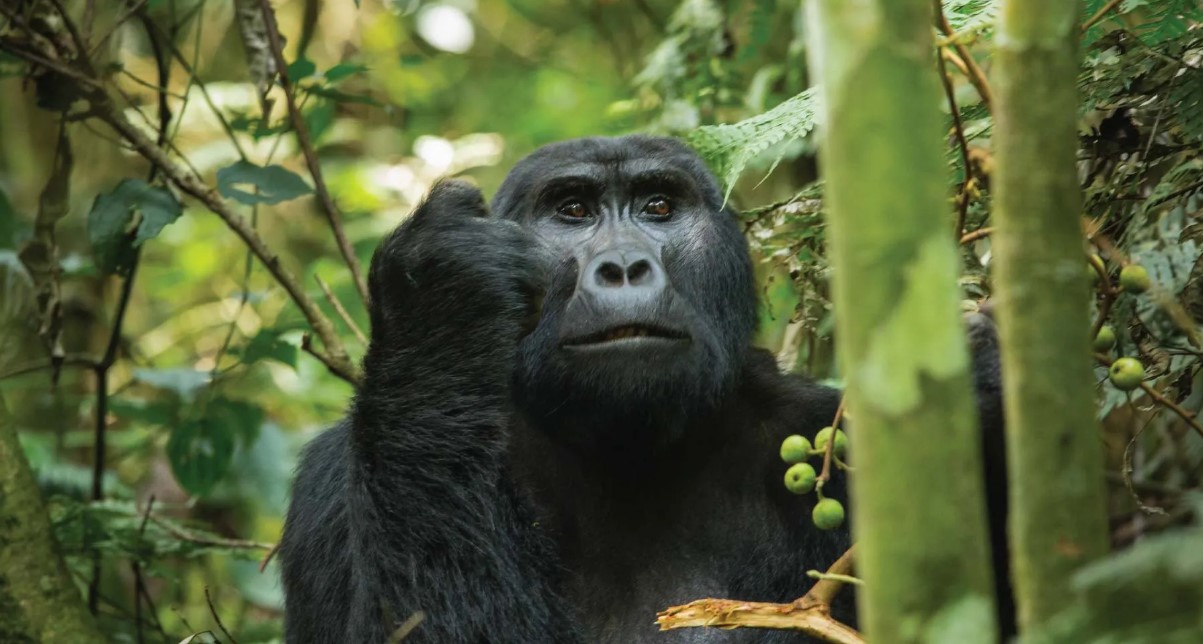
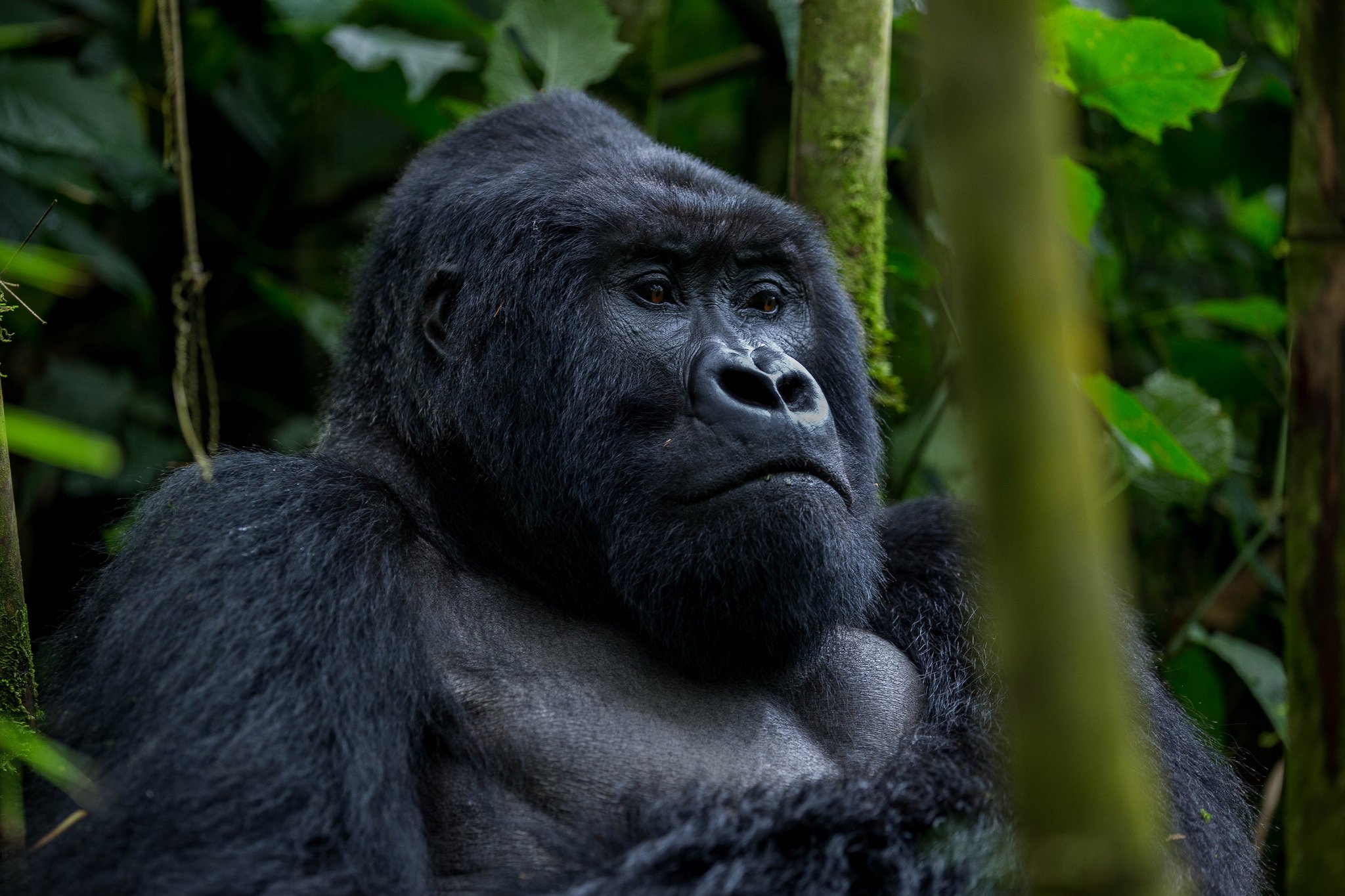
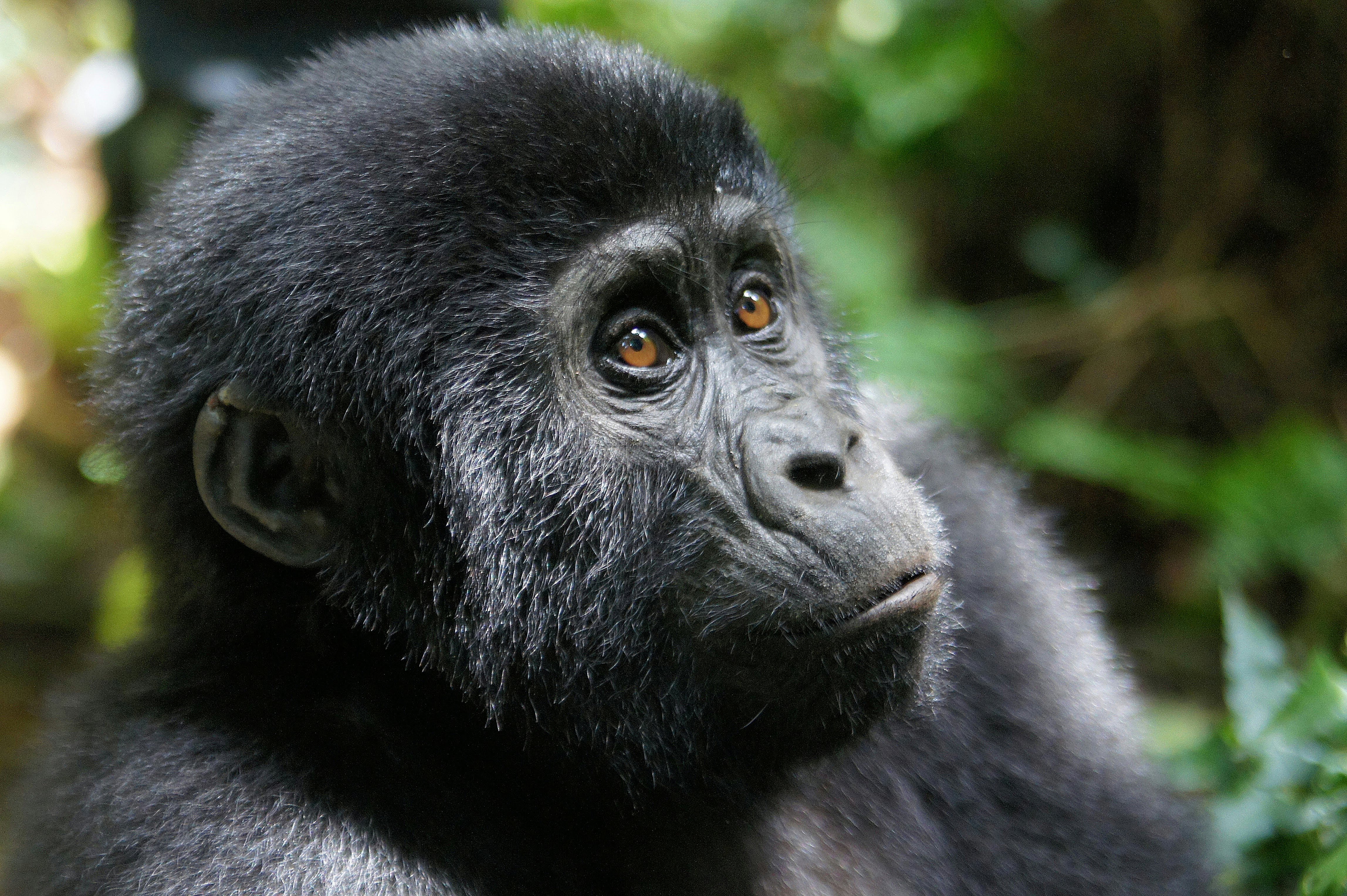
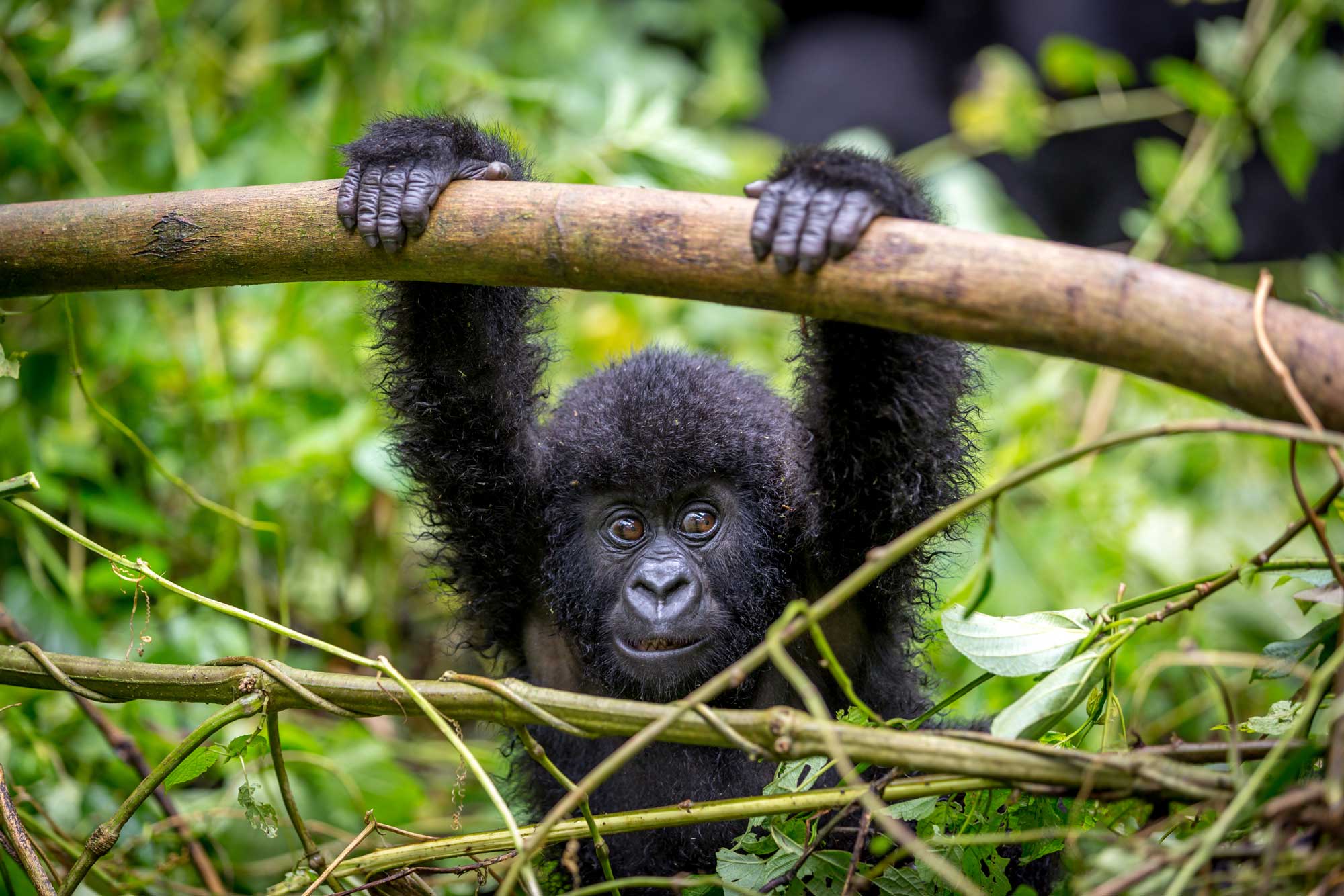
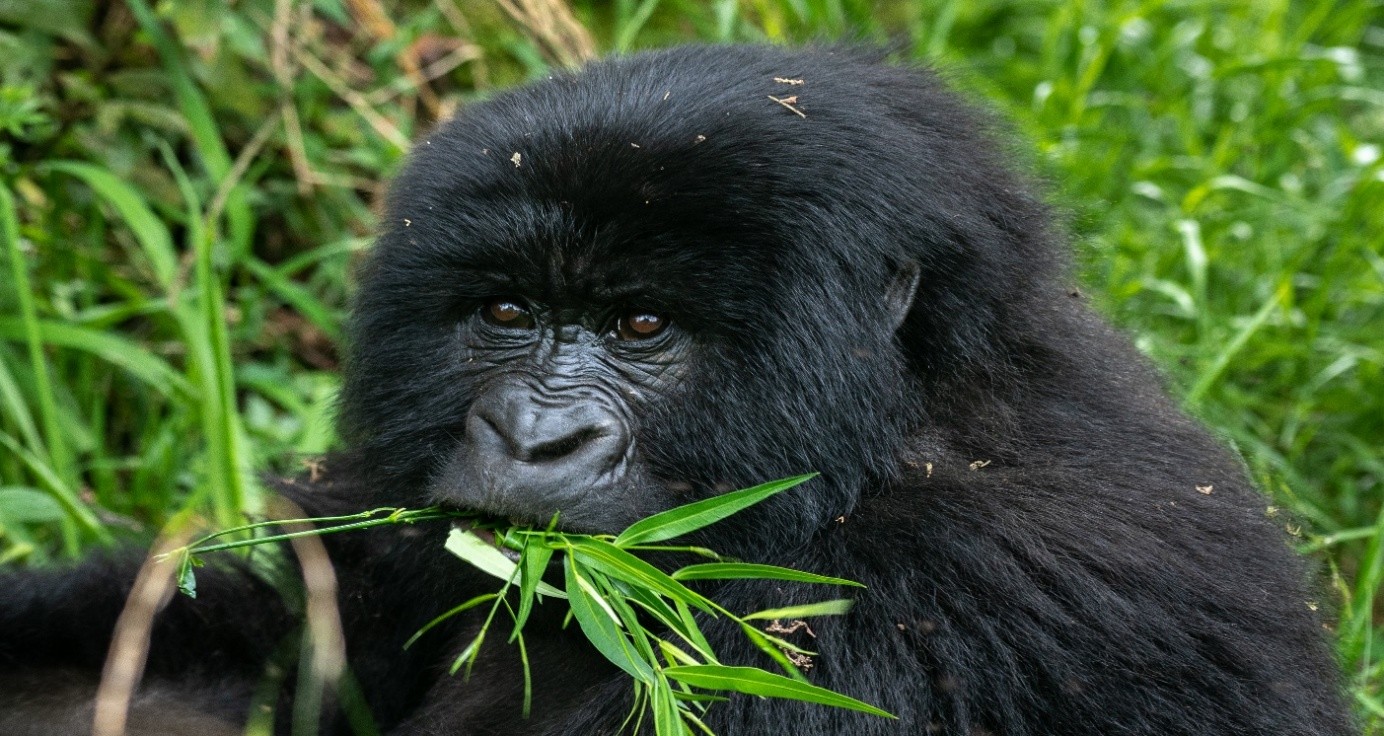
Rwanda is most famous for its mountain gorillas, and a visit to Volcanoes National Park to see these gentle giants is a once-in-a-lifetime experience [4]. Mountain gorillas live only in three countries: Rwanda, Uganda, and the Democratic Republic of Congo. Rwanda's gorilla population is the most accessible and stable for tourism.
Beyond gorillas, Rwanda offers Nyungwe Forest National Park, an ancient rainforest home to chimpanzees, colobus monkeys, and hundreds of bird species [5]. Lake Kivu provides scenic relaxation, while the country's rolling green hills earn it the nickname "Land of a Thousand Hills." Rwanda safaris emphasize nature immersion and cultural experiences over Big Five hunting.
Gorilla trekking permits in Rwanda cost $1,500 per person, making it the most expensive single activity in East Africa [6]. However, this price reflects conservation efforts and the permit's scarcity. A typical 7-day Rwanda safari includes gorilla trekking, rainforest walks, and visits to volcanic landscapes.
South Africa's Safari Focus: Big Five and Diversity
South Africa safaris range from $120–$300 per day and offer better value for budget travelers [8]. The country is famous for its Big Five (lion, leopard, elephant, buffalo, and rhino) concentrated in world-class parks like Kruger National Park. South Africa has the most developed tourism infrastructure in Africa, with excellent lodges, guides, and self-drive options.
South Africa's advantages include lower costs, diverse ecosystems (savannas, mountains, coastlines), and flexibility in how you experience wildlife. You can book a luxury lodge, a mid-range safari camp, or even a self-drive adventure in a rental car. This flexibility makes South Africa ideal for travelers with varying budgets and independence levels.
South Africa wins when malaria is the deciding factor. Many South African parks, especially in the Western Cape and along the Garden Route, are malaria-free, reducing the need for expensive antimalarial medications [3]. This is a significant health advantage for families with young children or travelers concerned about tropical diseases.
Explore safari packages in both destinations on SafariFind to compare operators, prices, and authentic traveler reviews for Rwanda and South Africa safaris in 2026.
Both Rwanda and South Africa are safe for tourists, but safety concerns differ by country and region. Rwanda is known for political stability and low crime in tourist areas. South Africa requires more caution in cities but is very safe within established parks and lodges.
Rwanda's Safety Advantages
Rwanda is one of Africa's safest countries for tourists. The government prioritizes tourism development and maintains strong security in all visitor areas. Political stability, low corruption, and effective law enforcement make Rwanda ideal for first-time safari travelers or those concerned about safety.
Rwanda's capital, Kigali, is modern and welcoming. Tourist areas like Volcanoes National Park and Lake Kivu are heavily monitored and very safe. Violent crime targeting tourists is extremely rare. You can walk freely in tourist zones during daylight and enjoy evening activities with minimal risk.
Rwanda's safety record makes it especially popular for solo travelers, families, and groups of women. The country has invested heavily in tourism infrastructure and security, creating a welcoming environment for international visitors. For detailed safety information, read our comprehensive Rwanda Safari Safety 2026 guide.
South Africa's Safety Profile
South Africa is safe for safaris and established tourist areas, but requires more awareness than Rwanda. Major cities like Johannesburg and Cape Town have high crime rates in certain neighborhoods, so avoid walking alone at night or displaying valuables. However, Kruger National Park and other safari lodges maintain excellent security.
South African safari parks are very safe. Lodges have armed rangers, secure gates, and 24-hour monitoring. Wildlife encounters are controlled and guided by experienced professionals. The real safety concern is urban areas outside tourist zones, not the safari experience itself.
South Africa's advantage is its developed infrastructure. Roads are well-maintained, medical facilities are excellent, and communication networks are reliable. If you stick to established parks and lodges, South Africa is as safe as Rwanda for safari activities.
Cost Breakdown: Rwanda vs South Africa 2026
Cost is the biggest difference between these two destinations. Rwanda is significantly more expensive due to gorilla trekking permits, while South Africa offers world-class safaris at lower daily rates. Here's exactly what you'll spend in 2026.
Rwanda Safari Costs
A 7-day Rwanda safari typically costs $1,500–$3,000 per person, depending on lodge tier and activities. Here's the breakdown:
Gorilla trekking permit: $1,500 per person (mandatory for Volcanoes National Park)
Accommodation: $150–$400 per night for mid-range to luxury lodges
Meals: $40–$80 per day (often included in lodge packages)
Guides and transport: $80–$150 per day
Visa: $50 for eVisa [2]
Rwanda's high cost reflects the gorilla permit price, which funds conservation and park management. If you skip gorilla trekking and focus on Nyungwe Forest or Akagera National Park, costs drop to $800–$1,500 for 7 days. However, most visitors consider the gorilla experience worth the premium price.
South Africa Safari Costs
South Africa safaris range from $120–$300 per day and offer better value for budget travelers [8]. A 7-day South Africa safari typically costs $800–$2,500 per person. Here's the breakdown:
Accommodation: $80–$250 per night for mid-range to luxury lodges
Meals: $30–$60 per day (often included)
Guides and transport: $60–$120 per day
Park entrance fees: $15–$25 per day (Kruger National Park)
Visa: Free for many nationalities [2]
South Africa's biggest cost advantage is no expensive permit requirement. Wildlife viewing is included in your daily rate, not charged separately. For budget travelers, South Africa is 40–50% cheaper than Rwanda for the same trip duration.
Budget Comparison Table
Expense Category
Rwanda (7 days)
South Africa (7 days)
Gorilla/Wildlife Permit
$1,500
$100–$175
Accommodation (mid-range)
$1,050–$2,800
$560–$1,750
Meals (daily)
$280–$560
$210–$420
Guides and Transport
$560–$1,050
$420–$840
Visa
$50
Free
Total (Budget)
$3,440
$1,290
Total (Mid-Range)
$5,240
$3,545
South Africa is significantly cheaper, but Rwanda's cost includes the world's most exclusive wildlife experience: mountain gorillas. If gorillas aren't a priority, Rwanda becomes more affordable by choosing Akagera or Nyungwe-focused itineraries.
Compare verified safari packages for both destinations on SafariFind to find the best prices and operators for your budget in 2026.
Rwanda and South Africa offer completely different wildlife experiences. Rwanda specializes in mountain gorillas and rainforest species, while South Africa delivers classic African Big Five safaris. Your wildlife priorities should heavily influence your choice.
Rwanda's Unique Wildlife
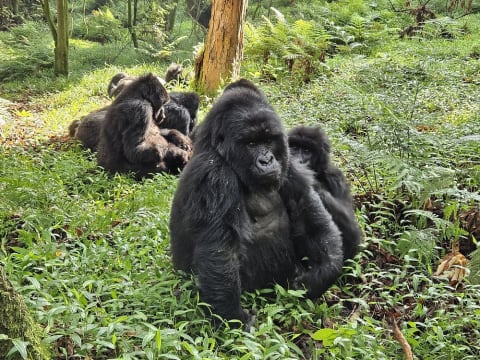
Mountain gorillas are Rwanda's signature wildlife. These intelligent, gentle giants live in family groups in Volcanoes National Park. Gorilla trekking involves hiking through misty forests to spend one hour observing gorillas in their natural habitat. This is a profound, emotional experience unavailable anywhere else in the world.
Beyond gorillas, Rwanda hosts chimpanzees, golden monkeys, forest elephants, and over 300 bird species. Nyungwe Forest National Park offers canopy walks, chimpanzee trekking, and birdwatching. Lake Kivu provides waterbird viewing and relaxation. Rwanda's wildlife is forest-based rather than savanna-based, offering a completely different safari aesthetic.
Rwanda's dry season runs from June to September, with a shorter dry period in January to February. June to September is peak gorilla trekking season because forest conditions are optimal and gorillas are easier to locate. Visit our Rwanda Safari July–September 2026 guide for detailed seasonal wildlife information.
South Africa's Big Five Safari
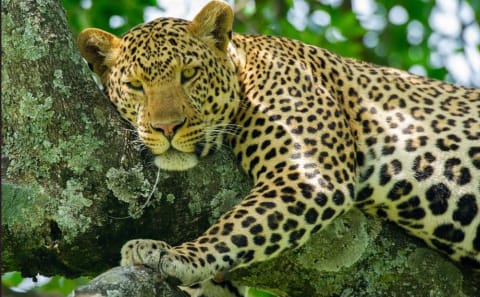
South Africa is famous for Big Five safaris: lions, leopards, elephants, buffalo, and rhinos. Kruger National Park is one of the world's largest game reserves, with over 500 species of animals and 2,000 species of plants. You'll see abundant wildlife on game drives, not through strenuous hiking.
South Africa's wildlife viewing is more predictable and accessible than Rwanda's. Big Five encounters happen regularly during game drives. You can see multiple species in a single day, making South Africa ideal for wildlife photographers and casual observers. The park's size means diverse habitats: river valleys, grasslands, woodlands, and rocky outcrops.
South Africa's dry season runs from May to September, with July and August offering the best wildlife viewing. Animals concentrate near water sources, making them easier to spot. Tanzania wins on migration days and Big Five density in a tight 7-day circuit. Kenya wins specifically on the Mara River crossings, July through September. South Africa wins when malaria is the deciding factor [3].
Wildlife Comparison Table
Wildlife Category
Rwanda
South Africa
Signature Experience
Mountain gorillas
Big Five safaris
Habitat Type
Rainforest, volcanic mountains
Savanna, grasslands, woodlands
Daily Wildlife Encounters
Gorillas, monkeys, forest birds
Lions, leopards, elephants, buffalo, rhinos
Viewing Style
Guided hikes, immersive forest experience
Game drives, comfortable vehicle viewing
Best Season
June–September (dry season)
May–September (dry season)
Malaria Risk
Moderate (some areas)
Low to none (most parks)
Practical Considerations: Travel Logistics
Getting to Rwanda and South Africa involves different routes, visa requirements, and health preparations. Understanding these logistics helps you plan your trip smoothly in 2026.
Getting to Rwanda
Rwanda's main international airport is Kigali International Airport (KGL). Major airlines including RwandAir, Brussels Airlines, and Kenya Airways serve Kigali with connections from Europe, the Middle East, and East Africa. Flights from Europe typically take 10–14 hours with one stop.
Rwanda requires an eVisa costing $50, obtainable online in minutes [2]. Most nationalities qualify for eVisa on arrival. The country is small (26,338 square kilometers), so traveling between parks is quick and easy. Kigali to Volcanoes National Park takes about 3 hours by car.
Getting to South Africa
South Africa has multiple international airports: Johannesburg (OR Tambo), Cape Town, and Durban. Direct flights from Europe, Asia, and the Americas are common. Many travelers fly into Johannesburg and drive or fly to Kruger National Park (5–6 hours by car or 1 hour by domestic flight).
South Africa offers visa-free entry for many nationalities [2], making it easier to enter than Rwanda. The country has excellent road infrastructure, allowing self-drive safaris in rental cars. This flexibility makes South Africa ideal for independent travelers who want to control their itinerary.
Health and Vaccinations
Both Rwanda and South Africa require yellow fever vaccination if you're arriving from endemic countries. Malaria prevention is essential for Rwanda, especially in lower-altitude areas. South Africa's major safari parks have minimal malaria risk, reducing health concerns.
Comprehensive travel insurance is mandatory for both destinations. Ensure your policy covers medical evacuation, trip cancellation, and emergency dental work. Budget $50–$150 for travel insurance depending on coverage level and trip duration.
For detailed health and safety information, visit our Rwanda Safari Safety and Health Guide, which covers vaccinations, medications, and emergency protocols for 2026 travel.
Which Destination Is Right for You?
Choosing between Rwanda and South Africa depends on your priorities, budget, and travel style. Here's a quick decision guide to help you choose.
Choose Rwanda If:
You want to see mountain gorillas (the experience of a lifetime)
You prefer lush rainforests over open savannas
You value political stability and personal safety above all
You want a more exclusive, less-crowded safari experience
You're interested in cultural immersion and community tourism
You have 7–10 days and don't mind higher costs
Choose South Africa If:
You want classic Big Five safari experiences
You're on a tighter budget (40–50% cheaper than Rwanda)
You prefer self-drive flexibility and independence
You want multiple wildlife encounters daily
You're concerned about malaria (low risk in most parks)
You want diverse experiences: safaris, beaches, mountains, wine country
Many travelers visit both destinations on a combined East Africa and Southern Africa itinerary. A typical 14-day trip includes 7 days in Rwanda (gorilla trekking, rainforests) and 7 days in South Africa (Big Five, Kruger). This combination delivers the world's most diverse safari experience.
Request quotes from verified operators for both destinations on SafariFind to compare packages, pricing, and customization options for your 2026 safari adventure.
Key Takeaways
Book Rwanda safaris 3–6 months in advance to secure gorilla trekking permits, which are limited to 90 per day and cost $1,500 per person in 2026.
Choose South Africa for budget safaris under $2,000 per person, offering 40–50% savings compared to Rwanda while still delivering Big Five wildlife viewing.
Visit Rwanda from June to September for optimal gorilla trekking conditions when forest trails are dry and visibility is excellent for photography.
Select South Africa if malaria concerns influence your decision, as major parks like Kruger have minimal transmission risk, eliminating expensive antimalarial medications.
Combine both destinations on a 14-day itinerary to experience mountain gorillas in Rwanda and Big Five safaris in South Africa for the ultimate African wildlife journey.
Frequently Asked Questions
Is Rwanda or South Africa safer for tourists in 2026?
Rwanda is slightly safer overall due to strong government security and low crime in tourist areas. South Africa is safe within established parks and lodges but requires more caution in cities. Both destinations are secure for safari activities when you use reputable operators and follow basic safety guidelines.
How much does a 7-day safari cost in Rwanda vs South Africa?
Rwanda safaris cost $1,500–$3,000 per person for 7 days, primarily due to the $1,500 gorilla trekking permit. South Africa safaris range from $800–$2,500 per person for 7 days [8]. South Africa is 40–50% cheaper, but Rwanda's gorilla experience justifies the premium for many travelers.
What's the best time to visit Rwanda for gorilla trekking?
The best time to visit Rwanda is June to September during the dry season. Forest trails are dry, visibility is excellent, and gorillas are easier to locate. January to February is a shorter dry season alternative. Avoid the rainy seasons (March–May and October–November) when hiking is difficult and gorilla tracking is unpredictable.
Can I do a self-drive safari in South Africa?
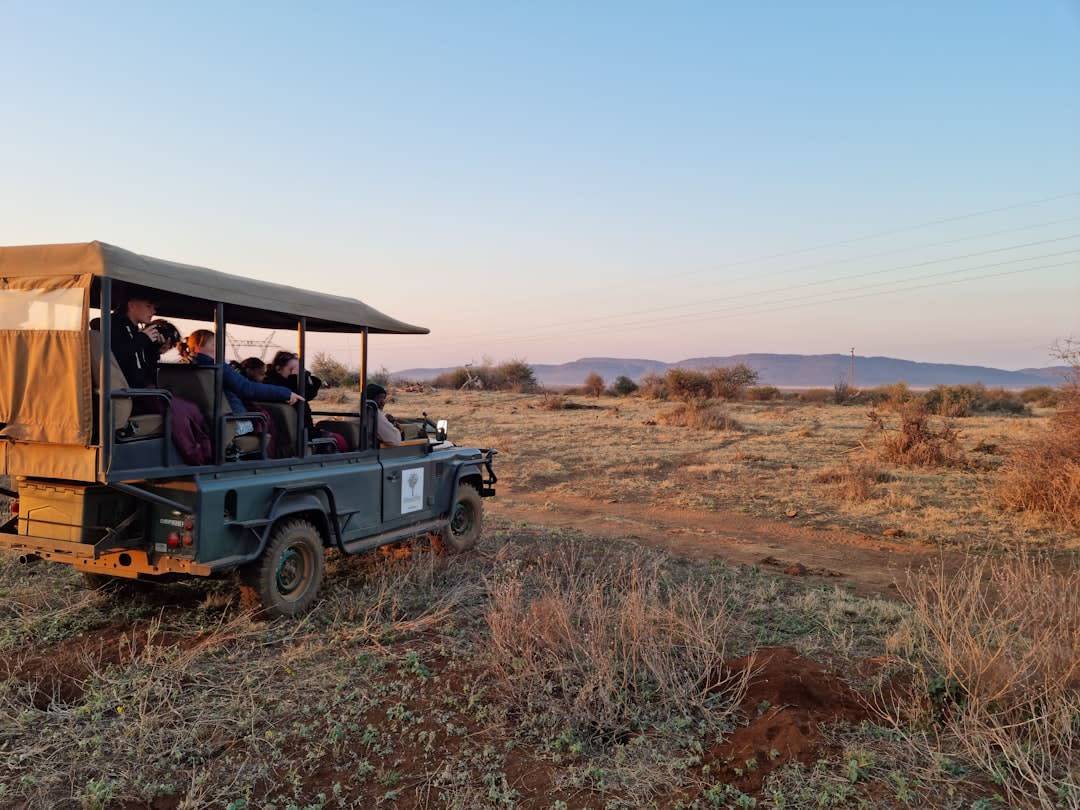
Yes, South Africa is ideal for self-drive safaris. You can rent a car and explore Kruger National Park independently, staying at government rest camps or private lodges. Self-drive safaris are significantly cheaper than guided tours and offer flexibility in your itinerary. However, guided game drives with experienced rangers increase wildlife sightings and safety.
Which destination is better for seeing the Big Five?
South Africa is superior for Big Five safaris, especially in Kruger National Park. You'll encounter lions, leopards, elephants, buffalo, and rhinos regularly during game drives. Rwanda focuses on gorillas and rainforest wildlife, not Big Five. If your priority is Big Five viewing, choose South Africa for more frequent and diverse encounters.
Do I need malaria medication for Rwanda and South Africa?
Malaria medication is recommended for Rwanda, especially in lower-altitude areas like Akagera National Park. South Africa's major safari parks have minimal malaria risk, so medication is often unnecessary. Consult your doctor before travel and discuss your specific itinerary. Always use mosquito nets and insect repellent regardless of medication.
How do I book safari packages for Rwanda or South Africa on SafariFind?
Visit SafariFind.com to browse verified safari packages for both Rwanda and South Africa. Filter by destination, budget, duration, and traveler type. Read authentic reviews from previous travelers, compare operators, and request quotes directly from verified tour companies. SafariFind makes it easy to find the perfect safari package that matches your needs and budget in 2026.
Conclusion
Rwanda and South Africa offer two distinct safari experiences suited to different travelers. Rwanda is most famous for its mountain gorillas and rainforest immersion, making it ideal for adventurous travelers who value exclusive wildlife encounters and don't mind premium prices. South Africa safaris range from $120–$300 per day and offer better value for budget travelers [8] seeking classic Big Five experiences with comfortable accommodation and flexible itineraries.
Safety is excellent in both destinations. Rwanda leads in political stability and personal security, while South Africa excels in tourism infrastructure and developed amenities. Malaria risk is lower in South Africa, making it better for families with young children. Both countries welcome international visitors and provide memorable African safari experiences.
For 2026 travelers, Rwanda is perfect if gorilla trekking is your priority and you have $1,500–$3,000 per person for 7 days. South Africa is ideal if you want Big Five wildlife at lower costs ($800–$2,500 per person) with self-drive flexibility. Many travelers combine both destinations on a 14-day itinerary for the ultimate African safari adventure.
Don't overpay for your safari. Compare verified safari packages for Rwanda and South Africa on SafariFind to find the best operators, authentic reviews, and competitive pricing for your 2026 adventure. Request quotes from multiple operators to secure the best deal for your budget and preferences.
Plan Your Safari with SafariFind
These recommendations use real data from SafariFind, where you can compare operators, browse packages, and read verified traveler reviews before you book.
"I was working with a tour operator out of Kenya to plan a Uganda gorilla trek followed by a Kenya & Tanzania safari. For some reason, the Uganda portion started having issues with only a few weeks to go. Enter Brian Ahereza of GoExplore. Wow! Talk about fast acting and excellent service. Within 1 day, Brian arranged everything. The only thing that would have made my trip better is if I had added one extra day, but by this point, we couldn't squeeze it in, so Brian did the absolute best with what he had to work with. For starters, one of the best things that could have happened did! ANd that was to have Charles assigned as our driver/guide. We flew into Kigali, Rwanda and Charles met us at the airport and took us to our hotel. The next morning we got up for the long drive to the Nkoringo area of Bwindi. A lot of this drive is on some VERY difficult dirt roads and Charles was masterful at navigating the terrain. Furthermore, I was using offline Google Maps to track our location and there is no possible way I could have gotten to where Charles was going. We got to Nkoringo Lodge and immediately loved it. Brian had arranged for us to have one of only 2 rooms there that had on demand hot water. Our room overlooked Bwindi and we sat on the deck admiring the view. To get to the bar/dining area, we hiked up and over a ridge and the view from that side was south to the 3 volcanoes on the border of Uganda/Rwanda/Congo - absolutely beautiful! The next day we did the trek to the Nkuringo gorilla group. It was not a difficult trek until we had to cross a fast flowing stream because the gorillas had gone to that side and as soon as we crossed, they came back! So we did too. And then we found them and it was such a wonderful experience! My wife was standing next to me and a young male (7-8 years old??) suddenly turned and started walking towards us. My wife moved to the left, but our guide said to stand still. The gorilla walked right between us and as he passed, he stuck out his arm between my legs and grasped me around the thigh!!! OMG! Even though I could feel his amazing power, I did not feel in danger. Just as quickly, he let go and continued walking! After that amazing trek, we drove (another long day) up to Queen Elizabeth National Park and spent 2 nights at the Buffalo Safari lodge. We did a couple of games drives in which we saw lots of antelope, elephants, buffalo and 6 lions (all female, with one or two young males). We followed with a boat ride on the Kazenga channel which was fantastic. The next day, we drove to Kibale National Park to look for Chimps. We arrived at our wonderful lodge, the Chimpanzee Forest Guest House at about lunchtime and then headed to Kibale for our Chimp Trek. At lunch, we met a couple who showed us amazing pictures from their trek that very morning. Unfortunately for us, even with 7 groups in the forest, we could only find 2 chimp sand they were up in the trees. That happens in nature, but the real lesson is to take the morning trek!!! The next day, Charles drove us to Entebbe and our Uganda trip was over. One of my friends asked me about the birds in Uganda. My wife loves birds and by extension, I have come to love them as well. SHe asked Charles, our guide, about every single bird we saw. Charles had a very well worn copy of "Birds of East Africa". He didn't need that book because he had it memorized. Charles was a fantastic driver/guide/person! He made our trip incredibly special! I can't thank Brian, Charles and GoExplore enough for making this so special!!!"
Dave Medlicott•11 July 2026
"I’m a wildlife photographer, and in May 2025, I went on an 8-day private photo safari organized by Brian, the owner of GoExplore Safari. The goal was to photograph Uganda’s wildlife highlights: gorillas in Bwindi, big cats in Queen Elizabeth, chimpanzees in Kibale, and the rare Shoebill Stork in Mabamba Swamp. The itinerary was well thought out, and everything ran smoothly. I flew into Kigali, Rwanda, which I highly recommend if you're heading to the Rushaga sector of Bwindi — much closer and more convenient than Entebbe. If photography is your priority, I also suggest booking two gorilla treks or considering Mgahinga. I only did one, and while it was incredible to see them, capturing strong images was difficult. The rainforest is thick, lighting tricky, and your movement limited — just something to keep in mind. Mozes, my guide, was outstanding. He’s punctual, safe, knowledgeable, and has a clear love for wildlife. He studied tourism, understands photography, and even shared stories from past conservation work, like relocating giraffes from Murchison Falls to Kidepo. He always positioned the car for the best angles and made the drives smooth and productive. Our first stop was Ichumbi Gorilla Lodge, just five minutes from Rushaga Gate. The lodge was cozy, well-designed, and mosquito-free, with great coffee and local food — an ideal base for gorilla trekking. In Queen Elizabeth, we had four full days of game drives. I like to go hard on photography, so we were out from sunrise to sunset. One major perk with GoExplore is you can plan your own drive schedule within park hours (6:00 a.m. to 7:00 p.m.). On our first day, we stayed until closing — the only car left in Kasenyi Plains. That kind of flexibility made a huge difference. I also recommend the optional lion and leopard tracking. You’re still in your private vehicle, but a tracker joins you and leads off-road directly to the cats. We spent nearly four hours with a leopard and her cubs in a cactus tree — truly a dream scenario for any photographer. Chimpanzee trekking in Kibale was another highlight. The chimps came down from the trees and moved through the forest, and we followed them. The one-hour viewing stretched to 2.5 hours. For photography, it’s better to wait until they’re on the ground — the real action happens there. On the final day, we went to Mabamba Swamp to see the Shoebill. From a photography standpoint, it’s the best place in Africa to photograph this rare bird. The canoe brings you to water level, with clean backgrounds and soft light — a perfect setup. Uganda in late May was lush, green, and surprisingly dry — just one short rainstorm. The scenery, wildlife, and people made it a beautiful place to explore. If you’re considering Uganda, book with GoExplore — and if you can, request Mozes. His experience and attention to detail made the entire trip not just productive, but truly enjoyable. Huge thanks to Brian and Mozes for making it all happen!"
Jason Chen•11 July 2026
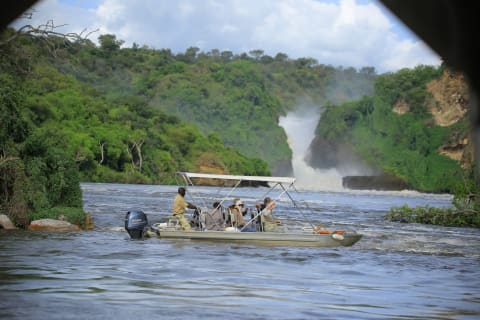
"Lovely destination Uganda we selected GoExplore Safaris because their budget was affordable and they were so fast and quick at responding to our emails and all the questions. Elephants, giraffe, deer, antelope, warthogs, hippopotamus, crocodiles, hyena, lion, beautiful birds, and a leopard. It was incredible! The boat rides up the Nile to Murchison Falls is a must do and a perfect way to end the tour. I Did not have any Idea on how beautiful Uganda is. wow, I highly recommend GoExplore Safaris and travel for anyone who is interested in adventuring Uganda and Rwanda to its fullest."
Godon•11 July 2026
"Our Rwanda trip trip from gorilla trekking in volcanoes just got done and now settled back home we were lucky to have attended the gorilla ceremony and the team was able to atleast show us why this was a big day for Rwanda it was such a coincidence to have travelled this beautiful country while they were naming the gorillas great thing to do I advise you to look for goexplore brian will take you to Kigali for this event."
Birungi•11 July 2026
"GoExplore (Brian) provided a magical memorable trip for us to Rwanda. From our first communication via email and whatsapp, they were able to layout an itinerary that fit our needs. They delivered on all aspects of the trip. The 3 guides we met in various locations were just outstanding. It was my wife's birthday and I mentioned that and at each dinner we ended up with a cake and the staff singing. We were so appreciative. I would tell others to use them without hesitation."

 Ask Tembo