Rwanda Safari Safety 2026: Travel Health & Security Guide
Rwanda safari is safe in national parks with licensed guides. Prevent malaria, avoid cities at night, and book verified operators. Smart Traveler enrollment recommended.
Rwanda is generally safe for safari travelers, but you should take precautions against malaria, avoid border areas, and book with licensed operators. Most crime occurs in cities, not game parks. Enroll in the Smart Traveler Program and follow local health guidelines for a secure trip.
At a Glance
Safety Level: Generally safe in national parks; exercise caution in cities
Main Health Risk: Malaria (take prophylaxis before departure)
Border Restrictions: Avoid areas within 10 km of DRC border
Best Operators: Licensed, verified safari companies with trained guides
Crime in Parks: Rare; more common in urban areas like Kigali
Enrollment: Register with U.S. Smart Traveler Program (STEP)
Rwanda safari security is strong within national parks, where crime is unusual and guides are professional. The U.S. State Department recommends reconsideration of travel to Rwanda due to crime, unrest, and health risks in certain areas, though most safari zones remain secure [1]. Travelers who stay in protected parks with licensed operators and follow basic safety practices have low risk of incidents.
Your main safety concerns are malaria transmission, petty theft in cities, and road accidents on intercity routes. Within game parks like Volcanoes and Akagera, armed rangers and trained guides manage wildlife encounters carefully. You will stay in vehicles or follow strict protocols on guided walks, minimizing wildlife risks.
The key to safe Rwanda safari travel is booking with verified operators, understanding health requirements, and following local security guidance. SafariFind lists Rwanda safari operators rated by travelers, making it easy to find trustworthy companies with safety records.
Health Risks & Prevention in Rwanda 2026
Malaria: The Primary Health Threat
Malaria is a significant risk in Rwanda. The CDC recommends filling your malaria prescription before departure and taking enough medication for your entire trip [3]. Follow your doctor's instructions carefully; some antimalarial pills must be started before you leave, not after arrival.
Take your malaria prophylaxis exactly as prescribed. Missing doses reduces protection. Common medications include atovaquone-proguanil, doxycycline, and mefloquine. Your doctor will choose based on your health history and drug resistance patterns in Rwanda.
Beyond pills, prevent mosquito bites by wearing long sleeves and pants at dawn and dusk, using EPA-approved insect repellent with DEET, and sleeping under bed nets in accommodations without screened windows. Malaria mosquitoes bite mainly at night, so protection matters most after sunset.
Yellow Fever & Vaccinations
Yellow fever vaccination is recommended for Rwanda travel. The vaccine must be given at least 10 days before departure to be effective. Many countries require proof of yellow fever vaccination if you're arriving from Rwanda, so get vaccinated even if not strictly required for entry.
Consult your doctor 4-6 weeks before travel about routine vaccinations. You may need updates for hepatitis A and B, typhoid, and tetanus. The CDC Travelers' Health website has Rwanda-specific vaccination recommendations based on your itinerary and health history [3].
Other Health Precautions
Drink only bottled or boiled water. Avoid ice cubes, salads washed in tap water, and raw or undercooked meat and seafood. Wash your hands frequently with soap and clean water, especially before eating. Travel health insurance with evacuation coverage is strongly recommended.
Bring a basic medical kit with pain relievers, anti-diarrheal medication, antihistamines, and any personal prescriptions. Quality pharmacies exist in Kigali and larger towns, but remote areas have limited medical supplies. Medical evacuation from rural parks can be expensive without insurance.
Crime within game parks is unusual. Robberies and car-jackings occur mainly in urban areas, particularly Kigali [4]. Travelers on organized safari tours rarely encounter crime because they stay in secure accommodations and travel with reliable drivers and armed rangers.
Petty theft is the most common crime affecting tourists. Pickpockets target crowded markets, bus stations, and streets. Keep valuables concealed. Use cross-body bags worn in front of your body. Never leave phones, cameras, or wallets visible in parked vehicles or unattended in public spaces [7].
Safe Urban Practices
If you spend time in Kigali before or after your safari, follow these safety steps. Avoid walking alone at night, especially in unfamiliar neighborhoods. Use registered taxis or ride-sharing apps rather than hailing cabs on the street. Stay in well-reviewed hotels in central areas.
Don't display expensive jewelry, watches, or cameras. Keep copies of important documents separate from originals. Avoid large amounts of cash; use ATMs during daylight in busy areas. Be aware of your surroundings in markets and crowded places, and trust your instincts.
Road Safety Concerns
Road accidents pose medium risk in Rwanda. Motorcycle taxis (motos) and intercity buses have poor safety records. Use licensed taxis or arrange transportation through your safari operator. Wear seatbelts when available. Avoid traveling at night on intercity routes.
Most safari operators provide vehicle transport with experienced drivers who know local roads well. This reduces accident risk significantly compared to self-driving or using informal transport. Always confirm your operator's safety record before booking.
Border Security & Travel Advisories 2026
DRC Border Restrictions
Do not travel within 10 kilometers of Rwanda's border with the Democratic Republic of Congo (DRC) [1]. The border region has security concerns and limited government presence. Most major national parks and safari destinations are far from this zone, so it rarely affects tourists on organized tours.
Volcanoes National Park, where mountain gorilla trekking occurs, is safely located away from the DRC border. Akagera National Park in eastern Rwanda is also secure for safari activities. Verify your operator's itinerary avoids border areas.
U.S. State Department Travel Advisory
The U.S. State Department issued a Level 2 advisory for Rwanda in June 2026: "Reconsider travel due to crime, unrest, and health risks" [1]. This does not mean Rwanda is unsafe, but that certain precautions are necessary. Many U.S. citizens safely visit Rwanda annually.
Enroll in the Smart Traveler Enrollment Program (STEP) before travel [2]. STEP alerts you to embassy updates and helps officials contact you in emergencies. Registration is free and takes 10 minutes online through travel.state.gov.
Embassy Contact & Emergency Support
The U.S. Embassy in Kigali provides consular services and emergency assistance. Save the embassy phone number: +250 (0) 252 596 400. The embassy can help with lost passports, medical emergencies, and security incidents. Your safari operator should also provide emergency contact numbers.
Check travel advisories from your home country before booking. The UK Foreign Office, Canadian government, and Australian Department of Foreign Affairs also issue Rwanda guidance. Compare sources to get a complete picture of current conditions.
Wildlife encounters are carefully managed in Rwanda's national parks. Professional guides are trained, armed where required, and skilled at reading animal behavior [8]. You stay in a vehicle or follow strict protocols on walking safaris, minimizing dangerous wildlife encounters.
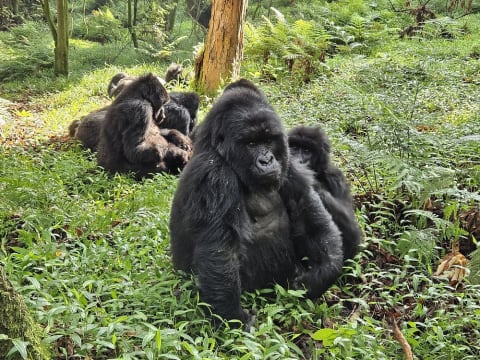
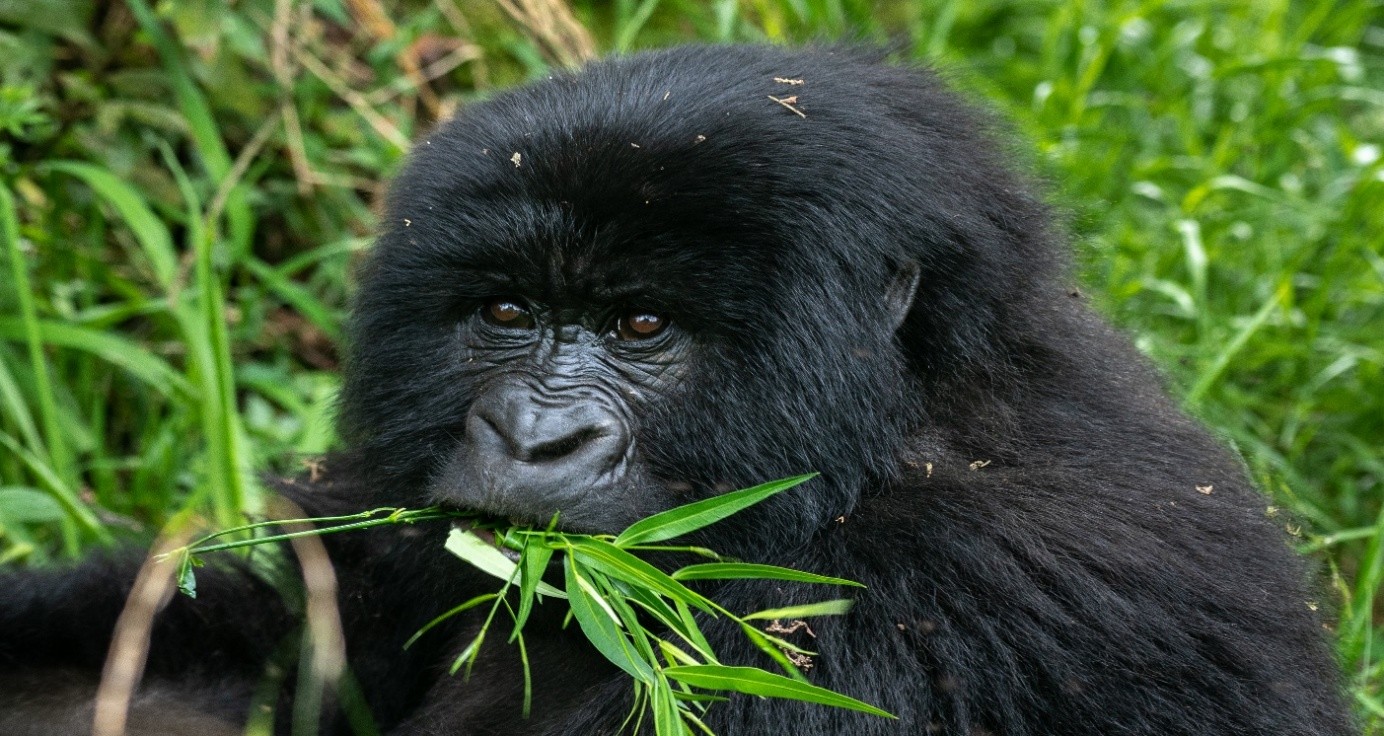
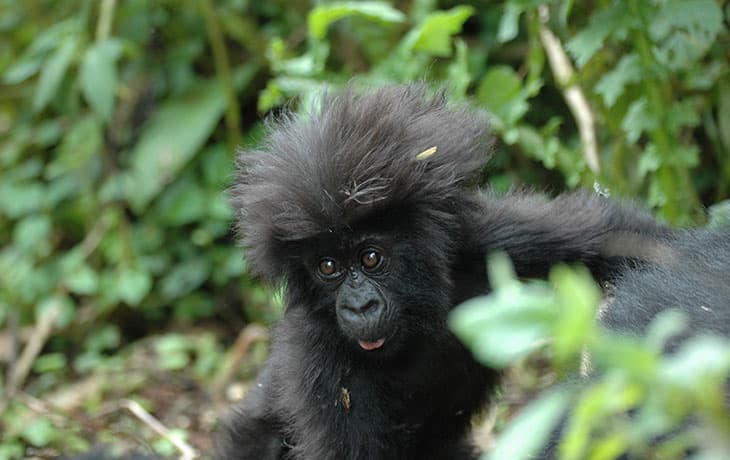
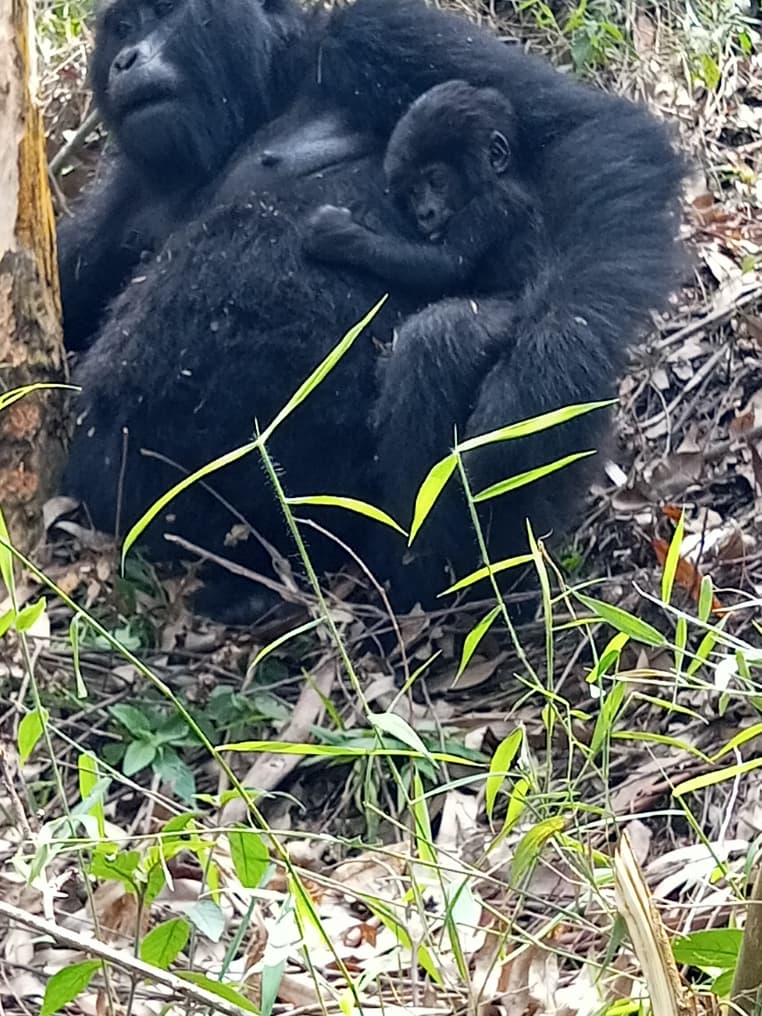
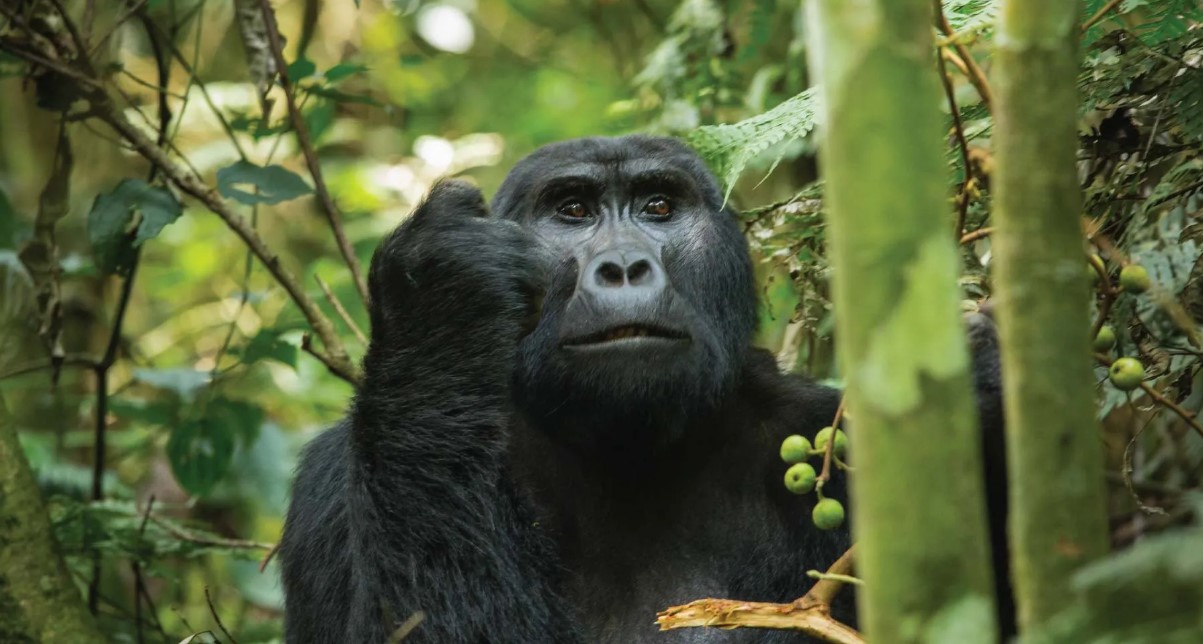
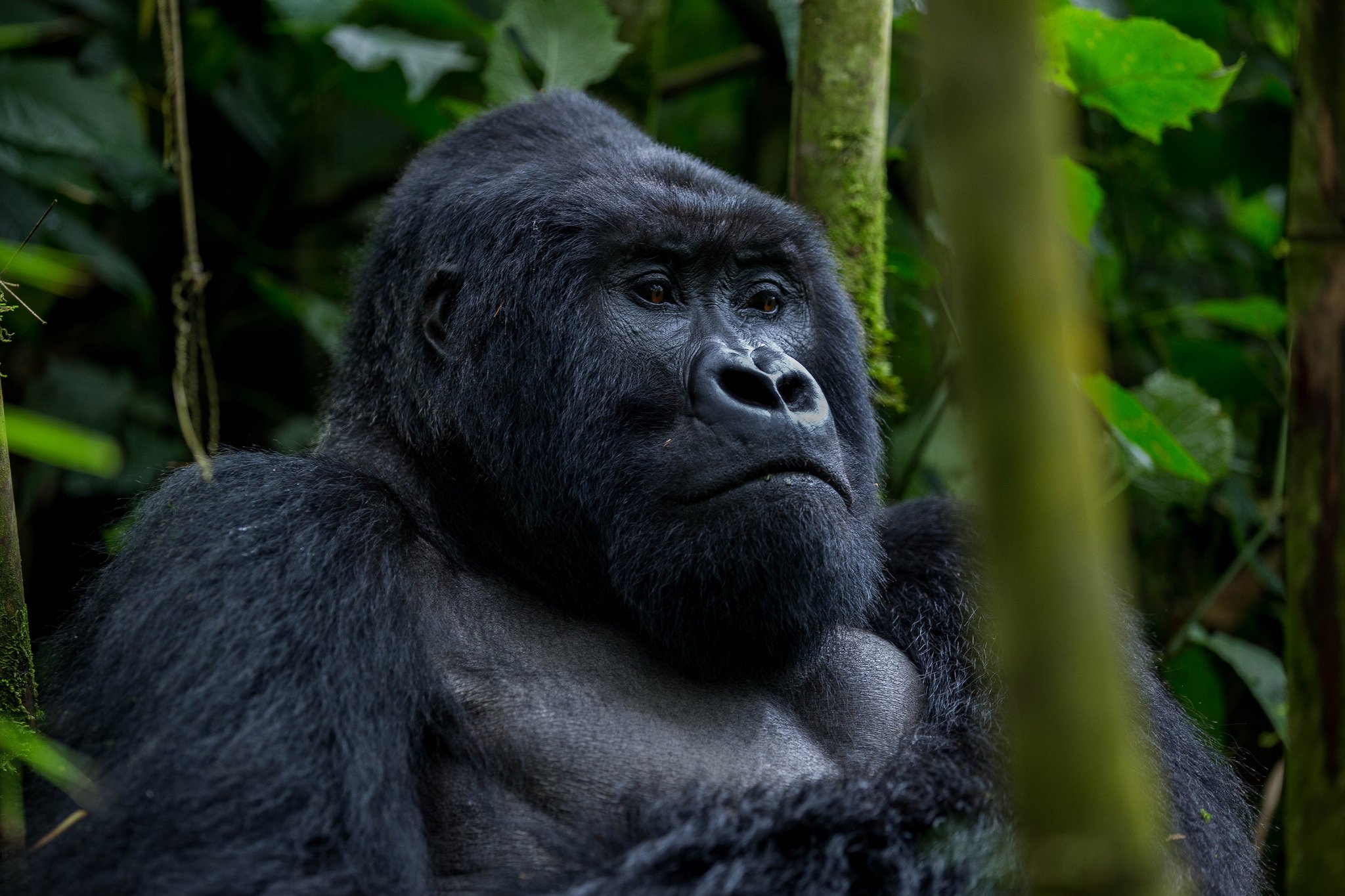
For mountain gorilla trekking in Volcanoes National Park, guides maintain a 7-meter distance from gorillas. You hike in small groups with experienced trackers who know gorilla families and their movements. Guides receive extensive training in gorilla behavior and emergency response.
Safari vehicles in Akagera National Park keep distance from large predators like lions and elephants. Guides use radio communication with other vehicles to track wildlife safely. Standing up in the vehicle or leaving it unpermitted during game drives is prohibited for your protection.
Choosing Verified Safari Operators
Book through licensed safari operators with proven safety records. Verified operators conduct background checks on guides, maintain vehicle safety standards, and carry emergency communication equipment. SafariFind features Rwanda safari operators verified and rated by travelers, showing you companies with strong safety reviews.
Ask operators about guide training, vehicle maintenance, emergency protocols, and insurance coverage. Request references from recent clients. Check online reviews on SafariFind to learn what other travelers experienced regarding safety and guide quality.
Traveling with licensed operators significantly improves safety for gorilla trekking, wildlife safaris, and border-area activities [5]. Operators ensure clients stay in secure accommodations, travel with reliable drivers, and receive current safety briefings.
Seasonal Safety Considerations for Rwanda Safaris
Dry Season (July–September) Safety
The dry season from July to September offers excellent safari conditions and lower malaria transmission rates. During these months, roads are passable, wildlife congregates around water sources, and mosquito activity decreases. This is the safest and most popular time to visit Rwanda [5].
Dry season tourism is high, meaning more operators, better facilities, and more tourists around. This increased activity provides additional security in popular areas. Booking well in advance (3-6 months) helps you secure spots with top-rated operators. Learn more about Rwanda safari in July–September 2026 for dry season wildlife viewing.
Rainy Season (November–May) Considerations
The rainy season brings higher malaria risk due to increased mosquito breeding. Roads become muddy and difficult to navigate. Some remote areas become inaccessible. However, fewer tourists visit during rainy months, offering more solitude and lower prices [5].
If traveling in rainy season, intensify malaria prevention. Take prophylaxis religiously. Wear protective clothing. Use insect repellent constantly. Choose operators experienced in rainy season conditions. Roads are passable but require skilled drivers, so verify your operator's experience.
Weather-Related Safety
Heavy rains can cause flooding and landslides in mountainous areas. Volcanoes National Park, at high elevation, experiences cold temperatures and fog. Bring waterproof gear and warm layers year-round. Flash floods occasionally affect low-lying areas near rivers.
Your operator will adjust activities based on weather. Gorilla treks may be postponed if conditions are unsafe. Vehicle routes change to avoid flooded sections. Professional operators prioritize your safety over schedule, so trust their judgment on activity modifications.
Pre-Travel Preparation & Documentation
Passport & Visa Requirements
Ensure your passport is valid for at least 6 months beyond your travel dates. Rwanda requires visas for most nationalities. You can obtain visas on arrival, online through e-visa portals, or at embassies. Apply for visas at least 4 weeks before departure to avoid delays.
Keep photocopies of your passport, visa, and travel insurance separate from originals. Store digital copies in cloud storage. Provide copies to a trusted contact at home. If your passport is lost or stolen, copies speed up replacement through the embassy.
Travel Insurance & Medical Evacuation
Travel insurance is essential for Rwanda safaris. Purchase comprehensive coverage including medical evacuation, emergency dental, and trip cancellation. Medical evacuation from remote safari areas can cost $50,000 or more without insurance.
Verify your policy covers high-altitude activities (gorilla trekking) and malaria treatment. Check coverage limits for medical costs in Rwanda. Some policies exclude adventure activities; confirm your safari is covered. Purchase insurance within 14 days of your first trip deposit for best rates.
Pre-Departure Medical Consultation
Visit a travel medicine clinic 4-6 weeks before departure. The doctor will review vaccinations, prescribe malaria prophylaxis, and provide health advice specific to your itinerary. Bring a list of all medications and supplements you take.
Request a letter from your doctor listing prescribed medications and medical conditions. This helps if you need to refill medications in Rwanda or explain medical equipment to customs. Keep medications in original labeled containers.
SafariFind Resources for Safe Rwanda Travel
Finding Verified Operators
SafariFind connects travelers with verified Rwanda safari operators. Each operator profile shows ratings from actual travelers, review counts, and detailed feedback. Read reviews to understand operator safety practices, guide quality, and accommodation standards.
Filter operators by destination (Volcanoes, Akagera, Nyungwe), tour type (gorilla trekking, wildlife safari), and price range. Compare packages side-by-side. Request quotes from multiple operators to compare pricing and services. SafariFind makes this process transparent and simple.
Look for operators with 4.5+ star ratings and 50+ reviews. These indicate consistent quality and customer satisfaction. Read recent reviews (from 2025-2026) to ensure current standards. Ask operators about their safety protocols, guide certifications, and insurance coverage.
Budget packages ($1,500–$2,500 per person) typically include basic accommodations, game drives, and guides. Mid-range packages ($2,500–$3,500) add better lodges and additional activities. Luxury packages ($3,500–$4,000+) feature premium lodges, private guides, and exclusive experiences.
All price ranges can be safe if operators are verified and experienced. Budget doesn't determine safety; operator reputation does. SafariFind ratings help you identify safe, value-conscious operators at any price point.
Destination-Specific Guidance
Different Rwanda parks have different safety profiles. Akagera National Park safari 2026 details animals, costs, and best lodges for eastern Rwanda wildlife viewing. Volcanoes National Park in the northwest offers mountain gorilla trekking. Nyungwe Forest provides chimpanzee trekking and forest wildlife.
Each destination has security considerations. Volcanoes is well-developed for tourism with extensive guide training. Akagera is more remote but has improved security and infrastructure. Nyungwe offers forest immersion with experienced naturalist guides. SafariFind operators specialize in each park and understand local safety requirements.
Key Takeaways for Safe Rwanda Safari Travel
Start malaria prevention 4-6 weeks before departure: Fill prescriptions early, take prophylaxis exactly as directed, and use insect repellent daily to reduce infection risk by 90%.
Book with verified SafariFind operators: Choose companies with 4.5+ star ratings and 50+ reviews to ensure professional guides, safe vehicles, and secure accommodations.
Enroll in the Smart Traveler Program (STEP): Registration takes 10 minutes and ensures the U.S. Embassy can contact you during emergencies or security incidents.
Avoid the DRC border zone: Stay 10+ kilometers from Rwanda's northern border; most safari parks are safely located away from this restricted area.
Use licensed transportation and secure hotels: Book accommodations through your operator, use registered taxis in cities, and keep valuables concealed to minimize petty theft risk.
Frequently Asked Questions About Rwanda Safari Safety
Is it safe to visit Rwanda for a safari in 2026?
Yes, Rwanda is generally safe for safari travel in national parks. The U.S. State Department recommends reconsideration due to crime and health risks in certain areas, but most safari zones remain secure with proper precautions. Crime within game parks is unusual; robberies occur mainly in cities [1]. Book with verified operators, take malaria prophylaxis, and follow local guidance for a safe trip.
What is the main health risk for Rwanda safari travelers?
Malaria is the primary health risk. The CDC recommends antimalarial prophylaxis for all travelers [3]. Fill your prescription before departure and take medication exactly as prescribed. Prevent mosquito bites by wearing protective clothing at dawn and dusk, using DEET-based insect repellent, and sleeping under bed nets. Malaria is treatable if caught early, but prevention is more effective than treatment.
Do I need vaccinations before traveling to Rwanda?
Yellow fever vaccination is strongly recommended and required for entry to many countries if you're arriving from Rwanda [3]. Consult your doctor 4-6 weeks before travel about hepatitis A and B, typhoid, and tetanus updates. The CDC provides Rwanda-specific vaccination guidance based on your itinerary. Visit a travel medicine clinic for personalized advice.
What should I do if I experience a medical emergency in Rwanda?
Contact your safari operator immediately; they have emergency protocols and communication equipment. For serious emergencies, the U.S. Embassy can assist (+250 (0) 252 596 400). Travel insurance with medical evacuation coverage is essential; evacuations from remote areas cost $50,000+ without insurance. Kigali has quality hospitals, but rural areas have limited medical facilities, making evacuation coverage critical.
How do I choose a safe safari operator in Rwanda?
Use SafariFind to find verified operators with ratings and reviews from real travelers. Look for 4.5+ star ratings and 50+ reviews. Read recent feedback (2025-2026) about guide quality, accommodation safety, and operator responsiveness. Ask operators about guide training, vehicle maintenance, emergency protocols, and insurance. Compare multiple operators before booking to ensure you select a company with strong safety practices.
What areas in Rwanda should I avoid for safety reasons?
Avoid areas within 10 kilometers of Rwanda's border with the Democratic Republic of Congo (DRC) [1]. Most major national parks and safari destinations are safely located away from this zone. Certain neighborhoods in Kigali have higher crime rates; stay in well-reviewed hotels in central areas. Your safari operator will guide you on safe areas and provide secure transportation.
Can I find affordable Rwanda safari packages that are still safe?
Yes. SafariFind lists Rwanda safari packages from $1,500–$4,000 across budget, mid-range, and luxury options. Safety is determined by operator reputation, not price. Budget operators can be safe if verified and experienced. Read SafariFind reviews to identify affordable operators with strong safety ratings. Request quotes from multiple operators to compare value.
Conclusion: Planning Your Safe Rwanda Safari Adventure
Rwanda is a safe and rewarding safari destination when you prepare properly and book with verified operators. The main safety steps are straightforward: take malaria prophylaxis, get vaccinated, enroll in the Smart Traveler Program, and choose licensed operators with strong reviews.
Crime within national parks is rare. Professional guides manage wildlife encounters safely. Road accidents are preventable by using operator-provided transportation. Health risks are manageable with vaccinations and medication. By following these precautions, thousands of travelers safely visit Rwanda each year.
Start planning your Rwanda safari today. Use SafariFind to compare verified operators, read authentic traveler reviews, and request quotes from companies with proven safety records. Whether you're interested in mountain gorilla trekking in Volcanoes, wildlife safaris in Akagera, or forest experiences in Nyungwe, SafariFind connects you with operators who prioritize your safety and satisfaction.
Book your Rwanda safari 3-6 months in advance to secure spots with top-rated operators and potentially save 15-20% on peak season rates. Prepare medically by consulting a travel medicine clinic, then embark on one of Africa's most rewarding safari experiences. Rwanda awaits in 2026.
Plan Your Safari with SafariFind
These recommendations use real data from SafariFind, where you can compare operators, browse packages, and read verified traveler reviews before you book.
"I was working with a tour operator out of Kenya to plan a Uganda gorilla trek followed by a Kenya & Tanzania safari. For some reason, the Uganda portion started having issues with only a few weeks to go. Enter Brian Ahereza of GoExplore. Wow! Talk about fast acting and excellent service. Within 1 day, Brian arranged everything. The only thing that would have made my trip better is if I had added one extra day, but by this point, we couldn't squeeze it in, so Brian did the absolute best with what he had to work with. For starters, one of the best things that could have happened did! ANd that was to have Charles assigned as our driver/guide. We flew into Kigali, Rwanda and Charles met us at the airport and took us to our hotel. The next morning we got up for the long drive to the Nkoringo area of Bwindi. A lot of this drive is on some VERY difficult dirt roads and Charles was masterful at navigating the terrain. Furthermore, I was using offline Google Maps to track our location and there is no possible way I could have gotten to where Charles was going. We got to Nkoringo Lodge and immediately loved it. Brian had arranged for us to have one of only 2 rooms there that had on demand hot water. Our room overlooked Bwindi and we sat on the deck admiring the view. To get to the bar/dining area, we hiked up and over a ridge and the view from that side was south to the 3 volcanoes on the border of Uganda/Rwanda/Congo - absolutely beautiful! The next day we did the trek to the Nkuringo gorilla group. It was not a difficult trek until we had to cross a fast flowing stream because the gorillas had gone to that side and as soon as we crossed, they came back! So we did too. And then we found them and it was such a wonderful experience! My wife was standing next to me and a young male (7-8 years old??) suddenly turned and started walking towards us. My wife moved to the left, but our guide said to stand still. The gorilla walked right between us and as he passed, he stuck out his arm between my legs and grasped me around the thigh!!! OMG! Even though I could feel his amazing power, I did not feel in danger. Just as quickly, he let go and continued walking! After that amazing trek, we drove (another long day) up to Queen Elizabeth National Park and spent 2 nights at the Buffalo Safari lodge. We did a couple of games drives in which we saw lots of antelope, elephants, buffalo and 6 lions (all female, with one or two young males). We followed with a boat ride on the Kazenga channel which was fantastic. The next day, we drove to Kibale National Park to look for Chimps. We arrived at our wonderful lodge, the Chimpanzee Forest Guest House at about lunchtime and then headed to Kibale for our Chimp Trek. At lunch, we met a couple who showed us amazing pictures from their trek that very morning. Unfortunately for us, even with 7 groups in the forest, we could only find 2 chimp sand they were up in the trees. That happens in nature, but the real lesson is to take the morning trek!!! The next day, Charles drove us to Entebbe and our Uganda trip was over. One of my friends asked me about the birds in Uganda. My wife loves birds and by extension, I have come to love them as well. SHe asked Charles, our guide, about every single bird we saw. Charles had a very well worn copy of "Birds of East Africa". He didn't need that book because he had it memorized. Charles was a fantastic driver/guide/person! He made our trip incredibly special! I can't thank Brian, Charles and GoExplore enough for making this so special!!!"
Dave Medlicott•11 July 2026
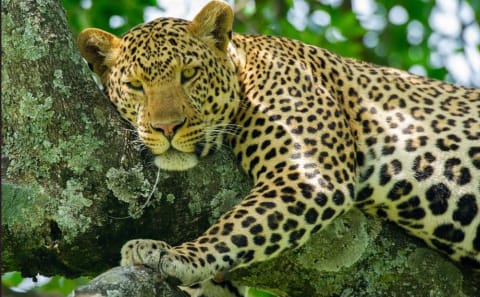
"I’m a wildlife photographer, and in May 2025, I went on an 8-day private photo safari organized by Brian, the owner of GoExplore Safari. The goal was to photograph Uganda’s wildlife highlights: gorillas in Bwindi, big cats in Queen Elizabeth, chimpanzees in Kibale, and the rare Shoebill Stork in Mabamba Swamp. The itinerary was well thought out, and everything ran smoothly. I flew into Kigali, Rwanda, which I highly recommend if you're heading to the Rushaga sector of Bwindi — much closer and more convenient than Entebbe. If photography is your priority, I also suggest booking two gorilla treks or considering Mgahinga. I only did one, and while it was incredible to see them, capturing strong images was difficult. The rainforest is thick, lighting tricky, and your movement limited — just something to keep in mind. Mozes, my guide, was outstanding. He’s punctual, safe, knowledgeable, and has a clear love for wildlife. He studied tourism, understands photography, and even shared stories from past conservation work, like relocating giraffes from Murchison Falls to Kidepo. He always positioned the car for the best angles and made the drives smooth and productive. Our first stop was Ichumbi Gorilla Lodge, just five minutes from Rushaga Gate. The lodge was cozy, well-designed, and mosquito-free, with great coffee and local food — an ideal base for gorilla trekking. In Queen Elizabeth, we had four full days of game drives. I like to go hard on photography, so we were out from sunrise to sunset. One major perk with GoExplore is you can plan your own drive schedule within park hours (6:00 a.m. to 7:00 p.m.). On our first day, we stayed until closing — the only car left in Kasenyi Plains. That kind of flexibility made a huge difference. I also recommend the optional lion and leopard tracking. You’re still in your private vehicle, but a tracker joins you and leads off-road directly to the cats. We spent nearly four hours with a leopard and her cubs in a cactus tree — truly a dream scenario for any photographer. Chimpanzee trekking in Kibale was another highlight. The chimps came down from the trees and moved through the forest, and we followed them. The one-hour viewing stretched to 2.5 hours. For photography, it’s better to wait until they’re on the ground — the real action happens there. On the final day, we went to Mabamba Swamp to see the Shoebill. From a photography standpoint, it’s the best place in Africa to photograph this rare bird. The canoe brings you to water level, with clean backgrounds and soft light — a perfect setup. Uganda in late May was lush, green, and surprisingly dry — just one short rainstorm. The scenery, wildlife, and people made it a beautiful place to explore. If you’re considering Uganda, book with GoExplore — and if you can, request Mozes. His experience and attention to detail made the entire trip not just productive, but truly enjoyable. Huge thanks to Brian and Mozes for making it all happen!"
Jason Chen•11 July 2026
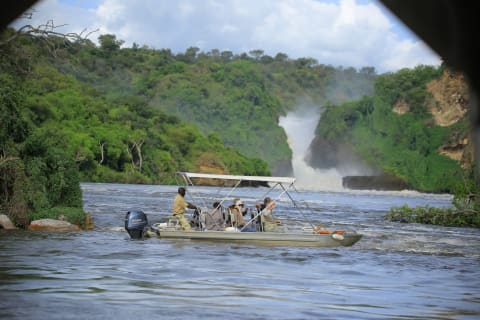
"Lovely destination Uganda we selected GoExplore Safaris because their budget was affordable and they were so fast and quick at responding to our emails and all the questions. Elephants, giraffe, deer, antelope, warthogs, hippopotamus, crocodiles, hyena, lion, beautiful birds, and a leopard. It was incredible! The boat rides up the Nile to Murchison Falls is a must do and a perfect way to end the tour. I Did not have any Idea on how beautiful Uganda is. wow, I highly recommend GoExplore Safaris and travel for anyone who is interested in adventuring Uganda and Rwanda to its fullest."
Godon•11 July 2026
"Our Rwanda trip trip from gorilla trekking in volcanoes just got done and now settled back home we were lucky to have attended the gorilla ceremony and the team was able to atleast show us why this was a big day for Rwanda it was such a coincidence to have travelled this beautiful country while they were naming the gorillas great thing to do I advise you to look for goexplore brian will take you to Kigali for this event."
Birungi•11 July 2026
"GoExplore (Brian) provided a magical memorable trip for us to Rwanda. From our first communication via email and whatsapp, they were able to layout an itinerary that fit our needs. They delivered on all aspects of the trip. The 3 guides we met in various locations were just outstanding. It was my wife's birthday and I mentioned that and at each dinner we ended up with a cake and the staff singing. We were so appreciative. I would tell others to use them without hesitation."

 Ask Tembo