
Rewilding & Wildlife Translocations in Zimbabwe (2026)
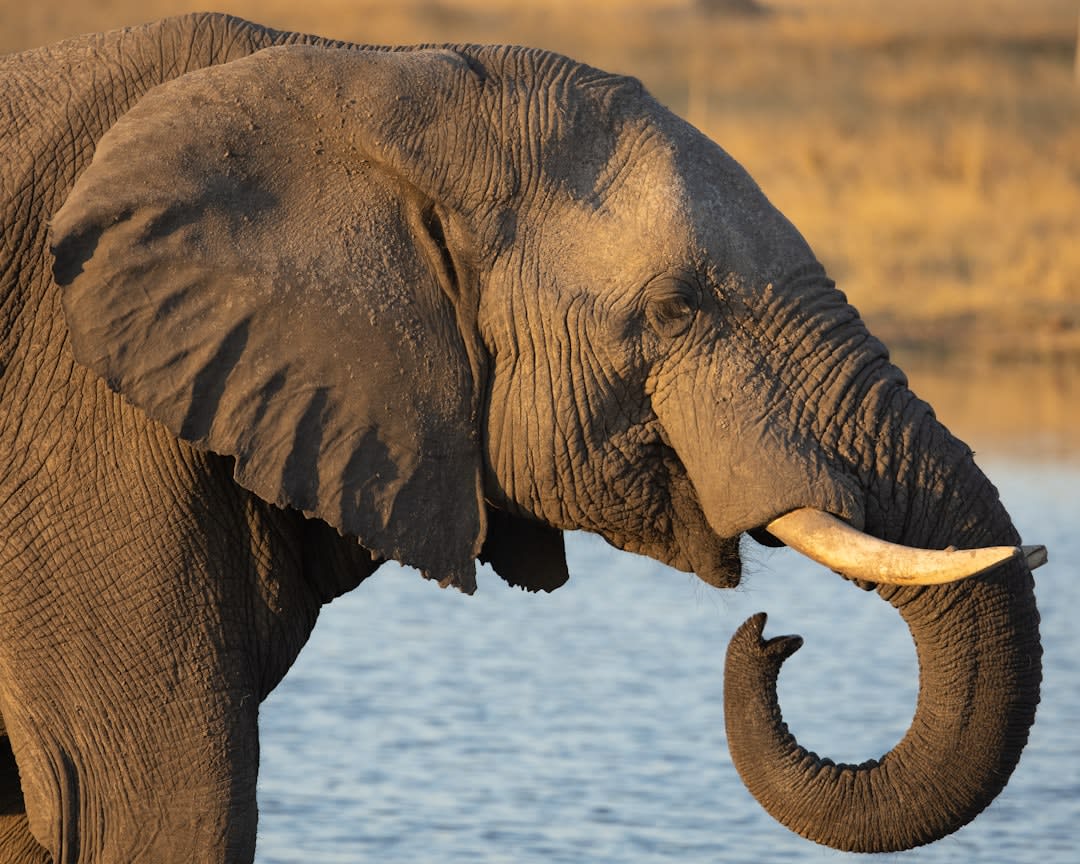
Zimbabwe’s rewilding work is moving beyond moving animals: the return of 20 African wild dogs to Matusadona National Park and planned black-rhino reintroduction show how security, habitat restoration and community partnerships must come first. Translocations at Gonarezhou and proposed landscape-scale projects add to a wider recovery effort, but drought, poaching and human–wildlife conflict remain serious challenges.
Last reviewed August 2026. Conservation data changes — see the cited sources for the latest figures.
Quick answer: what is happening with rewilding in Zimbabwe in 2026?
Zimbabwe’s rewilding and wildlife-translocation programmes are restoring species to protected areas and strengthening populations where habitat and security can support them. On 15–17 February 2026, the Zimbabwe Parks and Wildlife Management Authority (ZimParks) and African Parks moved 20 African wild dogs to Matusadona National Park, returning an endangered species after decades of local extinction; a black-rhino reintroduction was also planned for Matusadona later in 2026. [1]
The strongest lesson is that translocation is only one part of rewilding. Matusadona’s wild-dog return followed sustained investment since 2020 in community development, law enforcement, biodiversity research, monitoring and park infrastructure. [1] Zimbabwe’s results therefore depend on long-term management, veterinary expertise, ranger protection, ecological monitoring and local participation—not simply on releasing animals.
Why rewilding matters in Zimbabwe
Rewilding aims to restore ecological function by returning animals, rebuilding viable populations and improving the conditions that allow wildlife to move, breed and coexist with people. A translocation is the practical movement of wildlife from an area of relative abundance to a landscape where numbers are lower; specialist teams, veterinary services, transport, acclimatisation and a holding enclosure, or boma, may all be required before release. [5]
In Zimbabwe, the approach is particularly visible in Matusadona National Park, Gonarezhou National Park and community-based conservation landscapes. These places illustrate different objectives: restoring a locally extinct predator, rebuilding a threatened rhinoceros population and creating wildlife value beyond the boundaries of conventional national parks.
Matusadona sits within Zimbabwe’s Sebungwe landscape and African Parks describes the park as a cornerstone of conservation in that landscape. The 2026 wild-dog operation was possible because ZimParks, African Parks and local communities had built a wider management foundation over five years. [1] African Parks Country Manager for Zimbabwe Daniel Sithole said the planned return of black rhino, alongside the wild-dog reintroduction, depended on that foundation of partnerships, people and systems. [1]
Gonarezhou shows why the social composition of translocated animals matters. In 2021, the Lowveld Rhino Trust selected black rhinos from Bubye Valley with attention to existing social bonds. Chain, a male that had arrived in the source population as a calf, was moved with familiar females from his home range; those females subsequently produced calves in Gonarezhou. [6]
The example also connects rewilding with wider national-park protection priorities in Zimbabwe. A restored wildlife population cannot be considered secure if poaching, weak law enforcement, inadequate monitoring or unresolved conflict undermine the destination landscape.
What is wildlife translocation?
Wildlife translocation is a conservation intervention in which animals are captured, transported and released into a selected destination. The decision should be based on habitat suitability, threats, disease risk, genetic and social considerations, source-population resilience and the destination’s ability to provide long-term protection. The available research emphasises that moving animals alone does not determine success. [5]
For large or socially complex species, preparation can involve identifying compatible individuals, veterinary assessment, transport planning, temporary bomas and post-release monitoring. Rhino conservation in Zimbabwe also uses strategic translocations, veterinary treatments, drug-darting, population monitoring, anti-poaching support, informer systems and legal action, according to the Society for Conservation Biology’s account of Lowveld Rhino Trust work. [9]
Success should therefore be measured over time. Immediate survival after release is important, but so are home-range establishment, breeding, recruitment of wild-born animals, genetic health, ecological effects and relationships with neighbouring communities. A translocation may be operationally successful yet still require years of protection before its conservation value is clear.
The main threats to Zimbabwe’s rewilding projects
Poaching and the cost of permanent protection
Reintroduced animals remain exposed to the same threats that affected their former populations unless management changes at the destination. Rhino conservation requires accurate population information, active monitoring, law enforcement, veterinary intervention and community engagement. [9] The long-term financial burden is substantial: a conservation-translocation review notes that rhinos can live for approximately 40 years and require expensive ranger protection for decades. [11]
Zimbabwe has recorded encouraging results in some intensively supported areas. During the COVID-19 pandemic, IFAW supported ZimParks rangers in Hwange National Park with fuel, equipment, workshop support, veterinary-unit assistance and food rations; the organisation reported zero recorded elephant-poaching incidents for a second consecutive year in the areas it supported. [10] That result applies to IFAW-supported areas and should not be generalised to every Zimbabwean protected area.
Habitat loss, fragmentation and connectivity
Wildlife restoration depends on more than the condition of an individual park. Animals need space, functioning habitat and, where appropriate, safe ecological connections between protected areas. The translocation work described in the research is linked to broader landscape objectives, including restoring wildlife connectivity and improving the resilience of ecosystems. [3]
Connectivity can also allow naturally dispersing species to return without direct capture and transport. In neighbouring transfrontier landscapes, Peace Parks Foundation recorded natural lion movements into Limpopo and Zinave national parks after restoration, describing those movements as evidence of ecological linkages between protected areas. [14] This is not a Zimbabwean reintroduction result, but it demonstrates why landscape-scale planning matters to southern African conservation.
Human–wildlife conflict
Rewilding can increase the presence of wildlife in places where people farm, keep livestock or depend on natural resources. The research identifies community development and coexistence as necessary parts of restoration, rather than optional additions after animals have been released. African Parks specifically links Matusadona’s wild-dog return to investment in surrounding communities as well as law enforcement and infrastructure. [1]
Zimbabwean conservation practitioners are also working on practical, community-led responses. Wildlife Conservation Action profiles Dorothy Muziringa, whose work focuses on mapping wildlife corridors and understanding wildlife–community interactions, and Maclytte Tsakatsa, whose conservation focus includes community-led approaches to human–elephant conflict. [8]
Drought and climate pressure
Drought is an increasingly important consideration in the choice of source and destination sites. A conservation-success account of Project Rewild Zambezi describes climate-change-driven drought as a greater danger than poaching for wildlife in the project’s target area, while reporting that the project aims to relocate more than 2,500 animals from a southern reserve to the Zambezi River valley. [7] The same account reports that 101 elephants and 184 impala had so far been moved approximately 1,000 kilometres as an early phase of the project. [7]
Those figures come from the project account available in the research and should be treated as reported progress, not as evidence that the wider climate threat has been solved. Drought can affect forage, water, animal condition, disease risk and the viability of both source and destination populations.
Zimbabwe’s leading rewilding and translocation examples
| Location or programme | Species and action | What it demonstrates |
|---|---|---|
| Matusadona National Park | 20 African wild dogs translocated in February 2026; black-rhino reintroduction planned for 2026. [1] | Reintroduction depends on security, monitoring, infrastructure and community investment. |
| Gonarezhou National Park | Black rhinos moved in 2021 with attention to social bonds; females later produced calves. [6] | Animal selection and social relationships can influence establishment and breeding. |
| Lowveld Rhino Trust-supported landscapes | Monitoring, strategic translocations, veterinary care, anti-poaching and community engagement. [9] | Rhino recovery requires integrated, long-term management. |
| Project Rewild Zambezi | Reported early movement of 101 elephants and 184 impala on an approximately 1,000-kilometre journey; a larger relocation programme is proposed. [7] | Climate pressure can drive landscape-scale planning, but early operational success is not the same as long-term recovery. |
What organisations and rangers are doing
ZimParks is the government wildlife authority partnered with African Parks in the Matusadona wild-dog translocation. The operation reflects a shared management model in which the state authority, conservation organisations and local communities contribute to restoration. [1]
African Parks has supported Matusadona since 2020 through work spanning community development, law enforcement, biodiversity research, monitoring and infrastructure. The organisation’s Daniel Sithole has stressed that successful reintroductions are the product of long-term investment rather than a single capture-and-release event. [1]
Lowveld Rhino Trust contributes to Zimbabwean rhino conservation through population monitoring, management interventions, veterinary work, strategic translocations, anti-poaching support, informer systems, legal actions and community engagement. The Society for Conservation Biology describes accurate population information as critical for identifying problems and guiding responses. [9]
IFAW and ZimParks have demonstrated the importance of operational support to rangers. In Hwange, IFAW-supported work included a ranger base at Makona, training and equipment, while Save Giraffes Now supported refresher training for 25 rangers and the removal of 250 snares in targeted giraffe habitat. [10]
Research and monitoring teams use tracking, field patrols, visual observations, veterinary records and population data to assess whether animals are adapting. Monitoring is particularly important after release because survival alone does not confirm that a population is ecologically secure.
Community conservancies and tourism’s role
Community participation is central to credible rewilding. Mucheni Community Conservancy in Zimbabwe provides an example from the EU-funded Sustainable Wildlife Management Programme: 90 impalas, kudus and zebras were reintroduced in cooperation with ZimParks, Binga Rural District Council and local leaders. [4] The programme presents translocation as a community-linked opportunity rather than a project imposed solely by external conservation organisations.
This model matters because wildlife can impose real costs on people living beside protected areas. Community development, local leadership, conflict mitigation and transparent benefits help create the conditions in which reintroduced populations can be tolerated and protected. The research does not provide a single national figure for tourism revenue generated by Zimbabwean translocations, so claims about economic impact should remain measured.
Responsible tourism can nevertheless contribute through park fees, conservancy payments, employment, guiding, accommodation and conservation partnerships, depending on the destination’s operating model. Travellers considering a wildlife safari park or a broader wildlife safari should ask how their spending supports rangers, local communities and habitat management. SafariFind travellers can book conservation-supporting safaris through the marketplace, while checking the specific operator’s conservation and community commitments before paying.
Tourism must not become the sole justification for rewilding. A project should be assessed first on ecological suitability, animal welfare, community consent and long-term protection. Tourism is most valuable when it reinforces those foundations rather than replacing them.
Results and setbacks: what can honestly be claimed in 2026?
The return of 20 wild dogs to Matusadona is a clear milestone: the species had been locally extinct there for decades, and the operation restored it to a park described as important within the Sebungwe landscape. [1] The planned return of black rhino indicates that Matusadona’s management partners consider the park capable of supporting further restoration, although the future population outcome must still be monitored. [1]
Gonarezhou provides a longer-term positive signal. The rhinos moved in 2021 established a new population context, and females selected with social relationships in mind went on to produce calves. [6] Yet the conservation-translocation literature cautions that it remains too early to judge some Gonarezhou outcomes, including whether rhinos born there will reproduce successfully and what the medium-term population growth rate will be. [11]
The wider record is therefore mixed in the responsible sense: there are operational achievements, births and improved protection in particular places, but no basis for declaring Zimbabwe’s rewilding challenge complete. Drought, climate variability, poaching risk, conflict, funding requirements and the need for decades of monitoring remain. The conservation sector’s history in Zimbabwe also shows that political and economic crises can reduce conservation funding even where skilled professionals and important biodiversity remain. [15]
How travellers can help responsibly
- Choose transparent operators. Ask whether the safari company identifies the park authority, conservation partners and community structures receiving support.
- Prioritise locally connected experiences. Community conservancies and locally employed guides can help tourism benefits remain connected to neighbouring communities, although each programme should be assessed on its own evidence.
- Do not request close wildlife encounters. Keep distance, follow guide instructions and avoid pressuring guides to approach recently translocated or vulnerable animals.
- Support protection rather than spectacle. A safari that funds ranger operations, habitat management, monitoring or community development can contribute more meaningfully than an attraction built around guaranteed sightings.
- Respect sensitive information. Do not share exact locations of rhinos, wild dogs, dens or other vulnerable wildlife on social media.
- Evaluate claims carefully. Ask whether a reported result refers to release, survival, breeding, population growth or long-term ecological recovery; these are different measures of success.
Conclusion
Zimbabwe’s 2026 rewilding story is best understood as an investment in functioning conservation systems. The 20 wild dogs returned to Matusadona, the rhino recovery work in Gonarezhou, the operational support for ZimParks rangers and the Mucheni community-conservancy translocation all show different parts of that system. [1][4][6][10]
The next test is endurance: whether restored animals survive, breed and move safely; whether communities receive meaningful benefits and practical conflict support; and whether governments and partners can maintain the funding, monitoring and protection required over decades. Rewilding succeeds when wildlife returns to a landscape that is ready to keep it—not merely when an animal reaches the ground.
Frequently Asked Questions
What is the biggest wildlife rewilding project in Zimbabwe in 2026?
One of the most significant confirmed 2026 projects is the return of 20 African wild dogs to Matusadona National Park between 15 and 17 February. The operation restored a species after decades of local extinction and followed years of investment in security, infrastructure, research, monitoring and community development. [1]
Which animals are being translocated in Zimbabwe?
Confirmed examples include African wild dogs and black rhinos, as well as impalas, kudus and zebras in Mucheni Community Conservancy. Project Rewild Zambezi has also reported moving elephants and impala as part of a larger proposed programme. [1][4][7]
Why were African wild dogs returned to Matusadona National Park?
African wild dogs were returned to restore a species that had been locally extinct in Matusadona for decades. The release was considered possible after sustained investment in park security, infrastructure, research, monitoring and community development. [1]
What is the role of ZimParks in wildlife translocations?
ZimParks is the Zimbabwean government wildlife authority involved in national translocation and protected-area management. It partnered with African Parks on the Matusadona wild-dog operation and worked with partners on community-linked wildlife restoration at Mucheni. [1][4]
Are black rhinos being reintroduced in Zimbabwe?
Yes. Black-rhino reintroduction work has taken place in Gonarezhou, and African Parks reported that a further black-rhino reintroduction was planned for Matusadona in 2026. Rhino outcomes require long-term monitoring because breeding and population growth take years to assess. [1][6][11]
How successful are Zimbabwe’s wildlife translocations?
Results are encouraging but should not be overstated. Matusadona’s wild-dog return was completed, rhinos moved to Gonarezhou produced calves, and 90 animals were reintroduced at Mucheni; however, long-term success depends on survival, breeding, habitat, security, community support and sustained funding. [1][4][6]
What threats do reintroduced animals face in Zimbabwe?
The main documented challenges include poaching, habitat pressure, human–wildlife conflict, drought and climate-related stress, as well as the high long-term cost of ranger protection and monitoring. The relative importance of each threat varies by species and landscape. [7][9][11]
How does tourism support wildlife rewilding in Zimbabwe?
Tourism can support conservation through park fees, employment, guiding, accommodation and payments connected with community conservancies, depending on the destination and operator. Travellers should ask for evidence of benefits to rangers, local communities and habitat management rather than assuming every safari contributes equally.
How can travellers support Zimbabwe’s rewilding projects?
Travellers can choose transparent operators, follow wildlife-viewing rules, respect distance from animals, avoid sharing sensitive wildlife locations and select experiences with clear conservation and community partnerships. They can also compare how operators report the use of conservation-related payments.
What does success mean after a wildlife translocation?
Success includes safe release and survival, but also establishment of home ranges, breeding, recruitment of wild-born animals, ecological function, genetic health and coexistence with neighbouring communities. A release is an early milestone, not proof of full population recovery. [5][11]


