Ask Tembo
Pangolin Conservation in Botswana 2026: Status & Action
Botswana is part of a critical Southern African pangolin conservation effort, but baseline population data remains sparse. The country faces emerging threats from habitat loss and illegal trade—and new regional action plans aim to reverse declines.
Quick Answer: Pangolin Conservation Status in Botswana (2026)
Pangolins persist in Botswana, but their exact population is unknown due to lack of baseline surveys.[1] All eight pangolin species globally are declining and at risk of extinction,[2] and Botswana is now part of the first-ever Southern African Regional Pangolin Conservation Action Plan (SARPCAP), launched in 2024 to address habitat loss, poaching, and illegal trade across eight Southern African countries including Botswana, South Africa, Namibia, and Mozambique.[1]
Why Pangolins Matter in Botswana's Ecosystems
Pangolins are the world's only scaled mammals and play a critical ecological role as natural pest controllers, feeding on ants and termites across forest and grassland habitats.[3] In Botswana, where rewilding and wildlife translocations are reshaping conservation strategy, pangolins represent a poorly understood but essential part of landscape health.
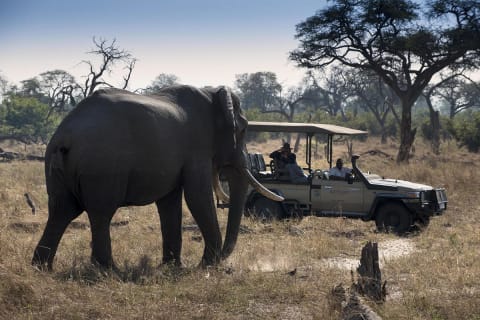
Despite their ecological importance, pangolins remain among the least-studied large mammals in the country. Unlike Botswana's iconic elephants (over 50,000 in Chobe National Park alone)[4] or the cheetahs and lions that draw international safari tourism, pangolins have historically received minimal conservation attention and funding.
The species present the greatest conservation and ethical challenge: they are the world's most trafficked mammal.[3] Between 2000 and 2019, seizure data suggests the equivalent of more than 895,000 pangolins were trafficked globally,[2] driven by demand for their scales in traditional medicine and for bushmeat consumption.
Threats to Pangolins in Botswana and Southern Africa
The Southern African Regional Pangolin Conservation Action Plan Workshop (2024) identified five main threat categories affecting pangolins across Botswana and neighbouring countries:[1]
- Habitat loss: Logging, subsistence agriculture, and forest conversion reduce pangolin foraging grounds and shelter.
- Hunting and trapping: Both household consumption and local traditional medicine use drive direct mortality.
- Illegal trafficking: Despite international bans, scales and meat are smuggled across borders for export.
- Non-compliance with wildlife law: Weak enforcement of CITES Appendix I protections (all pangolins were uplisted in 2016)[5] and domestic regulations allow poaching networks to operate with limited risk.
- Climate change and prey availability: Habitat degradation and insect population shifts reduce food availability for wild pangolins.
In the broader African context, habitat modification ranks as the top threat (47.8% of identified threats in West Africa), followed by prey availability loss (30% in some regions).[1] Illegal trade and non-compliance with CITES law account for significant but underreported mortality, partly because most poaching goes undetected.[3]
Critically, population data gaps hamper enforcement. Very little is known about baseline pangolin numbers in most range states, including Botswana.[6] This lack of baseline knowledge makes it difficult to measure conservation progress or target interventions effectively.
The Southern African Regional Pangolin Conservation Action Plan
In 2024, the IUCN Species Survival Commission's Pangolin Specialist Group (PSG) Southern African Working Group organized the first-ever regional pangolin conservation action plan workshop for eight Southern African countries: Angola, Botswana, Malawi, Mozambique, Namibia, South Africa, Zambia, and Zimbabwe.[1]
The workshop, facilitated by the IUCN SSC Conservation Planning Specialist Group (CPSG), brought together government wildlife authorities, NGOs, researchers, and community representatives to develop a shared vision for the region:
"Stable pangolin populations in healthy habitats, supported by an engaged community with a strong understanding of conservation, heritage and how to mitigate relevant threats."[1]
The resulting SARPCAP (2024–2056) sets out concrete actions across five thematic working groups:
- Population monitoring and research: Establish baseline surveys to quantify pangolin numbers and distribution in each country, including Botswana.
- Habitat protection and restoration: Secure protected areas and reduce habitat fragmentation from logging and agriculture.
- Law enforcement and anti-poaching: Strengthen ranger patrols, prosecution capacity, and cross-border intelligence sharing.
- Community engagement and livelihoods: Develop alternative income sources for communities to reduce dependence on pangolin hunting or trafficking.
- Governance and funding: Clarify institutional mandates, build capacity, and establish sustainable funding mechanisms for pangolin conservation.
This regional approach recognizes that pangolins cross borders and that poaching networks operate across multiple countries, requiring coordinated enforcement and habitat management.[1]
Botswana's Role and Current Capacity
Botswana's Department of Wildlife and National Parks (DWNP) is the lead government agency for wildlife conservation and is party to the SARPCAP process. The country has existing infrastructure for wildlife protection, including ranger units and protected areas covering approximately 17% of national territory.[4]
However, pangolin-specific capacity is limited. No published population surveys or dedicated pangolin anti-poaching units exist in Botswana to date. Conservation funding and ranger attention have historically focused on larger, more visible species such as elephants, rhinos, and predators.[4]
The Tusk Trust, a major UK-based conservation funder, supports wildlife ranger organizations across Southern Africa, including in Botswana, though specific pangolin funding through Tusk has not yet been publicly documented.[7] This represents both a funding gap and an opportunity for increased international support as SARPCAP implementation accelerates.
Broader Regional Success: South Africa's Pangolin Reintroduction
One of the few documented pangolin conservation successes in Southern Africa is the pangolin reintroduction programme at &Beyond Phinda Private Game Reserve in South Africa. In 2023, this programme was recognized as a finalist in the Regenerative Travel Impact Awards, showcasing early progress in restoring pangolin populations to areas where they had been lost.[8]
This model—combining habitat protection, anti-poaching, and potentially translocating pangolins from areas of high conflict or overharvesting—may inform future conservation approaches in Botswana, particularly as wildlife translocation programmes expand in the country.
International Legal Protections and Enforcement Gaps
All eight pangolin species were uplisted to CITES Appendix I in 2016, banning international commercial trade.[5] The U.S. Endangered Species Act lists the Temminck's ground pangolin (Cape pangolin) as Endangered.[2] Despite these protections, poaching and trafficking continue at high rates because enforcement remains weak and trafficking networks remain profitable.[2]
At the 19th CITES Conference of the Parties (CoP19) in November 2022, parties adopted a resolution urging all nations to report on pangolin stockpiles and to "take all necessary legislative, regulatory and enforcement measures to close their domestic markets for commercial trade in pangolin specimens."[2]
Botswana has domestic wildlife protection laws, but compliance and prosecution capacity for pangolin-specific crimes have not been systematically assessed. The SARPCAP includes action to develop and adapt prosecution manuals for pangolin trafficking across African range states.[1]
Community Engagement and Livelihood Alternatives
A critical driver of pangolin poaching in Southern Africa is economic necessity. In many rural areas, pangolin hunting for bushmeat or scale harvesting represents a source of household income or protein, particularly in regions with limited livelihood options.[1]
The SARPCAP emphasizes community-based conservation and livelihood diversification as central to long-term success. In Cameroon, for example, the Rufford Foundation has supported projects that combine pangolin population surveys with livelihood initiatives—including livestock production, pepper farming, and income-generating activities—to reduce pressure on wild populations.[9]
Botswana's tourism sector, particularly safari lodges and conservancies, offers a model for sustainable community engagement. When safari operators and tourism businesses directly support wildlife protection through employment, habitat management, and revenue-sharing with local communities, conservation outcomes improve. Travellers who book conservation-supporting safaris through SafariFind and similar platforms directly contribute to ranger salaries, anti-poaching patrols, and habitat protection that benefit pangolins alongside other species.
Research and Monitoring Gaps
The most critical barrier to pangolin conservation in Botswana is the absence of baseline population data. The IUCN and international conservation bodies have flagged lack of data and reporting gaps as major obstacles to effective global pangolin protection.[1]
No peer-reviewed pangolin population surveys have been published for Botswana. Without baseline numbers, it is impossible to:
A question about Botswana? Ask Tembo
- Measure the effectiveness of conservation interventions.
- Identify poaching hotspots or priority areas for protection.
- Allocate resources efficiently.
- Report progress to international funders or CITES parties.
The SARPCAP commits signatory countries to conduct population surveys by 2028, with final analyses and recommendations due by 2028.[1] Botswana will need dedicated funding and technical capacity-building to meet this target. International research grants, such as those offered through the Brookfield Zoo Chicago North American Pangolin Consortium (submission period open through May 1, 2026) and the CARN/Bochco Pangolin Conservation Grant Program, can support early-career African scientists and graduate students conducting field research in Botswana.[10]
How Tourists and Safari Operators Can Support Pangolin Conservation
While pangolins are rarely seen on safari—they are nocturnal, solitary, and cryptic—travellers visiting Botswana can still contribute meaningfully to their protection:
- Choose conservation-conscious lodges: Book safaris with operators that fund anti-poaching patrols, habitat protection, and ranger employment. Many lodges in Botswana's private conservancies reinvest tourism revenue into wildlife management.
- Support research initiatives: Some lodges partner with universities and NGOs on wildlife surveys. Ask your operator if they contribute to pangolin or biodiversity monitoring.
- Respect wildlife and habitat: Follow park regulations, stay on designated tracks, and avoid disturbing nocturnal animals or their burrows.
- Advocate for policy: Encourage your government to support pangolin conservation funding and to enforce CITES protections on illegal trade.
- Educate yourself and others: Learn about pangolins' ecological role and share that knowledge. Public awareness drives political will for conservation.
Understanding human–wildlife conflict in Botswana also illuminates why pangolin conservation matters: as human populations and land use intensify, wildlife habitat shrinks and conflict increases. Pangolins, being small and non-threatening, are often overlooked in conflict mitigation discussions—yet their protection depends on the same landscape-level habitat security that benefits larger, more visible species.
Looking Forward: Challenges and Opportunities
Pangolin conservation in Botswana is at a critical juncture. The adoption of the SARPCAP in 2024 represents a major institutional commitment and creates a framework for coordinated action. However, several challenges remain:
- Funding scarcity: Pangolins receive a fraction of global conservation funding compared to charismatic megafauna. Botswana will need dedicated, long-term funding to implement surveys, anti-poaching, and community programmes.
- Capacity building: Few Botswana-based researchers or rangers have pangolin-specific expertise. Training and mentorship programmes are essential.
- Cross-border enforcement: Poaching and trafficking networks operate across borders. SARPCAP success depends on coordination between Botswana, South Africa, Namibia, Zambia, and other neighbours.
- Demand reduction: Unless demand for pangolin scales and meat decreases in key markets (particularly China and Vietnam for scales, and parts of Southern Africa for bushmeat), supply-side enforcement alone will fail.
- Climate resilience: As climate change alters insect populations and habitat, pangolins will face new pressures. Conservation strategies must account for future habitat suitability.
On the positive side, the regional action plan provides a roadmap, international attention to pangolins is growing (reflected in recent CITES resolutions and academic publications), and safari tourism in Botswana can fund protection if directed wisely.
Key Organisations and Contacts
IUCN Pangolin Specialist Group (PSG): The global authority on pangolin conservation science and policy. The PSG Southern African Working Group leads SARPCAP implementation and welcomes participation from government, NGO, and research partners.[1]
African Pangolin Working Group (APWG): A South Africa–based NGO founded in 2011 and now recognized internationally for pangolin advocacy and capacity-building. The APWG received the African Conservation Awards (runner-up in "Best Conservation Supporter") and supports prosecution and law enforcement manuals adapted across African range states.[8]
Botswana Department of Wildlife and National Parks (DWNP): The government agency responsible for wildlife management in Botswana and a signatory to the SARPCAP.[1]
Tusk Trust: A UK-based conservation funder supporting ranger organizations and protected area management across Southern Africa, including Botswana.[7]
Last Reviewed July 2026
Conservation data changes rapidly. For the latest pangolin population estimates, SARPCAP progress updates, and funding opportunities, consult the sources cited below and the official IUCN Pangolin Specialist Group website.
Frequently Asked Questions
Are pangolins found in Botswana?
Yes, pangolins are present in Botswana, though their exact population is unknown due to the lack of baseline surveys. Botswana is part of the Southern African Regional Pangolin Conservation Action Plan (SARPCAP), which includes eight countries where pangolin populations persist.[1] Population surveys are planned for completion by 2028 to establish baseline numbers.
What species of pangolin live in Botswana?
The research does not specify which of the eight pangolin species are present in Botswana. The SARPCAP covers the entire Southern African region, where Temminck's pangolin (ground pangolin) is documented in South Africa and is listed as Vulnerable.[1] Confirmation of species-specific distribution in Botswana requires field surveys, which are now a priority under the SARPCAP.
Why are pangolins endangered?
All eight pangolin species are declining and at risk of extinction.[2] The primary threats are habitat loss (from logging and agriculture), hunting for bushmeat and traditional medicine, and illegal trafficking of scales. Between 2000 and 2019, the equivalent of more than 895,000 pangolins were trafficked globally.[2] Pangolins are the world's most trafficked mammal, and enforcement of international trade bans (CITES Appendix I, in force since 2016)[5] remains weak.
What is the SARPCAP and how does it help pangolins in Botswana?
The Southern African Regional Pangolin Conservation Action Plan (SARPCAP) is the first-ever regional pangolin strategy, launched in 2024 by the IUCN Pangolin Specialist Group for eight Southern African countries including Botswana.[1] It sets out coordinated actions on population monitoring, habitat protection, law enforcement, community engagement, and sustainable funding through 2056. SARPCAP aims to achieve stable pangolin populations in healthy habitats with community support.
What are the main threats to pangolins in Southern Africa?
The main threats identified in the SARPCAP are habitat loss (logging and subsistence agriculture), hunting and trapping for household consumption and traditional medicine, illegal trafficking of scales and meat, non-compliance with wildlife law and CITES protections, and climate change affecting prey availability.[1] Habitat modification is the top-ranked threat, followed by prey availability loss and illegal trade.
How can I help pangolin conservation when visiting Botswana on safari?
Choose conservation-conscious safari lodges that fund anti-poaching patrols and habitat protection; ask if your operator supports wildlife research or monitoring; respect wildlife and park regulations; and educate yourself and others about pangolins' ecological role. Tourism revenue can directly support ranger employment and habitat management that benefit pangolins and other wildlife.
Is there a pangolin reintroduction programme in Southern Africa?
Yes. The &Beyond Phinda Private Game Reserve in South Africa operates a pangolin reintroduction programme that was recognized as a finalist in the 2023 Regenerative Travel Impact Awards.[8] This programme restores pangolins to areas where they had been lost and may serve as a model for future translocations in other Southern African countries, including Botswana.
What is the population of pangolins in Botswana?
The exact population of pangolins in Botswana is unknown. No published baseline surveys exist. Very little is known about pangolin population numbers in most African range states, and this lack of data is a major obstacle to effective conservation.[1] The SARPCAP commits Botswana to conduct population surveys by 2028 to establish baseline figures.
Are pangolins protected by law in Botswana?
Yes, all eight pangolin species are protected under CITES Appendix I (international trade ban in force since 2016).[5] Botswana has domestic wildlife protection laws, but enforcement and prosecution capacity for pangolin-specific crimes have not been systematically assessed. The SARPCAP includes actions to strengthen law enforcement and develop prosecution manuals for pangolin trafficking.
How much do pangolins cost on the illegal market?
The research does not provide specific pricing data for pangolins on illegal markets. However, it notes that trafficking networks remain profitable despite international bans, suggesting demand for scales and meat is high enough to sustain illegal trade. Reducing demand in key markets (particularly for traditional medicine scales) is identified as essential to reducing poaching pressure.
What role do pangolins play in Botswana's ecosystems?
Pangolins are natural pest controllers that feed on ants and termites, helping regulate insect populations across forest and grassland habitats.[3] When pangolin populations decline, ecosystems become unbalanced. Protecting pangolins contributes to maintaining healthy, functioning ecosystems that support all wildlife and human communities.
Which organizations are leading pangolin conservation in Southern Africa?
The IUCN Pangolin Specialist Group (PSG) leads global pangolin conservation science and policy, including the SARPCAP.[1] The African Pangolin Working Group (APWG), a South Africa–based NGO, has been recognized for advocacy and capacity-building (African Conservation Awards, 2023).[8] Botswana's Department of Wildlife and National Parks (DWNP) is the government lead, with support from funders like Tusk Trust.[7]
Trips that match this guide