Okavango Delta safari costs $4,200–$11,000 per person in 2027. Explore game drives, mokoro canoes, and wildlife across Africa's largest inland delta with verified operators.
SafariFind, Inc. · 34 Brier Avenue, Unit 610, Wilmington, DE 19805, United States · Company No. 10818632
Okavango Delta Attractions 2027: Map & Prices
Last updated: August 2026
The Okavango Delta in Botswana costs $4,200 to $11,000 per person for a 7-day safari in 2027. Experience game drives, mokoro canoe rides, and birdwatching across Africa's largest inland delta. Book through verified operators on SafariFind to compare packages and authentic reviews from past travelers.
At a Glance
Cost: $4,200–$11,000 per person (7 days, 2027)
Best time: May–September (dry season, optimal wildlife viewing)
Duration: 7–10 days recommended
Getting there: Fly to Maun, then charter flights or road transfers
Best for: Wildlife enthusiasts, photographers, water-based safari lovers
What Are Okavango Delta Tourist Attractions in 2027?
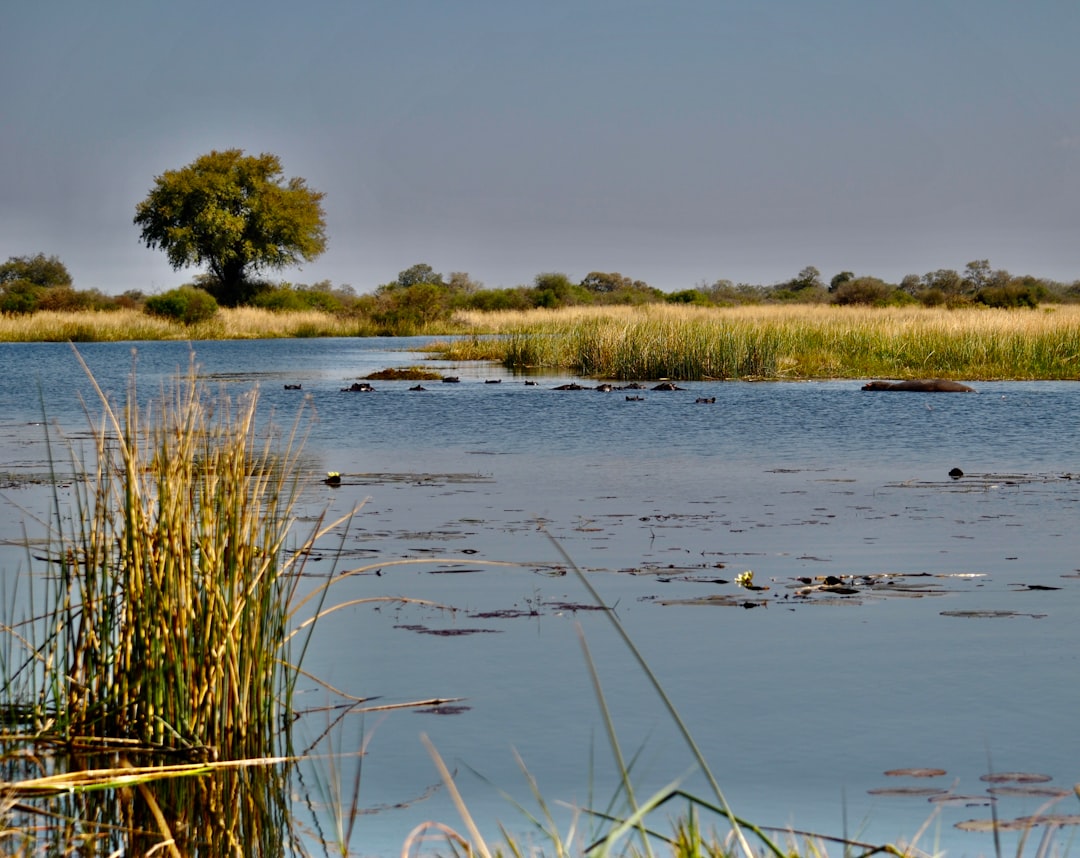
The Okavango Delta is Africa's largest inland delta and one of the world's most pristine wilderness areas. Major tourist attractions in the Delta and dryland areas include game viewing, birdwatching, and boating in traditional mokoro dug-out canoes. [1] The diversity and numbers of animals and birds are staggering, making it a premier safari destination.
A 7-day Okavango Delta safari in 2027 combines water-based and land-based wildlife viewing across Botswana's most pristine ecosystems. [2] Costs range from $4,200 to $11,000 per person depending on accommodation level, season, and activities included. This price typically covers guided game drives, mokoro excursions, park fees, and meals at lodges.
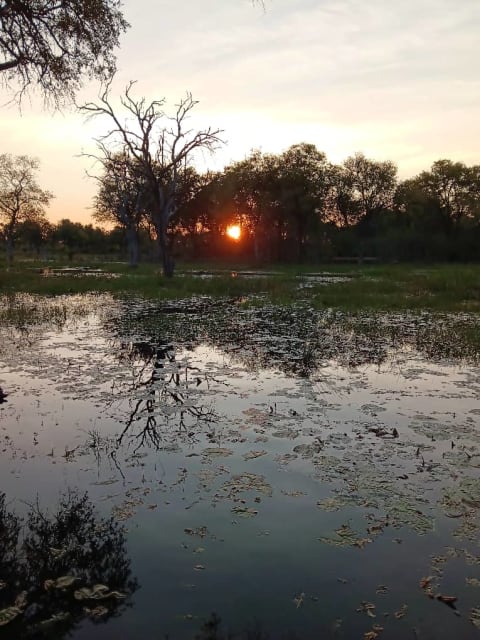
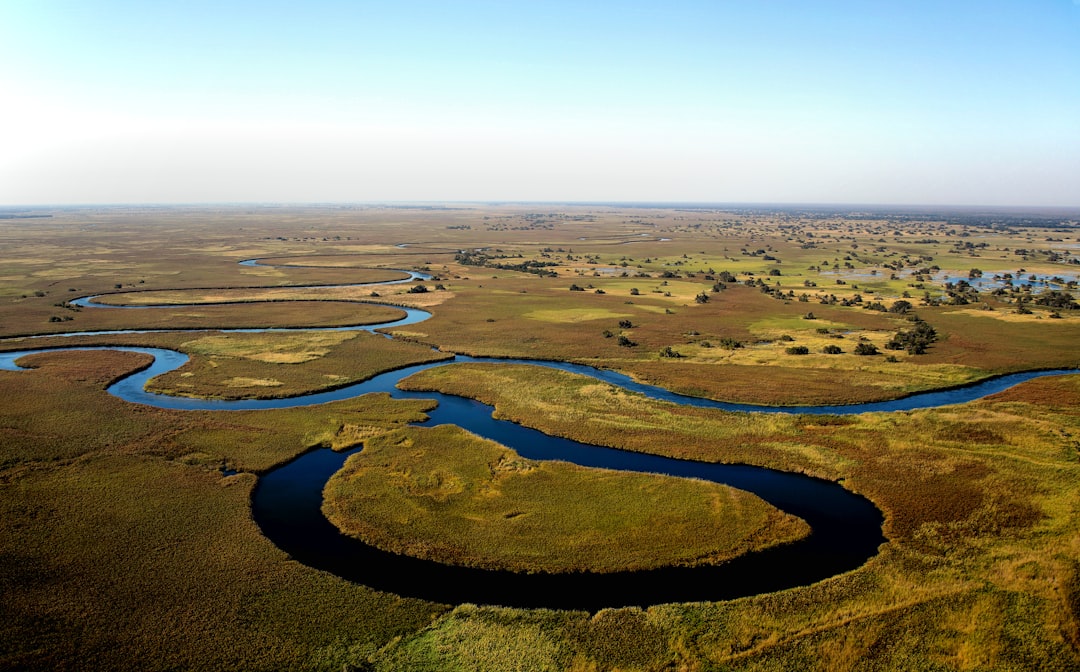
The delta spans about 15,000 square kilometers of waterways, grasslands, and wildlife habitat. You'll explore multiple ecosystems including the Okavango floodplains, Moremi Game Reserve, and the surrounding Kalahari Desert. Each zone offers unique wildlife encounters and photography opportunities.
Key Features of the Okavango Delta
Water-based activities set the Okavango Delta apart from other African safaris. Mokoro canoe rides let you glide silently through narrow channels, observing hippos, crocodiles, and water birds up close. These traditional wooden canoes are poled by experienced guides who know every waterway.
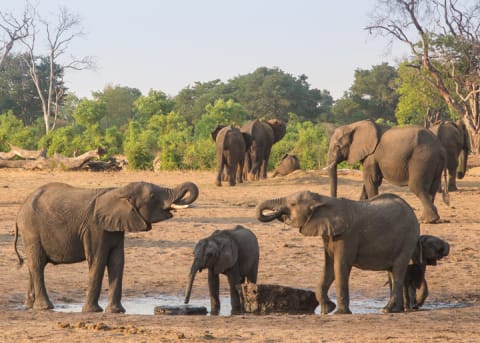
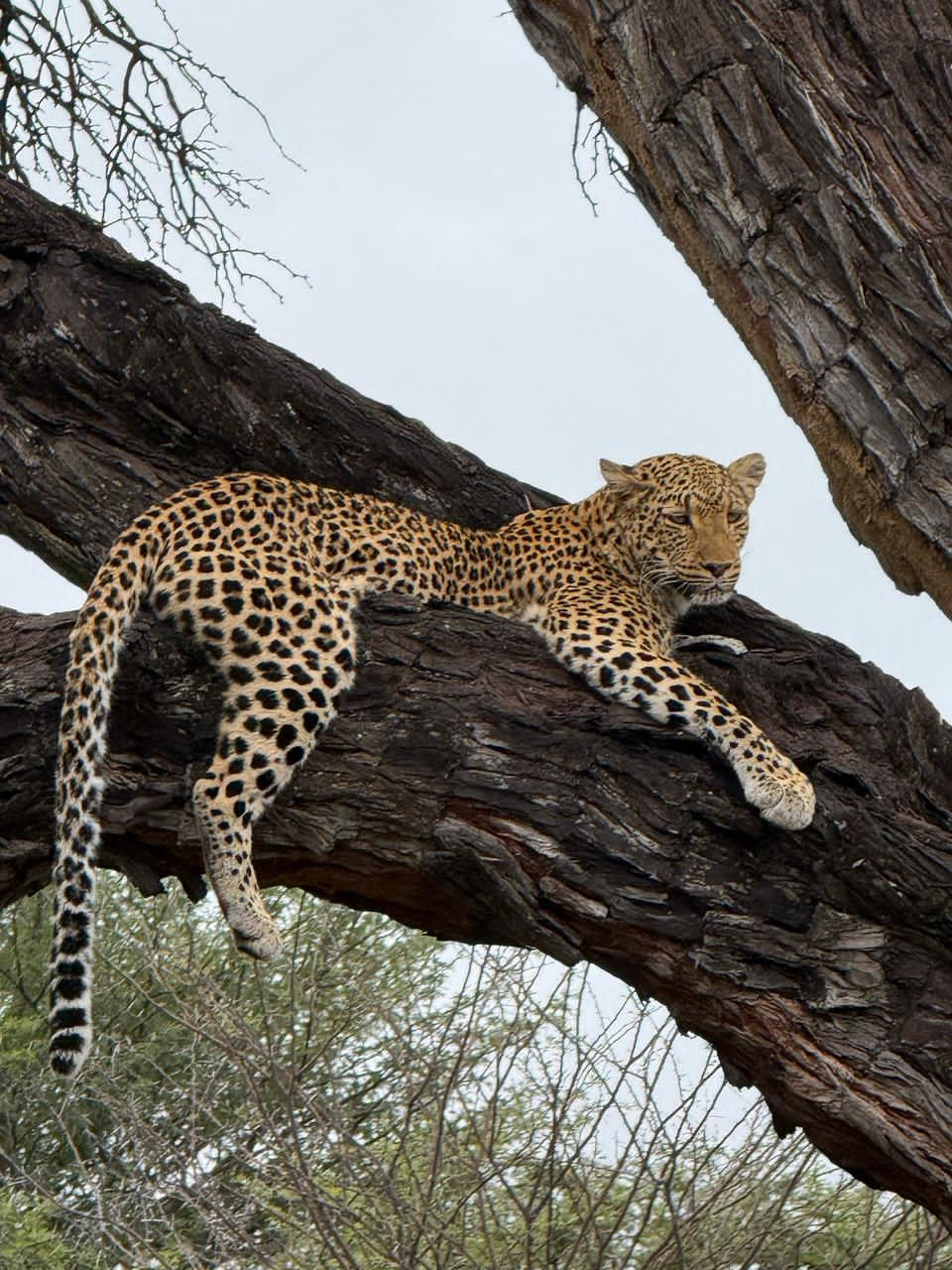
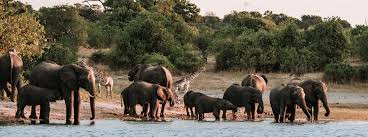
Game drives across the delta's grasslands reveal elephants, lions, buffalo, and wild dogs. The dry season (May–September) concentrates wildlife around water sources, making sightings more frequent. You can also enjoy helicopter flights over the delta for aerial perspectives of the landscape.
Birdwatching is exceptional year-round. Over 400 bird species inhabit the delta, including African fish eagles, crowned cranes, and painted storks. Many safari packages include dedicated birdwatching guides who help you spot rare species.
Why the Okavango Delta Matters
UNESCO recognizes the Okavango Delta as a World Heritage Site for its ecological importance. The delta supports one of Africa's largest concentrations of large animals and provides critical habitat for endangered species. Tourism revenue funds conservation efforts that protect this ecosystem for future generations.
The delta's remote location means fewer crowds than other African safari destinations. You experience authentic wilderness with minimal infrastructure, creating a more immersive safari experience. This exclusivity comes at a premium price but delivers unmatched authenticity.
Main Tourist Attractions and Activities in the Delta
The Okavango Delta offers diverse attractions across its water channels, grasslands, and surrounding regions. Each activity provides unique wildlife encounters and photography opportunities throughout your 2027 safari.
Mokoro Canoe Safaris
Mokoro rides are the signature Okavango Delta experience. You sit in a traditional wooden canoe while a guide poles through narrow waterways lined with papyrus and reeds. These silent journeys let you approach wildlife without engine noise, creating intimate animal encounters.
During a mokoro safari, you'll see hippos basking in channels, crocodiles sunning on banks, and water birds hunting fish. The experience is peaceful and meditative, offering a stark contrast to game drive action. Most lodges include 2–3 mokoro excursions in daily activity schedules.
Costs for mokoro safaris are typically included in lodge packages, though some operators charge $50–$150 per person for half-day or full-day specialized trips. The best time for mokoro tours is May–September when water levels are optimal.
Game Drives Across the Floodplains
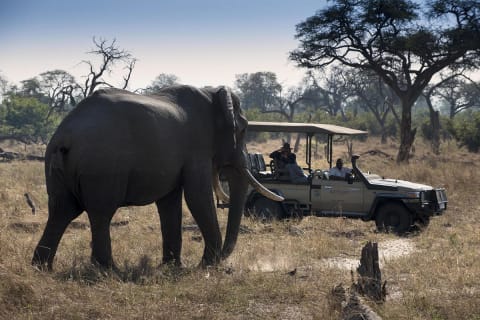
Land-based game drives explore the delta's grasslands, where you track large mammals and predators. Open safari vehicles give you 360-degree views and photography angles. Expert guides read animal signs and navigate to active wildlife areas.
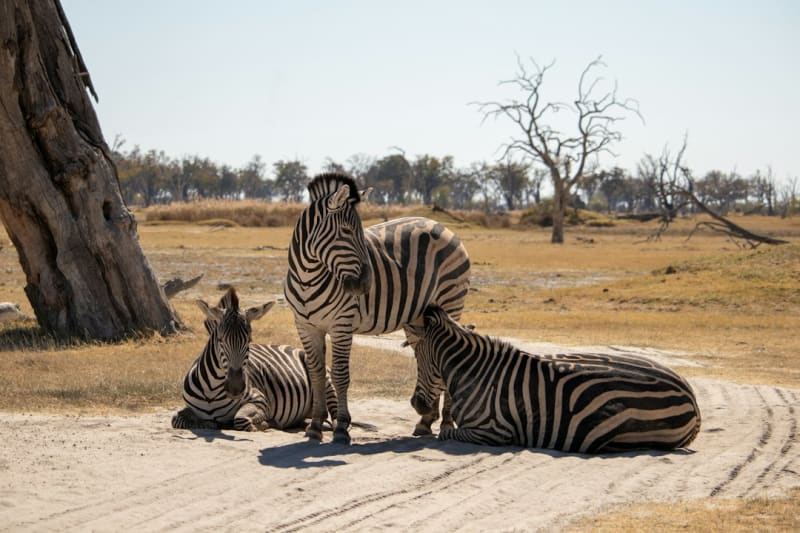
You'll encounter elephants, lions, buffalo, zebras, giraffes, and wild dogs on morning and evening drives. The dry season (May–September) offers the best predator sightings because animals congregate near water. Drives typically last 4–6 hours and include packed lunches.
Game drive costs are included in most 7–10 day safari packages. Private vehicle hire costs $200–$400 per day for exclusive drives with your own guide. Compare verified Botswana safari packages on SafariFind to find the best value for your budget.
Helicopter Flights Over the Delta
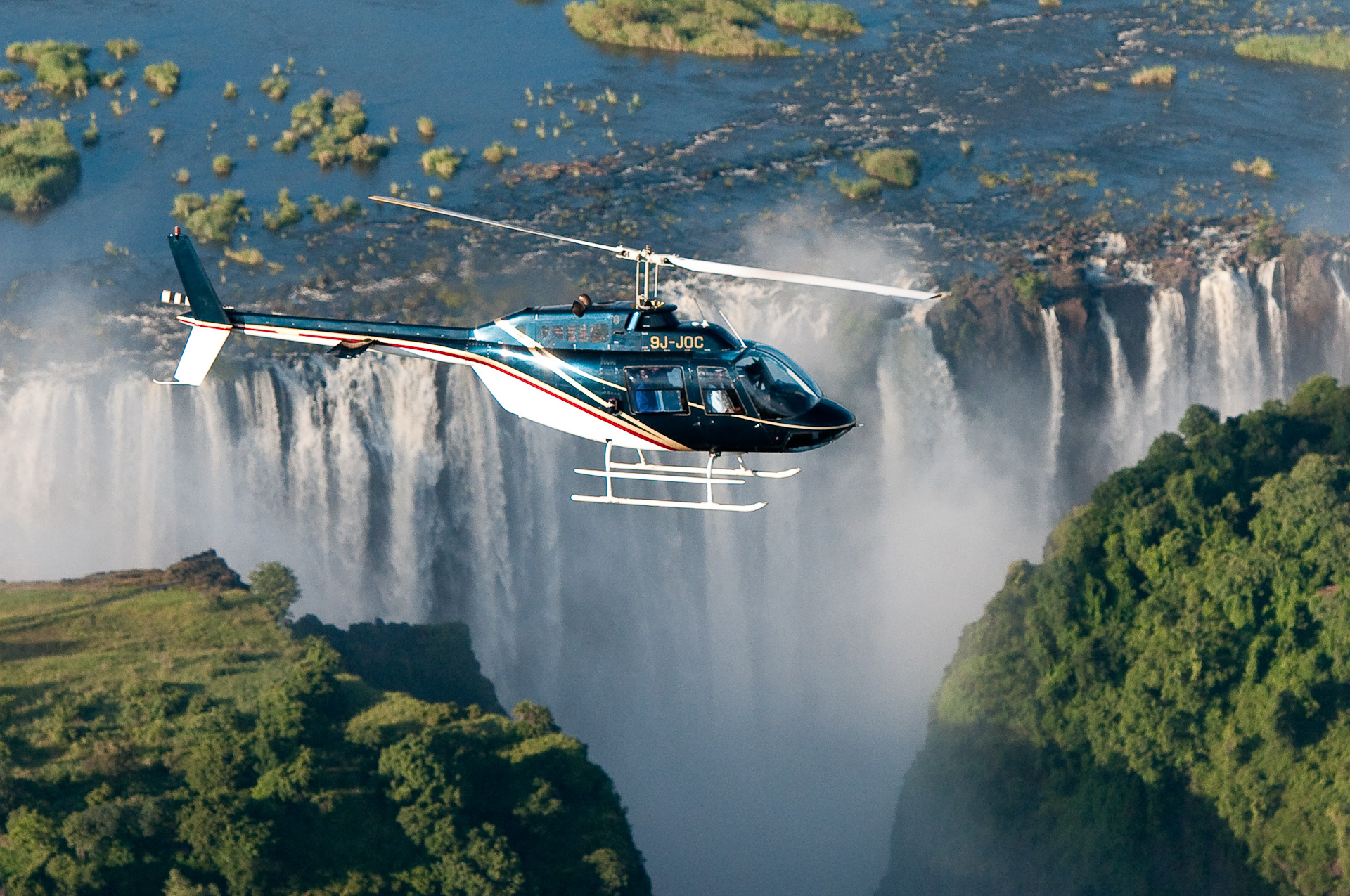
Aerial tours reveal the delta's vast landscape and wildlife patterns invisible from the ground. Helicopter flights last 30–60 minutes and cost $300–$600 per person in 2027. These flights are optional add-ons to most safari packages.
From the air, you see the delta's channel network, island formations, and elephant herds spread across grasslands. Photography opportunities are exceptional, especially during sunrise and sunset flights. Book flights 2–3 days in advance through your lodge.
Birdwatching Expeditions
The Okavango Delta hosts over 400 bird species, making it a world-class birdwatching destination. Specialized birdwatching guides help you identify species and understand their behavior. Early morning and late afternoon walks offer the best viewing.
Notable species include African fish eagles, crowned cranes, painted storks, and goliath herons. Dedicated birdwatching packages cost $4,500–$7,500 for 7 days and include expert guides and binoculars. General safari packages include birdwatching as part of daily activities.
Walking Safaris and Night Drives
Walking safaris let you experience the delta on foot with armed guides. You learn about vegetation, insects, tracks, and small mammals often missed from vehicles. Walks typically last 2–3 hours and depart early morning.
Night drives reveal nocturnal predators and species active after dark. Spotlights help guides locate lions, hyenas, porcupines, and nightjars. These specialized activities add $100–$200 per person to your daily cost.
The Okavango Delta sits in northern Botswana, accessible via Maun, the gateway town. Understanding the delta's geography and nearby attractions helps you plan multi-destination safaris combining the best of Botswana.
Delta Geography and Regions
The delta divides into distinct regions, each offering different wildlife and experiences. The Moremi Game Reserve protects the eastern delta and offers the most abundant game. The northern delta features pristine waterways and exclusive concessions with fewer visitors.
Maun serves as the safari hub, with airstrips, lodges, and tour operators. Most travelers fly from Johannesburg or Cape Town to Maun, then charter small planes to delta lodges. The flight from Maun to the delta takes 20–45 minutes depending on your lodge location.
Maun itself has limited tourist attractions but offers restaurants, shops, and banks. Plan 1–2 days there for arrivals and departures, though most visitors transit directly to delta lodges.
Nearby Attractions Worth Adding to Your Itinerary
Combine your Okavango Delta safari with nearby destinations to maximize your Botswana experience. Makgadikgadi Pans National Park is a 3–4 hour drive from Maun. This vast salt pan landscape offers unique safari experiences and meerkat encounters.
The Kalahari Desert borders the delta's southern edge. Multi-day Kalahari safaris cost $3,000–$5,000 and include desert wildlife, bushmen cultural experiences, and stargazing.
Multi-Destination Safari Packages
Many tour operators offer itineraries combining the Okavango Delta with Makgadikgadi Pans and Chobe National Park. These 10–14 day packages cost $6,500–$15,000 per person and maximize your Botswana experience.
A typical itinerary includes 4 days in the Okavango Delta, 3 days at Makgadikgadi Pans, and 3 days in Chobe. This combination showcases water-based safaris, desert landscapes, and river ecosystems. Explore complete Botswana safari itineraries and pricing to find packages matching your interests.
2027 Okavango Delta Pricing and Package Options
Okavango Delta safari costs vary based on accommodation type, season, and activities included. In 2027, expect to pay $4,200–$11,000 per person for a 7-day safari with mid-range to luxury lodging.
Budget Breakdown by Accommodation Level
Budget safari camps cost $100–$200 per person per night and offer basic but comfortable lodging. These camps provide game drives, mokoro safaris, and meals. A 7-day budget safari totals $2,500–$3,500 per person.
Mid-range lodges cost $250–$400 per night with better amenities, private guides, and quality meals. A 7-day mid-range safari costs $4,200–$6,000 per person. These lodges balance comfort and value, making them popular with most travelers.
Luxury lodges cost $500–$1,200+ per night with premium accommodations, gourmet dining, and exclusive concessions. A 7-day luxury safari costs $7,000–$11,000+ per person. These properties offer unmatched comfort and personalized service in pristine settings.
What's Included in Package Prices
Most Okavango Delta packages include lodging, all meals, guided activities (game drives and mokoro safaris), park fees, and airstrip transfers. Packages typically do not include international flights, travel insurance, or optional activities like helicopter tours.
Alcohol, gratuities, and personal expenses are separate. Budget $50–$100 daily for drinks, tips, and souvenirs. Travel insurance costs $100–$300 for a 7–10 day trip and is highly recommended due to the delta's remote location.
Seasonal Pricing Variations
High season (June–August) sees peak prices as weather is ideal and wildlife viewing is best. Expect to pay 20–30% more than low season rates. Book 3–6 months ahead to secure preferred lodges and save on peak season premiums.
Low season (November–March) offers 30–40% discounts but brings rain, higher humidity, and reduced wildlife visibility. Shoulder seasons (April–May and September–October) provide good value with decent wildlife viewing and comfortable weather.
Best value safaris occur in April–May and September–October when prices drop 15–25% but conditions remain excellent. These months balance cost savings with quality wildlife experiences.
Request quotes from verified operators on SafariFind to compare exact pricing, inclusions, and availability for your travel dates. Operators often offer discounts for group bookings and early reservations.
The best time to visit the Okavango Delta is May–September during the dry season. Water levels are optimal for mokoro safaris, wildlife congregates near remaining water sources, and weather is cool and comfortable.
Dry Season (May–September)
The dry season is peak safari time. Water evaporates from the floodplain, concentrating animals near remaining channels and water holes. Game drive sightings are frequent, and mokoro safaris are excellent as water levels suit canoe navigation.
Weather is cool (50–75°F at night, 70–85°F during day) with minimal rain. Visibility is excellent for photography. Prices are highest during June–August but offer the best wildlife viewing odds.
Flood Season (January–April)
Heavy rains fall November–March, peaking January–March. The delta floods, creating stunning waterscapes but making game drives difficult and mokoro safaris limited. Birdwatching is exceptional as migratory species arrive.
Prices drop 30–40% during this season. Vegetation is lush, and wildlife disperses across the flooded landscape, making sightings less predictable. This season suits photographers seeking dramatic skies and birdwatchers tolerating wet conditions.
Shoulder Seasons (April–May and September–October)
April–May and September–October offer excellent value and good conditions. Water levels transition, weather is pleasant, and prices are 15–25% lower than peak season. Wildlife viewing remains solid as animals haven't fully dispersed.
April–May sees the last of the dry season wildlife concentrations before floods begin. September–October marks the transition from dry to wet season with warming temperatures and arriving birds.
How to Book Your Okavango Delta Safari
Booking your 2027 Okavango Delta safari requires planning 3–6 months in advance, especially for peak season dates. Follow these steps to secure the best package and price.
Step 1: Define Your Budget and Dates
Determine how much you want to spend and your preferred travel dates. Decide between budget, mid-range, or luxury accommodations. Identify must-have activities like mokoro safaris or helicopter flights.
Peak season (June–August) requires 4–6 months advance booking. Shoulder season (April–May, September–October) needs 2–3 months notice. Low season bookings can be made 4–8 weeks ahead with good availability.
Step 2: Compare Verified Operators
Browse safari packages on SafariFind and compare verified tour operators offering Okavango Delta itineraries. Read authentic reviews from past travelers to assess guide quality, lodge conditions, and overall experiences.
Filter packages by your budget range, preferred dates, and accommodation level. Check what activities and meals are included. Request quotes from 3–5 operators to compare pricing and inclusions.
Step 3: Request Quotes and Clarify Details
Contact operators directly through SafariFind to request customized quotes. Ask about group discounts, early booking discounts, and payment schedules. Confirm what's included in the price (flights, meals, activities, insurance).
Ask about their cancellation policies and travel insurance requirements. Request references or reviews from recent travelers. Verify that guides are experienced and knowledgeable about delta wildlife.
Step 4: Book and Prepare
Once you select an operator, confirm your booking with a deposit (typically 25–50% of total cost). The operator will handle lodge reservations, charter flights from Maun, and activity scheduling.
Obtain travel insurance covering trip cancellation, medical evacuation, and lost luggage. Apply for your Botswana visa if required by your nationality. Arrange vaccinations (yellow fever, malaria prophylaxis) and pack appropriate safari gear.
Key Takeaways
Book your Okavango Delta safari 3–6 months ahead to access peak season dates and save 15–20% through early booking discounts.
Plan a 7–10 day itinerary combining the Okavango Delta with nearby Makgadikgadi Pans or Chobe National Park for maximum Botswana wildlife experiences.
Visit May–September during the dry season to enjoy optimal wildlife viewing, comfortable weather, and excellent mokoro safari conditions.
Budget $4,200–$11,000 per person for a 7-day safari in 2027, with mid-range lodges ($4,500–$6,000) offering the best value for most travelers.
Compare verified SafariFind operators and read authentic reviews before booking to ensure quality guides, comfortable lodging, and memorable wildlife experiences.
Frequently Asked Questions
How much does an Okavango Delta safari cost in 2027?
A 7-day Okavango Delta safari costs $4,200–$11,000 per person in 2027, depending on accommodation level. Budget camps cost $2,500–$3,500, mid-range lodges cost $4,500–$6,000, and luxury properties cost $8,000–$11,000. Prices include lodging, meals, guided activities, and park fees but exclude international flights and travel insurance. Compare verified packages on SafariFind to find the best value for your budget and preferred dates.
What is the best time to visit the Okavango Delta?
The best time to visit is May–September during the dry season when water levels are optimal for mokoro safaris and wildlife concentrates near remaining water sources. June–August offers peak wildlife viewing but costs 20–30% more. April–May and September–October provide excellent value with 15–25% lower prices and good conditions. Avoid January–March when heavy rains make game drives difficult, though birdwatching is exceptional.
What activities are included in Okavango Delta safari packages?
Most packages include daily game drives, mokoro canoe safaris, guided birdwatching, walking safaris, and meals at your lodge. Helicopter flights ($300–$600 per person) and night drives ($100–$200 per person) are optional add-ons. Packages include an experienced guide, vehicle, and park fees. Confirm exact activities with your operator, as inclusions vary between budget, mid-range, and luxury properties.
How do I get to the Okavango Delta?
Fly internationally to Johannesburg or Cape Town, then take a connecting flight to Maun, Botswana's safari hub. From Maun, charter a small plane to your delta lodge (20–45 minutes). Most tour operators arrange charter flights as part of your package. Alternatively, drive from Maun (3–4 hours) to budget camps, though most visitors prefer the scenic flight.
What wildlife will I see in the Okavango Delta?
The Okavango Delta hosts elephants, lions, buffalo, zebras, giraffes, wild dogs, hippos, and crocodiles. Over 400 bird species inhabit the delta, including African fish eagles, crowned cranes, and painted storks. The dry season (May–September) offers the most frequent sightings as animals gather near water. Mokoro safaris let you see water-based wildlife like hippos and water birds up close.
Can I combine the Okavango Delta with other Botswana destinations?
Yes, many 10–14 day packages combine the Okavango Delta with Makgadikgadi Pans National Park and Chobe National Park. These multi-destination safaris cost $6,500–$15,000 per person and showcase diverse ecosystems: water-based delta safaris, desert landscapes, and river wildlife viewing. Browse multi-destination packages on SafariFind to find itineraries matching your interests and schedule.
What should I pack for an Okavango Delta safari?
Pack lightweight, neutral-colored clothing for game drives (khaki, tan, brown), warm layers for cool mornings and evenings, a wide-brimmed hat, sunscreen, and sturdy walking boots. Bring binoculars, a camera, and extra batteries. Mosquito repellent, malaria medication, and a basic first aid kit are essential. Check your operator's packing list, as some lodges provide additional items like robes and toiletries. Avoid bright colors and perfumes that disturb wildlife.
Conclusion
The Okavango Delta is Africa's premier safari destination, offering unmatched wildlife viewing and water-based adventures. A 7-day safari costs $4,200–$11,000 per person in 2027 depending on accommodation and season. The best time to visit is May–September when conditions and wildlife viewing are optimal.
Book 3–6 months in advance to secure peak season dates and access early booking discounts. Compare verified SafariFind operators and read authentic reviews from past travelers before committing. Start planning your 2027 Okavango Delta adventure today by exploring safari packages that match your budget, interests, and travel dates on SafariFind's marketplace.
Plan Your Safari with SafariFind
These recommendations use real data from SafariFind, where you can compare operators, browse packages, and read verified traveler reviews before you book.
12-Day Safari in Okavango Delta, Chobe National park, Victoria • $6,028 • 12 days • by Cultural Vibes Travel & tours
What Travelers Say (SafariFind Reviews)
"On 10.9. until 1.10. In 2023, I went on a trip to Botswana, Zimbabwe and a short visit to Zambia with my clients - friends. I carefully prepared the trip in cooperation with the manager of Cultural Vibes Travel & Tours, Mr. Tongesai Mutematsaka. After arriving in Gaborone we organized a short tour of the city ourselves and met Tongesai in Maun. Tongesai was our driver and guide practically the whole way. We visited the Okavango River Delta and its surroundings (Moremi Reserve, Mokoro boat cruise, flight over the Okavango Delta. This was followed by a visit to the Makgadikgadi Salt Flats, then the Elephant Sands area and in Botswana Chobe National Park with a cruise on the Chobe River. Then we crossed to Zimbabwe, which was the main part of our journey. In the Victoria Falls area, we visited the Monde settlement, took a helicopter flight over Victoria Falls, followed by a cruise on the Zambezi River as part of a visit to the national park of the same name. We also walked past Victoria Falls on the Zimbabwean side and had a Boma dinner in the evening (too much of a "tourist thing"). On the Zambian side of the falls we saw white rhinos in Mosi - oa - Tunya National Park, then visited the museum in Livingstone and walked the Zambian side of the falls. From Victoria Falls, we headed to Hwange National Park, where we had a beautiful program - a safari, and after Hwange, there was also a very interesting program in Matobo National Park (there, among other things, white rhinos (a mother with her little daughter), beautiful rock formations and prehistoric cave drawings. The next place visited was Khami with very interesting buildings, and then we visited the ruins of Great Zimbabwe, which are among the most important world monuments. This was followed by a visit to the Chinhoya Karst and finally the gallery in Harare. I would also like to comment on the provision of services: Accommodation in the hotels was at the standard, expected level, only the service at the Great Zimbabwe Hotel was rather lazy. Accommodation in lodges - very good and the best accommodation was in Iganyana tented camp in Hwange National Park, mainly due to the extraordinary professionalism and very friendly attitude of the staff there towards us, the visitors. I must also highly praise all the local guides we met everywhere, e.g. in Chobe, Hwange and Matobo National Parks. I want to emphasize that this journey is one of the most interesting that I have made around the world. I believe that my clients - friends were also satisfied with the set. Thanks to the travel agency Cultural Vibes Travel & Tours and Mr. Tongesai Mutematsaka. I recommend Cultural Vibes Travel & Tours to anyone considering a trip to Zimbabwe."
Viktor Chrást•22 June 2026
"Tongesai and his team provided a wonderful itinerary on our recent trip to Victoria Falls with day trips to Zambia and Botswana. They were a thoughtful and knowledgeable team who took great care to tailor the trip to our family's needs."
Kara Fraser•22 June 2026
"I spent a week in Botswana with cultural vibes, travels & tours and had not a single dull moment. The hotels/lodges we stayed at were very clean and service was professional. On the drives I had good conversations with the tour operator as he taught me a lot about the culture and about all the different animals (which we saw a lot of). Overall I had a great experience and would definitely book again."
Elise Smoorenburg•22 June 2026
"Tongesai was awesome from the start. I knew he was a good tour operator because he answered all of my questions in a timely manner and no question was ever stupid. Everything was just as he said once we arrived and really it was better. We prepared for about a year in advance for this trip and the tour operator was instrumental and making this trip a success. I highly recommend this tour operator to anyone who wants to visit Zimbabwe, Zambia, and Botswana. Give Tongesai a call or email, and you will 100% not be disappointed. I have a very deep understanding of border crossing and transportation challenges in many African countries at this point because of the efforts of the tour operator. This makes my wife and I have very comfortable to approach another visit or look at visiting a different African country."
JS•22 June 2026
"We went on a 3 day safari, and even though Tongesai did not lead it himself, I want to highly recommend his services. Our group consisted of just my family; my wife, children (9, 13, 14), and me. Tongesai acted as the agent, coordinating with the organization in Botswana that ran the actual tour. He met us several days in advance, and had informed us of some critical information (like make sure to bring birth certificates for the kids) well in advance. On the first day of the Safari, he came to pick us up, and drove us to the border, where he coordinated a smooth hand over to the Botswana organization. The guide from our safari was so good! ‘Cobra’ grew up in the bush, and if shows. He was frequently coordinating with, and showing other tour guides where to find the best big game sightings. We saw so many animals, including lions, hippos, tons of elephants and giraffes, and too many other animals to name. The meals were also great! Cobra and Tongesai had contracted with ‘chef K’ for catered breakfast, lunch and dinner at the camp. All meals were great. And the camp itself was organized above my expectations. Very nice tents, raised cots, plenty warm, tables, chairs and napkins at every meal! All in all, the experience was pretty unforgettable. It’s not a cheap experience, but based on our trip I can highly recommend Tongesai’s services!"

 Ask Tembo