Northern Tanzania Safari Guide: 7-Day Itinerary + Cost 2026
Plan a 7-day Northern Tanzania safari for $3,150–$4,550 per person in 2026. Complete itinerary, costs, best time to visit, and booking tips for Serengeti and Ngorongoro.
Great Zimbabwe Tours 2027: Entry Fees and Package Costs
Discover Great Zimbabwe Tours 2027: Entry Fees and Package Costs - Expert guide to safari tourism and wildlife destinations.
5 min read
Northern Tanzania Safari: 7-Day Itinerary & 2026 Costs
Last updated: July 2026
A 7-day Northern Tanzania safari costs $3,150–$4,550 per person in 2026 for mid-range packages. The best time to visit is July through October for the Great Migration. Book through verified operators on SafariFind to compare packages, read authentic reviews, and request quotes from top-rated tour companies.
At a Glance
Cost per person: $3,150–$4,550 (mid-range, 7 days)
Best time to visit: July–October for wildlife viewing and migration
Duration: 7 days recommended for Northern Circuit
Getting there: Fly into Kilimanjaro International Airport (JRO)
Best for: First-time safari goers, families, wildlife photographers
Wildlife highlights: 1.5 million wildebeest, lions, elephants, zebras
A Northern Tanzania safari is a guided wildlife tour through Tanzania's most famous parks: the Serengeti, Ngorongoro Crater, and Tarangire National Park [1]. This region offers world-class animal viewing, stunning landscapes, and authentic African experiences. Most travelers spend 7–10 days exploring multiple parks in one trip.
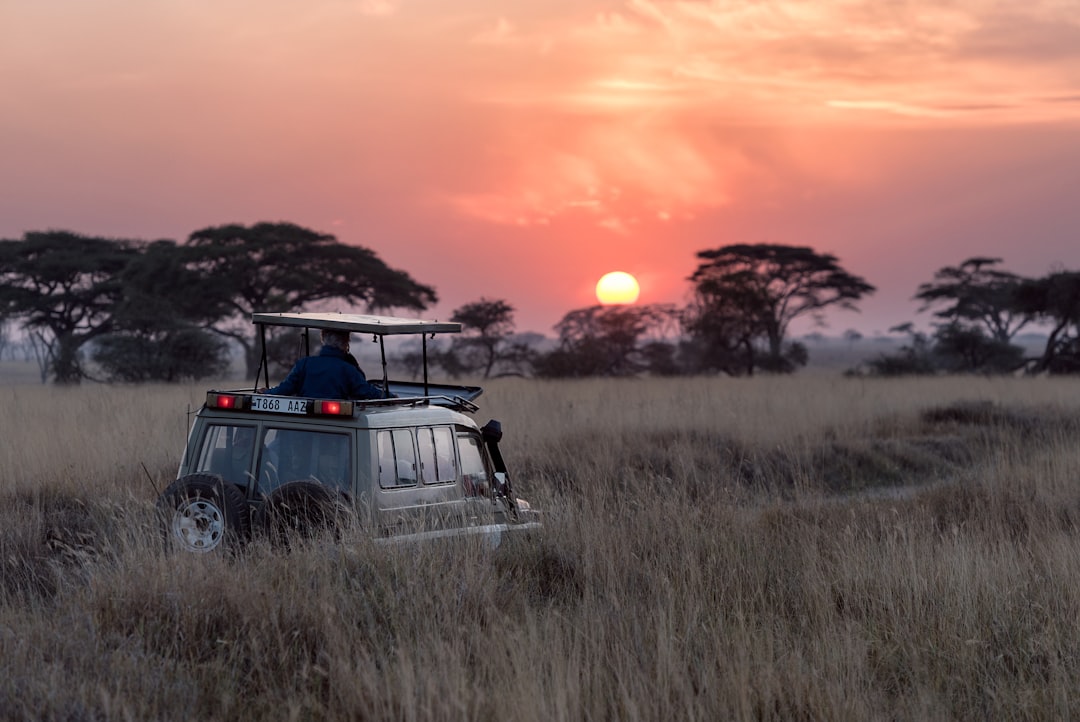
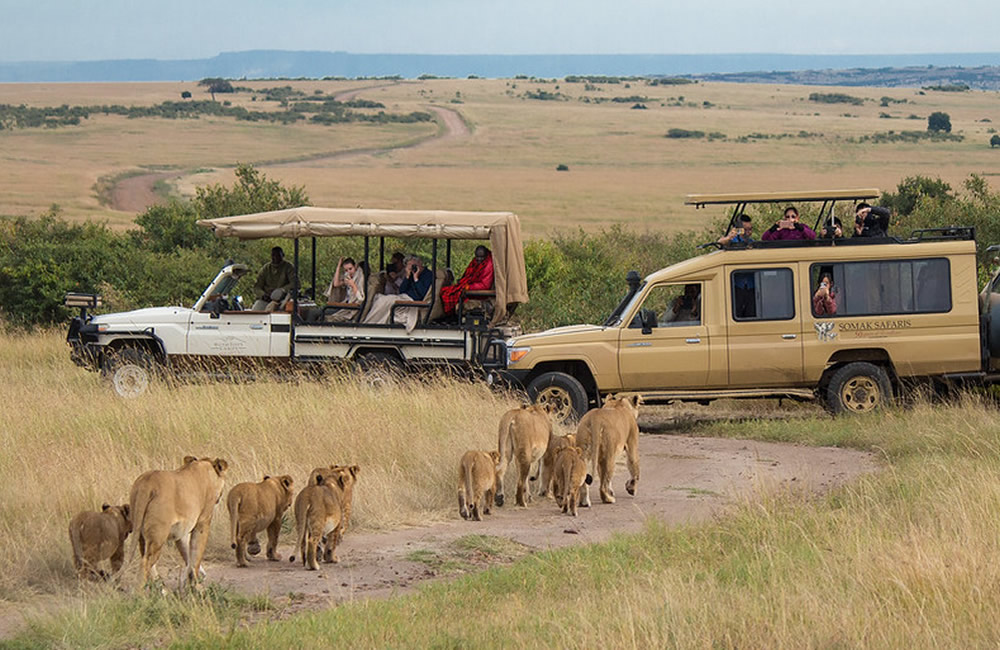
The Northern Circuit is Tanzania's premier safari destination. You'll stay in comfortable lodges or camps and travel daily in open-sided vehicles to spot wildlife. Professional guides lead game drives in early morning and late afternoon when animals are most active.
Northern Tanzania safaris range from budget to ultra-luxury options. Mid-range packages offer the best value for families and first-time visitors. You get comfortable accommodation, good food, and excellent wildlife viewing without excessive costs [6].
Why Choose Northern Tanzania Over Other Regions?
Northern Tanzania is easier to access than southern parks. Kilimanjaro International Airport (JRO) is the main entry point, with frequent flights from the US and Europe. The Northern Circuit is compact, so you cover more ground in less time.
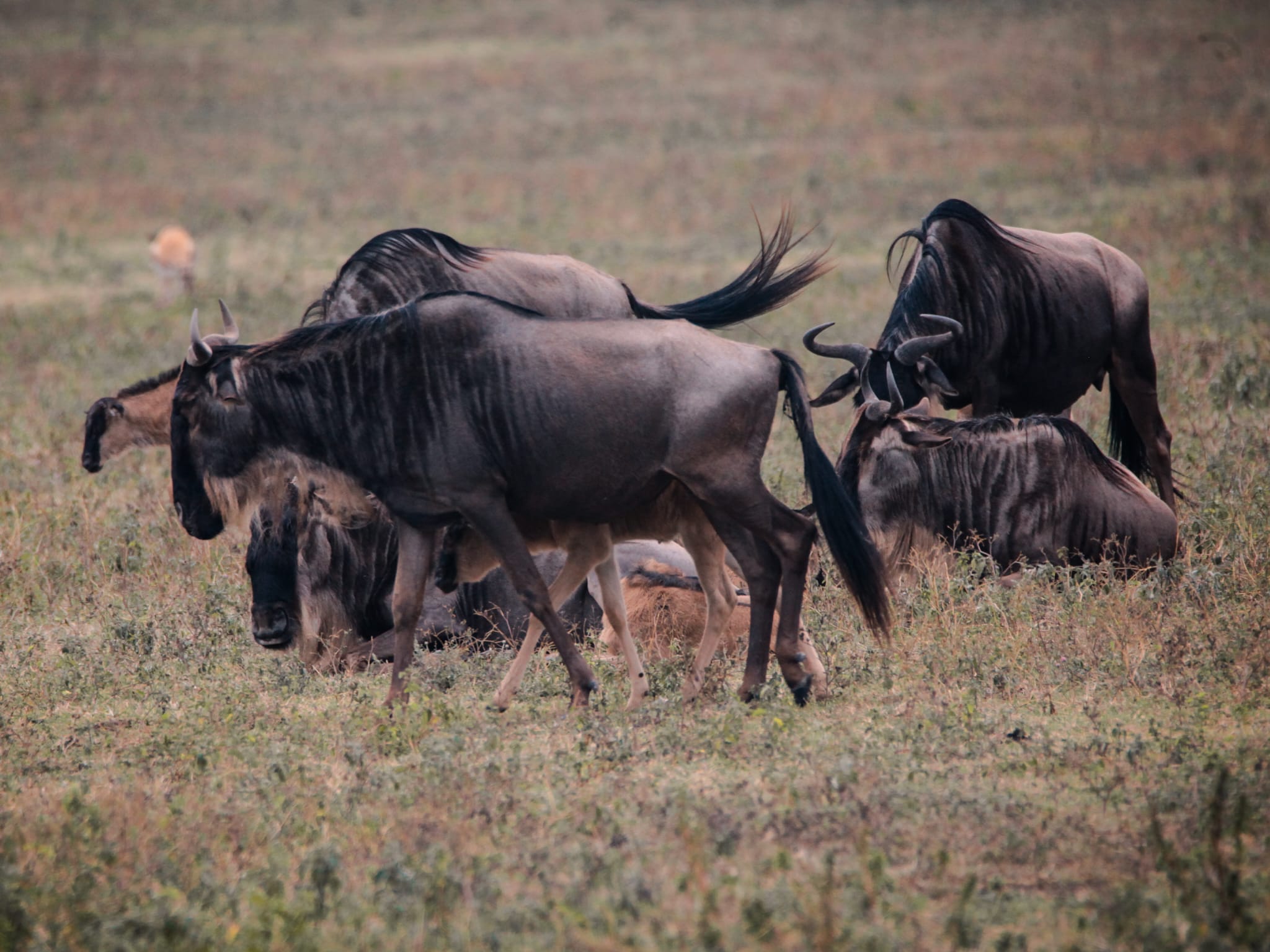
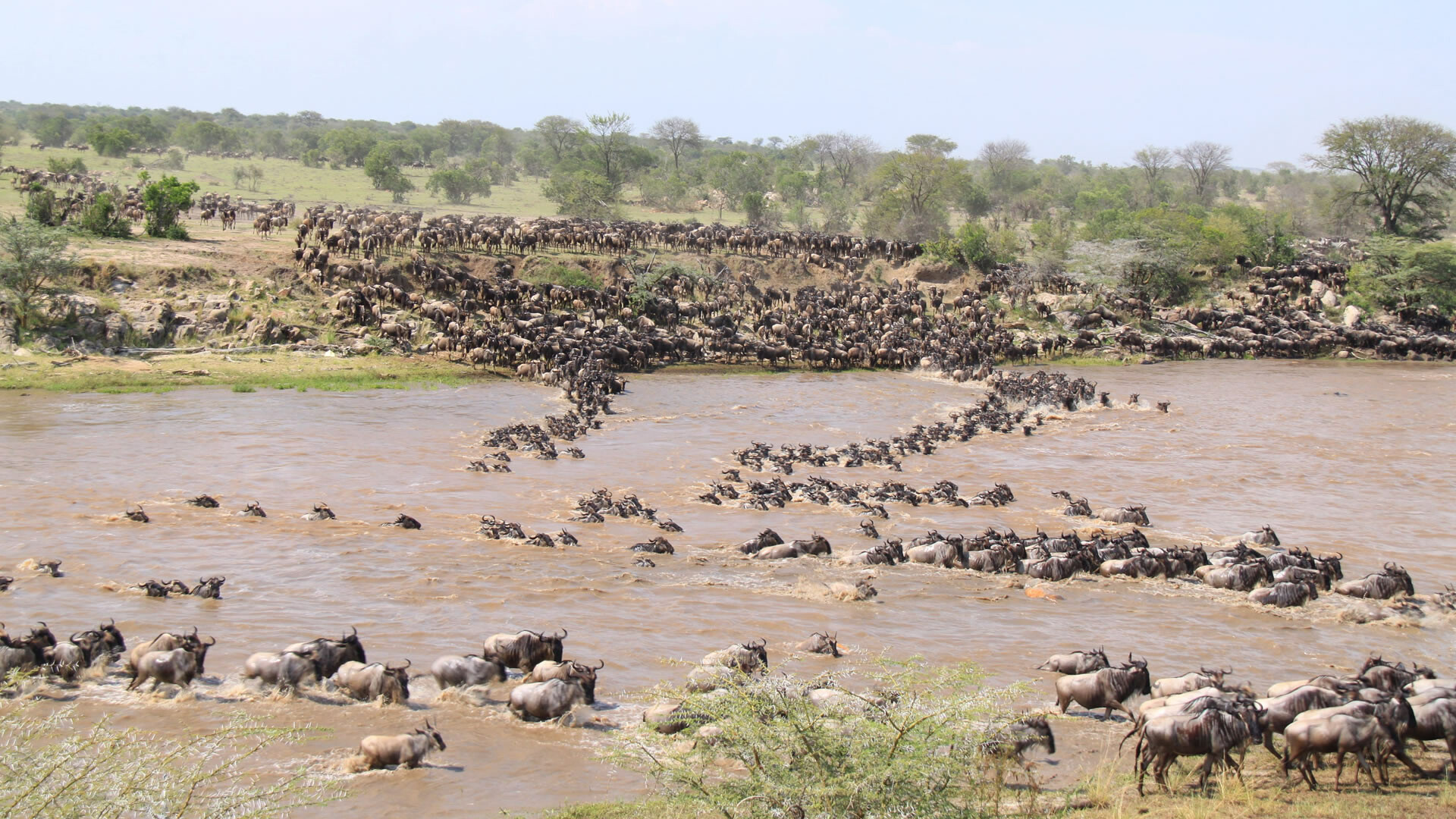
The Great Migration happens here from July to October. Around 1.5 million wildebeest cross the Mara River during this period, creating unforgettable wildlife spectacles. This is the single biggest reason travelers choose Northern Tanzania [1].
The region has more lodges and camps than southern Tanzania. This means better availability, more booking options, and easier logistics. You can find packages at almost any budget level here.
Complete 7-Day Northern Tanzania Safari Itinerary
Day 1: Arrive in Arusha
You'll fly into Kilimanjaro International Airport and transfer to Arusha, the safari gateway city. Most tours include airport pickup and a night at an Arusha hotel. Use this day to rest, prepare gear, and meet your guide. You'll receive a detailed briefing about the week ahead.
Day 2: Arusha to Tarangire National Park
Tarangire National Park is your first stop. This park is known for large elephant herds and baobab trees. Your first game drive happens in the afternoon, giving you time to settle in. You'll likely spot elephants, zebras, wildebeest, and various bird species.
Tarangire covers 2,850 square kilometers and is home to the Tarangire River. During dry season (June–October), animals gather here for water, making wildlife viewing excellent. You'll stay at a mid-range lodge with good facilities and views.
Day 3: Full Day in Tarangire
Spend the full day game driving in Tarangire with morning and afternoon excursions. Your guide will track animals and share knowledge about behavior and ecology. Early morning drives are best—animals are active before heat sets in. You might see lions, giraffes, buffalo, and warthogs.
Day 4: Tarangire to Ngorongoro Crater
The Ngorongoro Crater is one of the world's largest intact volcanic craters. You'll drive from Tarangire and enter the crater for a game drive. The crater floor is 600 meters below the rim and contains diverse wildlife in a contained space.
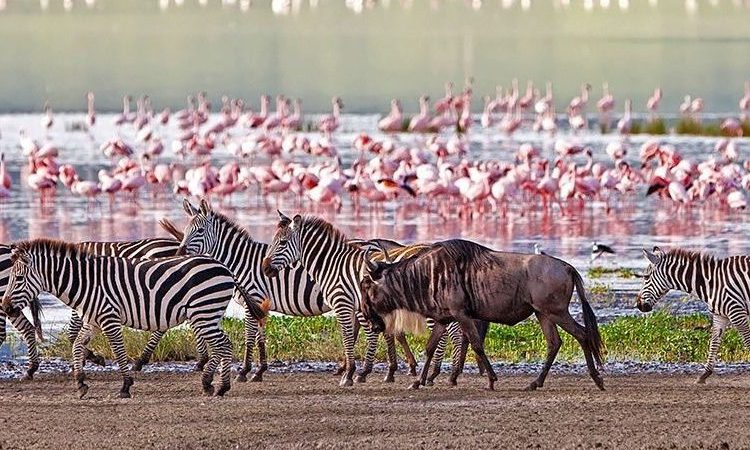
The Ngorongoro Crater is 19 kilometers wide and home to about 25,000 large animals [1]. You'll see lions, buffalo, zebras, hyenas, and flamingos. The crater is a UNESCO World Heritage Site and one of Africa's most unique ecosystems.
Day 5: Ngorongoro to Serengeti National Park
Today you drive to the Serengeti, Tanzania's largest and most famous park. The drive takes about 3–4 hours through scenic highlands. You'll arrive at your Serengeti lodge by afternoon and begin exploring this vast ecosystem.
The Serengeti covers 14,750 square kilometers and is home to the Great Migration [1]. During peak season (July–October), you might witness river crossings or massive herds. The park is also known for excellent big cat sightings—lions, leopards, and cheetahs are common.
Day 6: Full Day Serengeti Game Drives
Dedicate a full day to exploring the Serengeti with multiple game drives. Your guide will track wildlife and move to areas with the best sightings. Morning drives often yield predator activity. Afternoon drives are perfect for photographing large herds and scenic landscapes.
The Serengeti is best for wildlife photography and serious wildlife enthusiasts. You'll see more large animals here than anywhere else in Tanzania. Bring quality camera equipment and plenty of battery packs.
Day 7: Serengeti to Arusha and Departure
Your final day includes a morning game drive before driving back to Arusha. You'll have time for lunch and last-minute shopping at local markets. You'll depart for Kilimanjaro International Airport in the late afternoon, arriving home the next day.
This itinerary covers Tanzania's top three parks and delivers the full Northern Circuit experience. Most operators can adjust days based on your interests—add more time in the Serengeti for photography, or extend to include Lake Natron.
How Much Does a 7-Day Northern Tanzania Safari Cost in 2026?
A 7-day Northern Tanzania safari costs $3,150–$4,550 per person for mid-range packages in 2026 [6]. This includes accommodation, meals, game drives, and park fees. Luxury safaris exceed $10,000 per person, while budget options start around $2,000 per person.
Budget Safari Costs ($100–$200 per day)
Budget safaris use basic lodges and shared vehicles. You'll stay in simple rooms with shared bathrooms and eat basic meals. Game drives are in larger groups (8–12 people). Budget safaris work for travelers with flexible schedules and basic comfort needs.
A 7-day budget safari costs roughly $700–$1,400 per person. This covers accommodation, meals, and park fees but usually excludes international flights. You'll save money but have less comfort and smaller group sizes mean fewer guide attention.
Mid-Range Safari Costs ($300–$450 per day)
Mid-range safaris are the most popular choice for families and first-time visitors [4]. You stay in comfortable lodges with private bathrooms and good meals. Game drives use smaller vehicles (4–6 passengers) with experienced guides. This tier offers excellent value.
A 7-day mid-range safari costs $2,100–$3,150 per person, or $3,150–$4,550 including flights [6]. You get quality accommodation, personal attention, and excellent wildlife viewing. Most SafariFind operators specialize in this category.
Premium and Luxury Safari Costs ($400–$700+ per day)
Premium safaris use upscale lodges and exclusive camps with high-end amenities. Meals are gourmet, and vehicles carry only 4 passengers. Your guide is typically a specialist with advanced wildlife knowledge [4].
A 7-day premium safari costs $2,800–$4,900 per person. Luxury ultra-all-inclusive packages exceed $10,000 per person and include premium camps, private guides, and special experiences like hot air balloon rides.
What's Included in Safari Package Costs?
Most safari packages include accommodation, meals, game drives, park entrance fees, and a professional guide. International flights are usually extra. Tipping, beverages (alcohol), and travel insurance are not included.
Typical inclusions are breakfast, lunch, dinner, and drinking water. Coffee and tea are free. Alcoholic beverages cost extra at most lodges. Park fees ($35–$50 per day) are included in quoted prices.
Hidden Costs and Budget Tips
Plan for $15–$25 per day for driver-guide tips and $5–$10 per day for lodge staff tips [7]. For a 7-day safari for two people, total tipping comes to roughly $200–$350. Tips are given in USD cash with smaller denominations ($5, $10, $20 bills).
International flights from the US cost $800–$1,500 round-trip. Travel insurance adds $100–$300. Visas for US citizens cost $50–$100. Budget another $200–$500 for pre-trip vaccinations and malaria medication.
Best Time to Visit Northern Tanzania for Wildlife Viewing
The best time for a Northern Tanzania safari is July through October, when the Great Migration peaks and wildlife viewing is excellent. Temperatures are mild, rainfall is minimal, and animal concentrations are highest [1]. This is peak season, so book 3–6 months ahead.
July–October: Peak Season (Best for Migration)
July to October is the dry season and peak safari season. Temperatures range from 15–25°C (59–77°F) at night and 20–30°C (68–86°F) during the day. Rainfall is minimal, so roads are passable and animals congregate near water sources.
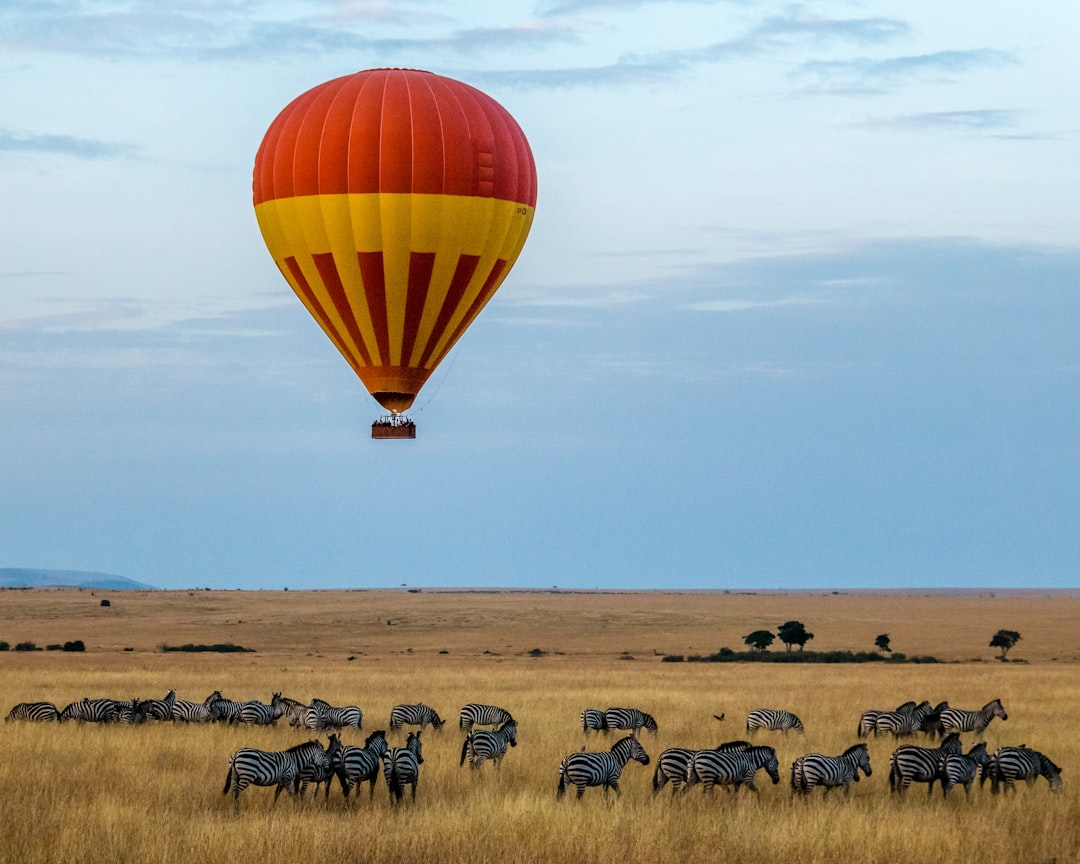
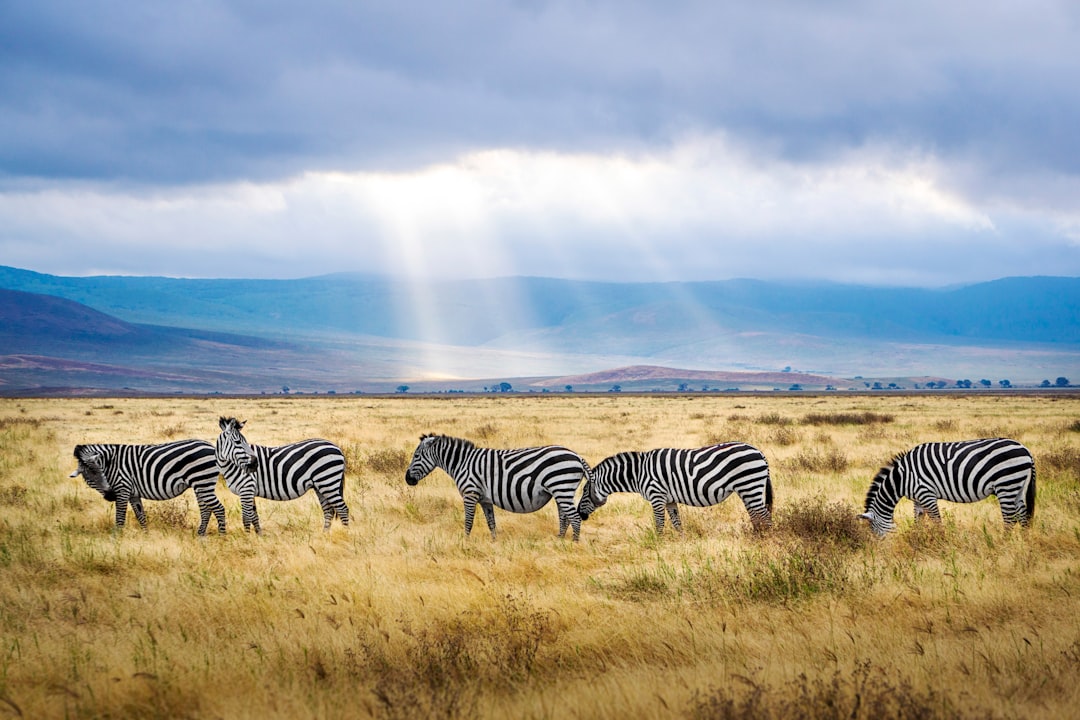
The Great Migration happens July through October. Around 1.5 million wildebeest, zebras, and gazelles move across the Serengeti and Masai Mara. River crossings at the Mara River are dramatic and attract massive predator activity.
Peak season prices are highest ($400–$700+ per day). Book 3–6 months ahead for the best availability and rates. This period is ideal for first-time visitors and wildlife photographers.
November–June: Green Season and Shoulder Months
November through June is the green season. Short rains fall November–December, and long rains fall March–May. Green season offers fewer tourists, lower prices, and incredible wildlife viewing in lush landscapes.
December–February is warm and dry. This is a secondary peak season with good wildlife viewing and moderate prices. January–February is ideal for birdwatching—over 500 bird species live in Northern Tanzania.
March–May sees heavy rains. Roads become difficult, some camps close, and wildlife spreads across the region. This is low season with the lowest prices but challenging travel conditions.
Decide when you want to travel and how much you can spend. Peak season (July–October) offers the best wildlife viewing but costs 30–50% more. Green season (November–June) is cheaper and less crowded but has rain and some park closures.
Set a realistic budget including flights, accommodation, activities, meals, tips, and travel insurance. Mid-range safaris ($3,150–$4,550 per person for 7 days) offer the best value for most travelers.
Step 2: Research Tour Operators
Search for verified tour operators specializing in Northern Tanzania safaris. Read authentic reviews from past travelers. Check operator credentials, years in business, and safety records. Look for companies with excellent customer service and transparent pricing.
SafariFind lists verified operators with authentic traveler reviews and ratings. You can browse verified Tanzania safari tour operators to compare companies, ratings, and specialties. Filter by budget, dates, and experience level to find your perfect match.
Step 3: Request Quotes and Compare Packages
Contact 3–5 operators and request detailed quotes. Ask for itineraries, accommodation details, included meals, and cancellation policies. Compare prices but also review quality—the cheapest option isn't always the best.
Check what's included in each quote. Some operators include flights and travel insurance; others don't. Ask about group size, vehicle type, and guide experience. Request references from recent travelers.
Step 4: Book and Prepare
Once you choose an operator, confirm your booking with a deposit (typically 25–50% of total cost). Arrange international flights separately or through your operator. Book travel insurance covering medical evacuation and trip cancellation.
Get required vaccinations (yellow fever, typhoid, hepatitis A/B, tetanus). Obtain a Tanzanian visa for US citizens ($50–$100). Arrange malaria medication from your doctor. Pack appropriate clothing for cool mornings and hot afternoons.
Your operator will send a detailed pre-trip briefing with packing lists, daily schedules, and safety information. Review everything carefully and ask questions before departure.
What to Pack for a Northern Tanzania Safari
Essential Clothing and Gear
Pack neutral-colored clothing in earth tones (tan, khaki, olive, brown). Avoid white and bright colors—they scare wildlife. Bring long sleeves and pants for sun protection and insect defense. Pack a warm fleece or jacket for cool early mornings.
Essential items include a wide-brimmed hat, sunglasses, sturdy hiking boots, and comfortable walking shoes. Bring moisture-wicking socks and extra pairs. Pack a light rain jacket even in dry season—unexpected showers happen.
Camera and Photography Equipment
Bring a quality camera with a zoom lens (200mm minimum). Pack extra batteries, memory cards, and a laptop for backing up photos. A tripod is useful for sunrise shots. Bring a camera cleaning kit for dust protection.
Health and Personal Items
Pack prescription medications in original bottles with copies of prescriptions. Bring high-SPF sunscreen, insect repellent (DEET 30%+), and blister treatment. Include basic first aid supplies: pain relievers, antacids, antihistamines, and anti-diarrheal medication.
Bring personal hygiene items—lodges provide basic toiletries but quality varies. Pack your preferred deodorant, shampoo, and medications. Bring wet wipes and hand sanitizer for vehicle use.
Documents and Money
Carry your passport, visa, travel insurance documents, and vaccination certificates. Bring copies of important documents stored separately. Carry USD cash in small denominations for tips and purchases. Credit cards work at major lodges but not everywhere.
Bring a money belt or hidden pouch for valuables. Avoid displaying large amounts of cash. Leave valuables at your hotel safe when possible.
Visa Requirements and Health Considerations for US Travelers
Tanzanian Visa Requirements for US Citizens
US citizens need a visa to enter Tanzania. You can obtain a visa on arrival at Kilimanjaro International Airport for $50–$100 USD cash. Processing takes 15–30 minutes. Alternatively, apply for an e-visa online before departure ($50 USD).
Your passport must be valid for at least 6 months beyond your travel dates. Bring extra passport photos if applying for a visa on arrival. Keep your visa and entry stamps safe—you'll need them for departure.
Recommended Vaccinations
The CDC recommends vaccinations for yellow fever, typhoid, hepatitis A, and tetanus. Yellow fever vaccination is especially important—Tanzania requires proof if you're arriving from yellow fever countries. Get vaccinated at least 4 weeks before departure.
Malaria is present in Tanzania. Take malaria medication (atovaquone-proguanil, doxycycline, or mefloquine) starting 1–2 days before arrival and continuing 4 weeks after departure. Talk to your doctor about which medication suits you best.
Travel Insurance and Medical Considerations
Purchase comprehensive travel insurance covering medical evacuation, trip cancellation, and lost luggage. Medical facilities are limited outside Arusha. Evacuation insurance is essential—emergency helicopter evacuation costs $5,000–$15,000.
Drink only bottled or filtered water. Avoid raw vegetables and undercooked meat. Stay hydrated in the heat. Use insect repellent to prevent malaria, dengue, and other diseases. Wear closed shoes at dusk to avoid snake bites.
Northern Tanzania Safari vs. Kenya and South Africa
Tanzania vs. Kenya: Cost and Wildlife Comparison
Northern Tanzania and Kenya's Masai Mara offer similar wildlife and migration experiences. Tanzania is generally 15–25% cheaper than Kenya [6]. Tanzania's Great Migration is equally impressive, with 1.5 million animals crossing rivers and plains.
Kenya's Masai Mara is slightly smaller and more crowded. Tanzania's Serengeti is larger and less crowded. Both offer excellent wildlife photography and guide quality. Kenya has easier access from Europe; Tanzania has better value.
Tanzania is 20–40% cheaper than South Africa. South Africa's Kruger National Park is world-class but pricier. Tanzania offers the Great Migration spectacle; South Africa offers diverse landscapes and fewer crowds.
Tanzania is better for first-time safari goers on a budget. South Africa suits travelers seeking premium luxury and diverse ecosystems. Both have excellent operators and lodges, but Tanzania delivers better value.
Combining Northern Tanzania Safari with Zanzibar Beach Relaxation
Many travelers combine a 7-day Northern Tanzania safari with 3–4 days on Zanzibar Island. This creates a perfect mix of wildlife adventure and beach relaxation. Zanzibar is a 1-hour flight from Dar es Salaam or a 2-hour drive from Arusha.
Zanzibar offers white-sand beaches, turquoise water, and historic Stone Town. You can relax, snorkel, and enjoy fresh seafood after your safari. Many operators offer combined Tanzania safari and Zanzibar packages.
A combined 10–12 day safari and Zanzibar trip costs $4,500–$6,500 per person for mid-range packages. This is only $1,000–$2,000 more than a safari-only trip, making it excellent value.
Book your Northern Tanzania safari 3–6 months in advance for peak season (July–October) to save 15–20% and secure your preferred dates and lodges.
Budget $3,150–$4,550 per person for a 7-day mid-range safari in 2026, including accommodation, meals, game drives, and park fees but excluding international flights.
Plan for additional tipping costs of $200–$350 for a 7-day safari for two people—guides and lodge staff expect $15–$25 per day and $5–$10 per day respectively, paid in USD cash.
Arrange required vaccinations (yellow fever, typhoid, hepatitis A) and malaria medication at least 4 weeks before departure, and purchase travel insurance covering medical evacuation for $100–$300.
Combine your safari with 3–4 days on Zanzibar Island for only $1,000–$2,000 extra, creating a 10–12 day trip mixing wildlife adventure with beach relaxation and excellent value.
Frequently Asked Questions
How much does a 7-day Northern Tanzania safari cost in 2026?
A 7-day Northern Tanzania safari costs $3,150–$4,550 per person for mid-range packages in 2026. This includes accommodation, meals, game drives, and park fees. Budget safaris start around $2,000 per person, while luxury safaris exceed $10,000 per person. International flights from the US cost an additional $800–$1,500 round-trip.
What is the best time of year for wildlife viewing in the Serengeti?
The best time for wildlife viewing in the Serengeti is July through October, when the Great Migration peaks and animals congregate near water sources. During this period, around 1.5 million wildebeest, zebras, and gazelles move across the plains, creating dramatic river crossings. Temperatures are mild (15–30°C), rainfall is minimal, and animal sightings are most reliable. Peak season prices are highest, so book 3–6 months in advance.
What vaccinations and health preparations do I need for a Tanzania safari?
The CDC recommends vaccinations for yellow fever, typhoid, hepatitis A, and tetanus before traveling to Tanzania. Yellow fever vaccination is especially important and must be completed at least 4 weeks before departure. Malaria medication is essential—your doctor will prescribe atovaquone-proguanil, doxycycline, or mefloquine taken before, during, and after your trip. Purchase travel insurance covering medical evacuation, which can cost $5,000–$15,000 if needed. Drink only bottled water and use insect repellent to prevent mosquito-borne diseases.
Do I need a visa for Tanzania as a US citizen, and how do I get one?
Yes, US citizens need a visa to enter Tanzania. You can obtain a visa on arrival at Kilimanjaro International Airport for $50–$100 USD in cash (processing takes 15–30 minutes), or apply for an e-visa online before departure ($50 USD). Your passport must be valid for at least 6 months beyond your travel dates. Bring extra passport photos if applying for a visa on arrival. Keep your visa and entry stamps safe for departure.
What should I pack for a Northern Tanzania safari?
Pack neutral-colored clothing in earth tones (tan, khaki, olive, brown) to avoid startling wildlife. Bring long sleeves, pants, a warm fleece for cool mornings, a wide-brimmed hat, sunglasses, and sturdy hiking boots. Include a camera with a zoom lens (200mm minimum), high-SPF sunscreen, insect repellent (DEET 30%+), and basic medications. Bring USD cash in small denominations for tips and purchases—lodges provide basic toiletries, but pack your preferred personal items. Leave valuables at your hotel safe and carry important documents separately.
How do I book a Northern Tanzania safari, and which tour operators are best?
Research verified tour operators specializing in Northern Tanzania safaris by reading authentic traveler reviews and checking credentials. Request detailed quotes from 3–5 operators, comparing itineraries, accommodation, meals, group size, and cancellation policies. SafariFind lists verified operators with ratings and reviews—you can browse verified Tanzania safari packages to compare options and request quotes. Once you choose an operator, confirm your booking with a 25–50% deposit and arrange flights, insurance, visas, and vaccinations separately. Your operator will send a detailed pre-trip briefing with packing lists and safety information.
Conclusion
A 7-day Northern Tanzania safari is the perfect way to experience Africa's greatest wildlife spectacle. The Serengeti, Ngorongoro Crater, and Tarangire National Park deliver world-class animal viewing, stunning landscapes, and unforgettable memories. In 2026, expect to pay $3,150–$4,550 per person for mid-range packages that include accommodation, meals, and expert guides.
Book during peak season (July–October) for the best wildlife viewing and the chance to witness the Great Migration firsthand. Plan your trip 3–6 months ahead to secure the best rates and availability. Don't forget required vaccinations, travel insurance, and a Tanzanian visa for US citizens.
Ready to plan your Northern Tanzania safari? Compare verified safari packages on SafariFind to find operators matching your budget and interests. Read authentic traveler reviews, request quotes from top-rated companies, and book your dream safari with confidence. Your African adventure awaits in 2026.
Plan Your Safari with SafariFind
These recommendations use real data from SafariFind, where you can compare operators, browse packages, and read verified traveler reviews before you book.
7-Day Ultimate Northern Tanzania Safari Adventure • $2,315 • 7 days • by Blessed Path Adventures
What Travelers Say (SafariFind Reviews)
5★ - "A very great and good experience in Kenya to see big five we visit masai mara with Denis our guide and Tanzania our guides were very good we had a great trip we enjoy every second and my best spot was seeing lions hunt i" - Diaz Papez • Verified review
"A very great and good experience in Kenya to see big five we visit masai mara with Denis our guide and Tanzania our guides were very good we had a great trip we enjoy every second and my best spot was seeing lions hunt in the evening where they attack buffalos and like 5 lions were spotted In Uganda we only see gorillas and chimpanzee tracking my daughter was so amazed by the chimpanzees in kyambura in queen Elisabeth but we have a great trip which is unforgettable and we cant thank Victoria enough for putting together this and communication was perfect I recommend go explore safari"
Diaz Papez•7/11/2026
4★ - "I would be so naïve if I had never planned this trip to Tanzania with this company after a period of searching on trip advisor and other travel websites I found go explore safaris and sent them my trip request for me and" - Victoria Kristen • Verified review
"I would be so naïve if I had never planned this trip to Tanzania with this company after a period of searching on trip advisor and other travel websites I found go explore safaris and sent them my trip request for me and my daughters as they had gotten holidays from there college and I decided to plan for them a trip to Africa. Tanzania was the main destination so brian was the main correspondence person who responded to all my emails, he gave us a very nice tailor made trip proposal for 11 days in Tanzania visiting all the top destinations in Tanzania. so after a few emails and couple of questions we trusted this company and made our trip meet our expectations. my kids were so happy we had the very best of the trip we visited tarangire national park, Serengeti, lake manyara and Ngorongoro reserve which were so much full of wildlife and the evolving masai cultural visit in olpopongi in Arusha the lodges we slept in were very nice and clean me and my kids shared a very nice family room at Serengeti Serena lodge which had the best views in the plains hamza our guide was a very experienced driver guide and had a lot of information about his country and was happy sharing every moment making the trip so much fun I definitely have to recommend the services of your company to anyone travelling here in east Africa and looking forward to coming back to track the gorillas in uganda."
Victoria Kristen•7/11/2026
5★ - "My trip with brian was definitly amazing ! Everything was organised like i want ! The car , the guide , the accommodation was perfect ! Thanks You very much for this perfect trip in Tanzania and Kenya !" - Jegou • Verified review
"My trip with brian was definitly amazing ! Everything was organised like i want ! The car , the guide , the accommodation was perfect ! Thanks You very much for this perfect trip in Tanzania and Kenya !"
Jegou•7/11/2026
5★ - "in october we went on safari with goexplore safaris where victoria and jusper came to meet us at Entebbe and we went to wild waters lodge in jinja such a beautiful lodge on a small island on river nile our trip was for 1" - Micheal Kayo • Verified review
"in october we went on safari with goexplore safaris where victoria and jusper came to meet us at Entebbe and we went to wild waters lodge in jinja such a beautiful lodge on a small island on river nile our trip was for 10 days around Uganda where we saw gorilla and chimps the lodging was 5 star victoria's prompt response on email was amazing and i would rate her communication above 5stars we couldn't thank the team for putting together an amazing luxury safari for me and my brother thank so much we definitely will be travelling to kenya and Tanzania in the next coming year i would highly recommend their services to anyone travelling across east Africa"
Micheal Kayo•7/11/2026
5★ - "We did 11 days “Legends of East Africa” tour which includes Tanzania, Kenia and Uganda. The itinerary is amazing – it enables you to see all the best in East Africa: wild life in Serengeti and Masai Mara (we met everyone" - Natasha • Verified review
"We did 11 days “Legends of East Africa” tour which includes Tanzania, Kenia and Uganda. The itinerary is amazing – it enables you to see all the best in East Africa: wild life in Serengeti and Masai Mara (we met everyone we could meet: lions, cheetahs, leopards, a lot of antelopes, zebras, giraffes, baboons, hyenas), gorillas and chimpanzees in Uganda! Take hot air balloon in Masai Mara (optional, you need to book it advance), extra cost but it definitely worth it. Uganda is less popular as a tourist destination but definitely worth visiting – unique opportunity to visit gorillas and spend one hour with them in the forest, beautiful nature and very positive people! The program also includes visiting Masai village in Tanzania (extra cost) and traditional village in Uganda with bananas plantation. We really enjoyed lodging and meals (overall level was far above our expectations)! Lodges with nice design and views – especially in Uganda. Chris is a great guide with perfect English!"