Ask Tembo
Namibia Visa for Danish Citizens 2026

Danish citizens need a visa to enter Namibia as of 1 April 2025. You can apply online for an eVisa (recommended) or obtain a visa on arrival at designated ports of entry. The cost is NAD 1,600 (~€82) for adults, with processing typically taking 7–10 working days online or 15–45 minutes on arrival.
Do Danish Citizens Need a Visa for Namibia?
Yes. As of 1 April 2025, Danish citizens are required to obtain a visa to enter Namibia for tourism.[1] Denmark is among 33 countries newly subject to Namibia's reciprocal visa regime, introduced after the government determined that these nations did not grant visa-free entry to Namibian citizens.[1][8]
You have two options: apply for an online eVisa (recommended) before travel, or obtain a visa on arrival at select airports and border crossings. Both are valid; the eVisa is faster and reduces risk of delays at the border.
Visa Types for Danish Tourists
1. Online eVisa (Recommended)
The official Namibian government operates an online visa-on-arrival portal where Danish citizens can apply in advance.[1] This is the preferred option: you receive an electronic approval notice via email, print it, and present it at immigration on arrival alongside your passport.
- Stay duration: Up to 90 days per entry[8]
- Entry type: Multiple entries[8]
- Processing time: 7–10 working days (no guarantee; delays may occur during peak periods)[11]
- Cost: NAD 1,600 for adults (~€82 or ~US$88)[6][8]
2. Visa on Arrival
If you prefer not to apply online, you can obtain a visa on arrival at designated entry points. Immigration officials will process your application at the counter, typically within 15–45 minutes.[8]
- Available at: Hosea Kutako International Airport (WDH), Walvis Bay International Airport (WVB), Walvis Bay Harbour, and border posts including Trans-Kalahari, Impalila Island, Katima Mulilo, Oshikango, Mohembo, Ariamsvlei, Oranjemund, Noordoewer, and Ngoma[8][9]
- Maximum stay: Default 30 days; you can request up to 90 days from the immigration inspector upon arrival[1]
- Cost: NAD 1,600 for adults, plus an additional service fee of ~NAD 400 (~US$21) if paying at the border[9]
Note: Applying online in advance is faster, eliminates queuing, and avoids the risk of visa denial at the border. The eVisa is electronically linked to your passport but carrying a printed copy is strongly recommended.
Step-by-Step: How to Apply for a Namibia eVisa
Step 1: Gather Your Documents
Before applying, prepare the following:
- Valid passport: Must have at least 6 months validity beyond your planned departure date and at least 3 completely blank pages[1][6]
- Recent passport photo: Digital colour copy (typically 4×4 cm, JPEG or PDF)
- Proof of accommodation: Hotel booking, lodge reservation, or invitation letter from a host in Namibia[12]
- Travel itinerary: Flight bookings or planned route through Namibia
- Travel/medical insurance: Proof of valid travel insurance covering your stay[12]
- Financial proof: Bank statement or proof of funds to cover your stay (amount not specified in official guidance; confirm on the portal)
Step 2: Visit the Official Namibian Visa Portal
Go to Namibia's official online visa-on-arrival portal (operated by the Ministry of Home Affairs, Immigration, Safety, and Security). Do not use third-party visa agents unless you are unable to apply directly; official applications are faster and cheaper.
Step 3: Create an Account & Complete the Application Form
Register with an email address and password, then fill out the visa application form with accurate information. Common fields include:
- Full name, date of birth, and passport number
- Intended entry and departure dates
- Purpose of visit (tourism)
- Accommodation details in Namibia
- Employment and travel history
Double-check all information before submission. Errors can delay processing or result in rejection.
Step 4: Upload Supporting Documents
Scan and upload the documents listed in Step 1 as PDF or image files (JPEG, PNG). Ensure files are clear and legible; blurry or incomplete documents may be rejected.
Step 5: Pay the Visa Fee
The government fee is NAD 1,600 for adults.[6][12] Payment is made electronically through the portal's payment gateway, which typically accepts international credit cards (Visa, Mastercard) and other digital payment methods. Confirm accepted payment options on the portal before applying, as these may change.
Fees are non-refundable, regardless of approval or rejection.[11]
Step 6: Receive Your Approval Notice
Once approved, you will receive an email with your eVisa approval notice and instructions. Print this document and carry it with you during travel. The eVisa is electronically linked to your passport, but immigration officials may request the printed copy for verification.
Visa Fees & Payment Methods
| Applicant Type | Cost (NAD) | Cost (Approx. EUR/USD) | Notes |
|---|---|---|---|
| Adults (12+) | 1,600 | ~€82 / ~US$88 | Applies to both eVisa and visa on arrival |
| Children (6–11 years) | 800 | ~€41 / ~US$44 | Reduced rate for minors |
| Visa on Arrival (at border) | 1,600 + ~400 service fee | ~€82 + ~€21 / ~US$88 + ~US$21 | Additional operational cost if not applied online |
Payment methods: International credit/debit cards (Visa, Mastercard), and possibly other digital payment options. Confirm the current accepted methods on the official portal before applying, as these may change.
Important: Exchange rates and fees may vary. The NAD-to-EUR and NAD-to-USD conversions above are approximate; confirm the current fee on the official Namibian visa portal.
Processing Times & Visa Validity
Online eVisa Processing
- Standard processing: 7–10 working days[11]
- No guaranteed timeframe: The Namibian authorities do not guarantee processing times. Delays may occur during peak travel periods or if additional screening is required.[11]
- Approval notification: You will receive an email with your approval notice; no physical visa is issued
Visa on Arrival Processing
- Processing time: 15–45 minutes at the immigration counter[8]
- Risk: Visa may be denied if documentation is incomplete or if immigration officers have concerns about your entry
Visa Validity & Authorized Stay
- Default authorized stay: 30 days per entry[1]
- Maximum authorized stay: Up to 90 days if approved by the immigration inspector upon arrival[1]
- Entry type: Multiple entries (you can leave and re-enter Namibia during the visa's validity period)[8]
- Visa validity period: Typically valid for 90 days from issue; you must enter Namibia within this window[8]
Critical: Your authorized length of stay (the number of days stamped in your passport upon arrival) is different from your visa validity. Check your entry stamp immediately after clearing immigration to ensure it reflects your intended stay duration. Overstaying or having an incorrect or missing entry stamp can result in detention, arrest, and fines.[1]
What Immigration Officers Will Check on Arrival
When you arrive in Namibia, immigration officials will verify the following at the port of entry:
- Valid passport: Must have at least 6 months validity beyond your departure date and 3 blank pages[1][6]
- eVisa approval notice (if applied online): Printed copy or digital copy on your phone
- Proof of accommodation: Hotel booking, lodge reservation, or invitation letter[12]
- Return/onward travel proof: Return flight ticket or itinerary showing your departure from Namibia
- Travel insurance: Valid policy covering your stay[12]
- Proof of funds: Bank statement or evidence of financial means to support yourself during your stay
- Entry stamp: Ensure the immigration officer stamps your passport with the correct dates and authorized stay duration
Before leaving the immigration counter, verify that your entry stamp is correct and covers your full intended stay. If there is an error, ask the officer to correct it immediately.
Extensions, Transit, and Overstays
Extending Your Stay
The default authorized stay is 30 days. If you wish to stay longer:
- Request at arrival: Ask the immigration inspector upon arrival if you can be granted up to 90 days. This is at the officer's discretion.[1]
- Apply after arrival: You can apply for an extension through the Ministry of Home Affairs, Immigration, Safety, and Security in Windhoek before your authorized period expires.[1] Contact the ministry directly for current procedures and fees.
Transit Through Namibia
If you are transiting through Namibia to another country and will not leave the airport, you may not need a visa. However, if you leave the airport or stay longer than a few hours, you must obtain a visa. Confirm your specific situation with Namibian immigration or your airline before travel.
Overstaying
Do not overstay. Overstaying your authorized length of stay can result in:
- Detention and arrest by Namibian immigration authorities
- Fines (amount varies; confirm with immigration)
- Deportation and entry bans
- Complications with future visa applications to Namibia and other countries
If you realize you will overstay, contact the Ministry of Home Affairs, Immigration, Safety, and Security in Windhoek immediately to request an extension or clarification.
A question about Namibia? Ask Tembo
Common Mistakes & Rejection Reasons
To maximize your chances of approval, avoid these common errors:
- Incomplete or inaccurate application: Double-check all fields for spelling, dates, and passport number. A single error can delay or reject your application.
- Poor-quality passport photos: Ensure your photo is recent, in colour, clearly visible, and meets standard specifications (typically 4×4 cm). Blurry or dark photos may be rejected.
- Missing documents: Do not submit an application without proof of accommodation, travel insurance, and return flight details. Incomplete applications are rejected.
- Passport validity issues: Your passport must have at least 6 months validity beyond your departure date and 3 completely blank pages. Passports with insufficient validity or blank pages will be rejected at immigration.
- Insufficient financial proof: Provide a recent bank statement or evidence of funds. Immigration officers may deny entry if they believe you cannot support yourself.
- No travel insurance: Proof of valid travel/medical insurance is mandatory. Policies must cover your entire stay in Namibia.
- Inconsistent travel plans: Ensure your visa application dates, flight bookings, and accommodation align. Discrepancies may trigger additional screening or rejection.
- Criminal history or immigration violations: If you have been deported, banned, or have a criminal record, disclose this to Namibian immigration. Failing to disclose may result in denial and future entry bans.
Health & Vaccination Requirements
Namibia does not require a specific vaccination to enter the country. However, yellow fever vaccination is required only if you are arriving from or transiting through a country where yellow fever is endemic.[8] Denmark is not a yellow fever risk country, so you do not need yellow fever vaccination unless you are traveling from an affected region.
That said, routine vaccinations (MMR, tetanus, polio) and travel vaccines such as typhoid, hepatitis A, and rabies are strongly recommended for Namibia. Consult your doctor or a travel clinic 4–6 weeks before departure for personalized advice. For more detailed guidance, see Vaccinations & Health Rules for Namibia.
Traveling with Children
Additional documentation is required if you are traveling with children under 18:
- Birth certificate: Original or certified copy
- Parental consent: If traveling with only one parent or a guardian, a notarized letter of consent from the absent parent(s) may be required
- Proof of guardianship: If traveling with someone other than a parent, legal guardianship documentation
Confirm the exact requirements on the official Namibian visa portal, as rules may change. Processing may take longer if additional documents are needed.
Planning Your Safari: Next Steps
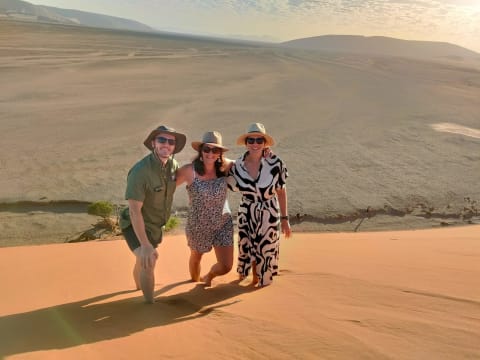
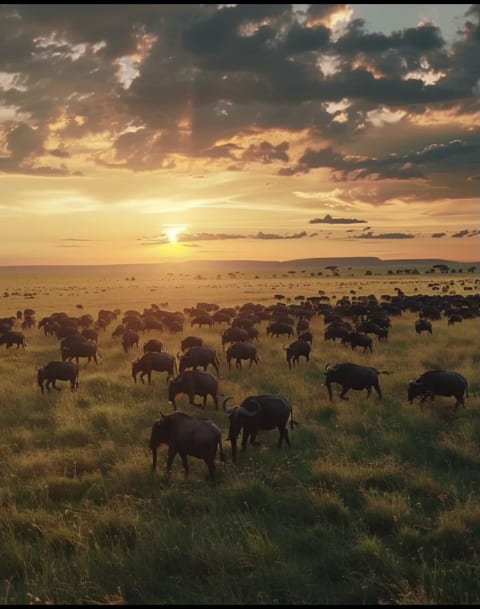
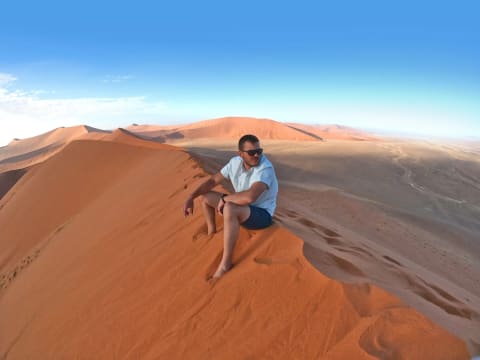
Once your visa is approved, begin planning your safari. Namibia offers world-class wildlife experiences, from the red dunes of the Namib Desert to the wildlife-rich Etosha National Park. Namibia Safari May–October 2026: Peak Wildlife & Real Prices provides current pricing and seasonal insights. If you're arranging transport, Namibia Safari Car Rental 2026: Self-Drive vs Guided Tours compares self-drive and guided options. For accommodation, Namibia Safari Lodges Ranked by Value: 2026 Pricing ranks lodges by value, and Namibia Safari Operators: How to Verify & Compare in 2026 helps you vet tour operators before booking.
Frequently Asked Questions
Last checked July 2026 — always confirm with official sources before travelling.
Frequently Asked Questions
Do Danish citizens need a visa for Namibia?
Yes. As of 1 April 2025, Danish citizens are required to obtain a visa to enter Namibia.[1] You can apply online for an eVisa (recommended) or obtain a visa on arrival at designated entry points.
What is the cost of a Namibia visa for Danish citizens?
The cost is NAD 1,600 (~€82 or ~US$88) for adults.[6] Children aged 6–11 pay NAD 800, and children under 6 are exempt. If you apply on arrival (not online), expect an additional service fee of ~NAD 400.
How long does it take to get a Namibia eVisa?
Online eVisa applications typically take 7–10 working days to process, though the Namibian authorities do not guarantee this timeframe and delays may occur during peak travel periods.[11] If you apply on arrival, processing takes 15–45 minutes at the immigration counter.
How long can I stay in Namibia with a tourist visa?
The default authorized stay is 30 days per entry.[1] Upon arrival, you can request up to 90 days from the immigration inspector. If you need to stay longer, you must apply for an extension through the Ministry of Home Affairs, Immigration, Safety, and Security in Windhoek before your initial authorization expires.
Can I apply for a Namibia visa on arrival instead of online?
Yes. Visa on arrival is available at Hosea Kutako International Airport (WDH), Walvis Bay International Airport (WVB), and border posts including Katima Mulilo, Ngoma, and others.[8] Processing takes 15–45 minutes, but applying online in advance is faster and avoids the risk of denial at the border.
What documents do I need to apply for a Namibia eVisa?
You will need a valid passport (6 months validity, 3 blank pages), a recent colour passport photo, proof of accommodation, a travel itinerary, valid travel/medical insurance, and proof of financial means.[12] Ensure all documents are clear, legible, and in English.
What is the passport validity requirement for Namibia?
Your passport must have at least 6 months validity remaining beyond your planned departure date and at least 3 completely blank pages.[1][6] Passports with insufficient validity or blank pages will be rejected at immigration.
Do I need yellow fever vaccination to enter Namibia from Denmark?
No. Yellow fever vaccination is required only if you are arriving from or transiting through a country where yellow fever is endemic.[8] Denmark is not a yellow fever risk country. However, routine and travel vaccinations are strongly recommended; consult your doctor 4–6 weeks before departure.
What happens if I overstay my authorized stay in Namibia?
Overstaying can result in detention, arrest, fines, deportation, and entry bans to Namibia and other countries.[1] Always check your entry stamp immediately after clearing immigration to ensure it reflects your intended stay duration.
Can I extend my stay in Namibia after arrival?
Yes. You can request an extension to 90 days from the immigration inspector upon arrival, or you can apply for an extension through the Ministry of Home Affairs, Immigration, Safety, and Security in Windhoek before your initial authorization expires.[1] Contact the ministry for current procedures and fees.
Is travel insurance mandatory for a Namibia visa?
Yes. Proof of valid travel/medical insurance covering your entire stay in Namibia is required as part of the visa application.[12] Ensure your policy covers medical emergencies and evacuation.
Can I apply for a Namibia visa through a third-party visa agent?
You can apply directly through the official Namibian government portal, which is faster and cheaper. Third-party agents may charge additional fees. Use agents only if you are unable to apply directly yourself.
Trips that match this guide