Namibia Safari in July 2026: Wildlife Peak & Real Costs
Namibia safari in July 2026 costs $150–$1,200 daily. Peak season for wildlife viewing. Book 3–6 months ahead. Compare verified operators on SafariFind.
A Namibia safari in July 2026 costs $150-$1,200 per day depending on your style, with self-drive options offering the best value. July is peak season for wildlife viewing as animals gather at water sources. Book 3-6 months ahead and expect to pay $600-$800 daily for guided mid-range packages. Compare verified operators on SafariFind to find packages matching your budget.
At a Glance
Cost per day: $150-$1,200 depending on accommodation and guide type
Best time to visit: July-October (dry season, peak wildlife)
Recommended duration: 7-10 days for optimal experience
Getting there: Flights from Europe $800-$2,500; car rental from $40-$80/day
Best for: Budget travelers, photographers, nature lovers, families
Wildlife highlights: Elephants, lions, giraffes, oryx, flamingos at Etosha
A Namibia safari in July 2026 is an African wildlife adventure during the peak dry season. July marks the beginning of winter in Namibia, when temperatures drop and animals concentrate around water sources. This timing makes wildlife spotting easier and more predictable than other seasons.
Namibia safari costs vary dramatically based on your choices. Self-drive safaris start around $150 per person daily, while luxury guided experiences reach $1,200 per day or more. The country offers Africa's most affordable self-drive options, making it ideal for budget-conscious travelers who want authentic wildlife experiences without breaking the bank.
July 2026 offers several advantages for safari-goers. The dry season means fewer clouds, better photography conditions, and animals gathering predictably at waterholes. Etosha National Park becomes a wildlife viewing hotspot as vegetation thins and sightings become frequent and rewarding.
Why July Is Peak Season
July marks the start of Namibia's dry season, when water becomes scarce and wildlife congregates at remaining water sources. This concentration makes animal spotting more reliable. Peak season (July to October) sees lodge prices increase 25-50% compared to low season, but you get superior wildlife viewing in return.
The weather in July suits outdoor activities perfectly. Daytime temperatures range from 15-22°C (59-72°F), making early morning and evening game drives comfortable. Nights are cool but not freezing, and rainfall is virtually absent.
Key Features of a July Safari
Guaranteed wildlife viewing at concentrated water sources
Clear skies and excellent photography opportunities
Comfortable temperatures for extended game drives
Longer daylight hours for more safari time
Fewer tourists than peak August-September period
Accommodation options from N$670 per person (Sesriem Campsite) to N$7,000+ (luxury lodges)
When planning a Namibia safari in July 2026, understand that costs depend on three main factors: accommodation type, guide service level, and park fees. Self-drive visitors pay entry fees but save on guide costs, while fully guided tours include professional expertise but cost significantly more daily.
Real Namibia Safari Costs for July 2026
Namibia safari pricing in July 2026 breaks down into daily costs that add up quickly or stay surprisingly low. Your total expense depends entirely on which experience level you choose and how many days you spend in parks.
Daily Cost Breakdown
Self-drive safaris in Namibia start at approximately $150 per person daily when you handle your own vehicle and navigation. This budget covers basic accommodations and park entrance fees but excludes international flights and car rental. Mid-range guided safaris cost $600-$800 per person daily, including accommodation, professional guide, and park access. Luxury guided experiences range from $800-$1,200+ daily with premium lodging and exclusive access.
Accommodation makes an enormous difference in your total safari cost. For July through October 2026, the official rate at Sesriem Campsite is N$670 per person, making it one of Namibia's cheapest options. A dune chalet at luxury properties costs N$7,000+ per person sharing, with premium suites exceeding N$10,000 nightly.
Sample 7-Day Safari Budgets
Safari Type
Daily Cost
7-Day Total
Includes
Self-Drive Budget
$150-$250
$1,050-$1,750
Basic lodging, park fees, your driving
Mid-Range Guided
$600-$800
$4,200-$5,600
Good lodging, professional guide, meals
Luxury Guided
$900-$1,200
$6,300-$8,400
Premium lodge, expert guide, all meals
International flights add significantly to your budget. Flights from Europe to Windhoek typically cost $800-$2,500 depending on your origin and booking timing. Car rentals range from $40-$80 daily for basic vehicles suitable for safari driving. Park entrance fees are modest—Etosha costs roughly $80 per vehicle daily, making entrance fees the smallest expense item.
Book your Namibia safari 3-6 months ahead to save 15-20% on mid-range packages. Early booking secures better lodge availability and allows you to compare verified operators on SafariFind, reading authentic reviews from previous travelers before committing your budget.
Hidden Costs to Budget
Beyond daily rates, several expenses catch travelers off guard. Park entrance fees, though reasonable, add up across multiple locations. Activity fees for guided walks, dune drives, or cultural visits range $30-$150 each. Meals outside your package cost $10-$40 daily at casual spots, more at restaurants. Fuel for self-drive vehicles costs roughly $1.50-$2 per liter, and you'll use significant amounts traveling between parks.
July 2026 delivers exceptional wildlife viewing because animals concentrate at water sources during the dry season. Etosha National Park becomes a wildlife theater where sightings happen regularly and predictably throughout the day.
Animals You'll Encounter
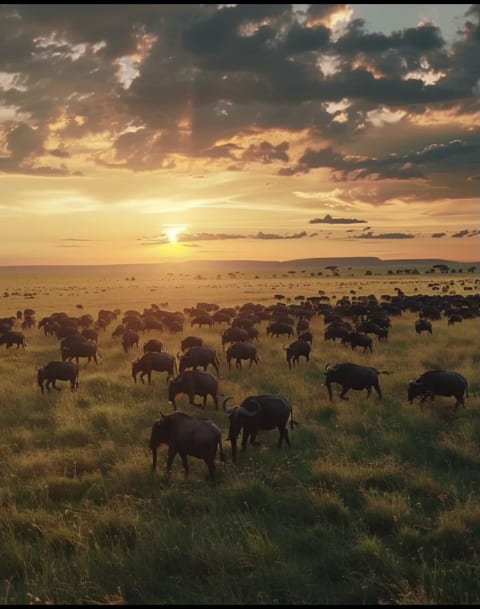
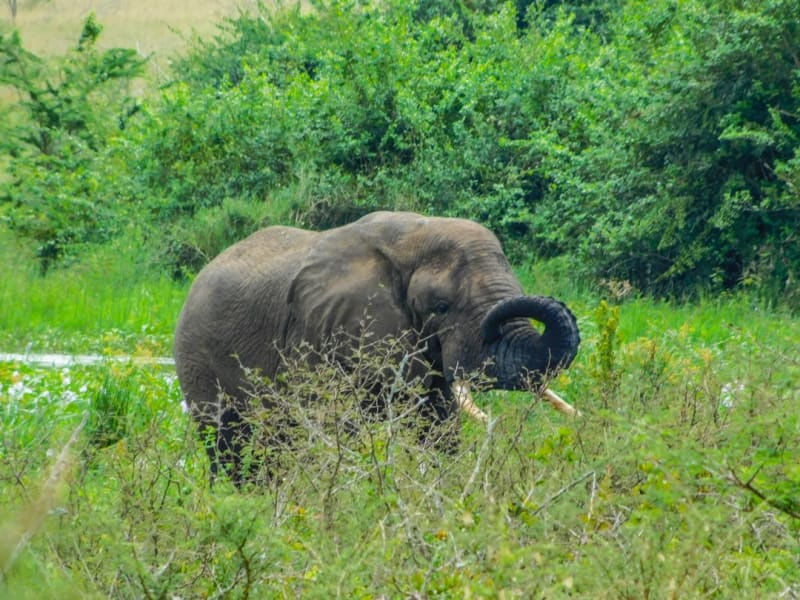
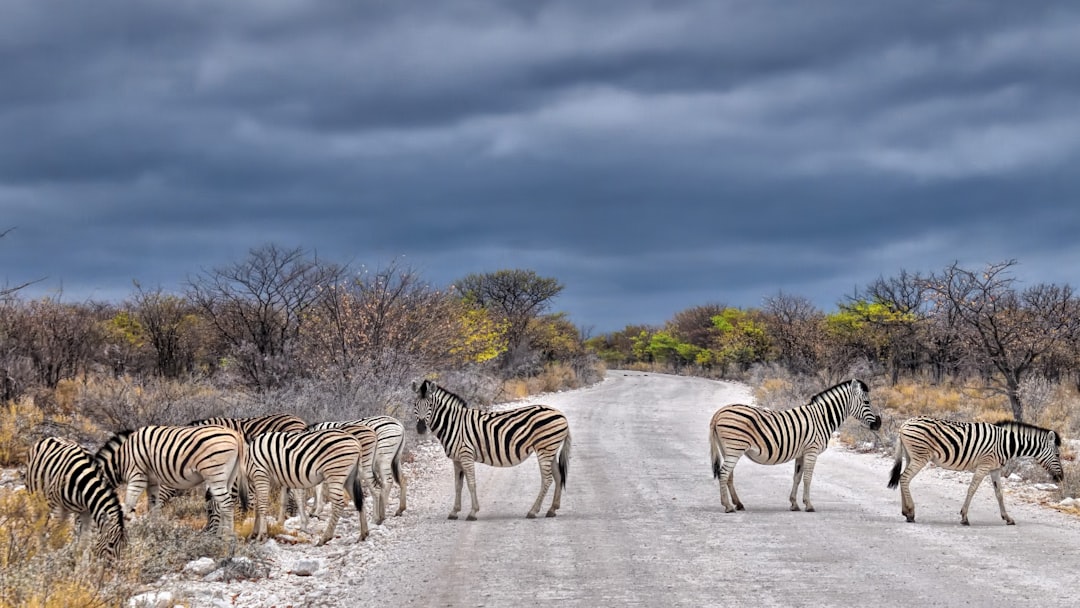
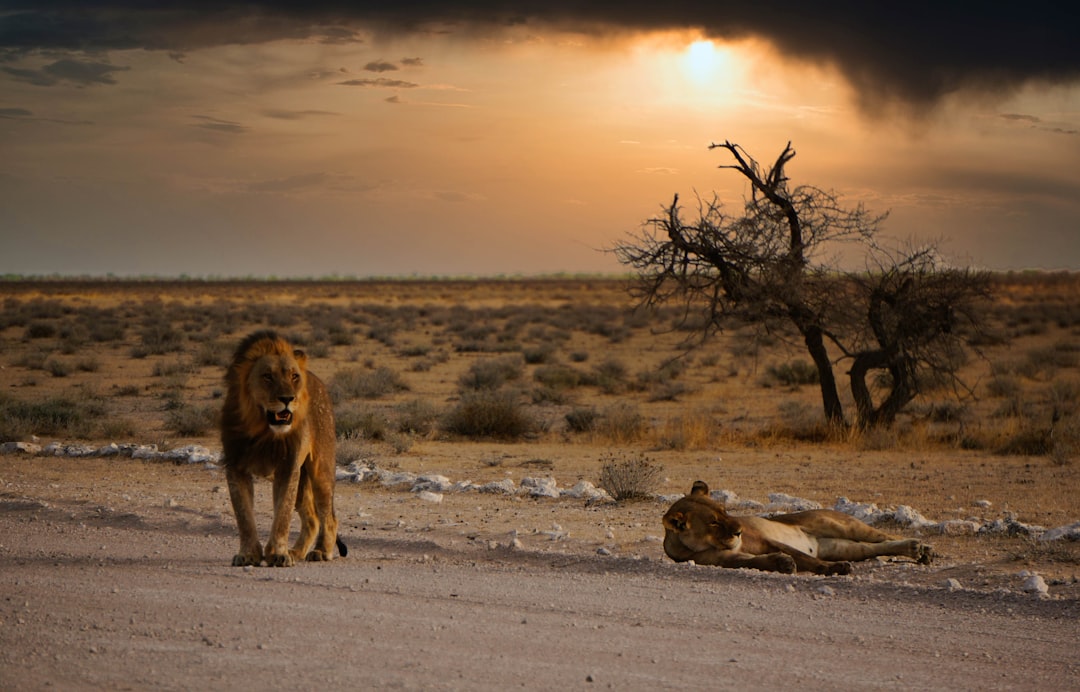
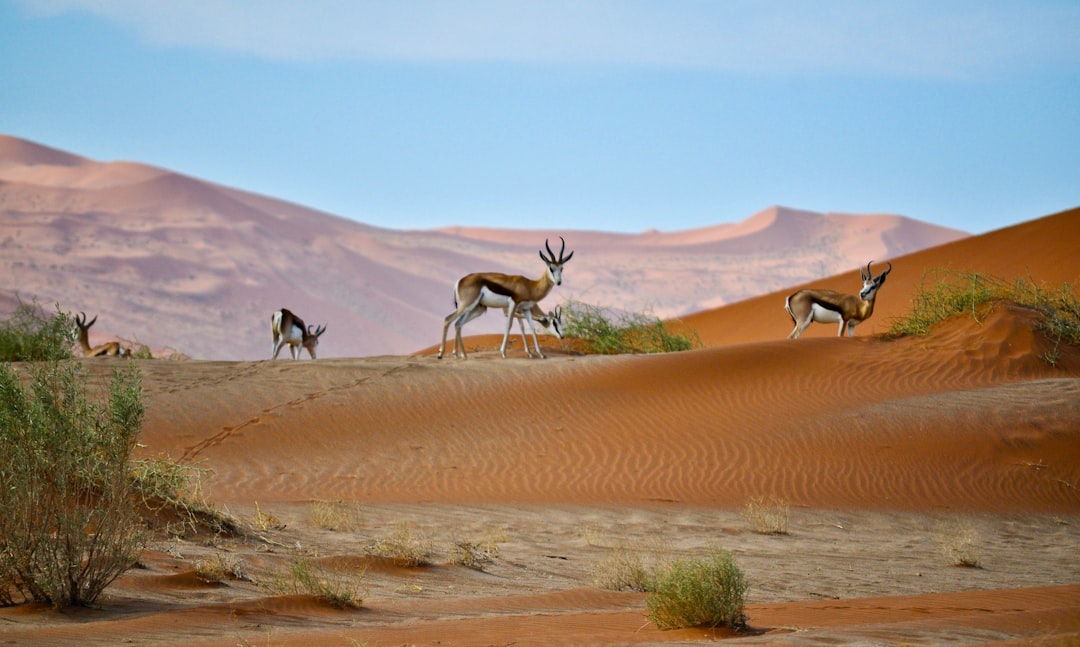
Etosha National Park hosts over 114 mammal species, and July's dry conditions make them easier to spot. You'll see African elephants gathering at waterholes in herds of 20-50 individuals. Lions hunt actively around water sources, and your guides can position you safely for dramatic sightings. Giraffes, zebras, wildebeest, and springbok are nearly guaranteed daily. The park's oryx antelope, adapted to extreme heat, become visible as other herbivores cluster at remaining water.
Flamingos turn Etosha's salt pans pink during good water years, creating unforgettable photography moments. Jackals, hyenas, and wild dogs appear regularly, offering chances to observe African predator behavior. Rhinoceros sightings are less common but possible, particularly black rhinos in remote areas.
Birdwatchers find July exceptional, with over 340 bird species recorded in Etosha. Secretary birds stalk grasslands on long legs, while martial eagles hunt overhead. Crowned cranes gather at waterholes, and fish eagles call across the park during dawn hours.
Peak Viewing Times
Early mornings (5:30-8:30 AM) and late afternoons (3:30-6:30 PM) offer the best wildlife activity. Animals drink during cooler parts of the day, and predators hunt when temperatures drop. Midday heat reduces animal movement, making it ideal for rest, lunch, or exploring lodges.
Professional guides dramatically improve your sighting success. They know waterholes where specific animals gather, understand animal behavior patterns, and position vehicles for safe, unobstructed viewing. Self-drive visitors can spot plenty of wildlife but miss the context and behavioral insights guides provide. When booking through SafariFind, compare operators to find guides with strong ratings for wildlife spotting expertise.
Planning Your July 2026 Namibia Safari
Successful safari planning requires decisions about duration, accommodation style, and booking timing. July 2026 offers peak conditions, but early booking ensures better availability and rates.
Recommended Duration
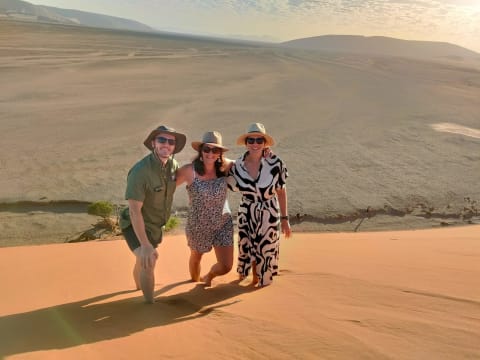
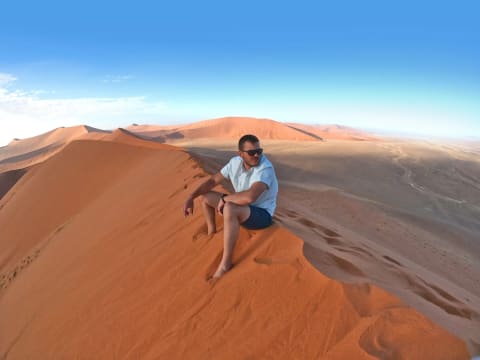
Seven to ten days provides the ideal balance for a Namibia safari. Five days feels rushed, requiring constant driving with limited time to absorb experiences. Seven days allows 4-5 days in Etosha plus travel time and one day exploring Sossusvlei's famous red dunes. Ten days lets you combine Etosha with Sossusvlei, the Fish River Canyon, or coastal Swakopmund without feeling hurried.
Most guided package operators offer 7-day and 10-day itineraries specifically designed for July conditions. These packages balance wildlife viewing with scenic exploration, ensuring you experience Namibia's full diversity rather than just one location.
Choosing Your Accommodation Style
Budget camping (N$670-$1,500 per night) suits adventurous travelers comfortable with basic facilities. Mid-range lodges (N$2,000-$4,000 per night) offer private rooms, hot showers, and good meals. Luxury properties (N$7,000+ per night) provide exceptional comfort with premium service and often exclusive wildlife viewing areas.
Your accommodation choice shapes your entire experience. Budget options mean you're closer to nature and spend less money. Mid-range lodges balance comfort with affordability, ideal for most travelers. Luxury lodges eliminate camping concerns and provide professional expertise, perfect if budget isn't a constraint.
Booking Strategy for July 2026
July is peak season, meaning popular lodges fill quickly. Book 3-6 months ahead—so by January-April 2026—to secure your preferred accommodation and guides. Early booking also allows you to compare multiple verified operators on SafariFind and read authentic traveler reviews before deciding.
Use SafariFind to compare 7-day and 10-day packages across different price ranges. Read recent reviews from travelers who visited in similar seasons, noting their experiences with guides, wildlife sightings, and value for money. This research prevents booking disappointments and ensures you select operators matching your expectations and budget.
The choice between self-drive and guided safaris depends on your budget, comfort level, and wildlife expertise. Both approaches work in July 2026, but they offer different experiences and costs.
Self-Drive Safari Advantages
Self-drive safaris cost $150-$250 daily, making them Namibia's most affordable option. You control your pace, spending as much time as you want at each location. You stop when you spot wildlife, photograph freely, and create your own itinerary. This independence appeals to experienced travelers and those comfortable navigating unfamiliar terrain.
Costs include car rental ($40-$80 daily), fuel ($1.50-$2 per liter), basic lodging, and park fees. You buy your own meals, giving you flexibility and often saving money compared to package meal plans. However, you miss professional guidance about animal behavior, historical context, and optimal viewing strategies.
Guided Safari Advantages
Guided safaris cost $600-$1,200 daily but include professional expertise, better wildlife sightings, and hassle-free planning. Expert guides know where animals gather, understand behavior patterns, and position vehicles for optimal viewing. They handle all logistics—driving, navigation, meals, accommodations—so you relax and enjoy.
Guides provide context about Namibian ecology, animal behavior, and conservation challenges. They spot animals you'd miss driving alone and explain what you're seeing in real-time. This educational component transforms wildlife viewing from simple sightseeing into genuine learning.
Comparison Table
Factor
Self-Drive
Guided
Daily Cost
$150-$250
$600-$1,200
Wildlife Sightings
Good with effort
Excellent
Flexibility
High
Limited
Expertise
Your knowledge
Professional guide
Best For
Budget travelers, experienced drivers
First-timers, photography, comfort
Most travelers combine approaches: self-drive for flexibility and cost savings, guided tours for expertise and sightings. A 7-day safari might include 3 self-drive days exploring Sossusvlei plus 4 guided days in Etosha, balancing budget and wildlife viewing quality.
Success in July requires specific preparation. The dry season brings predictable conditions, but you need the right gear, timing, and mindset to maximize your experience.
What to Pack
Layering is essential despite July's cool temperatures. Bring long-sleeved shirts, lightweight pants, and a warm fleece or jacket for early mornings and evenings. Sun protection matters—wide-brimmed hats, sunglasses, and high-SPF sunscreen prevent burns during long game drives. Closed-toe hiking boots with good ankle support work better than sneakers on uneven terrain.
Binoculars transform your wildlife viewing, revealing details invisible to the naked eye. A good camera with a telephoto lens captures distant animals; however, smartphones with zoom capability work acceptably. Bring extra memory cards and batteries—charging opportunities are limited in remote areas.
A small medical kit including pain relievers, antacids, antihistamines, and blister treatment prevents minor issues from ruining your safari. Prescription medications should be in original containers with documentation. Insect repellent helps with mosquitoes, particularly near water sources.
Photography Tips
Golden hour (first and last two hours of daylight) produces the best wildlife photographs. Light is warm and soft, creating flattering images of animals and landscapes. Midday harsh light washes out colors and creates harsh shadows. Position yourself downwind of animals when photographing—they detect human scent and may flee.
Fast shutter speeds (1/500 or faster) freeze animal movement, preventing blurry shots. Shoot in aperture priority mode, letting your camera adjust shutter speed while you control depth of field. Patience matters more than equipment—wait for animals to pose naturally rather than chasing movement constantly.
Safety Considerations
Never approach animals on foot, even if they appear calm. Maintain the minimum distances guides recommend—typically 20-30 meters from most animals, further from large predators. Stay in your vehicle unless guides explicitly say it's safe to exit. Animals tolerate vehicles better than humans standing beside them.
Stick to established roads and designated park areas. Getting lost wastes time and fuel, potentially creating dangerous situations. If self-driving, carry extra water, a basic tool kit, and a satellite communicator for emergencies in areas without cell service.
Respect local customs and wildlife regulations. Don't feed animals or leave food unattended—habituated animals become dangerous and lose natural behaviors. Follow guides' instructions absolutely, as they understand animal behavior and local conditions better than visitors.
Key Takeaways
Book your Namibia safari 3-6 months ahead (by April 2026) to secure July accommodation at peak season rates and compare verified operators on SafariFind.
Plan a 7-10 day safari to balance wildlife viewing with scenic exploration, combining Etosha National Park with Sossusvlei dunes for diverse experiences.
Budget $150-$1,200 daily depending on accommodation type: self-drive ($150-$250), mid-range guided ($600-$800), or luxury guided ($900-$1,200) safaris.
Expect daily wildlife sightings at concentrated waterholes during July's dry season, with early mornings and late afternoons offering peak viewing opportunities.
Pack layered clothing, sun protection, binoculars, and a camera with telephoto capability to maximize your July safari experience in Namibia's cool, clear conditions.
Frequently Asked Questions
How much does a 7-day Namibia safari cost in July 2026?
A 7-day Namibia safari in July 2026 costs between $1,050-$8,400 total per person depending on your style. Self-drive safaris cost $1,050-$1,750 including basic lodging and park fees. Mid-range guided packages cost $4,200-$5,600 with professional guides, good meals, and comfortable lodges. Luxury guided safaris cost $6,300-$8,400 with premium accommodations and exclusive experiences. These prices exclude international flights ($800-$2,500) and pre-trip expenses like vaccinations and visas.
Why is July the best time for a Namibia safari?
July is peak safari season in Namibia because the dry season concentrates wildlife at remaining water sources, making animal sightings frequent and predictable. Temperatures are cool and comfortable (15-22°C), ideal for outdoor activities. Vegetation is thin, improving visibility. Clear skies enable excellent photography. July marks the beginning of the season before August-September crowds arrive, offering slightly lower prices while maintaining excellent wildlife viewing quality.
What animals will I see on a Namibia safari in July?
You'll see African elephants, lions, giraffes, zebras, wildebeest, springbok, oryx antelope, and jackals regularly at Etosha's waterholes in July. Flamingos create pink-colored salt pans in good water years. Black rhinoceros appear occasionally in remote areas. Over 340 bird species inhabit Etosha, including eagles, cranes, and secretary birds. Hyenas and wild dogs are visible but less common. Early morning and late afternoon game drives maximize your chances of encountering predators and herd animals.
Is self-drive or guided safari better for July 2026?
Self-drive safaris cost less ($150-$250 daily) and offer flexibility, suiting budget travelers and experienced drivers. Guided safaris cost more ($600-$1,200 daily) but provide professional expertise, better wildlife sightings, and educational context about animal behavior and ecology. First-time safari visitors and photographers typically prefer guided tours. Many travelers combine both approaches—self-drive for some days to control costs, guided tours for Etosha's complex wildlife viewing where expert knowledge makes the biggest difference.
How do I choose a safari operator for July 2026?
Book through SafariFind to compare verified operators, read authentic traveler reviews, and find packages matching your budget and interests. Look for operators with 4.5+ star ratings and recent reviews mentioning wildlife sightings, guide expertise, and value for money. Check package inclusions—meals, activities, accommodation type, and transportation. Book 3-6 months ahead (by April 2026) to secure your preferred dates and lodges. Request quotes from multiple operators and ask about July-specific itineraries designed for peak season wildlife viewing.
What documents do I need for a Namibia safari in July 2026?
You need a valid passport (typically 6+ months validity), travel insurance, and potentially a visa depending on your nationality. Irish citizens and Swiss citizens have specific visa requirements; check our detailed guides on Namibia visa requirements for Irish citizens in 2026 and Namibia visa requirements for Swiss citizens in 2026. Yellow fever vaccination may be required depending on your origin country. Bring vaccination certificates and any required medical documentation. Travel insurance should cover medical emergencies, trip cancellation, and evacuation.
Conclusion
A Namibia safari in July 2026 offers exceptional value combined with peak wildlife viewing during the dry season. Costs range from $150 daily for budget self-drive adventures to $1,200+ for luxury guided experiences, with mid-range options around $600-$800 daily. July's cool temperatures and concentrated wildlife at waterholes make animal sightings reliable and photography conditions excellent.
Success requires booking 3-6 months ahead to secure accommodations and compare operators. Plan 7-10 days to experience both Etosha's wildlife and Sossusvlei's spectacular dunes. Whether you choose self-drive flexibility or guided expertise, July delivers unforgettable safari experiences in one of Africa's most affordable and wildlife-rich destinations.
Compare verified safari packages on SafariFind to find operators matching your budget, read authentic reviews from previous travelers, and request quotes directly. July 2026 awaits—start planning your Namibia safari adventure today and join thousands of satisfied travelers experiencing African wildlife at its finest.
Plan Your Safari with SafariFind
These recommendations use real data from SafariFind, where you can compare operators, browse packages, and read verified traveler reviews before you book.
5-Day Mid-Range Scenic Tour of Namibia • $1,517 • 5 days • by Africa Incoming
What Travelers Say (SafariFind Reviews)
"Tongesai was recommended to me by a friend who also booked his amazing safari through Cultural Vibes; I am glad we took his recommendation. Our safari across Victoria Falls and Botswana was top notch. Tongesai booked us in all of the best camps and with the best safari outfitters. Our excursions were extremely well planned and full of excitement. The restaurants were fantastic as well. Personally, I love planning my own vacations but honestly don't think there is an easy and reliable way to plan an African safari without using a travel agent very familiar with the region. Located in Zimbabwe and with a travel and tourism background, Tongesai was able to coordinate our stays between 5 safari camps which included private charter flights across the regions. He also personally escorted us into Botswana and helped with border crossing which was very helpful as well. Compared to larger companies, Tongesai's package rates were more reasonable and came with a customized touch. I highly recommend Cultural Vibes to anyone looking to go on safari in Zimbabwe and its bordering countries (Botswana, Zambia & Namibia). Thanks, T!"
Juliana Norvell•22 June 2026
"We were amazing group of 4 adults from Atlanta USA. Upon arrival we found our guide Stuart Muronga already waiting for us. He picked us up in a well air-conditioned vehicle and offered us water at soft drinks. Before going to check in we drove around the beautiful city . After checking in he dropped us off at the famous Boma restaurant..we had an amazing experience there over delicious meals and drums and dance. He picked us up and dropped us off at our hotel. The next morning he picked us up for out safari experience in Chobe which is in Botswana just an hour drive from Vic Falls. We spent 6 hrs there then drove another 40 or so minutes to some island in Namibia. Stuart was so knowledgeable with great communication skills which made the whole experience so smooth and fun."
Agola•7 May 2026
"I would like to note an excellent organisation of this tour. In advance Kubwa Five Safaris created whats app groupe for me so I had contacts of people who assisted me during my travel. I was picked up at the airport. My guide was waiting for me. The accommodations chosen for this trip were correct, clean with good service. The choice of restaurants corresponded the rate of this tour. We visited wonderfull places with beautiful landscapes, I enjoyed game drive and visit of Etosha parc. My driver was a professional guide, so I had explanations on historical events, culture, geology, flore and faune of the sites that we visited. Kubwa Five Safaris chose reliable partners in Namibia, that made my trip safe and I would like to thank them for that."
Nelya•4 May 2026
"We planned a 10 day tour to see the best of namibia we personalised the tour to what we wanted to see.we had an issue with our flight but Sylvia replanned the tour on 9 days so we missed nothing very very appreciated since it wasn't their responsibility and could have simply made us skip the first day.the tour was fantastic we got to see everything we wanted to see. Wildlife and the landscape that are something of incredible.Our guide John was excellent 👏 really very prepared giving al the info of the diffrent places people, Wildlife towns...."
Katiuscia•4 May 2026
"Our trip around Namibia was booked through Kubwa Five Safaris, main contact was Sylvia (from their sister company Ompo Travel). Everything was organised perfectly, Sylvia listened to our needs and constantly adapted the trip according to our (many) changes of mind, to ensure we could get the best out of it, both in terms of things to do and accommodations where to stay; but she also added her local know-how to advise our decisions on what really worth seeing and what to skip (given the limited time of two weeks). She was also very responsive, both prior the trip as well as during the trip, taking immediate action if needed (only once, due to a misunderstanding on the check-out from a lodge). Namibia is an amazing place with plenty of wilderness and photo opportunities, and we have enjoyed it fully!"

 Ask Tembo