Mozambique Safari Parks Ranked by Wildlife Density 2026
Discover Mozambique's top safari parks ranked by wildlife density in 2026. Compare Gorongosa, Niassa, and Bazaruto. Book verified operators on SafariFind.
Mozambique's top safari parks offer world-class wildlife viewing with Gorongosa National Park leading in wildlife density for 2026. A 7-10 day safari costs $2,500-$6,000 per person. The best time to visit is June through October during the dry season. Book through verified operators on SafariFind to compare packages and read authentic traveler reviews.
At a Glance
Top Park: Gorongosa National Park (highest wildlife density)
Cost per Person: $2,500-$6,000 for 7-10 days
Best Time to Visit: June through October (dry season)
Duration Recommended: 7-10 days for complete experience
Best For: Wildlife photographers, Big Five seekers, conservation enthusiasts
Getting There: Fly to Maputo, then internal flights to park gateways
Mozambique Safari Parks Ranked by Wildlife Density 2026
Mozambique's safari parks offer some of Africa's most rewarding wildlife viewing experiences. Gorongosa National Park stands out with the highest wildlife density in the country for 2026. The nation's parks have undergone major restoration efforts over the past decade, making them increasingly competitive destinations for safari travelers.
Visitors often compare Mozambique with neighboring countries. If you're wondering about combining safaris, Greater Kruger in South Africa offers strong flight connectivity through Johannesburg. However, Gorongosa provides equally impressive wildlife viewing without leaving Mozambique. Many travelers also ask about visa requirements—South Africans need a visa for Mozambique, and it's worth planning ahead.
Before booking your trip, understand the health requirements. Vaccinations and health rules for Mozambique vary by park and season, so check requirements early in your planning process.
What Are Mozambique's Top Safari Parks Ranked by Wildlife Density?
Gorongosa National Park ranks first in Mozambique for wildlife density in 2026, hosting the country's largest elephant population and excellent Big Five viewing. The park covers 5,300 square kilometers of pristine wilderness with varied habitats from wetlands to savanna. Wildlife populations have grown significantly since the park's restoration began in 2008.
Gorongosa National Park: The Wildlife Leader
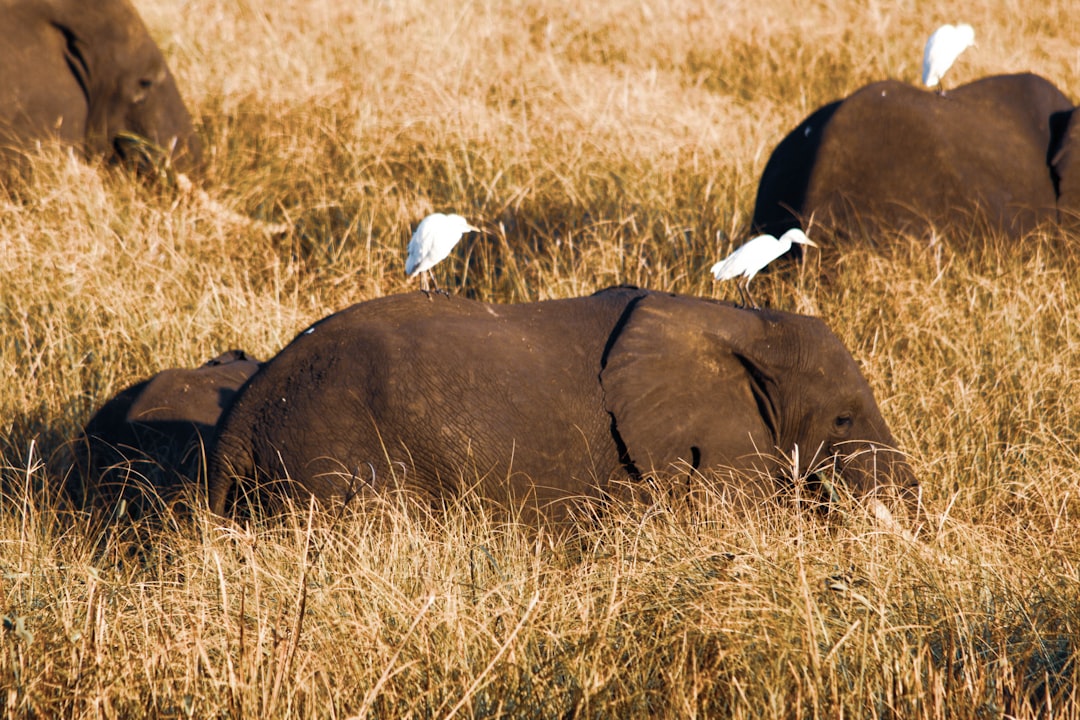
Gorongosa National Park delivers the highest concentration of wildlife in Mozambique. The park protects over 500 elephant herds, thriving lion populations, and abundant buffalo. Daily game drives reveal African wild dogs, leopards, and diverse bird species numbering over 400 recorded species.
The park's restoration success makes it Africa's most impressive conservation comeback story. Visitor numbers have increased steadily as word spreads about excellent wildlife sightings. Accommodations range from budget-friendly camps at $150 per night to luxury lodges exceeding $800 nightly.
Getting to Gorongosa requires flying into Maputo, then taking a domestic flight or driving six hours north. The park sits in central Mozambique near the town of Chimoio. Most visitors spend 4-6 days exploring the park's diverse ecosystems.
Niassa National Reserve: Remote Wilderness
Niassa National Reserve ranks second for wildlife density, covering 42,000 square kilometers of remote northern Mozambique. The reserve remains one of Africa's largest and least developed parks, offering authentic wilderness experiences. Wildlife includes substantial elephant populations, wild dogs, and healthy predator communities.
The reserve's remoteness means fewer visitors and pristine ecosystems. However, infrastructure remains limited compared to Gorongosa. Visitors should expect basic accommodations and longer travel times between game viewing areas.
Reaching Niassa requires flights to Lichinga, followed by transfers to lodge locations. The journey takes longer but rewards adventurous travelers with exclusive wildlife encounters. Most safaris here run 5-7 days with costs ranging from $2,000-$4,500 per person.
Bazaruto Archipelago National Park: Marine and Terrestrial
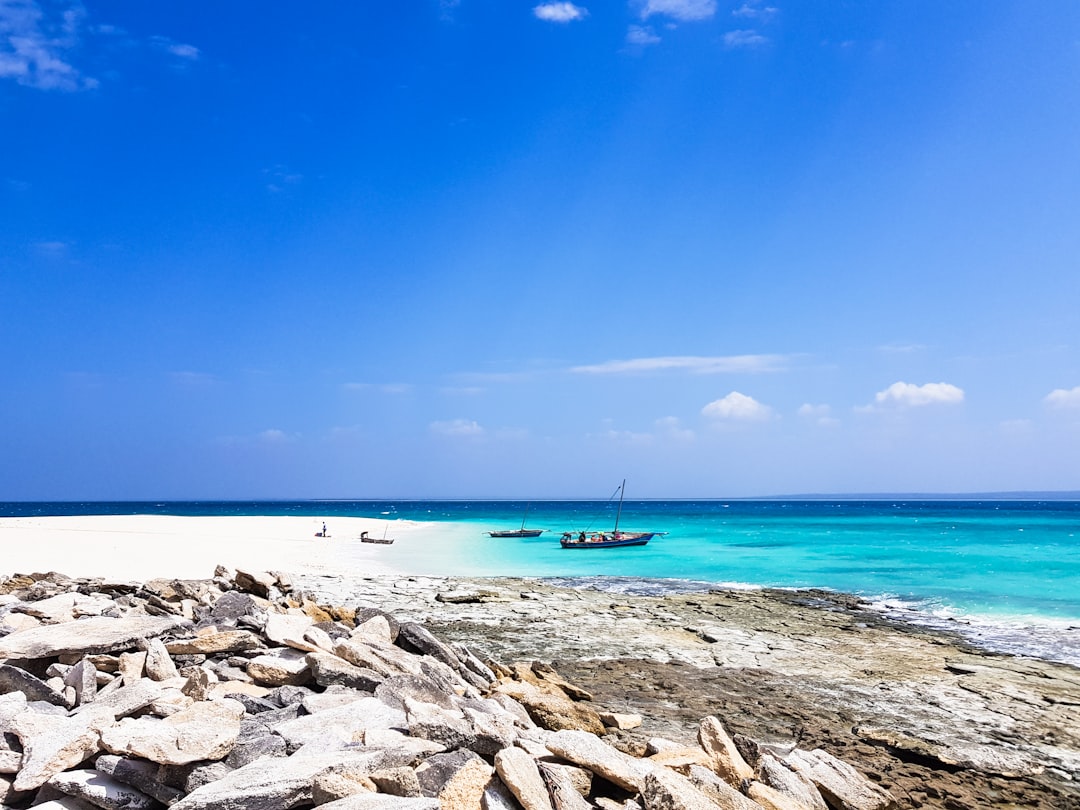
Bazaruto Archipelago National Park combines marine conservation with terrestrial wildlife viewing. The park protects five islands and surrounding waters, hosting significant marine mammal populations. Visitors see dolphins, whale sharks, and diverse seabird colonies alongside terrestrial wildlife.
This park suits travelers combining beach relaxation with wildlife viewing. Island-based lodges offer unique accommodation with water-based activities. Wildlife density differs from inland parks but offers specialized marine experiences unavailable elsewhere.
Flights from Maputo to Vilanculos provide access, then speedboat transfers to island lodges. Costs range from $3,000-$7,000 for 5-day combined safari and beach packages. The best time to visit is May through November for optimal marine conditions.
Zinave National Park: Emerging Destination
Zinave National Park represents Mozambique's emerging safari destination with growing wildlife populations. Located south of Gorongosa, the park covers 4,000 square kilometers of savanna and woodland. Recent restoration efforts have increased elephant and buffalo populations significantly.
The park remains less developed than Gorongosa but offers excellent value and fewer crowds. Wildlife sightings remain reliable with lower visitor numbers. Accommodation options are expanding with new lodge developments planned for 2026.
Access requires driving from Maputo or flying to nearby towns then overland transfers. Costs average $1,800-$3,500 for 5-day safaris. The park appeals to budget-conscious travelers seeking authentic Mozambique experiences.
Quirimbas National Park: Northern Coastal Option
Quirimbas National Park sits in northern Mozambique, protecting both terrestrial and marine ecosystems. The park covers 7,500 square kilometers including 27 islands and mainland areas. Wildlife includes elephants, buffalo, and abundant bird species in varied habitats.
The park's coastal location provides unique experiences mixing beach time with game drives. Marine activities complement terrestrial wildlife viewing. The area remains underdeveloped compared to southern parks, offering adventurous travelers exclusive experiences.
Reaching Quirimbas requires flights to Pemba, then transfers to lodges. Costs range from $2,500-$5,500 for combined safari and island experiences. June through October provides the best wildlife viewing and weather conditions.
How Do Wildlife Densities Compare Across Mozambique's Parks?
Wildlife density varies significantly across Mozambique's safari parks based on habitat type, restoration efforts, and protection levels. Gorongosa leads with approximately 15-20 large mammals per 100 square kilometers in prime viewing areas. Niassa Reserve follows with 8-12 per 100 square kilometers across its vast territory, while smaller parks show variable densities.
Park Name
Size (sq km)
Wildlife Density
Best For
Cost per Day
Gorongosa
5,300
Highest (15-20/100 sq km)
Big Five, photographers
$400-$800
Niassa Reserve
42,000
High (8-12/100 sq km)
Remote wilderness
$300-$600
Zinave
4,000
Moderate-High (10-15/100 sq km)
Budget travelers
$300-$500
Bazaruto Archipelago
1,430 (marine)
Moderate (marine focus)
Beach and wildlife combo
$500-$1,000
Quirimbas
7,500
Moderate (6-10/100 sq km)
Coastal experiences
$350-$700
Habitat type significantly influences wildlife density. Gorongosa's mix of wetlands, grasslands, and woodlands supports diverse species in concentrated areas. Niassa's vast territory spreads wildlife across greater distances, requiring more driving to locate animals. Seasonal variations also affect density, with dry season concentrating animals near water sources.
What's the Best Time to Visit Mozambique's Safari Parks?
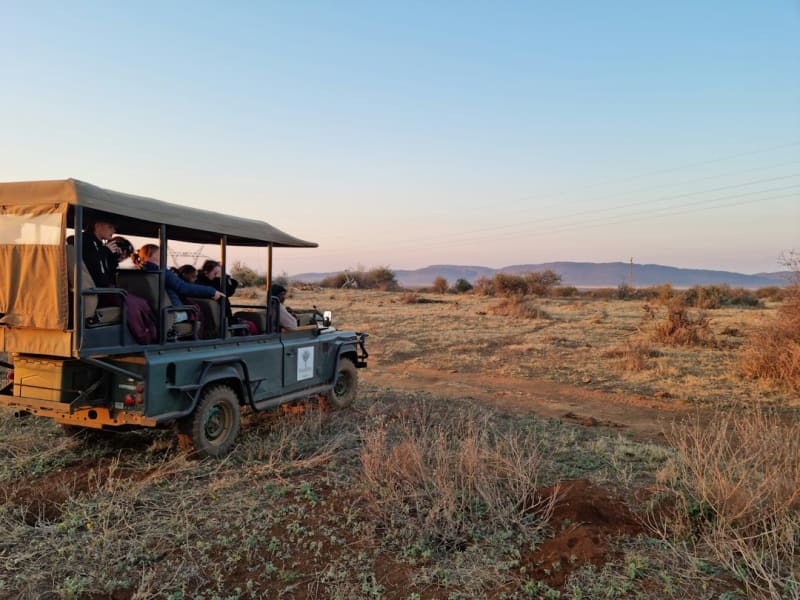
The dry season from June through October provides the best wildlife viewing in Mozambique's parks for 2026. During these months, water sources dry up, forcing animals to concentrate near remaining waterholes and rivers. Vegetation thins, making wildlife spotting easier from safari vehicles. Temperatures remain moderate with cooler mornings and evenings ideal for game drives.
Peak Season: June to October
Peak season delivers optimal wildlife viewing conditions across all Mozambique parks. June marks the beginning with cooler temperatures and excellent visibility. July and August offer prime viewing with large animal concentrations. September and October see continued good conditions though temperatures rise gradually.
Peak season accommodations fill quickly, requiring bookings 3-6 months ahead. Prices increase 20-30% above shoulder season rates. Package costs range from $3,500-$6,000 for 7-day safaris during peak months.
Shoulder Season: April-May and November
Shoulder season provides good value with acceptable wildlife viewing. April and May see lush vegetation and moderate animal concentrations. November marks the start of the rainy season with green landscapes and fewer tourists. Prices drop 15-25% compared to peak season.
These months suit budget travelers and those avoiding crowds. Wildlife viewing remains reliable though not quite as consistent as peak season. Accommodations offer better availability and lower rates from $2,500-$4,000 for week-long safaris.
Rainy Season: December to March
The rainy season brings lush landscapes and abundant birdlife but challenging wildlife viewing. Heavy rains make roads impassable in some parks, limiting game drives. Animal dispersal across wider areas reduces sighting frequency. However, fewer tourists create exclusive experiences for adventurous visitors.
Accommodation rates drop significantly, with costs from $1,800-$3,000 for safaris. This period suits birders and photographers seeking dramatic landscape shots. Plan for flexible itineraries as weather can impact daily activities.
A Mozambique safari costs between $2,500 and $6,000 per person for 7-10 days in 2026, depending on park choice, accommodation level, and season. Budget safaris at basic camps run $2,500-$3,500 daily, while mid-range lodges cost $4,000-$5,000, and luxury properties exceed $6,000 per person weekly. Peak season pricing increases 20-30% above shoulder season rates.
Budget Safari Packages
Budget safaris cost $300-$400 daily including accommodation, meals, and game drives. These packages use basic camps with shared facilities and simpler meals. Transportation between park entrances involves overland travel rather than flights. Guides are experienced but speak limited English at some locations.
Budget options work best for Zinave and Niassa parks where basic infrastructure dominates. Travelers should expect rustic conditions but authentic experiences. Compare budget vs luxury Mozambique safari lodges by park to find the right fit for your travel style.
Mid-Range Safari Packages
Mid-range safaris cost $400-$600 daily with comfortable accommodations and good quality. These packages include private or small group game drives with experienced guides. Meals feature local cuisine with international options. Lodges offer en-suite bathrooms and reliable electricity.
Mid-range packages suit most travelers seeking balance between comfort and cost. Gorongosa offers excellent mid-range options with established lodges. A 7-day mid-range safari runs $3,500-$4,500 per person including flights from Maputo.
Luxury Safari Packages
Luxury safaris exceed $800 daily with premium accommodations and personalized service. These packages feature private guides, gourmet meals, and exclusive lodge amenities. Spa services, wine collections, and fine dining elevate the experience. Transportation includes charter flights between parks.
Luxury packages run $6,000-$8,000 weekly for exceptional experiences. Bazaruto's island lodges and Gorongosa's premium properties dominate this category. These safaris suit travelers seeking ultimate comfort with world-class wildlife viewing.
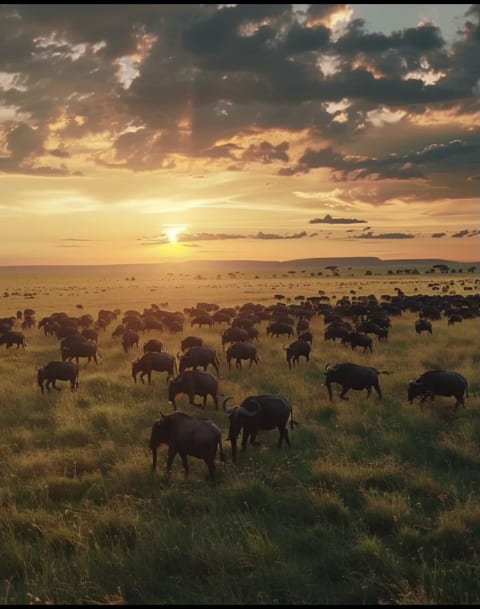
Mozambique's safari parks host impressive wildlife diversity including African elephants, lions, buffalo, leopards, and wild dogs. Gorongosa National Park specifically protects over 500 elephants, thriving lion prides, and healthy wild dog populations. Visitor sightings include zebras, wildebeest, antelopes, and over 400 bird species creating exceptional viewing opportunities.
Big Five Viewing Opportunities
The Big Five—lion, leopard, rhinoceros, elephant, and buffalo—represent Africa's most sought-after sightings. Gorongosa delivers reliable sightings of four Big Five species (all except rhino). Elephant herds appear regularly, often in groups of 10-30 animals. Lions roam widely with multiple prides occupying the park.
Leopard sightings require patience and skilled guides but occur regularly in Gorongosa. Buffalo herds concentrate near water sources during dry season. Rhinos remain absent from Mozambique parks due to poaching, but other Big Five sightings compensate with reliability.
Specialized Wildlife Experiences
African wild dogs represent one of Mozambique's most exciting sightings, with healthy populations in Gorongosa and Niassa. These highly social predators hunt cooperatively in packs of 5-15 animals. Sightings provide incredible photographic opportunities and behavioral observations.
Hyenas, jackals, and painted wolves add predator diversity. Antelope species include impala, kudu, waterbuck, and sable antelopes creating varied viewing. Hippopotamuses and crocodiles inhabit water sources while giraffe populations appear in select areas.
Birdwatching Highlights
Over 600 bird species inhabit Mozambique's parks, making them world-class birdwatching destinations. Gorongosa's wetlands attract eagles, kingfishers, and warblers. Niassa's woodlands host raptors and ground-dwelling species. Bazaruto's islands provide seabird viewing including fish eagles and terns.
Birdwatchers should visit during rainy season (November-March) when migratory species arrive. Dry season still offers excellent sightings with concentrated water-based birds. Hire specialized birding guides for detailed species identification and behavior observation.
What Are the Visa and Entry Requirements for Mozambique?
Most visitors require a valid passport with six months validity to enter Mozambique. Many nationalities receive 30-day tourist visas on arrival, though requirements vary by citizenship. Swedish citizens can obtain Mozambique visas for 2026 through standard processes, as can most European and North American travelers.
Visa fees typically range from $30-$75 depending on processing speed. Multiple entry visas cost more but allow flexibility for regional travel. Obtain visas in advance if possible to avoid airport delays.
Health Requirements and Vaccinations
Yellow fever vaccination is required for entry from certain countries and recommended for all visitors. Malaria prevention is essential, particularly in lower-altitude parks. Consult healthcare providers 4-6 weeks before travel for personalized recommendations based on your specific parks and travel dates.
Travel insurance covering medical evacuation is strongly recommended given remote park locations. Ensure your policy covers pre-existing conditions and safari-related activities.
How Do You Book a Mozambique Safari?
Book Mozambique safaris 3-6 months ahead for peak season to secure preferred lodges and flights. Work with tour operators specializing in Mozambique safaris for better rates and insider knowledge. SafariFind connects you with verified operators offering transparent pricing and authentic reviews from previous travelers.
Booking Process and Timeline
Start by researching parks and selecting your preferred dates. Request quotes from multiple operators comparing package inclusions, accommodation types, and guide quality. Review verified traveler reviews to assess operator reliability and service quality.
Confirm bookings with deposits (typically 25-50% of total cost). Arrange visa applications and vaccinations simultaneously. Finalize flights and park transfers 6-8 weeks before departure. Communicate any special requests or dietary restrictions to your operator.
What's Included in Standard Packages
Most safari packages include accommodation, meals, and daily game drives with professional guides. Included activities vary—some packages add walking safaris, night drives, or cultural visits. Transportation between lodge and park entrances typically includes, though some exclude international flights.
Clarify what's included before booking. Some operators include park fees and beverages while others charge separately. Understand cancellation policies and travel insurance requirements.
Many travelers combine Mozambique safaris with neighboring destinations for varied experiences. Greater Kruger in South Africa pairs naturally with Mozambique given flight connectivity through Johannesburg. Tanzania's Serengeti offers different ecosystems and wildlife though requires longer travel. Regional combinations extend trips to 12-14 days for comprehensive African safari experiences.
Mozambique and South Africa Combinations
Greater Kruger and Mozambique combinations suit travelers wanting maximum wildlife viewing. South Africa's established infrastructure contrasts with Mozambique's emerging destination character. Flights between Johannesburg and Maputo run multiple times daily, simplifying logistics.
Typical combinations run 10-14 days with 5-7 days in each country. Costs range from $5,000-$8,000 per person including both countries. This approach offers diverse experiences and optimizes wildlife viewing across two distinct ecosystems.
Beach and Safari Combinations
Mozambique uniquely combines safaris with beach relaxation in single trips. Bazaruto Archipelago pairs island time with wildlife viewing. Travelers spend 4-5 days on safari, then 3-4 days on islands enjoying marine activities and relaxation.
Are There Specialized Safari Experiences Available?
Mozambique offers specialized safari experiences beyond traditional game drives. Walking safaris provide intimate wildlife encounters and tracking experiences. Night drives reveal nocturnal species including aardvarks, genets, and owls. Cultural visits to nearby villages complement wildlife viewing with human interest stories.
Photography and Filming Safaris
Professional photography safaris hire specialized guides maximizing photographic opportunities. These trips focus on composition, lighting, and wildlife behavior for optimal images. Small group sizes (2-4 people) ensure flexibility for positioning and timing. Costs run $5,000-$8,000 weekly, higher than standard safaris but justified by expert guidance.
Filming permits and drone usage require advance coordination and licensing. Professional operators handle permits and logistics. Document requirements vary by park and project scope.
Conservation and Research Participation
Some operators offer research participation safaris supporting conservation work. Visitors assist with wildlife monitoring, habitat restoration, or anti-poaching efforts. These immersive experiences provide deeper understanding of conservation challenges and solutions. Costs vary but typically equal or exceed standard safari prices.
Research safaris suit serious wildlife enthusiasts seeking meaningful contributions. Physical demands vary by project. Advance training and orientation prepare participants for fieldwork.
Hunting requires licenses, permits, and ethical operator selection. Costs significantly exceed photographic safaris, ranging $10,000-$20,000+ weekly. Understand local regulations and animal welfare standards before pursuing this option.
Key Takeaways
Book Gorongosa National Park 3-6 months ahead to secure your preferred accommodation during peak season and save 15-20% on early booking rates.
Visit Mozambique's parks June through October for optimal wildlife density and comfortable weather conditions with reliable Big Five sightings.
Budget $2,500-$6,000 per person for 7-10 day safaris depending on park choice and accommodation level, with peak season costing 20-30% more than shoulder season.
Combine Mozambique safaris with Bazaruto's beaches to maximize your trip value with both wildlife and relaxation in a single 7-8 day package.
Verify visa requirements and vaccinations for your nationality at least 8 weeks before departure to avoid delays and ensure smooth park entry.
Frequently Asked Questions
Which Mozambique park has the highest wildlife density in 2026?
Gorongosa National Park has the highest wildlife density in Mozambique for 2026, with approximately 15-20 large mammals per 100 square kilometers in prime viewing areas. The park hosts over 500 elephants, multiple lion prides, healthy wild dog populations, and excellent Big Five viewing opportunities. Its restoration efforts since 2008 have made it Africa's most impressive conservation success story.
What is the best time to visit Mozambique's safari parks?
The dry season from June through October provides the best wildlife viewing in Mozambique for 2026. During these months, water sources dry up, concentrating animals near remaining waterholes for easier spotting. Temperatures remain moderate with excellent visibility for photography. Peak season (July-August) delivers the most reliable sightings, though prices increase 20-30% above shoulder season rates.
How much does a 7-day Mozambique safari cost in 2026?
A 7-day Mozambique safari costs between $2,500 and $6,000 per person in 2026, depending on park choice and accommodation level. Budget safaris using basic camps run $2,500-$3,500, mid-range lodges cost $4,000-$5,000, and luxury properties exceed $6,000 per person weekly. Peak season pricing increases 20-30% above shoulder season rates, so shoulder season travel (April-May, November) offers better value.
Do South Africans need a visa for Mozambique?
Yes, South Africans require a visa to enter Mozambique. Most visitors can obtain 30-day tourist visas on arrival or apply in advance through Mozambique's embassy. Check specific visa requirements for South Africans traveling to Mozambique in 2026 at least two months before your trip. Visa fees typically range from $30-$75 depending on processing speed.
Can you combine a Mozambique safari with a beach vacation?
Yes, Mozambique uniquely offers combined safari and beach experiences in single trips. Bazaruto Archipelago pairs wildlife viewing with island relaxation, allowing 4-5 days of game drives followed by 3-4 days of beach time. These combinations cost $4,000-$6,500 for 7-8 days total. Mozambique safari and beach holiday packages for 2026 offer detailed options for travelers seeking varied experiences.
What should you pack for a Mozambique safari?
Pack neutral-colored clothing (khaki, tan, green, gray) for game drives to blend with the landscape. Bring binoculars, camera equipment, and sun protection including hat, sunglasses, and high-SPF sunscreen. Include lightweight layers for cool mornings and evenings during dry season. Insect repellent and antimalarial medications are essential. Comfortable walking boots and waterproof jacket complete the essentials. Most lodges provide laundry services, so pack less and reuse clothing throughout your trip.
How do you book a Mozambique safari with verified operators?
Compare verified Mozambique safari packages on SafariFind to browse multiple operators with authentic traveler reviews and transparent pricing. Request quotes from operators matching your dates and budget preferences. Review verified reviews before confirming bookings, and secure deposits (typically 25-50%) early for peak season availability. SafariFind's marketplace connects you with established operators offering reliable service and competitive rates.
Conclusion
Mozambique's safari parks offer world-class wildlife viewing with Gorongosa National Park leading in wildlife density and restoration success for 2026. The country's parks provide exceptional value compared to established safari destinations, with 7-10 day experiences costing $2,500-$6,000 per person depending on accommodation level and season.
The best time to visit is June through October when dry season conditions concentrate wildlife and provide optimal viewing conditions. Consider combining safaris with beach relaxation at Bazaruto Archipelago for maximum trip value and diverse experiences.
Plan your trip 3-6 months ahead to secure preferred accommodations, arrange necessary visas and vaccinations, and access early booking discounts. Compare verified Mozambique safari packages on SafariFind to find operators matching your preferences, read authentic traveler reviews, and request quotes from multiple operators. The marketplace connects you with established tour companies offering transparent pricing and reliable service for unforgettable Mozambique safari experiences in 2026 and beyond.
Plan Your Safari with SafariFind
These recommendations use real data from SafariFind, where you can compare operators, browse packages, and read verified traveler reviews before you book.
What Travelers Say (SafariFind Reviews)
Burundi Safari Tours: 5-Day Trips Under $1,500 | SafariFind

 Ask Tembo