Ask Tembo
Mozambique Safari Animals: 12 Species & Where to See Them 2026
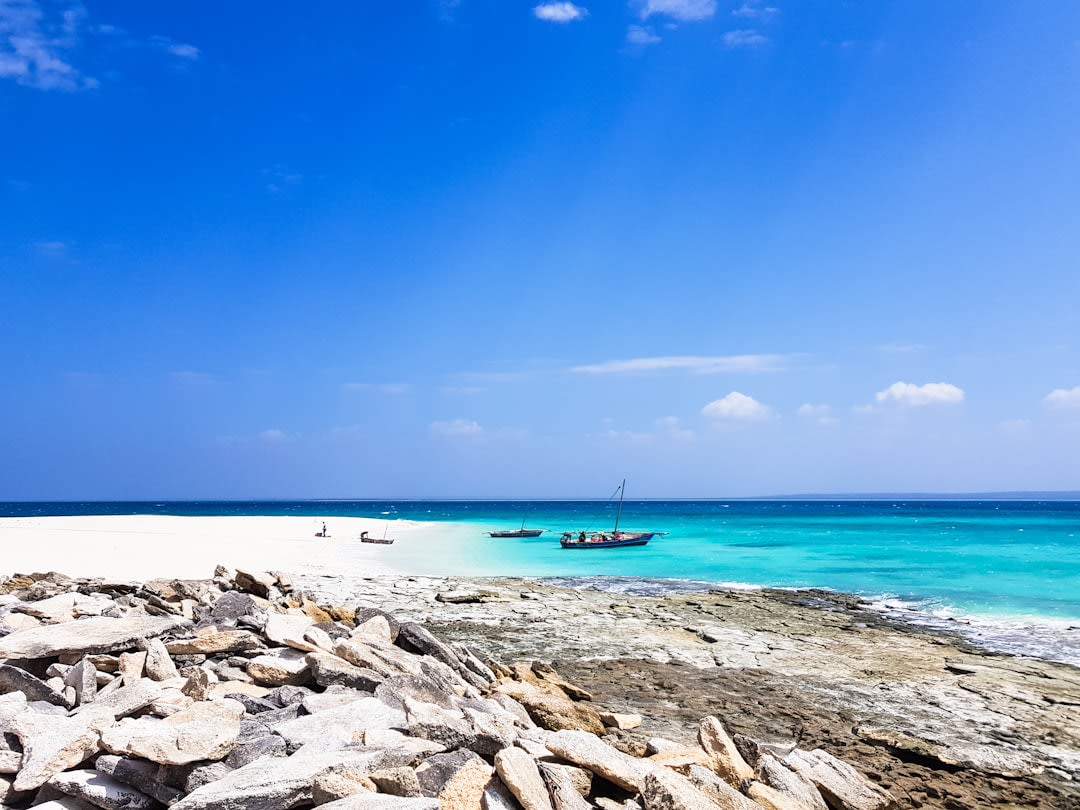
Discover 12 must-see Mozambique safari animals including elephants, lions, and leopards. Best viewing times, park locations, and verified safari packages for 2026.
Mozambique Safari Animals: 12 Species
Last updated: July 2026
Mozambique safari animals include elephants, lions, leopards, and over 500 bird species across 12+ national parks. The best time to visit is May to October for optimal wildlife viewing. Safari packages start at $1,500 per person. Explore verified Mozambique safari packages on SafariFind to compare operators and read authentic traveler reviews.
At a Glance
- Cost: $1,500–$5,000+ per person for 7-10 days
- Best time: May to October (dry season, best wildlife viewing)
- Duration: 7–10 days recommended for comprehensive wildlife experience
- Getting there: Fly to Maputo or Beira; internal flights to safari parks
- Best for: Wildlife enthusiasts, birdwatchers, photographers, adventure seekers
- Wildlife highlights: 200+ mammal species, 740 bird species, Big Five animals
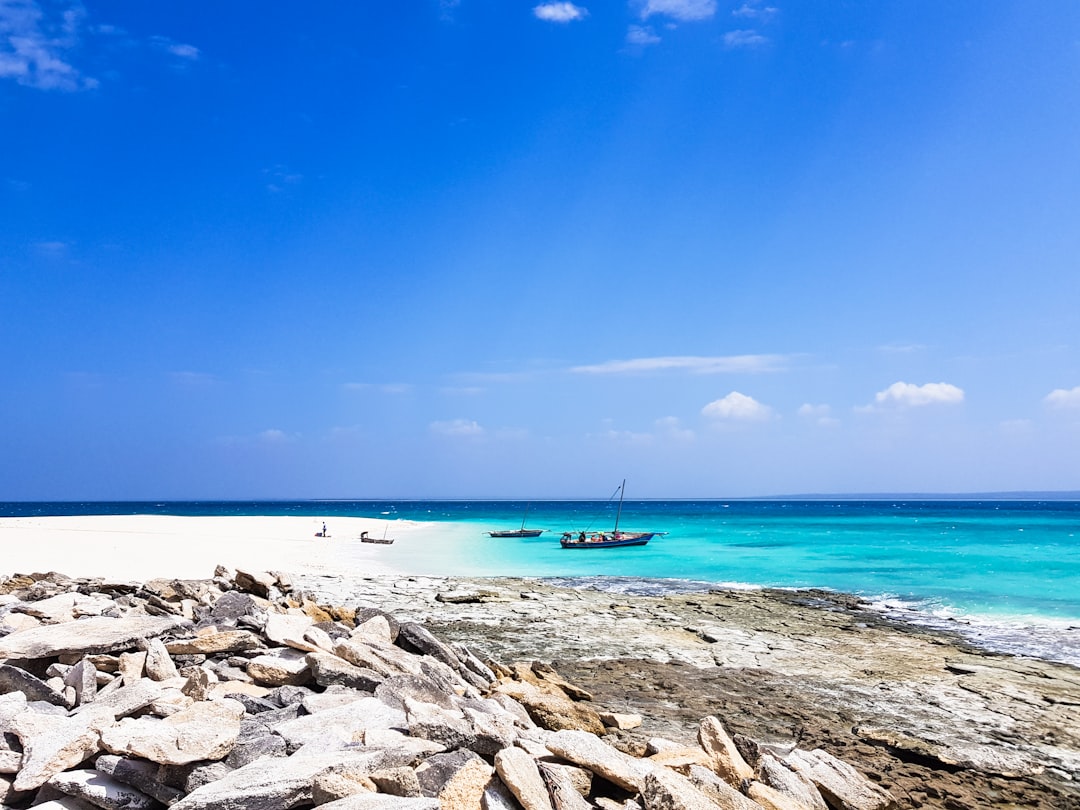
Mozambique Safari Animals: 12 Species & Where to See Them 2026
Mozambique safari animals offer an incredible wildlife adventure across southern Africa. This coastal nation hosts more than 200 mammal species and 740 bird species in its diverse ecosystems.[1] From the legendary Gorongosa National Park to pristine coastal reserves, Mozambique delivers authentic safari experiences that rival its famous neighbors. Whether you seek the Big Five or rare antelope species, Mozambique's parks showcase Africa's natural beauty in surprising ways.
Mozambique borders four major safari destinations—Tanzania, Zambia, Zimbabwe, and South Africa—making it a hidden gem for wildlife lovers.[4] The country features over a dozen national parks and reserves where you can encounter elephants, lions, wild dogs, hippos, and countless bird species. Many visitors enjoy rewarding safari experiences that include guided walks revealing the ecosystem's intricate details.[1] The best time to visit is May to October when dry conditions bring animals to water sources and visibility improves for photography.
What Are the 12 Most Important Mozambique Safari Animals?
Mozambique safari animals span diverse species across multiple wildlife categories. You'll encounter large mammals, predators, herbivores, and remarkable birds throughout the parks. Here are the 12 species you should know before your safari trip in 2026.
1. African Elephants
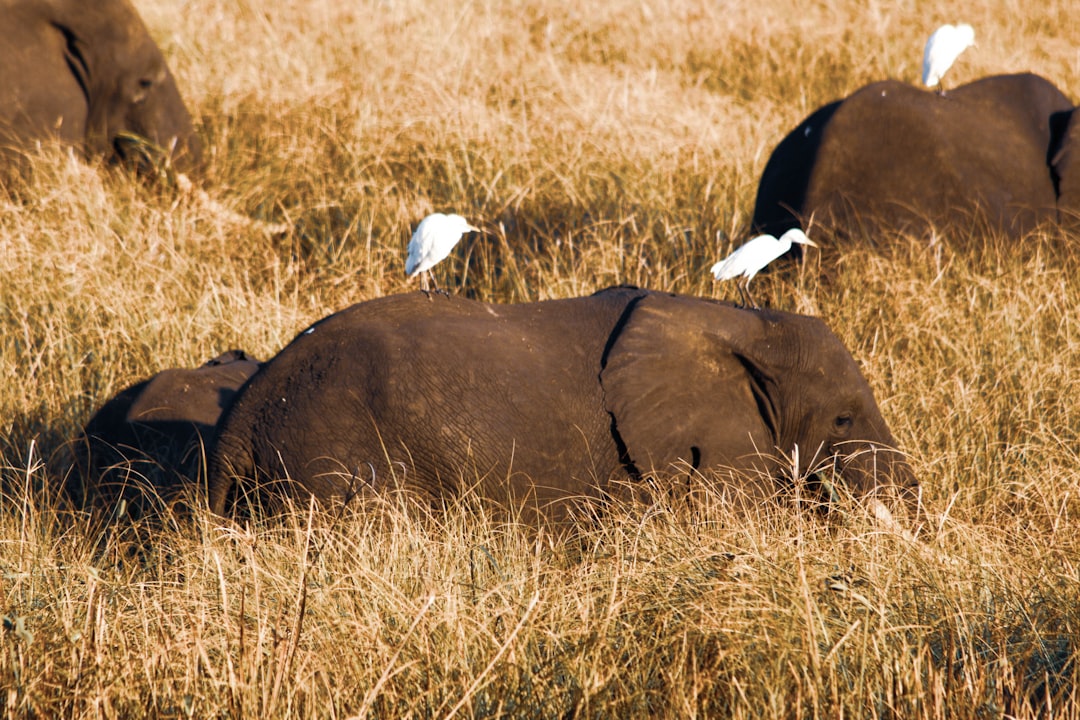
African elephants are the largest land animals you'll see in Mozambique. These intelligent giants roam national parks in herds, using their trunks to feed on vegetation and interact with their family groups. Gorongosa National Park has experienced a remarkable ecological revival, bringing elephant populations back from near extinction.[3] You'll observe their complex social behaviors during game drives and guided walks.
2. Lions
Lions are apex predators that rule Mozambique's savannas and grasslands. These powerful cats hunt cooperatively in prides and rest during hot afternoons. Visitors encounter lions during morning and evening game drives when they're most active. Gorongosa National Park offers excellent chances to see lions as part of the park's wildlife renaissance.[3] Their distinctive roars echo across the landscape during breeding season.
3. Leopards
Leopards are elusive, solitary hunters that prefer dense vegetation and rocky outcrops. Night drives are your best chance for seeing these genuinely nocturnal species.[8] Leopards are often most active after dark, making evening safaris ideal for spotting them. Their spotted coats provide perfect camouflage in dappled light. Patient wildlife photographers often capture these magnificent predators during dedicated night game drives.
4. African Wild Dogs
African wild dogs are highly social pack hunters with distinctive colorful coat patterns. These endangered carnivores hunt together with incredible coordination and stamina. Visitors enjoy rewarding safari experiences watching wild dogs pursue prey across open plains.[1] Their complex social structure and hunting strategies fascinate wildlife enthusiasts. Gorongosa National Park supports important wild dog populations as part of its conservation success.
5. Hippopotamuses
Hippopotamuses are massive water-dwelling mammals that spend daylight hours submerged in rivers and lakes. These semi-aquatic herbivores emerge at dusk to graze on grass, consuming up to 40 kg daily. Visitors enjoy observing hippos from safari vehicles near water sources during game drives. Despite their herbivorous diet, hippos are considered Africa's most dangerous animals. Their gaping mouths and territorial displays provide memorable safari moments.
6. Nile Crocodiles
Nile crocodiles are ancient reptiles that inhabit Mozambique's rivers and wetlands. These powerful predators can reach lengths of 5 meters and live for decades. Crocodiles bask on riverbanks during the day and hunt at night. Visitors spot them during water-based game drives and lodge visits near rivers. Their prehistoric appearance and powerful jaws make them fascinating safari subjects for photographers.
7. Black Rhinoceros
Black rhinoceros are critically endangered species found in select Mozambique reserves. These solitary, aggressive herbivores browse on shrubs and trees using their pointed upper lips. Conservation efforts in Gorongosa National Park have increased black rhino populations significantly.[3] Seeing a black rhino is a rare privilege that requires patience and skilled guides. Their presence indicates successful wildlife restoration programs across the country.
8. Eland Antelope
Eland antelope are the largest antelope species, known for their majestic spiraling horns and thick muscular bodies.[6] These impressive herbivores are often seen grazing in open areas on grass and shrubs. Elands can weigh up to 900 kg and stand nearly 2 meters tall. Their size and distinctive appearance make them unmistakable during safari drives. Visitors photograph them frequently in their natural grassland habitat.
9. Zebras
Zebras are striped equines that graze in herds across Mozambique's grasslands and savannas. Each zebra has a unique stripe pattern, like human fingerprints. These social animals migrate seasonally following rainfall and fresh vegetation. Visitors encounter zebra herds regularly during morning and afternoon game drives. Their striking black-and-white patterns provide excellent photography opportunities in natural light.
10. Cape Buffalo
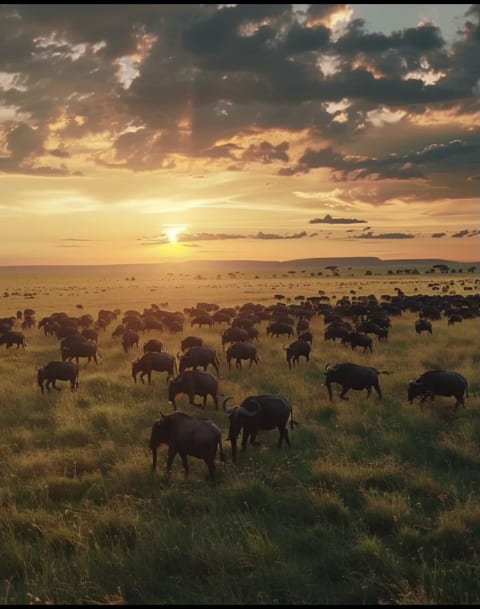
Cape buffalo are large, powerful herbivores that travel in massive herds across Mozambique's savannas. These stocky bovines have curved horns and unpredictable temperaments. Buffalo are surprisingly fast and dangerous despite their plant-based diet. Visitors observe them from safe distances in safari vehicles. Their herding behavior and grazing patterns reveal important ecological relationships across the parks.
11. Giraffes
Giraffes are the world's tallest mammals, using their long necks to browse acacia leaves other animals cannot reach. These gentle giants are iconic African animals that captivate safari visitors. Giraffes travel in small groups called towers and communicate through unique vocalizations. Watching giraffes move gracefully across the savanna is a highlight of any Mozambique safari. Their height provides excellent visibility for spotting predators.
12. African Fish Eagles
African fish eagles are majestic birds with white heads, chestnut bodies, and powerful talons. These iconic raptors dive from great heights to snatch fish from rivers and lakes. Birdwatchers appreciate more than 500 bird species in Mozambique, with fish eagles being among the most recognizable.[1] Their distinctive calls echo across water bodies during early mornings. Photographing these birds in flight is a favorite activity for wildlife enthusiasts.
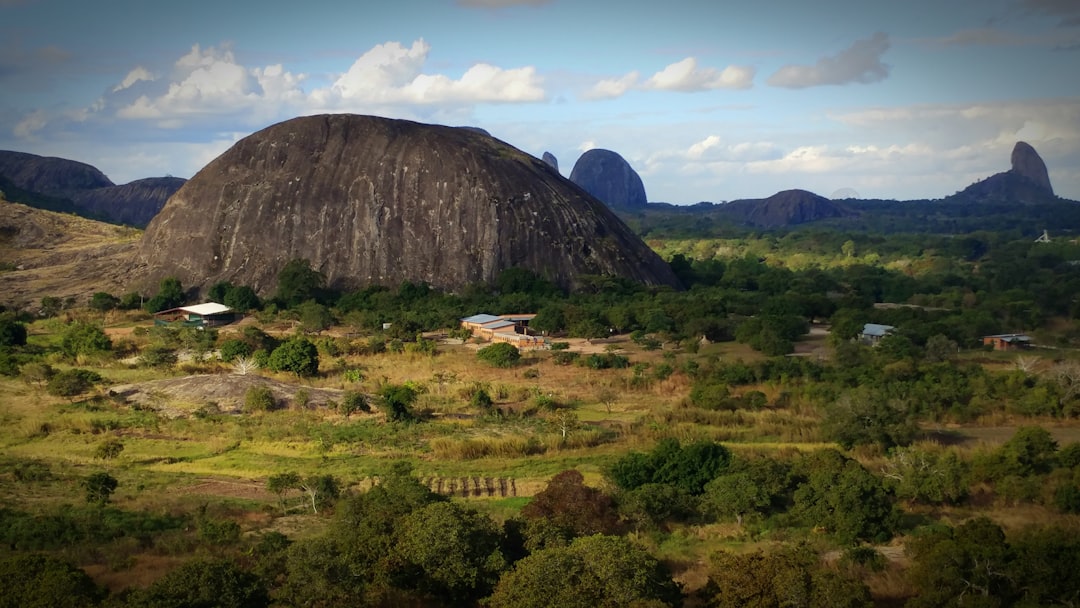
Where Can You See These Mozambique Safari Animals?
Mozambique safari animals live across multiple national parks and reserves, each offering unique viewing opportunities. Gorongosa National Park is often called the "Serengeti of the South" due to its remarkable ecological revival and wildlife diversity.[3] Travelers encounter elephants, lions, wild dogs, hippos, and antelopes throughout this restored ecosystem. The park spans 5,000 square kilometers of pristine habitat with excellent infrastructure for safari visitors.
Niassa National Reserve covers 42,000 square kilometers in northern Mozambique, protecting rare species and untouched wilderness. This remote reserve offers exclusive safari experiences with fewer tourists than more popular parks. You'll encounter wild dogs, elephants, and numerous antelope species in this pristine landscape. Birdwatchers find exceptional opportunities with over 500 bird species recorded in the reserve.
Bazaruto Archipelago National Park combines marine and terrestrial ecosystems, protecting dolphins, sea turtles, and coastal wildlife. This unique park offers beach safaris and water-based game viewing. Visitors enjoy combining beach relaxation with wildlife encounters in a single destination. The archipelago's isolation has created distinctive animal populations found nowhere else.
Zinave National Park is undergoing restoration and offers intimate safari experiences with recovering wildlife populations. This park features diverse habitats including grasslands, woodlands, and wetlands. Visitors contribute to conservation efforts while enjoying authentic safari adventures. The park's recovery story inspires many wildlife enthusiasts to visit and support restoration work.
Compare Mozambique safari parks to find your ideal destination based on your wildlife interests and travel style.
What Is the Best Time to See Mozambique Safari Animals?
The best time to see Mozambique safari animals is May to October during the dry season. Dry conditions concentrate animals around remaining water sources, improving sighting chances dramatically. Visibility increases as vegetation dries, making wildlife easier to spot and photograph. Temperatures are pleasant during this period, making daytime game drives comfortable for most visitors.
Dry Season (May to October)
Dry season offers peak wildlife viewing conditions across all Mozambique parks. Water sources become scarce, forcing animals to gather at permanent waterholes and rivers. Game drive success rates increase significantly during these months. Cooler temperatures make extended safari activities more enjoyable. Most safari operators and lodges run at full capacity, so book 3-6 months in advance.
Wet Season (November to April)
Wet season brings lush vegetation and dispersed wildlife across larger areas. Animals spread out following rainfall, making sightings less predictable but more intimate. Bird activity peaks during this period, with 740+ species active in breeding season.[2] Fewer tourists visit during wet months, offering exclusive safari experiences. Accommodation prices drop significantly, making wet season budget-friendly for flexible travelers.
Safari packages in 2026 start at $1,500 per person for basic trips and reach $5,000+ for luxury experiences. Peak season pricing (June-September) runs 15-25% higher than shoulder months. Early booking discounts of 10-20% apply when you reserve 3-6 months ahead.
How Do You Plan a Mozambique Safari for Viewing These Animals?
Planning a Mozambique safari requires advance preparation to maximize your wildlife viewing success. Start by selecting your primary park based on the animals you want to see and your budget constraints. Research park accessibility, accommodation options, and guide availability. Book your safari 3-6 months ahead to secure preferred dates and competitive pricing.
Choose Your Safari Duration
A 7-10 day safari is recommended for comprehensive Mozambique wildlife experiences. This timeframe allows 4-5 full days of game drives plus travel days. Shorter safaris of 3-4 days work for Gorongosa National Park visits only. Longer safaris of 10-14 days enable multi-park itineraries combining wildlife and beach relaxation. Each additional day increases your chances of rare animal sightings.
Select Appropriate Accommodation
Mozambique safari lodges range from budget tented camps to luxury five-star resorts. Budget options cost $100-200 per night with basic amenities. Mid-range lodges offer $200-400 nightly with excellent service and game drive quality. Luxury lodges exceed $400 nightly, providing exclusive experiences and gourmet cuisine. Your accommodation choice significantly impacts your overall safari experience and animal viewing success.
Hire Experienced Guides
Professional guides are essential for successful Mozambique safaris. Experienced guides know animal behavior, movement patterns, and seasonal habits. They navigate parks efficiently and identify distant animals invisible to untrained eyes. Request guides with 5+ years experience and proven track records. Many lodges employ guides who speak English, French, Spanish, and Portuguese fluently.
Prepare Physical and Health Requirements
Safari activities require moderate fitness levels for early mornings and extended game drives. Bring sunscreen, hats, binoculars, and high-quality camera equipment. Check Mozambique health requirements for travelers including vaccinations and malaria precautions. Consult your doctor about antimalarial medications before departure. Pack insect repellent, comfortable clothing in neutral colors, and quality walking boots.
Arrange Logistics and Documentation
Check visa requirements for your nationality before booking your safari. Spanish citizens need Mozambique visas in 2026, while Italian citizens also require visas. Book international flights to Maputo or Beira at least 2 months ahead. Arrange internal flights to your safari destination park. Purchase comprehensive travel insurance covering emergency evacuation.
What Special Experiences Can You Have With Mozambique Safari Animals?
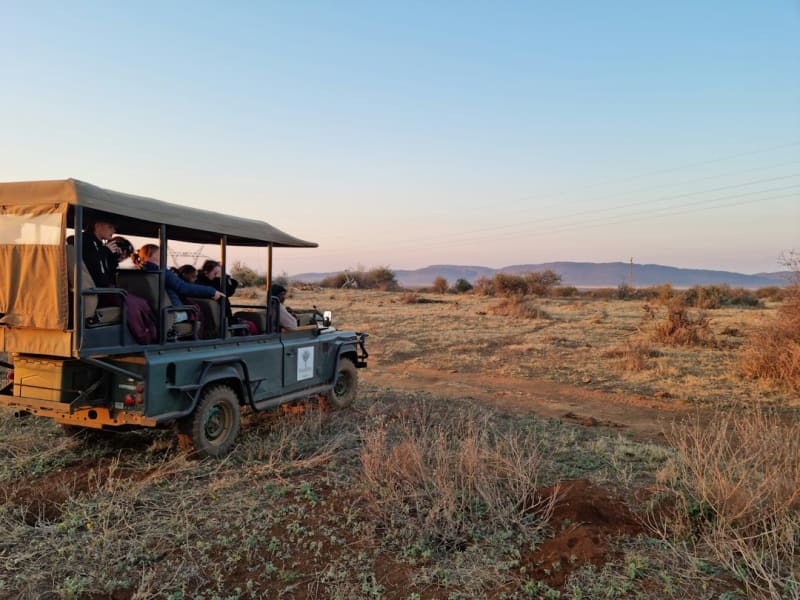
Mozambique safaris offer unique experiences beyond traditional game drives. Night drives reveal genuinely nocturnal species including leopards, lions, spotted hyenas, civets, genets, bushbabies, porcupines, aardvarks, honey badgers, nightjars, and owls.[8] Walking safaris provide intimate encounters with smaller animals and detailed ecosystem observations. Photography safaris cater to serious wildlife photographers seeking perfect lighting and rare behaviors.
Night Safari Drives
Night drives are your best chance of seeing genuinely nocturnal species.[8] Leopards are often most active after dark, making evening safaris ideal for spotting them. Guides use spotlights to locate animals in darkness while preserving their natural night behavior. Night drives typically last 2-3 hours and depart after sunset. These exclusive experiences cost $50-150 extra but deliver unforgettable encounters.
Walking Safaris and Guided Hikes
Walking safaris reveal the smaller, intricate rhythms of the ecosystem that vehicle-based tours miss.[1] Guides point out insects, plants, animal tracks, and ecological relationships invisible from vehicles. Walking safaris typically cover 8-12 kilometers over 3-4 hours. These experiences build physical fitness while deepening your understanding of wildlife ecology. Early morning walks offer the best animal encounters when visibility is optimal.
Bird Watching Expeditions
Birdwatchers appreciate more than 500 bird species in Mozambique, including kingfishers and fish eagles.[1] Specialized bird guides identify species by calls, plumage, and behavior patterns. Early morning bird walks produce the highest species counts as birds are most vocal. Bring quality binoculars and a bird identification guide specific to southern Africa. Serious birders combine multiple parks for comprehensive species lists.
Why Should You Book Your Mozambique Safari With SafariFind?
SafariFind connects travelers with verified safari operators offering authentic Mozambique experiences. Our marketplace features detailed operator profiles, transparent pricing, and verified traveler reviews. Compare multiple safari packages side-by-side to find your perfect wildlife adventure. SafariFind operators offer packages starting at $1,500 per person with flexible customization options.
Verified reviews from previous travelers help you select trustworthy operators. Read authentic feedback about guide quality, wildlife sightings, accommodation standards, and overall value. Request quotes from multiple operators to compare pricing and services. SafariFind's transparent rating system ensures you book with experienced, professional companies. Your safari success depends on choosing the right operator—SafariFind simplifies this critical decision.
Key Takeaways
- Book your Mozambique safari 3-6 months ahead to save 15-20% on peak season rates and secure preferred dates in 2026.
- Visit Mozambique during May to October dry season for optimal wildlife viewing when animals concentrate around water sources.
- Plan 7-10 days minimum for comprehensive safari experiences across multiple parks and diverse animal sightings.
- Hire experienced guides with 5+ years experience to dramatically increase rare animal sightings and enhance your understanding of wildlife behavior.
- Explore verified safari packages on SafariFind to compare operators, read authentic traveler reviews, and find packages matching your budget and wildlife interests.
Frequently Asked Questions
What are the best Mozambique safari animals to see in 2026?
The best Mozambique safari animals include African elephants, lions, leopards, wild dogs, hippopotamuses, Nile crocodiles, black rhinoceros, eland antelope, zebras, cape buffalo, giraffes, and African fish eagles. Mozambique hosts over 200 mammal species and 740 bird species across multiple national parks.[1][2] Each species offers unique viewing opportunities depending on your interests and travel dates.
How much does a Mozambique safari cost per person?
Mozambique safari packages start at $1,500 per person for basic 7-10 day trips in 2026. Mid-range packages cost $2,500-3,500 per person with quality accommodations and experienced guides. Luxury safaris exceed $5,000 per person for exclusive lodges and personalized experiences. Peak season pricing (June-September) runs 15-25% higher than shoulder months. Book 3-6 months ahead to access early-bird discounts of 10-20%.
When is the best time to visit Mozambique for wildlife viewing?
The best time to visit Mozambique is May to October during the dry season when animals concentrate around water sources and visibility improves dramatically.[1] Dry conditions make wildlife easier to spot and photograph. Temperatures are pleasant during these months, making daytime game drives comfortable. Most safari operators run at full capacity during peak season, so reserve 3-6 months in advance.
Which Mozambique national park has the best animal viewing?
Gorongosa National Park is often called the "Serengeti of the South" due to its remarkable ecological revival and wildlife diversity.[3] This 5,000 square kilometer park hosts elephants, lions, wild dogs, hippos, and numerous antelope species. Travelers encounter excellent wildlife viewing opportunities with strong infrastructure and experienced guides. Niassa National Reserve offers exclusive experiences with fewer tourists and pristine wilderness habitats.
What safety precautions should I take on a Mozambique safari?
Always follow your guide's instructions regarding distance from animals and vehicle safety protocols. Check Mozambique vaccinations and health rules for travelers before departure. Bring antimalarial medications prescribed by your doctor. Wear protective clothing including hats, sunscreen, and neutral-colored clothing. Purchase comprehensive travel insurance including emergency evacuation coverage. Avoid walking alone outside lodges, especially at night.
Can I see leopards and other nocturnal animals in Mozambique?
Night drives are your best chance of seeing genuinely nocturnal species including leopards, lions, spotted hyenas, civets, and bushbabies.[8] Leopards are often most active after dark, making evening safaris ideal for spotting them. Guides use spotlights to locate animals while preserving their natural behavior. Night drives typically last 2-3 hours and cost $50-150 extra. These exclusive experiences deliver unforgettable encounters with elusive predators.
How can I book a verified Mozambique safari package?
Compare verified safari packages on SafariFind to find operators matching your budget and wildlife interests. SafariFind features transparent operator profiles, detailed package information, and authentic traveler reviews. Request quotes from multiple verified operators to compare pricing and services. Read reviews from previous travelers to assess guide quality, wildlife sightings, and overall value. SafariFind's marketplace ensures you book with experienced, professional companies for your Mozambique safari adventure.
Conclusion
Mozambique safari animals deliver unforgettable African wildlife experiences across diverse ecosystems and national parks. From elephants and lions to rare black rhinos and over 500 bird species, Mozambique offers incredible wildlife viewing opportunities in 2026.[1][2] The country's remarkable ecological recovery, particularly in Gorongosa National Park, demonstrates successful conservation efforts that benefit both wildlife and visitors.
Plan your Mozambique safari for May to October when dry season conditions optimize animal sightings. Budget $1,500-5,000 per person for 7-10 days depending on your accommodation preferences and experience level. Hire experienced guides who understand animal behavior and park ecology. Consider specialized experiences like night drives and walking safaris for deeper wildlife encounters.
SafariFind simplifies booking your Mozambique safari by connecting you with verified operators offering authentic experiences. Compare multiple packages, read traveler reviews, and request quotes from professional tour companies. Explore safari packages on SafariFind today to find your perfect Mozambique wildlife adventure. Your dream safari awaits—book with confidence through SafariFind's trusted marketplace.
Plan Your Safari with SafariFind
These recommendations use real data from SafariFind, where you can compare operators, browse packages, and read verified traveler reviews before you book.
What Travelers Say (SafariFind Reviews)
Trips that match this guide