Malawi Safari vs Night Safari: Which Sees More Wildlife in 2026?
Compare Malawi safari vs night safari in 2026. See which offers more wildlife, better value, and best viewing times. Book verified operators on SafariFind.
Great Zimbabwe Tours 2027: Entry Fees and Package Costs
Discover Great Zimbabwe Tours 2027: Entry Fees and Package Costs - Expert guide to safari tourism and wildlife destinations.
5 min read
Malawi Safari vs Night Safari 2026
Last updated: July 2026
Malawi Safari offers more diverse wildlife encounters with Big Five sightings and 30-40% cheaper rates than Kenya or Tanzania. Night safaris excel at nocturnal animal viewing but see fewer total species. Malawi reserves like Liwonde and Majete provide both day and night drives, combining the best of both experiences. Book through verified operators on SafariFind to compare packages and read authentic reviews from travelers.
At a Glance
Cost: $1,200-$2,500 per person for 5-7 day Malawi safari; night safaris typically $100-$300 per drive
Best time: May-October for Malawi (dry season); June-August peak for nocturnal viewing
Duration: 5-7 days recommended for Malawi; night drives 2-4 hours per evening
Best for: Malawi: budget-conscious travelers seeking diverse wildlife; night safaris: predator enthusiasts and photographers
Wildlife diversity: Malawi sees 60+ mammal species; night safaris focus on 15-20 nocturnal species
Guides: Malawi guides offer ecosystem insights; night safari guides specialize in nocturnal behavior
Malawi Safari vs Night Safari represents a key choice for wildlife enthusiasts planning their African adventure in 2026. Malawi does not get the attention it deserves, while the big safari circuits in Kenya and Tanzania pull in the crowds. Malawi quietly delivers some of the most rewarding wildlife experiences at prices 30-40% cheaper than competing destinations.[4]
The question isn't which safari is objectively "better"—it's which matches your travel goals, budget, and wildlife interests. Malawi safaris showcase diverse daytime and nighttime wildlife in open vehicles across vast landscapes. Night safaris, meanwhile, specialize in spotting nocturnal animals like hyenas, owls, and insects under expert guidance.
Here's what you need to know: Malawi safaris deliver broader wildlife diversity and better value. Night safaris offer thrilling specialized experiences but require adding them to a day safari package. Many travelers combine both for complete wildlife coverage across 24 hours.[1] This guide compares both options so you can choose confidently.
What Is Malawi Safari and How Does It Compare to Night Safari?
Malawi Safari allows visitors to explore vast landscapes in search of wildlife using open vehicles with experienced guides. These drives happen primarily during daylight hours—early mornings and late afternoons—when most animals are active and visible.[3] Game drives in Malawi capture diverse ecosystems and animal behaviors across reserves like Liwonde National Park and Majete Wildlife Reserve.
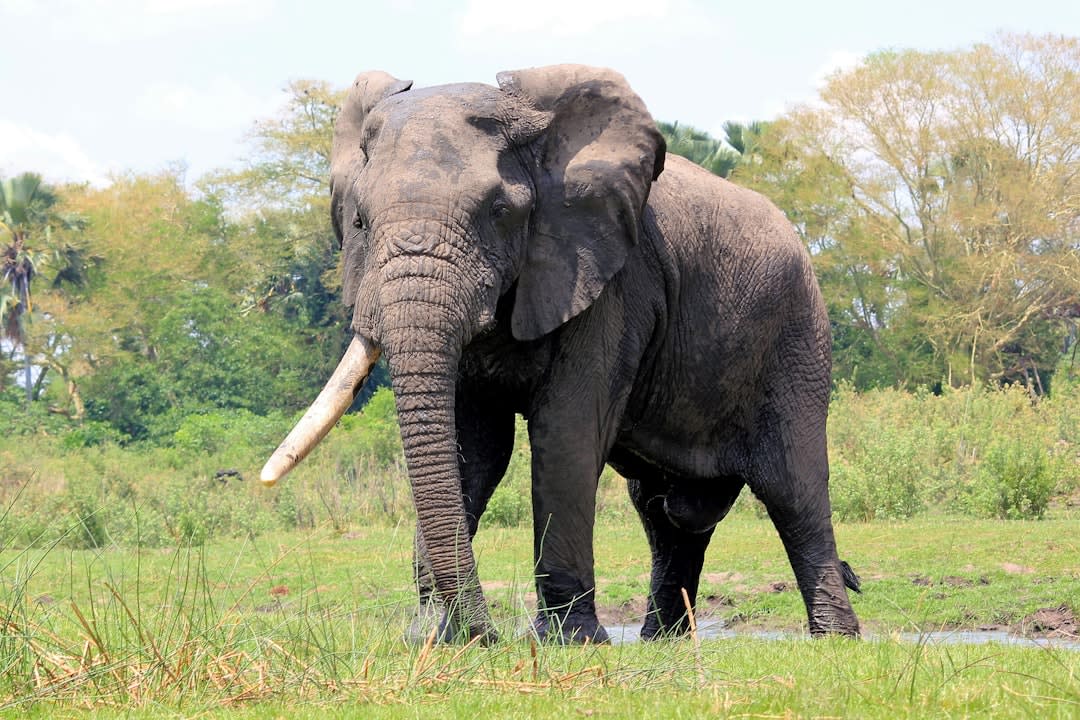
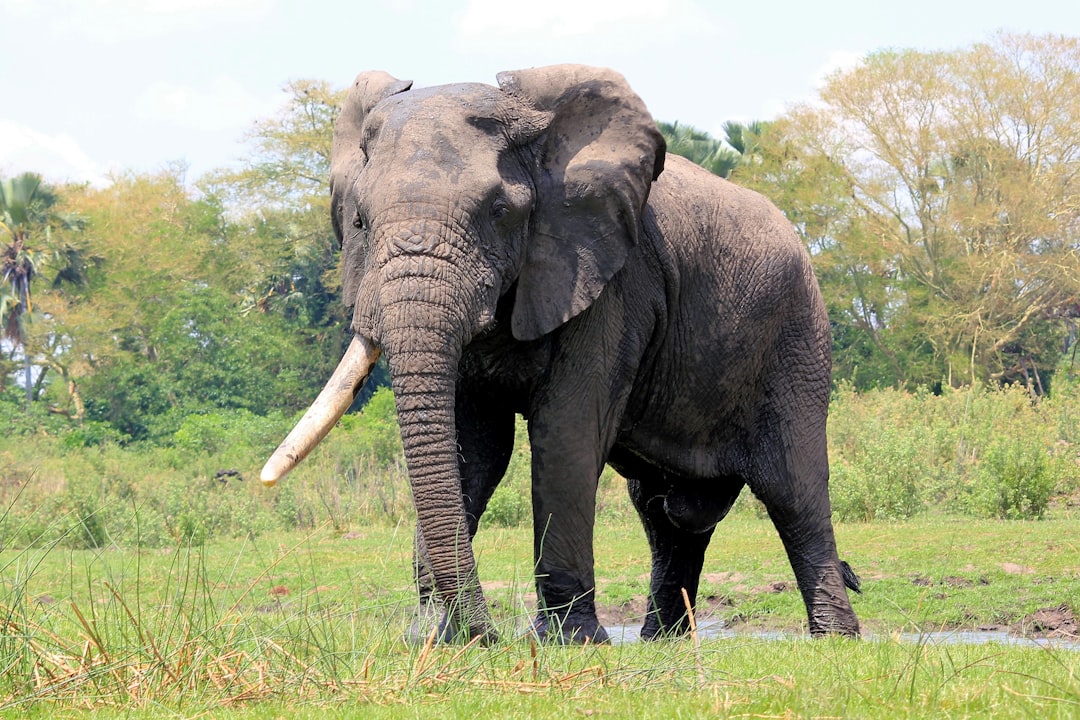
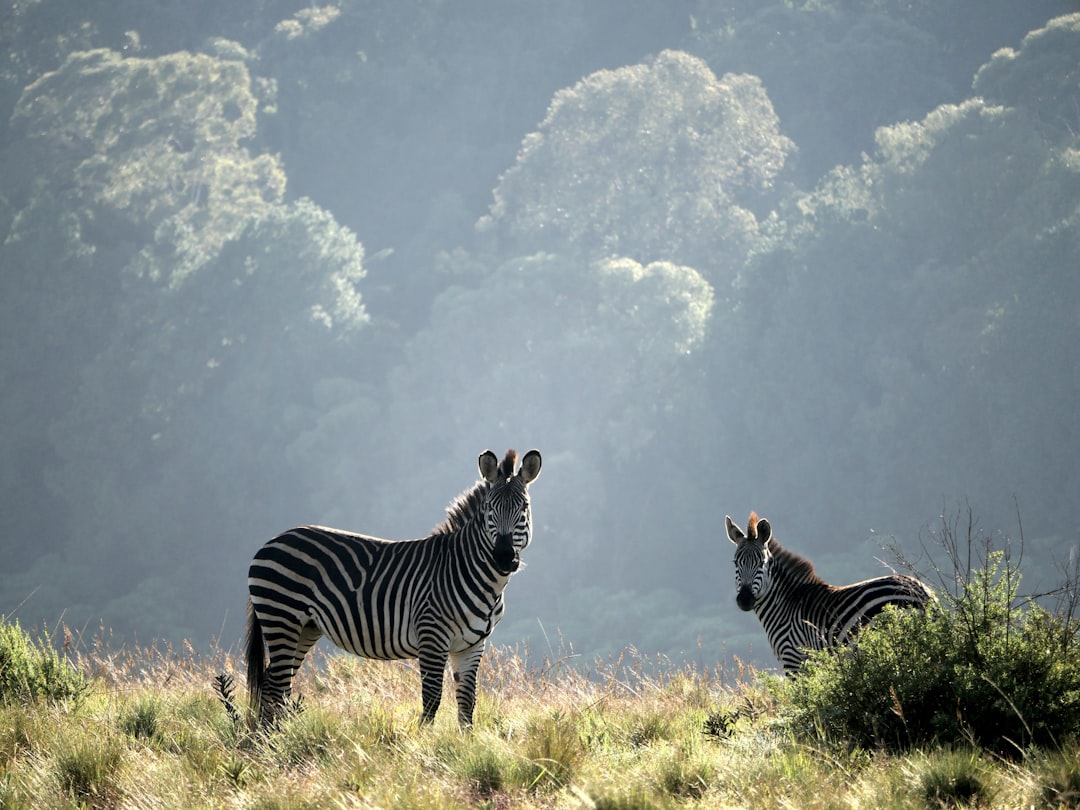
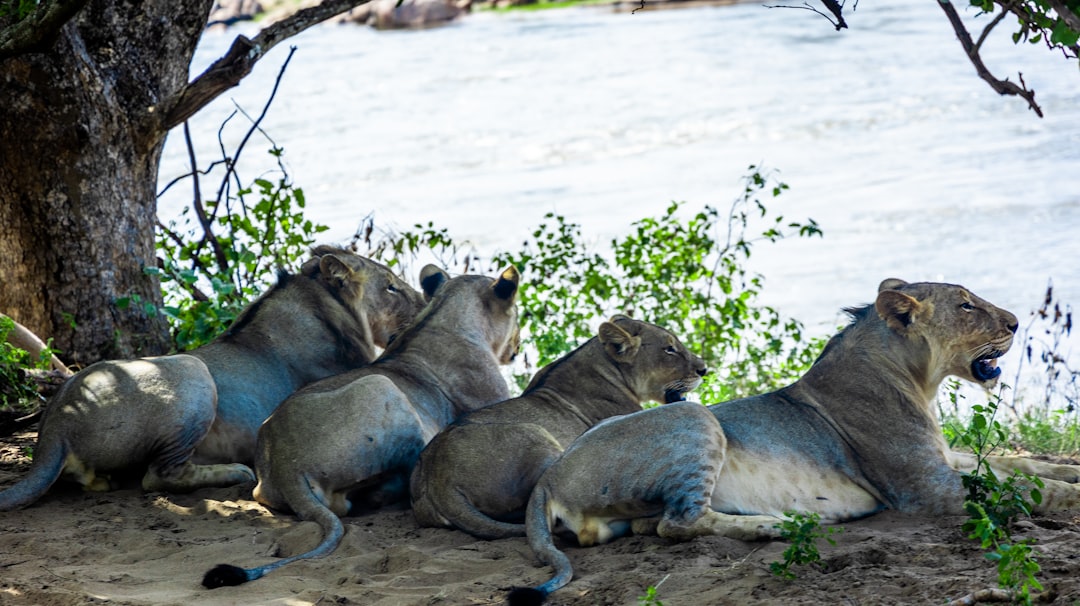
Malawi Safari features the Big Five (lion, leopard, elephant, buffalo, and rhinoceros) plus dozens of other species including zebras, giraffes, hyenas, and wild dogs. The country sits in one of Africa's least-visited safari regions, meaning you encounter fewer tourists and more authentic wildlife interactions.[4] Guides lead these drives in open vehicles, offering insights into animal behaviors and ecosystems that enhance your understanding of African wildlife.
Night Safari, by contrast, operates during evening and nighttime hours when nocturnal animals emerge. Guides use spotlights to locate creatures active only after sunset—hyenas, aardvarks, bush babies, owls, and various insects.[1] Night safaris reveal a completely different animal kingdom invisible during day drives, showing predator behaviors and feeding patterns impossible to witness in daylight.
The key difference: Malawi Safari provides daytime diversity across many species, while night safaris focus on specialized nocturnal behavior. Malawi's reserves offer a wide range of activities beyond traditional game drives, making your safari experience more diverse and rewarding.[6] In places like Majete and Liwonde, you can enjoy both day and night drives, giving you the complete 24-hour wildlife experience.
Malawi Safari delivers encounters with over 60 mammal species across its reserves. Liwonde National Park hosts large elephant herds, buffalo concentrations, and regular lion sightings. Majete Wildlife Reserve features leopards, hyenas, and wild dogs in smaller but more intimate settings.[6] Guides track animals using fresh spoor, bird calls, and ecosystem knowledge built over years of experience.
Morning game drives in Malawi yield the highest wildlife activity. Lions hunt during cool hours, elephants move toward water sources, and herbivores graze actively.[3] You'll see zebras, impalas, kudus, and waterbucks in herds. Late afternoon drives catch predators emerging from rest, birds returning to roosts, and animals gathering at waterholes.
Leopard sightings happen regularly in Malawi, especially in Majete. These elusive cats are easier to spot here than in crowded parks like the Serengeti. Wild dog packs roam Liwonde, offering dramatic hunting sequences if you're patient. Hyenas are virtually guaranteed—you'll hear their calls at night near camp and see them on drives searching for scavenged meals.
The advantage: You see diverse animals across the full ecosystem in natural behaviors. Malawi's lower tourist density means guides spend more time with sightings rather than racing to next stops.[4] You experience authentic safari without feeling like part of a convoy.
Night Safari Wildlife Encounters
Night safaris reveal 15-20 nocturnal species completely absent during day drives. Hyenas become the stars—you observe their den dynamics, see cubs playing, and watch paw prints near camp.[1] Bush babies emerge from trees, their large eyes reflecting spotlights. Aardvarks dig frantically for termites. Porcupines shuffle across roads. Owls call from branches while hunting small mammals.
Spotlighting reveals insects swarming around vegetation—beetles, moths, spiders—that form the foundation of nocturnal food chains. Frogs chorus near water sources. Nightjars call from the ground. Genets and civets hunt small prey with incredible agility.[1] You witness predator-prey interactions impossible to see in daylight.
The advantage: Night safaris show animal behavior you cannot witness any other way. Hyena social structures, nocturnal hunting techniques, and nighttime ecosystem dynamics become visible. Photographers capture unique spotlit compositions. Night drives typically last 2-4 hours, offering focused, intensive viewing of specialized species.
Which Sees More Wildlife Total?
Malawi Safari sees more total wildlife species—60+ mammals versus 15-20 nocturnal specialists. However, night safaris show deeper behavioral insights into fewer animals. A 7-day Malawi safari with included night drives gives you maximum diversity: daytime herbivores, predators, and ecosystem interactions plus nighttime nocturnal specialists and hunting behaviors.
Most experienced travelers combine both: day drives for Big Five and diverse daytime species, night drives for nocturnal specialization. This combination, available at major Malawi reserves, provides complete 24-hour wildlife coverage.
Cost Comparison: Malawi Safari vs Night Safari in 2026
Malawi Safari packages cost significantly less than comparable experiences in Kenya or Tanzania. A 5-day Malawi safari ranges from $1,200-$2,000 per person with mid-range operators. Seven-day packages run $1,800-$2,500 per person.[5] These prices include accommodation, meals, guides, and game drives. Malawi delivers intimate wildlife experiences at prices 30-40% cheaper than Kenya or Tanzania competitors.[4]
Night safaris add $100-$300 per drive to your base safari cost. A single night drive costs $100-$150 per person at most Malawi reserves. Multi-night packages (3-4 drives) run $250-$300 total, offering better value than single drives. Night safaris are typically add-ons rather than standalone packages, so you book them alongside day safari components.
Total cost for a complete Malawi experience: A 7-day package with 3-4 night drives runs $2,200-$2,800 per person. This includes all day drives, night drives, accommodation, meals, and guides. For comparison, similar experiences in Kenya cost $3,500-$4,500; Tanzania costs $3,000-$4,200.[4]
Budget breakdown for a 7-day Malawi safari with night drives:
Best Time to Visit: Seasonal Wildlife Availability
Malawi Safari Season
The best time for Malawi Safari is May through October, the dry season. During these months, vegetation thins, water concentrates at remaining sources, and animals gather predictably. Wildlife viewing success peaks from June-August when water becomes scarce and animals must visit waterholes daily.[3] This is also peak season for night safaris—drier ground makes nocturnal animal tracking easier, and animals move more actively after sunset.
May and September-October offer advantages: lower prices, fewer tourists, and still-excellent wildlife viewing. These shoulder months cost 20-30% less than peak June-August rates.[5] Animals remain active but you encounter quieter camps and more personal guide attention.
November-April is wet season. Vegetation becomes dense, animals disperse widely, and roads become muddy. However, bird watching improves dramatically, and prices drop 40-50%. Only visit wet season if you prioritize birds or budget over Big Five viewing.
Night Safari Season
Night safaris operate year-round but work best during dry season (May-October) when nocturnal animals move more predictably. June-August offers peak night safari conditions: clear skies, concentrated animal populations, and reliable sightings.[1] Dry season means harder ground for tracking spoor and easier vehicle movement through reserves.
Wet season night safaris still work—animals remain active—but muddy roads slow drives and rain interferes with spotlighting. Most operators recommend May-October for night safaris, though they run April-September at minimum.
Book Malawi Safari with night drives during June-August for maximum wildlife viewing. This timing combines peak daytime sightings with ideal night safari conditions. Expect to pay peak prices but guarantee excellent wildlife encounters. If budget is tight, visit May or September-October for 20-30% savings with still-strong sightings.
Practical Guide: How to Plan Your Safari
Getting to Malawi
Most travelers fly into Lilongwe International Airport (LLW), Malawi's capital. Direct flights from major African hubs like Johannesburg take 2-3 hours. From Europe or North America, expect 1-2 connections and 16-24 hours total travel.[7] Domestic flights connect Lilongwe to safari lodges in Liwonde and Majete (45 minutes to 1 hour each).
Ground transfers from airport to lodge typically cost $100-$200 per vehicle. Most safari packages include these transfers. Book them through your operator rather than arranging independently.
Choosing Your Reserve
Liwonde National Park is Malawi's largest reserve with the best Big Five viewing. It offers both day and night drives, river cruises, and walking safaris. Majete Wildlife Reserve is smaller, more intimate, and excellent for leopard viewing. Nkhotakota Wildlife Reserve offers remote experiences with fewer tourists.[6]
For first-time safari travelers combining day and night drives, Liwonde works best. For experienced travelers seeking leopard specialization, Majete excels. For pure solitude, Nkhotakota offers authentic African wilderness.
Booking Tips
Book your Malawi safari 3-6 months in advance to secure top lodges and guides. Peak season (June-August) fills quickly, especially for night drive packages. Shoulder seasons (May, September-October) offer better availability and lower prices without sacrificing wildlife viewing.[5]
Use SafariFind to browse verified operators, compare packages, and read authentic traveler reviews. Request quotes from 3-4 operators to compare pricing and included experiences. Ask specifically about night drive frequency—some packages include 1 night drive; premium packages include 3-4.
Essential gear for Malawi safaris includes binoculars (10x42 recommended), camera with telephoto lens, lightweight clothing in earth tones, sun protection (hat, sunscreen, sunglasses), and a good headlamp for night drives.[3] Bring layers—early mornings are cool despite hot days. Mosquito repellent is essential year-round, particularly for malaria prevention.
For night safaris specifically, bring a red headlamp (red light preserves night vision better than white light). Wear dark clothing to avoid spotlighting glare. Bring a small notebook to record nocturnal species observations.
Health and Safety
Consult your doctor about malaria prophylaxis before traveling to Malawi. Malaria is present year-round, particularly in lower-altitude areas. Vaccinations for yellow fever, typhoid, and routine immunizations are recommended.[8] Drink only bottled or treated water. Malawi is generally safe for tourists, especially in established safari areas with reputable operators.
Verdict: Malawi Safari offers better overall value with more diverse wildlife and lower cost. Night safaris excel at specialization but work best as an add-on to day safaris rather than standalone experiences. Combining both gives you complete 24-hour wildlife coverage.
Why Choose Malawi Safari Over Other African Destinations
Malawi Safari offers exceptional value compared to Kenya, Tanzania, and Botswana. Prices run 30-40% lower while wildlife viewing quality remains competitive.[4] You experience intimate encounters with fewer tourists clogging the roads. Guides focus attention on your group rather than rushing to next stops on crowded itineraries.
Malawi's reserves combine day and night safari options at single locations. Liwonde and Majete offer both experiences without traveling between different parks. This convenience saves time and money compared to combining day safaris in one country with night safaris in another.
The human element matters too. Malawi operators prioritize personal service. You develop relationships with guides over multi-day packages. Camp staff remember your preferences. This hospitality creates memorable experiences beyond wildlife viewing alone.
Malawi also offers unique activities beyond game drives. Walking safaris let you track animals on foot. River cruises on the Shire River provide alternative viewing angles. Cultural visits to local villages add context to your safari experience. These activities are rarely included in Kenya or Tanzania packages at comparable prices.
Book your Malawi safari 3-6 months ahead during May-October dry season to save 20-30% compared to peak June-August rates while maintaining excellent wildlife viewing.
Choose Malawi Safari for diverse daytime wildlife (60+ species) at 30-40% cheaper prices than Kenya or Tanzania—expect $1,200-$2,500 for 5-7 days including meals and guides.
Add night safaris ($100-$300 per drive) to your Malawi package for specialized nocturnal viewing of hyenas, bush babies, and hunting behaviors impossible to see during daylight hours.
Visit Liwonde National Park for Big Five reliability and balanced day-night safari options; choose Majete Wildlife Reserve for intimate leopard viewing and fewer tourists on game drives.
Combine day and night drives in Malawi for complete 24-hour wildlife coverage—this integrated approach costs less than booking separate day and night safari destinations elsewhere in Africa.
Frequently Asked Questions
How many animals will I see on a Malawi Safari vs Night Safari?
Malawi Safari shows 60+ mammal species across daytime hours, with typical sightings including 10-15 species per drive. Night safaris reveal 15-20 nocturnal species, with hyenas, bush babies, and aardvarks being most common. Most travelers see 8-12 nocturnal animals per night drive. Combining both experiences gives you 40-50 different species over a week, covering day and night ecosystems completely.
What's the best time to see the Big Five in Malawi?
June-August is the best time to see Malawi's Big Five during the dry season when animals concentrate at waterholes and vegetation thins. Lion sightings are most reliable in Liwonde National Park during these months. Leopard viewing peaks in Majete Wildlife Reserve from July-September. Buffalo herds are visible year-round but most concentrated June-August. Elephant herds are largest during dry season. Rhinoceros sightings are rare but possible in Majete.
Can I do night safari without a day safari in Malawi?
Night safaris are designed as add-ons to day safari packages rather than standalone experiences. Most operators require you to book a minimum 3-5 day day safari package before adding night drives. This makes sense because night drives last only 2-4 hours, while full days accommodate 6-8 hours of game viewing. A typical arrangement is 5 day drives plus 3-4 night drives over a week. Standalone night safaris are rare and less cost-effective.
How much does a 7-day Malawi Safari cost in 2026?
A 7-day Malawi safari costs $1,800-$2,500 per person as of 2026, including accommodation, meals, day game drives, and guide services. Adding 3-4 night drives increases the total to $2,200-$2,800 per person. Premium lodges cost $2,500-$3,500 per person; budget options run $1,200-$1,500. Prices are 30-40% lower than Kenya or Tanzania packages with equivalent experiences. Book through SafariFind to compare verified operators and find the best value for your budget.
What wildlife do night safaris show that day safaris don't?
Night safaris reveal hyena dens with cubs, bush babies in trees, aardvarks digging for termites, and owls hunting. You see nocturnal insects, frogs, and spiders that form the foundation of nighttime food chains. Spotlighting reveals animal behaviors impossible in daylight—hyena social hierarchies, genets hunting with incredible agility, and porcupines moving across roads. Night safaris show predator-prey interactions and hunting techniques that daylight hours never reveal. These specialized sightings add depth to your wildlife understanding beyond daytime observations.
Which Malawi reserve offers the best combination of day and night safaris?
Liwonde National Park offers the best balance of day and night safari experiences. It has the highest wildlife density, best Big Five viewing, and reliable night safari infrastructure. Majete Wildlife Reserve specializes in leopard viewing and offers intimate night experiences with fewer tourists. Both reserves offer 3-4 night drive options weekly. For first-time safari travelers, Liwonde is ideal. For experienced visitors seeking leopard specialization, Majete excels. You can combine both reserves in a 7-10 day itinerary for maximum diversity.
Should I book a Malawi safari through SafariFind?
Yes. SafariFind connects you with verified tour operators offering authentic Malawi safari packages with real traveler reviews. You can compare prices, durations, inclusions, and ratings from multiple operators simultaneously. Read reviews from previous travelers to avoid booking with inexperienced guides or poorly-maintained lodges. Request quotes from 3-4 operators to negotiate better rates. SafariFind's verified operator system protects your investment and ensures professional service throughout your safari experience.
Conclusion: Making Your Choice
Malawi Safari delivers superior wildlife diversity, better value, and flexible day-night viewing combinations compared to standalone night safaris. You see 60+ mammal species at 30-40% cheaper rates than Kenya or Tanzania competitors. Most importantly, Malawi reserves offer integrated day and night experiences at single locations, eliminating the need to book separate destinations.
Night safaris add specialized nocturnal viewing to your Malawi experience. A 7-day package with 3-4 night drives costs $2,200-$2,800 per person and covers both daytime and nighttime wildlife ecosystems completely. This combination provides the most comprehensive African safari experience available in 2026.
The best strategy: Book a 5-7 day Malawi safari during dry season (May-October) with included night drives. Choose Liwonde National Park for balanced wildlife viewing or Majete for leopard specialization. Use SafariFind to compare verified operators, read authentic reviews, and request quotes from multiple providers. This approach maximizes your wildlife encounters while minimizing costs and logistical complexity.
Your African safari awaits. Malawi offers the wildlife, value, and flexibility to make it unforgettable. Start planning today by exploring verified safari packages and reading real traveler reviews on SafariFind.
Plan Your Safari with SafariFind
These recommendations use real data from SafariFind, where you can compare operators, browse packages, and read verified traveler reviews before you book.
What Travelers Say (SafariFind Reviews)
5★ - "Thank you for organizing an incredible experience! It’s clear that this journey was a perfect blend of relaxation, adventure, networking and breathtaking natural beauty. Starting at Kenya Namanga, the adventure through T" - Ms Temz • Verified review
"Thank you for organizing an incredible experience! It’s clear that this journey was a perfect blend of relaxation, adventure, networking and breathtaking natural beauty. Starting at Kenya Namanga, the adventure through Tanzania, Malawi, Zambia, Zimbabwe, Botswana, and Namibia truly was a dream itinerary. Chitimba Beach and Kande beach in Malawi brings its magic to life—the pristine sands, tranquil waters, and, of course, the breathtaking sunrise and sunset of Lake Malawi. The transition to Zambia and the awe-inspiring Victoria Falls was beautiful. The sheer power of the falls, combined with the thrilling bungee jump over the Zambezi Gorge, was an exciting experience.Exploring the falls from the Zimbabwean side and the lush rainforest walk sounds like the perfect complement to this natural wonder. The wildlife encounters in Chobe National Park, Botswana, and the surreal landscapes of Sossusvlei in Namibia seem to have added layers of depth and diversity to my journey. The detailed planning and seamless logistics of the trip truly shine through, ensuring that we were able to enjoy each destination without worry. Thank you for the accommodations, felt home away from home, the guide and overall organization was impeccable It’s clear that this journey wasn't just a trip—it was an unforgettable adventure packed with moments of awe and wonder. Highly recommended for anyone looking for the perfect mix of thrill, culture, and nature! Looking forward to travel with you😊"
Ms Temz•4/22/2026
5★ - "We are really excited about our safari! We booked a 4 day safari, visiting Tarangire, Serengeti and Ngoro Ngoro cCater. Our guide Zighy was always there, kept us safe and allowed us to see lots of animals and birds, all " - Corinne • Verified review
"We are really excited about our safari! We booked a 4 day safari, visiting Tarangire, Serengeti and Ngoro Ngoro cCater. Our guide Zighy was always there, kept us safe and allowed us to see lots of animals and birds, all big fives, without pressure and allowing us to fully enjoy the experience. Zighy is a special person, very respectful of the people, flora and fauna of the savannah. Doudi, the manager of Meijo Safaris, was kind, he explained to us before the safari what to expect and then came back at the end of the safari to get feedback. The hotels and lodges were comfortable, the one in Serengeti is very special (Malawi), and the staff very nice. The chefs have been great! We will recommend this unforgettable safari to our friends. Thanks Meijo Safaris!"