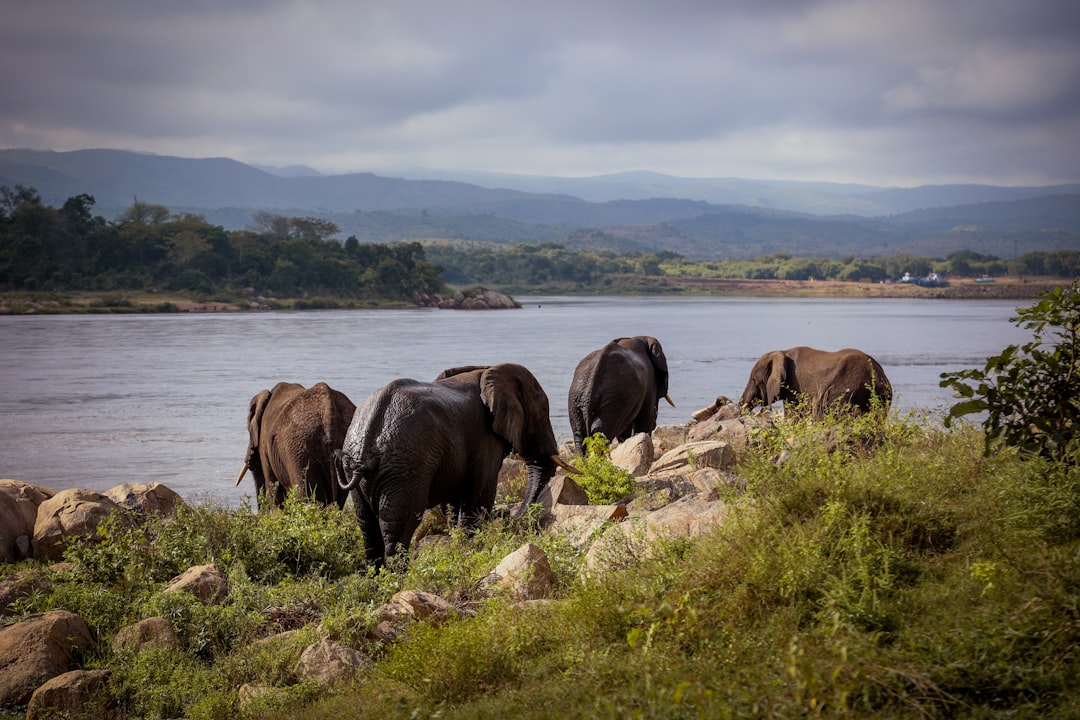
Malawi Safari in July–September 2026: Dry Season Wildlife Guide
Malawi safari July–September 2026 offers affordable wildlife viewing in the dry season. See elephants, hippos, and birds. Budget $1,500–$3,500 per person for 7 days.
Great Zimbabwe Tours 2027: Entry Fees and Package Costs
Discover Great Zimbabwe Tours 2027: Entry Fees and Package Costs - Expert guide to safari tourism and wildlife destinations.
5 min read
Malawi Safari July–September: Dry Season Guide
Last updated: July 2026
Malawi's dry season from July to September 2026 offers excellent wildlife viewing, with animals concentrated around water sources and clear skies for sightings. A 7-day safari costs $1,500–$3,500 per person. This period is ideal for budget travelers seeking authentic African experiences without the crowds of Kenya or Tanzania.
At a Glance
Cost: $1,500–$3,500 per person for 7 days
Best time: July–September (dry season, clear skies, concentrated wildlife)
Duration: 5–10 days recommended
Best for: Budget travelers, bird watchers, water-based activities, cultural experiences
Wildlife highlights: Elephants, hippos, crocodiles, antelope, 600+ bird species
Getting there: Fly to Lilongwe International Airport; drive 2–4 hours to parks
Malawi safari in the July–September dry season is an affordable African wildlife adventure that combines exceptional game viewing with untouched landscapes and genuine local culture.[1] The dry season creates ideal conditions for spotting animals as they gather at remaining water sources, and the thinned vegetation makes sightings clear and frequent.[1] Unlike crowded safaris in Kenya or Tanzania, Malawi remains relatively undiscovered, offering authentic experiences at lower prices.
Why July–September Is Peak Safari Season
The dry season transforms Malawi's landscape into a wildlife lover's paradise. Temperatures cool between June and August, with daytime highs around 75–80°F (24–27°C).[1] Animals concentrate near rivers and waterholes, making them easier to find. Vegetation thins dramatically, allowing unobstructed views of game.
September marks the best balance between weather and wildlife activity.[1] The occasional windy spells stop, and clear skies dominate. Most vegetation becomes sun-burnt and sparse, yet the heat hasn't become intense. This timing attracts seasoned safari-goers who know the sweet spot for sightings.
Malawi's Unique Safari Appeal
Malawi offers something Kenya and Tanzania cannot: intimacy. The country has fewer safari operators and less tourist infrastructure, meaning you'll encounter fewer vehicles at wildlife sightings.[1] Lake Malawi, Africa's third-largest lake, adds a unique dimension—you can combine bush safaris with water-based activities like diving, snorkeling, and fishing.
The culture component is equally compelling. July–September is ideal for visiting local tea estates in Thyolo and bustling markets in Lilongwe and Blantyre, where mangoes, papayas, and pineapples pile high in colorful abundance.[2] You'll meet Malawian people, learn about their traditions, and support local communities directly.
Key Features of July–September Safaris
The dry season brings predictable conditions perfect for planning. Rainfall is minimal, roads are passable, and lodges operate at full capacity. You'll enjoy:
Clear skies ideal for photography and wildlife spotting
Concentrated game around water sources for reliable sightings
Cooler temperatures comfortable for long game drives
Lower prices than peak East African seasons
Smaller tourist groups and fewer vehicles at sightings
Excellent bird watching (600+ species in Malawi)
Where to Safari: Malawi's Top Parks
Malawi has several exceptional safari destinations, each offering distinct wildlife experiences. The main parks are accessible by road from Lilongwe and offer varied accommodation options. Choose based on your interests and budget.
Liwonde National Park
Liwonde National Park is Malawi's premier safari destination.[1] Located in the southern region, it stretches 548 square kilometers along the Shire River. The park is known for its massive elephant population, hippos, crocodiles, and diverse antelope species. During dry season, animals concentrate along the river, making sightings almost guaranteed.
The park offers both vehicle safaris and boat safaris on the Shire River, a unique advantage. Boat safaris let you spot hippos and crocodiles at water level while avoiding the dust of game drives. May through October is peak season, with June, July, and August offering peak sightings.[1] A 3-day Liwonde package costs $800–$1,500 per person depending on lodge choice.
Nkhotakota Wildlife Reserve covers 1,800 square kilometers in central Malawi. It's less visited than Liwonde, offering a more remote experience. The reserve is home to large elephant herds, buffalo, zebra, and numerous antelope species. Bird watching is exceptional, with over 400 bird species recorded.
Nkhotakota is ideal if you prefer fewer tourists and a wilder atmosphere. July–September brings excellent game viewing as animals gather around water sources. The reserve has fewer lodges than Liwonde, so accommodation is more basic and affordable ($40–$150 per night). Access requires a 4-5 hour drive from Lilongwe on sometimes rough roads, but the effort rewards you with authentic, uncrowded safari experiences.
Kasungu National Park
Kasungu National Park, also in central Malawi, covers 2,300 square kilometers. It's one of Malawi's largest parks but sees fewer visitors than Liwonde. Game density is lower, but you'll find elephants, buffalo, antelope, and good bird watching opportunities. The park suits travelers seeking solitude and a genuine wilderness experience.
Accommodation is limited and basic, making Kasungu the most budget-friendly option. A 3-day visit costs $600–$1,200 per person. The dry season (July–September) is best for viewing, though game sightings are less predictable than at Liwonde.
Lake Malawi National Park
Lake Malawi National Park is Africa's only freshwater lake national park. It's perfect if you want to combine safari with water activities. The park protects the lake's shoreline and islands, offering diving, snorkeling, fishing, and beach relaxation. July–September provides warm, clear water (15+ meters visibility) ideal for underwater exploration.[8]
The park has 600+ fish species unique to Lake Malawi. You'll also see hippos, crocodiles, and waterbirds along the shore. Many travelers combine a 3-day bush safari in Liwonde with 2–3 days at Lake Malawi for a balanced experience. Total cost: $1,500–$2,500 for 5 days combining both destinations.
Malawi's dry season concentrates wildlife around water sources, making sightings reliable and frequent.[1] You can expect to see the major African animals plus unique bird species found nowhere else. For detailed species information, explore the complete Malawi safari animals guide by park on SafariFind.
Large Animals
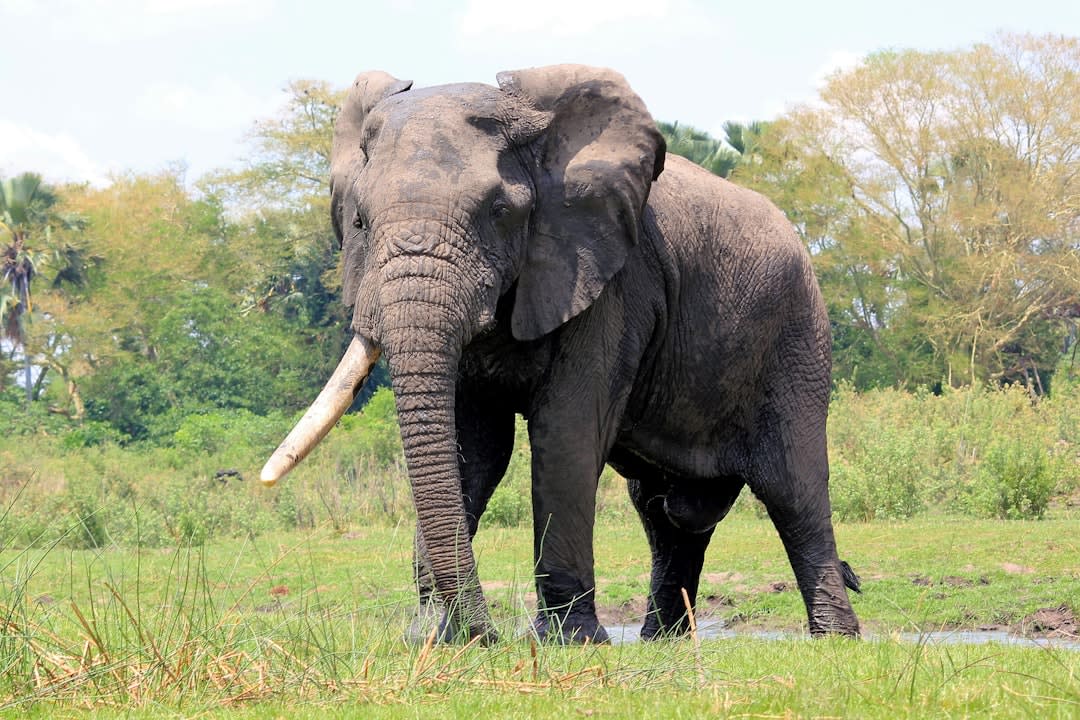
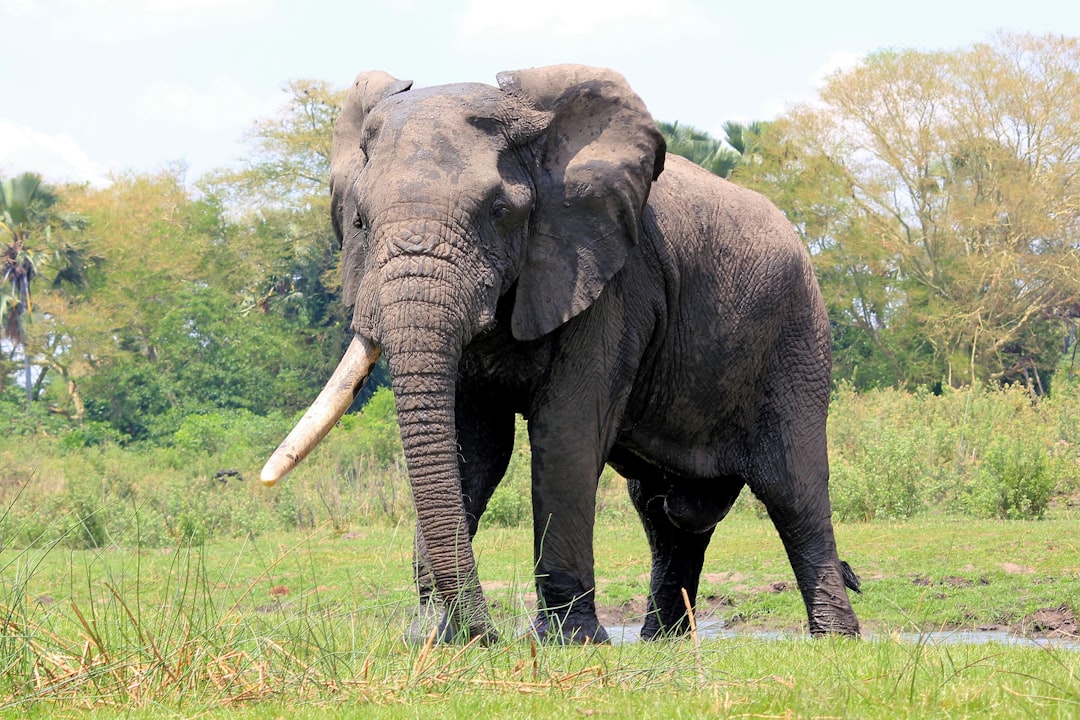
Elephants are Malawi's signature animal. Liwonde alone has over 600 elephants, and dry season brings them to the Shire River daily for water and mud baths. You'll see family groups, bulls, and calves. Hippos are equally abundant—Liwonde's river section hosts hundreds. Expect to see them submerged during the day and grazing at night from your lodge.
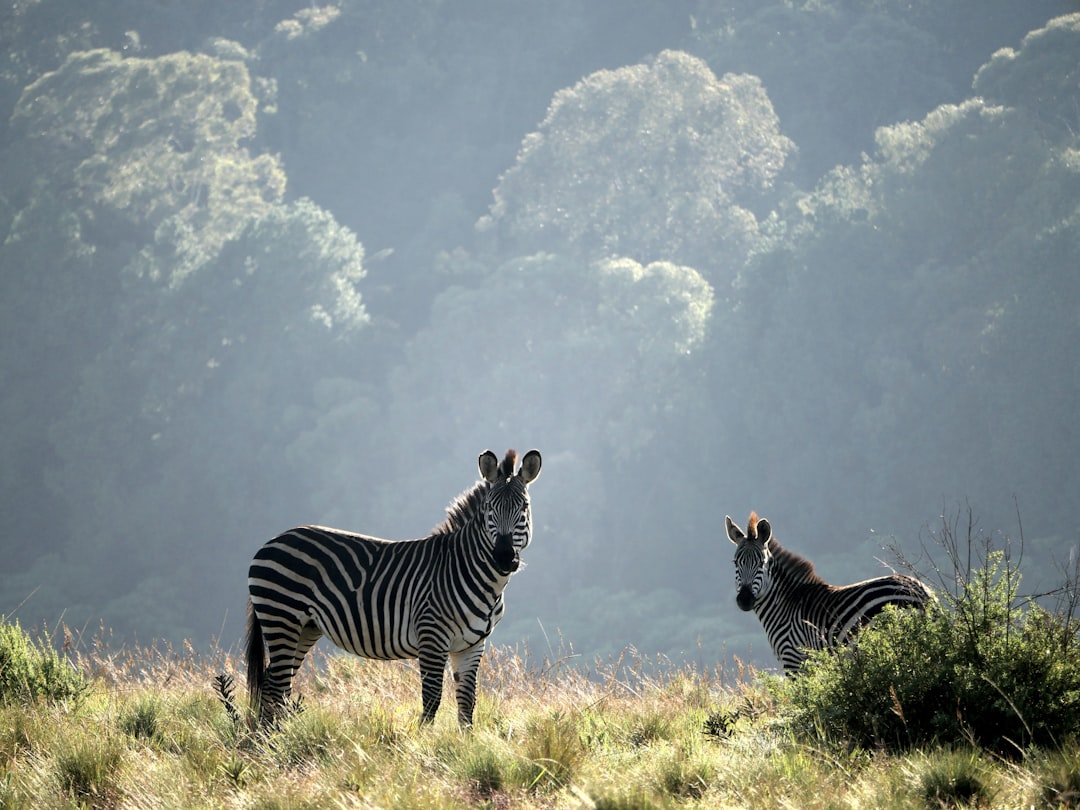
Buffalo herds roam the parks, especially Nkhotakota and Kasungu. Zebras, impalas, kudus, and other antelope species are common. Crocodiles are plentiful in rivers and lakes—some exceed 15 feet in length. Predators like lions and leopards exist but are rarely seen; hyenas are more common. Warthogs, baboons, and various monkey species round out the mammal list.
Bird Watching Paradise
Malawi hosts over 600 bird species, making it a world-class bird watching destination.[1] The dry season is prime for bird watching because animals gather at water sources, concentrating birds too. July–September brings resident and migrant species. Common sightings include eagles, fish eagles, kingfishers, herons, egrets, and colorful bee-eaters.
Lake Malawi adds aquatic birds: cormorants, darters, and African skimmers. The lake's cichlid fish attract specialized birds like African Fish Eagles. If you're a serious birder, hire a bird-specialized guide for $30–$50 extra per day—they'll spot species you'd miss alone.
Seasonal Wildlife Patterns
July brings the coolest temperatures and peak water concentration. Animals are thirsty and predictable. August continues excellent sightings as heat builds. September sees animals more dispersed as occasional rains create scattered water sources, yet sightings remain good.[1] By late September, some animals begin moving away from parks as wet season approaches, but July–mid-September remains prime time.
Planning Your Malawi Safari: Costs and Logistics
A typical 7-day Malawi safari in July–September 2026 costs $1,500–$3,500 per person, depending on lodge category and activities included.[1] This is 40–60% cheaper than comparable Kenya or Tanzania safaris. Breaking down the costs helps you budget accurately.
Accommodation Costs
Budget lodges cost $40–$100 per night and offer basic but clean rooms, shared or private bathrooms, and simple meals. Mid-range lodges ($100–$250 per night) provide better amenities, en-suite bathrooms, good food, and knowledgeable guides. Luxury lodges ($250–$500+ per night) offer premium rooms, fine dining, and personalized service.
For a 7-day safari with 6 nights accommodation: budget travelers spend $240–$600 on lodging; mid-range travelers spend $600–$1,500; luxury travelers spend $1,500–$3,000. Most safaris combine lodge types—perhaps 3 nights mid-range in Liwonde and 3 nights budget in Nkhotakota. For specific lodge options, compare Malawi safari lodges under $300/night on SafariFind.
Game Drive and Activity Costs
Guided game drives cost $50–$100 per person per half-day (4 hours). A 7-day safari includes 12–14 game drives, totaling $600–$1,400. Boat safaris on the Shire River or Lake Malawi cost $40–$80 per person per trip. Walking safaris with armed guides cost $30–$60 per person. Most lodges bundle game drives into package prices, so you won't pay separately.
Food and Drinks
Meals at budget lodges ($8–$15 per day) include simple but filling dishes: nsima (cornmeal), relish, vegetables, and occasional chicken or fish. Mid-range lodges ($20–$40 per day) offer more variety and better quality. Alcohol is cheap: local beer costs $1–$2 per bottle; wine costs $8–$15 per bottle. Budget $100–$300 for drinks over 7 days.
Flights and Transportation
International flights to Lilongwe International Airport cost $600–$1,500 from the UK or US (round-trip), depending on season and advance booking. Domestic transportation from Lilongwe to parks costs $50–$150 by vehicle (2–4 hour drive). Most safari packages include vehicle transfers from the airport.
Sample 7-Day Budget Breakdown
Category
Budget Option
Mid-Range Option
Luxury Option
Accommodation (6 nights)
$240–$300
$600–$900
$1,500–$2,000
Game drives (12)
$600–$800
$800–$1,000
Included
Meals (6 days)
$50–$90
$120–$240
Included
Drinks & tips
$100–$150
$150–$250
$250–$400
Total (excluding flights)
$990–$1,340
$1,670–$2,390
$2,250–$3,400
Adding international flights ($600–$1,500): total cost ranges from $1,590–$2,840 (budget) to $2,850–$4,900 (luxury). Most travelers choose mid-range, spending $2,270–$3,890 total. Review detailed Malawi safari cost breakdowns on SafariFind to understand where your money goes.
Reaching Malawi requires international flights and ground transportation. Most travelers fly into Lilongwe, the capital, then drive to safari parks. The process is straightforward but requires planning.
Flying to Lilongwe
Lilongwe International Airport (LLW) is Malawi's main hub. Major airlines serving Lilongwe include Kenya Airways (via Nairobi), Ethiopian Airlines, South African Airways, and others. Direct flights from London or New York don't exist; expect one stop in Kenya, Tanzania, Ethiopia, or South Africa. Flight duration: 12–18 hours total including connections.
Book flights 2–3 months ahead for best prices. July–September is shoulder season (not peak), so fares are moderate. Expect to pay $600–$1,200 round-trip from the UK; $800–$1,500 from the US. Visa requirements: UK, US, and EU citizens get 30-day tourist visas on arrival for free. Bring your passport, return flight confirmation, and accommodation proof.
Ground Transportation
From Lilongwe airport to Liwonde National Park: 220 km (2.5–3 hours by car). To Nkhotakota: 160 km (2.5 hours). To Lake Malawi: 300 km (4 hours). Most safari packages include airport pickup and drop-off. If booking independently, hire a driver through your lodge or use a taxi service ($30–$80 for the journey).
Within parks, you'll travel by 4x4 safari vehicle with a guide. Vehicles are open-sided, offering excellent game viewing and photography angles. Roads are rough but passable. Bring motion sickness tablets if prone to car sickness.
Health and Safety Considerations
Malawi is generally safe for tourists. Petty theft occurs in cities but is rare in safari lodges and parks. For health: malaria is present in low-lying areas like Liwonde and Lake Malawi. Take antimalarial medication (Doxycycline, Atovaquone-Proguanil, or Mefloquine) starting 1–2 days before arrival and continuing 4 weeks after departure. Use mosquito repellent, sleep under nets, and wear long sleeves at dawn and dusk. For comprehensive health and safety information, review the Malawi safety and health guide for 2026 on SafariFind.
Yellow fever vaccination is not required for Malawi entry but is recommended if you've recently visited other African countries. Ensure routine vaccinations are current (tetanus, hepatitis A/B, typhoid). Tap water in lodges is safe; use bottled water in remote areas. Travel insurance is essential—purchase a policy covering medical evacuation.
Best Practices for July–September Safaris
Maximizing your safari experience requires preparation and smart decisions. Follow these practices to see more wildlife, stay comfortable, and support local communities.
Timing and Packing
Book your safari 3–6 months ahead (April–May for July departure) to secure preferred lodges and guides at better rates. Booking early saves 10–20% on peak season prices.[1] Pack layers: mornings (50–60°F) are cool, midday (75–80°F) is warm, and evenings cool again. Bring a light jacket, long-sleeved shirts, and quick-dry pants. Binoculars, camera, and extra batteries are essential. Sunscreen, hat, and sunglasses protect against intense African sun.
Choosing Guides and Operators
Quality guides transform your experience. Experienced guides spot animals you'd miss, share wildlife knowledge, and enhance safety. Request English-speaking guides if that's your preference. Many lodge guides are local Malawians with deep park knowledge. Ask your lodge for guide recommendations, or hire a private guide ($50–$80 per day) for personalized attention.
Book through verified operators on SafariFind to compare tour companies, read authentic reviews, and request quotes. Reputable operators include those with 4.5+ star ratings and 50+ reviews. They handle logistics, guide selection, and problem-solving, reducing stress.
Respecting Wildlife and Culture
Keep at least 20 meters from animals during game drives (guides enforce this). Never feed animals or approach them on foot without an armed guide. Photograph respectfully—avoid using flash at night, which disturbs nocturnal animals. Support local communities by purchasing crafts directly from makers, eating at local restaurants, and hiring local guides. Ask guides about their families and lives; genuine interaction enriches your experience.
Maximizing Wildlife Sightings
Start game drives at dawn (6–7 AM) when animals are most active. Mid-morning (10 AM–noon) is quieter; use this time for rest. Afternoon drives (3–6 PM) catch animals returning to water. Night drives (with spotlights) reveal nocturnal species like bush babies, porcupines, and sometimes leopards. Most lodges offer morning and afternoon drives daily. Request night drives separately ($30–$50 extra).
Stay quiet during drives to avoid startling animals. Ask your guide to slow down near water sources where animals congregate. Bring binoculars to spot distant birds and small animals. Patient observation rewards you—sit quietly by a waterhole for 30 minutes, and you'll see more than driving constantly.
Key Takeaways
Book your Malawi safari 3–6 months ahead (April–May for July departure) to save 10–20% on peak season rates and secure preferred lodges.
Visit Liwonde National Park in July–August for peak elephant and hippo sightings when animals concentrate along the Shire River during the dry season.
Budget $1,500–$3,500 per person for a 7-day safari including accommodation, game drives, and meals—40–60% cheaper than Kenya or Tanzania.
Combine bush safaris with Lake Malawi water activities (diving, snorkeling) for a unique 5–7 day experience blending wildlife and relaxation.
Hire experienced English-speaking guides ($50–$80 per day) and start game drives at dawn to maximize animal sightings and photography opportunities.
Frequently Asked Questions
Is July–September really the best time to visit Malawi for safari?
Yes, July–September is peak dry season with the best combination of wildlife concentration and comfortable weather.[1] Animals gather at water sources, vegetation is sparse for clear sightings, and temperatures are cool (75–80°F daytime). September offers the best balance—occasional windy spells stop, heat builds slowly, and wildlife remains concentrated.[1] This period is ideal for photography and reliable game viewing.
How much does a 7-day Malawi safari cost in 2026?
A 7-day Malawi safari costs $1,500–$3,500 per person excluding international flights, depending on lodge category and activities.[1] Budget options ($1,500–$1,900) use basic lodges and shared vehicles. Mid-range ($2,000–$2,800) offers comfortable lodges and experienced guides. Luxury options ($2,800–$3,500+) include premium lodges and personalized service. Adding international flights ($600–$1,500) brings total costs to $2,100–$5,000 per person.
What wildlife will I see in Malawi during July–September?
Malawi's dry season concentrates large animals around water sources, ensuring reliable sightings.[1] You'll see elephants (especially in Liwonde), hippos, crocodiles, buffalo, zebras, antelope species (impalas, kudus), baboons, and various monkeys. Predators like lions and leopards are rare but possible. Over 600 bird species inhabit Malawi, making it a world-class bird watching destination. Lake Malawi adds aquatic birds and the chance to see hippos and crocodiles from the water.
Is Malawi safer than Kenya or Tanzania for safari travel?
Malawi is generally as safe as Kenya or Tanzania for safari tourism.[1] Safari parks and lodges are secure with armed guides and good security. Petty theft occurs in cities but is rare in remote parks. Malaria is present in low-lying areas—take antimalarial medication as prescribed. Follow standard travel safety practices: avoid walking alone at night in cities, secure valuables, and use trusted operators. For detailed safety information, consult the Malawi safety guide on SafariFind before booking.
Can I combine Malawi safari with other activities or destinations?
Absolutely. Many travelers combine 3–4 days of bush safari in Liwonde with 2–3 days of Lake Malawi water activities (diving, snorkeling, fishing, beach relaxation). This balanced itinerary costs $1,500–$2,500 for 5–7 days total. You can also add cultural experiences: visit local tea estates in Thyolo, explore markets in Lilongwe and Blantyre, or meet local communities.[2] Some operators offer multi-country safaris combining Malawi with Zambia (South Luangwa) or Mozambique (Gorongosa) for 10–14 day trips. Request custom itineraries through verified SafariFind operators.
What should I pack for a July–September Malawi safari?
Pack layers for variable temperatures: cool mornings (50–60°F) require a light jacket; warm middays (75–80°F) need t-shirts; evenings cool again. Bring long-sleeved shirts and quick-dry pants for sun and insect protection. Essential items: binoculars, camera with extra batteries, sunscreen (SPF 50+), hat, sunglasses, and antimalarial medication. A small backpack holds water, snacks, and valuables during game drives. Comfortable walking shoes are essential for lodge activities. Most lodges provide mosquito nets and basic toiletries, but bring your preferred brands. Pack light—most lodges have laundry service.
How do I book a Malawi safari and compare operators?
Browse verified Malawi safari packages on SafariFind to compare tour operators, read authentic traveler reviews, and request quotes. SafariFind lists operators with ratings and review counts, helping you choose trusted companies. You can filter by price, duration, destination park, and traveler type. Contact multiple operators to compare itineraries, inclusions, and pricing. Read reviews from past travelers to assess guide quality, lodge conditions, and wildlife sightings. Book directly with operators or through SafariFind to ensure verified credentials and customer support.
Conclusion
Malawi's July–September dry season offers an exceptional safari experience that rivals Kenya and Tanzania while remaining more affordable and less crowded.[1] The combination of concentrated wildlife, clear skies, cool temperatures, and authentic cultural experiences makes this period ideal for budget-conscious and experienced travelers alike. Liwonde National Park delivers reliable elephant and hippo sightings, while Lake Malawi adds unique water-based activities unavailable in other African destinations.
Planning is straightforward: book 3–6 months ahead to secure preferred lodges and guides, budget $1,500–$3,500 per person for a 7-day safari, and pack appropriately for variable temperatures. Hire experienced guides, start game drives at dawn, and embrace the slower pace that characterizes Malawi tourism. Whether you're a first-time safari traveler seeking value or an experienced adventurer seeking authenticity, Malawi delivers.
Start your journey today by comparing verified safari packages and operators on SafariFind. Read authentic reviews from past travelers, request quotes from multiple companies, and find the perfect itinerary matching your budget and interests. July–September 2026 awaits—secure your spot now for an unforgettable African adventure at a fraction of East African prices.
Plan Your Safari with SafariFind
These recommendations use real data from SafariFind, where you can compare operators, browse packages, and read verified traveler reviews before you book.
What Travelers Say (SafariFind Reviews)
5★ - "Thank you for organizing an incredible experience! It’s clear that this journey was a perfect blend of relaxation, adventure, networking and breathtaking natural beauty. Starting at Kenya Namanga, the adventure through T" - Ms Temz • Verified review
"Thank you for organizing an incredible experience! It’s clear that this journey was a perfect blend of relaxation, adventure, networking and breathtaking natural beauty. Starting at Kenya Namanga, the adventure through Tanzania, Malawi, Zambia, Zimbabwe, Botswana, and Namibia truly was a dream itinerary. Chitimba Beach and Kande beach in Malawi brings its magic to life—the pristine sands, tranquil waters, and, of course, the breathtaking sunrise and sunset of Lake Malawi. The transition to Zambia and the awe-inspiring Victoria Falls was beautiful. The sheer power of the falls, combined with the thrilling bungee jump over the Zambezi Gorge, was an exciting experience.Exploring the falls from the Zimbabwean side and the lush rainforest walk sounds like the perfect complement to this natural wonder. The wildlife encounters in Chobe National Park, Botswana, and the surreal landscapes of Sossusvlei in Namibia seem to have added layers of depth and diversity to my journey. The detailed planning and seamless logistics of the trip truly shine through, ensuring that we were able to enjoy each destination without worry. Thank you for the accommodations, felt home away from home, the guide and overall organization was impeccable It’s clear that this journey wasn't just a trip—it was an unforgettable adventure packed with moments of awe and wonder. Highly recommended for anyone looking for the perfect mix of thrill, culture, and nature! Looking forward to travel with you😊"
Ms Temz•4/22/2026
5★ - "We are really excited about our safari! We booked a 4 day safari, visiting Tarangire, Serengeti and Ngoro Ngoro cCater. Our guide Zighy was always there, kept us safe and allowed us to see lots of animals and birds, all " - Corinne • Verified review
"We are really excited about our safari! We booked a 4 day safari, visiting Tarangire, Serengeti and Ngoro Ngoro cCater. Our guide Zighy was always there, kept us safe and allowed us to see lots of animals and birds, all big fives, without pressure and allowing us to fully enjoy the experience. Zighy is a special person, very respectful of the people, flora and fauna of the savannah. Doudi, the manager of Meijo Safaris, was kind, he explained to us before the safari what to expect and then came back at the end of the safari to get feedback. The hotels and lodges were comfortable, the one in Serengeti is very special (Malawi), and the staff very nice. The chefs have been great! We will recommend this unforgettable safari to our friends. Thanks Meijo Safaris!"