Ask Tembo
Malawi Safari in July 2026: Peak Wildlife & Real Daily Costs

Malawi safari in July 2026 costs $150–$800/night with peak wildlife viewing. Spot Big Five, elephants, hippos in Liwonde & Majete. Book verified operators.
Malawi Safari July 2026: Peak Wildlife & Daily Costs
Last updated: July 2026
A Malawi safari in July 2026 costs $150 to $800 per person per night, with peak wildlife viewing during the dry season. July is ideal for spotting elephants, hippos, and the Big Five in parks like Liwonde and Majete. Book through verified operators on SafariFind to compare packages and read authentic reviews from past travelers.
At a Glance
- Cost per night: $150–$800 per person (budget to luxury in 2026)
- Best time to visit: July–September (dry season, peak wildlife viewing)
- Recommended duration: 5–10 days for full experience
- Getting there: Fly into Lilongwe or Blantyre; connections from Johannesburg ($560–$750)
- Best for: Wildlife photographers, budget travelers, couples, families
- Wildlife highlights: Elephants, hippos, crocodiles, lions, leopards, rhinos
What Is a Malawi Safari in July 2026?
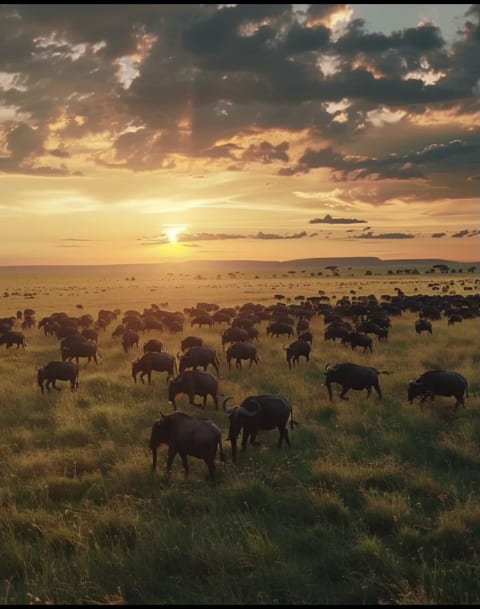
Malawi safari in July 2026 is an affordable African wildlife experience during the dry season when animals gather around water sources and visibility is excellent. The country has emerged as one of Africa's most rewarding safari destinations thanks to world-class conservation efforts, including work by African Parks [7]. July offers peak conditions: cooler temperatures, minimal rainfall, and maximum game viewing opportunities.
A typical Malawi safari includes game drives, boat safaris on Lake Malawi, walking tours, and stays at lodges ranging from budget camps to luxury resorts. Unlike crowded destinations, Malawi offers authentic safari experiences with fewer tourists, lower prices, and strong conservation focus. You'll encounter the Big Five—lion, leopard, elephant, buffalo, and rhino—in their natural habitat.
The experience suits different budgets and travel styles. Budget travelers spend $150–$300 per night on accommodations and activities [4]. Mid-range visitors budget $400–$650 per night. Luxury travelers invest $700 or more for premium lodges and private guides [5]. All price tiers include wildlife viewing, professional guides, and meals.
Why July Is Peak Safari Season in Malawi
July marks the beginning of Malawi's dry season, creating perfect conditions for wildlife spotting. Animals concentrate near water sources, making them easier to find. Vegetation thins out, improving visibility during game drives. Temperatures drop to comfortable levels—typically 50–75°F (10–24°C)—making outdoor activities enjoyable.
Rainfall is minimal in July, so roads remain passable and lodge access stays reliable. This is high season, meaning better availability but also higher prices compared to shoulder months. However, prices remain significantly lower than comparable safaris in Kenya or Tanzania [4]. You can experience world-class wildlife viewing at fraction of the cost.
Learn more about how Malawi compares to other destinations by exploring Malawi Safari vs Tanzania 2026: Wildlife Density & Real Costs, which breaks down wildlife density and pricing differences.
Real Daily Costs for a Malawi Safari in July 2026
Malawi safari costs break down into accommodation, meals, activities, and transportation. Understanding these expenses helps you budget accurately and find packages matching your financial goals. Costs vary significantly based on lodge category and travel style.
Accommodation Costs by Category
Budget lodges and campsites cost $150–$250 per night in July 2026 [4]. These offer basic but comfortable rooms, shared or private bathrooms, and communal dining. Mid-range lodges run $400–$650 per night, featuring ensuite bathrooms, quality meals, and often-included activities [5]. Luxury lodges charge $700–$1,350 per night with premium amenities, private guides, and all-inclusive packages [4].
Liwonde National Park accommodations range from budget safari camps to upscale lodges with river views. Majete Wildlife Reserve offers similar variety. Nkhotakota Wildlife Reserve provides more remote, exclusive experiences at higher price points. Each park has properties suited to different budgets. Compare specific lodge options by reading Malawi Safari Lodges 2026: 7 Bases for Every Budget.
Activity and Guide Costs
Game drives typically cost $40–$80 per person per activity. Boat safaris on rivers and lake runs $30–$70 per person. Walking safaris with expert guides cost $25–$60 per person. Most lodges bundle activities into package rates, reducing per-activity costs. Multi-day packages offer better value than booking activities separately.
Professional guides add $20–$50 per day when hired independently. Lodges include guides in package prices. Specialized guides for photography or bird watching charge premium rates: $60–$100 daily. Most travelers find lodge-included guides sufficient for excellent wildlife viewing and photography.
Meal and Food Costs
Lodge meals typically run $15–$40 per person daily when not included in package rates. Budget lodges often include basic breakfasts and dinners. Mid-range and luxury properties provide all meals as part of packages. Eating at lodges is convenient and safe. Local restaurants in towns offer meals for $5–$15 per person if you venture outside lodge grounds.
Special dietary needs can be accommodated with advance notice. Most lodges source fresh local ingredients. Alcohol, soft drinks, and snacks purchased separately cost $2–$8 per item. All-inclusive packages eliminate guesswork about meal costs.
Transportation and Flights
International flights from Johannesburg to Lilongwe or Blantyre cost $560–$750 per person in July 2026 [1]. Domestic transfers from airport to lodge typically run $50–$150 depending on distance. Some lodges include transfers in package rates. Vehicle rental for self-drive safaris costs $60–$120 daily, plus fuel.
Most travelers use lodge-arranged transportation with professional drivers. This ensures vehicle reliability, driver expertise, and safety. Self-driving requires 4x4 vehicles and good navigation skills. The convenience of lodge-arranged transport justifies the cost for most visitors.
Sample 7-Day Budget Breakdown
| Expense Category | Budget Option | Mid-Range Option | Luxury Option |
|---|---|---|---|
| Accommodation (7 nights) | $1,050–$1,750 | $2,800–$4,550 | $4,900–$9,450 |
| Meals (if not included) | $105–$280 | Included | Included |
| Activities & guides | $280–$560 | Included | Included |
| Airport transfers | $100–$300 | $100–$300 | Included |
| 7-day total per person | $1,535–$2,890 | $2,900–$4,850 | $4,900–$9,450 |
Budget safaris offer excellent value without sacrificing quality wildlife viewing. Mid-range packages provide comfort and convenience. Luxury options include premium amenities and exclusive experiences. All categories include professional guides and access to the same parks and wildlife.
Ready to compare specific packages? Malawi Safari Tours 2026: Private vs Group Trip Costs breaks down pricing differences between private and group safaris, helping you choose the best option for your budget.
Top Wildlife to Spot in July 2026
Malawi's dry season in July concentrates wildlife around remaining water sources, creating exceptional viewing opportunities. The Big Five—lion, leopard, elephant, buffalo, and rhino—all inhabit Malawi's protected areas. Hundreds of other species add to the experience. July offers some of Africa's best odds for seeing multiple large predators and herbivores in a single day.
Big Five and Large Predators
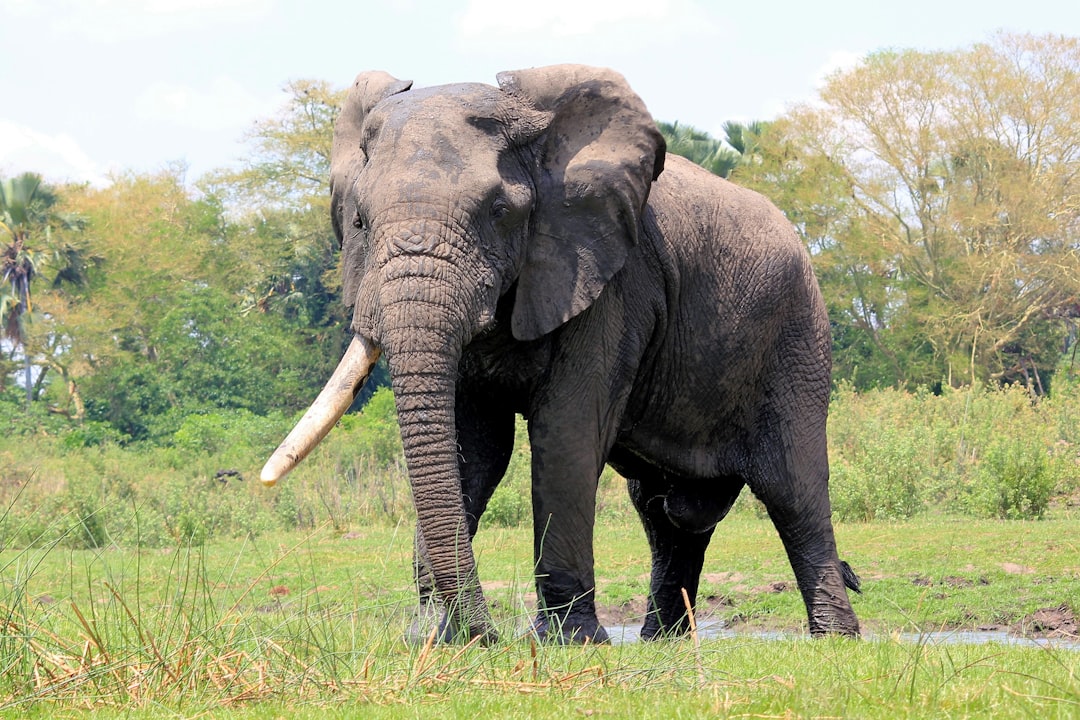
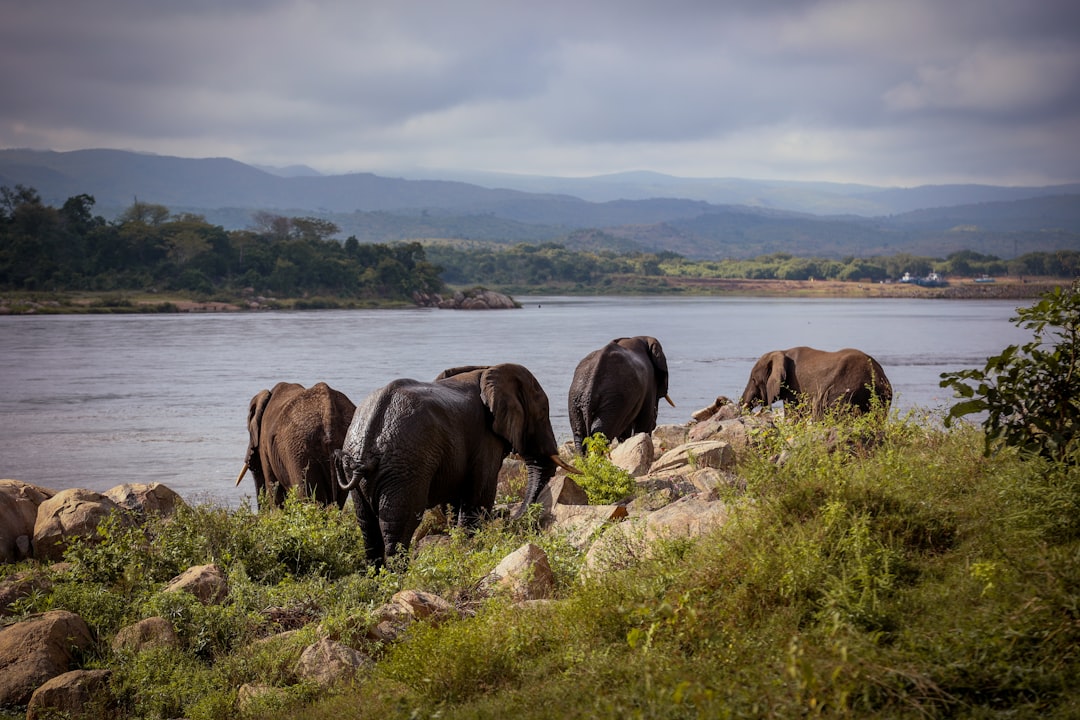
Elephants gather in large herds near water sources during July. Liwonde National Park and Majete Wildlife Reserve host healthy elephant populations. You'll often see herds of 20–50 individuals drinking at river crossing points. These encounters provide unforgettable photography opportunities and genuine connection with Africa's largest land animal.
Lions, leopards, and African wild dogs roam Malawi's reserves. July's dry conditions make predator sightings more likely than in wetter months. Crocodiles basking on riverbanks are nearly guaranteed sightings. Buffalo herds move through grasslands in search of water and fresh grazing. Rhinos, though less common than other Big Five members, inhabit Majete Wildlife Reserve and are increasingly sighted thanks to reintroduction programs [7].
Herbivores and Smaller Mammals
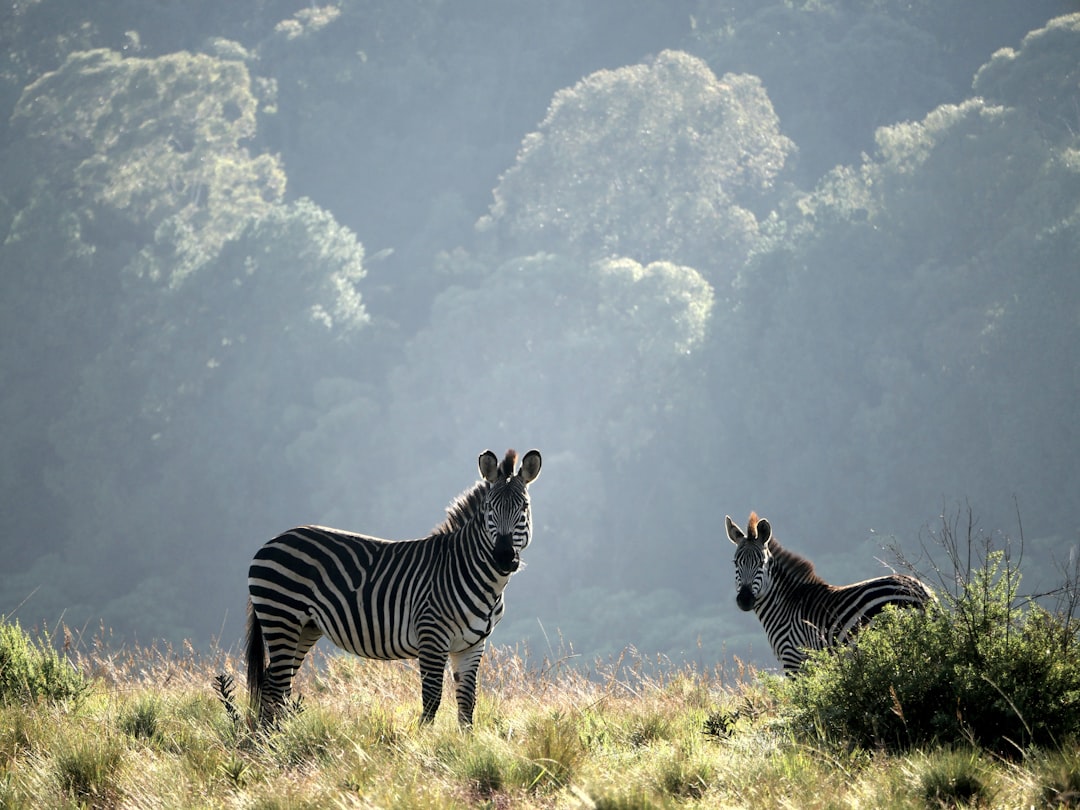
Hippos congregate in rivers and lakes throughout July. You'll see them on boat safaris and from riverbank viewpoints. Zebras, wildebeest, impalas, and kudus move through open grasslands. Waterbucks, bushbucks, and antelopes of various species populate forests and river valleys. Warthogs, baboons, and monkeys add entertainment value to drives.
Discover detailed information about specific species by reading Malawi Safari Animals: 12 Species to Spot in 2026, which covers identification tips and viewing locations for each species.
Birds and Smaller Wildlife
Malawi is a bird watcher's paradise with over 600 bird species. July's dry season makes birds more visible as they gather near water. Fish eagles, crowned eagles, and various heron species are common sightings. Colorful bee-eaters, rollers, and kingfishers delight photographers. Smaller mammals like porcupines, civets, and hyenas are occasionally spotted on night drives.
Best Malawi Safari Parks in July 2026
Malawi has three primary safari parks, each offering distinct experiences. Liwonde National Park features river safaris and diverse wildlife. Majete Wildlife Reserve offers remote experiences and rhino tracking. Nkhotakota Wildlife Reserve provides quieter, more exclusive safaris. July conditions are excellent in all three parks.
Liwonde National Park
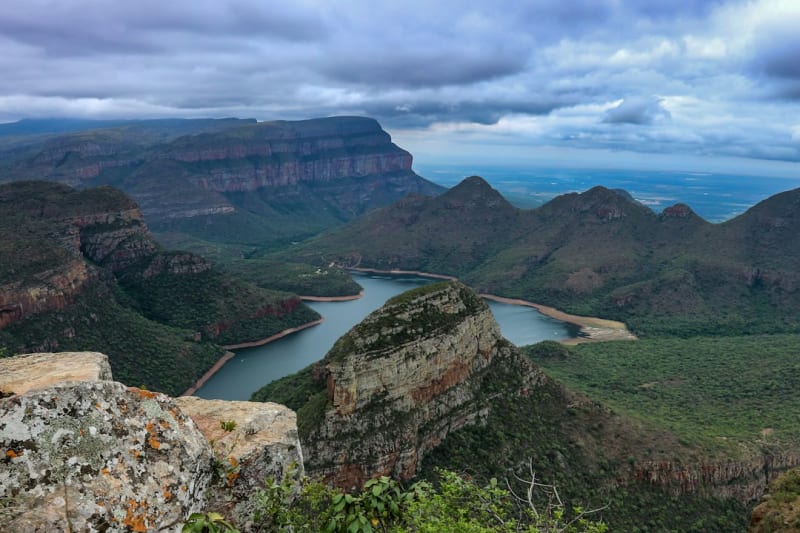
Liwonde National Park is Malawi's most popular destination, known for river safaris and concentrated wildlife. The Shire River runs through the park, creating a natural highway for game drives and boat trips. Elephants, hippos, and crocodiles are virtually guaranteed sightings. July's dry season concentrates animals along the river, making it the best time for viewing.
Liwonde offers both budget and luxury accommodation options. Lodge packages typically include boat safaris, game drives, and walking tours. The park covers 548 square kilometers and hosts healthy populations of lions, leopards, buffalo, and numerous antelope species. Bird watching is exceptional, with over 300 species recorded.
Majete Wildlife Reserve
Majete Wildlife Reserve is Malawi's second-largest park and offers more remote, exclusive experiences. The reserve has undergone major restoration, including reintroduction of rhinos and other species. July is excellent for spotting these newly established populations. The landscape varies from riverine forests to open grasslands, supporting diverse wildlife.
Majete attracts travelers seeking authentic, less-crowded safaris. Accommodation options range from budget camps to mid-range lodges. Game drives are smaller and more personalized than at Liwonde. The reserve's conservation success story makes it especially rewarding for nature enthusiasts.
Nkhotakota Wildlife Reserve
Nkhotakota Wildlife Reserve is Malawi's largest protected area, stretching 1,628 square kilometers. It remains less developed than Liwonde but offers incredible exclusivity. July's dry season makes wildlife tracking easier despite the reserve's vast size. Elephant herds are particularly impressive here, with recent reintroductions expanding populations.
Nkhotakota suits travelers seeking remote experiences and willing to invest in private guides. Accommodation is more limited than other parks, but quality is high. The reserve's size means you'll encounter far fewer tourists than at Liwonde, creating a genuine wilderness experience.
For detailed comparisons of all three parks, explore Malawi Safari Parks 2026: Compare Majete, Liwonde and Nkhotakota, which includes wildlife density, accommodation, and best activities for each.
Choosing Your Malawi Safari Experience Type
Malawi safaris come in multiple formats: luxury all-inclusive packages, mid-range lodge stays, budget group tours, private guided experiences, and wellness-focused retreats. Your choice depends on budget, travel style, and priorities. July accommodates all experience types with availability and good weather.
All-Inclusive Luxury Packages
Luxury packages cost $700–$1,350 per night and include accommodation, all meals, drinks, activities, and guides. You'll stay at top-tier lodges with premium amenities. Guides are highly experienced and often specialize in photography or conservation. Activities are flexible and personalized to your interests. This option requires minimal planning and offers maximum comfort.
Mid-Range Lodge Packages
Mid-range packages run $400–$650 per night, combining good value with solid comfort. Accommodation is clean and well-maintained with private bathrooms and quality meals. Activities include game drives, boat safaris, and walking tours. Guides are professional and knowledgeable. This category suits most travelers balancing budget and experience quality.
Budget Group Safaris
Budget group tours cost $150–$300 per night and accommodate 4–12 travelers. You'll share transport, guides, and accommodation. Meals may be basic but nutritious. Activities are scheduled group departures rather than private bookings. This option maximizes value and creates opportunities to meet other travelers. July availability is good despite being high season.
Private Guided Experiences
Private safaris with personal guides and vehicles cost $600–$1,200 daily plus accommodation. You control itineraries, timing, and activities completely. Guides focus entirely on your group. This suits families, couples seeking romance, and serious photographers. Flexibility and personalization justify the premium cost.
Explore different trip styles in depth by reading Malawi Safari Holidays: 7 Trip Styles Compared in 2026, which compares wellness retreats, adventure safaris, photography tours, and more.
Practical Planning for Your July 2026 Safari
Successful safaris require advance planning. Book accommodations and packages 3–6 months ahead to secure preferred lodges and rates. Arrange visas, vaccinations, and travel insurance early. Pack appropriately for July's dry season conditions. Plan your activities and park visits based on your interests and budget.
Booking Timeline
Start planning 6 months before your July travel date. This timeline allows you to research operators, compare packages, and secure early-bird discounts. Mid-range and luxury lodges book quickly during July. Budget safaris have more flexibility but still benefit from advance booking. SafariFind's verified operators offer transparent pricing and authentic reviews to help you choose confidently.
Deposits typically run 25–50% of package costs, with final payment due 30–60 days before departure. Cancellation policies vary by operator, so review terms carefully. Travel insurance covering trip cancellation is highly recommended.
Visa and Health Requirements
Most visitors need visas for Malawi, obtainable on arrival or in advance. Check current requirements with your embassy. Yellow fever vaccination is recommended for travelers from endemic countries. Malaria prophylaxis is advised for most safari areas. Consult your doctor 4–6 weeks before travel about vaccinations and medications. Travel insurance should include medical evacuation coverage.
What to Pack for July
July is cool and dry. Pack layers: light sweaters, fleece jackets, and long pants for early morning and evening game drives. Daytime temperatures reach 70–75°F (21–24°C), requiring light shirts and shorts. Bring a warm jacket for early mornings—temperatures drop to 50–55°F (10–13°C). Wear neutral colors (tan, khaki, green) to avoid startling wildlife during game drives.
Essential items include binoculars, sun protection (hat, sunscreen, sunglasses), comfortable walking shoes, and camera equipment. Insect repellent is important despite the dry season. Bring any prescription medications in original containers with copies of prescriptions. Most lodges provide toiletries, but pack personal preferences.
Getting to Malawi
International flights arrive in Lilongwe (capital) or Blantyre (southern city). Johannesburg is the closest major hub with frequent connections. Flights from Johannesburg cost $560–$750 per person [1]. Some travelers fly through other African hubs like Nairobi or Cape Town. Domestic flights connect Lilongwe and Blantyre to safari lodge airstrips. Most packages include airport transfers.
Why Book Through SafariFind for Your Malawi Safari
SafariFind connects travelers with verified safari operators offering transparent pricing and authentic reviews. Our marketplace features curated packages from established tour companies with proven track records. You'll find real pricing, honest reviews from past travelers, and direct contact with operators for custom quotes.
SafariFind's verification process ensures operators meet quality standards. Read authentic reviews before booking. Compare multiple packages side-by-side. Request quotes from verified operators. All communication goes directly between you and the operator, ensuring transparency and direct support throughout your safari.
Whether you want budget safaris, luxury experiences, or specialized tours like photography or wellness retreats, SafariFind's marketplace has verified options. Browse packages for all three major Malawi parks. Find operators with expertise in July travel. Book with confidence knowing you're working with established, reviewed companies.
Key Takeaways
- Book your Malawi safari 3–6 months ahead to secure preferred lodges and save 15–20% on rates compared to last-minute bookings.
- Budget $150–$300 per night for budget safaris, $400–$650 for mid-range, and $700–$1,350 for luxury lodges in July 2026.
- Visit Liwonde National Park for concentrated wildlife and river safaris, or choose Majete for remote exclusivity and rhino tracking opportunities.
- Pack layers for July's cool mornings (50–55°F) and warmer days (70–75°F), plus neutral colors to avoid disturbing wildlife during game drives.
- Compare verified safari packages on SafariFind to read authentic reviews, confirm pricing, and request custom quotes from established tour operators.
Frequently Asked Questions
How much does a Malawi safari cost per day in July 2026?
Daily costs range from $150–$300 for budget safaris to $700–$1,350 for luxury packages in July 2026 [4][5]. Mid-range options cost $400–$650 per day. These prices typically include accommodation, meals, activities, and guides. Budget safaris offer excellent value without sacrificing wildlife viewing quality. All-inclusive packages eliminate guesswork about daily expenses.
Is July the best time to visit Malawi for safaris?
Yes, July is peak safari season in Malawi [4]. The dry season concentrates wildlife around water sources, creating excellent viewing opportunities. Temperatures are comfortable (50–75°F), and rainfall is minimal, keeping roads accessible. Vegetation thins out, improving visibility during game drives. July offers the best odds of seeing the Big Five and other large animals in Malawi's parks.
What wildlife can I expect to see on a Malawi safari in July?
You'll see the Big Five: lions, leopards, elephants, buffalo, and rhinos [7]. July also offers sightings of hippos, crocodiles, zebras, antelopes, and over 600 bird species. Liwonde National Park and Majete Wildlife Reserve provide the best chances of seeing large predators and concentrated herds. Professional guides increase your odds of encountering specific species you want to photograph or observe.
Do I need a visa to visit Malawi for safari?
Most travelers need visas for Malawi, available on arrival or in advance through your embassy. Check current requirements based on your nationality. Visas typically cost $50–$100 and allow 30–90 days of stay. Apply 4–6 weeks before travel if obtaining in advance. Yellow fever vaccination is recommended; malaria prophylaxis is advised. Consult your doctor about health requirements before booking.
Should I book a private or group safari in Malawi?
Private safaris cost $600–$1,200 daily and offer complete control over itineraries and activities. Group safaris cost $150–$300 daily and create opportunities to meet other travelers while maximizing value. Mid-range lodge packages (typically 4–8 people) balance cost and personalization. Your choice depends on budget, travel style, and whether you prefer flexibility or social connection. SafariFind's marketplace lists both options with verified reviews.
How far in advance should I book a Malawi safari for July?
Book 3–6 months ahead to secure preferred lodges and rates during peak season. Early bookings often include discounts of 15–20% compared to last-minute reservations. Mid-range and luxury properties fill quickly in July. SafariFind's verified operators accept deposits (typically 25–50% of total cost) to hold your reservation while you finalize plans. Final payment is usually due 30–60 days before departure.
Where can I find verified Malawi safari operators and compare packages?
SafariFind's marketplace lists verified safari operators with authentic reviews, transparent pricing, and available packages for all Malawi parks. Browse options by budget, duration, and destination. Read reviews from past travelers. Request custom quotes directly from operators. SafariFind's verification process ensures you're booking with established, quality-focused companies for peace of mind.
Conclusion
Malawi safari in July 2026 offers exceptional wildlife viewing at affordable prices compared to other African destinations. July's dry season concentrates animals around water sources, creating outstanding photography and observation opportunities. The Big Five and hundreds of other species inhabit Malawi's protected parks. Whether you budget $150 or $1,350 daily, you'll experience world-class safari adventure.
Liwonde National Park delivers river safaris and concentrated wildlife. Majete Wildlife Reserve provides remote exclusivity and rhino tracking. Nkhotakota offers vast wilderness for adventurous travelers. All three parks maintain healthy conservation programs and professional guide services.
Start planning now by exploring verified safari packages on SafariFind. Compare options from budget group tours to luxury private experiences. Read authentic reviews from past travelers. Request custom quotes from established operators. July 2026 offers peak conditions for unforgettable Malawi safari memories at prices that won't break your budget. Your African adventure awaits—book with confidence through SafariFind's verified marketplace today.
Plan Your Safari with SafariFind
These recommendations use real data from SafariFind, where you can compare operators, browse packages, and read verified traveler reviews before you book.
What Travelers Say (SafariFind Reviews)
Trips that match this guide