Malawi Safari First-Timer's Guide: 7 Days Under $2,500
Plan your first Malawi safari for $1,800–$2,500. Expert tips on best parks, packing, booking safely, and wildlife viewing. Start your African adventure today.
Great Zimbabwe Tours 2027: Entry Fees and Package Costs
Discover Great Zimbabwe Tours 2027: Entry Fees and Package Costs - Expert guide to safari tourism and wildlife destinations.
5 min read
Malawi Safari First-Timer's Guide: 7 Days Under $2,500
Last updated: July 2026
A 7-day Malawi safari costs $1,800–$2,500 per person in 2026 when you book with verified operators. The best time to visit is May through October for cooler weather and better wildlife viewing. Malawi offers intimate safari experiences at lower prices than Kenya or Tanzania, making it perfect for budget-conscious first-timers.
At a Glance
Cost: $1,800–$2,500 per person for 7 days
Best time: May–October (dry season, cooler temperatures)
Duration: 7 days recommended for first-timers
Getting there: Fly to Lilongwe International Airport, then drive to parks
Best for: Budget travelers, nature lovers, first-time safari visitors
A Malawi safari first-timer's guide shows you how to experience African wildlife on a tight budget without sacrificing quality. Malawi is an underrated safari destination that costs 30–40% less than neighboring Tanzania or Kenya while offering equally stunning wildlife encounters.[1] This guide walks you through everything you need to know to plan a successful 7-day safari under $2,500.
First-time safari visitors often worry about costs, safety, and what to expect. Malawi solves all three concerns. The country welcomes tourists with warm hospitality, maintains modern infrastructure in key parks, and delivers authentic wildlife experiences at affordable prices. You'll see elephants, lions, leopards, hippos, and hundreds of bird species without breaking the bank.
Ready to start planning? This guide covers where to go, what to pack, how to book safely, and how to maximize your budget. By the end, you'll feel confident booking your first Malawi safari with verified operators on SafariFind.
What Makes Malawi Safari Perfect for First-Timers?
Malawi offers intimate wildlife experiences at lower prices than East Africa. Unlike crowded safari destinations, Malawi's parks feel exclusive and personal. You'll see more wildlife with fewer vehicles around you, creating authentic moments that first-timers crave.
Liwonde National Park is the country's premier safari destination.[2] This 548-square-kilometer park sits along the Shire River and hosts large elephant populations, lions, leopards, and countless bird species. The park's river setting creates unique viewing opportunities you won't find elsewhere in Africa. Morning game drives reveal hippos, crocodiles, and water buffalo bathing in the Shire.
Majete Wildlife Reserve offers a different experience.[2] This 700-square-kilometer reserve focuses on walking safaris alongside vehicle drives. Walking safaris let you spot smaller animals, birds, and plants that vehicles miss. You'll feel closer to nature and understand the ecosystem more deeply. First-timers often prefer this mix of activities over traditional game drives alone.
The combination of lower prices, fewer crowds, and diverse activities makes Malawi ideal for first-timers. You get a genuine African safari experience without the stress or expense of busier destinations. When you compare tour operators on SafariFind, you'll notice Malawi packages offer better value than similar offerings in Kenya or Tanzania.
Budget lodges in Malawi offer excellent value. Mid-range options include private bathrooms, hot showers, and comfortable beds at $80–$130 per night. All-inclusive packages through verified operators on SafariFind often bundle lodging, meals, and activities, simplifying budgeting for first-timers.
Booking Early Saves Money
Book your Malawi safari 3–6 months in advance to secure the best rates. Early bookings often include discounts of 10–15% compared to last-minute bookings. Tour operators offer early-bird specials during July and August, the peak season. You can find verified operators offering 7-day packages under $2,500 when you compare quotes on SafariFind.
Travel during shoulder season (April–May or September–October) to save 20–25% versus peak season prices. Wildlife viewing remains excellent during these months, but fewer tourists visit. You'll enjoy quieter parks and more personalized guide attention.
What's Typically Included
Most all-inclusive packages include accommodation, meals, game drives, park entry fees, and an English-speaking guide. Some packages add walking safaris, boat trips on the Shire River, or visits to local villages. Check what each package covers before comparing prices. Hidden costs like tips, drinks, and souvenirs can add $100–$200 to your total, so budget accordingly.
When to Visit: Seasonal Guide for 2026
Dry Season (May–October): Best for First-Timers
May through October is Malawi's dry season and the ideal time for first-time visitors.[3] Temperatures range from 15°C to 25°C (59°F to 77°F), making game drives comfortable. Lower water levels concentrate wildlife around remaining water sources, increasing your chances of seeing animals. This is peak season, so book early to secure spots under your $2,500 budget.
July and August are the coldest months. Daytime temperatures reach 20–24°C (68–75°F), perfect for outdoor activities. Early morning game drives require a warm jacket, but midday driving is pleasant. Nights can be chilly, so pack layers. Wildlife viewing peaks during these months as animals gather at shrinking water holes.
Wet Season (November–April): Fewer Tourists, Lower Prices
The wet season brings afternoon rains and lush vegetation. Wildlife disperses across the landscape, making sightings less predictable. However, bird watching improves dramatically—over 600 bird species call Malawi home, and many are most active during the wet season. Prices drop 30–40% below peak season rates, helping you stay under budget.
The wet season suits experienced travelers more than first-timers. Roads can become muddy, making travel unpredictable. If you're a first-timer on a tight budget, stick to dry season (May–October) for reliable wildlife viewing and comfortable conditions.
Shoulder Season Advantage
April–May and September–October offer the best balance. Wildlife viewing remains excellent, but prices are 15–20% lower than peak season. Weather is pleasant, and parks feel less crowded. These months work perfectly for budget-conscious first-timers who want reliability without peak-season pricing.
Packing right makes your safari comfortable and safe. Here's what you need for a Malawi safari in 2026:
Clothing and Sun Protection
Pack lightweight, breathable clothing in neutral colors (khaki, green, brown). Avoid bright colors that startle wildlife.[3] Bring long sleeves and pants for sun protection and insect defense. Include a warm jacket for early morning game drives—temperatures drop to 15°C (59°F) before sunrise.
Essentials include sunscreen (SPF 50+), a wide-brimmed hat, sunglasses, and insect repellent. The African sun is intense even in winter. Reapply sunscreen every two hours, especially during game drives. Mosquitoes are active at dawn and dusk, so cover exposed skin during these times.
Medications and Health Items
Malaria is endemic in over 95% of Malawi.[3] Start antimalarial medication before arrival and continue for four weeks after leaving. Consult your doctor 4–6 weeks before travel about which medication suits you. Common options include atovaquone-proguanil, doxycycline, and mefloquine.
Bring a basic medical kit with pain relievers, anti-diarrhea medication, antihistamines, and adhesive bandages. Pack prescription medications in original containers with copies of prescriptions. Consider vaccinations for hepatitis A and B, typhoid, and yellow fever before traveling.[6] Visit a travel clinic 4–8 weeks before departure for personalized recommendations.
Camera and Electronics
Bring a camera with a good zoom lens for wildlife photography. A smartphone works for casual photos, but a dedicated camera with 200mm+ zoom captures better detail. Pack extra batteries, memory cards, and a portable charger—electricity is available at lodges but unreliable during game drives.
Adapters for Malawi's outlets are essential. Malawi uses British-style three-rectangular-pin plugs. Universal adapters work, but bring a specific adapter to be safe. Download offline maps and travel guides before arriving, as internet connectivity varies outside major cities.
Top Parks and Lodges Under Your Budget
Liwonde National Park: Your Primary Destination
Liwonde National Park is Malawi's flagship safari destination and perfect for first-timers.[2] Located 45 kilometers south of Lilongwe, the park combines river-based wildlife viewing with traditional game drives. The Shire River creates a natural gathering point for elephants, hippos, crocodiles, lions, and leopards.
Mid-range lodges near Liwonde cost $90–$120 per night. Options like Liwonde Bush Lodge and Mvuu Lodge offer comfortable rooms, excellent food, and experienced guides. Most lodges include two game drives daily plus meals. For a 5-night stay, expect to pay $450–$600 for accommodation alone, leaving $900–$1,200 for flights and other expenses within your $2,500 budget.
Spend 4–5 days here for optimal wildlife viewing. Morning drives often yield the best sightings as animals are most active. Afternoon drives offer different wildlife and photography light. Many lodges include boat trips on the Shire River at no extra cost—these reveal hippos, crocodiles, and water birds up close.
Majete Wildlife Reserve sits 75 kilometers southwest of Lilongwe and specializes in walking safaris combined with vehicle drives.[2] This 700-square-kilometer reserve offers a more immersive safari experience than Liwonde. Walking safaris let you spot small mammals, reptiles, and birds that vehicles miss. Guides teach you to read animal tracks and understand the ecosystem.
Budget lodges at Majete cost $70–$100 per night. Majete Wilderness Lodge and similar properties provide basic but comfortable accommodations. Many first-timers prefer Majete's mix of activities over Liwonde's vehicle-only approach. A 2-night stay costs $140–$200, easily fitting within your budget.
Combine Liwonde (4 nights) and Majete (2 nights) for a complete Malawi safari experience. This itinerary showcases different landscapes, activities, and wildlife. The drive between parks takes 3–4 hours but reveals rural Malawi and local culture.
Lake Malawi National Park: Optional Add-On
Lake Malawi National Park offers a different experience from traditional safaris. The park protects 94 kilometers of shoreline and over 1,000 fish species. It's less about big game and more about water activities, bird watching, and relaxation. Many first-timers add 1–2 days here to break up intensive game drives.
Budget accommodations cost $60–$90 per night. Activities include boat trips, snorkeling, kayaking, and beach time. While not a traditional safari, Lake Malawi adds cultural and natural diversity to your trip. However, if wildlife viewing is your priority, stick with Liwonde and Majete to maximize sightings.
Booking Your Safari Safely: What First-Timers Must Know
Use Verified Tour Operators Only
Book through SafariFind to access verified tour operators with authentic reviews from real travelers. Unverified operators may overcharge, provide poor service, or cancel bookings unexpectedly. SafariFind vets every operator, ensuring reliable service and fair pricing. Compare quotes from multiple operators to find the best value for your $2,500 budget.
Read reviews from past first-time visitors. Look for comments about guide quality, wildlife sightings, accommodation comfort, and value for money. Operators with 4.5+ stars and 50+ reviews offer reliable experiences. Don't book the cheapest option—mid-range operators often provide better service and experiences than budget-only companies.
What to Ask Before Booking
Ask these questions before committing to any operator:
What's included in the package price? (flights, transfers, meals, activities)
What's not included? (tips, drinks, souvenirs, travel insurance)
What's the cancellation policy? (flexibility for unexpected changes)
How many people per game drive vehicle? (smaller groups offer better experiences)
What's the guide's experience level? (ask for a bio or references)
Are park entry fees included? (verify to avoid surprise costs)
What happens if wildlife sightings are poor? (some operators offer discounts)
Reputable operators answer all questions clearly and provide written confirmation. Be wary of vague responses or pressure to book immediately. Take time to compare options on SafariFind before deciding.
Payment and Cancellation Protection
Pay using credit cards rather than wire transfers or cash. Credit cards offer dispute protection if the operator fails to deliver services. Many operators require a 25–50% deposit to secure your booking, with the remainder due 30 days before departure.
Check the cancellation policy carefully. Reputable operators offer free cancellation up to 60 days before departure, with sliding fees for cancellations closer to the travel date. Travel insurance is highly recommended—it covers unexpected cancellations, medical emergencies, and trip delays.
Sample 7-Day Itinerary Under $2,500
Day 1: Arrival in Lilongwe
Fly into Lilongwe International Airport and transfer to your first lodge. Most transfers take 1–2 hours. Check in, rest, and meet your guide. Enjoy dinner at the lodge and prepare for early morning game drives. Cost: included in package.
Days 2–5: Liwonde National Park
Spend four days at Liwonde National Park with daily game drives and meals. Morning drives (6:00 AM–10:00 AM) offer the best wildlife viewing. Afternoon drives (3:00 PM–6:00 PM) provide different animals and photography light. Evening boat trips on the Shire River reveal hippos and water birds. Cost: $400–$600 (accommodation, meals, activities).
Day 6: Travel to Majete Wildlife Reserve
Drive from Liwonde to Majete (3–4 hours). Stop for lunch en route and enjoy scenic countryside views. Arrive at Majete lodge in the afternoon. Take a short walk around the lodge to acclimate. Dinner and rest. Cost: $100–$150 (transfers, meals).
Day 7: Majete Walking Safari and Departure
Early morning walking safari (2–3 hours) with an experienced guide. Learn to identify animal tracks, plants, and ecosystem dynamics. Return to lodge for breakfast and packing. Transfer to Lilongwe airport for your evening flight home. Cost: $100–$150 (activity, transfer, meals).
Total package cost: $1,800–$2,500 depending on lodge choices and operator. This itinerary maximizes wildlife viewing while staying within budget.
Wildlife You'll See: What to Expect
Malawi hosts diverse wildlife species in its parks and reserves. First-timers often wonder what animals they'll actually see. Here's what to expect:
The Big Five and Beyond
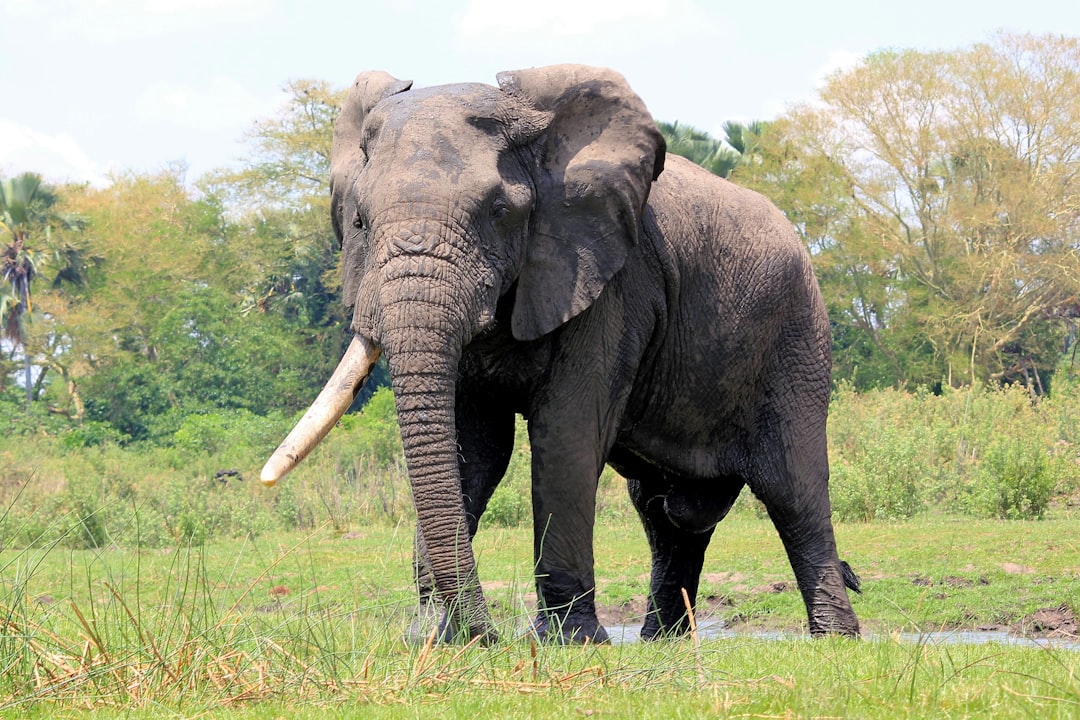
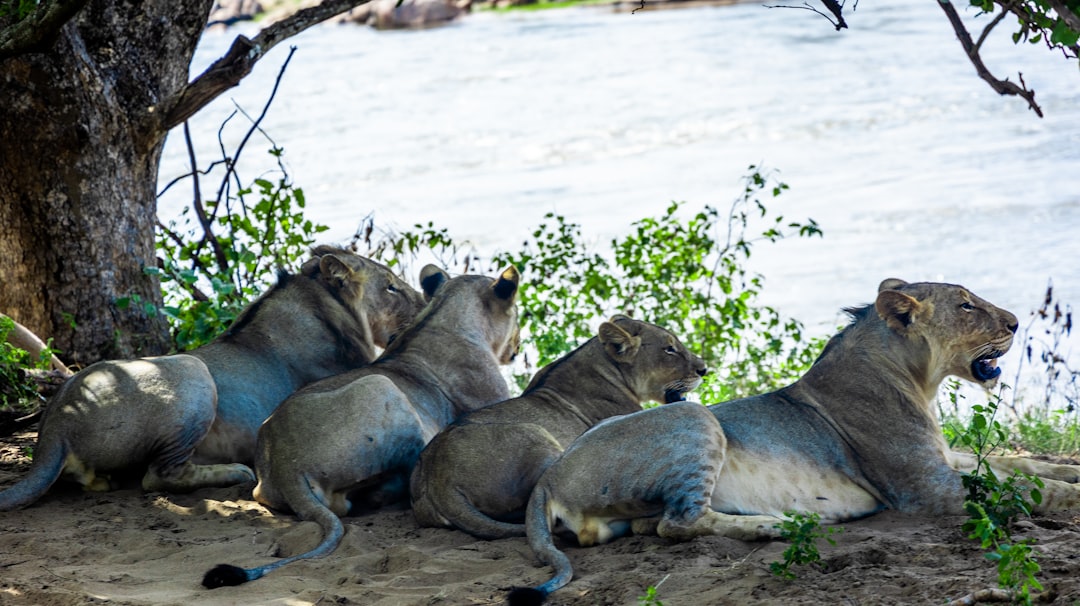
Malawi doesn't have the "Big Five" (lion, leopard, rhino, elephant, buffalo) in the same numbers as East Africa, but you will see elephants, lions, and leopards. Elephants are common in Liwonde, with herds of 20–50 regularly seen during dry season. Leopards are elusive but present—guides often spot them at dawn or dusk. Lions are less common but do appear, especially during the dry season.
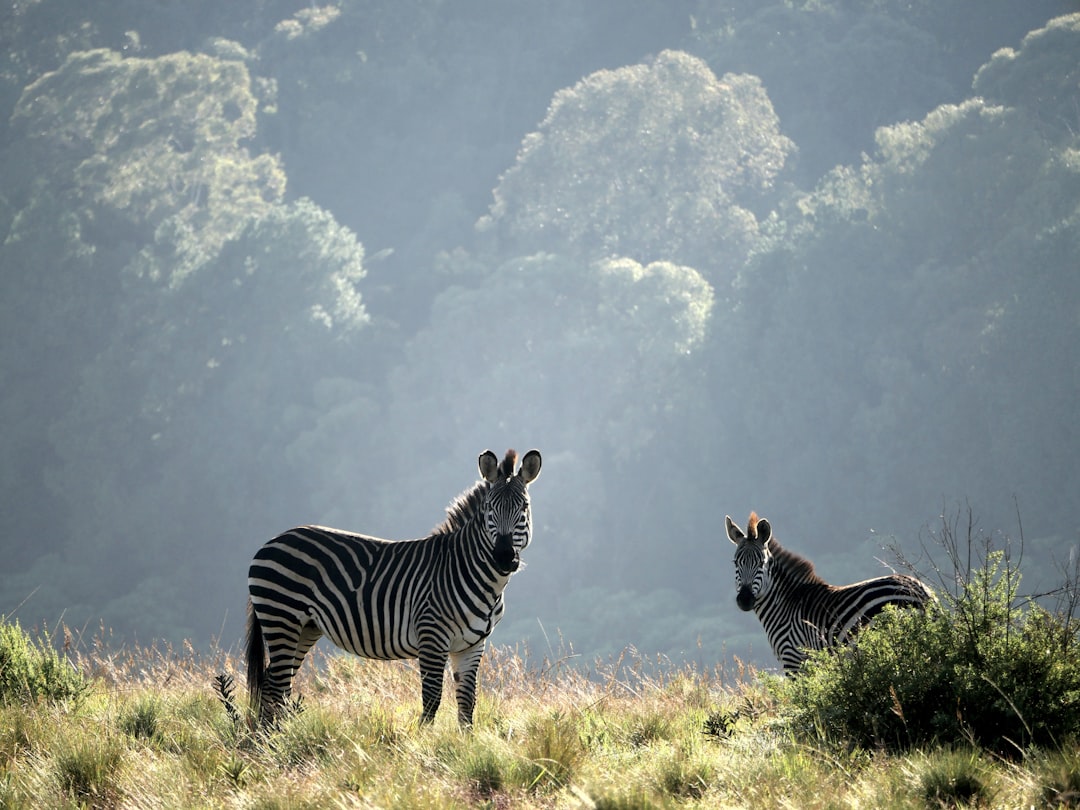
Buffalo, zebras, and antelopes are frequently seen. Impala, kudu, and warthogs appear daily on most game drives. Hippos are abundant in the Shire River. Crocodiles bask on riverbanks—some reach 4 meters (13 feet) in length. These reptiles look prehistoric and create memorable photos.
Bird Watching Paradise
Malawi boasts over 600 bird species—more than most African countries.[2] Birdwatchers consider Malawi a world-class destination. Common sightings include fish eagles, kingfishers, herons, egrets, and crowned cranes. The colorful bee-eaters and rollers appear frequently. Early morning drives often yield 30–50 bird species in a single outing.
Even non-birders become fascinated by Malawi's avian diversity. Guides point out calls, behaviors, and ecological roles. Bird watching adds depth to your safari experience and extends sightings beyond the typical "big game" focus.
Smaller Wildlife and Reptiles
Baboons, monkeys, and smaller carnivores like hyenas and jackals are common. Walking safaris in Majete reveal porcupines, honey badgers, and occasionally pangolins. Reptiles include cobras, mambas, and monitor lizards. Guides teach you to identify dangerous snakes and respect wildlife boundaries.
Night drives (available at some lodges) reveal nocturnal species like genets, civets, and owls. Many first-timers find night drives thrilling—the darkness and unfamiliar sounds create an adventurous atmosphere. Ask your operator if night drives are available and included in your package.
Comparing Malawi to Other Budget Safari Destinations
How does Malawi compare to Tanzania, Kenya, or Botswana for first-timers on a budget? Here's an honest breakdown:
Destination
7-Day Cost
Wildlife Variety
Crowds
Best For
Malawi
$1,800–$2,500
Excellent
Low
Budget first-timers, intimate experiences
Tanzania
$2,500–$4,000
Exceptional
Moderate-High
Great Migration, famous parks
Kenya
$2,800–$4,500
Excellent
High
Established infrastructure, Masai Mara
Botswana
$3,500–$6,000
Exceptional
Low
Luxury experiences, Okavango Delta
Malawi offers the best value for budget-conscious first-timers. You see excellent wildlife without the crowds or premium prices of Kenya and Tanzania. The trade-off is missing iconic events like the Great Migration, but the intimate experiences often feel more rewarding to first-timers.
If your budget allows $3,000–$4,000, consider Tanzania or Kenya for access to more famous parks and potentially larger wildlife populations. But if you're committed to staying under $2,500, Malawi delivers superior value and equally memorable experiences. Learn more about comparing safari destinations by reading our guide on Malawi vs Tanzania Safari: Which Costs Less in 2026.
Practical Tips for First-Time Safari Success
Listen to Your Guide
Your guide is your expert. They know animal behavior, park layouts, and safety protocols. Follow their instructions carefully, especially regarding wildlife distances and photography. Guides can spot animals you'd miss alone—trust their expertise and binoculars.
Bring Binoculars
Quality binoculars transform your safari experience. You'll see details invisible to the naked eye—birds in distant trees, leopards on rocky outcrops, lion faces in tall grass. Bring 10x42 or 8x42 binoculars (good balance of magnification and light-gathering). Even budget binoculars ($30–$50) outperform naked eyes.
Be Patient and Flexible
Wildlife doesn't appear on schedule. You might drive for hours without seeing a lion, then spot three in one location. Patience is key. Flexibility matters too—weather, animal movements, or other factors might change your itinerary. Good guides adapt and find alternative locations or activities. Embrace unpredictability as part of the adventure.
Respect Wildlife and Local Culture
Maintain distances from animals (at least 20 meters for most species). Never approach animals for photos. Don't feed wildlife or throw garbage. Respect local communities by asking permission before photographing people. Dress modestly when visiting villages. Small gestures of respect create positive interactions and ethical tourism experiences.
Protect Your Health
Take malaria medication as prescribed, even if you feel fine. Wear long sleeves at dawn and dusk when mosquitoes are active. Sleep under bed nets if available. Drink bottled water only—tap water can cause digestive issues. Wash hands frequently and avoid street food. Most lodges provide safe food and water, but take precautions to prevent illness that could ruin your trip.
Getting to Malawi: Transportation Guide
International Flights to Lilongwe
Lilongwe International Airport (LLW) is Malawi's main entry point. Major airlines serving Lilongwe include South African Airways, Ethiopian Airlines, and Brussels Airlines. Flights typically connect through Johannesburg, Addis Ababa, or Brussels. Round-trip flights from North America cost $600–$1,000 depending on departure city and season.
Book flights 2–3 months in advance for better fares. Tuesday and Wednesday departures often cost less than weekends. Consider flying into Johannesburg and taking a connecting flight to Lilongwe—sometimes cheaper than direct routes.
Ground Transportation
From Lilongwe airport, your operator arranges transfers to the first lodge (usually included in package prices). Transfers take 1–2 hours depending on destination. Drivers are experienced with safari routes and provide commentary about the landscape.
Between parks, operators arrange vehicle transfers. Roads are paved between major towns but unpaved in remote areas. Driving times can be longer than expected due to road conditions. Plan for 4–5 hours of driving between Lilongwe and Liwonde, or 3–4 hours from Liwonde to Majete.
Visa Requirements
Most nationalities receive a 30-day tourist visa on arrival in Malawi. Bring your passport (valid for 6+ months beyond travel), a completed arrival form, and proof of onward travel. Visa fees are typically $75–$100 USD. Check your country's specific requirements at the Malawi immigration website before traveling.
Travel insurance is recommended to cover medical emergencies, trip cancellations, and evacuation. Budget $100–$200 for comprehensive coverage for your 7-day trip.
Key Takeaways
Book your 7-day Malawi safari 3–6 months in advance through SafariFind to secure packages under $2,500 and compare verified operators with authentic reviews.
Visit during dry season (May–October) for optimal wildlife viewing, comfortable temperatures, and reliable sightings—shoulder months (April–May, September–October) offer 15–20% price reductions.
Combine Liwonde National Park (4 nights) with Majete Wildlife Reserve (2 nights) to experience both river-based and walking safari activities without exceeding budget.
Pack lightweight clothing, sunscreen (SPF 50+), insect repellent, and malaria medication starting 1–2 weeks before departure—malaria affects over 95% of Malawi, so prevention is critical.[3]
Choose mid-range lodges ($80–$120 per night) that include meals and guided activities, leaving room in your budget for flights, transfers, and unexpected expenses while maintaining quality experiences.
Frequently Asked Questions
Is Malawi safe for first-time safari travelers?
Yes, Malawi is generally safe for first-time safari travelers. The country welcomes tourists warmly, and safari operators maintain strong safety protocols. Lilongwe and park areas have good security. Avoid displaying valuable items, use registered taxis, and follow your guide's safety advice. Travel insurance provides additional peace of mind for medical emergencies or unexpected situations.
Do I need vaccinations before visiting Malawi?
Yes, several vaccinations are recommended before traveling to Malawi in 2026. Yellow fever vaccination is required if arriving from certain countries. Hepatitis A and B, typhoid, and routine vaccinations (measles, tetanus) are strongly recommended.[6] Consult a travel clinic 4–8 weeks before departure for personalized recommendations based on your health history and destination activities.
What's the best time to see the Great Migration in Malawi?
Malawi doesn't host the famous Great Migration like Tanzania's Serengeti or Kenya's Masai Mara. However, Malawi offers equally rewarding wildlife experiences year-round. Dry season (May–October) provides the best sightings as animals concentrate near water sources. Visit during July–August for cooler weather and peak wildlife viewing without the crowded conditions of East African parks.
How much should I budget for tips and extras on my safari?
Budget $100–$200 for tips, drinks, and souvenirs beyond your package price. Guides typically receive $10–$20 per day in tips if service is excellent. Soft drinks and alcohol cost $2–$5 at lodges. Souvenir prices vary widely—budget $50–$100 if you want to bring gifts home. These extras aren't included in the $2,500 budget, so plan accordingly.
Can I add Lake Malawi to my 7-day safari itinerary?
Yes, Lake Malawi National Park can be added to your itinerary. Most operators can arrange 1–2 nights at Lake Malawi combining water activities, bird watching, and beach time. However, adding Lake Malawi may push your total cost above $2,500. Consider it an optional upgrade if your budget allows. For budget-conscious first-timers, stick with Liwonde and Majete for maximum wildlife viewing within your price range.
How do I find and book verified safari operators for Malawi?
Browse SafariFind to compare verified Malawi safari operators with authentic traveler reviews. Filter by price ($2,500 budget), destination (Liwonde, Majete), and duration (7 days). Read reviews from first-time visitors to understand what to expect. Request quotes from 2–3 operators, ask the questions listed in this guide, and compare packages. SafariFind's verified operators offer reliable service and transparent pricing, making booking safe and straightforward for first-timers.
Conclusion
A 7-day Malawi safari under $2,500 is absolutely achievable for first-timers who plan strategically. Malawi delivers world-class wildlife experiences, intimate encounters, and exceptional value compared to neighboring East African destinations. The combination of Liwonde National Park's river-based viewing and Majete's walking safaris creates a complete, memorable adventure without excessive costs.
First-timers often worry about making the right choices. This guide simplifies the process: visit May–October, book through SafariFind's verified operators, pack appropriately, and follow your guide's advice. Start with a 5-night Liwonde stay followed by 2 nights at Majete. Budget $1,800–$2,500 total and enjoy authentic African safari moments that will inspire future travels.
The best time to book is now. Compare verified 7-day Malawi safari packages under $2,500 on SafariFind to see current offerings and read authentic reviews from travelers like you. Many packages fill quickly during peak season, so secure your spot early. Your first African safari awaits—Malawi's parks, wildlife, and warm people are ready to welcome you.
Ready to take the leap? Request quotes from verified operators today and start planning the adventure of a lifetime in 2026.
Plan Your Safari with SafariFind
These recommendations use real data from SafariFind, where you can compare operators, browse packages, and read verified traveler reviews before you book.
What Travelers Say (SafariFind Reviews)
5★ - "Thank you for organizing an incredible experience! It’s clear that this journey was a perfect blend of relaxation, adventure, networking and breathtaking natural beauty. Starting at Kenya Namanga, the adventure through T" - Ms Temz • Verified review
"Thank you for organizing an incredible experience! It’s clear that this journey was a perfect blend of relaxation, adventure, networking and breathtaking natural beauty. Starting at Kenya Namanga, the adventure through Tanzania, Malawi, Zambia, Zimbabwe, Botswana, and Namibia truly was a dream itinerary. Chitimba Beach and Kande beach in Malawi brings its magic to life—the pristine sands, tranquil waters, and, of course, the breathtaking sunrise and sunset of Lake Malawi. The transition to Zambia and the awe-inspiring Victoria Falls was beautiful. The sheer power of the falls, combined with the thrilling bungee jump over the Zambezi Gorge, was an exciting experience.Exploring the falls from the Zimbabwean side and the lush rainforest walk sounds like the perfect complement to this natural wonder. The wildlife encounters in Chobe National Park, Botswana, and the surreal landscapes of Sossusvlei in Namibia seem to have added layers of depth and diversity to my journey. The detailed planning and seamless logistics of the trip truly shine through, ensuring that we were able to enjoy each destination without worry. Thank you for the accommodations, felt home away from home, the guide and overall organization was impeccable It’s clear that this journey wasn't just a trip—it was an unforgettable adventure packed with moments of awe and wonder. Highly recommended for anyone looking for the perfect mix of thrill, culture, and nature! Looking forward to travel with you😊"
Ms Temz•4/22/2026
5★ - "We are really excited about our safari! We booked a 4 day safari, visiting Tarangire, Serengeti and Ngoro Ngoro cCater. Our guide Zighy was always there, kept us safe and allowed us to see lots of animals and birds, all " - Corinne • Verified review
"We are really excited about our safari! We booked a 4 day safari, visiting Tarangire, Serengeti and Ngoro Ngoro cCater. Our guide Zighy was always there, kept us safe and allowed us to see lots of animals and birds, all big fives, without pressure and allowing us to fully enjoy the experience. Zighy is a special person, very respectful of the people, flora and fauna of the savannah. Doudi, the manager of Meijo Safaris, was kind, he explained to us before the safari what to expect and then came back at the end of the safari to get feedback. The hotels and lodges were comfortable, the one in Serengeti is very special (Malawi), and the staff very nice. The chefs have been great! We will recommend this unforgettable safari to our friends. Thanks Meijo Safaris!"