Madagascar Safari in July–September: Whale Watching & Wildlife 2026
Experience Madagascar's peak whale watching season (July–September 2026). See humpback whales, lemurs, and endemic wildlife. 12-day safaris from $5,994–$15,295 per person.
July to September is peak whale watching season in Madagascar, with humpback whales migrating to Île Sainte-Marie's calm waters for mating season. A 12-day Madagascar safari costs $5,994–$15,295 per person and combines wildlife viewing with world-class whale encounters. Book through verified operators on SafariFind to compare packages, read authentic reviews, and find the best deals for your 2026 trip.
At a Glance
Cost: $5,994–$15,295 per person for 12-day packages in 2026
Best time: July to September for peak humpback whale migration and mating displays
Duration: 12 days recommended to see whales, lemurs, and rare wildlife
Best for: Nature lovers, wildlife photographers, and whale enthusiasts
A Madagascar safari in July–September combines rainforest wildlife exploration with world-class whale watching during peak migration season.[1] These trips take you through Madagascar's unique ecosystems to spot lemurs, fossas, and rare birds, then transport you to Île Sainte-Marie for thrilling humpback whale encounters.[2] The season offers the perfect blend of terrestrial and marine wildlife adventures.
Why July to September Is Special
July to late September is peak whale watching season in Madagascar's north and east, particularly around Île Sainte-Marie.[5] Humpback whales migrate to these calm waters for mating and breeding, putting on spectacular displays by jumping and performing courtship behaviors.[7] This is also Madagascar's dry season, meaning stable weather and excellent visibility for both wildlife and whale watching.
The whales arrive in large numbers during this window. You'll witness breaching, tail slapping, and acrobatic jumps as males compete for females.[7] Whale festivals occur during this period on Sainte Marie Island, celebrating the annual migration with local communities.[7] The combination of calm seas and concentrated whale populations makes July–September the best time to visit for marine wildlife.
Key Features of July–September Safaris
Madagascar safari packages during this season typically include forest trekking in reserves like Kirindy and Andasibe, where you'll track the elusive fossa, marvel at shimmering geckos, and spot rare lemurs on moonlit forest walks.[1] You'll breathe in the humid, green scent of Madagascar's rainforest rising around you as expert guides point out endemic species found nowhere else on Earth.[1]
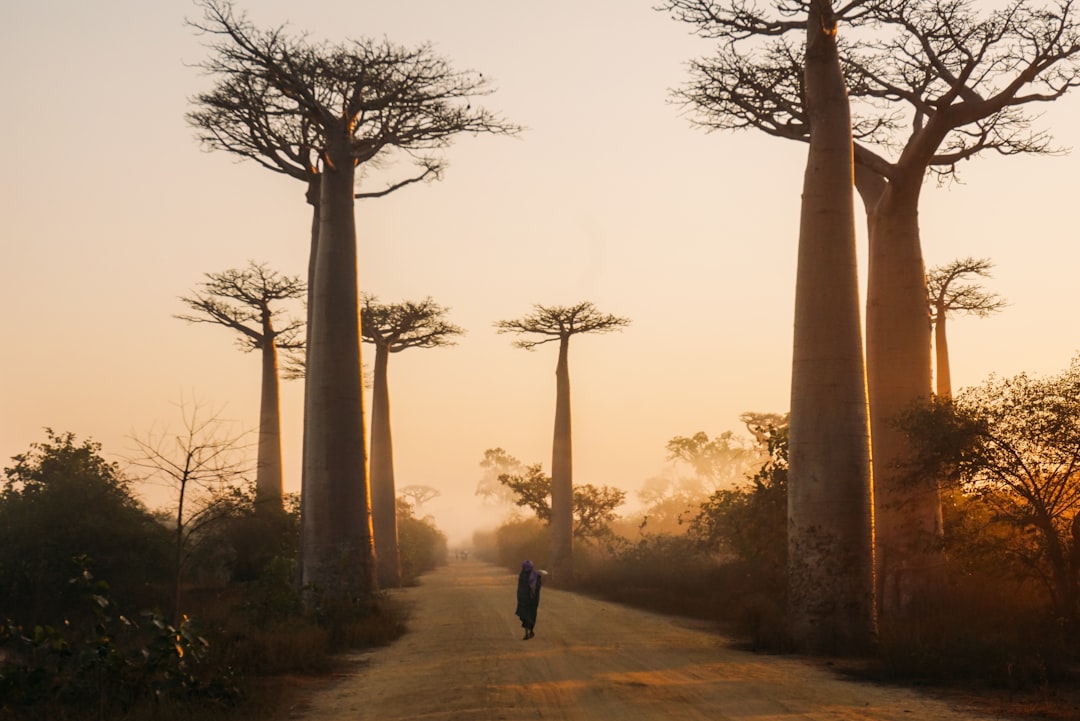
Most packages combine 8–10 days of wildlife exploration with 2–4 days dedicated to whale watching on Île Sainte-Marie.[4] The itinerary often includes visits to Baobab Avenue, Pangalanes Channel, and Palmarium for aye-aye viewing before heading north to the whale watching hotspot.[4] Some operators offer optional 5-day extensions to Nosy Be Island for snorkeling with whale sharks or exploring vanilla and ylang-ylang plantations.[6]
Tour groups are typically small, with 12 passengers maximum, ensuring personalized service and better wildlife viewing opportunities.[4] This size allows guides to move quietly through forests and position boats effectively for whale encounters. Limited departures in July–September mean you're joining carefully curated groups of fellow wildlife enthusiasts.
Why This Season Matters
Visiting Madagascar in July–September aligns with natural wildlife patterns. The dry season provides stable weather for trekking and boating. Whales are concentrated in specific areas, increasing your sighting success rate. Combine this with Madagascar's status as a biodiversity hotspot, and you're experiencing one of Earth's most unique ecosystems during its prime season.
Unlike other safari destinations, Madagascar offers a completely different wildlife experience. You won't see lions, elephants, or zebras. Instead, you'll encounter species found nowhere else: ring-tailed lemurs, indri lemurs, fossas, and chameleons of every color.[1] Add humpback whales to this mix, and you get a truly once-in-a-lifetime adventure.
For first-time safari travelers, Madagascar offers incredible value. You can explore Madagascar safari packages that combine both terrestrial and marine wildlife for less than East African options.[2] This makes July–September 2026 an ideal time to experience world-class wildlife viewing without breaking your budget.
Planning Your Madagascar Whale Watching Safari
Best Destinations for Whale Watching
Île Sainte-Marie (also written Nosy Boraha) off Madagascar's northeast coast sits within the migration route of humpback whales and offers one of the world's most productive whale watching experiences.[2] The island's calm, protected waters provide ideal conditions for observing these massive marine mammals up close. Whale watching off Sainte Marie Island is still the best place in Madagascar to see humpback whales during peak season.[7]
Nosy Be Island serves as an alternative whale watching base and offers 5-day extensions combining whale encounters with snorkeling for whale sharks.[6] The island's famous vanilla and ylang-ylang infused air creates a sensory experience beyond wildlife viewing. Some operators position boats here for July–September whale tours with excellent success rates.
Inland wildlife reserves like Kirindy Reserve and Andasibe provide forest experiences before or after whale watching.[4] Kirindy specializes in nocturnal wildlife viewing, where you'll see fossas hunting and rare lemurs in their natural behavior. Andasibe offers rainforest trekking through lush vegetation where indri lemurs call through the canopy.
Understanding Humpback Whale Behavior
Humpback whales arrive in Madagascar's waters during their Southern Hemisphere breeding season. Males perform elaborate courtship displays, breaching multiple times and slapping their tails on the water's surface.[7] These behaviors are most frequent during peak mating season, making July–September the prime time to witness these spectacular shows.
Mother whales with calves also appear during this season, offering opportunities to see young whales learning to breach and interact with their mothers. The whales stay for 3–4 months before migrating back to Antarctic feeding grounds. This extended season gives you flexibility in booking your trip between July and September.
Weather and Conditions
July to September falls within Madagascar's dry season, meaning less rainfall and more stable weather for outdoor activities. The seas around Sainte Marie Island are calmer during this period, reducing boat motion and improving whale sighting conditions. Morning boat departures offer the best visibility and whale activity.
Temperatures range from 20–25°C (68–77°F) in coastal areas, requiring light layers and sun protection. Pack waterproof gear for boat excursions, as whale watching involves getting wet from spray. Binoculars, cameras with zoom lenses, and motion sickness medication are essential for this activity.
Getting There and Logistics
Most travelers fly into Antananarivo, Madagascar's capital, then take domestic flights to reach Île Sainte-Marie or coastal access points.[3][4] Flight times from Antananarivo to Sainte Marie are typically 1–2 hours. Ground transfers, meals, and most activities are included in packaged tours, simplifying logistics.
Tour operators handle all transportation between wildlife reserves and whale watching locations. Itineraries typically start in Antananarivo, move through inland reserves over 8–10 days, then finish with 2–4 days on Sainte Marie for whale watching.[4] This structure allows you to acclimate to Madagascar while building toward the highlight: whale encounters.
Limited Madagascar group tours departing July 15th 2026 offer 12-person maximum groups with comprehensive itineraries combining Baobab Avenue, Kirindy Reserve, Andasibe, Pangalanes Channel, Palmarium aye-aye viewing, and Sainte Marie whale watching from $5,994 per person.[4] These early-season departures secure prime whale watching dates before peak crowd periods.
Booking Your Safari Package
Tour operators like Adventure Life, Red Savannah, and Cornell Alumni Travel offer 2026 Madagascar safaris with whale watching components.[1][3][5][8] Prices range from $5,994 for group tours to $15,295 for luxury small-group expeditions, depending on accommodation standards and group size.[3][4] Most packages include flights, accommodations, meals, guides, and activities; flights from your home country are typically extra.
Book 3–6 months in advance to secure July–September departures, as limited group sizes fill quickly.[4] Early booking also locks in current pricing before potential 2026 rate increases. Many operators offer payment plans to spread costs across multiple months.
Compare verified safari packages on SafariFind to find operators with authentic traveler reviews, transparent pricing, and reliable track records. Read reviews from previous whale watching trip participants to understand what to expect from boat conditions, guide expertise, and whale encounter frequency. SafariFind connects you with tour operators offering Madagascar safari packages so you can request quotes and compare options side-by-side.
Humpback whales are the star attraction during July–September in Madagascar. These 40-ton marine mammals migrate annually from Antarctic feeding grounds to breed in Madagascar's warm waters. You'll see them breach, spy-hop, tail slap, and engage in acrobatic displays that reveal their intelligence and playfulness.[7]
Whale watching tours operate from Sainte Marie Island with boats specially positioned to observe whales at safe distances. Morning departures offer the best sighting rates, with success rates often exceeding 90% during peak season. Experienced guides use binoculars to spot distant whales, then navigate boats for closer observation while maintaining marine mammal protection regulations.
Optional extensions to Nosy Be Island offer whale shark snorkeling in addition to whale watching.[6] These gentle giants filter-feed on plankton and can reach 18 meters in length. Swimming alongside whale sharks (with proper guide supervision) creates unforgettable memories of Madagascar's marine biodiversity.
Forest Wildlife: Lemurs and Endemic Species
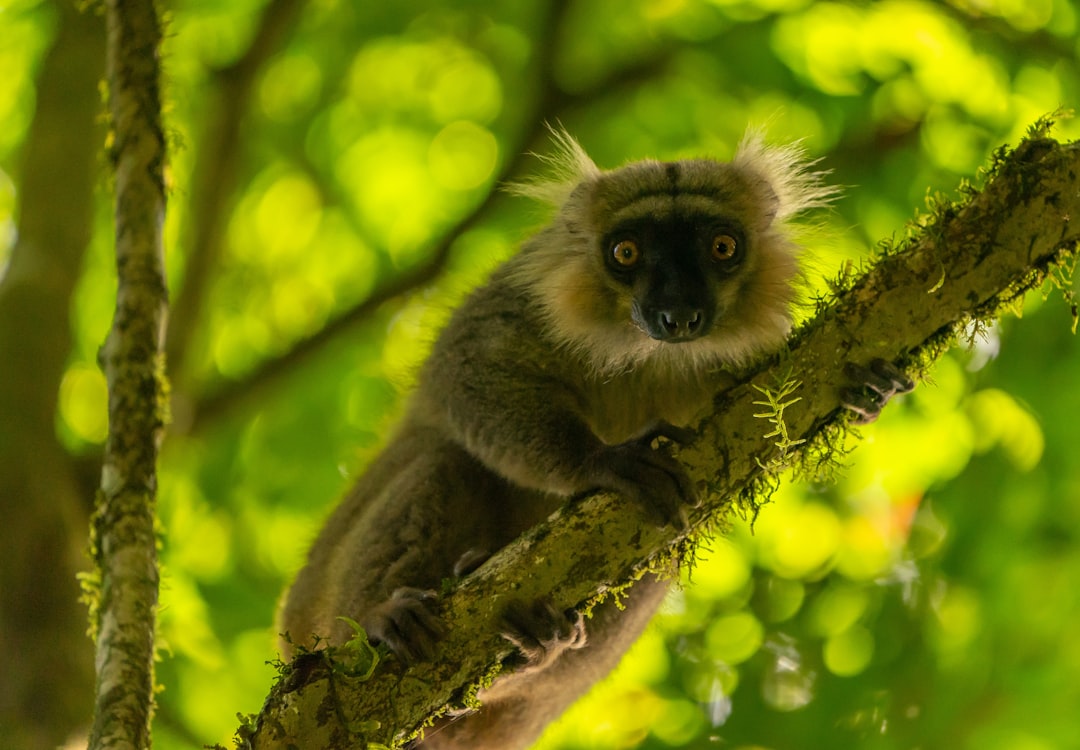
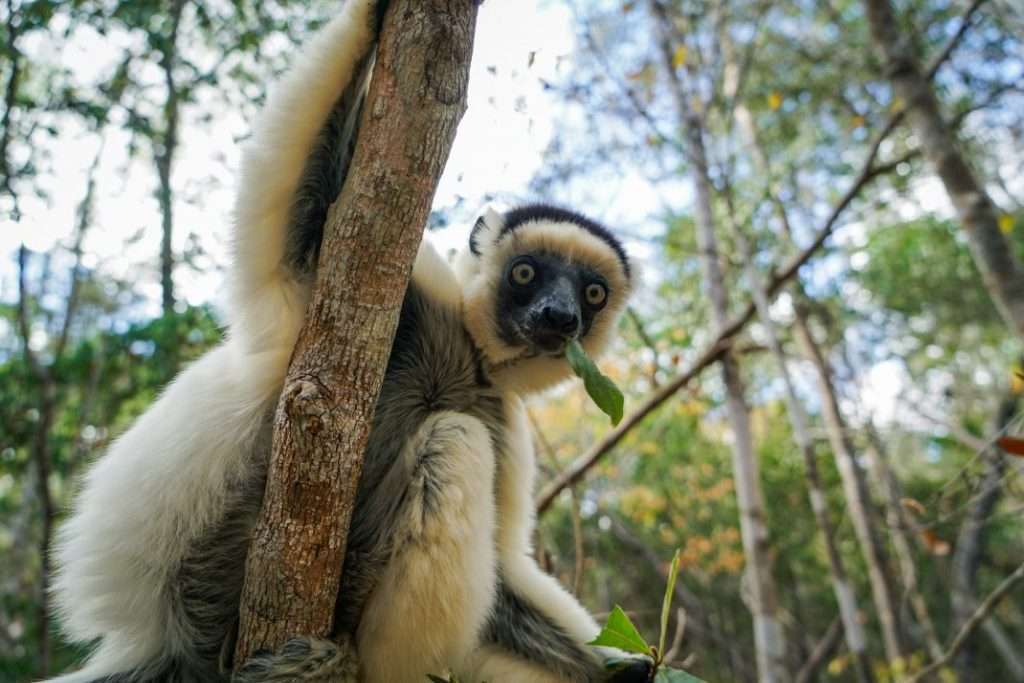
Madagascar's inland reserves showcase wildlife found nowhere else on Earth. Lemurs are the most iconic species, with ring-tailed lemurs, indri lemurs, and mouse lemurs inhabiting different forest zones.[1][8] You'll hear indri lemurs' haunting calls echoing through rainforests and see ring-tailed lemurs sunbathing with their distinctive striped tails held high.
The elusive fossa is Madagascar's top predator and primary target for wildlife photographers.[1] These cat-like carnivores hunt lemurs and other small animals through forest canopies. Nocturnal trekking in Kirindy Reserve increases your chances of spotting fossas hunting under moonlight, a thrilling experience few travelers witness.
Geckos and chameleons display Madagascar's incredible reptile diversity. Shimmering geckos with iridescent skin and chameleons that change colors based on mood and temperature demonstrate the island's evolutionary uniqueness.[1] Guides point out these small wonders during forest walks, revealing Madagascar's biological complexity beyond large mammals.
Birdwatching Opportunities
Madagascar hosts over 200 endemic bird species, many visible during July–September safaris.[8] Diverse bird species fill forest canopies with calls and colors, from the striking red fody to the elusive helmet vanga. Birdwatchers should bring binoculars and field guides to maximize sightings during forest trekking.
Pangalanes Channel offers waterbird viewing opportunities, where you might spot fish eagles, herons, and kingfishers hunting along the narrow waterway.[4] The channel's unique ecosystem supports species adapted to freshwater lagoons and coastal transitions.
Cost Breakdown and Value
Price Range for 2026
Madagascar safari packages combining wildlife and whale watching range from $5,994 to $15,295 per person for 12-day trips in 2026.[3][4] Budget group tours start at $5,994 and include accommodations, meals, guides, and activities.[4] Mid-range packages cost $8,000–$12,000 and offer better accommodations and smaller group sizes. Luxury expeditions reach $15,295 and feature premium lodges, private guides, and exclusive experiences.[3]
International flights from North America or Europe typically cost $800–$1,500 additional, depending on your departure city and booking timing. Visas for Madagascar cost $35 for a 30-day tourist visa on arrival. Travel insurance covering wildlife activities and international medical evacuation is recommended and costs $200–$400 for 2-week trips.
Read more about Madagascar safari costs in our detailed guide to Madagascar safari cost 2026: budget vs. luxury breakdown to understand where your money goes and how to maximize value.
What's Included vs. Extra Costs
Most packaged tours include domestic flights within Madagascar, accommodations, meals, guide services, and entrance fees to reserves.[4] Whale watching boat excursions, forest trekking, and night drives are typically included. However, international flights to Madagascar, travel insurance, gratuities for guides, and optional activities like spa treatments are usually extra.
Beverages at lodges outside of meals, souvenir purchases, and personal items are your responsibility. Some operators include alcohol in all-inclusive packages, while others charge per drink. Confirm inclusions when comparing quotes from different operators.
Value Comparison to Other African Safaris
Madagascar safaris offer exceptional value compared to Kenya or Tanzania wildlife trips. Similar 12-day East African safaris cost $10,000–$18,000 per person, making Madagascar 30–40% cheaper while offering unique species unavailable elsewhere. The whale watching component adds value impossible to find in landlocked safari destinations like the Serengeti.
For budget-conscious travelers, Madagascar safari packages under $6,000 deliver more wildlife diversity per dollar than competing African destinations. This makes July–September 2026 an ideal time to experience premium safari experiences without premium prices. Explore Madagascar safari & beach holiday 2026: 7-day itineraries under $2,500 to see additional budget-friendly options combining beach relaxation with wildlife viewing.
Pack lightweight, moisture-wicking clothing for tropical forest trekking. Long sleeves and pants protect against insects and sun exposure. Waterproof rain jacket, sturdy hiking boots, and quick-dry socks are essential for forest walks in humid conditions. Bring a warm layer for early morning whale watching boat trips, when ocean breezes create cooler temperatures.
Camera equipment should include a zoom lens (200–400mm) for wildlife and whale photography. Binoculars (8x42 magnification) help you spot distant whales and birds. Waterproof camera housing protects gear during boat excursions. Sunscreen (SPF 50+), insect repellent containing DEET, and motion sickness medication are critical for comfort and health.
Bring prescription medications in original containers with copies of prescriptions. Malaria prophylaxis is recommended for Madagascar; consult your doctor about options. Travel insurance documents, passport copies, and vaccination records (yellow fever proof may be required) complete your essential documents.
Health and Safety Considerations
Consult a travel medicine clinic 4–6 weeks before your trip to discuss vaccinations and malaria prevention.[1][3] Yellow fever, typhoid, and hepatitis A vaccinations are commonly recommended. Malaria exists in Madagascar, so prophylaxis is essential; your doctor can recommend atovaquone-proguanil, doxycycline, or mefloquine based on your health profile.
Tap water in Madagascar is not safe for drinking; use bottled or purified water throughout your trip. Avoid raw vegetables and uncooked foods. Travel insurance covering medical evacuation is critical, as serious medical facilities are limited outside Antananarivo. Evacuation insurance costs $200–$400 but provides peace of mind for remote wildlife areas.
Photography Tips for Whale Watching
Position yourself on the whale watching boat's windward side for better light and whale approach angles. Keep camera settings flexible; whales surface unpredictably, requiring fast shutter speeds (1/1000 or faster) to freeze action. Use burst mode to capture multiple frames during breaching, increasing odds of perfect shots.
Anticipate whale behavior by watching water ripples and guide signals. Position your camera before whales surface to avoid missing critical moments. Respect marine mammal protection guidelines: maintain safe distances, never attempt to touch whales, and follow guide instructions regarding boat positioning.
Booking Timeline
Book your Madagascar safari 3–6 months in advance for July–September 2026 departures. Limited group sizes fill quickly, and early booking secures better pricing and preferred travel dates. Most operators require 50% deposit with final payment 30 days before departure. Payment plans spreading costs over 3–6 months are often available.
Compare verified safari packages on SafariFind to find operators offering July–September departures with transparent pricing, authentic reviews, and responsive customer service. Request quotes from multiple operators and read feedback from previous travelers before committing. SafariFind makes it easy to compare options and connect with tour operators directly.
Key Takeaways
Book your Madagascar safari 3–6 months ahead for July–September 2026 to secure limited group departures and save 10–15% compared to last-minute bookings.
Expect to pay $5,994–$15,295 per person for 12-day packages combining inland wildlife reserves with Île Sainte-Marie whale watching, with group tours at the lower end and luxury experiences at the higher end.
Visit during peak humpback whale migration (July–September) when whales perform spectacular breaching displays and mating behaviors, with sighting success rates exceeding 90% on Sainte Marie Island.
Combine forest trekking through Kirindy and Andasibe reserves to see lemurs, fossas, and endemic reptiles—species found nowhere else on Earth—before finishing with whale watching.
Choose operators with authentic traveler reviews on SafariFind to verify guide quality, boat conditions, and actual whale encounter frequency before committing your budget.
Frequently Asked Questions
When is the best time to see humpback whales in Madagascar?
July to September is peak humpback whale season in Madagascar, with whales migrating to Île Sainte-Marie for breeding and mating.[2][5] The whales arrive in large concentrations during these months, creating ideal viewing conditions with success rates exceeding 90%.[7] Weather is also most stable during this dry season, reducing boat motion and improving visibility.
How much does a Madagascar safari with whale watching cost in 2026?
Madagascar safari packages combining wildlife and whale watching range from $5,994 to $15,295 per person for 12-day trips in 2026.[3][4] Group tours with 12-person maximum size start at $5,994, while luxury small-group expeditions reach $15,295.[4] International flights, travel insurance, and personal expenses are typically additional costs.
What wildlife will I see besides whales in Madagascar?
Madagascar's inland reserves host lemurs, fossas, endemic geckos, chameleons, and over 200 bird species found nowhere else on Earth.[1][8] You'll track the elusive fossa, marvel at ring-tailed lemurs, and spot shimmering geckos during nocturnal forest walks.[1] The combination of marine and terrestrial wildlife makes Madagascar uniquely biodiverse among African safari destinations.
Do I need malaria prevention for Madagascar?
Yes, malaria prophylaxis is recommended for Madagascar, particularly for coastal and lowland areas.[1][3] Consult a travel medicine clinic 4–6 weeks before your trip to discuss options like atovaquone-proguanil, doxycycline, or mefloquine based on your health profile. Vaccinations for yellow fever, typhoid, and hepatitis A are also commonly recommended.
How far in advance should I book a July–September Madagascar safari?
Book 3–6 months in advance for July–September 2026 departures to secure limited group sizes and save 10–15% compared to last-minute bookings.[4] Early booking also locks in current pricing before potential rate increases. Many operators offer payment plans spreading costs across multiple months, making early commitment easier.
Can I combine whale watching with beach relaxation in Madagascar?
Yes, many operators offer extensions combining whale watching with beach time on Nosy Be Island or coastal areas.[6] These packages typically include 10–12 days of wildlife and whale watching, followed by 3–5 days of beach relaxation, snorkeling, or diving. Read more about combined experiences in our guide to Madagascar safari & beach holiday 2026: 7-day itineraries under $2,500.
How do I find reliable Madagascar safari operators for July–September 2026?
Compare verified safari packages on SafariFind to find operators with authentic traveler reviews, transparent pricing, and proven track records. Read feedback from previous whale watching trip participants to verify sighting success rates, boat conditions, and guide expertise. SafariFind connects you with verified tour operators offering Madagascar packages so you can request quotes and compare options before booking.
Conclusion
A Madagascar safari in July–September 2026 combines world-class whale watching with access to species found nowhere else on Earth, offering exceptional value compared to other African safari destinations. The peak humpback whale migration season ensures sighting success rates exceeding 90%, while inland reserves deliver encounters with lemurs, fossas, and endemic reptiles that define Madagascar's biological uniqueness.[1][2][7]
Package prices ranging from $5,994 to $15,295 per person for 12-day trips deliver comprehensive experiences including forest trekking, night drives, and dedicated whale watching excursions.[3][4] Early booking 3–6 months in advance secures limited group departures and locks in competitive 2026 pricing before potential increases. The combination of terrestrial and marine wildlife, stable dry-season weather, and exceptional value makes July–September the ideal time to explore Madagascar's extraordinary ecosystems.
To maximize your experience, compare verified safari packages on SafariFind and read authentic reviews from previous whale watching travelers. Request quotes from multiple operators offering July–September departures and evaluate their guide expertise, boat quality, and proven whale encounter success rates. SafariFind's marketplace connects you with established tour operators, making it simple to find your perfect Madagascar safari and book with confidence in 2026.
Start planning your Madagascar whale watching adventure today. The humpback whales are migrating, limited group departures are filling quickly, and early booking saves money. Your once-in-a-lifetime combination of whale watching and endemic wildlife awaits.
Plan Your Safari with SafariFind
These recommendations use real data from SafariFind, where you can compare operators, browse packages, and read verified traveler reviews before you book.
5★ - "From start to finish, this tour was an unforgettable experience. When enquiring about planning this trip ,Tony was very responsive, informative and. answered all our questions as we went along .When my suitcase didn't ar" - Jane • Verified review
"From start to finish, this tour was an unforgettable experience. When enquiring about planning this trip ,Tony was very responsive, informative and. answered all our questions as we went along .When my suitcase didn't arrive in Madagascar Tony sorted it for me and negotiated with the airline on my behalf, going above and beyond and was very much appreciated Our guides were all knowledgeable, friendly, and punctual and clearly passionate about what they do, which made the whole trip both fun and informative. The itinerary was perfectly balanced — we saw all the major highlights without ever feeling rushed, and there were plenty of opportunities to take photos, ask questions, and just soak up the atmosphere. The transportation was comfortable, everything ran smoothly and on time, and as it was a private tour we were able to spend as little or as much time at each place as we chose. Every stop had something unique to offer, and the insider stories and local tips really brought the culture to life. It’s rare to find a tour that gets every detail right, but this one truly did, guides were on time , transfers were smooth, everything was flexible to our wishes. Hugh thanks to Tony, Sidney, Princee and Nico. The drivers were all awesome and we always felt safe despite some roads been very African massage- bumpy ! We left with amazing memories, beautiful photos, and a much deeper appreciation for the country. I’d recommend it to anyone looking for an authentic and enjoyable experience. We would do it again in a heartbeat!"
Jane•1/24/2026
5★ - "I highly recommend the Friendly Tour Guide Mada. The best cars I have seen on Madagascar, very clean, comfortable and modern. Drivers and tour guide are professionals! Very polite and helpful. Except 3 spots written in t" - Yevheniia • Verified review
"I highly recommend the Friendly Tour Guide Mada. The best cars I have seen on Madagascar, very clean, comfortable and modern. Drivers and tour guide are professionals! Very polite and helpful. Except 3 spots written in the description, expect visit to a very nice European restaurant with an amazing view! We are very happy, that we found this reliable tour operator. Thank you for everything ☺️"
Yevheniia•1/24/2026
5★ - "We have recently finished a 10 day tour of Madagascar in April 2025 using the operator “Madagascar Natural Tours” from start to finish it almost felt too good to be true, I have never met any one else from Australia who " - Savannah Lubke • Verified review
"We have recently finished a 10 day tour of Madagascar in April 2025 using the operator “Madagascar Natural Tours” from start to finish it almost felt too good to be true, I have never met any one else from Australia who has been to Madagascar so we were very hesitant in whether it would be safe and had no idea how to organise a holiday there or what to expect. Harilala was extremely professional and communicative the entire way and answered every single (too many) questions of ours and made us feel comfortable and excited. He planned our itinerary just perfectly we listed a couple of things we had wanted to see - baobab avenue, lemurs and Nosy Be. He organised our whole itinerary, accomodation and flights for us so that it flowed seamlessly. He provided options in accomodation as we were seeking honeymoon style resorts. The hotels that he booked were beautiful, clean, great food and lovely staff! We had a few internal flights in our itinerary and it was so nice stepping off the plane and trusting that there would be a guide there waiting for us to get us to our hotel. The few times during our stay we had a question regarding our tour, Harilala would reply to our messages almost immediately and paid very careful attention to ensure we were happy and getting the most out of our tour. Using Madagascar Natural Tours took all stress out of the holiday / planning and allowed us to just show up and make memories of a lifetime! I would highly recommend this company to anybody curious to explore Madagascar! Particularly if you do not speak French, we struggled with the language barrier however all guides had amazing English which was such a relief. We can’t wait to come back in a few years time!!"
Savannah Lubke•1/19/2026
5★ - "We entrusted Harilala with our Madagascar tour, explaining what we wanted to see and visit. What can I say? He exceeded our expectations! Besides the wonderful tour, Solo and Fidele, our tour leaders, made the difference" - Manuel • Verified review
"We entrusted Harilala with our Madagascar tour, explaining what we wanted to see and visit. What can I say? He exceeded our expectations! Besides the wonderful tour, Solo and Fidele, our tour leaders, made the difference. We spent 20 days in Madagascar, and they flew by; everything was fantastic. We'll definitely be back to see the southernmost part of the country."
Manuel•1/19/2026
5★ - "Our experience with the conpany was very positive. They arranged custom tour for us in very short time frame and everything went smoothly. Our driver took very good care of us and drove us safely around Madagascar even t" - Juho • Verified review
"Our experience with the conpany was very positive. They arranged custom tour for us in very short time frame and everything went smoothly. Our driver took very good care of us and drove us safely around Madagascar even though the roads are not in very good condition. They have english speaking drivers for those whi don't speak french. Owner of the company is very active on whatsapp and Facebook, so it is veey easy to get information about tours. Would recommend."