Madagascar Safari in July 2026: Whale Watching & Peak Season
July 2026 is peak whale watching season in Madagascar. See humpback whales, lemurs, and wildlife. 12-day safaris cost $5,994–$15,295 per person. Book now.
Great Zimbabwe Tours 2027: Entry Fees and Package Costs
Discover Great Zimbabwe Tours 2027: Entry Fees and Package Costs - Expert guide to safari tourism and wildlife destinations.
5 min read
Madagascar Safari in July 2026: Whale Watching
Last updated: July 2026
July 2026 is peak whale watching season in Madagascar, with humpback whales migrating to Île Sainte-Marie's calm waters. A 12-day Madagascar safari costs $5,994–$15,295 per person and combines whale watching with lemur viewing and wildlife exploration. Book early through verified operators on SafariFind to secure the best dates and pricing.
At a Glance
Cost: $5,994–$15,295 per person for 12 days in July 2026
Best time: July to September for humpback whale migration
Duration: 10–15 days recommended
Getting there: International flights to Antananarivo, then domestic connections
Best for: Wildlife enthusiasts, whale watchers, nature lovers
What Is Madagascar Safari in July 2026: Whale Watching & Peak Season?
Madagascar safari in July 2026 combines world-class whale watching with incredible wildlife viewing during the Southern Hemisphere's winter. July marks the start of Madagascar's peak season, when humpback whales migrate to the island's waters to breed and birth calves. This unique combination makes July the ideal month for travelers seeking both marine and terrestrial wildlife experiences in one trip.
The island of Madagascar sits off the coast of East Africa and hosts ecosystems found nowhere else on Earth. About 90% of Madagascar's wildlife is found only there, making it one of the world's most biodiverse destinations. When you visit in July, you get perfect weather conditions plus the added bonus of whale watching opportunities that don't exist during other months.
Île Sainte-Marie, a small island off Madagascar's northeast coast, becomes the epicenter of whale watching action in July. The calm, shallow waters surrounding this island attract hundreds of humpback whales during their migration season. Visitors can spot these magnificent creatures from shore or take boat tours for close-up encounters with mothers, calves, and males competing for mates.
A typical July safari combines multiple experiences. You'll spend days tracking lemurs through rainforests, observing chameleons in their natural habitat, and exploring unique geological formations. Then you'll shift focus to marine wildlife, heading to coastal areas for dedicated whale watching expeditions. This mix of activities creates an unforgettable adventure that appeals to both land-based and ocean-loving travelers.
Pricing for Madagascar safaris in July 2026 ranges from $5,994 to $15,295 per person for 12-day packages, depending on accommodation level and tour operator. Budget options include mid-range lodges and shared transportation, while luxury packages feature private guides, five-star resorts, and personalized itineraries. Most packages include all meals, park fees, and guided activities, making budgeting straightforward.
Why July Is Perfect for Madagascar Safari & Whale Watching
Peak Season Weather Conditions
July falls within Madagascar's dry season, which runs from May through September. During these months, rainfall is minimal, and temperatures are mild and pleasant. You'll experience warm days (around 70–75°F) and cool nights, making outdoor activities comfortable throughout the day. The clear skies also improve visibility for both land wildlife spotting and whale watching from boats.
Madagascar's weather patterns make July ideal for trekking and hiking. The dry conditions mean trails are accessible, and you won't deal with muddy paths or sudden downpours. This is especially important when exploring protected areas like Andasibe-Mantadia National Park or Isalo National Park, where terrain can be challenging during wet months.
Humpback Whale Migration Cycle
Humpback whales migrate from Antarctic feeding grounds to Madagascar's waters between July and September. These whales travel over 16,000 miles annually, making one of the longest migrations in the animal kingdom. They arrive in Madagascar to breed and give birth in the warm, protected waters around Île Sainte-Marie and other coastal areas.
July marks the peak of this migration, meaning you'll see the highest concentration of whales during the first month of the season. Mothers with newborn calves are particularly active, creating incredible photo opportunities and memorable encounters. The calm waters of July provide ideal conditions for both the whales and the boats carrying whale watchers.
The whale watching season is time-limited, running only from July through September. Once October arrives, most whales have completed breeding and begin their journey back to Antarctic waters. This creates natural urgency to plan your trip for July if whale watching is a priority for your Madagascar safari experience.
Availability of Lemur Baby Season
While July isn't peak baby lemur season (that occurs in October–November), you'll still see young lemurs born earlier in the year. These juveniles are old enough to be active and playful but still show dependence on mothers. Witnessing family groups interacting in the rainforest canopy creates emotional, memorable moments that photos alone can't capture.
July also means fewer tourists than peak season months, giving you more intimate wildlife encounters. Guides can spend more time with specific lemur groups, allowing for detailed observations of behavior and social dynamics. This less crowded experience often surpasses what travelers find in busier months.
Planning Your Madagascar Safari for July 2026: Practical Guide
Booking Timeline and Cost Considerations
Start planning your Madagascar safari 3–6 months in advance for the best availability and pricing. July is peak season, meaning popular packages fill quickly. Early booking often secures 10–15% discounts compared to last-minute reservations. Most tour operators require deposits of 25–50% to confirm your spot, with final payment due 30–60 days before departure.
Madagascar safari costs in 2026 vary based on accommodation choices and included services. Budget packages ($5,994–$8,000) typically feature comfortable mid-range lodges, shared group tours, and standard meals. Mid-range packages ($8,000–$11,000) offer better accommodations and some private guide options. Luxury packages ($11,000–$15,295) include five-star resorts, private guides, and customized itineraries.
When comparing prices, verify what's included. Most reputable operators include accommodations, meals, internal flights, park entrance fees, and guided activities. Transportation from your home to Madagascar typically isn't included. Budget an additional $800–$1,500 for international flights from North America or Europe.
What to Pack for July Wildlife Viewing
July weather in Madagascar requires layered clothing. Bring lightweight, breathable shirts for daytime activities, plus a fleece jacket or sweater for evening temperatures. Pack long pants and closed-toe hiking boots for forest trekking where insects and rough terrain are present. Waterproof jackets are essential despite dry season, as unexpected showers can occur.
For whale watching, bring binoculars, a good camera with a telephoto lens, and sunscreen. Sunglasses and a wide-brimmed hat protect against intense sun reflection off the water. Motion sickness medication helps some travelers during boat excursions. Bring reef-safe sunscreen to protect marine ecosystems.
Don't forget antimalarial medication prescribed by your doctor, as malaria risk exists in Madagascar. Pack a basic first-aid kit, prescription medications, and travel insurance that covers medical evacuation. Bring cash in US dollars, as ATMs aren't always reliable outside major cities.
Choosing the Right Tour Operator
First-time Madagascar safari travelers should research verified tour operators carefully. Look for companies with strong reviews from past clients, experience leading July whale watching tours, and proper licensing from Madagascar's tourism board. SafariFind connects you with verified operators who have authentic traveler reviews, helping you avoid unreliable companies.
Ask potential operators specific questions: How many years have they led Madagascar safaris? What's their guide-to-guest ratio? Do they offer flexible itineraries? What happens if weather prevents whale watching? Reputable operators provide honest answers and have backup plans for weather delays.
Read recent reviews on SafariFind to see what previous travelers experienced. Pay attention to comments about guide quality, accommodation cleanliness, food quality, and how operators handle unexpected situations. A company with consistent 4.5+ star ratings and hundreds of reviews is generally safer than newer operators with few reviews.
Logistics: Getting to Madagascar and Around
International flights arrive at Antananarivo (Tana), Madagascar's capital and main international hub. From there, most safari packages include domestic flights to regional airports like Sambava or Antalaha in the northeast, near Île Sainte-Marie. Domestic flights take 1–3 hours and are typically included in package prices.
Within Madagascar, you'll travel by vehicle, boat, and occasionally on foot. Safari vehicles are typically 4x4 Land Cruisers or similar, shared with 4–8 other guests on group tours. Private tours offer personal vehicles with your own guide. Boat trips to see whales use smaller speedboats or larger tour vessels depending on group size and weather.
Roads in Madagascar vary in quality. Main routes are paved but can be rough. Secondary roads are often unpaved. Travel times between destinations are longer than distances suggest—a 100-mile journey might take 4–5 hours. Your tour operator handles all logistics, so you simply follow the itinerary.
What Wildlife You'll See: Whales and Beyond
Humpback Whale Encounters
Humpback whales are the stars of July Madagascar safaris. These marine mammals weigh up to 40 tons and reach lengths of 50 feet. You'll see them breaching, tail-slapping, and spy-hopping near Île Sainte-Marie. Mothers with calves are particularly active, creating dramatic displays as they nurse and protect their young. Experienced guides help you understand whale behavior and communication.
Whale watching typically happens from boats that depart early morning or mid-afternoon. Tours last 2–4 hours depending on whale activity and weather. The best sightings occur when seas are calm, which is common in July. You don't need to be a strong swimmer or have boating experience—the boats are stable and designed for wildlife viewing.
Lemurs and Rainforest Wildlife
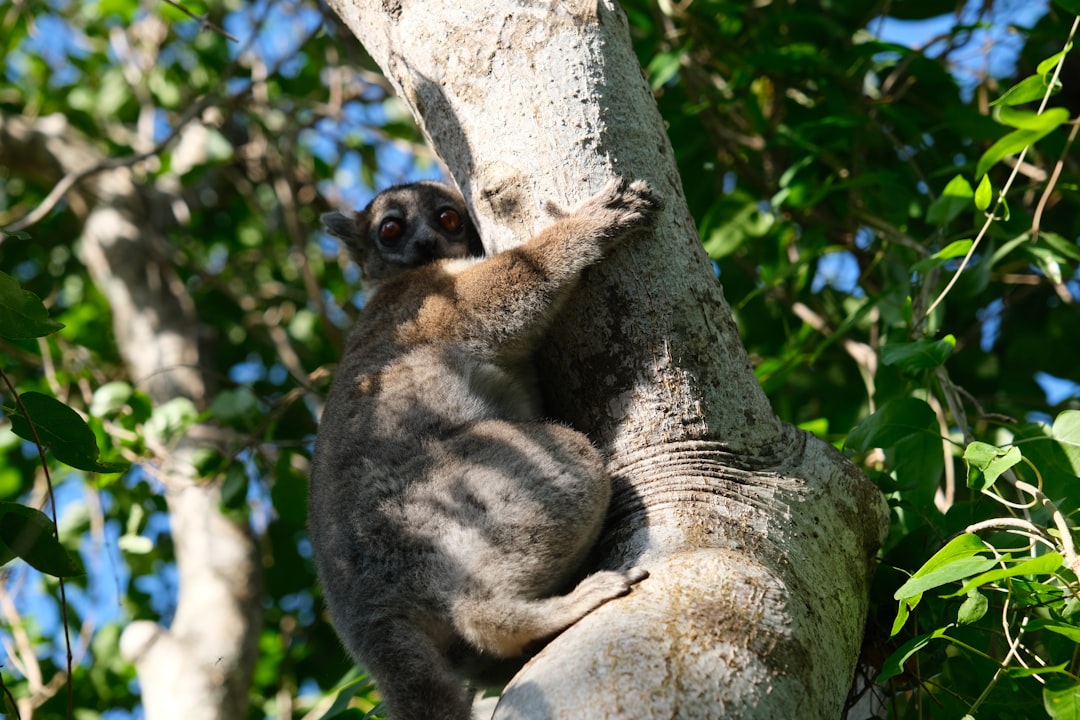
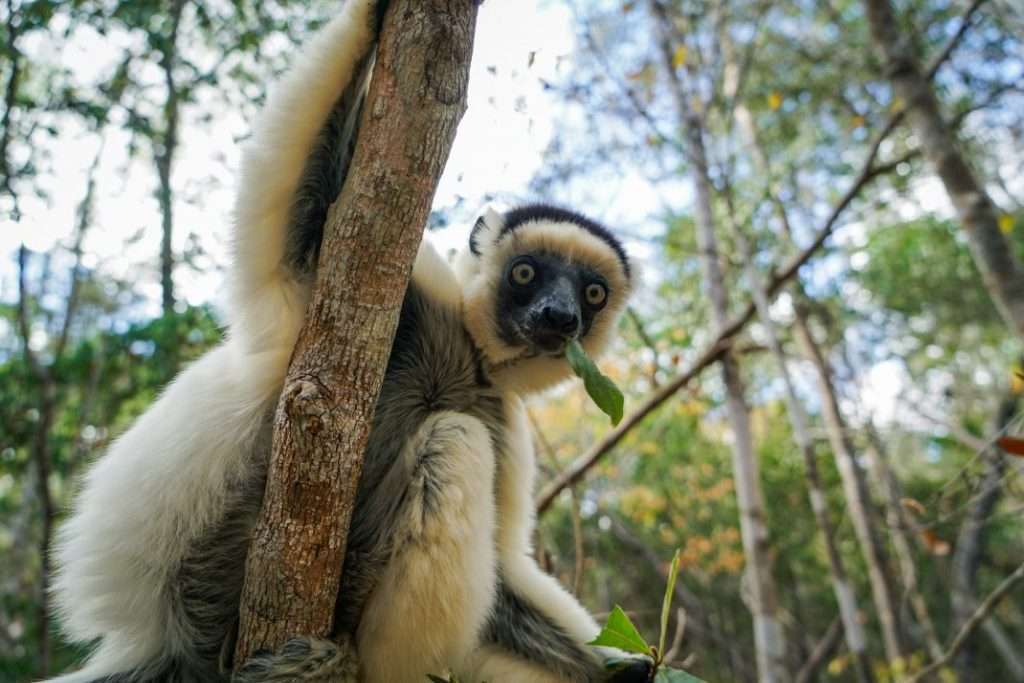
Madagascar is famous for lemurs, primates found nowhere else on Earth. July safaris include visits to protected forests where you'll see multiple lemur species. Ring-tailed lemurs with their distinctive black-and-white striped tails are most recognizable. Indri lemurs, the largest lemurs, produce haunting calls that echo through the forest. Red-fronted brown lemurs, bamboo lemurs, and mouse lemurs are also common sightings.
Beyond lemurs, Madagascar's forests host extraordinary biodiversity. Chameleons of various sizes blend into vegetation, changing colors to communicate and regulate temperature. Fossa, Madagascar's largest carnivore, hunts lemurs and other prey. Tenrecs, hedgehog-like creatures unique to Madagascar, rustle through undergrowth. Countless bird species, from vibrant kingfishers to rare eagles, fill the canopy.
Geological and Botanical Wonders
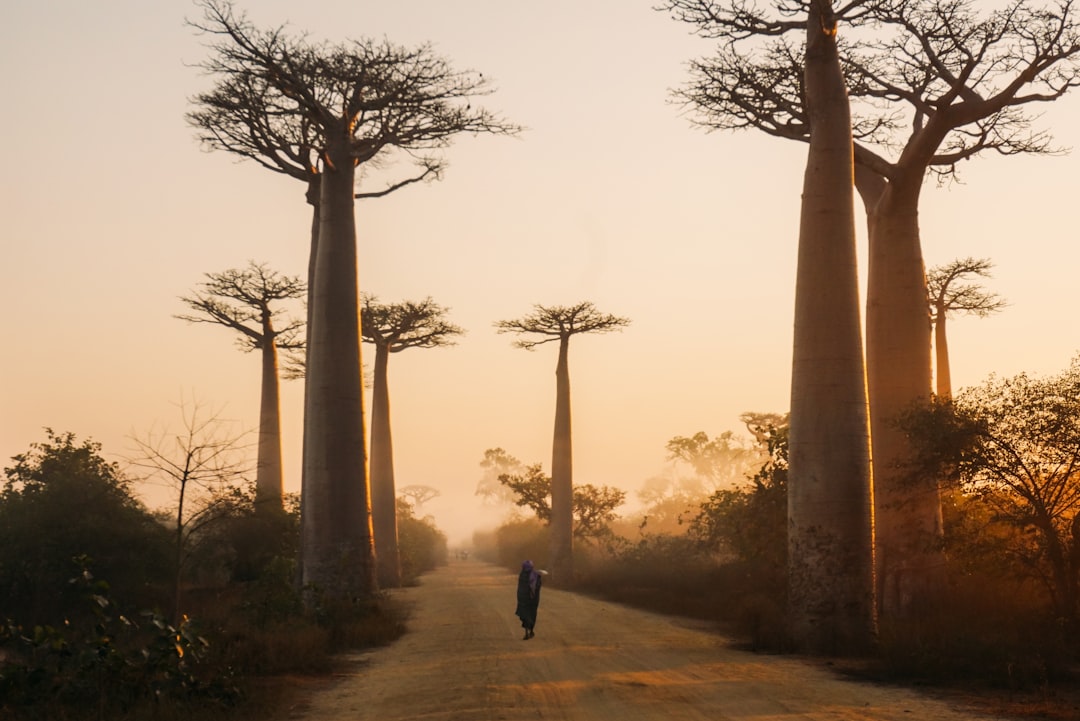
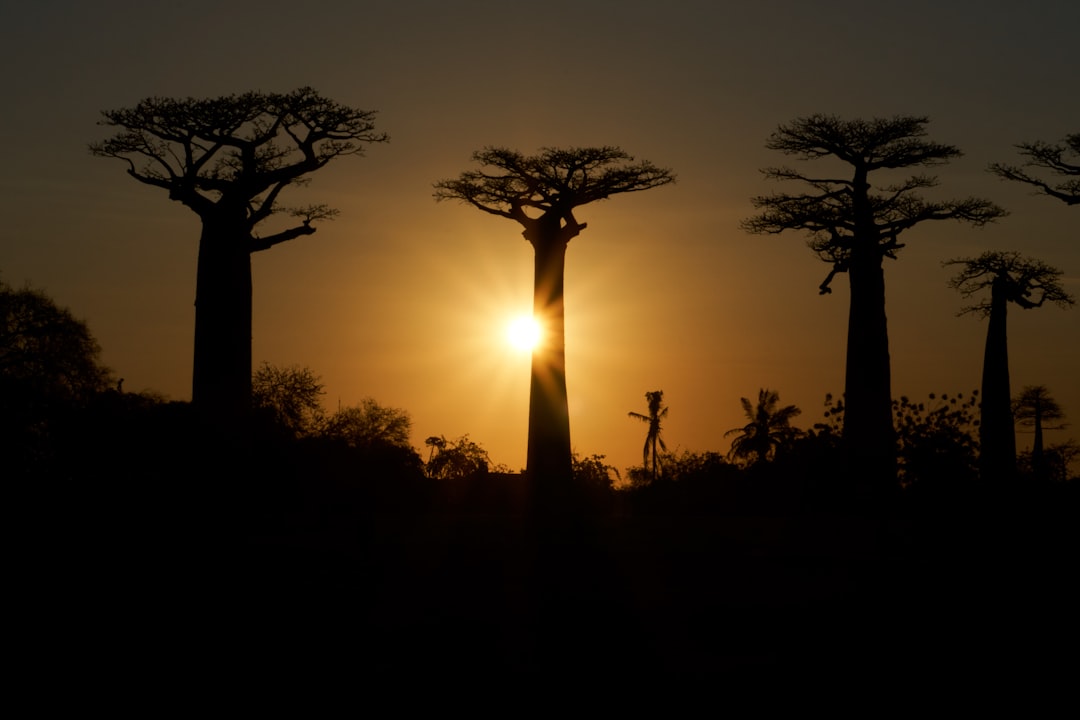
Madagascar's landscapes feature unique geological formations. The Avenue of the Baobabs displays massive baobab trees that look like inverted roots pushed into the sky. Isalo National Park features red sandstone canyons, natural pools, and dramatic rock formations. These areas showcase Madagascar's natural beauty beyond wildlife alone.
Flora in Madagascar is equally remarkable. Over 80% of the island's plant species are found nowhere else. Orchids, succulents, and rainforest plants create a living laboratory of evolution. July's dry season makes botanical exploration easier than other times of year.
Comparing July to Other Safari Seasons in Madagascar
Season
Months
Weather
Whale Watching
Baby Lemurs
Best For
Dry Season (Peak)
July–September
Cool, clear, dry
Excellent (July best)
Some juveniles
Whale watching, trekking
Dry Season (Shoulder)
May–June
Mild, dry
None
None
Budget travelers, fewer crowds
Wet Season
November–April
Warm, humid, rainy
None
Peak babies (Oct–Nov)
Baby lemurs, budget seekers
July stands out as the best month for combined whale watching and general wildlife viewing. The weather is ideal, whales are present, and wildlife is active. Compared to May–June, July offers whale watching. Compared to October–November, July has better weather and fewer tourists, though baby lemurs are more abundant later.
Your accommodation level drives much of the total safari cost. Budget lodges charge $40–$80 per night and offer clean rooms with basic amenities. Mid-range lodges cost $80–$150 per night with en-suite bathrooms, restaurant facilities, and sometimes air conditioning. Luxury lodges range from $200–$500+ per night with premium bedding, gourmet meals, and personalized service.
For a 12-day safari, accommodation represents $480–$6,000 of your total cost depending on category. Budget packages use mostly budget lodges with occasional mid-range nights. Luxury packages feature exclusively high-end properties. Mid-range packages mix budget and mid-range options strategically.
Activities and Guiding
All safaris include guided activities: forest trekking, whale watching tours, wildlife viewing drives, and cultural visits. Group tours use shared guides (one guide for 4–8 guests), reducing per-person costs. Private tours provide personal guides at 2–3x the cost. Whale watching boat tours are typically included but sometimes cost $20–$40 extra per person.
Park entrance fees are included in most packages. Madagascar charges $10–$25 per person daily for national park access. Over 12 days visiting multiple parks, this adds $120–$300 per person—typically covered in your package price.
Meals and Transportation
Most packages include all meals (breakfast, lunch, dinner) and non-alcoholic beverages. Budget packages serve simple but adequate food. Luxury packages feature chef-prepared meals with international and local cuisine. Internal flights between regions cost $60–$150 per flight; most packages include 2–3 internal flights.
Ground transportation (vehicle, fuel, driver) is included. You don't pay extra for daily drives to wildlife viewing areas. Only international flights to Madagascar and personal items like tips, alcohol, and souvenirs are extra.
Practical Considerations and Safety
Health and Safety Precautions
Madagascar requires yellow fever vaccination for entry if you're arriving from certain countries. Consult your doctor about malaria prevention, as the disease is present in some regions. Dengue fever and typhoid are also risks. Drink only bottled or purified water, and eat cooked foods rather than raw vegetables in local markets.
Travel insurance is essential. Standard policies cover medical evacuation, which costs $10,000–$50,000 if needed. Some insurance plans specifically exclude adventure activities, so verify your policy covers safari activities. Register with your embassy before traveling.
Madagascar is generally safe for tourists in established safari areas. Avoid displaying expensive jewelry or cameras in urban areas. Stick with your tour group and follow guide instructions. Reputable tour operators have strong safety records and experienced guides trained in emergency response.
Physical Requirements
Madagascar safaris require moderate fitness. You'll hike on uneven terrain for 2–4 hours daily through rainforests. Whale watching involves boat rides that can be rough in choppy seas. If you have mobility issues, inform your tour operator in advance. Many operators offer modified itineraries with shorter walks and easier terrain.
Altitude is generally not a factor since most of Madagascar is below 3,000 feet. However, some inland areas reach higher elevations. If you have respiratory conditions, discuss this with your operator.
Cultural Considerations
Madagascar's Malagasy people have deep respect for ancestors and nature. Ask permission before photographing people. Dress modestly when visiting villages. Learn a few Malagasy phrases like "Salama" (hello) and "Misaotra" (thank you)—locals appreciate the effort. Tipping guides and drivers is customary ($5–$10 daily), though not mandatory.
How to Book Your July 2026 Madagascar Safari
Start by identifying your priorities: budget level, whale watching focus, specific wildlife interests, and trip duration. Visit SafariFind to browse verified Madagascar safari packages with authentic reviews from past travelers. Filter by date (July 2026), price range, and tour operator ratings.
Request quotes from 2–3 verified operators. Ask questions about itinerary flexibility, cancellation policies, and group size. Once you've selected an operator, confirm availability, pay your deposit, and receive booking confirmation. Most operators provide pre-trip planning calls to discuss expectations and answer questions.
Finalize travel logistics 8 weeks before departure: book international flights, arrange visas, purchase travel insurance, and confirm hotel accommodations if you're extending your trip. Receive final itinerary details and emergency contact information from your operator 2 weeks before travel.
Key Takeaways
Book your July 2026 Madagascar safari 3–6 months ahead to secure premium dates and save 10–15% on early-bird pricing from verified operators on SafariFind.
Expect to pay $5,994–$15,295 per person for 12-day packages that combine whale watching, lemur viewing, and wildlife exploration during peak season.
July offers the best whale watching of the year, with humpback whales most abundant early in their migration to Île Sainte-Marie's calm waters.
Pack layered clothing, waterproof gear, binoculars, and reef-safe sunscreen for comfortable July safaris with temperatures ranging from 55–75°F.
Choose tour operators with 4.5+ star ratings and 100+ verified reviews on SafariFind to ensure professional guides, quality accommodations, and memorable wildlife encounters.
Frequently Asked Questions
What is the best month for whale watching in Madagascar?
July is the best month for whale watching in Madagascar, as humpback whales are most abundant early in their migration season. Whales remain present through September, but July offers peak activity and optimal weather conditions. Île Sainte-Marie's calm waters provide ideal viewing opportunities during this month.
How much does a Madagascar safari cost in July 2026?
A 12-day Madagascar safari costs $5,994–$15,295 per person in July 2026, depending on accommodation level and tour operator. Budget packages run $5,994–$8,000, mid-range packages cost $8,000–$11,000, and luxury packages range from $11,000–$15,295. Most prices include meals, activities, and internal transportation but exclude international flights.
Is July a good time to visit Madagascar for general wildlife?
Yes, July is excellent for general wildlife viewing. The dry season weather is ideal for trekking and vehicle safaris. You'll see lemurs, chameleons, birds, and other wildlife actively moving through forests. July combines perfect weather with whale watching opportunities, making it the most versatile month for comprehensive Madagascar safaris.
Do I need vaccinations to visit Madagascar in July?
Yellow fever vaccination is required if you're arriving from certain countries. Consult your doctor about malaria prevention, as the disease is present in some Madagascar regions. Vaccinations for typhoid and dengue may also be recommended. Schedule a pre-travel medical appointment 4–6 weeks before your trip to discuss personalized vaccination needs.
What should I pack for a Madagascar safari in July?
Pack layered clothing including lightweight shirts, long pants, closed-toe hiking boots, and a fleece jacket for cool evenings. Bring waterproof gear, binoculars, a quality camera, sunglasses, and reef-safe sunscreen. Include antimalarial medication prescribed by your doctor, a basic first-aid kit, and travel insurance documentation. Bring cash in US dollars for tips and small purchases.
How do I choose a reliable tour operator for my Madagascar safari?
Choose operators with 4.5+ star ratings and 100+ verified reviews on SafariFind. Look for companies with multiple years of Madagascar experience, proper licensing, and transparent pricing. Read recent traveler reviews mentioning guide quality, accommodation conditions, and how operators handle weather delays. SafariFind connects you with verified operators and helps you compare options before booking.
Can I combine whale watching with other activities on a Madagascar safari?
Absolutely. Most July Madagascar safaris combine whale watching with lemur viewing, rainforest trekking, and geological exploration. You'll spend days tracking wildlife through protected forests, then shift focus to coastal whale watching. This diverse mix appeals to travelers seeking varied experiences rather than single-focus trips. SafariFind offers packages with flexible itineraries combining multiple activity types.
Conclusion
Madagascar safari in July 2026 represents the ultimate combination of whale watching and wildlife viewing. Humpback whales migrate to Île Sainte-Marie's waters during this month, creating world-class marine encounters alongside rainforest lemur viewing, chameleon spotting, and geological exploration. The dry season weather is perfect for outdoor activities, making July the ideal month for comprehensive Madagascar safaris.
Use SafariFind to compare verified tour operators, read authentic traveler reviews, and request quotes from companies with proven track records. The platform connects you directly with operators offering July 2026 packages, helping you find the perfect safari experience within your budget. Start planning today to secure your spot for an unforgettable Madagascar adventure combining whale watching, lemur encounters, and pristine natural landscapes.
Plan Your Safari with SafariFind
These recommendations use real data from SafariFind, where you can compare operators, browse packages, and read verified traveler reviews before you book.
5★ - "From start to finish, this tour was an unforgettable experience. When enquiring about planning this trip ,Tony was very responsive, informative and. answered all our questions as we went along .When my suitcase didn't ar" - Jane • Verified review
"From start to finish, this tour was an unforgettable experience. When enquiring about planning this trip ,Tony was very responsive, informative and. answered all our questions as we went along .When my suitcase didn't arrive in Madagascar Tony sorted it for me and negotiated with the airline on my behalf, going above and beyond and was very much appreciated Our guides were all knowledgeable, friendly, and punctual and clearly passionate about what they do, which made the whole trip both fun and informative. The itinerary was perfectly balanced — we saw all the major highlights without ever feeling rushed, and there were plenty of opportunities to take photos, ask questions, and just soak up the atmosphere. The transportation was comfortable, everything ran smoothly and on time, and as it was a private tour we were able to spend as little or as much time at each place as we chose. Every stop had something unique to offer, and the insider stories and local tips really brought the culture to life. It’s rare to find a tour that gets every detail right, but this one truly did, guides were on time , transfers were smooth, everything was flexible to our wishes. Hugh thanks to Tony, Sidney, Princee and Nico. The drivers were all awesome and we always felt safe despite some roads been very African massage- bumpy ! We left with amazing memories, beautiful photos, and a much deeper appreciation for the country. I’d recommend it to anyone looking for an authentic and enjoyable experience. We would do it again in a heartbeat!"
Jane•1/24/2026
5★ - "I highly recommend the Friendly Tour Guide Mada. The best cars I have seen on Madagascar, very clean, comfortable and modern. Drivers and tour guide are professionals! Very polite and helpful. Except 3 spots written in t" - Yevheniia • Verified review
"I highly recommend the Friendly Tour Guide Mada. The best cars I have seen on Madagascar, very clean, comfortable and modern. Drivers and tour guide are professionals! Very polite and helpful. Except 3 spots written in the description, expect visit to a very nice European restaurant with an amazing view! We are very happy, that we found this reliable tour operator. Thank you for everything ☺️"
Yevheniia•1/24/2026
5★ - "We have recently finished a 10 day tour of Madagascar in April 2025 using the operator “Madagascar Natural Tours” from start to finish it almost felt too good to be true, I have never met any one else from Australia who " - Savannah Lubke • Verified review
"We have recently finished a 10 day tour of Madagascar in April 2025 using the operator “Madagascar Natural Tours” from start to finish it almost felt too good to be true, I have never met any one else from Australia who has been to Madagascar so we were very hesitant in whether it would be safe and had no idea how to organise a holiday there or what to expect. Harilala was extremely professional and communicative the entire way and answered every single (too many) questions of ours and made us feel comfortable and excited. He planned our itinerary just perfectly we listed a couple of things we had wanted to see - baobab avenue, lemurs and Nosy Be. He organised our whole itinerary, accomodation and flights for us so that it flowed seamlessly. He provided options in accomodation as we were seeking honeymoon style resorts. The hotels that he booked were beautiful, clean, great food and lovely staff! We had a few internal flights in our itinerary and it was so nice stepping off the plane and trusting that there would be a guide there waiting for us to get us to our hotel. The few times during our stay we had a question regarding our tour, Harilala would reply to our messages almost immediately and paid very careful attention to ensure we were happy and getting the most out of our tour. Using Madagascar Natural Tours took all stress out of the holiday / planning and allowed us to just show up and make memories of a lifetime! I would highly recommend this company to anybody curious to explore Madagascar! Particularly if you do not speak French, we struggled with the language barrier however all guides had amazing English which was such a relief. We can’t wait to come back in a few years time!!"
Savannah Lubke•1/19/2026
5★ - "We entrusted Harilala with our Madagascar tour, explaining what we wanted to see and visit. What can I say? He exceeded our expectations! Besides the wonderful tour, Solo and Fidele, our tour leaders, made the difference" - Manuel • Verified review
"We entrusted Harilala with our Madagascar tour, explaining what we wanted to see and visit. What can I say? He exceeded our expectations! Besides the wonderful tour, Solo and Fidele, our tour leaders, made the difference. We spent 20 days in Madagascar, and they flew by; everything was fantastic. We'll definitely be back to see the southernmost part of the country."
Manuel•1/19/2026
5★ - "Our experience with the conpany was very positive. They arranged custom tour for us in very short time frame and everything went smoothly. Our driver took very good care of us and drove us safely around Madagascar even t" - Juho • Verified review
"Our experience with the conpany was very positive. They arranged custom tour for us in very short time frame and everything went smoothly. Our driver took very good care of us and drove us safely around Madagascar even though the roads are not in very good condition. They have english speaking drivers for those whi don't speak french. Owner of the company is very active on whatsapp and Facebook, so it is veey easy to get information about tours. Would recommend."