Madagascar Safari Animals: What You'll Actually See (2026)
Discover Madagascar safari animals: lemurs, fossas, chameleons & endemic birds. See 90% unique wildlife. Best time April-October. Plan your 2026 safari.
Great Zimbabwe Tours 2027: Entry Fees and Package Costs
Discover Great Zimbabwe Tours 2027: Entry Fees and Package Costs - Expert guide to safari tourism and wildlife destinations.
5 min read
Madagascar Safari Animals: What You'll See 2026
Last updated: July 2026
Madagascar is home to over 90% of wildlife found nowhere else on Earth, including lemurs, fossas, and unique birds. A typical 7-14 day Madagascar safari costs $2,500-$6,000 per person. The best time to visit is April to October when weather is dry and animals are most active. Book verified safari packages on SafariFind to explore this "eighth continent" with authentic wildlife encounters.
At a Glance
Cost: $2,500-$6,000 per person for 7-14 days
Best time to visit: April-October (dry season)
Duration: 10-14 days recommended
Getting there: International flights to Antananarivo, then domestic flights or ground transport
Best for: Wildlife lovers, nature photographers, adventure seekers
What Is Madagascar Safari Animals: What You'll Actually See?
Madagascar safari animals represent one of Earth's most unique wildlife collections. The island has been isolated from mainland Africa for 165 million years, allowing evolution to follow its own path [7]. This isolation created a world unlike anywhere else on the planet.
Madagascar is home to animals found nowhere else. Over 90% of the island's wildlife is endemic, meaning you won't see these creatures anywhere outside Madagascar [3]. This remarkable fact earned Madagascar the nickname "the eighth continent" among nature lovers and scientists.
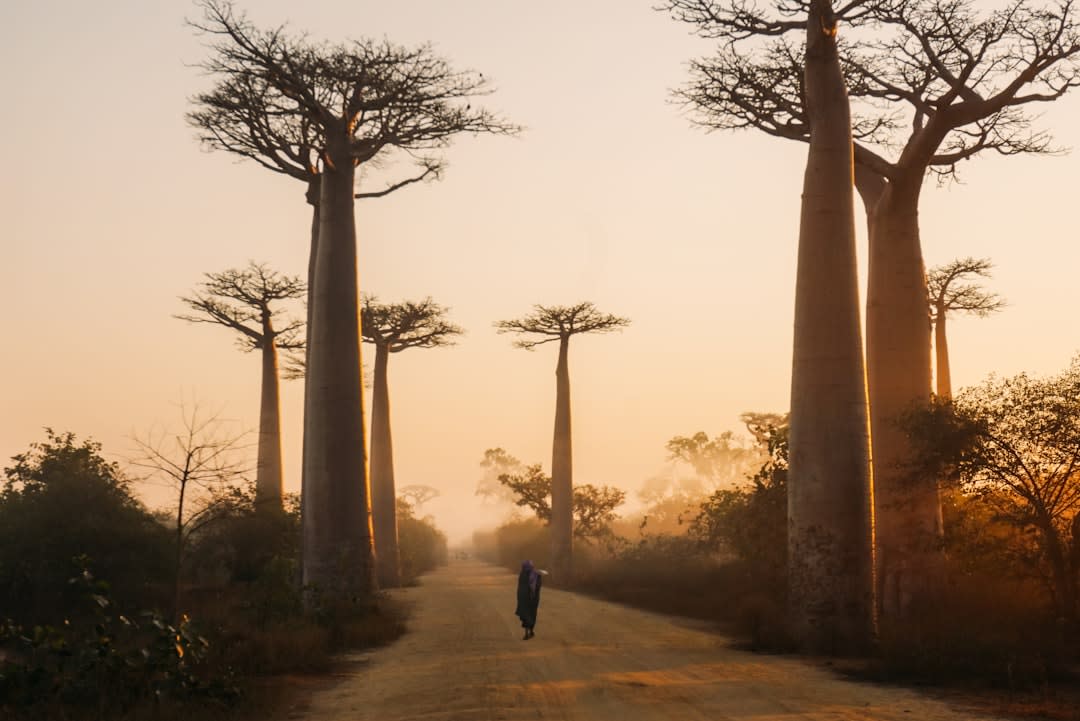
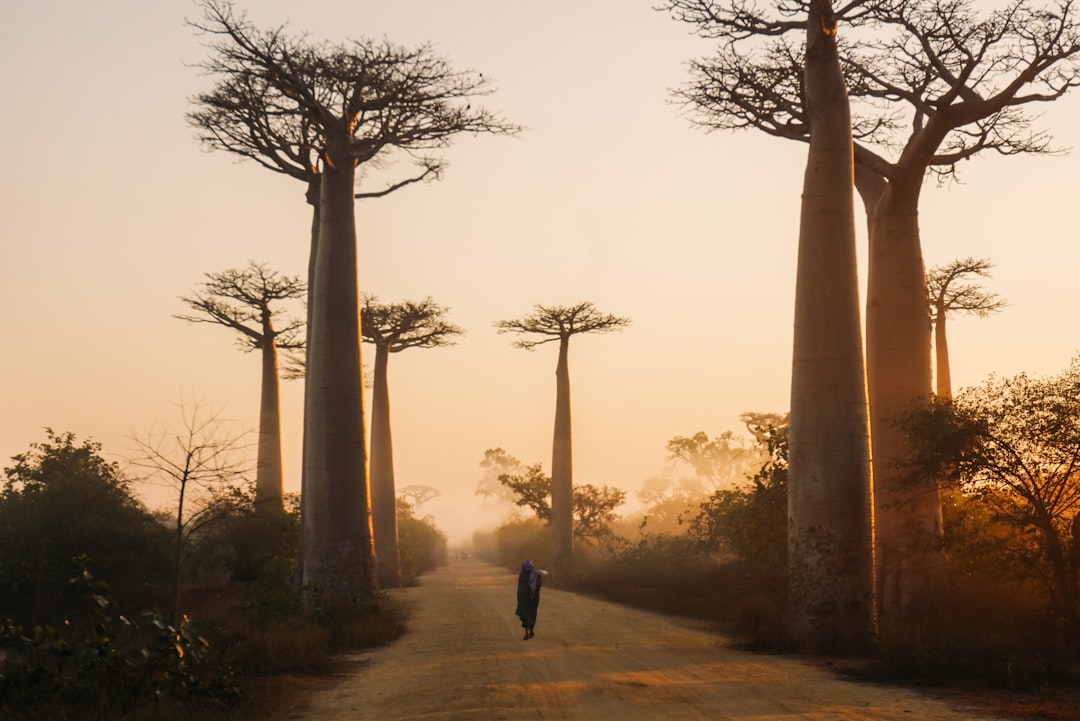
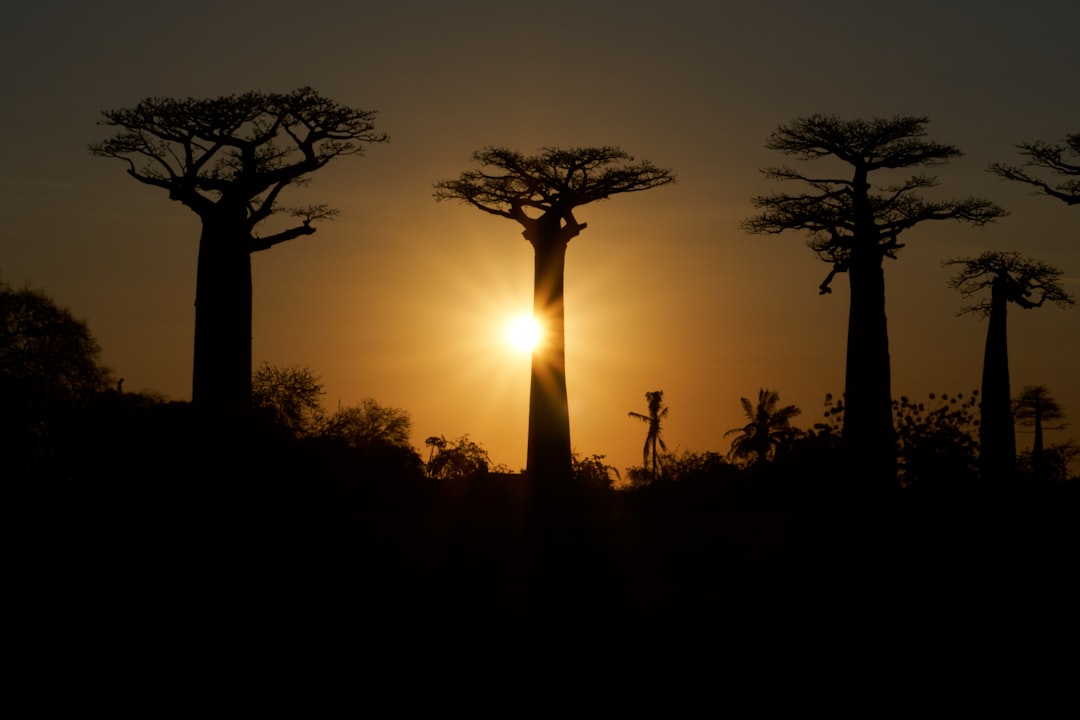
When you go on a Madagascar safari, you'll encounter lemurs, fossas, tenrecs, chameleons, and rare birds. The rainforests contain diademed sifakas and indris, while sandy deserts feature baobabs and pachypodia plants [1]. Each ecosystem reveals different animals adapted to their specific habitats.
Madagascar safaris differ significantly from traditional African safaris. Instead of vast savannas with large herds of wildebeest and zebras, you'll explore dense rainforests and unique desert landscapes. The experience focuses on smaller, more specialized animals rather than the "Big Five."
Physical fitness matters for Madagascar safaris. Tours involve hiking, walking through forests, and sometimes boat rides across rivers and coastal areas [2]. Most visitors need moderate to good fitness levels to enjoy the full experience.
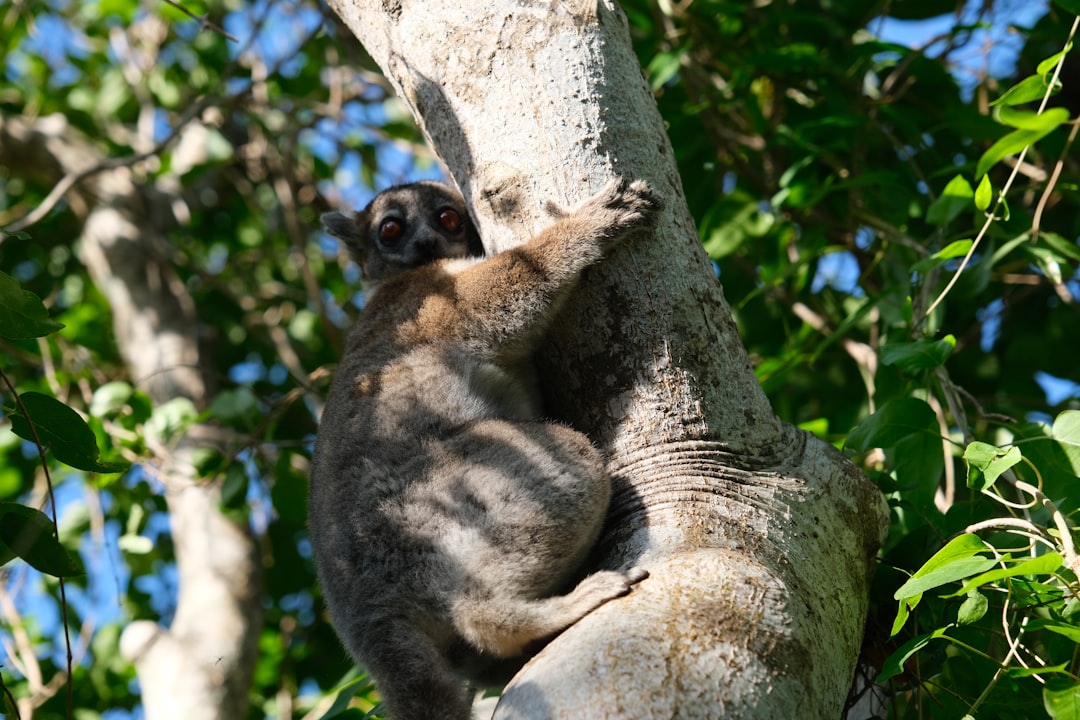
Lemurs are the stars of any Madagascar safari. These primates exist only in Madagascar and represent over 100 different species. You'll encounter several types during a typical safari adventure.
Indri-Indri Lemurs
The Indri-Indri is the largest living lemur species. At Andasibe-Mantadia National Park, visitors regularly observe these black-and-white primates in their natural rainforest home [2]. Their loud, haunting calls echo through the forest and can be heard from several kilometers away.
Indri-Indri lemurs are monogamous and live in small family groups. They spend most of their time in trees, moving through the canopy with impressive leaping abilities. You'll see them in the early morning when they're most active and vocal.
Diademed Sifakas
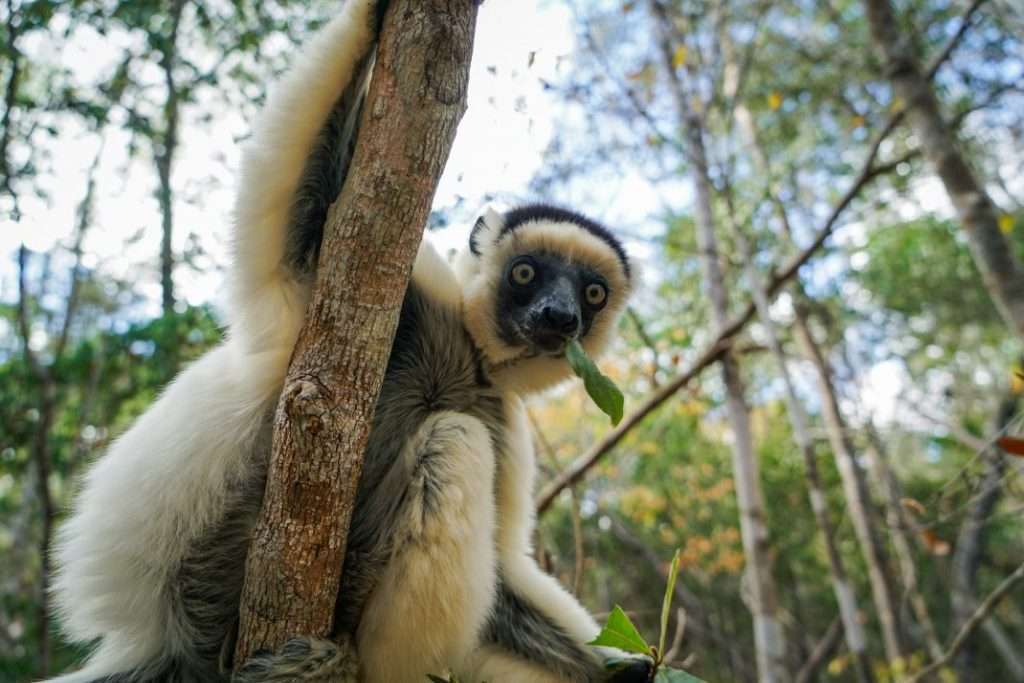
Diademed sifakas are stunning white lemurs with black faces and distinctive crown-like markings [1]. These acrobatic primates move through trees in a unique upright hopping motion that looks like they're dancing. Watching them leap between branches is one of safari's most memorable moments.
These lemurs are highly social and live in groups of up to 12 individuals. They're most active during daylight hours, making them excellent subjects for photography. Their striking appearance makes them popular among safari visitors and wildlife photographers.
Ring-Tailed Lemurs
Ring-tailed lemurs are instantly recognizable with their distinctive black-and-white striped tails. These medium-sized lemurs are more adaptable than other species and can survive in various habitats. You'll likely spot them walking on the ground, which is unusual for lemurs.
Ring-tailed lemurs are highly social creatures that live in troops of up to 30 individuals. They're often the most tolerant of human observers, allowing for closer viewing and photography opportunities.
Which Carnivores and Predators Live in Madagascar?
Madagascar's predators are unlike those found anywhere else. The fossa is the island's largest carnivore and most elusive hunter. Understanding these creatures helps you appreciate Madagascar's unique ecosystem.
The Fossa: Madagascar's Top Predator
The fossa is Madagascar's most powerful carnivore, resembling a cross between a cat and a mongoose. Spotting a fossa in the wild is extremely rare and considered a major safari achievement [2]. These solitary hunters are most active at night, making daytime sightings particularly special.
Fossas are skilled tree climbers and hunters. They hunt lemurs, birds, and small mammals using their sharp claws and teeth. Their elusive nature means you'll need patience and luck to see one during your safari.
Madagascar Serpent Eagles
The Madagascar Serpent Eagle is a bird of prey adapted to dense forests. This eagle primarily feeds on snakes and lizards using sharp vision and powerful talons [8]. Birdwatchers consider observing this eagle in its natural habitat an absolute highlight of any Madagascar safari.
These eagles are formidable hunters despite the island's challenging forest environment. Their specialized hunting skills make them fascinating subjects for wildlife observation and photography.
Other Predators
Madagascar also has smaller carnivores like the fanaloka and falanouc. These lesser-known predators play important roles in the ecosystem. You may see tracks or hear about sightings from experienced guides during your safari.
What Unique Reptiles and Amphibians Will You Encounter?
Madagascar's reptiles and amphibians are as unique as its mammals. The island hosts an incredible diversity of chameleons, snakes, frogs, and other creatures found nowhere else on Earth.
Chameleons: The Color-Changing Masters
Madagascar is a chameleon paradise with over 60 species living on the island. These incredible reptiles range from tiny species you can hold in your hand to large varieties. Chameleons are masters of camouflage, changing colors to match their surroundings and communicate emotions.
Safari guides are skilled at spotting chameleons hiding in vegetation. During your walks through rainforests and dry forests, guides will point out these well-camouaged creatures. Photographing a chameleon in its natural habitat is a rewarding safari experience.
Tenrecs: The Spiky Insectivores
Tenrecs are small, spiky mammals found only in Madagascar. These insect-eating creatures fill ecological niches similar to hedgehogs and shrews in other parts of the world. About 40% of Madagascar's birds and virtually all mammals, reptiles, and amphibians occur nowhere else [7].
Tenrecs are mostly nocturnal, so you may hear them rustling through leaf litter rather than see them clearly. Some species make distinctive grunting sounds that guides can mimic to attract them closer.
Frogs and Amphibians
Madagascar hosts hundreds of frog species, many found only on this island. These amphibians range from tiny species no bigger than a grain of rice to larger varieties. During the rainy season, you'll hear their distinctive calls throughout the forests at night.
Night walks are excellent opportunities to observe frogs and other nocturnal creatures. Guides use headlamps to spot these animals on vegetation and forest floors. The variety and colors of Madagascar's frogs will amaze you.
Madagascar is a birdwatcher's paradise with over 300 bird species, and many are endemic. From colorful sunbirds to massive eagles, the island offers incredible birding opportunities for visitors of all experience levels.
Endemic Bird Species
Madagascar's birds are highly specialized and adapted to specific forest types. The Madagascar Serpent Eagle hunts snakes and lizards in dense forests with exceptional skill [8]. Other endemic birds include various kingfishers, vangas, and sunbirds found nowhere else.
Birdwatchers can spend entire days identifying different species in various habitats. The island's isolation created unique bird families that evolved differently from African birds. Early morning is the best time for bird spotting when species are most vocal and active.
Waterbirds and Coastal Species
Madagascar's waterways support numerous bird species including herons, egrets, and kingfishers. Coastal areas host seabirds and shorebirds. If you extend your safari to coastal regions like Nosy Be Island, you'll encounter humpback whales from July to September [6].
Night walks often reveal nocturnal birds and owls. Guides use calls and playback recordings to attract birds closer for viewing and photography. This technique is particularly effective during breeding season.
Where Should You Go to See Madagascar Safari Animals?
Madagascar's wildlife concentrates in specific national parks and protected areas. Choosing the right locations maximizes your chances of seeing diverse animals and ecosystems.
Andasibe-Mantadia National Park
Andasibe-Mantadia National Park is Madagascar's premier destination for lemur viewing. Visitors can observe Indri-Indri lemurs and other species in their rainforest habitat [2]. The park's accessibility and rich wildlife make it a must-visit location for any Madagascar safari.
The park features well-maintained trails suitable for various fitness levels. Guided walks through primary and secondary forests reveal different animal communities. Early morning walks offer the best opportunities for wildlife observation and photography.
Kirindy Forest
Kirindy Forest is the best location for spotting the elusive fossa [2]. This dry deciduous forest also hosts ring-tailed lemurs and other unique species. Night walks in Kirindy are particularly productive for seeing nocturnal animals.
Kirindy's drier climate creates different wildlife viewing conditions compared to rainforests. The forest's structure allows easier animal spotting than dense rainforests. Combining Andasibe with Kirindy gives you rainforest and dry forest experiences.
Masoala National Park
Masoala National Park protects Madagascar's largest remaining rainforest. This park offers pristine wilderness experiences with diverse wildlife. The park's remoteness and size provide authentic safari experiences away from crowded tourist areas.
Masoala requires more physical effort to reach but rewards visitors with exceptional wildlife encounters. Hiking through primary rainforest reveals animals rarely seen elsewhere. The park's isolation has preserved unique species and ecosystems.
Tsingy de Bemaraha National Park
Tsingy de Bemaraha features unique limestone formations called "tsingy" alongside diverse wildlife. The park's dramatic landscape offers stunning photography opportunities. Visitors see lemurs, birds, and other animals in spectacular natural settings.
The park's rocky terrain requires good physical fitness for exploration. Guided walks navigate the challenging landscape safely. Combining Tsingy's unique geology with wildlife viewing creates unforgettable memories.
Explore Madagascar safari costs for 2026 to plan your multi-park adventure with verified operators who know these locations intimately.
How Should You Plan Your Madagascar Safari for Animal Viewing?
Successful Madagascar safaris require proper planning and realistic expectations. Understanding seasonal patterns and physical demands helps you prepare effectively.
Best Time to Visit
The dry season from April to October offers the best wildlife viewing conditions. During these months, weather is pleasant, forests are more accessible, and animals are more active. July to September brings humpback whales to coastal areas [6].
The rainy season from November to March brings lush vegetation and active amphibians. However, rain makes forest access difficult and some areas become impassable. Most experienced safari travelers recommend the dry season for optimal experiences.
Fitness and Physical Preparation
Madagascar safaris are moderately to physically demanding. Tours involve hiking, walking, and sometimes boat rides through diverse ecosystems [2]. Starting an exercise routine several months before your trip improves your safari experience significantly.
Bring proper hiking boots with good grip for forest trails. Lightweight, breathable clothing works best in Madagascar's tropical climate. Insect repellent and sun protection are essential for comfort and health.
Guide Selection and Experience
Experienced guides make enormous differences in wildlife viewing success. Guides know animal behavior patterns and the best locations for spotting specific species. They understand Madagascar's ecosystems and can teach you about conservation efforts.
Many guides demonstrate genuine passion for protecting lemurs and supporting local communities. This commitment enhances your experience and contributes to conservation [5]. Choosing operators with well-trained, caring guides ensures meaningful safari experiences.
Safari Duration
A minimum of 10-14 days allows time for multiple parks and ecosystems. This duration provides opportunities to see diverse animals without excessive rushing. Shorter safaris limit park visits and reduce wildlife viewing chances.
Multi-park itineraries maximize animal diversity. Combining rainforest parks like Andasibe with dry forests like Kirindy showcases Madagascar's varied wildlife. Longer safaris accommodate travel time between locations and unexpected delays.
Request quotes from verified safari operators who specialize in Madagascar to ensure quality guides and well-planned itineraries.
What Photography and Viewing Equipment Do You Need?
Proper equipment enhances your ability to observe and photograph Madagascar's unique wildlife. Understanding gear requirements helps you prepare for your safari adventure.
Binoculars and Magnification
Quality binoculars are essential for spotting distant animals and observing behavior. Eight-power or ten-power magnification works well for forest environments. Binoculars also help you scan tree canopies for hidden creatures.
Lightweight binoculars reduce fatigue during long safari days. Close-focus binoculars work better in dense forests where animals are relatively near. Investing in quality optics pays dividends throughout your safari.
Camera and Lenses
A telephoto lens (200-400mm) helps you photograph distant or shy animals. Fast lenses (f/4 or faster) perform well in shadowy forest environments. Weather-sealed cameras protect your equipment from humidity and rain.
Bring extra batteries and memory cards for extended safari days. Tripods help stabilize cameras during long observation periods. A small flash can illuminate nocturnal animals during night walks.
Headlamps and Lighting
Headlamps with red-light modes help you observe nocturnal animals without disturbing them. Red light is less disruptive to animal behavior than white light. Backup batteries ensure your light source lasts throughout night walks.
Night walks reveal Madagascar's most secretive animals. With proper lighting and guide expertise, you'll see creatures active only after dark. Nocturnal observations often produce the most memorable safari moments.
How Does Madagascar Wildlife Compare to Other African Safaris?
Madagascar safaris offer distinctly different experiences from traditional African wildlife destinations. Understanding these differences helps you choose the right safari for your interests and expectations.
Animal Diversity and Uniqueness
Madagascar's wildlife is fundamentally different from mainland African animals. You won't see lions, elephants, giraffes, or zebras in Madagascar. Instead, you'll encounter lemurs, fossas, chameleons, and other creatures found nowhere else [3].
Madagascar's 90% endemic wildlife rate far exceeds other African destinations [3]. This uniqueness makes Madagascar special for nature lovers seeking truly distinctive wildlife experiences. If you want to see animals you've never encountered before, Madagascar delivers.
Safari Experience and Pacing
Madagascar safaris focus on careful observation rather than rapid animal spotting. You'll spend significant time watching individual animals and ecosystems. This slower pace suits photographers and patient naturalists better than thrill-seekers.
Forest safaris require more physical effort than open savanna safaris. Walking through dense vegetation differs significantly from open vehicle-based game drives. Madagascar safaris demand more active participation from visitors.
Cost Comparison
Madagascar safaris typically cost $2,500-$6,000 per person for 7-14 days. Comparable Kenya or Tanzania safaris range similarly, though animal diversity differs. When considering Madagascar safaris versus Kenya options, factor in that Madagascar offers completely unique wildlife unavailable elsewhere.
Budget-conscious travelers can find Madagascar packages in the lower price range. Luxury accommodations and private guides increase costs significantly. Mid-range operators offer excellent value for quality experiences.
Key Takeaways
Book your Madagascar safari 3-6 months in advance to secure spots at popular parks like Andasibe-Mantadia and lock in better pricing for 2026 travel.
Plan for 10-14 days minimum to visit multiple parks (rainforest and dry forest) and maximize chances of seeing lemurs, fossas, and endemic birds.
Visit during the dry season (April-October) when weather is pleasant, forests are accessible, and animals are most active and visible.
Hire experienced local guides who know animal behavior patterns and can spot well-camouaged creatures like chameleons and fossas that tourists miss.
Bring telephoto camera lenses (200-400mm), quality binoculars, and red-light headlamps to photograph and observe Madagascar's unique nocturnal wildlife effectively.
Frequently Asked Questions
What is the best time to see Madagascar safari animals?
The dry season from April to October is the best time for Madagascar safaris. During these months, weather is pleasant, forests are more accessible, and animals are most active. July to September also brings humpback whales to coastal areas. The rainy season (November-March) makes forest access difficult and reduces animal visibility.
How much does a Madagascar safari cost in 2026?
Madagascar safaris typically cost $2,500-$6,000 per person for 7-14 days, depending on accommodations, guide quality, and number of parks visited. Budget safaris start around $2,500, while luxury experiences with private guides exceed $6,000. Mid-range operators offer excellent value around $3,500-$4,500 per person.
Can you see fossas and lemurs on the same safari?
Yes, you can see both fossas and lemurs on a Madagascar safari. Combining rainforest parks like Andasibe-Mantadia (for lemurs) with dry forests like Kirindy (for fossas) maximizes your chances. However, fossas are elusive nocturnal hunters, so spotting one requires patience, luck, and night walks with experienced guides.
Is Madagascar safari physically demanding?
Madagascar safaris are moderately to physically demanding, involving hiking, walking through forests, and sometimes boat rides. Most tours require good fitness levels to enjoy fully. Starting an exercise routine before your trip helps you handle the physical demands comfortably. Guides can adjust pace based on your fitness level.
What makes Madagascar wildlife different from African safaris?
Madagascar's wildlife is completely unique—over 90% is found nowhere else on Earth. You won't see lions, elephants, or zebras. Instead, you'll encounter lemurs, fossas, chameleons, and endemic birds. Madagascar earned the nickname "eighth continent" because its isolated evolution created an entirely different animal world from mainland Africa.
How do I find verified Madagascar safari operators?
SafariFind connects you with verified Madagascar safari operators who have authentic traveler reviews and transparent pricing. Compare multiple operators to find packages matching your budget, interests, and fitness level. Reading reviews from previous travelers helps you select operators who genuinely care about wildlife protection and guest satisfaction.
What should I pack for a Madagascar safari?
Pack lightweight, breathable clothing, quality hiking boots, binoculars, a telephoto camera lens, insect repellent, and sun protection. Bring a red-light headlamp for night walks and extra batteries for extended safari days. Weather-sealed camera equipment protects your gear from humidity. A small first-aid kit and medications for altitude or stomach issues are wise additions.
Conclusion
Madagascar safari animals offer Earth's most unique wildlife viewing experience. The island's 165 million years of isolation created an entirely different animal world where 90% of wildlife exists nowhere else [7]. Lemurs, fossas, chameleons, and endemic birds create unforgettable safari memories.
Planning your Madagascar safari for 2026 requires booking 3-6 months in advance and allocating 10-14 days for multiple parks. The dry season (April-October) provides optimal viewing conditions and pleasant weather. Combining rainforest parks with dry forests maximizes animal diversity and viewing opportunities.
Success depends on hiring experienced local guides who understand animal behavior and ecosystem dynamics. These guides make enormous differences in spotting well-camouaged creatures and teaching you about Madagascar's unique conservation challenges. Many guides demonstrate genuine passion for protecting lemurs and supporting local communities [5].
Madagascar safaris typically cost $2,500-$6,000 per person for comprehensive experiences. This investment grants access to animals and ecosystems found nowhere else on Earth. The memories of watching indri-indris leap through rainforests or spotting a rare fossa justify the effort and expense.
Compare verified Madagascar safari packages on SafariFind today. Browse operators specializing in Madagascar, read authentic reviews from previous travelers, and request quotes from multiple companies. SafariFind helps you find packages matching your budget, fitness level, and wildlife interests. Start your Madagascar adventure now and discover the "eighth continent's" incredible animal kingdom.
Plan Your Safari with SafariFind
These recommendations use real data from SafariFind, where you can compare operators, browse packages, and read verified traveler reviews before you book.
5★ - "From start to finish, this tour was an unforgettable experience. When enquiring about planning this trip ,Tony was very responsive, informative and. answered all our questions as we went along .When my suitcase didn't ar" - Jane • Verified review
"From start to finish, this tour was an unforgettable experience. When enquiring about planning this trip ,Tony was very responsive, informative and. answered all our questions as we went along .When my suitcase didn't arrive in Madagascar Tony sorted it for me and negotiated with the airline on my behalf, going above and beyond and was very much appreciated Our guides were all knowledgeable, friendly, and punctual and clearly passionate about what they do, which made the whole trip both fun and informative. The itinerary was perfectly balanced — we saw all the major highlights without ever feeling rushed, and there were plenty of opportunities to take photos, ask questions, and just soak up the atmosphere. The transportation was comfortable, everything ran smoothly and on time, and as it was a private tour we were able to spend as little or as much time at each place as we chose. Every stop had something unique to offer, and the insider stories and local tips really brought the culture to life. It’s rare to find a tour that gets every detail right, but this one truly did, guides were on time , transfers were smooth, everything was flexible to our wishes. Hugh thanks to Tony, Sidney, Princee and Nico. The drivers were all awesome and we always felt safe despite some roads been very African massage- bumpy ! We left with amazing memories, beautiful photos, and a much deeper appreciation for the country. I’d recommend it to anyone looking for an authentic and enjoyable experience. We would do it again in a heartbeat!"
Jane•1/24/2026
5★ - "I highly recommend the Friendly Tour Guide Mada. The best cars I have seen on Madagascar, very clean, comfortable and modern. Drivers and tour guide are professionals! Very polite and helpful. Except 3 spots written in t" - Yevheniia • Verified review
"I highly recommend the Friendly Tour Guide Mada. The best cars I have seen on Madagascar, very clean, comfortable and modern. Drivers and tour guide are professionals! Very polite and helpful. Except 3 spots written in the description, expect visit to a very nice European restaurant with an amazing view! We are very happy, that we found this reliable tour operator. Thank you for everything ☺️"
Yevheniia•1/24/2026
5★ - "We have recently finished a 10 day tour of Madagascar in April 2025 using the operator “Madagascar Natural Tours” from start to finish it almost felt too good to be true, I have never met any one else from Australia who " - Savannah Lubke • Verified review
"We have recently finished a 10 day tour of Madagascar in April 2025 using the operator “Madagascar Natural Tours” from start to finish it almost felt too good to be true, I have never met any one else from Australia who has been to Madagascar so we were very hesitant in whether it would be safe and had no idea how to organise a holiday there or what to expect. Harilala was extremely professional and communicative the entire way and answered every single (too many) questions of ours and made us feel comfortable and excited. He planned our itinerary just perfectly we listed a couple of things we had wanted to see - baobab avenue, lemurs and Nosy Be. He organised our whole itinerary, accomodation and flights for us so that it flowed seamlessly. He provided options in accomodation as we were seeking honeymoon style resorts. The hotels that he booked were beautiful, clean, great food and lovely staff! We had a few internal flights in our itinerary and it was so nice stepping off the plane and trusting that there would be a guide there waiting for us to get us to our hotel. The few times during our stay we had a question regarding our tour, Harilala would reply to our messages almost immediately and paid very careful attention to ensure we were happy and getting the most out of our tour. Using Madagascar Natural Tours took all stress out of the holiday / planning and allowed us to just show up and make memories of a lifetime! I would highly recommend this company to anybody curious to explore Madagascar! Particularly if you do not speak French, we struggled with the language barrier however all guides had amazing English which was such a relief. We can’t wait to come back in a few years time!!"
Savannah Lubke•1/19/2026
5★ - "We entrusted Harilala with our Madagascar tour, explaining what we wanted to see and visit. What can I say? He exceeded our expectations! Besides the wonderful tour, Solo and Fidele, our tour leaders, made the difference" - Manuel • Verified review
"We entrusted Harilala with our Madagascar tour, explaining what we wanted to see and visit. What can I say? He exceeded our expectations! Besides the wonderful tour, Solo and Fidele, our tour leaders, made the difference. We spent 20 days in Madagascar, and they flew by; everything was fantastic. We'll definitely be back to see the southernmost part of the country."
Manuel•1/19/2026
5★ - "Our experience with the conpany was very positive. They arranged custom tour for us in very short time frame and everything went smoothly. Our driver took very good care of us and drove us safely around Madagascar even t" - Juho • Verified review
"Our experience with the conpany was very positive. They arranged custom tour for us in very short time frame and everything went smoothly. Our driver took very good care of us and drove us safely around Madagascar even though the roads are not in very good condition. They have english speaking drivers for those whi don't speak french. Owner of the company is very active on whatsapp and Facebook, so it is veey easy to get information about tours. Would recommend."