Safari Guides•20 min read
Kenya Safari Packing List 2026: What to Bring by Season

Discover Kenya Safari Packing List 2026: What to Bring by Season - Expert guide to safari tourism and wildlife destinations.
Share this article
Discover Kenya Safari Packing List 2026: What to Bring by Season - Expert guide to safari tourism and wildlife destinations.

Discover First-Timer's Gorongosa Packages 2027: What 4 Days Cost - Expert guide to safari tourism and wildlife destinations.
Discover Uganda Safari Cost 2027: Budget Guide by Travel Style - Expert guide to safari tourism and wildlife destinations.
Discover Likoma Island Beach Packages 2027: Prices and Boat Access - Expert guide to safari tourism and wildlife destinations.
Last updated: August 2026
A safari packing surprise: the best bag is often a small, soft-sided one, not a large hard case.
This Kenya Safari Packing List 2026: What to Bring by Season covers clothing, shoes, health items, luggage, and daily safari gear. Pack light, neutral clothing, sun protection, insect repellent, and comfortable shoes. For a useful starting point, plan 6–7 light shirts, 4–5 hiking trousers, and one rain jacket. Adjust layers after checking the forecast for your travel dates.
The Kenya Safari Packing List 2026: What to Bring by Season is a simple plan for packing light and staying ready. Your bag needs to handle warm drives, cool mornings, sun, dust, and sudden rain. It also needs to fit the luggage rules set by your operator.
Kenya safari packing is easier when you build around layers. Start with light shirts, loose trousers, strong shoes, and a small health kit. Then add season-ready items such as a rain jacket or warm fleece. Go2Africa updated its Kenya packing guidance on January 30, 2026, making it a useful current reference for travelers [4].
Quick answer: Pack neutral-colored clothes, insect repellent, sun protection, and shoes that support easy walking. Carry a soft-sided bag instead of a hard case. A practical clothing plan includes 6–7 light long-sleeve shirts, 4–5 hiking trousers, underwear, socks, a rain jacket, sandals, and hiking boots [6].
This guide separates essentials from optional items. It also explains how to adjust your bag by season, how to pack for children, and how to avoid common mistakes. Before you choose equipment, confirm luggage limits, camp facilities, and planned activities with your safari operator.
A Kenya safari packing list is a season-ready checklist for clothing, footwear, health items, luggage, and personal gear. Its main goal is comfort during long vehicle rides and short walks. The best list stays light, uses layers, and protects you from sun, dust, insects, and changing temperatures.
Kenya safari clothing is known for simple layers rather than heavy outfits. Long sleeves help cover your arms during cool starts and dusty drives. Loose trousers give you room to move. Neutral colors also help you blend into the landscape and avoid bright visual distractions [2].
EF Ultimate Break recommends 6–7 light, loose, long-sleeve shirts and 4–5 loose active or hiking pants [6]. This amount suits travelers who want a fresh top each day without filling a large suitcase. You can reduce the total if your lodge or camp offers laundry.
Maasai Mara Travel suggests a smaller core wardrobe: one short-sleeve casual shirt, two khaki long-sleeve shirts, two pairs of trousers or chinos, and two pairs of safari shorts [3]. The same checklist includes three pairs of sport socks, two T-shirts, one nightwear set, and one swimsuit [3]. Use this as a compact base, then add layers for your dates.
A well-planned bag reduces morning decisions and keeps your attention on wildlife. It also prevents overpacking items you will not use. Safari vehicles often have limited storage, so a soft-sided bag is easier to place than a rigid suitcase.
SafariFind connects travelers with verified tour operators and authentic reviews. Compare Kenya safari packages and check each operator’s luggage advice before you book.
Pack for a Kenya safari season by using a flexible base wardrobe, then adding rain or warmth layers. Every traveler needs sun protection, insect repellent, comfortable shoes, and a health kit. The forecast, camp style, and planned activities should decide your final extra items.
Warm, dry travel days call for breathable shirts, loose trousers, and a few shorts. Choose fabrics that feel comfortable in the heat and do not restrict movement. A wide-brim hat, sunglasses, sunscreen, and a reusable water bottle belong in your daypack.
Sun protection matters during open-vehicle drives. Keep sunscreen within reach instead of burying it inside your main bag. Add lip balm, a light scarf, and a long-sleeve shirt for extra coverage when the sun feels strong.
Cooler safari mornings need layers that you can remove after sunrise. Pack a fleece, light sweater, or windbreaker over a long-sleeve shirt. Keep the warm layer in your daypack if you move between camps or spend several hours outside.
EF Ultimate Break recommends one windbreaker or rain jacket, one pair of waterproof sandals, and one pair of hiking boots [6]. These three pieces cover many common needs. Choose boots with a broken-in fit, because new footwear can cause pain during walks.
Wet-season packing needs fast-drying clothes and reliable protection for electronics. Add a rain jacket, waterproof pouch, and extra socks. Pack sandals that handle wet ground, but do not rely on them for every walking activity.
Keep camera batteries, passports, medication, and phones inside waterproof bags. A pack cover can help, but a sealed inner pouch gives better protection. Always check your operator’s advice before adding bulky rain gear.
Photographers need a small daypack, spare batteries, memory cards, lens cloths, and a protective camera pouch. Dust can settle on equipment during drives, so keep cameras covered when you are not shooting. A vest can also help organize small items.
Maasai Mara Travel lists a safari multi-pocket vest as especially useful for photographers [3]. However, a vest is optional. Choose it only if it improves access without adding heat or excess weight.
Families should pack one small personal kit for each child. Include a sun hat, refillable bottle, light layers, snacks, wipes, and a change of clothes. Children also benefit from familiar comfort items during long drives.
Can kids go on a safari in Kenya? Yes, children can join many Kenya safari trips, but the right age rules depend on the operator, camp, and activity. Ask about minimum ages, drive times, private vehicles, and child-friendly lodging before you confirm a package.
The main details are luggage size, clothing quantity, footwear, medication, and access to laundry. Confirm these points before departure. A checklist works best when it matches your itinerary, rather than copying a large generic list.
| Item | Suggested quantity | Best use | Source |
|---|---|---|---|
| Light long-sleeve shirts | 6–7 | Sun, dust, cool starts | [6] |
| Active or hiking trousers | 4–5 | Game drives and walks | [6] |
| Underwear | 10–14 pairs | Long trips and limited laundry | [6] |
| High or sport socks | At least 3 pairs | Boots and walking days | [3], [6] |
| Rain or wind layer | 1 | Wet weather and cool rides | [6] |
| Waterproof sandals | 1 pair | Camp, showers, and wet ground | [6] |
These quantities offer two useful approaches. The longer EF plan suits travelers without regular laundry access [6]. The shorter Maasai Mara Travel plan suits travelers who want a compact bag and can wash clothes during the trip [3]. Choose one plan, then adjust it for your itinerary length.
Ol Pejeta Safari Cottages recommends antihistamine, paracetamol, rehydration salts, and after-sun lotion as basic first-aid items [8]. Keep these supplies in your hand luggage. Carry prescription medicine in its original packaging and bring enough for the full trip.
Price range: Packing costs have no fixed Kenya-wide rate. Your main trip price depends on the itinerary, operator, transport, accommodation, and travel dates. TourRadar listings show a 13-day Kenya and Tanzania budget camping safari from $3,950, discounted to $1,975, and an 11-day safari listed from $5,200, discounted to $2,600 [7].
Do not buy expensive gear before confirming your trip style. A luxury lodge stay, camping route, walking safari, and family itinerary can each need different equipment. Read the guide on how to calculate Masai Mara safari cost in Kenya in 2026 before setting your total budget.
Need to match your packing plan to a firm budget? Compare Kenya safari packages and request quotes from verified operators before buying extra gear.
Ask your operator five questions before you pack: What luggage weight is allowed? Is laundry available? Are walking activities included? Does the camp provide toiletries? Which weather conditions should you expect?
The article Should You Book Your Kenya Safari Online or Enquire First? explains how to compare online listings with direct questions. The answers can save space and prevent duplicate purchases.
Start your Kenya safari packing plan with your itinerary, not your shopping list. Write down the number of days, camps, walks, travel transfers, and laundry options. Then build one main bag and one small daypack.
Kenya safari itineraries differ in pace and activity. A vehicle-based route needs practical layers and a compact daypack. A route with walking or hiking needs more attention to footwear, socks, and blister care.
Use this 7-day Kenya safari itinerary from Nairobi to see how a multi-stop plan can affect daily clothing choices. More transfers make easy-to-access packing even more useful.
Neutral colors are a strong default for safari clothing. Khaki, olive, beige, grey, and brown are easy to combine. Avoid packing an entirely new outfit for every day. Simple combinations reduce weight and make laundry easier.
Your daypack should hold items needed during a game drive. Pack water, sunscreen, sunglasses, a hat, repellent, tissues, medication, and a light layer. Keep your camera and phone in padded or waterproof protection.
Do not fill the daypack with every item you own. A crowded bag becomes hard to search inside a moving vehicle. Use small pouches for health items, electronics, and documents.
Wear your walking shoes before departure. Test your rain jacket over your warm layer. Check that your daypack closes fully and that your water bottle fits inside.
Weigh your packed bag before leaving home. If it feels too heavy, remove duplicate toiletries, extra shoes, and clothing that serves one purpose only. Soft-sided luggage is easier to adjust and store than a hard case.
SafariFind helps travelers compare tour operators, package details, and authentic reviews. Read the advice on booking a Kenya safari in advance or after arrival before you make final plans.
Pack neutral-colored layers, light long-sleeve shirts, loose trousers, comfortable shoes, insect repellent, sun protection, and a small health kit. EF Ultimate Break suggests 6–7 shirts and 4–5 active or hiking pants [6]. Add a rain jacket and warm layer after checking your travel forecast.
Yes, children can go on many Kenya safaris, but age rules depend on the operator, camp, and activity. Ask about minimum ages, private vehicles, drive times, walking activities, and family rooms. Pack extra layers, snacks, water, wipes, and one spare outfit for each child.
Book in advance when you need fixed dates, family space, a specific camp, or a popular route. Booking after arrival may offer flexibility, but it can limit choice. Confirm luggage rules and included activities with the operator before you finalize your Kenya safari packing list.
Use online listings to compare prices, durations, and reviews, then enquire before paying. Ask about luggage limits, laundry, child rules, walking activities, and what the package includes. This two-step approach helps you choose the right gear and avoid buying items your camp already provides.
Calculate Masai Mara safari cost by adding transport, park fees, accommodation, meals, guide services, activities, and travel dates. Package prices differ by route and comfort level. Compare the full inclusions, not only the headline price, before you choose a safari and its equipment.
Use a soft-sided bag and a small daypack. Soft luggage is easier to store in safari vehicles and helps you avoid rigid cases that take more space. Confirm the operator’s weight and size limits before departure, because storage rules can differ between itineraries.
SafariFind connects travelers with verified tour operators, safari packages, and authentic reviews. Compare verified Kenya safari operators and request a quote after checking prices, ratings, inclusions, and luggage guidance.
A Kenya safari packing list works best when it uses light layers, strong shoes, sun protection, insect repellent, and a small health kit. Start with 6–7 long-sleeve shirts and 4–5 hiking trousers, then adjust the list for rain, cool mornings, children, or walking days [6].
Choose one rain or wind layer, waterproof sandals, and hiking boots. Add antihistamine, paracetamol, rehydration salts, and after-sun lotion for basic care [8]. Before departure, confirm luggage storage, laundry, and activity rules with your operator.
Compare the full trip cost before you shop. TourRadar listings in 2026 show safari examples from $1,975 to $2,600 after listed discounts [7]. Your final price depends on the package and its inclusions.
Compare verified safari packages on SafariFind, read authentic traveler reviews, and request a quote from a trusted operator. A clear plan will help you travel lighter and enjoy Kenya with confidence in 2026.
These recommendations use real data from SafariFind, where you can compare operators, browse packages, and read verified traveler reviews before you book.
African Hagyko Safaris - Kenya • 75 reviews • Verified operator
Across The Wild Tours & Safaris - Kenya • 59 reviews • Verified operator
Cherish Africa Safaris - Kenya • 27 reviews • Verified operator
Tukutane Kenya Safaris - Kenya • 13 reviews • Verified operator
Creek Tours and Travels - Kenya • 6 reviews • Verified operator
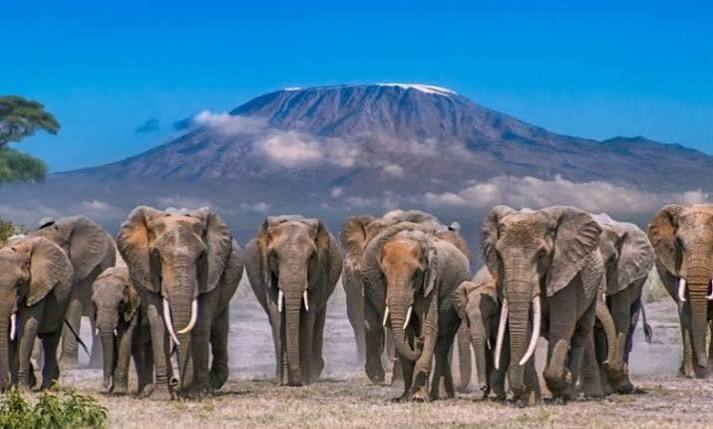
4-Day Amboseli Kenya Luxury Safari: Kilimanjaro Views • $2,620 • 4 days • by KAITECH TRAVEL LTD
by KAITECH TRAVEL LTD • 4 Days
4-Day Kenya Wildlife Escape: Lake Naivasha & Mara • $1,100 • 4 days • by KAITECH TRAVEL LTD
by KAITECH TRAVEL LTD • 4 Days
5-Day Lake Naivasha, Hell's Gate National Park, Masai Mara NR & Lake Nakuru NP Mid RangeTour • $1,385 • 5 days • by African Hagyko Safaris
by African Hagyko Safaris ltd • 5 Days
7-Day Ol Pejeta Conservancy, Lake Nakuru National Park, Masai Mara National Reserve & Lake Naivasha Adventure Safari • $2,045 • 7 days • by African Hagyko Safaris
by African Hagyko Safaris ltd • 7 Days
3-Day Tsavo East 2 nights 3 Days • $760 • 3 days • by Seremon Ltd
by Seremon Ltd • 3 Days
4-Day Northern Kenya - Samburu 3 nights • $1,630 • 4 days • by Seremon Ltd
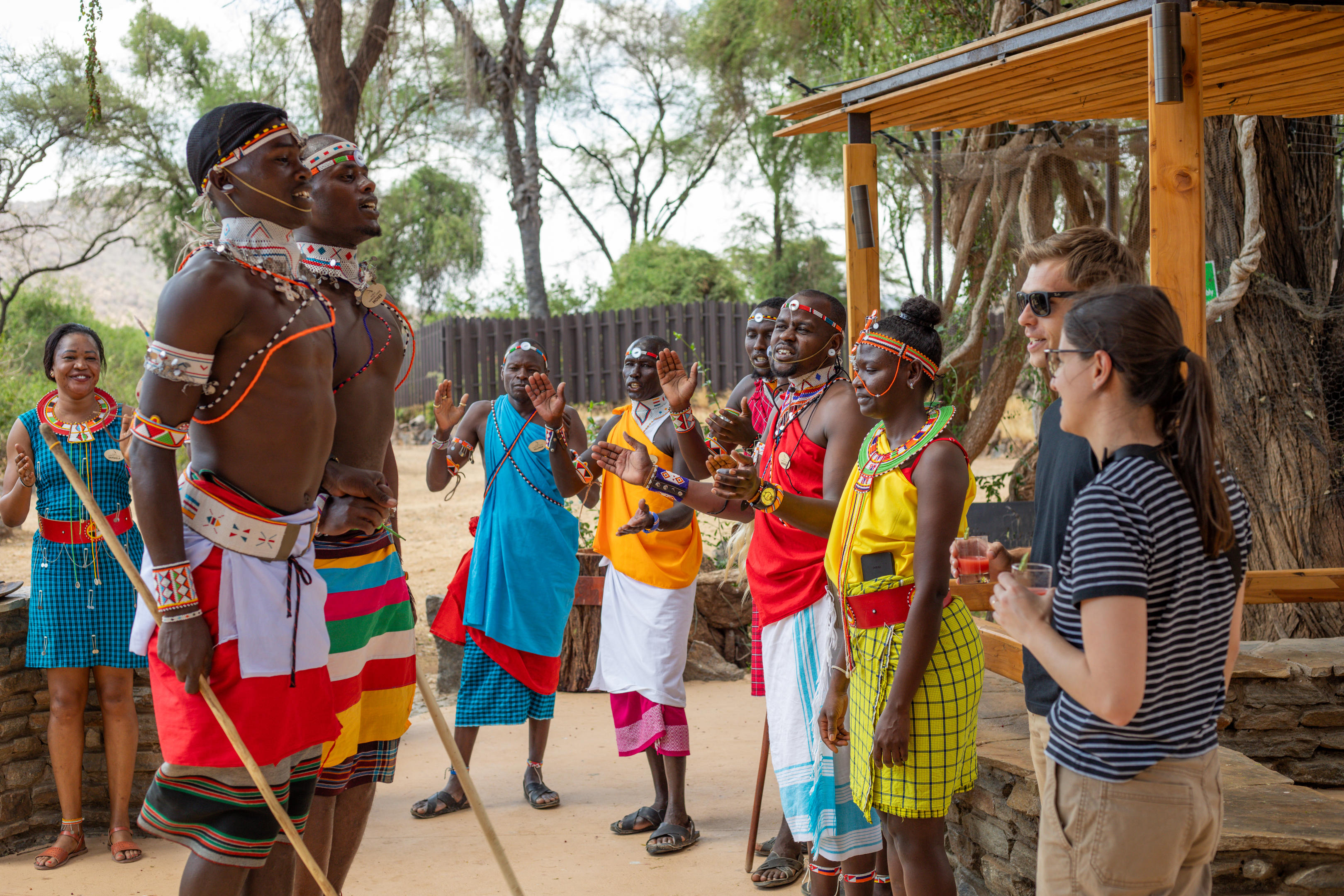
by Seremon Ltd • 4 Days
8-Day Samburu National Reserve, Ol Pejeta Conservancy, Lake Nakuru National Park & Masai Mara National Reserve • $2,370 • 8 days • by African Hagyko Safaris
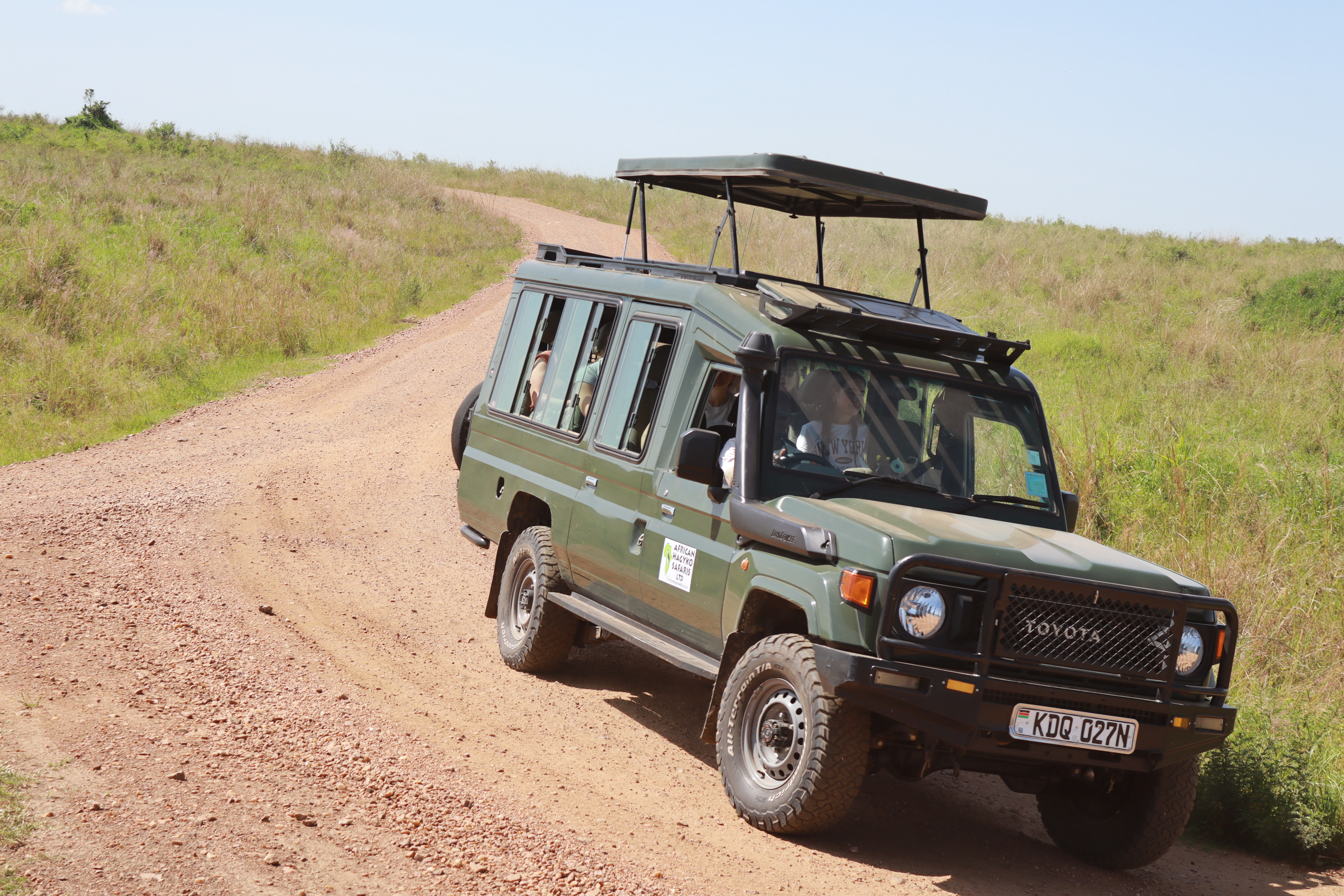
by African Hagyko Safaris ltd • 8 Days
3-Day Maasai Mara Budget Safari in Kenya • $699 • 3 days • by Tembea Discoveries Tours and Travel
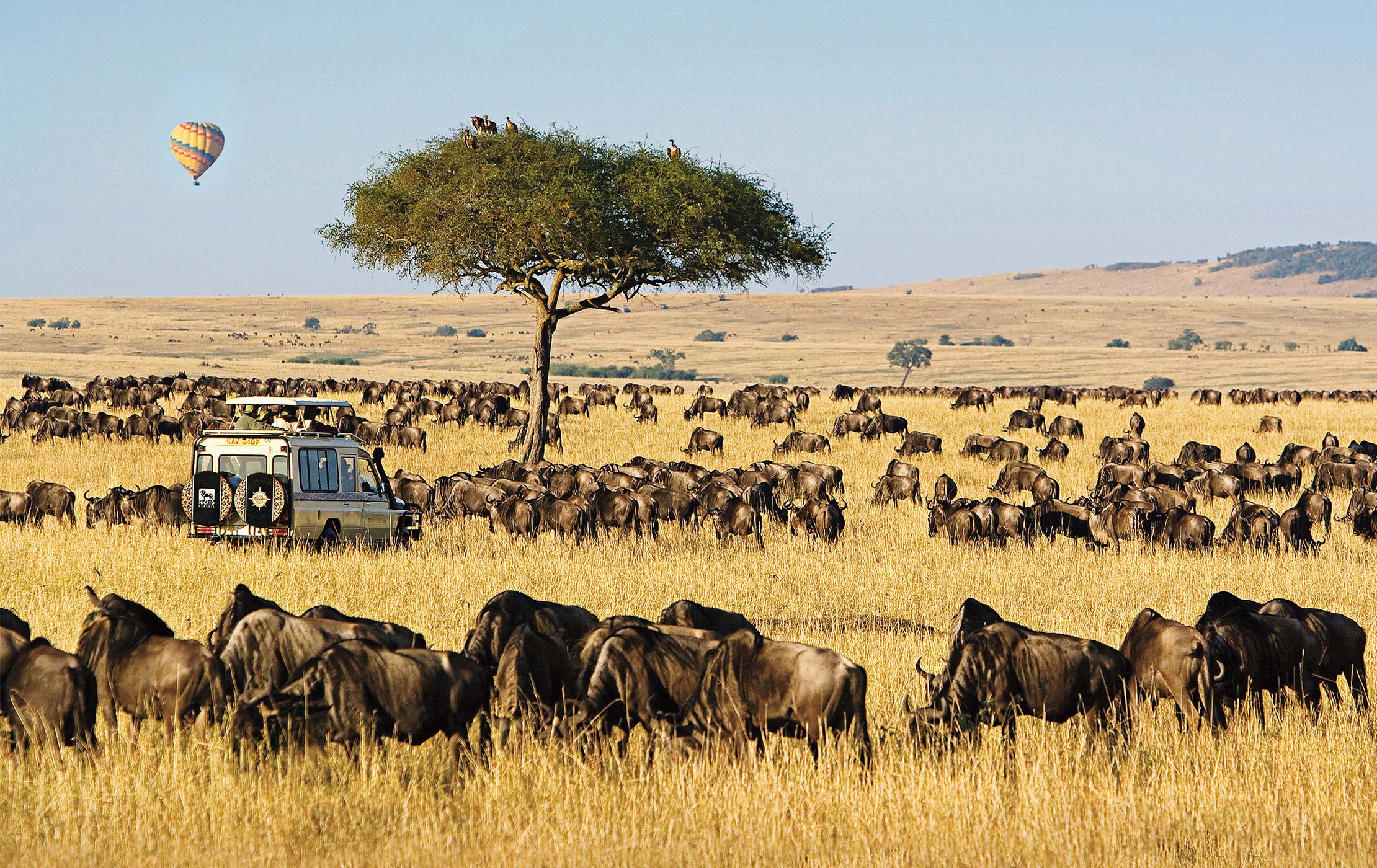
by Tembea Discoveries Tours and Travel • 3 Days
5★ - "13 day photographic safari of Northern Kenya NP , Meru, Buffalo Springs, Samburu and Laikipia wilderness lodge. This safari far exceeded all our expectations, from beginning to end everything was as requested, including " - Keith Turner • Verified review
5★ - "I have used James on at least 6 occassions, both for my family and myself and when we have friends and family visiting us in Kenya. We have gone to Samburu, the Maasai Mara and Amboseli. James has also coordinated a trip" - Kristoffer • Verified review
5★ - "Our 3-day Masai Mara safari was absolutely unforgettable! From start to finish, everything was perfectly organized . smooth transport, comfortable accommodation, and an incredible James the guide who made the experience " - Nungari • Verified review
5★ - "Our guides, Tony from Kenya and Bakali from Tanzania, are professional. They do always find an animal far away while driving and get the perfect position quickly thus we can make a wonderful shoot. Under their knowledgea" - Corey • Verified review
"Our guides, Tony from Kenya and Bakali from Tanzania, are professional. They do always find an animal far away while driving and get the perfect position quickly thus we can make a wonderful shoot. Under their knowledgeable instruction, we can recognize many African wildlife from it now! During the 9 days game, we spot the Big 5 and many kinds of African birds, even we were at the scene which lions hunt for buffalo! This is awesome! Our guides are good drivers as well, they conquer the muddy roads which leave some damaged vehicles on. And our chefs are considerate, they designed the good meals that every dish we ate always better than before till the end of tour. This is an unforgettable safari game! Makes me strong will to visit Africa again!"
5★ - "We have good communication during this trip. If it need,travel agency would satisfy our needs as possible as they can. Our tour guide in Kenya and Tanzania-- Fred and Edward, both of them are experienced and careful. We " - Wang • Verified review
"We have good communication during this trip. If it need,travel agency would satisfy our needs as possible as they can. Our tour guide in Kenya and Tanzania-- Fred and Edward, both of them are experienced and careful. We met so many rainy days , and the road was very difficult to drive. They conquered all obstacles and sucessfully took us to see what we want to see, like big five, migration . Really thank you, kiliholidays."