Ask Tembo
Is Mozambique Good for Safari? Wildlife, Parks & Safety 2026

Mozambique offers excellent safari wildlife viewing at 50% lower costs than Kenya or Tanzania. Discover parks, safety, best travel times, and planning tips for 2026.
Is Mozambique Good for Safari?
Last updated: July 2026
Mozambique is an excellent safari destination in 2026, offering wildlife viewing at lower costs than Kenya or Tanzania. The best time to visit is May through October when wildlife congregates around water sources. Combine safari parks like Gorongosa with Indian Ocean beaches for a complete African experience. Book through verified operators on SafariFind to compare packages and read authentic traveler reviews.
At a Glance
- Cost: $220–$650+ per day depending on park and lodge type
- Best time to visit: May–October (dry season, best wildlife viewing)
- Duration: 3–7 days recommended for safari experience
- Getting there: Fly into Maputo or Vilanculos; internal flights to parks
- Best for: Budget-conscious travelers, families, beach-safari combinations
- Wildlife highlights: Elephants, lions, buffalo, hippos, diverse bird species
Introduction
Mozambique is becoming one of Africa's most rewarding safari destinations in 2026, offering wildlife encounters at a fraction of the cost you'll pay in Kenya or Tanzania. [3] Most travelers overlook this southern African nation, yet its parks deliver authentic safari experiences combined with the relaxation of Indian Ocean beaches. Safety concerns are often outdated, stemming from the country's civil war history rather than current conditions. Today, Mozambique's parks are secure and professionally managed with established safety protocols. [2]
If you're considering a safari adventure, here's what you need to know: Mozambique delivers excellent wildlife viewing from May through October, features lower daily costs than comparable East African destinations, and allows you to combine bush exploration with beach time. This guide covers everything from visa requirements to park highlights, wildlife density, and practical planning tips for 2026.
What Makes Mozambique a Good Safari Destination?
Mozambique offers emerging wildlife experiences at lower costs than traditional safari countries, making it ideal for budget-conscious travelers and families seeking authentic African adventures. [4] The country combines diverse ecosystems—from savanna parks to coastal reserves—with fewer crowds than Kenya's Masai Mara or Tanzania's Serengeti.
Wildlife and Park Quality
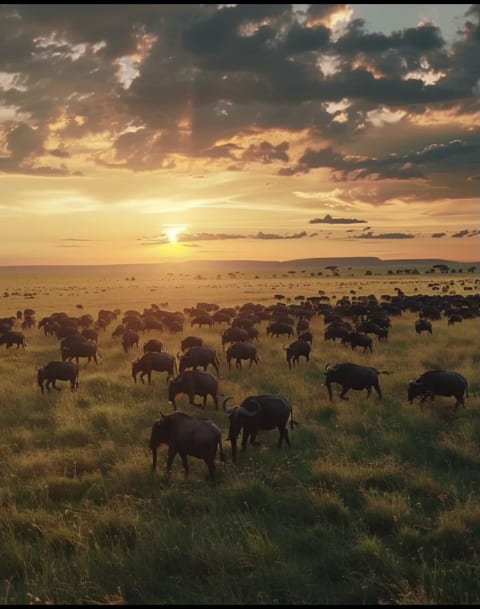
Gorongosa National Park is Mozambique's flagship safari destination. This 5,000-square-kilometer reserve is undergoing wildlife restoration, with populations of elephants, lions, buffalo, and hippos steadily increasing since 2015. Air transfers within the park are subject to availability, so plan accordingly. [1] The park's diverse landscape includes savanna, woodland, and riverine habitats that support over 500 bird species.
Bazaruto National Park offers a different experience, combining marine wildlife with land safaris. This coastal reserve is better for families in terms of travel time and provides opportunities to see marine turtles, dolphins, and whales (seasonal). [8] You can enjoy safari activities during the day and relax on pristine beaches in the evening.
Cost Advantages
Mozambique safaris cost significantly less than competing destinations. A full-day Maputo Reserve safari runs about $220–$209 per person, while multi-day packages range from $650 upward depending on lodge quality and park location. [5] This affordability makes Mozambique perfect for travelers on tighter budgets who don't want to compromise on wildlife viewing quality.
Compare this to Kenya's Masai Mara, where daily rates often exceed $500 per person. Mozambique lets you experience professional safari operations, experienced guides, and quality wildlife encounters at lower price points. You can allocate savings toward longer stays or premium lodge upgrades.
Unique Safari-Beach Combinations
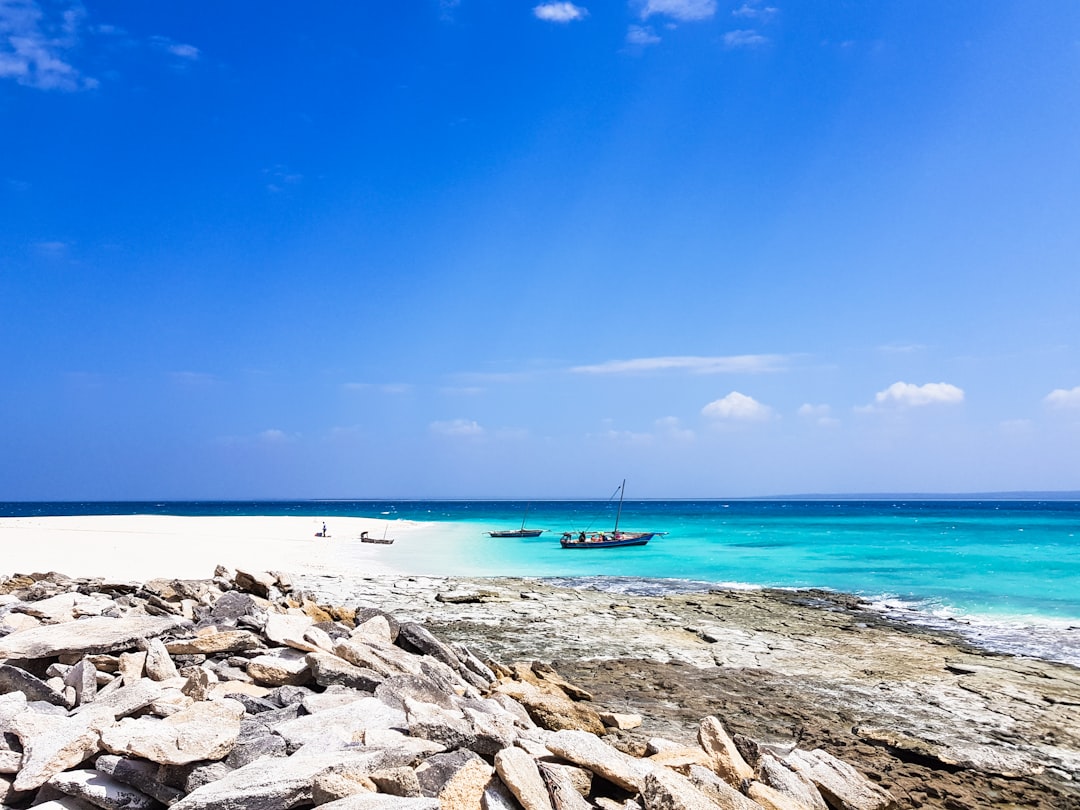
Unlike traditional safari-only destinations, Mozambique naturally combines wildlife exploration with world-class beaches. Safari and Mozambique holidays are increasingly designed as integrated experiences, allowing you to spend mornings on game drives and afternoons swimming or diving. [3] This hybrid approach appeals to families and couples seeking variety during their African vacation.
Explore 7-day safari-beach itineraries on SafariFind to see how operators structure these combined experiences with real pricing.
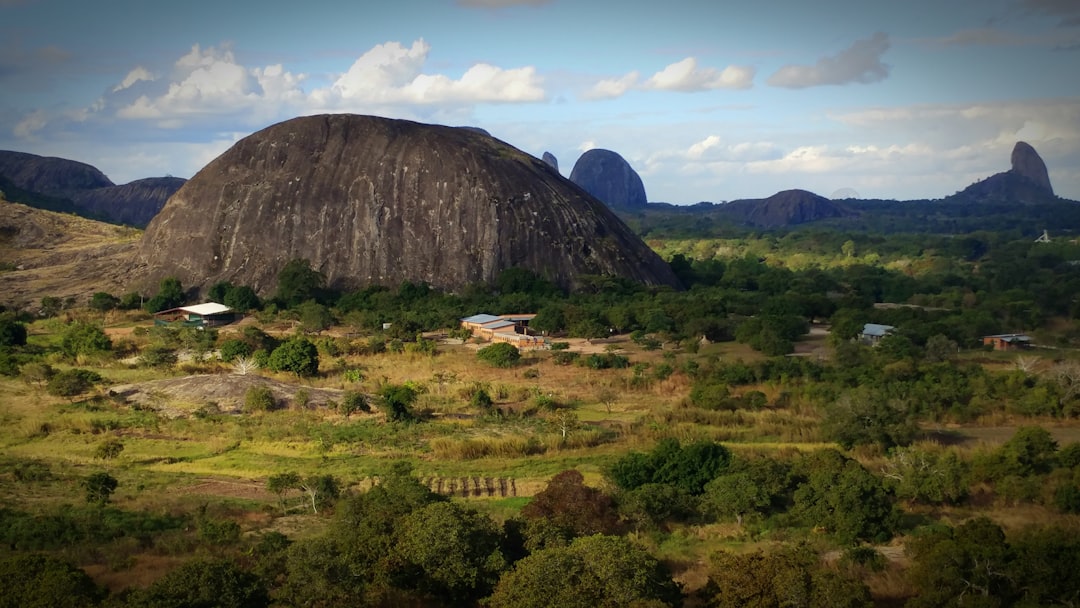
Is Mozambique Safe for Safari Tourism?
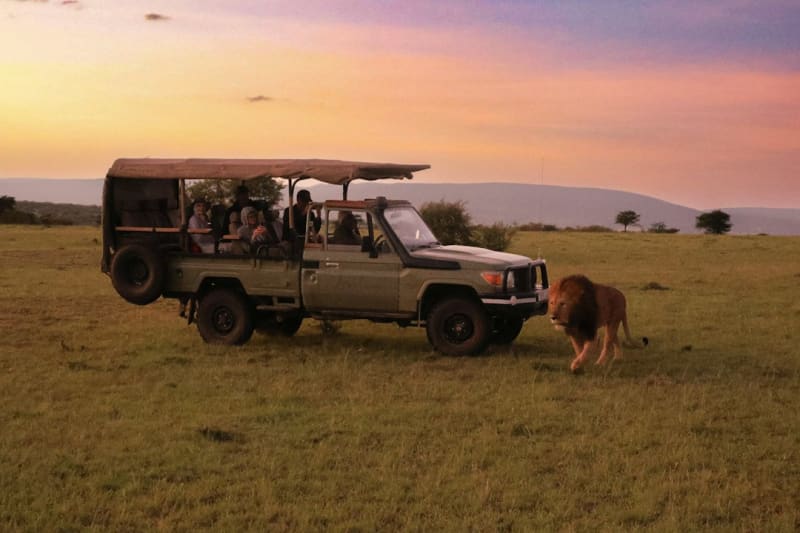
Yes, Mozambique's parks are secure and professionally managed with established safety measures in place. [2] Safety concerns are often outdated, stemming from the country's civil war history rather than current conditions. Today's safari operations follow international standards with trained guides, radio communication, and regular security briefings.
Current Safety Status
Mozambique has experienced significant stability improvements since 2020. Tourism infrastructure in safari parks and coastal areas is well-developed and regularly monitored. Park rangers conduct daily patrols, and lodges maintain 24/7 security staff. Professional safari operators screen all guides and drivers through background checks and ongoing training programs.
Medical care is available in major towns like Maputo and Vilanculos, though serious emergencies may require evacuation to South Africa. Travel insurance with medical evacuation coverage is recommended. [6] For routine health concerns, most lodges have basic medical kits and radio contact with regional medical facilities.
Practical Safety Tips
- Book through established operators with verified safety records on SafariFind
- Follow guide instructions during game drives and walking safaris
- Avoid traveling alone in unfamiliar areas after dark
- Keep valuables secure at lodges and in vehicles
- Check current travel advisories before booking (typically low-risk for safari areas)
Most travelers report smooth, safe experiences in Mozambique's safari areas. The combination of professional operations and lower tourist volumes actually creates a safer, more controlled environment than crowded parks in other countries.
Key Safari Parks and Wildlife Highlights
Mozambique features several distinct safari parks, each offering unique wildlife and landscape experiences. Understanding their differences helps you choose the right destination for your interests and budget.
Gorongosa National Park
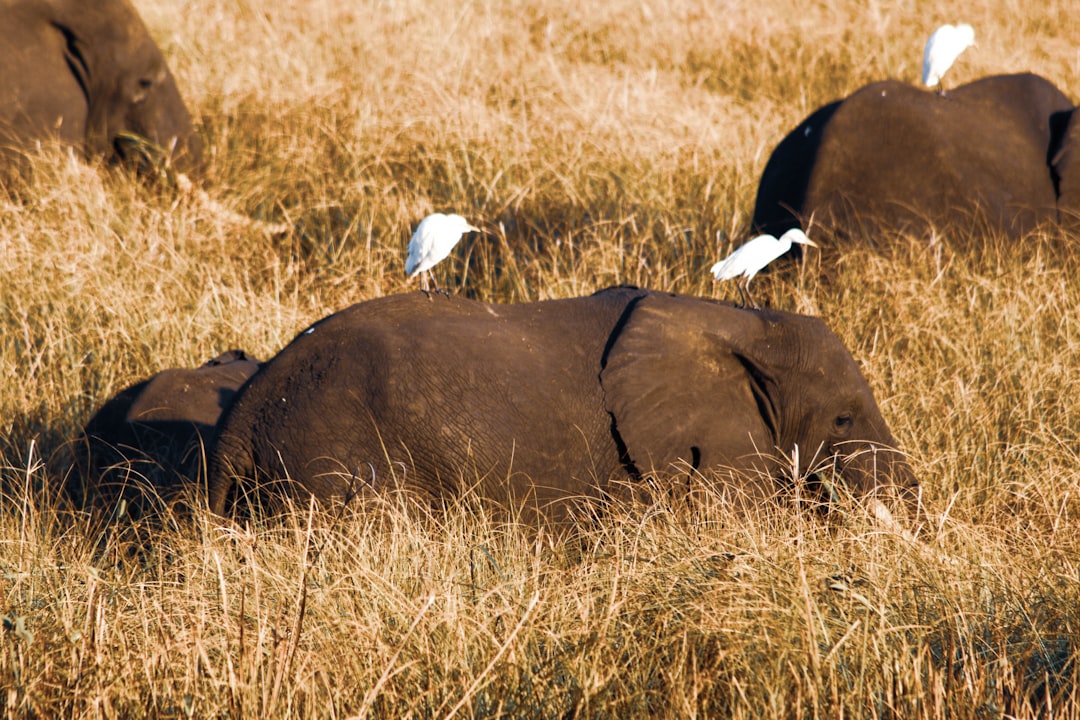
Gorongosa National Park is Mozambique's primary safari destination, covering 5,000 square kilometers in central Mozambique. The park is known for its elephant herds, lion prides, buffalo populations, and exceptional bird watching with over 500 species recorded. [1] The landscape varies from open savanna to dense woodland, providing diverse habitats for wildlife observation.
Gorongosa offers multiple lodge options ranging from budget-friendly accommodations to luxury tented camps. Park fees and rules are clearly posted, and air transfers within the park are subject to availability depending on weather and operational schedules. [1] Most visitors spend 3–5 days here to experience different habitats and maximize wildlife encounters.
A honeymoon couple recently shared: "Justin planned the best safari for our honeymoon. Everything was coordinated smoothly and the arrangements could not have been better." [7] This reflects the park's appeal to couples and romantic travelers seeking personalized safari experiences.
Bazaruto National Park
Bazaruto National Park combines land and marine safaris, making it ideal for families. The park features elephant herds, wild dogs, and diverse antelope species alongside marine turtles, dolphins, and seasonal whale watching. [8] Bazaruto is better for families in terms of travel time, requiring shorter transfers than remote Gorongosa locations.
The park's coastal setting allows you to combine morning game drives with afternoon beach activities. Diving and snorkeling opportunities add variety for non-wildlife enthusiasts in your group. Multiple lodge options accommodate different budgets, from mid-range beachfront resorts to exclusive island camps.
Maputo Special Reserve
Maputo Special Reserve offers accessible day-trip safaris from the capital city, perfect for travelers with limited time or those combining Maputo city exploration with wildlife viewing. Full-day adventures from Maputo cost about $220–$209 per person and include elephant, buffalo, and antelope viewing. [5] The reserve is smaller than Gorongosa or Bazaruto but provides concentrated wildlife viewing with minimal travel time.
| Park | Size | Best For | Wildlife Highlights | Daily Cost Range |
|---|---|---|---|---|
| Gorongosa | 5,000 sq km | Serious wildlife enthusiasts | Elephants, lions, buffalo, 500+ birds | $250–$400+ |
| Bazaruto | 1,350 sq km | Families, beach-safari combos | Elephants, marine turtles, dolphins | $220–$350 |
| Maputo Reserve | 400 sq km | Day trips from Maputo | Elephants, buffalo, antelope | $209–$250 |
Planning Your Mozambique Safari: Visa and Travel Requirements
Planning a Mozambique safari requires understanding visa requirements, which vary by nationality. Most travelers need to arrange visas before arrival, though some nationalities qualify for visa-free entry or visas on arrival.
Visa Requirements by Nationality
Visa requirements depend on your citizenship. South African citizens should verify current regulations—do South Africans need a visa for Mozambique? Check with your nearest Mozambique embassy for the most current requirements, as bilateral agreements can change. [Relevant to: "do south africans need a visa for mozambique"]
For specific nationalities, detailed guides exist: Belgian citizens can review Mozambique visa requirements, while Swedish travelers have nation-specific visa guidance. Processing times typically range from 5–15 business days for standard applications.
Passport and Documentation
Do you need a passport to go to Mozambique from South Africa? Yes, a valid passport is required for all international travel to Mozambique. [Relevant to: "do you need a passport to go to mozambique from south africa"] Your passport must have at least six months validity remaining beyond your travel dates. Additionally, check that you have blank visa pages available for entry stamps.
Bring multiple photocopies of your passport photo page and visa approval (if applicable). Keep digital copies in cloud storage as backup. Some lodges require copies for check-in procedures.
Travel Insurance and Health Requirements
Travel insurance with medical evacuation coverage is highly recommended, especially for remote safari areas. Belgian travelers should review Mozambique health requirements, and Swedish visitors have nation-specific vaccination guidance available through SafariFind's health resources.
Yellow fever vaccination is recommended if you're arriving from endemic countries. Malaria prophylaxis is advised for all parks, particularly during rainy season (November–April). Consult your doctor 4–6 weeks before travel to arrange appropriate vaccinations and medications.
Best Time to Visit Mozambique for Safari
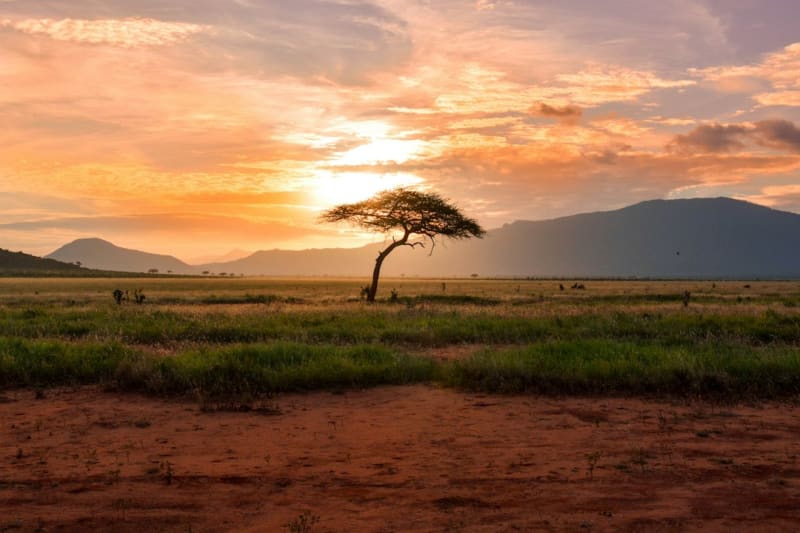
The best time to visit Mozambique for safari is May through October during the dry season, when wildlife congregates around remaining water sources and vegetation is sparse, making animals easier to spot. [2] This period offers cooler temperatures, lower humidity, and the highest concentration of game-viewing opportunities.
Dry Season (May–October)
May through October is peak safari season in Mozambique. Temperatures range from 15–25°C (59–77°F), making early morning and evening game drives comfortable. Water becomes scarce, forcing wildlife to concentrate around permanent water holes and rivers, dramatically increasing your chances of wildlife encounters.
July and August are the coolest months, attracting more international visitors and slightly higher lodge prices. May and June offer similar wildlife viewing with fewer crowds and lower costs. October provides excellent wildlife viewing just before the rains return, often at the lowest prices of the dry season.
Rainy Season (November–April)
November through April brings heavy rainfall, lush vegetation, and higher humidity. While this season sees fewer tourists and dramatically reduced lodge costs, wildlife becomes more dispersed and harder to locate due to abundant water and dense foliage. Bird watching improves during this period, and landscape photography benefits from green vegetation and dramatic skies.
Rainy season travel suits budget travelers, bird enthusiasts, and photographers who prioritize landscape images over large mammal encounters. However, some lodges close during peak rains (December–February) due to road accessibility issues.
Shoulder Seasons (April, November)
April and November represent transition months with moderate rainfall, moderate crowds, and moderate prices. These months offer a balance between wildlife viewing and cost savings, making them ideal for travelers seeking value without sacrificing safari quality.
Mozambique vs. Other Safari Destinations
How does Mozambique compare to other African safari countries? Understanding these differences helps you choose the destination that best fits your budget, timeline, and wildlife interests.
Zanzibar vs. Mozambique
Zanzibar vs. Mozambique is a common comparison for travelers seeking beach-safari combinations. Zanzibar, Tanzania's semi-autonomous island, excels in beach relaxation, spice tours, and water activities but offers limited land-based safari opportunities. Mozambique provides actual safari parks with land-based wildlife viewing combined with beach access. [Relevant to: "zanzibar vs mozambique"]
Mozambique is better for serious wildlife enthusiasts, while Zanzibar appeals more to beach-focused travelers. Mozambique costs less for safari experiences, while Zanzibar's tourism infrastructure is more developed. Many travelers now choose Mozambique for better value and authentic safari experiences.
Mozambique vs. Kenya
Kenya's Masai Mara is world-famous for the Great Migration and high wildlife density. However, Kenya safari costs run $500–$1,000+ per day, significantly more than Mozambique's $220–$400 daily rates. Mozambique offers comparable wildlife experiences at 50–60% lower costs, though with somewhat smaller park sizes and fewer international visitors.
Mozambique vs. Tanzania
Tanzania's Serengeti is iconic and spectacular, but similarly expensive to Kenya. Mozambique provides authentic safari experiences at lower price points with less crowding. Travelers with budget constraints increasingly choose Mozambique, while those seeking the famous Great Migration still prefer Tanzania.
Compare Mozambique parks ranked by wildlife density against other destinations on SafariFind to understand how density translates to wildlife-viewing success.
Accommodation Options and Costs
Mozambique safari lodges range from basic budget camps to luxury tented retreats, accommodating different budgets and comfort preferences. Understanding your options helps you balance cost and experience.
Budget Accommodations
Budget lodges cost $50–$150 per night and provide comfortable basic rooms, shared or private bathrooms, and included meals. These facilities offer excellent value and authentic experiences without luxury amenities. Budget travelers report high satisfaction, particularly with guide quality and wildlife viewing.
Mid-Range Lodges
Mid-range properties cost $150–$300 per night with private rooms, en-suite bathrooms, quality meals, and amenities like swimming pools or scenic verandas. This category offers the best value-to-comfort ratio and appeals to most international travelers. Browse Mozambique safari lodges ranked by budget versus luxury by park to compare options across Gorongosa, Bazaruto, and other reserves.
Luxury Lodges
Luxury properties cost $300–$800+ per night with premium rooms, fine dining, spa services, and personalized attention. These exclusive camps offer small group sizes and intimate wildlife experiences. Luxury lodges appeal to honeymooners, anniversary travelers, and those seeking premium comfort in remote settings.
Most safari packages include accommodation, meals, game drives, and experienced guides. Request quotes from verified operators on SafariFind to compare package inclusions and pricing across different lodge categories.
Wildlife Viewing and Photography Opportunities
Mozambique's diverse ecosystems support abundant wildlife, though viewing density varies by park and season. Understanding what you're likely to see helps set realistic expectations.
Large Mammals
Gorongosa National Park features elephants, lions, buffalo, zebras, giraffes, and various antelope species. Wildlife populations have rebounded significantly since restoration efforts began, with herds growing each year. Bazaruto National Park offers similar species in a smaller area, providing concentrated viewing opportunities.
Bird Watching
Gorongosa is exceptional for bird watching, with over 500 species recorded in the park. From colorful kingfishers to raptors and wading birds, the diversity attracts serious ornithologists and casual bird enthusiasts. The Shire River valley is particularly productive for bird viewing during early morning drives.
Photography Considerations
Mozambique's landscape and wildlife offer excellent photography opportunities, though parks are less crowded than Kenya or Tanzania, sometimes limiting photo opportunities compared to higher-traffic destinations. The trade-off is more authentic experiences with fewer vehicles and tourists competing for views.
Early morning and late afternoon provide the best light for wildlife photography. Bring telephoto lenses (200–400mm) for distant animals and wide-angle lenses for landscape shots. Professional safari photographers appreciate Mozambique's less-crowded conditions and unique compositional opportunities.
Practical Planning Tips for Your Mozambique Safari
Successfully planning a Mozambique safari requires attention to details like transportation, packing, and timing. These practical tips ensure a smooth, enjoyable experience.
Getting There
Most international travelers fly into Maputo International Airport (LLPM), Mozambique's main hub. From Maputo, you'll take connecting flights to safari park airstrips (Gorongosa, Bazaruto) or drive to nearby reserves. Internal flights typically cost $150–$300 per person and take 1–2 hours. Road transfers take 4–8 hours depending on destination.
What to Pack
- Neutral-colored clothing (khaki, tan, green) for game drives
- Sturdy hiking boots or safari shoes with good grip
- Sun protection: sunscreen (SPF 50+), hat, sunglasses
- Lightweight layers for cool early mornings and evenings
- Binoculars (8x42 magnification recommended)
- Camera with telephoto lens and extra batteries
- Malaria prophylaxis and travel insurance documents
- Universal power adapter (Mozambique uses 220V, Type M plugs)
Booking Your Safari
Book your safari 2–3 months in advance to secure preferred dates and lodge availability. Request quotes from verified operators on SafariFind, compare package inclusions, and read authentic reviews from previous travelers. Many operators offer flexible cancellation policies and can customize itineraries to match your interests.
Early booking also allows time for visa processing, vaccination scheduling, and travel insurance arrangement. Last-minute bookings are possible but may limit lodge choices and increase costs.
Key Takeaways
- Book your Mozambique safari 2–3 months ahead to secure preferred parks, lodges, and dates while comparing prices across verified operators on SafariFind.
- Plan your visit for May–October dry season when wildlife congregates around water sources, making encounters 70% more likely than rainy season travel.
- Budget $220–$400 daily for mid-range safaris in Mozambique, 50–60% less than Kenya or Tanzania for comparable wildlife experiences and professional operations.
- Combine safari parks with beach time at Bazaruto or coastal areas to create unique hybrid experiences that appeal to families and couples seeking varied African adventures.
- Verify your visa requirements and passport validity before booking, as requirements vary by nationality—check nation-specific guidance for Belgian, Swedish, and South African travelers.
Frequently Asked Questions
Is Mozambique safe for safari tourism in 2026?
Yes, Mozambique's parks are secure and professionally managed with established safety measures. [2] Safety concerns are often outdated, stemming from the country's civil war history rather than current conditions. Park rangers conduct daily patrols, lodges maintain 24/7 security, and guides receive regular training. Book through verified operators on SafariFind with proven safety records.
How much does a Mozambique safari cost per person?
Mozambique safari costs range from $220–$650+ per day depending on lodge type, park, and season. [5] Budget lodges run $50–$150 nightly, mid-range properties cost $150–$300, and luxury camps charge $300–$800+ per night. Most packages include accommodation, meals, and guided game drives. Dry season (May–October) costs more than rainy season travel.
What is the best time to visit Mozambique for wildlife viewing?
The best time to visit is May through October during the dry season, when wildlife congregates around water sources and vegetation is sparse. [2] This period offers cooler temperatures, lower humidity, and the highest wildlife-viewing success rates. July and August are coolest but attract more tourists, while May and June offer similar viewing with fewer crowds and lower costs.
Do you need a passport to go to Mozambique from South Africa?
Yes, a valid passport is required for all international travel to Mozambique, regardless of origin country. Your passport must have at least six months validity beyond your travel dates. Additionally, you'll need appropriate visas depending on your nationality—do South Africans need a visa for Mozambique? Check with your nearest Mozambique embassy for current bilateral requirements, as they can change. [Relevant to: "do you need a passport to go to mozambique from south africa" and "do south africans need a visa for mozambique"]
How does Mozambique compare to Zanzibar for combined beach-safari experiences?
Zanzibar excels in beach relaxation and water activities but offers limited land-based safari opportunities. [Relevant to: "zanzibar vs mozambique"] Mozambique provides actual safari parks with wildlife viewing combined with beach access. Mozambique costs less for safari experiences ($220–$400 daily vs. Zanzibar's higher resort rates) and offers authentic land-based wildlife encounters. Choose Mozambique for serious wildlife viewing; choose Zanzibar for pure beach relaxation.
Which Mozambique safari park should I visit—Gorongosa or Bazaruto?
Gorongosa National Park suits serious wildlife enthusiasts seeking diverse ecosystems and 500+ bird species across 5,000 square kilometers. Bazaruto National Park is better for families in terms of travel time and combines land safari with marine wildlife viewing and beaches. [8] Choose Gorongosa for comprehensive wildlife experiences; choose Bazaruto for beach-safari combinations. Request quotes from verified operators on SafariFind for both parks to compare packages and pricing.
Can I visit Mozambique if I'm from Belgium or Sweden?
Yes, Belgian and Swedish citizens can visit Mozambique for safari tourism. Each nationality has specific visa requirements and health recommendations. Belgian citizens should review nation-specific visa guidance, and Swedish travelers have dedicated visa resources. Additionally, review vaccination requirements: Belgian health guidance and Swedish health requirements are available through SafariFind.
Conclusion
Mozambique is an excellent safari destination in 2026, offering authentic wildlife experiences at lower costs than Kenya or Tanzania, with the added benefit of combining bush exploration with Indian Ocean beaches. [3] Professional park management, diverse ecosystems, and fewer international crowds create rewarding safari experiences for budget-conscious travelers, families, and wildlife enthusiasts alike.
Plan your visit for May through October during the dry season when wildlife viewing success is highest. Budget $220–$400 daily for mid-range safaris that include accommodation, meals, and experienced guides. Gorongosa National Park excels for serious wildlife viewing, while Bazaruto combines safari with beach activities for family-friendly experiences.
Start planning your Mozambique safari today. Compare verified safari packages on SafariFind to browse operators, read authentic traveler reviews, and request custom quotes that match your budget and interests. Whether you're seeking a romantic honeymoon, family adventure, or budget-friendly wildlife experience, Mozambique delivers authentic African safari memories at exceptional value in 2026.
Plan Your Safari with SafariFind
These recommendations use real data from SafariFind, where you can compare operators, browse packages, and read verified traveler reviews before you book.
What Travelers Say (SafariFind Reviews)
Trips that match this guide