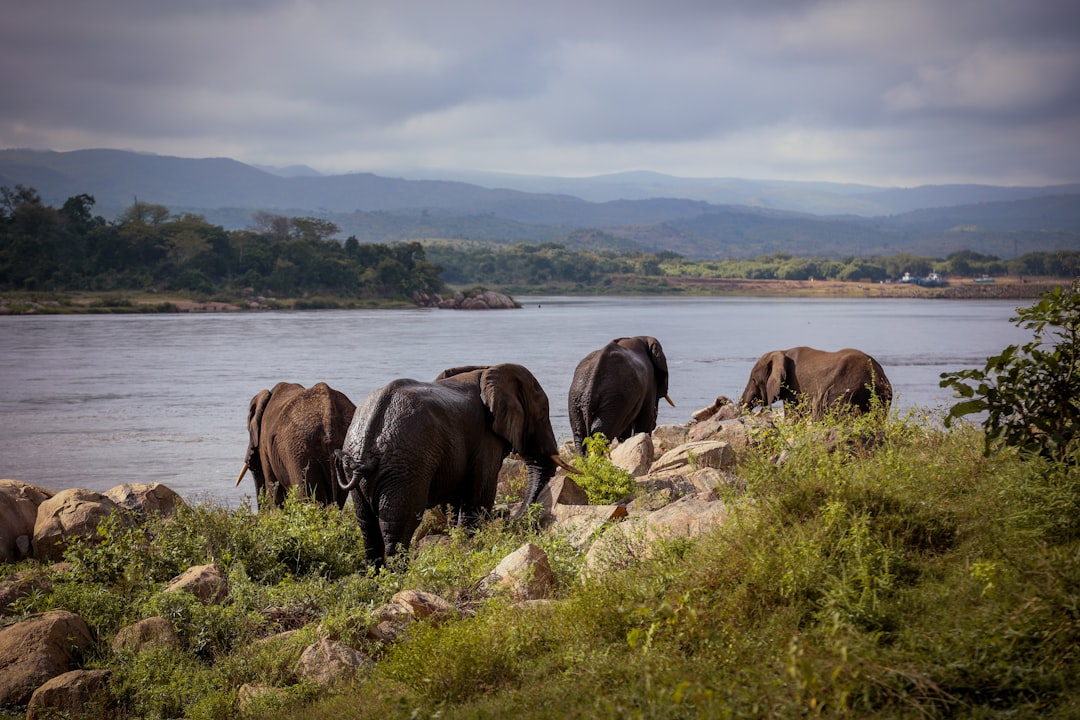
Is Malawi Safe for Safari in 2026? Health & Security Guide
Malawi safaris are generally safe with proper precautions. Learn about malaria prevention, health risks, verified operators, and practical safety tips for 2026.
Great Zimbabwe Tours 2027: Entry Fees and Package Costs
Discover Great Zimbabwe Tours 2027: Entry Fees and Package Costs - Expert guide to safari tourism and wildlife destinations.
5 min read
Is Malawi Safe for Safari in 2026?
Last updated: July 2026
Malawi is generally safe for organized safaris, with over 800,000 visitors arriving annually and most visits trouble-free. However, you must take malaria prevention seriously—prophylaxis is essential year-round. Book through verified operators on SafariFind to ensure your safety and get expert guidance on health precautions before departure.
At a Glance
Safety Rating: 6.0/10 (Moderate) — Use Caution advised [3]
Annual Visitors: Over 800,000 visitors; most visits trouble-free [6]
Malaria Risk: Year-round throughout entire country, including luxury lodges [5]
Best Time to Visit: May to October (cooler, lower malaria transmission)
Travel Insurance: Essential — must cover medical evacuation and private clinic treatment [2]
Main Health Threats: Malaria, schistosomiasis, waterborne diseases [1]
What Does Safety Look Like for Malawi Safaris in 2026?
Malawi is a safe country to visit, especially when you book an organized safari with a verified tour operator [6]. The primary concern is not crime but health risks—specifically malaria, which requires serious prevention strategies. Unlike some African destinations, Malawi experiences relatively low crime rates in tourist areas when you follow basic safety rules.
Your safety depends heavily on preparation. This means taking malaria prophylaxis, getting travel insurance, and following your guide's instructions during wildlife encounters. Most safari incidents are preventable and happen because travelers underestimate wildlife behavior or ignore local advice [7].
The good news: Malawi's national parks like Liwonde and Nkhotakota offer excellent wildlife viewing without the crowds you'd find in Tanzania or Kenya. You can enjoy authentic safari experiences while staying reasonably safe by making smart choices.
Crime in Urban Areas vs. Safari Lodges
Crime does exist in Malawi's cities—Lilongwe and Blantyre have petty theft and occasional violent crime, especially after dark [3]. However, safari lodges and national parks are generally secure. Tourists rarely encounter crime in these settings because lodges employ security staff and visitors stay within protected compounds.
The key difference: Avoid walking alone at night in cities, don't flash expensive items, and use registered taxis. Once you reach your safari lodge, security improves dramatically. Most lodges have armed guards and enforce check-in times for guest safety.
Organized Safaris vs. Independent Travel
Organized safaris are significantly safer than independent travel in Malawi. When you book through SafariFind's verified operators, you get experienced guides who know wildlife behavior, emergency procedures, and safe routes [6]. These guides have radio contact with lodge staff and can handle wildlife encounters properly.
Independent travelers face higher risks because they may wander into restricted areas, encounter wildlife unprepared, or get lost in remote locations. Stick with organized tours—it's worth the cost for your safety and peace of mind.
Health & Security Risks: What You Need to Know
Malawi's biggest health threat is malaria, which kills more travelers than any crime or accident [5]. The parasite spreads through mosquito bites year-round, including in luxury lodges. This is not optional—you must take prophylaxis seriously before, during, and after your trip.
Malaria Prevention: Your Top Priority
Malaria risk exists throughout Malawi's entire country, including upscale safari accommodations [5]. Standard prevention options include atovaquone/proguanil (Malarone), doxycycline, or mefloquine—consult a travel medicine specialist before departure to choose the right medication for you [5].
Prevention goes beyond pills. Sleep under insecticide-treated bed nets (most lodges provide them), wear long sleeves at dawn and dusk when mosquitoes feed, and apply DEET insect repellent to exposed skin. Combine these methods for maximum protection.
Start prophylaxis 1-2 days before arrival and continue for 4 weeks after leaving. Skipping doses increases your infection risk dramatically. Malaria symptoms—fever, chills, headache—can appear weeks later, so watch for them after your return home.
Waterborne Diseases and Schistosomiasis
Schistosomiasis, a parasitic infection, spreads through fresh water contact in Malawi [1]. Avoid swimming in lakes, rivers, and ponds unless a guide confirms safety. This includes Lake Malawi, which is beautiful but carries infection risk in certain areas.
Waterborne diseases like typhoid and hepatitis A also spread through contaminated water. Drink bottled or purified water only, avoid ice in drinks, and choose cooked foods over raw vegetables in local markets. Your safari lodge provides safe water, but be cautious in towns.
Travel Insurance: Non-Negotiable
Comprehensive travel insurance is absolutely essential for Malawi safaris [2]. Look for policies covering emergency medical evacuation, private hospital treatment (public facilities are basic), trip cancellations, and lost belongings [2]. Medical evacuation alone can cost $50,000+, and Malawi's remote location makes this critical.
Many standard travel policies exclude adventure activities—confirm your safari coverage explicitly. When you compare safari packages on SafariFind, ask operators which insurance they recommend. Some include evacuation coverage in their packages.
Wildlife Safety During Safaris
Wildlife encounters are thrilling but dangerous if you ignore safety rules. Most safari incidents are preventable—they happen when travelers misunderstand animal behavior, underestimate distances, or act without guide permission [7].
Follow these rules: Stay inside the vehicle unless your guide says it's safe, never approach animals for photos, keep noise low, and obey all guide instructions immediately. Hippos kill more people than any other African animal—respect their territory and never get between them and water.
Lions, elephants, and buffalo are unpredictable. Your guide's job is reading their mood and keeping you safe. Trust their expertise completely. Don't try to be the photographer who gets the perfect shot—that's how people get hurt.
Staying safe in Malawi requires planning before you arrive and following rules once you're there. These practical steps dramatically reduce your risk during a 2026 safari.
Before You Depart
Get vaccinations for yellow fever, typhoid, hepatitis A and B, and routine shots like tetanus [1]. Visit a travel medicine clinic 4-6 weeks before departure—don't wait until the last minute. They'll prescribe malaria prophylaxis and give you specific advice based on your health history.
Register with your embassy before leaving. If an emergency occurs, your embassy can help coordinate evacuation. Check current travel advisories from your government—these change frequently and provide real-time security updates.
Purchase comprehensive travel insurance immediately. Don't delay this—some policies have waiting periods or exclusions if you buy too close to departure. Confirm coverage for medical evacuation, adventure activities, and trip cancellation.
During Your Safari
Follow your guide's instructions without question. They've trained for years to keep you safe. If they say stay in the vehicle, stay in the vehicle. If they say it's not safe to hike, accept their decision. Your life depends on trusting their judgment.
Keep emergency numbers with you: your lodge, your guide's radio, your embassy, and your insurance company. Most lodges have satellite phones for emergencies. Wear neutral colors (greens, tans, browns)—bright colors startle animals and attract attention.
Stay hydrated and well-rested. Fatigue impairs judgment, and dehydration causes illness. Eat at your lodge rather than street food. Avoid alcohol before game drives—it reduces alertness when you need it most.
In Towns and Cities
Use registered taxis with ID numbers rather than hailing random cabs. Travel in groups, especially after dark. Don't carry large amounts of cash, expensive jewelry, or high-end cameras visibly. Keep valuables in your hotel safe.
Stay in well-established hotels and lodges with security. Avoid walking alone, especially at night. Ask your hotel staff which areas are safe to visit. They know current conditions better than any guidebook.
Be cautious with strangers offering deals or tours. Stick with verified operators—SafariFind's verified tour operators have been vetted and reviewed by real travelers, making them far safer than random street touts.
Documentation and Border Safety
Keep copies of your passport separate from the original. Carry your vaccination certificate and travel insurance documents at all times. If you're crossing into Mozambique or Tanzania, confirm visa requirements and border procedures in advance.
Carry travel permits if required. Some national parks require permits purchased before entry. Your tour operator handles these details, but verify they've done so before arrival.
Comparing Malawi to Other Safari Destinations
Malawi offers excellent value and safety compared to neighboring countries. Understanding these differences helps you choose the right destination for your 2026 safari.
Destination
Safety Rating
Malaria Risk
Annual Visitors
Best For
Malawi
6.0/10 (Moderate)
Year-round, high
800,000+
Budget travelers, fewer crowds
Tanzania
6.5/10 (Moderate)
Year-round, high
1.5+ million
Great Migration, big game
Kenya
6.0/10 (Moderate)
Year-round, high
2+ million
Diverse wildlife, famous parks
Botswana
7.5/10 (Good)
Seasonal, lower
300,000+
Luxury safaris, Okavango Delta
Malawi's safety is comparable to Tanzania and Kenya [3]. However, Malawi offers advantages: fewer tourists (less crowded parks), lower prices, and more intimate safari experiences. The trade-off is you need the same malaria precautions as larger destinations.
Botswana is slightly safer overall and has lower malaria transmission in some areas, but costs significantly more. If budget matters, Malawi delivers excellent value without sacrificing safety when you follow precautions. Learn more about Malawi safari costs compared to luxury options to understand pricing differences.
Your choice of lodge and tour operator directly impacts your safety. Verified operators employ trained guides, maintain vehicle safety standards, and have emergency protocols in place.
What Makes a Lodge Safe?
Look for lodges with 24-hour security, perimeter fencing, and armed guards. Check if they have communication systems (satellite phones, radios) for emergencies. Read reviews on SafariFind to see what past travelers say about security and cleanliness.
Safe lodges enforce check-in times, restrict guest movement after dark, and employ staff trained in first aid and wildlife safety. They maintain vehicles in good condition and conduct regular safety briefings for guests. Don't book based on price alone—safety is worth the extra cost.
Verified Operators on SafariFind
SafariFind lists only verified tour operators with authentic reviews from real travelers. When you browse verified safari operators, you get transparent pricing, safety credentials, and honest feedback about their practices.
Unverified operators may cut corners on safety to reduce costs. Verified operators maintain insurance, employ certified guides, and follow industry safety standards. Request a quote from multiple verified operators to compare their safety protocols and pricing.
Ask operators these safety questions before booking: Do guides carry communication devices? What's your emergency evacuation procedure? Are vehicles mechanically inspected regularly? Do you provide malaria briefings? How many years has your lead guide worked in Malawi?
Seasonal Considerations for Safer Travel
Timing your Malawi safari affects both safety and comfort. Different seasons present different challenges and opportunities.
May to October: Cooler, Lower Malaria Transmission
This is the best time for safety and comfort. Cooler temperatures reduce mosquito activity, lowering malaria transmission rates slightly [5]. However, malaria risk remains significant—prophylaxis is still essential. Visibility is excellent for wildlife viewing, and lodges are more crowded.
October marks the end of the dry season. Wildlife congregates around water sources, making encounters easier. However, temperatures rise and mosquito activity increases slightly as rains approach.
November to April: Wet Season, Higher Malaria Risk
The rainy season brings lush scenery and fewer tourists, but malaria transmission peaks [5]. Mosquito populations explode in wet conditions, increasing infection risk significantly. If you travel during this period, intensify malaria prevention measures.
Heavy rains can make roads impassable and limit game viewing. However, migratory birds arrive, and the landscape transforms into vibrant green. Prices drop substantially during the wet season, attracting budget travelers willing to accept higher health risks.
If you choose wet season travel, book lodges with excellent mosquito control—screens, nets, and regular spraying. Avoid waterside activities where mosquitoes congregate. Stay inside at dawn and dusk, the peak feeding times.
Key Takeaways
Take malaria prophylaxis seriously: Malaria risk exists year-round in Malawi, even at luxury lodges. Start medication 1-2 days before arrival and continue 4 weeks after departure to prevent infection [5].
Book verified operators through SafariFind: Organized safaris with experienced guides are significantly safer than independent travel. Verified operators have trained staff, emergency protocols, and safety equipment [6].
Purchase comprehensive travel insurance before departure: Insurance covering medical evacuation and private hospital care is essential. Evacuation costs exceed $50,000, and Malawi's remote location makes this critical [2].
Follow your guide's instructions without question: Most safari incidents are preventable and occur when travelers ignore guide advice or misunderstand wildlife behavior. Trust their expertise completely [7].
Travel during May to October for better safety: Cooler months have slightly lower malaria transmission and better visibility. However, avoid the wet season (November to April) when mosquito populations peak and roads become difficult [5].
Frequently Asked Questions
Is Malawi safe for tourists in 2026?
Yes, Malawi is generally safe for tourists, especially on organized safaris. The country receives over 800,000 visitors annually with most visits trouble-free [6]. However, exercise caution in cities and take malaria prevention seriously. Safety rating is 6.0/10 (Moderate) [3].
Do I need malaria prophylaxis for Malawi safaris?
Yes, absolutely. Malaria risk exists year-round throughout Malawi, including luxury lodges [5]. Standard options are atovaquone/proguanil (Malarone), doxycycline, or mefloquine. Consult a travel medicine specialist 4-6 weeks before departure to get the right medication for your health profile [5].
What travel insurance do I need for a Malawi safari?
Comprehensive travel insurance is essential. Your policy must cover emergency medical evacuation, private hospital treatment (public facilities are basic), trip cancellations, and lost belongings [2]. Evacuation alone can cost $50,000+, making this absolutely necessary in remote Malawi.
Are safari lodges in Malawi secure?
Yes, safari lodges are generally secure with 24-hour security, perimeter fencing, and trained staff [6]. However, quality varies. Read reviews on SafariFind to verify security features, and choose lodges with communication systems for emergencies. Avoid budget accommodations in cities.
What's the safest time to visit Malawi?
May to October is safest and most comfortable. Cooler temperatures reduce mosquito activity slightly, and visibility is excellent for wildlife viewing. However, malaria risk remains significant year-round, so prophylaxis is essential regardless of season [5].
Should I travel independently or with a tour operator?
Always use organized safaris with verified tour operators. Independent travel carries higher risks because you may encounter wildlife unprepared or wander into unsafe areas. Tour operators employ trained guides with emergency protocols and radio communication [6]. Compare verified safari packages on SafariFind to find the right operator for your needs.
What should I do if I get malaria symptoms after returning home?
Seek medical care immediately and tell your doctor you traveled to Malawi. Malaria symptoms—fever, chills, headache, muscle aches—can appear weeks after exposure. Early treatment is critical. Keep your travel dates and destinations documented for your doctor's reference.
Conclusion
Malawi is safe for safari in 2026 when you prepare properly and follow safety guidelines. Over 800,000 visitors arrive annually with most visits trouble-free [6]. The key is understanding that health risks outweigh crime risks—malaria prevention is your top priority.
Take these steps for a safe, memorable experience: Get malaria prophylaxis from a travel medicine specialist, purchase comprehensive travel insurance covering evacuation, book with verified operators, and follow your guide's instructions completely. Avoid independent travel in cities and stick to organized safari activities.
Malawi offers excellent value and fewer crowds than Tanzania or Kenya. When you explore Malawi's national parks, you'll experience authentic African wildlife without overwhelming tourism. The combination of reasonable prices and genuine safety makes Malawi an outstanding choice for 2026 safaris.
Ready to book? Compare verified safari packages on SafariFind to find operators with excellent safety records and authentic reviews from past travelers. Request quotes from multiple operators, ask specific safety questions, and make an informed decision based on your comfort level and budget. Your next adventure awaits—make it a safe one.
Plan Your Safari with SafariFind
These recommendations use real data from SafariFind, where you can compare operators, browse packages, and read verified traveler reviews before you book.
What Travelers Say (SafariFind Reviews)
5★ - "Thank you for organizing an incredible experience! It’s clear that this journey was a perfect blend of relaxation, adventure, networking and breathtaking natural beauty. Starting at Kenya Namanga, the adventure through T" - Ms Temz • Verified review
"Thank you for organizing an incredible experience! It’s clear that this journey was a perfect blend of relaxation, adventure, networking and breathtaking natural beauty. Starting at Kenya Namanga, the adventure through Tanzania, Malawi, Zambia, Zimbabwe, Botswana, and Namibia truly was a dream itinerary. Chitimba Beach and Kande beach in Malawi brings its magic to life—the pristine sands, tranquil waters, and, of course, the breathtaking sunrise and sunset of Lake Malawi. The transition to Zambia and the awe-inspiring Victoria Falls was beautiful. The sheer power of the falls, combined with the thrilling bungee jump over the Zambezi Gorge, was an exciting experience.Exploring the falls from the Zimbabwean side and the lush rainforest walk sounds like the perfect complement to this natural wonder. The wildlife encounters in Chobe National Park, Botswana, and the surreal landscapes of Sossusvlei in Namibia seem to have added layers of depth and diversity to my journey. The detailed planning and seamless logistics of the trip truly shine through, ensuring that we were able to enjoy each destination without worry. Thank you for the accommodations, felt home away from home, the guide and overall organization was impeccable It’s clear that this journey wasn't just a trip—it was an unforgettable adventure packed with moments of awe and wonder. Highly recommended for anyone looking for the perfect mix of thrill, culture, and nature! Looking forward to travel with you😊"
Ms Temz•4/22/2026
5★ - "We are really excited about our safari! We booked a 4 day safari, visiting Tarangire, Serengeti and Ngoro Ngoro cCater. Our guide Zighy was always there, kept us safe and allowed us to see lots of animals and birds, all " - Corinne • Verified review
"We are really excited about our safari! We booked a 4 day safari, visiting Tarangire, Serengeti and Ngoro Ngoro cCater. Our guide Zighy was always there, kept us safe and allowed us to see lots of animals and birds, all big fives, without pressure and allowing us to fully enjoy the experience. Zighy is a special person, very respectful of the people, flora and fauna of the savannah. Doudi, the manager of Meijo Safaris, was kind, he explained to us before the safari what to expect and then came back at the end of the safari to get feedback. The hotels and lodges were comfortable, the one in Serengeti is very special (Malawi), and the staff very nice. The chefs have been great! We will recommend this unforgettable safari to our friends. Thanks Meijo Safaris!"