Safari Guides•23 min read
Is It Safe to Do a Safari in Tanzania Right Now? 2026 Guide
Discover Is It Safe to Do a Safari in Tanzania Right Now? 2026 Guide - Expert guide to safari tourism and wildlife destinations.
Share this article
Discover Is It Safe to Do a Safari in Tanzania Right Now? 2026 Guide - Expert guide to safari tourism and wildlife destinations.

Discover First-Timer's Gorongosa Packages 2027: What 4 Days Cost - Expert guide to safari tourism and wildlife destinations.
Discover Uganda Safari Cost 2027: Budget Guide by Travel Style - Expert guide to safari tourism and wildlife destinations.
Discover Likoma Island Beach Packages 2027: Prices and Boat Access - Expert guide to safari tourism and wildlife destinations.
Last updated: August 2026
Is It Safe to Do a Safari in Tanzania Right Now? 2026 Guide: Tanzania is generally safe for organized safaris, especially on established northern-circuit routes, but travelers must follow current government advice, use a verified operator, and prepare for malaria risk. Safari prices are not verified in the research available for this guide, so request current quotes before booking. The best trip plan matches your dates, health needs, and comfort level.
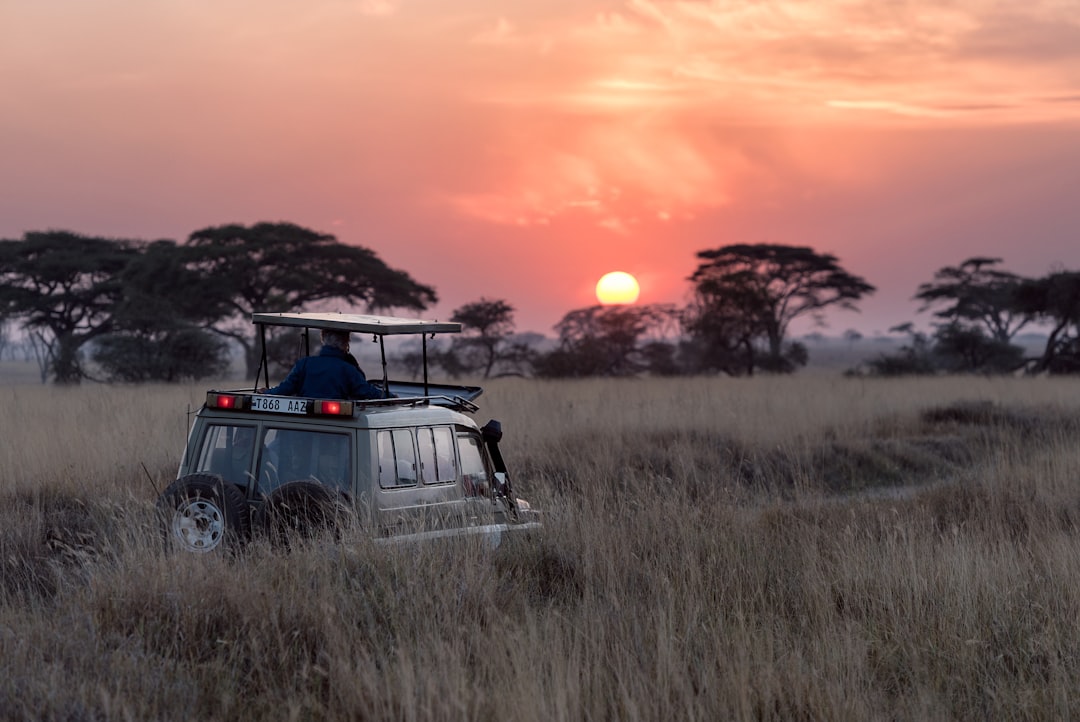
Tanzania safaris are generally safe in 2026 when travelers use established routes, professional guides, and sensible health precautions. The answer is not a simple “yes” for every traveler or every area. Current government advice highlights risks from unrest, crime, terrorism, and discrimination against gay and lesbian people. [1]
Quick answer: A Tanzania safari is generally safe right now, especially in organized northern-circuit parks such as the Serengeti and Ngorongoro area. Use a verified operator, avoid political gatherings, protect yourself from mosquitoes, and check official advice before departure. Conditions can change, so review updates close to your travel date.
This guide explains the real risks without creating false certainty. It covers wildlife safety, road travel, health, city transfers, travel insurance, family planning, and safari costs. It also explains what to ask before booking a Tanzania safari package in 2026.
Safety depends on more than the country name. Your route, transport, guide, accommodation, travel season, and personal health all matter. A private guided safari gives you more support than an unplanned independent journey through unfamiliar areas.
Gotukio reports that its Tanzania safety guidance reflects conditions as of June 2026. [2] Therefore, treat this article as a planning guide, not a replacement for official travel advice or medical care.
SafariFind connects travelers with verified tour operators, package details, and authentic traveler reviews. You can use the marketplace to compare route choices and ask direct questions about safety procedures before paying a deposit.
Tanzania safari travel is generally safe in 2026 on established routes with a professional guide. Several safari operators describe organized trips and northern-circuit itineraries as suitable for tourists when visitors follow normal precautions. [3][5][6][7] The U.S. government, however, advises travelers to reconsider travel because of several wider national risks. [1]
Tanzania is known for structured wildlife trips through parks and conservation areas. Guides manage daily movement, choose safe viewing positions, and explain how to behave near animals. This structure reduces many risks that visitors face when they travel without local support.
Northern Tanzania is the main safari region for many first-time visitors. The route commonly includes the Serengeti and the Ngorongoro area. Operators also build trips around other parks, depending on the traveler’s time and goals. Your operator should explain drive times, border areas, flight links, and overnight locations before you book.
The U.S. Department of State advises travelers to reconsider travel to Tanzania because of unrest, crime, terrorism, and targeting of gay and lesbian individuals. It also reports increased risk in some areas. [1] This advice applies to the country as a whole, not only to safari parks.
That warning does not mean every safari is unsafe. It means you should assess your route and risk level. Avoid demonstrations and political gatherings. Keep copies of key documents. Ask your operator how it handles route changes, emergency transport, and communication problems.
Tanzania safaris are best for travelers who accept guided travel and prepare before arrival. Families should ask about child ages, vehicle comfort, long drives, and emergency support. Solo travelers should choose an operator with clear arrival assistance and a reliable local contact.
LGBTQ+ travelers should read current official guidance and discuss practical concerns with a trusted travel adviser. The U.S. advisory specifically identifies targeting of gay and lesbian individuals as a risk. [1] A personal safety plan should include discreet communication, suitable accommodation, and local support.
Compare verified Tanzania safari packages and request safety details from operators before choosing an itinerary.
Safari safety is not only about crime. It also includes animal distance, food and water, driving, weather, medical care, and fire procedures. A responsible guide keeps guests inside the vehicle when required and prevents guests from approaching wildlife.
Ask whether the package uses a private vehicle or shared vehicle. Ask how the operator trains guides. Also confirm whether the itinerary includes remote camps, domestic flights, or long road transfers. These details help you judge comfort and support, not just price.
The main Tanzania safari risks are road travel, wildlife encounters, malaria, petty crime, unrest, and limited medical access in remote areas. Most risks become easier to manage when you use a professional guide, follow instructions, protect valuables, and plan health care before departure.
Wild animals are not tame, even when they appear calm. Stay inside the vehicle unless your guide gives clear permission to exit. Do not call, feed, or move toward animals. Keep your voice low near wildlife and follow camp rules after dark.
Safari vehicles can travel on rough roads for many hours. Seat belts, careful driving, and sensible daily distances matter. Ask your operator how often the itinerary changes camps. A route with fewer long drives may suit families, older travelers, and people with back problems.
Walking activities need extra care. Use a trained guide and obey every instruction. Never walk alone near a camp, river, animal, or open area. Camps may have different rules, so listen carefully during the arrival briefing.
Tanzania is a malaria zone below 1,800 meters, and this includes virtually all safari parks. [4] Discuss preventive medicine with a medical professional before travel. Your doctor can match advice to your health history, route, season, and other medicines.
Malaria prevention works best as a layered plan. The Tanzania safari safety guidance recommends prophylactic medicine when appropriate, DEET-based repellent, long sleeves at dusk, and sleeping under treated nets. [4] Pack enough supplies for the full trip, including time before and after the safari.
Crime risk can increase in cities, transport hubs, and busy public areas. Keep phones and passports secure. Use arranged airport transfers when possible. Avoid displaying expensive jewelry, cash, or cameras outside the safari setting.
Unrest can affect roads, towns, and travel plans with little notice. Do not join protests or political gatherings. Follow local instructions, keep your operator’s phone number available, and allow flexibility for a route change.
Tourism operators describe organized northern safaris as easier for visitors to manage because guides coordinate transport and daily activities. [5][6] However, organized travel does not remove every risk. It adds local knowledge and support.
Remote parks can sit far from major hospitals. Ask whether your package includes emergency evacuation support or whether you need separate insurance. Confirm the nearest clinic for each overnight area and tell the operator about allergies, medicines, or mobility needs.
Pack a small health kit with prescription medicine, basic first aid items, sun protection, and oral rehydration products. Keep medicine in original packaging. Your doctor or travel clinic should provide advice for your exact itinerary.
No verified 2026 safari-package prices, booking fees, or regulatory changes appear in the research supplied for this guide. Therefore, this article does not invent a daily rate or claim that a Tanzania safari costs a fixed amount. Request a written quote that lists every included and excluded service.
Tanzania safari cost depends on more than the number of days. Park fees, vehicle type, guide service, accommodation, meals, internal flights, transfers, and travel season can change the total. A private vehicle usually gives more control, while a shared vehicle may lower the cost.
The route also affects the quote. A short itinerary may focus on one region. A longer plan may add several parks, more driving, or a domestic flight. Ask the operator to show each cost line instead of giving one unclear total.
Families should request a family-specific quote. Child ages, room sharing, private vehicles, meal plans, and activity rules can change the total. Read the detailed guide on how much a Tanzania family safari costs in 2026 for planning questions and cost factors.
Serengeti safari cost is calculated by adding the daily vehicle and guide cost, accommodation, park and conservation fees, meals, transfers, and optional flights. Then add international airfare, visas, insurance, tips, and personal spending. This method gives you a clearer budget than copying a single online headline price.
The detailed guide on how to calculate Serengeti safari cost can help you build this list. For luxury planning, review luxury safari costs in Tanzania for 2026 before requesting quotes.
Compare Tanzania tour operators and request itemized 2026 safari quotes when you know your dates, group size, and preferred comfort level.
Search results often show daily price ranges, including very low budget figures and high luxury figures. The supplied research does not verify those numbers. Treat any “$250 to $1,500+ per day” claim as a search phrase, not as a confirmed SafariFind price.
Ask whether the quote includes park fees, staff tips, drinks, transfers, emergency support, and airport nights. A low headline price may exclude important services. A higher price may include private transport, better camps, or flights, but you should confirm each item in writing.
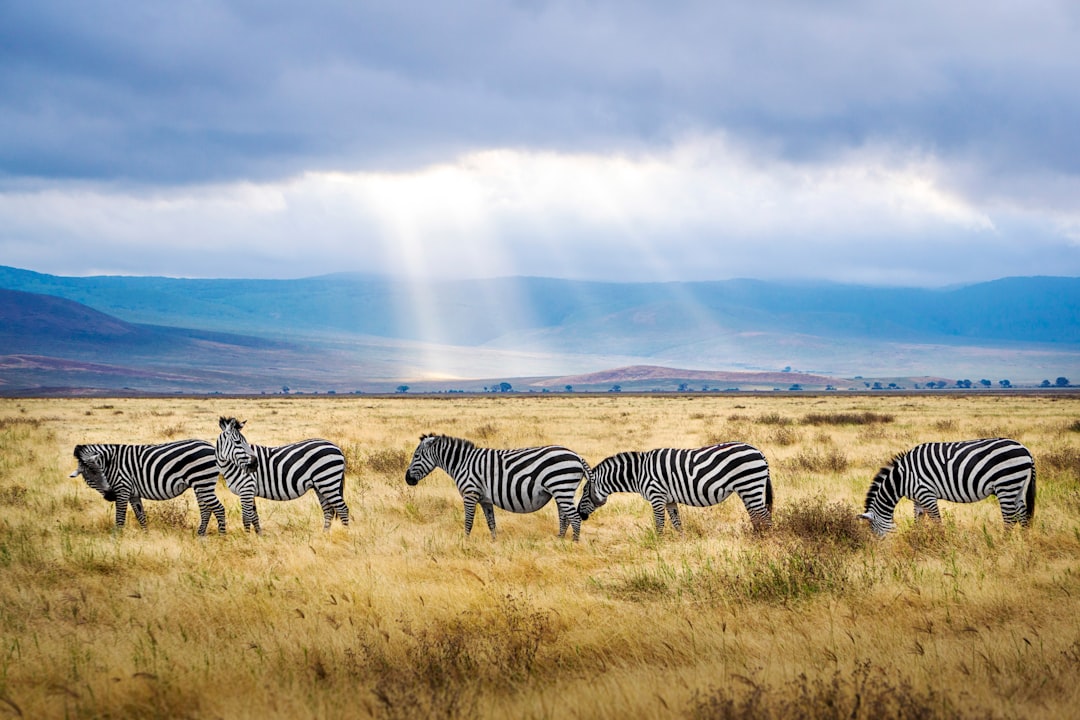
The best month for a Tanzania safari depends on your wildlife goals, comfort needs, and route. There is no single best month for every traveler. Ask an operator to match your dates with park conditions, crowd levels, road access, and the experience you want.
Travelers who want a specific wildlife event should start with the event and then choose the route. The Serengeti, Ngorongoro area, and other parks do not offer the same sightings in every month. A guide can explain what your selected route is designed to deliver.
Travelers who prefer fewer crowds should ask about quieter travel periods. Travelers with fixed school holidays should focus on a strong plan rather than waiting for a perfect date. Good guiding, safe transport, and suitable lodging matter in every season.
Read what the best month for a Tanzania safari is in 2026 before making a final decision. The guide can help you compare timing with the type of safari you want.
The best safari in Tanzania is the one that matches your time, wildlife goals, budget, and comfort level. The Serengeti is a strong choice for travelers seeking a famous northern-circuit experience. A multi-park plan may suit visitors who want variety, while a focused route can reduce long drives.
Known for: the Serengeti is known for broad wildlife plains and classic game viewing. Ngorongoro-area trips are known for a concentrated wildlife setting and crater landscapes. Other routes may offer a different pace, fewer visitors, or a stronger focus on walking and remote camps.
Best for: first-time visitors are often best served by a clear route with reliable transfers and a professional guide. Families need shorter drives and suitable rooms. Luxury travelers should check camp standards, private vehicles, and emergency support.
Explore the comparison guide, which is the best safari in Tanzania in 2026, before choosing a package. The best itinerary is personal, not universal.
Start with arrival and departure points. Then check every road transfer and overnight stop. A clear plan reduces missed connections and helps your operator prepare for delays.
Ask for a day-by-day schedule. It should name parks, camps, transport, meals, activities, and emergency contacts. You should also know what happens if weather, road conditions, or official guidance changes.
The safest booking process starts with clear questions about the operator, vehicle, guide, health support, costs, and cancellations. Written answers help you compare packages fairly. They also show whether an operator understands your needs before you pay.
SafariFind lists verified tour operators and authentic reviews to support this comparison. Read several reviews, not only the highest-rated comment. Look for repeated details about guide quality, communication, vehicle condition, punctuality, and how the company handled problems.
Request a formal itinerary and invoice. The document should show dates, inclusions, exclusions, emergency contacts, and payment terms. Avoid sending money until you understand the cancellation rules and the name of the receiving business.
For first-time visitors, read the guide to Tanzania safari operators for first-time visitors. It offers a useful checklist for comparing local support and trip design.
Pack light, but prepare for sun, dust, insects, and temperature changes. Useful items include long sleeves, insect repellent, a hat, sunscreen, closed shoes, personal medicine, and a small flashlight.
Carry copies of your passport, insurance details, prescriptions, and operator contacts. Keep digital copies in a secure account. Share your itinerary with someone at home and set a regular check-in plan.
Travel insurance should match the trip. Check medical care, evacuation, cancellation, baggage, and adventure activity terms. Ask the insurer whether remote park evacuation is covered.
Yes, an organized Tanzania safari is generally safe in 2026, especially on established northern-circuit routes. Use a verified operator, follow guide instructions, avoid political gatherings, and review official travel advice because national risks include unrest, crime, terrorism, and targeting of gay and lesbian individuals. [1][3][5][6][7]
No verified 2026 price is available in the research for this guide. Ask for an itemized quote that lists accommodation, park fees, transport, guiding, meals, transfers, flights, taxes, and exclusions. Shared vehicles, route length, travel dates, and accommodation level all affect the final Tanzania safari cost.
A Tanzania family safari has no single verified 2026 price in the supplied research. Child ages, room sharing, private transport, activity rules, and trip length affect the total. Request a family quote with daily drive times, child policies, emergency support, and every included fee shown clearly.
The best month for a Tanzania safari depends on your route and wildlife goals. Choose dates after deciding whether you want focused game viewing, a certain seasonal event, fewer crowds, or school-holiday travel. Ask an operator to match dates with road access, lodging, and your preferred pace.
The best safari in Tanzania is the itinerary that matches your time, wildlife goals, budget, and comfort needs. The Serengeti suits travelers seeking a famous northern-circuit experience, while a multi-park route adds variety. Families often benefit from shorter drives and a private vehicle.
Malaria prevention is essential because Tanzania is a malaria zone below 1,800 meters, including virtually all safari parks. Discuss preventive medicine with a medical professional, use DEET-based repellent, wear long sleeves at dusk, and sleep under treated nets where provided. [4]
Book through a verified operator after checking reviews, emergency plans, vehicle arrangements, health support, cancellation terms, and itemized costs. SafariFind connects travelers with verified operators and authentic reviews, helping you compare options before you request a quote.
Tanzania is generally safe for an organized safari in 2026, but travelers must plan for real risks. Established northern-circuit routes offer structured travel and professional guidance. The U.S. Department of State still advises travelers to reconsider travel because of unrest, crime, terrorism, and targeting of gay and lesbian individuals. [1]
Choose an operator that explains wildlife rules, road plans, emergency support, malaria precautions, and cancellation terms. Do not rely on an attractive headline price. The available research contains no verified 2026 package pricing, so request a detailed quote for your dates and group.
Families should compare drive times and child policies. Luxury travelers should review the separate cost guide before selecting camps and private transport. Every traveler should check official advice again before departure.
Compare verified Tanzania safari packages on SafariFind and request a quote from a suitable operator. Read authentic reviews, compare tour operators, and choose a plan that fits your safety needs. As 2026 continues, careful preparation remains the best way to enjoy Tanzania’s wildlife with confidence.
These recommendations use real data from SafariFind, where you can compare operators, browse packages, and read verified traveler reviews before you book.
AFRICAN PANGOLIN SAFARIS - Tanzania • 94 reviews • Verified operator
Intimacy Adventure - Tanzania • 27 reviews • Verified operator
Meerkat Expedition Safari - Tanzania • 11 reviews • Verified operator
Elia Safaris - Tanzania • 9 reviews • Verified operator
Blessed Path Adventures - Tanzania • 7 reviews • Verified operator
5-Day Northern Tanzania Private Safari Adventure • $3,800 • 5 days • by VISION SAFARI & TOURS
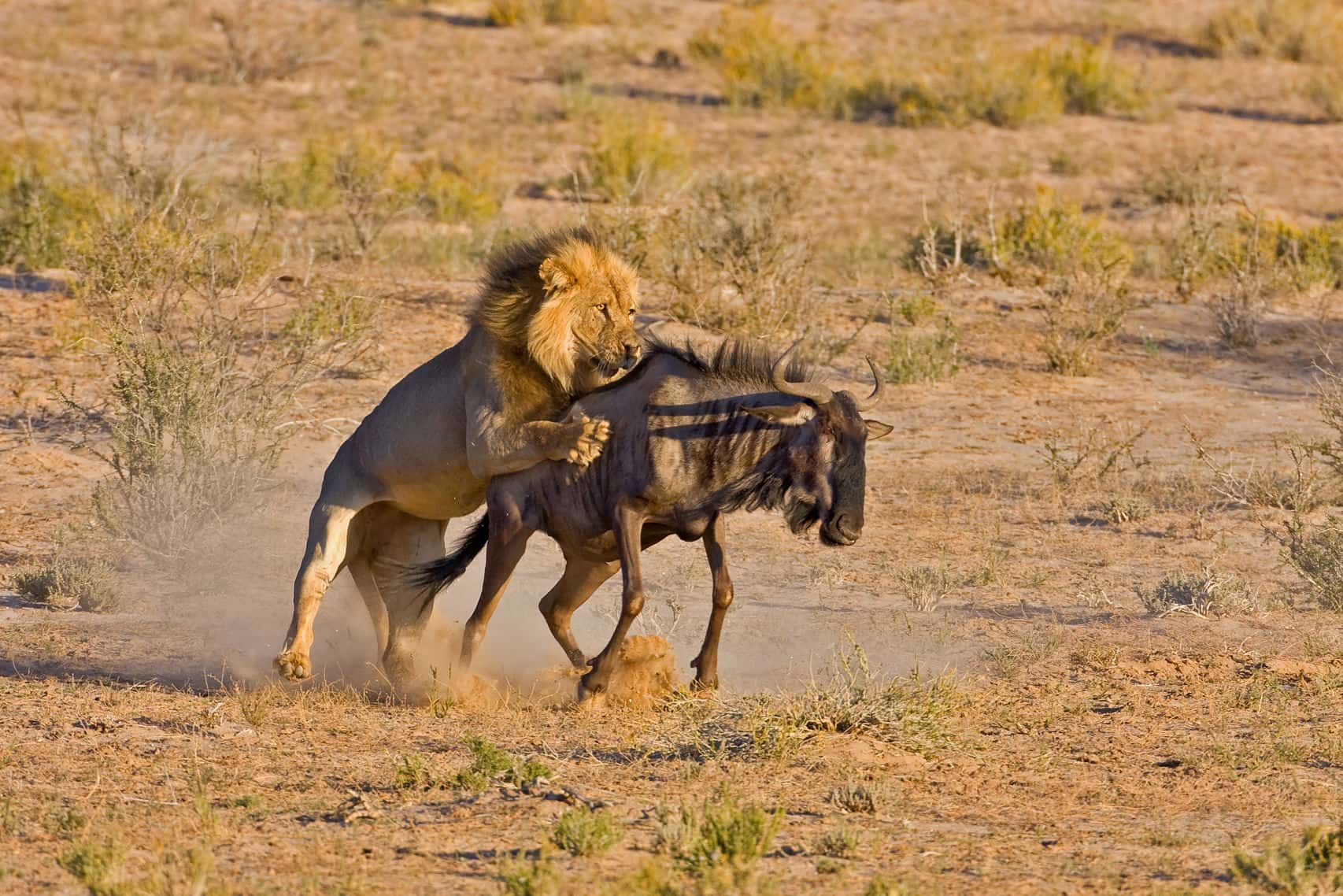
by VISION SAFARI & TOURS • 5 Days
3-Day Tanzania Serengeti Fly-In Safari • $2,200 • 3 days • by Ace Tanzania Tours
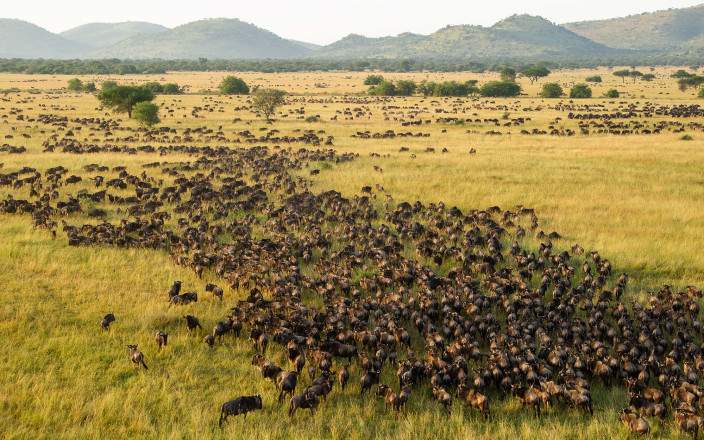
by Ace Tanzania Tours • 3 Days
3-Day Ndutu Great Migration Calving Camping Safari • $1,200 • 3 days • by fantastic time travel
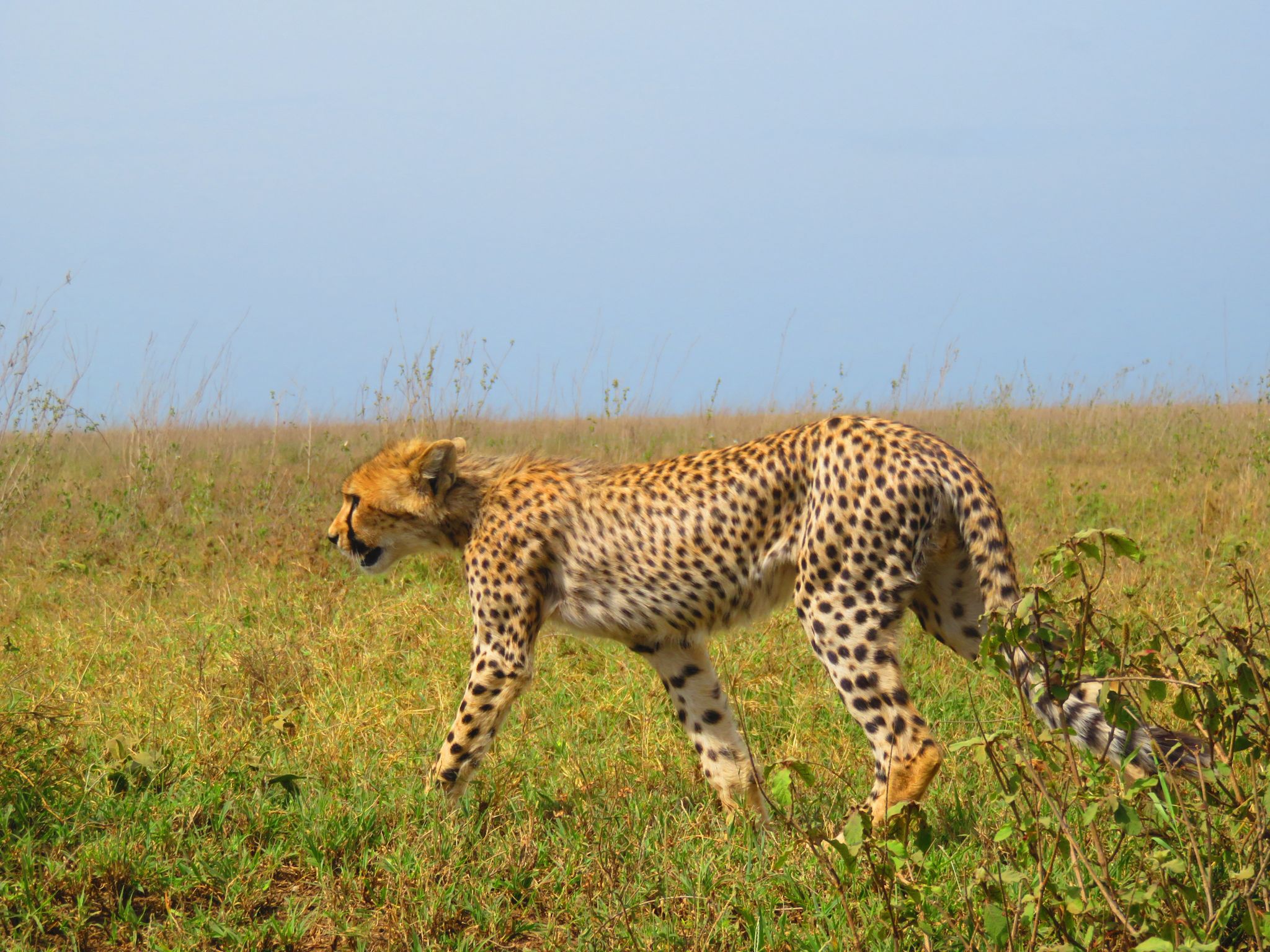
by fantastic time travel • 3 Days
4-Day safari and community impact • $1,150 • 4 days • by fantastic time travel
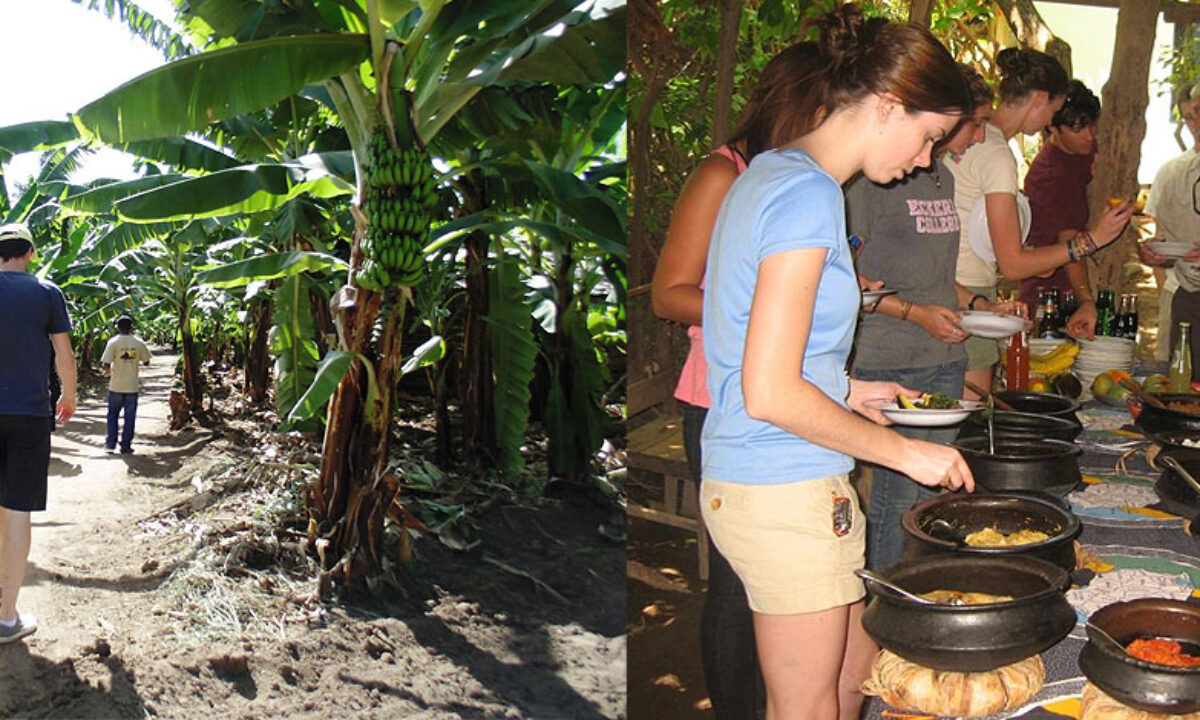
by fantastic time travel • 4 Days
3-Day Ndutu Great migration Safari • $1,200 • 3 days • by fantastic time travel
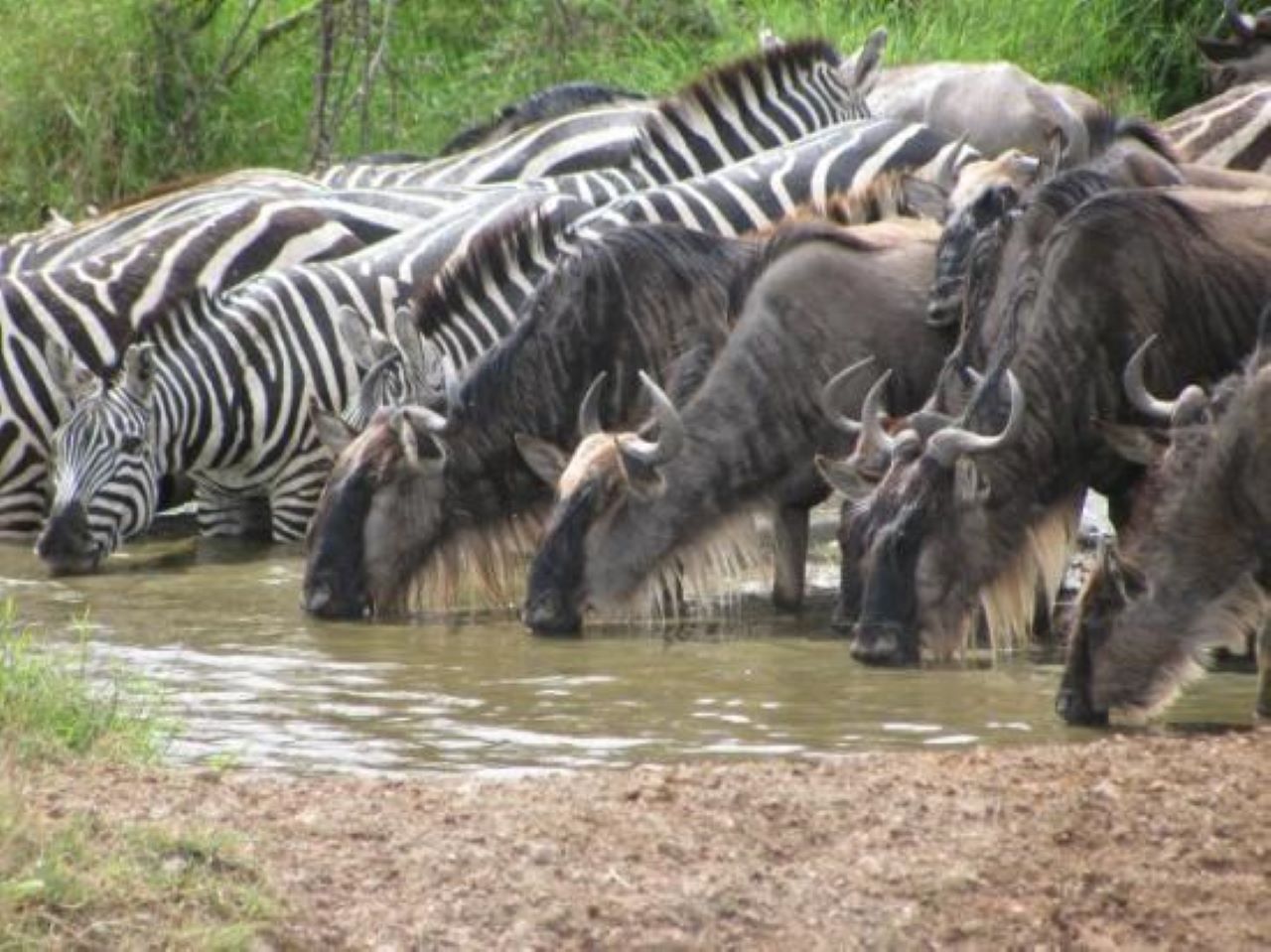
by fantastic time travel • 3 Days
4-Day Northern Tanzania camping • $1,400 • 4 days • by fantastic time travel
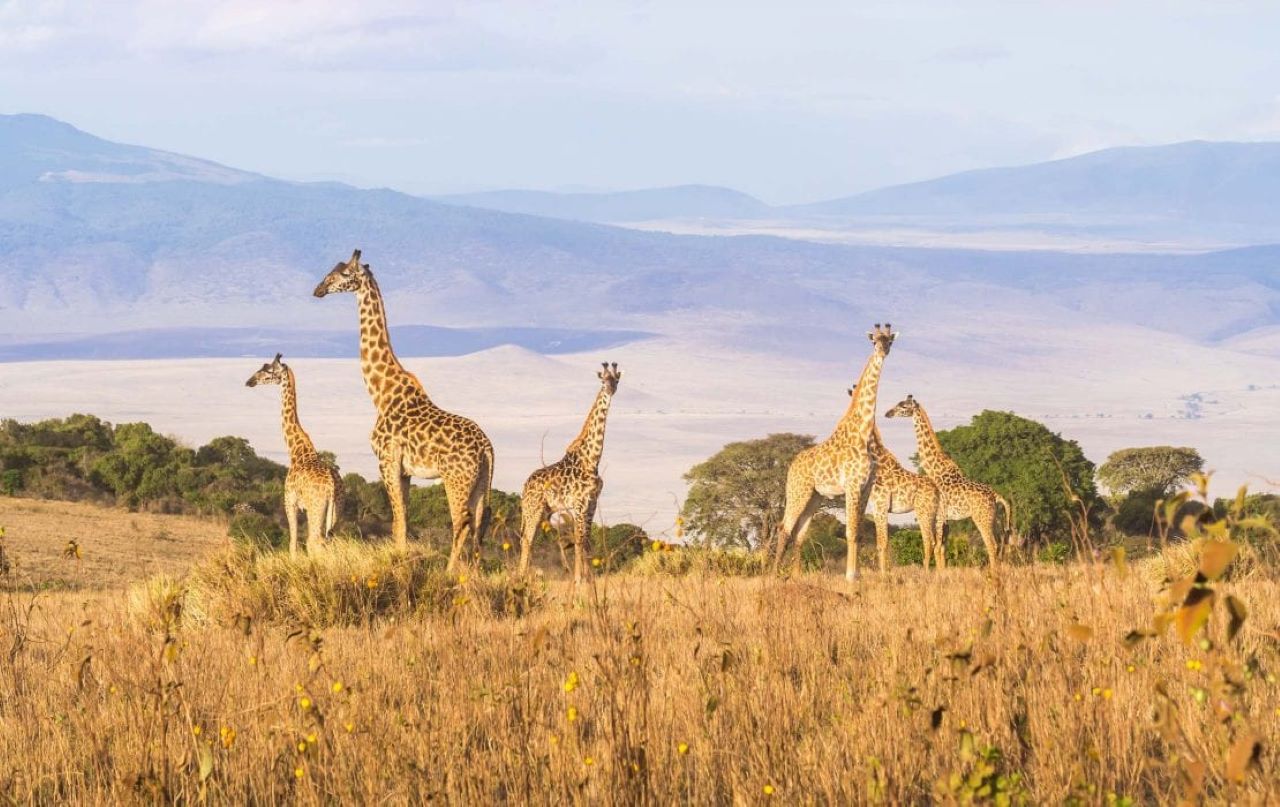
by fantastic time travel • 4 Days
3-Day Tanzania Safari: Big Five & Indigenous Culture • $1,100 • 3 days • by fantastic time travel
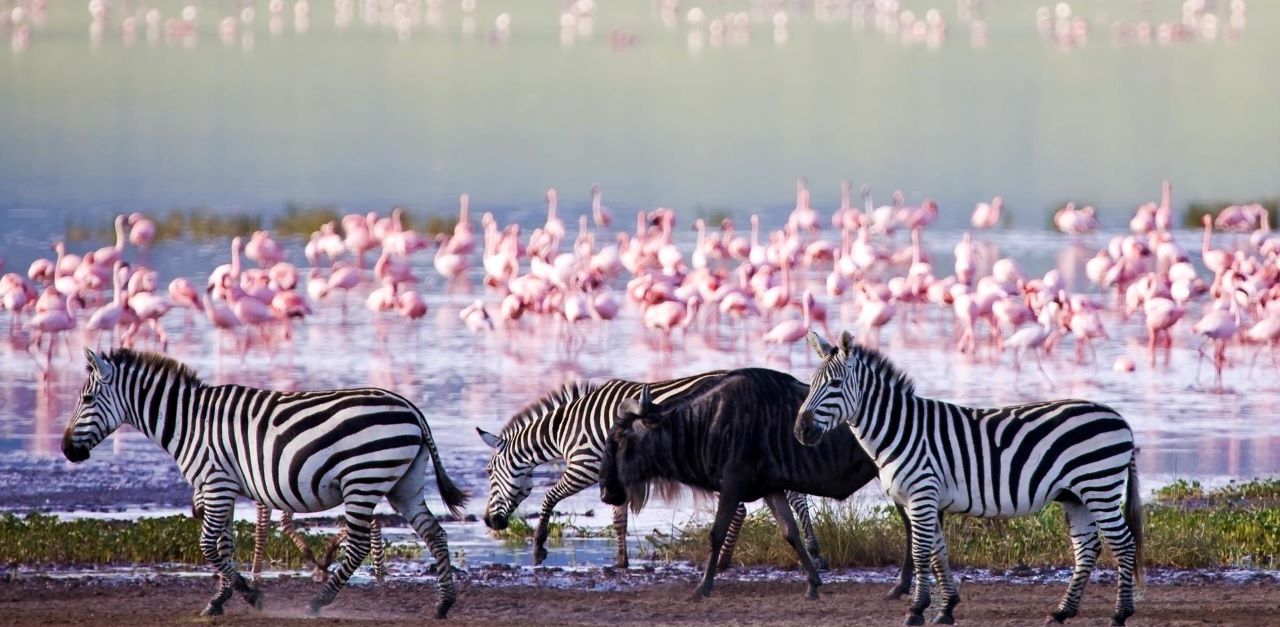
by fantastic time travel • 3 Days
5-Day Northern serengeti & Ngorongoro crater camping safari • $1,900 • 5 days • by fantastic time travel
by fantastic time travel • 5 Days
5★ - "J'ecrais très rarement sur ce genre de forums mais il me semble important de vous partager mon expérience, tant elle a été magique. Nous sommes donc partis en couple en Tanzanie pour visiter les parcs nationaux du Nord e" - Camille • Verified review
5★ - "A superb stay spent in Northern Tanzania thanks to Kibuyu and all his team. Marie accompanied us throughout the preparation of this trip and was kind enough to meet us when we arrived in Arusha. She was very helpful and " - Erwan • Verified review
5★ - "It's been a few weeks since our trip to Tanzania and I cannot thank Kibuyu enough. Everything is done with such thought and precision that you realize the lengh of organization and detail that is put into your Safari. Fr" - Vanessa • Verified review
"It's been a few weeks since our trip to Tanzania and I cannot thank Kibuyu enough. Everything is done with such thought and precision that you realize the lengh of organization and detail that is put into your Safari. From the quality of the 4x4 vehicle, to the talented and knowledgeable guide and the beautiful accomodations, you will feel at home as you head deeper into the bush. Marie and Colman make sure that not one detail is overlooked to make sure that your Safari is an experience that will stay with you forever. Asanté Sana Kibuyu!"
5★ - "Incredible experience with Kibuyu African Safaris who organized our stay in Tanzania (safari + Zanzibar) to perfection. Amazing organization, great follow-up before, during and after the trip, and professionalism was up " - Sabah • Verified review
5★ - "A perfect trip from start to finish! We went as a couple for a combined safari in Tanzania and Zanzibar with Kibuyu African Safaris and we are delighted with this choice. Everything was very well managed, from the realiz" - Estelle • Verified review
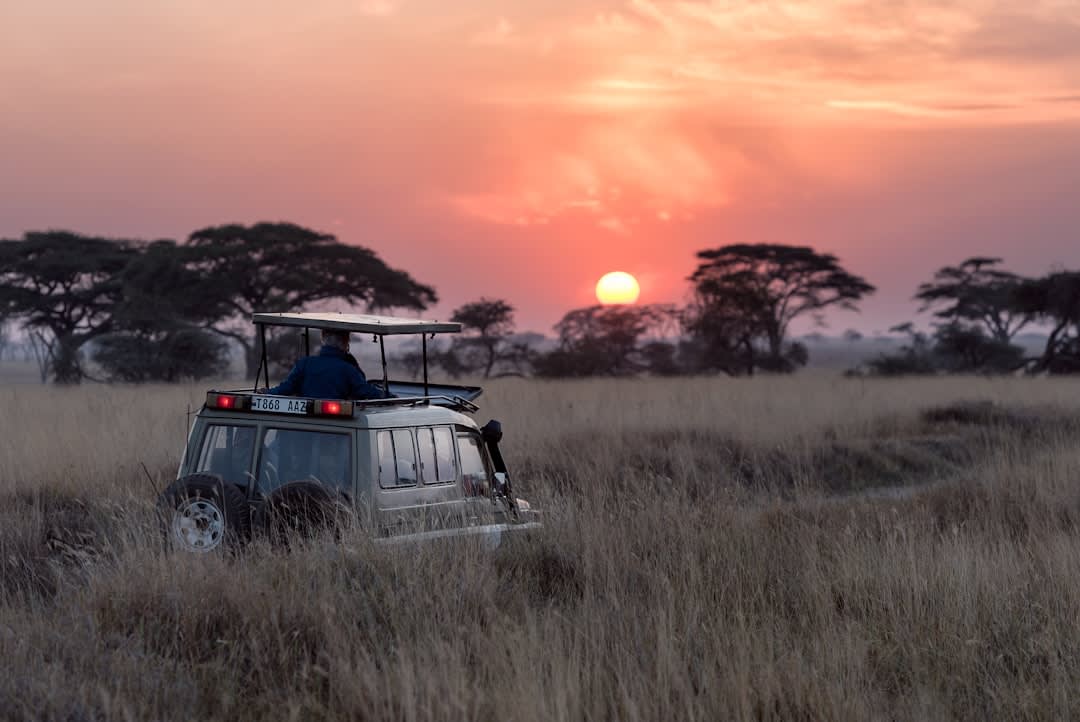
Suggested image alt text: “Guided safari vehicle viewing wildlife in Tanzania’s northern circuit in 2026.”
Suggested second alt text: “Traveler using mosquito repellent before an evening Tanzania safari drive.”
Suggested meta description: “Is Tanzania safe for a safari in 2026? Learn current risks, malaria precautions, wildlife rules, booking questions, and how to request verified safari quotes.”