Is Ethiopia Good for Safari? Parks, Prices & Wildlife
Last updated: July 2026
Ethiopia is a good safari choice for travelers who want rare wildlife, highland scenery, fewer crowds, and strong cultural experiences. A 7-day Ethiopia safari costs about US$1,500–$3,500 per person in July 2026. July is mostly dry, while October and November offer scheduled 14-day cultural and wildlife departures.
At a Glance
Cost: US$1,500–$3,500 per person for a 7-day Ethiopia safari in July 2026 [1]
Best time: July for mostly dry conditions, reliable wildlife viewing, and fewer crowds [1]
Duration: 7–14 days, depending on wildlife and cultural goals [1][3]
Best for: Travelers seeking Ethiopian wolves, gelada baboons, endemic species, and highland landscapes [2][6]
Wildlife highlights: Ethiopian wolves, gelada baboons, rich birdlife, and 31 reported endemic species [6]
Getting there: Start with an arrival in Addis Ababa, then travel by road or arranged tour transport to safari areas
Ethiopia offers a safari experience that feels different from the classic East African route. Ethiopia is known for high mountain scenery, rare wildlife, and cultural travel rather than only large herds on open plains. The country also gives travelers a chance to look for Ethiopian wolves and gelada baboons.
Is Ethiopia Good for Safari? 2026 Parks, Prices and Wildlife is a useful question for travelers comparing Africa’s less crowded destinations. The answer is yes, especially if you value unusual species, dramatic landscapes, birdwatching, and a trip that combines wildlife with local culture.
As of July 2026, a 7-day Ethiopia safari costs US$1,500–$3,500 per person. Early July is mostly dry, so animals often gather near water sources. That pattern can make sightings more reliable during game drives and other wildlife outings [1].
This guide explains where Ethiopia fits in a safari plan, what you can see, how much to budget, and how to choose the right season. It also covers 7-day and 14-day trip styles. SafariFind connects travelers with verified tour operators, package details, and authentic reviews, so you can compare options before making a decision.
What Makes Ethiopia Good for Safari in 2026?
Ethiopia is good for safari because it combines rare animals, mountain habitats, and fewer crowds with lower July pricing. It is not the best match for every traveler, however. People who want the Big Five as their only goal may prefer a more classic safari country. Travelers who want unusual wildlife and culture will find Ethiopia especially rewarding.
Known for: rare highland wildlife
Ethiopia is known for the Ethiopian wolf, one of the country’s most important wildlife attractions. The country is also known for gelada baboons and rich birdlife. One 2026/2027 package source highlights 31 endemic species, along with the Ethiopian wolf and diverse bird species [6]. These details give Ethiopia a strong identity in the safari market.
The Ethiopian wolf is a major reason wildlife travelers choose the country. It offers a very different focus from a trip built around lions, elephants, or wildebeest. Wildlife fans can instead look for species linked to Ethiopia’s highlands and protected natural areas.
Known for: mountain parks and varied landscapes
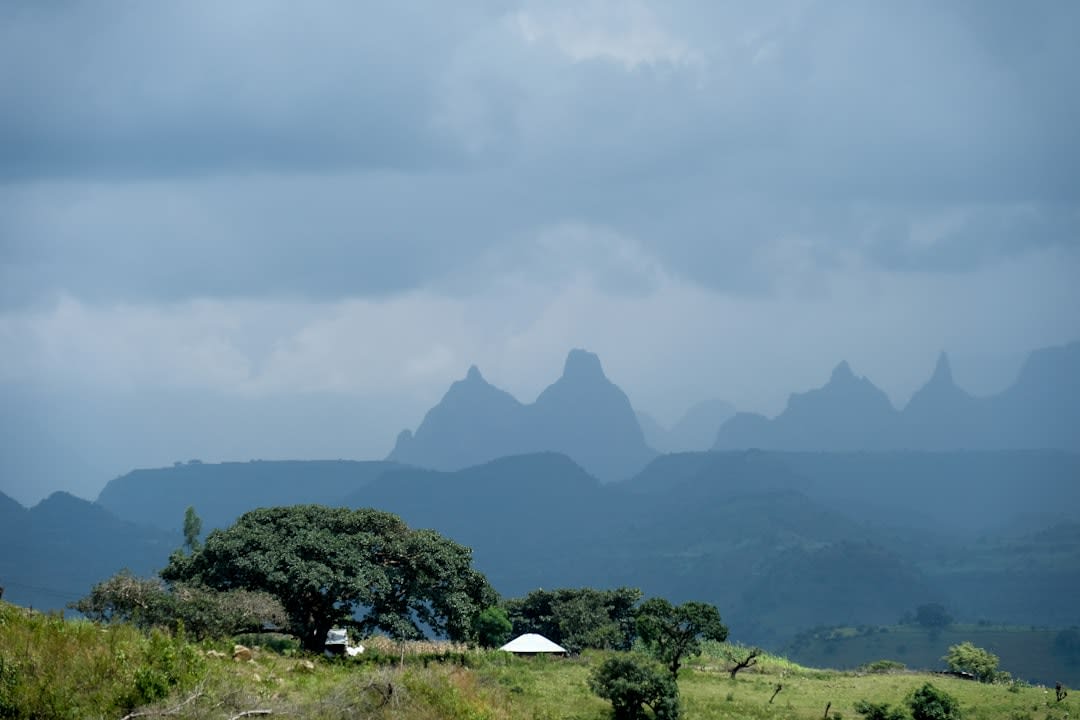
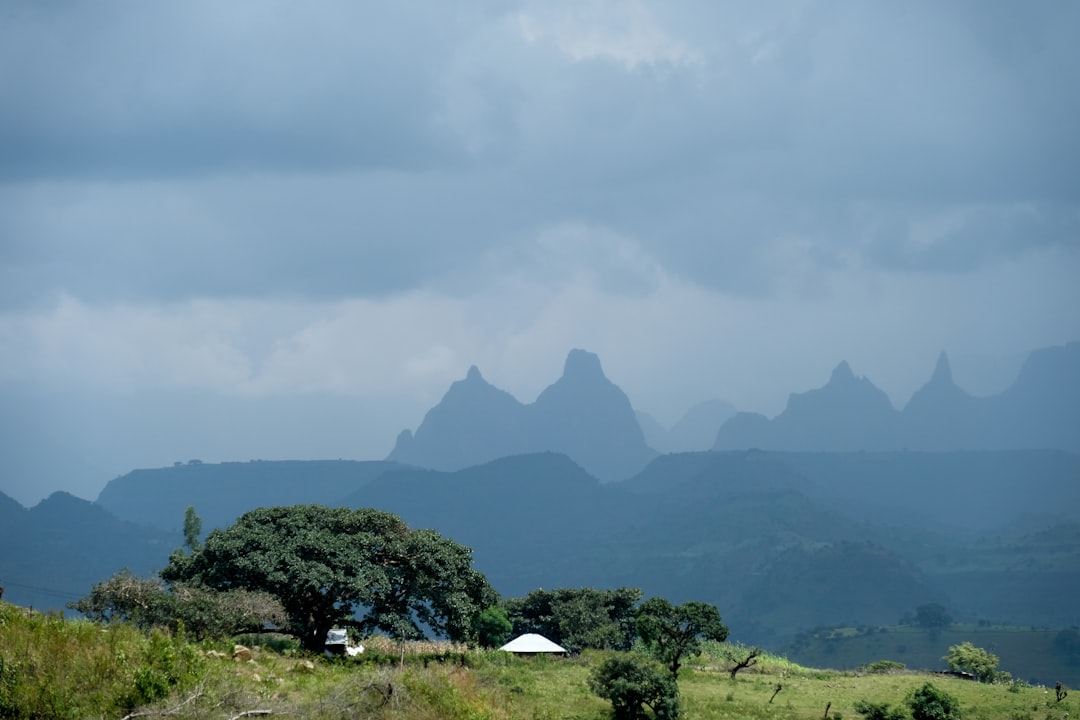
Simien Mountains National Park is known for jagged peaks, deep valleys, and steep escarpments. Its 2026–2027 safari products focus on hiking and wildlife in a dramatic highland setting [4]. The landscape changes the pace of a trip. You may spend part of the day walking, rather than viewing animals only from a vehicle.
Chebera-Churchura National Park and Maze National Park also appear on a listed 14-day cultural and wildlife itinerary. These parks give longer tours a wider route and a stronger mix of nature and culture [3]. The exact experience depends on the itinerary, guide, transport, and time spent in each area.
Why it matters for travelers
Ethiopia suits travelers who want a safari with more than standard game drives. The trip can include wildlife viewing, mountain walks, birdwatching, local culture, and major landscape changes. That mix makes Ethiopia a strong choice for repeat Africa visitors and curious first-time safari travelers.
Ethiopia also suits travelers who dislike busy wildlife circuits. July 2026 is promoted as offering fewer crowds and budget-friendly prices compared with busier safari choices [1]. Lower visitor numbers can create a quieter feel, although every route and travel date remains different.
Ethiopia’s safari appeal comes from specialized wildlife and strong scenery rather than one single migration event. The best itinerary depends on whether you want highland species, birdlife, hiking, or a longer cultural route. A 7-day trip can focus on one main region, while a 14-day trip allows more varied stops.
Simien Mountains National Park
Simien Mountains National Park is a strong choice for travelers who enjoy mountain wildlife and active travel. The park’s known features include sharp peaks, deep valleys, and large escarpments [4]. Hiking-focused safari products combine these landscapes with wildlife viewing.
The Simien Mountains are best for walkers, photographers, and travelers who want a cool highland setting. You should expect a trip with more movement and uneven ground than a lowland vehicle safari. Good shoes, layered clothing, and a flexible pace are useful choices.
Chebera-Churchura National Park
Chebera-Churchura National Park appears in a listed 14-day Ethiopia cultural and wildlife tour [3]. The itinerary shows how longer trips can move beyond one famous area. It also places wildlife within a broader journey through Ethiopia’s natural and cultural sites.
Chebera-Churchura is best for travelers who want a less familiar park route. Because the available source confirms the park’s place on the itinerary, you should ask an operator for current route details. Confirm transport, accommodation, guide support, and the time planned for wildlife viewing.
Maze National Park
Maze National Park is also included in the listed 14-day cultural and wildlife departure [3]. Its inclusion helps travelers build a wider safari plan instead of staying in one mountain area. A longer route can suit visitors who want nature, local culture, and several protected landscapes.
Awash and wider nature trips
Awash National Park is another safari option listed in 2026 activity results. A traveler review described an Awash safari as a trip highlight, citing wildlife, landscapes, and an authentic experience [5]. That review is one person’s account, so it should support research rather than replace operator checks.
Awash is best for travelers who want a nature trip near other Ethiopian highlights. Ask whether your package includes a national park visit, a private guide, or a day trip. Also check the season, road time, lodging, and what the price includes.
Wildlife checklist
Ethiopian wolf: Choose a highland-focused route and ask about current viewing areas.
Gelada baboon: Add mountain landscapes and walking time to your itinerary.
Birdlife: Pack binoculars and ask for a guide with bird knowledge.
Endemic species: Use a longer route if your goal is a broader species list.
Landscape photography: Include Simien Mountains for peaks, valleys, and escarpments.
Travelers comparing Ethiopia with other East African destinations can also read this Ethiopia versus Kenya safari comparison for 2026. The comparison helps clarify whether your main goal is unusual wildlife, classic game viewing, or overall trip cost.
How Much Does an Ethiopia Safari Cost in 2026?
A 7-day Ethiopia safari costs US$1,500–$3,500 per person in July 2026. The July price range comes from current SafariFind research and reflects a budget-friendly period with mostly dry conditions [1]. Your final quote depends on the route, accommodation, transport, guide service, park visits, and trip length.
Price range: choose a trip length
Name
Price
Duration
Best For
July Ethiopia safari
US$1,500–$3,500
7 days
Dry-season wildlife and budget planning
Authentic cultural and wildlife tour
Price on enquiry
14 days
Culture, parks, and a longer route
The 14-day cultural and wildlife tour has a scheduled departure from October 15–28, 2026. A second departure runs from November 12–25, 2026 [3].
What affects the final price?
Accommodation is one of the main cost points. A simple lodge or camp can produce a different quote from a higher-end stay. Transport also matters. Long road transfers, private vehicles, and several park stops can raise the total cost.
Guide service affects the value of an Ethiopia safari. A specialist guide can help with highland wildlife, birds, local history, and route planning. Ask if the quote includes park fees, meals, transfers, accommodation, guide costs, and airport transport.
Check whether the quote covers all listed park entry fees.
Confirm the number of nights and room type.
Ask if domestic travel or road transfers are included.
Check the vehicle type and whether the trip is private or shared.
Read recent traveler reviews before you pay a deposit.
July is the best documented month for a budget-friendly Ethiopia safari in 2026. Early July is described as mostly dry, and animals often gather around water sources during dry conditions [1]. This can improve sighting reliability while also reducing the chance of heavy rain affecting some game drives.
Best time to visit: July 2026
July is best for travelers who want a balance of price and wildlife viewing. Dry weather can make roads and outdoor activities easier to manage. Animals concentrating near water may also give visitors better chances to find wildlife in the right areas [1].
July is not a promise of constant sightings. Wildlife remains free to move, and conditions differ by park. A skilled local guide can help you adjust the day’s route and timing. Therefore, choose an operator that explains the plan clearly.
October and November departures
October and November are useful months for travelers who want a set 14-day cultural and wildlife itinerary. The listed departures run from October 15–28 and November 12–25, 2026 [3]. These dates suit travelers who prefer a longer, planned journey rather than a short wildlife break.
The October and November routes include Chebera-Churchura National Park and Maze National Park [3]. Ask the operator for the latest schedule before booking. Confirm the full route, overnight stops, walking sections, and included activities.
How to plan your trip
Choose your main goal: Decide between highland wildlife, birds, hiking, culture, or a mix.
Set your trip length: Use 7 days for a focused trip or 14 days for wider coverage.
Pick a season: Select July for dry-season value or a listed October or November departure.
Check the details: Ask about guides, vehicles, fees, accommodation, meals, and transfers.
Compare reviews: Look for verified feedback about communication, safety, and guiding.
Ethiopia is best for travelers who enjoy discovery and variety. It is less suited to people who want a simple, all-inclusive beach-style holiday or a single wildlife target. The country rewards patience, flexible planning, and an interest in landscapes as well as animals.
Travelers who are still comparing destinations can read this guide to Ethiopia versus Rwanda for wildlife, cost, and trip style. It can help you decide whether rare highland species or a more compact safari route fits your plans.
How Do You Plan an Ethiopia Safari?
Start an Ethiopia safari by choosing the experience you want, then match the route to your time and budget. A good plan names the parks, trip length, travel dates, accommodation level, and included services. It also leaves room for road time, weather changes, and wildlife that moves naturally.
Getting started
Begin with a clear travel brief. State your preferred dates, number of travelers, budget per person, and fitness level. Then explain whether you want Ethiopian wolves, gelada baboons, birdlife, mountain walks, national parks, or cultural visits.
Next, ask for two or three quotes. Compare the same details in each quote. A low headline price may exclude park fees, meals, transfers, or guide services. A higher quote may include more nights, better transport, or specialist guiding.
What to pack
Layered clothing for highland changes in temperature.
Strong walking shoes for mountain routes and uneven ground.
Binoculars for birds and distant wildlife.
Sun protection, including a hat and sunscreen.
A small day bag for water, snacks, and camera gear.
Pack for both wildlife viewing and walking. Simien Mountains products focus on hiking as well as wildlife, so comfortable footwear matters [4]. Ask your operator about luggage limits, laundry, charging, and road conditions before departure.
How to choose a trusted operator
Verified operators should explain what the package includes. Look for clear cancellation terms, named accommodation, transport details, and a practical daily plan. Authentic reviews can also reveal how an operator handles delays, changes, guides, and communication.
SafariFind helps travelers compare verified operators and read authentic reviews in one place. Use the marketplace to check whether a package matches your trip goals. You can also ask questions before booking, rather than relying on a short sales description.
Safety and comfort questions
Ask about guide experience, emergency support, vehicle condition, and communication during remote travel. Confirm how the operator handles medical needs and dietary requests. You should also check whether walking routes suit your fitness level.
These questions do not make a trip less adventurous. They help you understand the service you are buying. Clear answers also make it easier to compare operators fairly and avoid unexpected costs.
Key Takeaways
Choose July 2026 for a mostly dry Ethiopia safari, better water-source viewing, and fewer crowds [1].
Budget US$1,500–$3,500 per person for a 7-day Ethiopia safari in July 2026 [1].
Plan 14 days if you want Chebera-Churchura National Park, Maze National Park, and cultural stops [3].
Focus on Simien Mountains if hiking, highland scenery, and rare wildlife matter most [4].
Compare verified operators before paying, and check fees, transport, guides, lodging, and reviews.
Frequently Asked Questions
Is Ethiopia good for safari in 2026?
Ethiopia is good for safari in 2026 if you want rare wildlife, highland scenery, birdlife, and fewer crowds. The country is especially known for Ethiopian wolves, gelada baboons, and reported endemic species. It suits travelers who want wildlife combined with hiking and cultural travel.
How much does an Ethiopia safari cost in 2026?
A 7-day Ethiopia safari costs about US$1,500–$3,500 per person in July 2026. The final price depends on accommodation, transport, guides, park fees, meals, and the number of travelers. Ask for an itemized quote before booking [1].
What animals can you see on an Ethiopia safari?
An Ethiopia safari can include Ethiopian wolves, gelada baboons, and rich birdlife. One 2026/2027 package source highlights 31 endemic species in Ethiopia [6]. Sightings depend on the park, season, guide, route, and time spent in suitable habitats.
What is the best month for an Ethiopia safari?
July is the best documented month for budget-friendly wildlife viewing in 2026. Early July is mostly dry, and animals can gather near water sources, which may improve sighting reliability [1]. October and November also suit travelers using scheduled 14-day departures [3].
How many days do you need for an Ethiopia safari?
You need about 7 days for a focused Ethiopia safari and 14 days for a wider cultural and wildlife route. A 7-day trip can target one main region. A 14-day itinerary can include Chebera-Churchura National Park, Maze National Park, and cultural stops [3].
How can I book a reliable Ethiopia safari?
Book through SafariFind to compare verified tour operators, safari packages, prices, and authentic traveler reviews. Share your dates and budget, then compare what each quote includes. Find your perfect Ethiopia safari package on SafariFind before making a final choice.
Conclusion
Ethiopia is a good safari destination in 2026 for travelers who want rare wildlife, dramatic highlands, and fewer crowds. A 7-day trip costs US$1,500–$3,500 per person in July, while longer 14-day tours offer broader cultural and wildlife routes [1][3].
Choose July if dry conditions, water-source viewing, and budget value are your priorities. Choose a listed October or November departure if you prefer a longer planned itinerary. Simien Mountains is a strong option for hiking and highland scenery, while Chebera-Churchura and Maze suit wider routes.
Ethiopia gives safari travelers a fresh alternative to crowded, familiar routes. With careful planning, 2026 can be the year you discover its rare species, highland landscapes, and rich cultural journey.
Plan Your Safari with SafariFind
These recommendations use real data from SafariFind, where you can compare operators, browse packages, and read verified traveler reviews before you book.
"We had an excellent experience with Pilama Safaris! The booking was very easy and the company was very responsive and helpful as we made our booking. The safari experience itself was great. Jacob, our guide, was amazing! He was extremely professional and the trip was all very well planned out. He also went out of his way to make our trip comfortable, taking care of all of the little details. He was very knowledgeable about the animals and the park. He also taught us a lot about Uganda culture in general. We felt like the safari was an excellent value and we would highly recommended it to anyone. The highlight for us was seeing the top of the Murchison Falls - it’s a breathtaking view. Thank you for an amazing experience, Pilama Safaris! Make a one sentence summary"
CeCe•16 July 2026
"Pilama Safaris is one of the best travel companies I have engaged with. Anthony really listened to our requirements and built an itinerary that worked for us. There was time to make tweaks and refine what we wanted to do. Nothing was ever a problem, including chimpanzee tracking, where my youngest was 11.5 instead of 12 years old. Anthony quickly arranged a permit for her, and we were able to experience the chimpanzees together. Communication was plentiful and mainly conducted over WhatsApp. Anthony very quickly became a friend! I got a real sense that Anthony LOVES his job. He wanted to make everything wonderful for us. And to be met by the team at the airport was so lovely. Martin was our jeep driver and guide. He was so wonderful to be around with his calm and gentle nature. His deep knowledge of wildlife, especially birds, was a real treat for us. We felt so looked after with Pilama Safaris."
Nilima Willis•16 July 2026
"My guide, Dennis, was truly wonderful. He has worked as a ranger and is extremely knowledgeable about the geography and animal habitats of Murchison Falls National Park and Queen Elizabeth National Park. He planned the itinerary taking into account the animal's activity times. I experienced truly rare moments. The lodge was wonderful and lovely with tasty dishes. The operator, Anthony, frequently communicated with me with messages to ensure I didn't feel anxious before the tour began. He also took great care in having a meeting with the guide the day before the tour. I will definitely recommend the campaney to my friends. Thank you for an invaluable experience!"
Natalee•16 July 2026
"Our trip to Uganda was unforgettable. We opted for a gorilla trekking tour with Pilama Safaris. It was my first such tour and also my first trip to Uganda. My travels usually take me to Southeast and South Asia. But this trip was something special. I found myself just a few meters away from a gorilla family in Bwindi and could hardly believe my eyes. I was moved to tears to be able to get so close to these animals. These gentle giants. I hadn't expected that. The entire organization was effortless yet remarkably sophisticated. Daniel, our tour guide, expertly shared his insider knowledge and was simply a pleasant person to listen to. He knew what he was doing as we entered the gorillas' domain. We felt safe and well cared for and had a great time. After Uganda, we went to the Masai Mara, where we had the opportunity and the incredible luck to witness the Great Migration. What an experience! I'll be able to tell my grandchildren about it. When thousands of wildebeest crossed the Mara River, it was like something out of a nature film, and we were right in the middle of it, not just spectators. Pilama Safaris also has a real knack for choosing accommodations. Every lodge is definitely recommendable, even for a longer stay. Communication with the organizers was straightforward and based on a handshake agreement. What was agreed upon was delivered and was well worth the money. One more thing: the trip planning and the entire itinerary were coordinated with us in advance and were tailor-made. Even when we wanted to add a relaxing day at short notice, the program was quickly changed, and we were able to unwind in the hotel's spa area. (automatic translation from German)"
D. Maria•16 July 2026
"They deliver a highly personalized experience, consistently going above and beyond to understand each customer’s needs and ensure complete satisfaction at every touchpoint."

 Ask Tembo