How Much Does a Tanzania Safari Cost? Budget vs Luxury 2026
Tanzania safari costs $250–$1,500+ per day in 2026. Compare budget ($250–$400), mid-range ($450–$800), and luxury ($850+) options. 7-day safari: $1,750–$15,000+.
SafariFind, Inc. · 34 Brier Avenue, Unit 610, Wilmington, DE 19805, United States · Company No. 10818632
Tanzania Safari Cost: Budget vs Luxury 2026
Last updated: July 2026
A Tanzania safari in 2026 costs $250–$1,500+ per person per day, depending on your travel style. Budget safaris run $250–$400 daily, mid-range options average $450–$800, and luxury experiences start at $850 and climb higher. A typical 7-day safari ranges from $1,750 to $15,000+ per person, including accommodations, guides, and park fees but excluding international flights.
At a Glance
Daily Cost Range: $250–$1,500+ per person per day
7-Day Total Cost: $1,750–$15,000+ per person
Best Time to Visit: June–October (dry season, peak wildlife viewing)
Budget Option: $250–$400/day with camping and group tours
Luxury Option: $850–$2,000+/day with private guides and fly-in lodges
Best For: Budget travelers, families, wildlife photographers, adventure seekers
Tanzania safari pricing varies dramatically based on accommodation type, group size, season, and travel style. A budget camping safari costs far less than a luxury fly-in experience at exclusive lodges. Understanding these cost drivers helps you plan a safari that fits your budget and expectations.
The primary factors affecting your total cost are accommodation quality, vehicle type, guide expertise, park entrance fees, internal flights, and meals. Peak season (June–October) commands higher prices than shoulder or green seasons. Private safaris cost more than group tours, but offer better wildlife viewing opportunities and personalized itineraries.
Tanzania safari costs in 2026 reflect inflation, fuel prices, lodge upgrades, and increased demand from international travelers. Most operators include park fees, vehicle use, and meals in their quoted daily rates. However, tips, souvenirs, and optional activities like hot air balloons add extra expenses.
Budget safaris in Tanzania offer authentic wildlife viewing without luxury price tags. These packages use shared group vehicles, basic but clean accommodations, and experienced guides. You'll see the same animals and landscapes as luxury travelers—just with fewer frills.
Budget accommodations typically include budget lodges with simple rooms, or camping under canvas tents. Meals are filling and wholesome, prepared by camp cooks. Group sizes usually range from 6–12 people, sharing one safari vehicle. This shared cost model keeps prices low while maintaining quality wildlife experiences.
A 7-day budget Tanzania safari costs roughly $1,750–$2,800 per person, including accommodations, all meals, park fees, and a professional guide. International flights and travel insurance are separate. Budget safaris work best for travelers who prioritize wildlife viewing over luxury amenities, and for those visiting multiple destinations like Tanzania safari and Zanzibar packages.
Popular budget operators offer excellent value. Many budget travelers report that their guide's knowledge and enthusiasm far outweighed the basic lodge accommodations. You're paying for access to wildlife and expertise, not five-star hotels.
What's included in budget safaris? Park entrance fees, professional guide, vehicle, meals, and accommodations. What's not included: international flights, travel insurance, tips, and optional activities like hot air balloon rides.
Mid-range safaris offer the sweet spot between comfort and cost. You'll stay in comfortable lodges or quality tented camps with private bathrooms, enjoy better meals, and often get smaller group sizes or semi-private vehicles. This tier suits most travelers seeking a balanced safari experience.
Mid-range accommodations include established lodges with en-suite bathrooms, solar power, and dining areas. Some operators offer tented camps with proper beds and mosquito nets rather than camping cots. Meals improve significantly—expect varied menus with fresh vegetables and quality proteins. Group sizes shrink to 4–8 people per vehicle, improving wildlife viewing and photography opportunities.
A 7-day mid-range Tanzania safari costs approximately $3,150–$5,600 per person. This price includes quality lodge accommodations, all meals, professional guides, and park fees. Many mid-range packages feature iconic destinations like the Northern Tanzania Safari with Serengeti and Ngorongoro Crater.
Mid-range safaris appeal to families, couples, and solo travelers. You get genuine comfort without overpaying for ultra-luxury extras. Guides are highly trained and passionate about wildlife. Many mid-range operators have been operating for 10+ years and maintain excellent reputations.
The mid-range tier represents the most popular choice among international travelers. You're not sacrificing wildlife viewing quality—you're simply choosing comfortable, practical accommodations over luxury resorts.
Luxury Safari: $850–$2,000+ Per Day
Luxury safaris deliver premium experiences at exclusive lodges and fly-in camps. You get private guides, gourmet meals, spa services, premium wines, and intimate wildlife encounters. These packages suit travelers seeking ultimate comfort and personalized service in remote locations.
Luxury accommodations feature spacious suites with en-suite bathrooms, heated showers, king beds, and often private decks overlooking wildlife areas. Many luxury lodges offer infinity pools, fine dining restaurants, and spa treatments. Some ultra-luxury camps provide butler service and champagne sundowners.
Luxury safaris typically feature private vehicles or small-group tours (2–4 people maximum). Guides are senior naturalists with decades of wildlife expertise. Meals are gourmet, prepared by trained chefs using fresh ingredients. Special requests like private picnics or night drives are accommodated.
A 7-day luxury Tanzania safari costs $5,950–$14,000+ per person, depending on lodge choice and season. Ultra-luxury fly-in safaris with exclusive camps can exceed $20,000 per person. Luxury packages often include internal flights between parks, premium beverages, and curated experiences.
Luxury safaris work best for special occasions, photography enthusiasts seeking premium locations, and travelers prioritizing comfort. You'll stay at award-winning properties featured in luxury travel magazines. The personalized service and exclusive locations justify the premium pricing for many travelers.
Popular luxury operators include properties recognized internationally for conservation efforts and exceptional service. Many luxury lodges are small, family-owned businesses with 10–20 rooms, ensuring intimate experiences and attentive staff.
Understanding individual cost components helps you budget accurately and identify where to save money. Tanzania safari expenses fall into several categories: accommodations, meals, park fees, vehicle use, guides, flights, and extras.
Accommodations: $50–$500 Per Night
Budget lodges cost $50–$100 per night with basic rooms and shared bathrooms. Mid-range properties charge $100–$250 per night with en-suite facilities and better amenities. Luxury lodges run $250–$500+ per night with premium services and exclusive locations.
Tented camps fall across all price tiers. Budget camps offer basic canvas tents on beds. Mid-range camps provide comfortable tents with proper furniture and bathrooms. Luxury camps feature spacious safari suites with private decks and heated outdoor showers.
Meals: $30–$100 Per Day
Budget safaris include simple breakfasts, packed lunches, and basic dinners—approximately $30–$50 daily. Mid-range packages offer varied menus with better quality ingredients, estimated at $50–$75 daily. Luxury safaris feature gourmet meals with wine pairings, costing $75–$100+ daily.
Most safari packages include all meals. However, some budget operators charge extra for premium beverages like wine or spirits. Always clarify meal inclusions before booking.
Park Entrance Fees: $50–$80 Per Park
Tanzania National Parks charge entrance fees for each protected area. Serengeti costs $70 per person per day. Ngorongoro Crater costs $70 per day. Tarangire costs $60 per day. These fees are typically included in safari package quotes but verify before booking.
Vehicle and Guide: $150–$400 Per Day
Safari vehicle rental with a professional guide costs $150–$250 daily for budget tours with group vehicles. Mid-range private vehicles cost $250–$350 daily. Luxury private vehicles with senior guides cost $350–$400+ daily.
Flights between parks cost $150–$250 per person on budget carriers. Mid-range flights average $250–$350. Luxury operators use premium airlines charging $350–$400+. A typical 7-day safari includes 2–3 internal flights.
International Flights: $900–$5,000+
Round-trip flights from the United States to Tanzania range from $900–$1,200 on budget airlines, $1,200–$1,800 on mid-range carriers, and $2,500–$5,000+ on premium airlines. Flight costs depend on departure city, season, and how far ahead you book.
Booking 2–3 months in advance saves 15–25% on international airfare. Peak season (June–August) flights cost more than shoulder season (April–May, November–December).
Visas and Travel Documents: $50–$150
Tanzania e-Visa costs $50 for US citizens and most international travelers. Yellow fever vaccination (required for entry) costs $100–$150 at travel clinics. Travel insurance runs $50–$200 depending on coverage level and trip duration.
Seasonal Pricing: When to Visit for Best Value
Tanzania safari prices fluctuate significantly by season. Understanding seasonal pricing helps you choose when to visit based on budget and wildlife viewing preferences. Peak season commands premium rates but offers the best wildlife viewing.
Peak Season (June–October): 15–30% Price Premium
Peak season coincides with the dry season and the Great Migration. Prices run 15–30% higher than other periods. Budget safaris cost $350–$400 daily. Mid-range runs $600–$800 daily. Luxury reaches $1,200–$2,000+ daily.
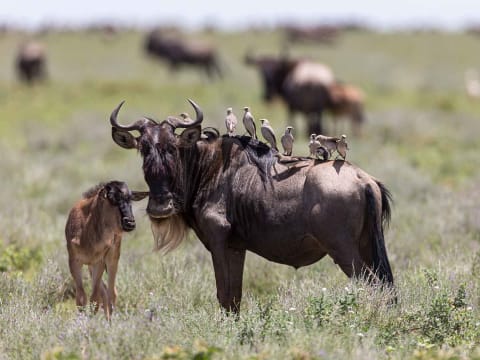
Peak season offers excellent wildlife viewing because animals concentrate around remaining water sources. The Great Migration brings 1.5 million wildebeest across the Mara River between July and October. Visibility is excellent with clear skies and minimal rain.
However, peak season brings large crowds to popular parks. Book 3–6 months in advance to secure accommodations and competitive pricing. Consider visiting in June or early October for fewer crowds and slightly lower prices.
Shoulder Season (April–May, November–December): 10–20% Discount
April and May feature light rains and lush vegetation. November and December offer dry weather with increasing wildlife activity. Both periods provide great photography and wildlife encounters with fewer tourists than peak season.
Shoulder season is ideal for budget-conscious travelers. You'll see abundant wildlife, enjoy comfortable weather, and pay 15–25% less than peak season. Accommodations have better availability, and guides provide more personalized attention.
Green Season (March–May): 30–50% Savings
Green season coincides with the long rains (March–May). Prices drop 30–50% below peak season. Budget safaris cost $200–$300 daily. Mid-range runs $350–$500 daily. Luxury averages $700–$1,100 daily.
Rain keeps many tourists away, but Tanzania's wildlife doesn't mind wet weather. In fact, March–May offers excellent wildlife viewing. Vegetation is lush and green, attracting herbivores. Bird watching is exceptional with resident and migrant species active.
Green season suits adventurous travelers seeking value and willing to manage occasional rain. Parks are less crowded, guides provide more individual attention, and accommodations offer better rates. Bring waterproof gear and flexible itineraries to work around afternoon showers.
These figures represent per-person costs for a 7-day safari in 2026. Actual costs vary based on specific lodges chosen, group size, season, and exchange rates. Double occupancy reduces per-person costs. Solo travelers pay a single-room supplement, typically 20–40% extra.
Smart planning reduces Tanzania safari costs without sacrificing quality. These strategies help you maximize value while enjoying excellent wildlife experiences.
Travel During Shoulder Season
Visiting in April–May or November–December saves 15–25% compared to peak season. Wildlife viewing remains excellent, and crowds disappear. You'll receive more personalized guide attention and better accommodation rates.
Book 3–6 Months in Advance
Early booking secures better rates, especially for flights and popular lodges. Last-minute bookings cost 20–30% more. Set calendar reminders to book your safari 6 months before your planned departure.
Join Group Tours Instead of Private Safaris
Group tours cost 40–60% less than private safaris. Shared vehicle costs reduce per-person expenses significantly. Group sizes are typically 6–10 people. You still enjoy quality wildlife viewing and professional guides.
Choose Budget or Mid-Range Lodges
Budget and mid-range accommodations offer excellent value. You're not sacrificing comfort—you're avoiding luxury premiums. Most budget and mid-range lodges maintain high standards and professionalism.
Skip Internal Flights or Use Budget Airlines
Budget carriers like Coastal Aviation and Northern Air offer competitive rates on internal flights. Alternatively, arrange ground transfers between parks. This saves $150–$400 per flight but adds driving time.
Longer safaris spread fixed costs (international flights, vehicle rental) across more days, reducing daily per-person expenses. A 10-day safari costs less per day than a 5-day safari with the same operator.
Bring Your Own Gear and Binoculars
Operators charge fees for renting binoculars, cameras, and field guides. Bringing your own saves $50–$100. Quality binoculars are essential for wildlife viewing anyway.
Beyond the quoted daily rate, several expenses add up during your safari. Planning for these hidden costs prevents budget surprises and ensures you enjoy your trip without financial stress.
Tips and Gratuities: $100–$300
Tipping guides and camp staff is expected in Tanzania. A standard tip is 10–15% of your safari cost, distributed among guides, drivers, and camp workers. Budget $100–$150 for a 7-day safari. Some operators suggest specific amounts; ask before departing.
Optional Activities: $50–$500
Hot air balloon rides cost $400–$500 per person. Walking safaris run $50–$100 per activity. Night game drives cost $50–$100. Photography workshops or birding specialists charge extra daily rates.
Souvenirs and Handicrafts: $50–$300
Local markets offer crafts, artwork, and souvenirs. Budget $50–$100 for modest purchases. Larger items like wood carvings or beadwork cost $50–$300 each.
Beverages and Snacks: $50–$150
Premium alcoholic beverages (imported wines, spirits) cost extra at some lodges. Soft drinks and snacks available for purchase. Budget $50–$150 for the week.
Travel Insurance: $75–$300
Comprehensive travel insurance covering medical evacuation (important in remote areas) costs $75–$300 depending on trip duration and coverage level. Medical evacuation insurance is highly recommended for safari travelers.
Gear Rental or Purchase: $50–$500
If you need to rent or buy safari gear (binoculars, camera lens, rain jacket), budget accordingly. Quality binoculars cost $100–$300 if purchasing. Rental fees run $20–$50 per item.
Visa Extensions or Border Crossings: $50–$100
If extending your Tanzania visa or crossing borders to Kenya, budget for additional fees. Most travelers don't need extensions for typical 7–10 day safaris.
Planning for these extras prevents budget stress. Add 10–15% to your total safari budget for unexpected expenses and optional activities.
How to Book Your Tanzania Safari
Booking a Tanzania safari involves research, price comparison, and communication with operators. Follow this step-by-step guide to secure the best package for your budget and preferences.
Step 1: Define Your Budget and Dates
Determine your total budget and preferred travel dates. Consider whether you prefer peak season (June–October) or shoulder/green seasons. Flexibility on dates often yields 15–25% savings.
Request quotes from 3–5 operators matching your budget tier. Compare what's included: accommodations, meals, park fees, guides, and internal flights. Ask about hidden costs and optional activities.
Step 4: Verify Inclusions and Exclusions
Clarify what's included in the quoted price. Ask whether park fees, meals, beverages, and tips are included. Understand what activities are optional and what extra costs to expect.
Step 5: Check Operator Credentials
Verify the operator is licensed and insured. Ask about their conservation practices and community involvement. Reputable operators support local communities and wildlife protection.
Step 6: Book and Confirm Details
Once you've selected an operator, book your safari. Request confirmation of accommodations, guide assignments, and itinerary details. Confirm your deposit and cancellation policy.
Safari package inclusions vary significantly between operators. Understanding what's covered prevents unexpected expenses and helps you compare packages accurately.
Typically Included in Safari Packages
All accommodations (lodges, camps, or tents)
All meals (breakfast, lunch, dinner)
Professional safari guide
Safari vehicle with driver
Park entrance fees
Game drives (morning and evening)
Internal transportation between parks
Usually NOT Included
International flights to/from Tanzania
Travel insurance
Visa fees ($50)
Tips and gratuities (10–15% of package cost)
Premium beverages (alcohol, imported drinks)
Optional activities (hot air balloons, walking safaris, photography workshops)
Personal gear (binoculars, camera equipment)
Souvenirs and shopping
Medical expenses or evacuation insurance
Always request a detailed breakdown from your operator listing exactly what's included. Some operators include beverages and activities; others charge extra. Clarifying inclusions prevents budget surprises.
Key Takeaways
Book your Tanzania safari 3–6 months in advance to secure competitive pricing and accommodation availability, saving 15–25% on peak season rates.
A 7-day Tanzania safari costs $2,260–$4,040 (budget), $3,650–$6,265 (mid-range), or $5,775–$9,190 (luxury) per person, excluding international flights and travel insurance.
Visit during shoulder season (April–May, November–December) to enjoy excellent wildlife viewing while paying 15–25% less than peak season prices.
Join group tours instead of private safaris to reduce per-person costs by 40–60% while maintaining quality guide service and wildlife encounters.
Budget an additional 10–15% for tips, optional activities, and hidden costs like premium beverages and travel insurance to avoid financial surprises during your safari.
Frequently Asked Questions
How much does a 7-day Tanzania safari cost in 2026?
A 7-day Tanzania safari costs $2,260–$4,040 per person for budget options, $3,650–$6,265 for mid-range packages, and $5,775–$9,190 for luxury experiences. [2] These prices include accommodations, meals, park fees, guides, and vehicle use but exclude international flights ($900–$5,000), travel insurance, and tips.
What's included in Tanzania safari package pricing?
Tanzania safari packages typically include accommodations, all meals, professional guide service, safari vehicle with driver, park entrance fees, and game drives. [1] Most packages do not include international flights, travel insurance, visa fees ($50), tips (10–15% gratuity), or optional activities like hot air balloons and night drives.
When is the cheapest time to book a Tanzania safari?
Green season (March–May) offers the lowest prices, with 30–50% discounts compared to peak season. [8] Budget safaris cost $200–$300 daily during green season versus $350–$400 during peak. Shoulder season (April–May, November–December) provides moderate discounts (10–20%) with excellent wildlife viewing and fewer crowds.
Is a Tanzania safari worth the cost?
Yes, Tanzania safaris offer exceptional value compared to other African destinations. You see abundant wildlife, work with professional guides, and stay in quality accommodations. Mid-range safaris ($450–$800 daily) provide the best value-to-experience ratio. [7] Many travelers report that safari experiences exceed expectations, making the investment worthwhile.
Can I book a Tanzania safari under $3,000 for 7 days?
Yes, budget safaris cost $2,260–$4,040 total for 7 days per person, which averages under $600 daily. [2] Budget options use shared group vehicles, basic but clean accommodations, and group tours. Budget safaris offer authentic wildlife viewing and professional guides at lower price points than mid-range or luxury options.
What are the best value Tanzania safari tour operators?
SafariFind lists verified operators with authentic traveler reviews. The best Tanzania safari tour operators for US travelers have 4.5+ star ratings and specialize in mid-range and budget packages. Request quotes from multiple operators to compare pricing, inclusions, and recent traveler feedback on SafariFind's marketplace.
How do I save money on a Tanzania safari without sacrificing quality?
Book during shoulder season (April–May, November–December) to save 15–25%. Join group tours instead of private safaris (40–60% savings). Choose mid-range lodges over luxury properties. Book 3–6 months ahead for better rates. Consider southern Tanzania parks like Ruaha instead of Serengeti (20–30% lower costs). Visit SafariFind's package comparison tool to find the best deals from verified operators.
Conclusion
Tanzania safaris in 2026 range from $250–$1,500+ per person daily, accommodating every budget and preference. Budget safaris ($250–$400 daily) deliver authentic wildlife experiences at accessible prices. Mid-range options ($450–$800 daily) offer the best value with comfortable accommodations and quality guides. Luxury safaris ($850–$2,000+ daily) provide premium experiences at exclusive properties.
A realistic 7-day Tanzania safari totals $2,260–$4,040 (budget), $3,650–$6,265 (mid-range), or $5,775–$9,190 (luxury) per person, excluding international flights and travel insurance. Seasonal pricing varies dramatically—shoulder and green seasons offer 15–50% savings compared to peak season (June–October).
Smart planning maximizes value. Book 3–6 months ahead, travel during shoulder season, join group tours, and choose mid-range accommodations. Budget an additional 10–15% for tips, optional activities, and hidden costs.
Ready to plan your Tanzania safari?Compare verified Tanzania safari packages on SafariFind with real pricing, authentic reviews, and trusted operators. Request quotes from multiple companies to find your perfect safari at the best price. Your African adventure awaits in 2026.
Plan Your Safari with SafariFind
These recommendations use real data from SafariFind, where you can compare operators, browse packages, and read verified traveler reviews before you book.
3-Day Magical Tanzania Expedition Safari • $1,350 • 3 days • by Pumba Reisen
What Travelers Say (SafariFind Reviews)
"A very great and good experience in Kenya to see big five we visit masai mara with Denis our guide and Tanzania our guides were very good we had a great trip we enjoy every second and my best spot was seeing lions hunt in the evening where they attack buffalos and like 5 lions were spotted In Uganda we only see gorillas and chimpanzee tracking my daughter was so amazed by the chimpanzees in kyambura in queen Elisabeth but we have a great trip which is unforgettable and we cant thank Victoria enough for putting together this and communication was perfect I recommend go explore safari"
Diaz Papez•11 July 2026
"I would be so naïve if I had never planned this trip to Tanzania with this company after a period of searching on trip advisor and other travel websites I found go explore safaris and sent them my trip request for me and my daughters as they had gotten holidays from there college and I decided to plan for them a trip to Africa. Tanzania was the main destination so brian was the main correspondence person who responded to all my emails, he gave us a very nice tailor made trip proposal for 11 days in Tanzania visiting all the top destinations in Tanzania. so after a few emails and couple of questions we trusted this company and made our trip meet our expectations. my kids were so happy we had the very best of the trip we visited tarangire national park, Serengeti, lake manyara and Ngorongoro reserve which were so much full of wildlife and the evolving masai cultural visit in olpopongi in Arusha the lodges we slept in were very nice and clean me and my kids shared a very nice family room at Serengeti Serena lodge which had the best views in the plains hamza our guide was a very experienced driver guide and had a lot of information about his country and was happy sharing every moment making the trip so much fun I definitely have to recommend the services of your company to anyone travelling here in east Africa and looking forward to coming back to track the gorillas in uganda."
Victoria Kristen•11 July 2026
"My trip with brian was definitly amazing ! Everything was organised like i want ! The car , the guide , the accommodation was perfect ! Thanks You very much for this perfect trip in Tanzania and Kenya !"
Jegou•11 July 2026
"in october we went on safari with goexplore safaris where victoria and jusper came to meet us at Entebbe and we went to wild waters lodge in jinja such a beautiful lodge on a small island on river nile our trip was for 10 days around Uganda where we saw gorilla and chimps the lodging was 5 star victoria's prompt response on email was amazing and i would rate her communication above 5stars we couldn't thank the team for putting together an amazing luxury safari for me and my brother thank so much we definitely will be travelling to kenya and Tanzania in the next coming year i would highly recommend their services to anyone travelling across east Africa"
Micheal Kayo•11 July 2026
"We did 11 days “Legends of East Africa” tour which includes Tanzania, Kenia and Uganda. The itinerary is amazing – it enables you to see all the best in East Africa: wild life in Serengeti and Masai Mara (we met everyone we could meet: lions, cheetahs, leopards, a lot of antelopes, zebras, giraffes, baboons, hyenas), gorillas and chimpanzees in Uganda! Take hot air balloon in Masai Mara (optional, you need to book it advance), extra cost but it definitely worth it. Uganda is less popular as a tourist destination but definitely worth visiting – unique opportunity to visit gorillas and spend one hour with them in the forest, beautiful nature and very positive people! The program also includes visiting Masai village in Tanzania (extra cost) and traditional village in Uganda with bananas plantation. We really enjoyed lodging and meals (overall level was far above our expectations)! Lodges with nice design and views – especially in Uganda. Chris is a great guide with perfect English!"

 Ask Tembo