Gorongosa National Park Walking Safari 2027: Permit Costs & Packages
Gorongosa walking safaris cost $800–$975/night in 2027. Book May–October for best wildlife. Permits, meals & guides included. Compare packages on SafariFind.
Gorongosa National Park walking safaris in 2027 cost between $800 and $975 per person per night, depending on your lodge choice and stay length. The best time to visit is May through October when wildlife is most active. Book through verified operators on SafariFind to compare packages and read authentic reviews from past travelers.
At a Glance
Cost: $800–$975 per person per night in 2027
Best time: May to October (dry season, best wildlife viewing)
Duration: 7-10 nights recommended for full experience
Getting there: Fly to Beira, then transfer to Gorongosa
Best for: Nature lovers, photographers, conservation-minded travelers
Permit: Included in package prices; arranged by lodge
Gorongosa National Park walking safaris let you explore central Mozambique on foot with expert guides. Unlike vehicle safaris, walking gives you a closer, quieter connection to wildlife and the landscape. You move through the bush slowly, spotting birds, insects, and larger animals at your own pace.
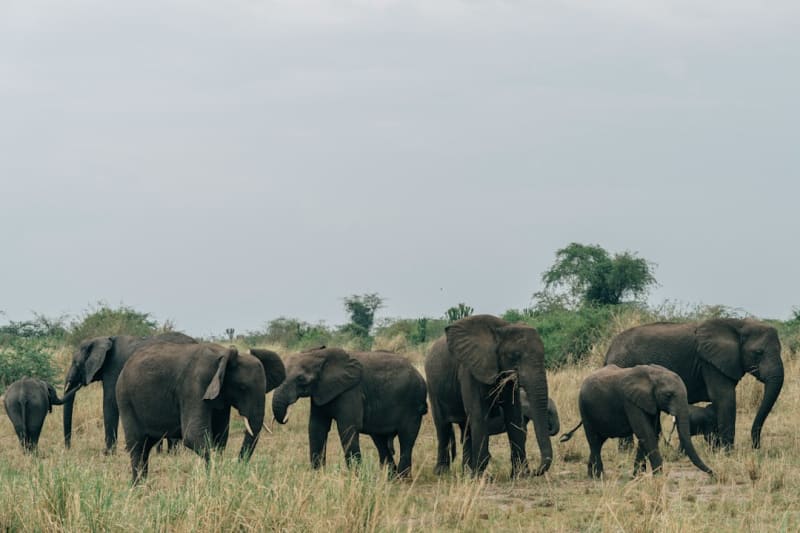
Walking safaris in Gorongosa combine adventure with conservation. The park is home to over 500 bird species, elephants, lions, leopards, and endangered wild dogs. Every walk teaches you about the ecosystem while supporting the park's restoration efforts. Most safaris include 2-3 guided walks daily, plus evening activities like stargazing or campfire talks.
Gorongosa National Park walking safari packages in 2027 start from $800 per person per night for basic camps and climb to $975 per person per night for luxury lodges like Muzimu Lodge [3]. Prices typically include accommodation, meals, and guided walks. Multi-night discounts apply—a seven-night stay with a "stay seven, pay five" offer can save you thousands [2].
Key Features of Walking Safaris
Walking safaris offer immersive wildlife experiences you can't get from a vehicle. You hear the sounds of the bush—bird calls, insects, rustling leaves. Your guide reads tracks and signs, explaining animal behavior and ecology in real time. This pace builds patience and teaches observation skills.
Safety is built in. Guides carry rifles and are trained in wildlife management. You walk in small groups, usually 4-8 people, so the experience feels intimate. Morning walks are cooler and catch animals at their most active. Afternoon walks explore different habitats. Evening walks sometimes reveal nocturnal species.
Conservation matters here. Gorongosa is Africa's largest conservation project. When you book a walking safari, your fees support anti-poaching efforts, habitat restoration, and community programs. You're not just a tourist—you're part of the solution [5].
Explore walking safari packages on SafariFind to compare lodges, read reviews from past travelers, and request quotes from verified operators in Mozambique.
Walking Safari Permit Costs & What's Included
Walking safari permits at Gorongosa in 2027 are not sold separately—they're included in your lodge package price. When you book accommodation, the permit is automatically arranged. This simplifies booking and ensures you're legal to walk in the park.
Most packages include your permit, three meals daily, guided walks, and park access. Luxury camps like Muzimu Lodge at $975 per person per night add extras like premium drinks, Wi-Fi, and private guides. Budget camps around $800 per night offer the same walks but simpler accommodations [3][4].
Lodge Options & Pricing for 2027
Muzimu Lodge is the most popular choice for walking safaris. It offers six luxury tents set in the riverine forest with excellent wildlife viewing. Rates run $950–$975 per person per night, depending on season [3][4]. The lodge specializes in walking safaris and employs expert naturalist guides.
Chicari Camp provides a mid-range option starting at $800 per person per night. It's smaller and more rustic but still comfortable, with good food and knowledgeable guides. Chicari works well for budget-conscious travelers who don't want to sacrifice quality.
Combination packages pair Gorongosa with Bazaruto Archipelago beach time. A 10-night bush-and-beach holiday runs about 150,000 MZN per person (roughly $2,300 USD), mixing walking safaris with island relaxation [1].
The "stay seven, pay five" special offer in 2027 gives you seven nights but charges for only five [2]. This means a seven-night stay at $975 per night costs just $4,875 instead of $6,825—saving $1,950 per person. It's one of the best deals for Gorongosa walking safaris.
Compare verified Gorongosa packages on SafariFind to find deals, read real traveler reviews, and book with operators you can trust.
The best time for Gorongosa walking safaris is May through October, the dry season. Water sources concentrate, bringing animals to predictable spots. Grass is low, making wildlife easier to spot. Temperatures are mild—warm days, cool nights. Rain is rare [5][6].
May and June offer the best wildlife viewing. Migratory birds return, and resident animals are abundant. November through April is the rainy season—hot, humid, and wet. Some lodges close temporarily. Walking becomes muddy and harder. However, November through December sees fewer tourists and lower prices.
Monthly Breakdown for Walking Safaris
May–June: Peak season. Cool weather, excellent wildlife, full lodges. Book 3-4 months ahead. Prices are highest.
October: Still good viewing, warming up. Transition to rainy season. Lower prices than peak season.
November–April: Hot, humid, rainy. Fewer tourists. Budget lodges offer discounts. Wildlife is harder to find. Not ideal for walking safaris.
Plan your 2027 walking safari for May through September for the best experience. Book 3-6 months ahead to secure your preferred lodge and get the best rates.
Getting to Gorongosa National Park
Most international visitors fly into Beira, Mozambique's main airport. From Beira, it's a 2-3 hour drive (about 100 km) to Gorongosa. Your lodge arranges airport transfers, usually included in your package price.
Direct flights from South Africa (Johannesburg, Cape Town) to Beira run daily. Regional flights from Nampula or other Mozambique cities also serve Beira. Once in Beira, you'll transfer by road—a scenic drive through rural Mozambique.
Travel Tips for 2027
Book flights 2-3 months ahead for better prices. Beira airport has limited international flights, so flexibility helps. Many travelers fly through Johannesburg as a hub.
Your lodge will coordinate transfers. Confirm arrival times when you book. Bring your passport, travel insurance, and any required visas. Mozambique visa requirements vary by nationality—check with your embassy before travel.
The drive from Beira to Gorongosa takes 2-3 hours on a paved road. It's safe and scenic. You'll pass through small towns and rural villages. Your driver can stop for photos or refreshments along the way.
Improved air access in 2027 includes new scheduled services between Beira, Gorongosa, and Vilanculos, making multi-destination trips easier [8]. This means combining Gorongosa with coastal destinations is simpler than ever.
A typical walking safari day starts early. You wake at 5:30–6:00 AM for tea and coffee. By 6:30 AM, you're in the bush with your guide. Morning walks last 3-4 hours, covering 8-12 km at a slow pace. You stop frequently to observe animals, plants, and bird behavior.
Your guide teaches as you walk. They point out animal tracks, explain ecological relationships, and share conservation stories. You might spot elephants, buffalo, or wild dogs. Even if large animals don't appear, the birdwatching is world-class—over 500 species live in Gorongosa [5].
By 10:00–11:00 AM, you return to camp for breakfast. The midday heat keeps you indoors. You rest, journal, or read. Late afternoon (3:00–4:00 PM), another walk departs. Evening walks explore different areas or revisit promising spots. By sunset, you're back at camp for dinner.
Physical Demands & Fitness
Walking safaris require moderate fitness. You'll walk 8-12 km daily over uneven terrain. Pace is slow—it's not a hike, but a stroll through the bush. Most people aged 8 to 80 can participate. If you have mobility issues, tell your lodge ahead of time. Guides can adjust distances.
Bring proper footwear—sturdy hiking boots or trail shoes. Loose, light-colored clothing protects from sun and insects. Hat, sunscreen, and insect repellent are essential. Carry 2 liters of water daily. Your guide carries a rifle and first-aid kit for safety.
Evening activities vary. Some nights feature campfire talks by naturalists or conservationists. Others offer stargazing with an astronomer. You might visit a local village or enjoy a sundowner (sunset drink) at a scenic spot. Evenings are social—you meet other travelers and share stories.
Booking Your Gorongosa Walking Safari in 2027
Book your walking safari 3-6 months ahead for the best availability and prices. Peak season (May–October) fills quickly. Last-minute bookings are possible but limited to off-season dates or less popular lodges.
Steps to Book
Step 1: Choose your lodge. Decide between Muzimu Lodge ($950–$975/night), Chicari Camp ($800/night), or a combination package. Read reviews and compare amenities.
Step 2: Pick your dates. Aim for May–October 2027. Check the "stay seven, pay five" offer for savings. Longer stays (7-10 nights) offer better value than short trips.
Step 3: Get travel insurance. Buy comprehensive travel insurance covering cancellations, medical emergencies, and evacuation. Gorongosa is remote—insurance matters.
Step 4: Book flights. Arrange flights to Beira. Your lodge will handle transfers from the airport.
Step 5: Confirm with your lodge. Provide passport details, dietary requirements, and fitness levels. Confirm arrival time and transfer details.
Cost Breakdown for a 7-Night Stay
Here's what a 7-night walking safari costs in 2027:
Flights (Johannesburg to Beira, round-trip): $400–$800
Airport transfers: Usually included; if not, $50–$100
Travel insurance: $100–$300
Total estimated cost: $7,475–$8,225 per person
With the "stay seven, pay five" offer, accommodation drops to $4,875, bringing total costs to around $5,500–$6,200 per person—a significant saving.
Request quotes from verified Gorongosa operators on SafariFind. Compare packages, read real traveler reviews, and book with confidence. Our marketplace connects you with trusted tour operators who can customize your safari to fit your budget and interests.
Wildlife You'll See on Walking Safaris
Gorongosa National Park is home to over 500 bird species, making it a birdwatcher's paradise. Expect to see fish eagles, crowned cranes, lilac-breasted rollers, and countless others. Even non-birders become fascinated by the variety and beauty [5].
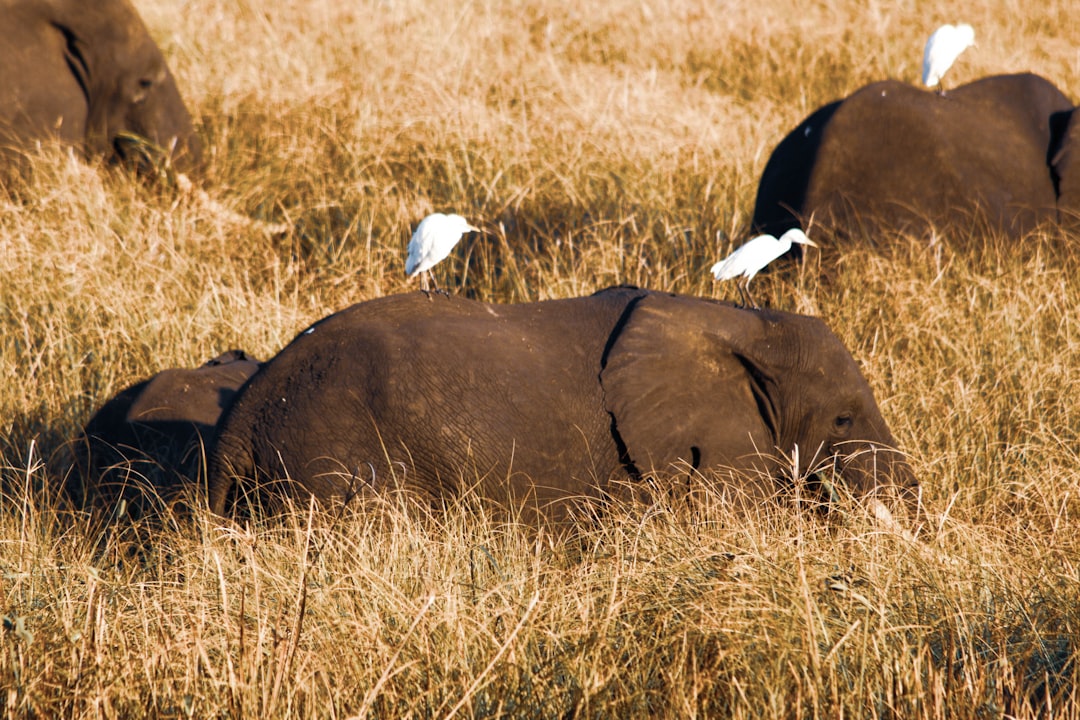
Large mammals include African elephants, buffalo, lions, and leopards. Endangered wild dogs roam the park—seeing them is rare and thrilling. Zebras, wildebeest, and antelopes are common. Smaller mammals like hyenas, jackals, and porcupines appear regularly [5][6].
Reptiles and amphibians are abundant. You'll spot monitor lizards, snakes, and frogs. Insects are everywhere—colorful butterflies, dragonflies, and more. Your guide identifies species and explains their ecological roles. This education turns every walk into a nature lesson.
The best wildlife viewing happens in May–June and July–September. Animals concentrate around water sources. Early morning walks catch predators hunting. Late afternoon walks often produce sightings as animals emerge to feed. Patient observation and a skilled guide make all the difference.
Conservation & Community Impact
Gorongosa National Park is Africa's largest conservation project. When you book a walking safari, your fees support anti-poaching rangers, habitat restoration, and research. The park employs hundreds of local staff and invests in community education programs [5].
The park has recovered dramatically since 2008. Elephant populations have grown from near zero to over 300. Wild dog numbers are increasing. Bird populations are thriving. Your visit directly funds this recovery [5].
Community programs benefit nearby villages. The park offers employment, education scholarships, and medical services. Revenue from tourism helps locals see wildlife as valuable alive, not as bushmeat. This shifts attitudes and protects animals long-term.
Choosing Gorongosa means supporting conservation and communities. You're not just taking a safari—you're investing in Africa's future.
Key Takeaways
Book your Gorongosa walking safari 3-6 months ahead to secure your preferred lodge and get the best rates for 2027.
Expect to pay $800–$975 per person per night in 2027; use the "stay seven, pay five" offer to save $1,950+ on a week-long trip.
Visit May through October for ideal weather, excellent wildlife viewing, and peak conservation activities.
Walking safaris include permits, meals, and guided walks; fly to Beira and transfer by road to reach the park in 2-3 hours.
Support conservation directly—your safari fees fund anti-poaching, habitat restoration, and community programs in Mozambique.
Frequently Asked Questions
How much does a Gorongosa walking safari cost in 2027?
Walking safari lodges in Gorongosa cost $800–$975 per person per night in 2027, depending on accommodation level [3][4]. A 7-night stay ranges from $5,600 to $6,825 before the "stay seven, pay five" discount. With that offer, prices drop to $4,000–$4,875 for seven nights. Add flights ($400–$800) and insurance ($100–$300) for a total trip cost of $5,500–$8,000 per person.
What is the best time to visit Gorongosa for walking safaris?
The best time is May through October, the dry season [5][6]. Wildlife is concentrated, water is scarce, and animals gather at predictable waterholes. May–June offers peak wildlife viewing and cooler temperatures. July–September are still excellent but busier. November–April is hot, humid, and rainy—not ideal for walking safaris.
Do I need a separate permit for walking safaris at Gorongosa?
No. Walking permits are included in your lodge package price. When you book accommodation, the park permit is automatically arranged and included in your daily rate [2][3]. You don't need to buy permits separately—your lodge handles everything.
How physically demanding are Gorongosa walking safaris?
Walking safaris require moderate fitness. You'll walk 8-12 km daily over uneven terrain, but the pace is slow and relaxed. Most people aged 8 to 80 can participate comfortably. If you have mobility concerns, inform your lodge ahead of time and guides will adjust distances. Bring proper hiking boots and stay hydrated.
How do I get to Gorongosa National Park?
Fly into Beira, Mozambique's main airport. From there, it's a 2-3 hour drive (about 100 km) to Gorongosa. Your lodge arranges airport transfers, usually included in your package. Improved air access in 2027 includes new scheduled services between Beira and Gorongosa, making connections easier [8].
What wildlife will I see on a walking safari?
Gorongosa is home to over 500 bird species, African elephants, lions, leopards, wild dogs, buffalo, zebras, and antelopes [5][6]. Birdwatching is exceptional. Reptiles, amphibians, and insects are abundant. The best sightings occur May–September during the dry season when animals concentrate around water sources.
Can I combine a Gorongosa walking safari with a beach holiday?
Yes. Multi-destination packages combine Gorongosa with Bazaruto Archipelago or coastal beaches. A 10-night bush-and-beach package costs about 150,000 MZN per person (roughly $2,300 USD) [1]. Improved air access in 2027 makes these combinations easier than ever [8]. Browse verified packages on SafariFind to find combination deals.
Conclusion
Gorongosa National Park walking safaris in 2027 offer an unforgettable blend of wildlife, conservation, and adventure. Costs range from $800–$975 per person per night, with the "stay seven, pay five" offer providing significant savings. The dry season (May–October) delivers the best wildlife viewing and comfortable conditions. Walking safaris let you experience the bush intimately while supporting Africa's largest conservation project.
Every dollar you spend on a Gorongosa safari funds anti-poaching efforts, habitat restoration, and community programs. You're not just a tourist—you're part of the solution. The park has recovered dramatically since 2008, and your visit helps sustain that progress.
Plan your 2027 walking safari now. Book 3-6 months ahead to secure your preferred lodge and get the best rates. Compare verified Gorongosa packages on SafariFind to find operators, read authentic traveler reviews, and request custom quotes. Our marketplace connects you with trusted tour operators who can tailor your safari to your budget, fitness level, and interests. Start exploring packages today and begin your Mozambique adventure.
Plan Your Safari with SafariFind
These recommendations use real data from SafariFind, where you can compare operators, browse packages, and read verified traveler reviews before you book.
What Travelers Say (SafariFind Reviews)
5★ - "This is the second time I am writing a review of my experience of traveling with Kikwetu Cultural Adventures. Last year, Ken Benson and his team organized an 80 day custom made safari through 7 African countries for me w" - Ingrid • Verified review
"This is the second time I am writing a review of my experience of traveling with Kikwetu Cultural Adventures. Last year, Ken Benson and his team organized an 80 day custom made safari through 7 African countries for me with such outstanding logistics and customer service throughout the safari, that this year I decided to turn again to Ken and his team to ask for his professional assistance in organizing a half-around-the-world tour for me. I am 71 years old and decided that it was now or never for me to travel to some parts of the world which always have exerted a lot of attraction over me. I communicated to Ken via e-mail my ideas of where I wanted to go and how long I wanted to stay in each place and asked him to arrange flight connection, ground transportation, accommodation, sightseeing, etc. It turned out to be the safari of a lifetime: 31 days and 7500 km by road through rural and religious Ethiopia. One week in Nairobi with visits to museums and galleries, the Sheldrick’s elephant orphanage, a hike through Hell’s Gate close to Naivasha, Kibera slum and a very enjoyable walking tour through down town Nairobi which is especially recommendable on a Sunday. Flight from Nairobi to Nampula and ground transportation to Nacala, Mozambique. From Nacala, I had arranged for a freighter travel to Singapore with a stop over in Mauritius Island, but with three weeks on my hands while waiting for another freighter to come along and take me back home to Mexico across the Indian and the Pacific Ocean, Ken arranged for a 12 day safari in Indonesia, visiting Central and East Java, Sulawesi and Bali, and one week in Malaysia with highlights in Georgetown, Ipoh and Malacca. My journey lasted 122 days and whenever network connections were available, Ken kept track of my travels and was in contact with me and/or the subcontracted provider to make sure, that everything went according to program and schedule. It was a most gratifying experience and I want to thank Ken, Livingstone, Paul and the rest of Kikwetu Cultural Adventures for having made one more of my dreams come true. There is no doubt in my mind that, if you are interested in a truly custom made safari inside Africa and in neighboring countries, Kikwetu Cultural Adventures is the best choice for getting what you are looking for with regard to advice, support, customer service and price."