Ethiopia Safari vs Kenya: Wildlife, Cost & Which Offers Better Value
Compare Ethiopia and Kenya safaris: wildlife, costs ($2,500–$5,000), best seasons, and which offers better value for your budget and travel style in 2026.
Great Zimbabwe Tours 2027: Entry Fees and Package Costs
Discover Great Zimbabwe Tours 2027: Entry Fees and Package Costs - Expert guide to safari tourism and wildlife destinations.
5 min read
Ethiopia Safari vs Kenya: Wildlife, Cost & Value
Last updated: July 2026
Ethiopia Safari vs Kenya offers different experiences for wildlife lovers. Kenya's Masai Mara provides easier access and lower costs ($2,500–$5,000 for 7 days), while Ethiopia offers untamed wilderness and unique wildlife at similar prices. Kenya is better for first-time visitors; Ethiopia suits adventurous travelers seeking fewer crowds. Compare verified operators on SafariFind to find your perfect match.
At a Glance
Kenya Safari Cost: $2,500–$5,000 per person (7 days, 2026)
Ethiopia Safari Cost: $2,200–$4,500 per person (7 days, 2026)
Best Time (Kenya): July–October for Great Migration
Best Time (Ethiopia): October–March for dry season
Wildlife Density: Kenya offers higher concentration; Ethiopia offers unique species
Best For: Kenya = first-timers; Ethiopia = adventurous explorers
What Is Ethiopia Safari vs Kenya: Wildlife, Cost & Which Offers Better Value?
Choosing between Ethiopia Safari vs Kenya means weighing accessibility against adventure. Kenya offers world-class wildlife viewing with established infrastructure and proven safari routes. Ethiopia presents a raw, less-traveled alternative with unique species found nowhere else on Earth.
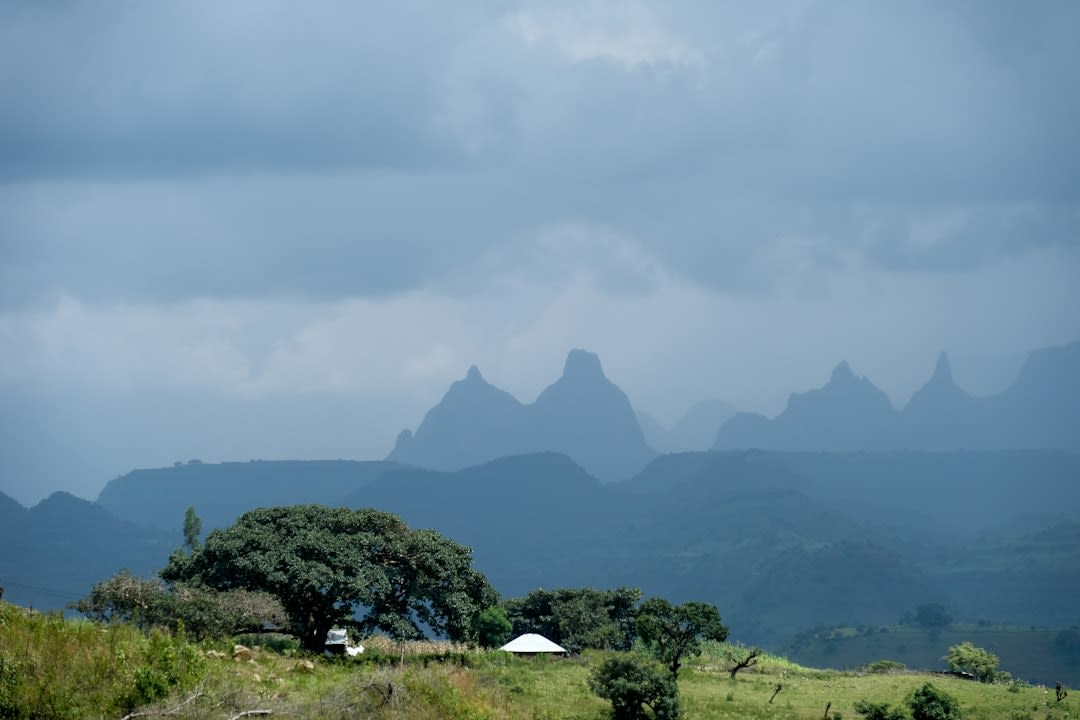
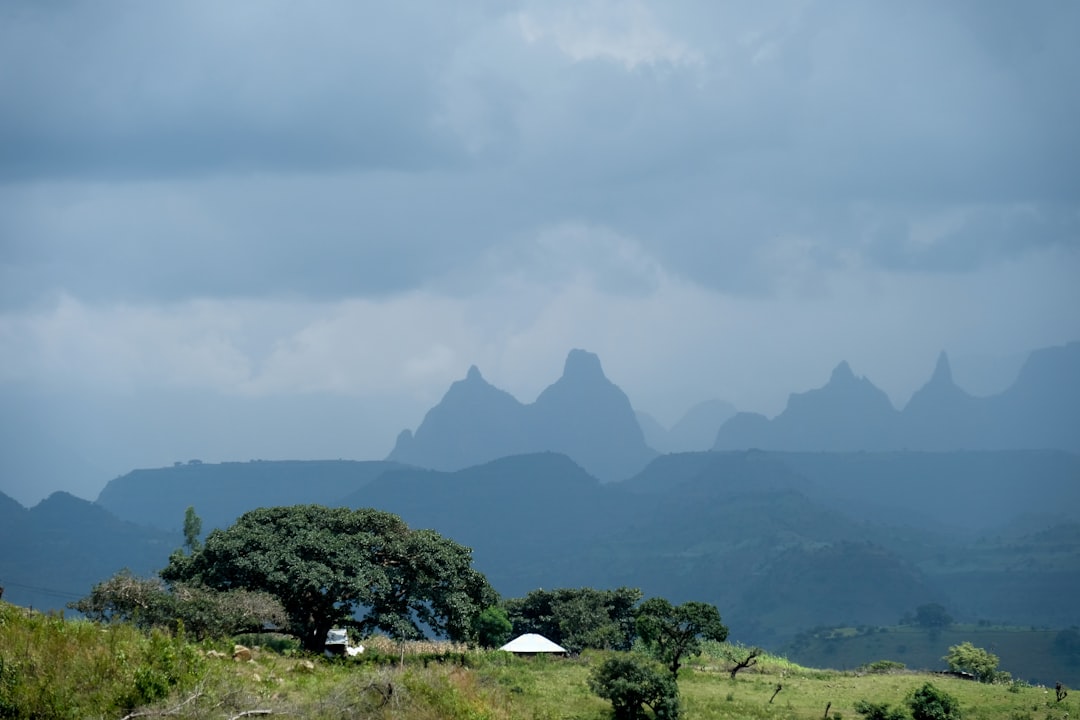
Both countries deliver exceptional value in 2026. Kenya's Masai Mara, Amboseli, and Samburu parks pack high wildlife density into smaller areas, making them ideal for shorter trips and first-time visitors. Ethiopia's Omo Valley, Simien Mountains, and Awash National Park offer untamed landscapes and exclusive wildlife encounters with fewer tourists crowding your view.
The key difference? Kenya prioritizes ease and comfort. You'll find more lodges, better roads, and predictable wildlife sightings. Ethiopia prioritizes authenticity and adventure. You'll experience raw nature, genuine local culture, and animals behaving naturally without tourism pressure.
This guide compares both destinations across wildlife, cost, safety, and value. You'll learn which safari suits your travel style, budget, and experience level. By the end, you'll know exactly where to book your next African adventure.
Kenya vs Ethiopia Safari: Wildlife Comparison
Kenya's Wildlife Advantages
Kenya's Masai Mara National Reserve is Africa's most famous safari destination for one reason: wildlife density. The park covers 1,510 square kilometers and hosts over 95 mammal species, including the Big Five (lion, leopard, elephant, buffalo, rhinoceros).[1] During the Great Migration (July–October), over 1.5 million wildebeest cross the Mara River, creating one of Earth's most dramatic natural events.
Kenya offers variety across multiple parks. Amboseli National Park specializes in elephant herds against Mount Kilimanjaro's backdrop. Lake Nakuru attracts millions of flamingos. Samburu National Park in the north reveals desert-adapted wildlife like reticulated giraffes and Grevy's zebras. This diversity means you can customize your safari experience based on interests.
Wildlife viewing consistency is Kenya's greatest strength. Established tourism infrastructure means guides know exactly where animals gather each season. You'll see predators, herbivores, and birds reliably. Most travelers spot the Big Five within 5–7 days.
Ethiopia's Unique Wildlife
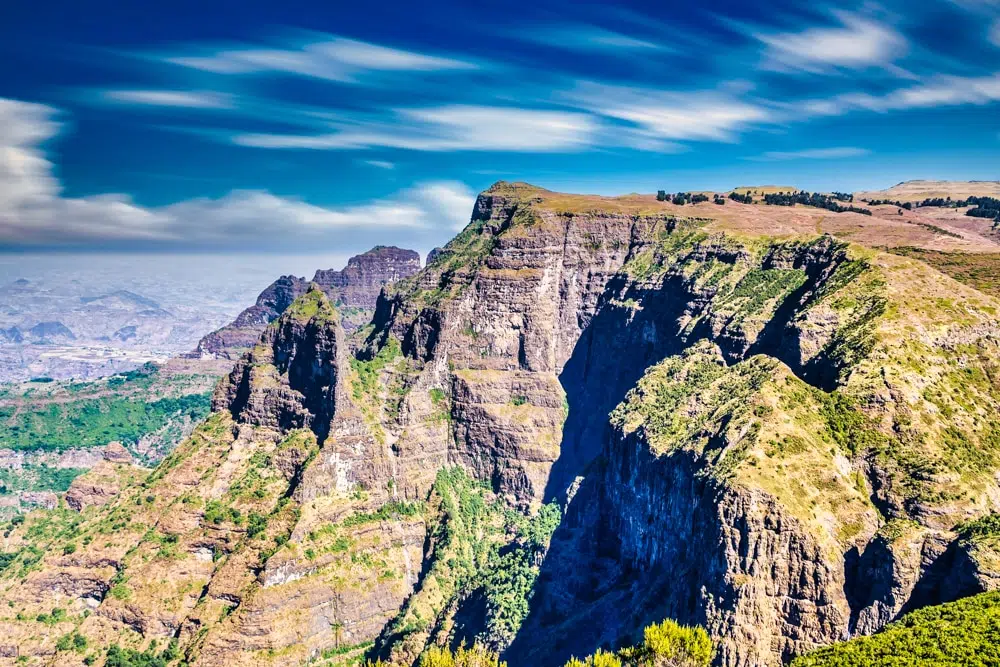
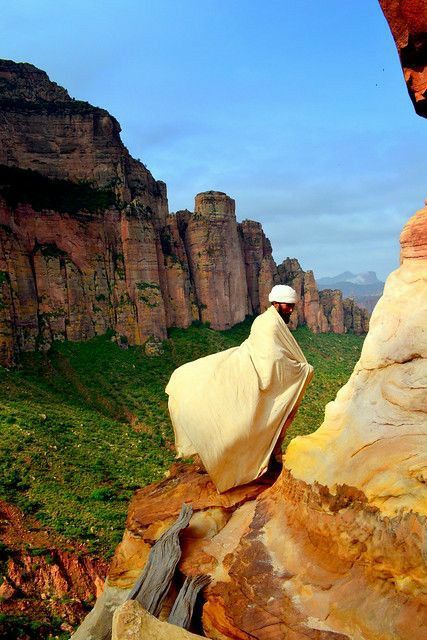
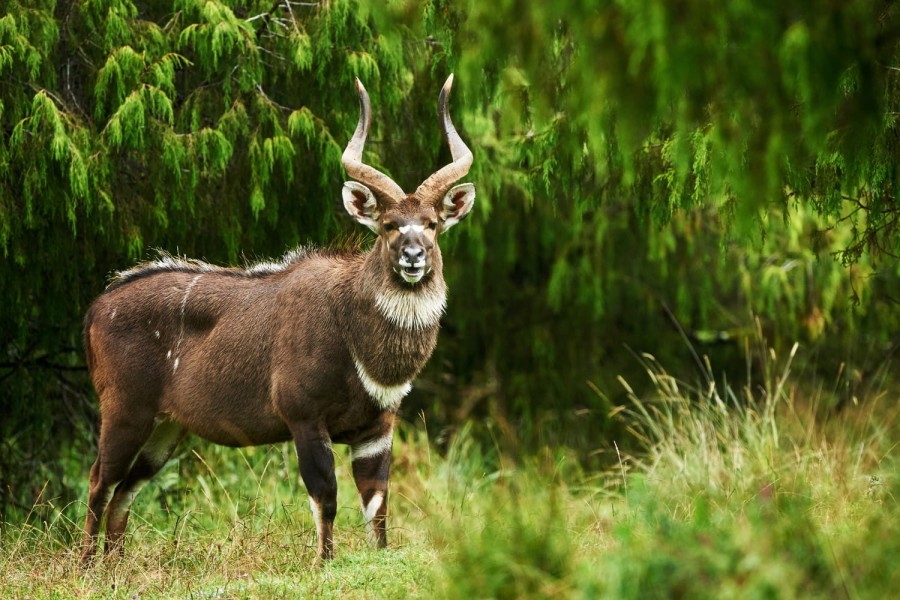
Ethiopia Safari offers wildlife found nowhere else. The Omo Valley and Simien Mountains host the Ethiopian wolf (world's rarest carnivore), Walia ibex, Gelada baboon, and Hamadryas baboon. These species exist only in Ethiopia, making the country irreplaceable for serious wildlife enthusiasts.
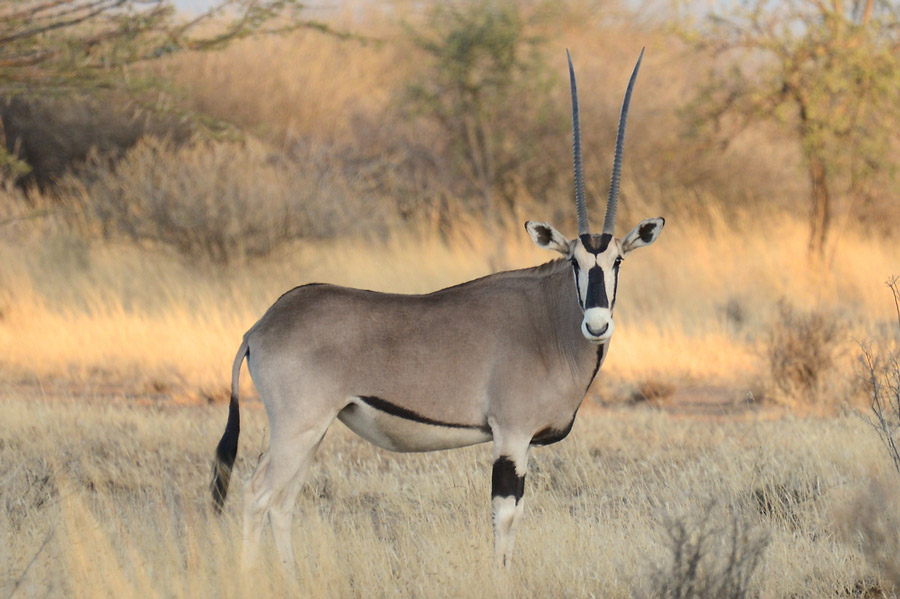
Ethiopia's Awash National Park combines desert and grassland ecosystems, hosting lions, leopards, oryx, and lesser kudu. The Danakil Depression reveals geothermal wonders alongside wildlife adapted to extreme heat. No other African safari destination offers this geological-biological combination.
Ethiopia's advantage is authenticity. Fewer tourists mean animals behave naturally. You won't see habituated lions resting near roads or elephants accustomed to vehicle crowds. Instead, you'll witness genuine predator-prey interactions in untouched wilderness. This appeals to photographers and naturalists seeking raw African experiences.
Head-to-Head Wildlife Comparison
Wildlife Feature
Kenya
Ethiopia
Big Five Sightings
Reliable (95%+ chance)
Moderate (60–70% chance)
Endemic Species
Few unique to Kenya
Many (Ethiopian wolf, Gelada)
Bird Species
650+ species
800+ species
Crowd Level
Moderate to heavy
Light to minimal
Viewing Consistency
Very consistent
Variable but rewarding
Kenya wins for guaranteed Big Five viewing. Ethiopia wins for unique species and solitude. Choose Kenya if you want wildlife certainty. Choose Ethiopia if you want wildlife adventure.
A 7-day Kenya safari costs between $2,500 and $5,000 per person in 2026, depending on accommodation quality and season.[1] Budget safaris use shared camps outside the Masai Mara reserve, reducing costs by 40–50%. Mid-range options include private lodges with guides. Luxury safaris feature tented camps with premium service.
The Masai Mara generally presents more affordable choices, particularly if you book camps outside the reserve and travel during low season (April–May, November).[8] Peak season (July–October) costs 30–40% more due to Great Migration demand. Flights from London to Nairobi run $400–$800 return in 2026.
Kenya's infrastructure efficiency keeps costs competitive. Roads are well-maintained. Lodges are abundant. Competition among operators drives prices down. A mid-range 7-day safari typically includes flights, accommodation, meals, and guide services for $3,500–$4,200 per person.
Ethiopia Safari Pricing
Ethiopia Safari costs $2,200–$4,500 per person for 7 days in 2026, making it slightly cheaper than Kenya. The country's lower tourism infrastructure and fewer international visitors translate to reduced lodging and service costs. International flights to Addis Ababa range from $500–$900 return.
Ethiopia's advantage lies in lower local expenses. Park entry fees are cheaper. Guides charge less. Accommodation outside major tourist areas costs 30% less than Kenya equivalents. However, fewer lodge options mean less price competition, so mid-range safaris cluster around $3,000–$3,800 per person.
Ethiopia's pricing advantage diminishes for luxury experiences. High-end lodges in remote areas cost as much as Kenya's best properties. For budget and mid-range travelers, Ethiopia offers genuine savings.
Cost Comparison Table
Expense Category
Kenya (7 days)
Ethiopia (7 days)
International Flight
$400–$800
$500–$900
Budget Accommodation
$80–$120/night
$60–$100/night
Mid-Range Accommodation
$150–$250/night
$120–$200/night
Park Entry Fees
$80–$120
$50–$80
Guide Services
$80–$120/day
$60–$100/day
Total (Budget)
$2,500–$3,200
$2,200–$2,900
Total (Mid-Range)
$3,500–$4,200
$3,000–$3,800
Ethiopia offers 10–15% better value for budget travelers. Kenya offers more mid-range options with better quality consistency. For luxury experiences, both countries cost similarly.
Kenya offers easier access than Ethiopia. Direct flights from London to Nairobi depart multiple times daily with major carriers.[3] The flight takes about 8–9 hours. Nairobi's Jomo Kenyatta International Airport is modern, efficient, and handles thousands of international passengers daily.
From Nairobi, reaching safari parks is straightforward. The Masai Mara is a 5–6 hour drive or a 1-hour domestic flight. Roads are paved and well-maintained. Domestic airlines offer frequent connections. Tourist infrastructure is mature with abundant accommodation options, restaurants, and services.
Kenya's tourism has been established for decades. English is widely spoken. ATMs and currency exchange are readily available. Most lodges accept credit cards. This infrastructure makes Kenya ideal for first-time African travelers who value comfort and convenience.
Getting to Ethiopia
Ethiopia Safari requires more planning. Addis Ababa (Bole International Airport) has good connectivity, but fewer direct flights from Europe mean longer journey times. The flight takes 9–12 hours with one stop. Once in Addis, reaching safari areas requires 2–3 additional flights or long drives on unpaved roads.
Ethiopia's roads outside major cities are rough. The journey to Omo Valley takes 2–3 days of driving. Simien Mountains requires trekking at high altitude. Infrastructure is less developed, meaning fewer lodge options and basic services in remote areas. This appeals to adventurous travelers but challenges those seeking comfort.
Language barriers are more common in Ethiopia. English proficiency is lower outside Addis Ababa. Guides are excellent but communication requires patience. Currency exchange and ATMs are less reliable in rural areas. Travelers should carry sufficient cash.
Safety Considerations
Kenya has travel advisories for northern border regions (Somalia, Ethiopia, South Sudan).[2] However, major safari destinations (Masai Mara, Amboseli, Nairobi) are safe for tourists. Petty theft occurs in Nairobi as in any major city. Stick to established tourist areas and use official guides.
Tanzania is rated a safer country overall for tourism, though both Kenya and Ethiopia receive thousands of safe visitors annually.[2] Ethiopia's main safety concern is altitude sickness in Simien Mountains. The Danakil Depression is extremely hot and requires experienced guides. Overall, both countries are manageable with standard precautions.
Guaranteed Wildlife: Kenya's established parks deliver Big Five sightings reliably. You'll see predators, herbivores, and iconic animals almost certainly.
Short Trip: Kenya's concentrated parks let you see maximum wildlife in 4–5 days. Ethiopia requires 7–10 days to experience its full diversity.
Comfort and Convenience: Kenya's tourism infrastructure means quality lodges, good roads, and English-speaking guides everywhere.
Great Migration: The 1.5 million wildebeest crossing is Earth's greatest wildlife spectacle, only in Kenya's Masai Mara (July–October).
Mid-Range Quality: Kenya's competitive market means excellent mid-range lodges and guides at fair prices.
Ethiopia Offers Better Value If You Want:
Budget Travel: Ethiopia costs 10–15% less than Kenya. Budget lodges are cheaper. Park fees are lower. Guides charge less.
Unique Wildlife: Only Ethiopia has Ethiopian wolves, Walia ibex, and Gelada baboons. These endemic species cannot be seen elsewhere.
Authentic Adventure: Fewer tourists mean genuine wilderness. Animals behave naturally. You'll experience Africa without tourist crowds.
Cultural Immersion: Ethiopia's remote areas offer deep cultural encounters with indigenous Omo Valley tribes and highland communities.
Geological Wonders: The Danakil Depression combines otherworldly geothermal features with wildlife—unique globally.
The Value Verdict
For most travelers, Kenya offers better value. You get wildlife certainty, infrastructure comfort, and reasonable prices in a proven package. The Masai Mara delivers world-class experiences without the risk of disappointment.
Ethiopia offers better value only if you prioritize uniqueness over convenience. You'll save money and see species nowhere else. However, you'll invest more time and patience. The experience suits adventurous travelers comfortable with uncertainty.
First-time safari visitors should choose Kenya. Experienced travelers seeking new experiences should choose Ethiopia. Budget travelers should compare specific packages on SafariFind—Ethiopia sometimes offers deals Kenya cannot match.
Kenya's best safari season is July–October. The Great Migration brings 1.5 million wildebeest across the Mara River between July and September. Grass is short, making animals easier to spot. Temperatures are mild. This peak season costs 30–40% more than other times.
December–February is Kenya's dry season with excellent wildlife viewing. Prices are lower than peak season. Temperatures are warm. Animals gather near water sources. This is the second-best time to visit.
April–May (long rains) and November (short rains) are low season. Prices drop 40–50%. Wildlife viewing is harder due to grass and scattered animals. Fewer tourists mean more solitude. This suits budget travelers comfortable with variable sightings.
Ethiopia's Best Seasons
Ethiopia's best season is October–March (dry season). The Simien Mountains are accessible. Temperatures are cool at high altitude. Park roads are passable. This is peak season with moderate price increases.
June–September is Ethiopia's rainy season. Roads become impassable. The Omo Valley is difficult to access. Prices drop significantly. Only experienced travelers attempt Ethiopia during rains.
April–May is shoulder season. Some rains still fall. Tourism is light. Prices are moderate. This suits flexible travelers seeking fewer crowds.
Seasonal Pricing Comparison
Kenya's pricing swings dramatically with the Great Migration. Peak season (July–October) costs 30–40% more than low season. Ethiopia's pricing is more stable—differences between seasons are typically 15–20%. This means Ethiopia offers more consistent value year-round.
However, Kenya's peak season coincides with the world's greatest wildlife event. The price premium is justified for wildlife enthusiasts. Ethiopia's dry season (October–March) offers consistent value without dramatic price spikes.
Practical Guide: How to Choose and Book Your Safari
Step 1: Define Your Travel Style
Ask yourself five questions: Do I want guaranteed wildlife sightings or authentic adventure? Do I prefer comfort or rugged immersion? How many days can I dedicate? What's my budget? Am I a first-time safari traveler?
Your answers determine which destination suits you. Budget-conscious first-timers wanting reliability should choose Kenya. Experienced adventurers seeking uniqueness should choose Ethiopia. Travelers wanting both value and comfort should compare specific packages on SafariFind.
Step 2: Compare Verified Operators
Never book directly with unfamiliar operators. Use SafariFind to find verified tour companies with authentic traveler reviews. Read recent feedback from past clients. Check ratings and review counts. Look for operators specializing in your chosen destination.
Compare at least three operators. Request detailed itineraries. Confirm what's included (flights, accommodation, meals, guides, park fees). Ask about hidden costs. Verify cancellation policies. Browse verified safari operators on SafariFind to start your comparison.
Step 3: Book 3–6 Months Ahead
Booking early saves 15–20% on peak season rates. You'll secure preferred lodges before they fill. Early bookers get better guide assignments. Payment plans become available. Last-minute bookings cost significantly more and offer fewer options.
For peak season (Kenya July–October, Ethiopia October–March), book by April (Kenya) or July (Ethiopia). For shoulder seasons, 6–8 weeks ahead suffices.
Step 4: Prepare Practical Details
Check visa requirements. Both Kenya and Ethiopia issue visas on arrival or through embassies. Vaccinations (yellow fever, malaria prophylaxis) are recommended. Pack light, neutral-colored clothing. Bring a good camera and binoculars. Sunscreen and insect repellent are essential.
Purchase travel insurance covering adventure activities. Confirm your operator's safety record and guide certifications. Ask about vehicle conditions and safety equipment. Reputable operators maintain excellent safety standards.
Step 5: Set Realistic Expectations
Safari is not a zoo. Wildlife viewing depends on weather, animal behavior, and luck. Even in Kenya's best parks, you might not see all Big Five in one trip. Ethiopia's rewards require patience and flexibility. Embrace unexpected moments—often the best safari experiences surprise you.
Prepare for discomfort. Early morning drives start at 5:30 AM. Roads are bumpy. Accommodation in remote areas is basic. Weather changes rapidly. Adventurers thrive in these conditions. Comfort-seekers should choose Kenya's established parks.
Key Takeaways
Book Kenya for guaranteed wildlife: The Masai Mara delivers Big Five sightings in 95%+ of safaris, making it ideal for first-time travelers seeking certainty within 7 days.
Choose Ethiopia for unique species and savings: Ethiopia costs 10–15% less and offers endemic wildlife (Ethiopian wolf, Walia ibex) found nowhere else, perfect for adventurous budget travelers.
Plan Kenya trips July–October: The Great Migration brings 1.5 million wildebeest across the Mara River, creating Earth's greatest wildlife spectacle—book 4–6 months ahead to save on peak season rates.
Visit Ethiopia October–March: The dry season makes parks accessible and temperatures comfortable, with 15–20% lower prices than Kenya's peak season for similar-quality experiences.
Compare operators on SafariFind: Read verified reviews, confirm inclusions, and request quotes from at least three operators to avoid overpaying and ensure authentic, safe experiences with experienced guides.
Frequently Asked Questions
Is Kenya Safari or Ethiopia Safari better for first-time travelers?
Kenya is better for first-time travelers. The Masai Mara offers guaranteed Big Five sightings, established infrastructure, English-speaking guides, and reliable accommodation. You'll see iconic wildlife with minimal frustration. Ethiopia requires more flexibility, patience, and adventure tolerance—better suited to experienced travelers.
How much does a 7-day Ethiopia Safari cost compared to Kenya?
A 7-day Ethiopia Safari costs $2,200–$4,500 per person in 2026, while Kenya costs $2,500–$5,000.[1][4] Ethiopia is 10–15% cheaper due to lower park fees, accommodation costs, and guide rates. However, Kenya offers more mid-range lodge options, potentially better quality at comparable prices.
When is the best time to visit Kenya vs Ethiopia Safari?
Kenya's best time is July–October for the Great Migration, though prices spike 30–40%. Ethiopia's best time is October–March (dry season) with more stable pricing. Kenya's low season (April–May, November) offers 40–50% discounts. Ethiopia's pricing varies only 15–20% seasonally, making it consistently good value year-round.
Which safari destination has unique wildlife only found there?
Ethiopia has unique species found nowhere else: Ethiopian wolf (world's rarest carnivore), Walia ibex, Gelada baboon, and Hamadryas baboon. Kenya has iconic Big Five reliably, but most species exist in other African countries. Ethiopia wins for endemic species; Kenya wins for Big Five certainty.
How far in advance should I book an Ethiopia or Kenya Safari?
Book 3–6 months ahead to save 15–20% on rates and secure preferred lodges. For peak season (Kenya July–October, Ethiopia October–March), book by April (Kenya) or July (Ethiopia). Last-minute bookings cost significantly more with fewer options. Use SafariFind to compare verified operators and request quotes early.
Is Ethiopia Safari or Kenya Safari safer for tourists?
Both are safe in established tourist areas. Kenya has travel advisories for northern borders but major parks (Masai Mara, Amboseli) are secure.[2] Tanzania is rated safer overall, though both countries receive thousands of safe visitors yearly. Stick to established tour operators, avoid isolated areas, and follow guide instructions. Use verified SafariFind operators with safety records.
How do I find and book a verified safari operator for Ethiopia or Kenya?
Use SafariFind to browse verified operators with authentic traveler reviews, ratings, and review counts. Compare at least three operators. Request detailed itineraries and confirm what's included. Request quotes from verified operators on SafariFind to ensure legitimate, safe experiences with experienced guides.
Conclusion: Which Safari Destination Should You Choose?
Ethiopia Safari vs Kenya is not about which is objectively better—it's about which matches your travel style, budget, and experience level. Kenya's Masai Mara delivers world-class wildlife certainty, established infrastructure, and proven safari excellence. You'll see the Big Five, experience the Great Migration, and enjoy comfortable accommodations. Choose Kenya if you want guaranteed wildlife memories without compromise.
Ethiopia offers authentic adventure, unique endemic wildlife, and genuine value for budget travelers. You'll see species nowhere else, experience raw wilderness, and immerse in untouched culture. You'll invest more time and patience but gain irreplaceable experiences. Choose Ethiopia if you're adventurous, flexible, and seek uniqueness over certainty.
In 2026, Kenya safaris cost $2,500–$5,000 for 7 days with peak season pricing July–October. Ethiopia safaris cost $2,200–$4,500 with stable pricing October–March. Both offer exceptional value through verified operators offering authentic experiences.
Start your decision by browsing packages that match your budget and dates. Compare verified safari packages on SafariFind from operators specializing in Kenya and Ethiopia. Read authentic traveler reviews. Request quotes from at least three operators. Book 3–6 months ahead to save significantly on rates.
Your African safari awaits. Whether you choose Kenya's iconic wildlife or Ethiopia's unique adventure, SafariFind connects you with verified operators who deliver authentic, safe, memorable experiences. Start exploring today and plan the safari of your lifetime.
Plan Your Safari with SafariFind
These recommendations use real data from SafariFind, where you can compare operators, browse packages, and read verified traveler reviews before you book.
5★ - "5 Stars recommended! Abreham is a nice manager and made a great arrangement of northern Ethiopia including Lalibela, Afdera tour and Tigray area. It’s honorable to spend time with Abreham and his team. Especially in Lali" - Shi • Verified review
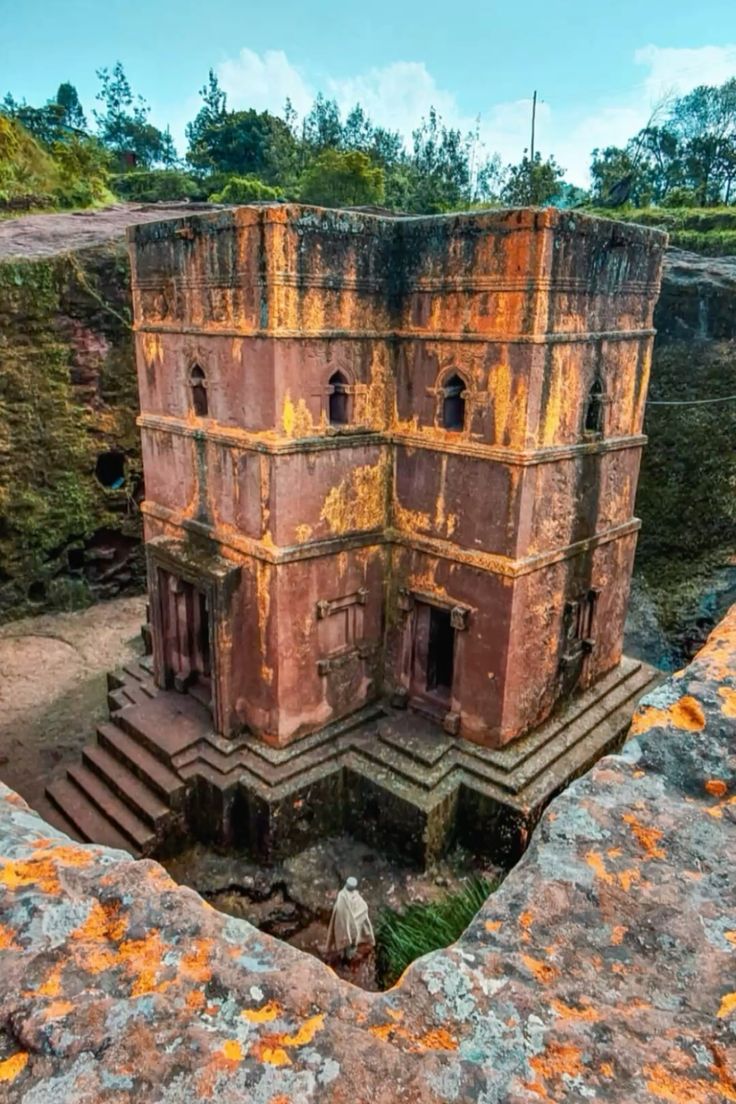
"5 Stars recommended! Abreham is a nice manager and made a great arrangement of northern Ethiopia including Lalibela, Afdera tour and Tigray area. It’s honorable to spend time with Abreham and his team. Especially in Lalibela I even met a big mass guided by Tomas who is the most famous local guide in Lalibela I think. Hope to have a nice visit on Ethiopia and travel with vowland Ethiopia next time!"
Shi•6/19/2026
5★ - "This was an unforgettable cultural and culinary experience that I would recommend to everyone. All of our guides were very friendly and helpful. I wish we had more time to see other parts of this beautiful country. Defin" - Srna • Verified review
"This was an unforgettable cultural and culinary experience that I would recommend to everyone. All of our guides were very friendly and helpful. I wish we had more time to see other parts of this beautiful country. Definitely a place to go back to. Very glad we went despite the unfortunate warnings that Ethiopia was unsafe because we found those not to be true."
Srna•6/19/2026
5★ - "We have seen everything we wanted in Ethiopia. The organization was good. We are satisfied. Thank you!" - Reni • Verified review
"We have seen everything we wanted in Ethiopia. The organization was good. We are satisfied. Thank you!"
Reni•6/19/2026
5★ - "I wish I could have such fantastic tour guides in other countries. Every part of the trip — and every part of Ethiopia — was organised in a way that made me feel cared for, yet never overprotected. In every city, every n" - Mariusz • Verified review
"I wish I could have such fantastic tour guides in other countries. Every part of the trip — and every part of Ethiopia — was organised in a way that made me feel cared for, yet never overprotected. In every city, every national park, and every place you might want to visit, they have excellent guides who are patient, knowledgeable, and responsible. I wholeheartedly recommend considering Vowland when planning a trip to Ethiopia."
Mariusz•6/19/2026
5★ - "Our journey began Simien Mountains in northern part of Ethiopia provided breathtaking hiking opportunities, with stunning vistas and encounters with endemic wildlife like the Gelada baboons. Our knowledgeable guide Abrha" - Flipess • Verified review
"Our journey began Simien Mountains in northern part of Ethiopia provided breathtaking hiking opportunities, with stunning vistas and encounters with endemic wildlife like the Gelada baboons. Our knowledgeable guide Abrham led us through the rugged terrain, making every step worthwhile. Next we travel to visit Lalibela Rock hewn churches , where the awe-inspiring rock-hewn churches left us speechless. The spiritual ambiance and the stories shared by our guide Abrham deepened our appreciation for this UNESCO World Heritage site. Finally we ventured into the Danakil Depression a true adventure! The otherworldly landscapes, vibrant colors, and the thrill of witnessing bubbling lava at Erta Ale were unforgettable. Camping under the stars in such a remote area was a highlight of our trip. We returned from an incredible tour of the Omo Valley in southern part of Ethiopia , and we can't recommend it enough! Our guide Abrham was knowledgeable and passionate about the diverse cultures of the various tribes we visited, including the , Chamo lakes ,Kara Villages Hamar , Mursi , Dassanech Tribeand others. The landscapes were breathtaking, from lush valleys to stunning river views. The highlight was definitely the traditional ceremonies we were fortunate enough to witness. The warmth and hospitality of the local people made this trip unforgettable. If you're looking for a unique cultural experience, Southern Ethiopia is a must-visit! Finally, we explored the Bale Mountains, where tranquility reigns supreme. The chance to spot the rare Ethiopian wolf amidst pristine nature was a dream come true. The combination of comfortable accommodations and delicious local cuisine made for a perfect end to our adventure. And we highly recommend Vowland Ethiopia Tour!!"