Ethiopia safaris cost $2,200–$4,500 per person for 7 days in 2026, making them 30-50% cheaper than Kenya. Ethiopia offers unique wildlife and cultural experiences with fewer tourists, while Kenya provides better infrastructure and more reliable wildlife sightings. Your choice depends on budget, experience level, and what you want to see. Compare verified packages on SafariFind to find your perfect match.
At a Glance
Ethiopia Cost: $2,200–$4,500 per person (7 days)
Kenya Cost: $3,500–$6,500 per person (7 days)
Best Time (Ethiopia): October–May for wildlife viewing
Best Time (Kenya): July–October for Great Migration
Best For (Ethiopia): Budget travelers, cultural enthusiasts, adventure seekers
Best For (Kenya): First-time safari-goers, wildlife photographers, classic safari experience
Ethiopia safari versus Kenya is a choice between two distinct African experiences. Ethiopia offers lower costs, unique wildlife, and rich cultural heritage with fewer international tourists. Kenya delivers classic savanna safaris, abundant wildlife viewing, and established tourism infrastructure.
Ethiopia Safari: Is It Worth It vs Kenya 2026? depends on your priorities. The answer is straightforward: Ethiopia wins on value and uniqueness, while Kenya excels in reliability and ease. Both destinations deliver unforgettable wildlife encounters, but they cater to different travelers and budgets.
Ethiopia safari costs run 30-50% lower than Kenya safaris in 2026. [1] This price difference reflects Ethiopia's less developed tourism infrastructure, fewer international visitors, and lower operational costs. However, lower prices don't mean lower quality experiences—Ethiopia's parks and reserves host incredible wildlife and landscapes that rival Kenya's famous destinations.
Kenya safari pricing reflects decades of tourism development. The Masai Mara charges $200 per person per day during peak season, making park fees alone expensive. [7] Kenya's infrastructure advantage includes established lodges, experienced guides, and reliable road networks. These conveniences come at a premium cost.
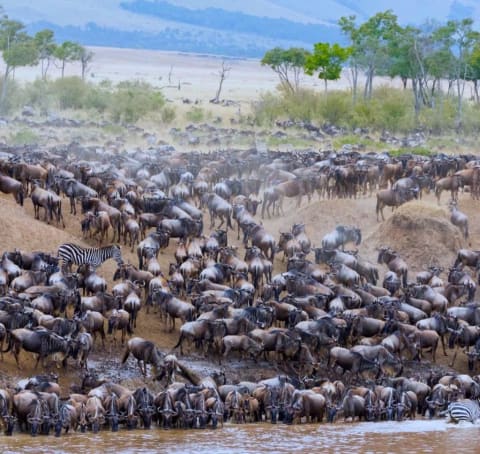
The wildlife difference matters too. Kenya's Great Migration brings 1.5 million wildebeest across the Mara River between July and October, creating one of nature's greatest spectacles. [8] Ethiopia's parks offer different wildlife—Ethiopian wolves, geladas, and unique bird species—along with Rift Valley scenery that Kenya cannot match.
Your best move? Compare both destinations on SafariFind to see verified packages with real prices and traveler reviews. This helps you decide based on actual costs and experiences, not assumptions.
Ethiopia Safari: Key Features and Benefits
Unique Wildlife and Landscapes
Ethiopia safari delivers wildlife you won't see in Kenya. The Simien Mountains National Park hosts endangered Ethiopian wolves and gelada baboons found nowhere else on Earth. The Rift Valley creates dramatic escarpments and volcanic formations that showcase Africa's geological history.
The Danakil Depression offers otherworldly landscapes with colorful mineral springs and active sulfur vents. Abijatta-Shalla National Park features over 450 bird species, making it a paradise for birdwatchers. These unique destinations attract travelers seeking something beyond the typical safari experience.
Ethiopia's Awash National Park combines wildlife viewing with cultural experiences. You'll see lions, antelopes, and ostriches while meeting the Afar people in their natural environment. This blend of nature and culture sets Ethiopia apart from Kenya's more tourism-focused approach.
Lower Costs and Value
Ethiopia safari costs $2,200–$4,500 per person for 7 days, compared to Kenya's $3,500–$6,500. [1] This 30-50% savings adds up fast, especially for families or groups. The lower costs reflect Ethiopia's emerging tourism market, not inferior quality.
Accommodation prices in Ethiopia run significantly lower. Budget lodges cost $40–$80 per night, mid-range options run $80–$150, and luxury properties range $150–$300. Kenya's equivalent lodges cost 50-100% more, with budget options starting at $80–$120 and luxury reaching $400–$800 per night.
Food and guide services also cost less in Ethiopia. Local guides charge $30–$50 per day versus Kenya's $50–$100. Meals at local restaurants cost $5–$10 per person, while Kenya's tourist-focused restaurants charge $15–$30. These daily savings compound over a week-long safari.
Ethiopia receives far fewer international tourists than Kenya, creating more authentic experiences. Kenya's Masai Mara attracts over 300,000 visitors annually, creating crowded game drives during peak season. You might see 20+ safari vehicles around a single lion sighting.
Ethiopia's parks welcome only thousands of visitors yearly. Game drives feel more intimate and less commercialized. You'll encounter fewer other tourists, allowing you to connect more deeply with the landscape and wildlife.
This lower tourism also means guides have more flexibility. They can spend extra time with wildlife, take detours to cultural villages, and customize experiences to your interests. The personalized approach creates memories that feel genuine, not choreographed.
Kenya safari infrastructure is world-class. Nairobi's Jomo Kenyatta International Airport connects to major global hubs with direct flights. Roads to the Masai Mara are well-maintained, and the drive from Nairobi takes 4-5 hours. This accessibility makes Kenya easier for first-time safari travelers.
Kenya's lodges range from simple to ultra-luxury, with established booking systems and reliable service. Staff speak English fluently, and most lodges accept credit cards. This convenience appeals to travelers who want hassle-free experiences.
Internet connectivity in Kenya is reliable, letting you stay connected during your safari. Ethiopia's connectivity remains spotty outside major towns, which some travelers enjoy (digital detox) while others find frustrating.
The Great Migration Spectacle
Kenya's Masai Mara hosts the world's greatest wildlife spectacle: the Great Migration. Between July and October, 1.5 million wildebeest and 250,000 zebras cross the Mara River in dramatic river crossings. [8] Witnessing this natural event is a bucket-list experience that justifies Kenya's premium pricing.
The Migration creates reliable wildlife viewing. You'll see massive herds, predator-prey interactions, and dramatic river crossings. This predictability appeals to photographers and wildlife enthusiasts willing to pay premium rates for guaranteed sightings.
Ethiopia's parks don't offer equivalent wildlife concentrations. While unique and beautiful, Ethiopia's experiences feel more like exploration than spectacle-watching. If seeing the Migration is your safari dream, Kenya is your destination.
Abundant Lion Populations
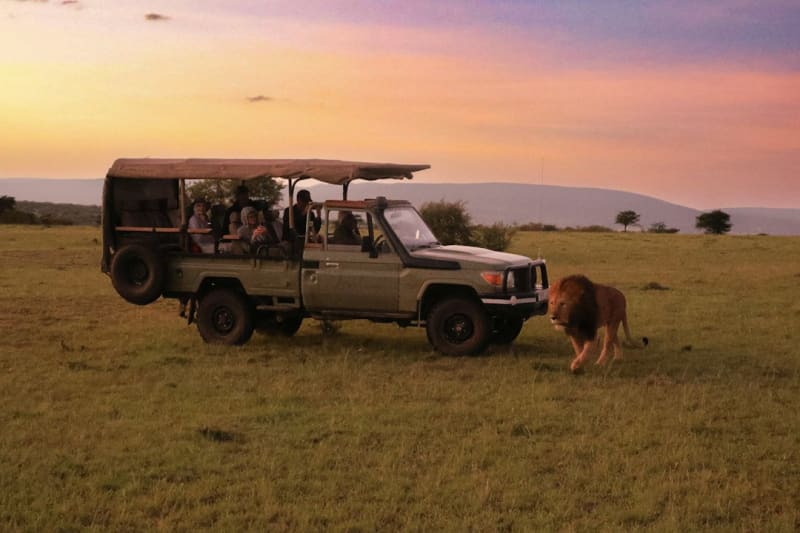
Kenya's Masai Mara hosts large lion prides with over 200 cheetahs and healthy leopard populations. [8] These big cats are easier to spot in Kenya than Ethiopia, making it ideal for wildlife photographers and cat enthusiasts.
The Mara's ecosystem supports more predators due to abundant prey. Game drives almost guarantee big cat sightings during peak season. Ethiopia's parks offer lion viewing, but sightings are less frequent and less predictable.
Ethiopia vs Kenya: Direct Comparison
Cost Breakdown Comparison
Expense Category
Ethiopia (7 days)
Kenya (7 days)
Savings with Ethiopia
Park Fees
$280–$420
$1,400–$1,600
$1,000–$1,300
Accommodation (mid-range)
$560–$1,050
$1,050–$1,750
$490–$700
Guide Services
$210–$350
$350–$700
$140–$350
Meals and Drinks
$210–$350
$350–$700
$140–$350
Total Per Person
$2,200–$4,500
$3,500–$6,500
$1,300–$2,000
This table shows why Ethiopia appeals to budget-conscious travelers. Park fees alone save $1,000–$1,300 per person. These savings let you extend your trip, upgrade accommodations, or explore multiple parks without exceeding your budget.
Wildlife and Landscape Comparison
Ethiopia safari highlights include Ethiopian wolves, gelada baboons, Rift Valley scenery, and cultural village visits. Kenya safari highlights include the Great Migration, large lion prides, cheetahs, and leopards. Both offer incredible experiences—they're just different.
Ethiopia's landscapes feel more dramatic and varied. You'll see mountains, valleys, volcanic formations, and deserts. Kenya's landscapes center on savanna grasslands, which are beautiful but less geographically diverse.
Kenya excels at big cat viewing. Ethiopia offers better cultural integration and more unique wildlife species. Neither is objectively "better"—it depends what you value.
Best Time to Visit Comparison
Ethiopia's best season runs October through May when temperatures are mild and rainfall is minimal. The Simien Mountains are most accessible during these months. September offers lower prices but occasional rain.
Kenya's best season is July through October for the Great Migration. This is also peak tourist season, creating crowded game drives and higher prices. June and November-December offer good wildlife viewing with fewer tourists and lower costs.
If you're flexible with travel dates, visiting Ethiopia in September or Kenya in June saves 20-30% on accommodation and packages compared to peak season.
Have a tight budget and want maximum value for your money
Seek unique wildlife and landscapes beyond typical safari experiences
Prefer authentic, less-touristy experiences with fewer crowds
Want cultural interactions with local communities
Are comfortable with emerging tourism infrastructure
Value exploration and discovery over guaranteed wildlife sightings
Choose Kenya If You:
Want to witness the Great Migration as your safari centerpiece
Prefer established infrastructure and convenient travel logistics
Are a first-time safari traveler seeking reliable experiences
Want to maximize big cat sightings (lions, cheetahs, leopards)
Value convenience and English-speaking guides
Have more budget flexibility and prefer predictable outcomes
Combining Both Destinations
Consider a combination safari visiting both countries. A 10-14 day trip could include 5 days in Ethiopia's Danakil Depression and Simien Mountains, then 5-7 days in Kenya's Masai Mara. This approach lets you experience both destinations' strengths while spreading costs across a longer trip.
Many travelers find combination trips more rewarding than single-country safaris. You'll witness different wildlife, landscapes, and cultures without choosing between them. SafariFind operators can help design combination itineraries tailored to your interests and budget.
Start planning 3-6 months before your desired travel dates. This timeline lets you compare operators, read reviews, and negotiate better rates. Peak season (July-October for Kenya, October-March for Ethiopia) books up quickly, so early planning is essential.
Comparing Kenya safari quotes properly can save travelers $500 to $3,000 or more on trips that initially appear identically priced. [3] Use SafariFind to request quotes from multiple verified operators. This competition drives better pricing and service.
Book during shoulder seasons (June or November for Kenya, September for Ethiopia) to save 20-30% while maintaining good wildlife viewing. These months offer fewer tourists and lower prices without sacrificing experiences.
What to Pack and Prepare
Both Ethiopia and Kenya require similar safari gear: neutral-colored clothing, comfortable walking shoes, binoculars, sun protection, and a camera. Bring medications if you take prescriptions, as availability varies between countries.
Check visa requirements before booking. Kenya offers visas on arrival for most nationalities. Ethiopia requires advance visa applications in most cases. Budget 2-4 weeks for visa processing.
Malaria prevention is essential in both countries. Consult your doctor about antimalarial medications and prophylaxis options. Both destinations are in malaria zones, though risk varies by park and season.
Using SafariFind to Compare Packages
SafariFind connects you with verified tour operators offering transparent pricing and authentic traveler reviews. Browse packages for both countries, compare prices and itineraries, and read what previous travelers experienced.
Request quotes from multiple operators to leverage competition for better deals. Ask operators to explain price differences—some include activities and meals while others don't. This transparency helps you make apples-to-apples comparisons.
Read recent reviews from travelers who visited during your preferred season. Seasonal experiences vary significantly, and reviews show what to expect regarding wildlife, weather, and service quality.
Travelers choosing Ethiopia consistently praise the value and authenticity. One visitor noted: "We paid half what our friends spent in Kenya and saw animals we'd never heard of. The Simien Mountains took our breath away." Another shared: "Fewer tourists made it feel like real exploration, not a packaged tour."
Budget-conscious families frequently choose Ethiopia specifically for cost savings. A family of four reported saving $4,000–$6,000 compared to Kenya pricing while visiting multiple parks. These savings let families afford longer trips or upgrade to better accommodations than their budgets initially allowed.
Kenya Safari Experiences
Kenya travelers emphasize the reliability and convenience. First-time safari-goers frequently report: "Everything worked perfectly. Our guide was amazing, we saw lions every day, and the lodges were comfortable." Another visitor said: "The Great Migration was worth every penny—the river crossings were unbelievable."
Repeat safari travelers often split their time between countries. One experienced traveler noted: "Kenya is my reliable choice when I want guaranteed big cats. Ethiopia is my adventure destination when I want something different." This approach balances Kenya's predictability with Ethiopia's uniqueness.
Key Takeaways
Book Ethiopia safaris 3-6 months in advance to save 20-30% on peak season rates while securing your preferred dates and lodges.
Ethiopia safaris cost $2,200–$4,500 per person (7 days), saving $1,300–$2,000 compared to Kenya's $3,500–$6,500 pricing in 2026.
Visit Kenya during July-October to witness the Great Migration with 1.5 million wildebeest, or choose Ethiopia for unique wildlife and lower crowds year-round.
Compare verified safari packages on SafariFind from multiple operators to find pricing differences of $500–$3,000 on seemingly identical itineraries.
Combine both countries in a 10-14 day trip to experience Ethiopia's dramatic landscapes and cultural immersion plus Kenya's wildlife abundance and infrastructure.
Frequently Asked Questions
Is an Ethiopia safari cheaper than Kenya in 2026?
Yes. Ethiopia safaris cost $2,200–$4,500 per person for 7 days, while Kenya safaris cost $3,500–$6,500. [1] Ethiopia is 30-50% cheaper, primarily due to lower park fees ($280–$420 vs. $1,400–$1,600), cheaper accommodations, and lower guide costs. The price difference reflects Ethiopia's emerging tourism market, not inferior quality.
Which country has better wildlife viewing?
Kenya offers more abundant big cats, the Great Migration, and reliable wildlife sightings. Ethiopia offers unique species like Ethiopian wolves and gelada baboons, plus dramatic landscapes and cultural experiences. Neither is objectively "better"—Kenya excels at spectacle, Ethiopia excels at exploration.
When is the best time to visit Ethiopia vs Kenya?
Ethiopia's best season is October-May for mild weather and good wildlife viewing. Kenya's best season is July-October for the Great Migration. Both countries have good shoulder seasons (June for Kenya, September for Ethiopia) with fewer tourists and lower prices, though occasional rain is possible.
Can I combine Ethiopia and Kenya in one trip?
Yes. A 10-14 day combination safari is excellent. Spend 5 days in Ethiopia's Simien Mountains and Danakil Depression, then 5-7 days in Kenya's Masai Mara. This approach costs $4,500–$8,000 total but lets you experience both countries' strengths without choosing between them.
What infrastructure differences should I expect?
Kenya has established tourism infrastructure with reliable roads, English-speaking guides, internet connectivity, and credit card acceptance. Ethiopia's infrastructure is emerging but improving—roads are good in tourist areas, guides are capable, but internet and credit card acceptance are less reliable outside major towns.
Which safari is better for first-time visitors?
Kenya is better for first-time safari-goers due to established infrastructure and reliable wildlife sightings. Ethiopia is better for adventurous travelers seeking unique experiences and cultural immersion. Both offer excellent first-time experiences—your choice depends on priorities.
How do I find the best safari deals on SafariFind?
Browse SafariFind's verified packages for both countries, request quotes from multiple operators, and compare prices with detailed breakdowns. Read authentic traveler reviews to understand what previous visitors experienced. Request quotes during shoulder seasons (June for Kenya, September for Ethiopia) to maximize savings while maintaining good wildlife viewing.
Conclusion
Ethiopia Safari: Is It Worth It vs Kenya 2026? The answer depends on your priorities. Ethiopia safaris are absolutely worth it if you value budget-friendly experiences, unique wildlife, authentic cultural interactions, and dramatic landscapes. Kenya safaris are absolutely worth it if you want the Great Migration, abundant big cats, established infrastructure, and reliable wildlife sightings.
Ethiopia safari costs $2,200–$4,500 per person for 7 days, saving $1,300–$2,000 compared to Kenya's $3,500–$6,500. [1] This price advantage alone makes Ethiopia attractive for budget travelers. However, Kenya's higher costs reflect decades of tourism development, premium park fees, and reliable experiences that justify the investment for many travelers.
The best choice depends on your budget and travel style. Budget-conscious travelers seeking unique experiences should choose Ethiopia. First-time safari-goers wanting guaranteed wildlife and convenience should choose Kenya. Adventurous travelers with flexible budgets should combine both countries for 10-14 days.
Start your safari planning now by comparing verified packages on SafariFind. Browse operators in both countries, request quotes, and read authentic reviews from travelers who've experienced these destinations. SafariFind connects you with verified tour operators offering transparent pricing and excellent service.
Whether you choose Ethiopia for its dramatic landscapes and cultural richness or Kenya for its iconic wildlife spectacles, you'll create memories that last a lifetime. Your 2026 safari awaits—begin exploring SafariFind packages today.
Plan Your Safari with SafariFind
These recommendations use real data from SafariFind, where you can compare operators, browse packages, and read verified traveler reviews before you book.
1-Day Day Wenchi Crater Lake Trip • $210 • 1 days • by vowland Ethiopia Tour and Travel
What Travelers Say (SafariFind Reviews)
"5 Stars recommended! Abreham is a nice manager and made a great arrangement of northern Ethiopia including Lalibela, Afdera tour and Tigray area. It’s honorable to spend time with Abreham and his team. Especially in Lalibela I even met a big mass guided by Tomas who is the most famous local guide in Lalibela I think. Hope to have a nice visit on Ethiopia and travel with vowland Ethiopia next time!"
Shi•19 June 2026
"I had an amazing 17-day tour in Ethiopia with Vowland Ethiopia Tour, visiting Addis Ababa, Lalibela, Gondar, the Simien Mountains, the Danakil Depression, and the Omo Valley. From the very first day in Addis, I felt so warmly welcomed. Visiting Merkato and the National Museum was the perfect start to discovering Ethiopia’s incredible culture and history. Exploring the castles of Gondar and the beautiful sites in the north was truly unforgettable. My guide and all the staff were so kind, professional, and always made sure everything went smoothly. They really made the whole trip special and full of wonderful memories. I highly recommend Vowland Ethiopia Tour to anyone planning to visit Ethiopia. Thank you so much to the whole team for your amazing service and warm hospitality — you made my trip one I’ll never forget!"
Wiliam•19 June 2026
"I wish I could have such fantastic tour guides in other countries. Every part of the trip — and every part of Ethiopia — was organised in a way that made me feel cared for, yet never overprotected. In every city, every national park, and every place you might want to visit, they have excellent guides who are patient, knowledgeable, and responsible. I wholeheartedly recommend considering Vowland when planning a trip to Ethiopia."
Mariusz•19 June 2026
"This was an unforgettable cultural and culinary experience that I would recommend to everyone. All of our guides were very friendly and helpful. I wish we had more time to see other parts of this beautiful country. Definitely a place to go back to. Very glad we went despite the unfortunate warnings that Ethiopia was unsafe because we found those not to be true."
Srna•19 June 2026
"We had fabulous 13 days bird waching tour with Vowland Ethiopia tour in awash national park, Bale Mountain and simein it was amazing. All staff and team made our journey unforgettable. We rally thankful Abraham who organized this trip and made our bird watching Photographer tour become true. We recommended Abraham and his company"
Lilly•19 June 2026
References
SafariFind: Ethiopia Safari vs Kenya: Wildlife, Cost & Value

 Ask Tembo