Ask Tembo
Eswatini Horse Safari: Cost & Best Operators 2026

Eswatini horse safari costs £1,295–£1,405 per person for 7 nights. Book May–September with verified operators. Read reviews & pricing on SafariFind.
Eswatini Horse Safari: Cost & Best Operators
Last updated: July 2026
An Eswatini horse safari costs £1,295–£1,405 per person for 7 nights, roughly $1,740–$1,885 USD. The best time to visit is May through September for ideal weather. Book your adventure 3–6 months ahead through verified operators on SafariFind to secure the best rates and read authentic traveler reviews.
At a Glance
- Cost: £1,295–£1,405 per person for 7 nights ($1,740–$1,885 USD)
- Best time to visit: May–September for weather and wildlife viewing
- Duration: 7 nights recommended; day trips from $155 available
- Daily budget: $75–$150 per person including accommodation and activities
- Getting there: Fly into Johannesburg; drive 4–5 hours to Eswatini
- Best for: Experienced riders, wildlife lovers, cultural explorers
What Is an Eswatini Horse Safari?
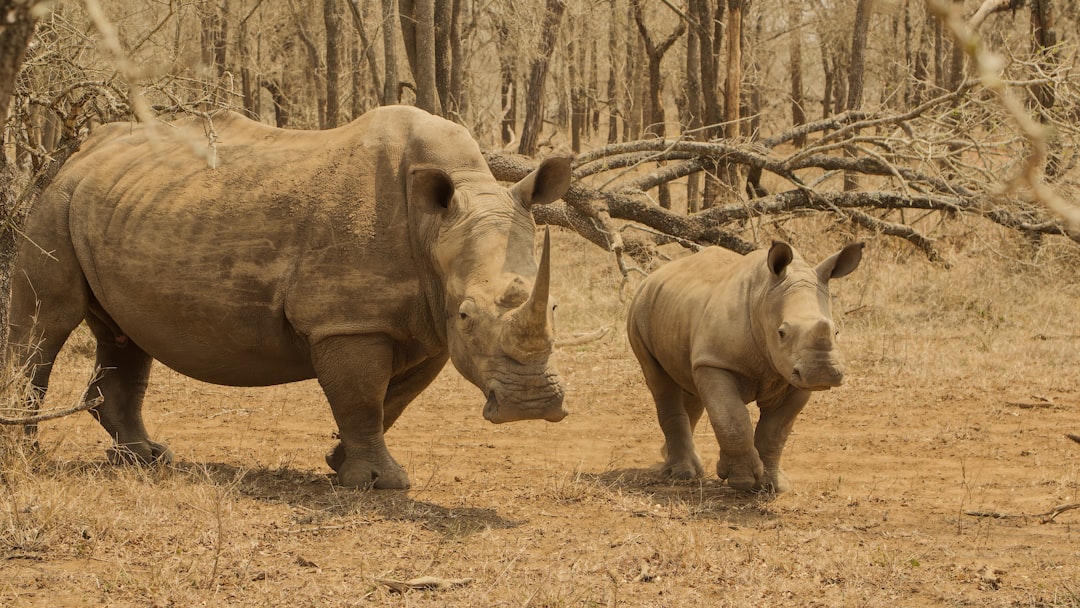
An Eswatini horse safari is a guided riding adventure through southern Africa's smallest country. You explore national parks, rural villages, and stunning landscapes on horseback, combining wildlife viewing with cultural immersion. Unlike traditional vehicle safaris, horse safaris let you move quietly through habitats and connect with the environment at a slower pace.
Why Choose a Horse Safari in Eswatini?
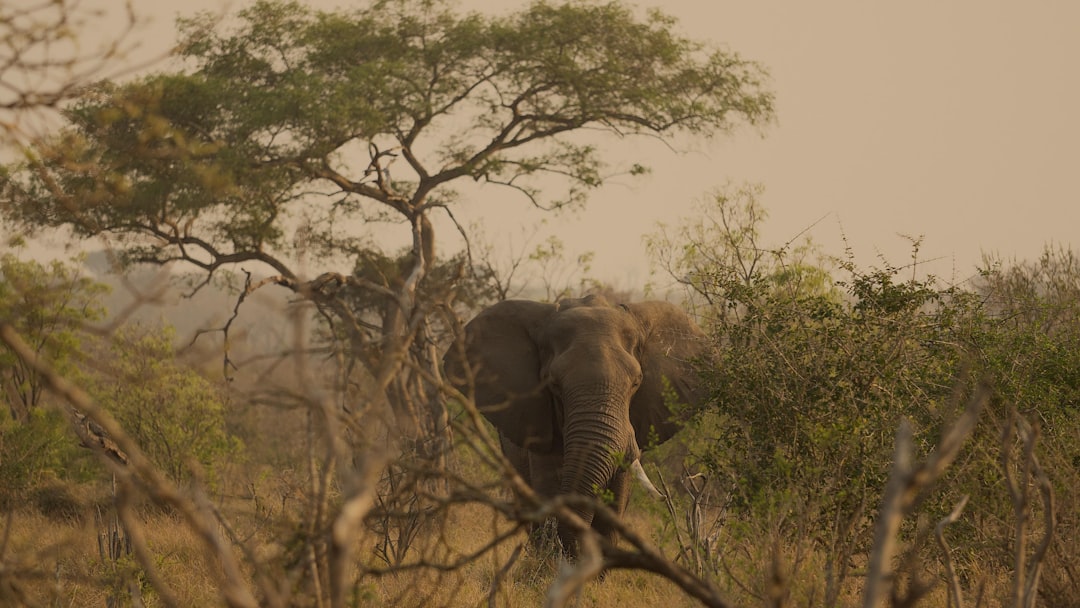
Eswatini horse safaris offer unique advantages over traditional safaris. You travel on horseback through Hlane National Park and surrounding regions, spotting elephants, rhinos, antelope, and birdlife. The experience costs 25–40% less than comparable safaris in Kenya or Tanzania. You also interact with local Swazi communities, learn about their traditions, and support rural economies directly.
These safaris suit riders of all skill levels. Operators provide calm, well-trained horses and experienced guides who adjust pace to your ability. Small group sizes—typically 4–8 riders—create intimate experiences. You'll camp under stars, ride through grasslands, and witness African wildlife in its natural setting.
Key Features of Eswatini Horse Safaris
- Guided rides through national parks and private reserves
- Wildlife encounters including elephants, rhinos, and antelope
- Overnight camping with meals included
- Cultural visits to Swazi villages and local communities
- Small group sizes for personalized experiences
- All-inclusive pricing covering accommodation, food, and activities
Eswatini's location makes it accessible. The country borders South Africa and Mozambique, with easy access from Johannesburg. Hlane National Park, the main safari destination, sits in the northeast. The terrain ranges from grasslands to acacia forests, providing diverse wildlife viewing opportunities.
How Much Does an Eswatini Horse Safari Cost?
A 7-night Eswatini horse safari costs £1,295–£1,405 per person in 2026, equivalent to approximately $1,740–$1,885 USD [1][5]. This price includes accommodation, meals, guided rides, and park fees. Single-rider supplements add about £80–£105 ($107–$141 USD) for private accommodation. Budget-conscious travelers can find shorter options starting from $155 for day trips [4].
Breakdown of Typical Costs
Accommodation at mid-range camps like Hlane's Ndlovu Camp costs $26–$50 per person per night [1]. Guided game drives run an additional $30–$50 per activity. Daily food costs average $15–$25 per person. Park entrance fees vary but typically cost $10–$20 per day. Flights from major cities add $400–$800 to your budget.
Your total daily cost breaks down like this: accommodation ($26–$50), meals ($15–$25), activities ($30–$50), and park fees ($10–$20). This totals $81–$145 per day, aligning with budget travel estimates of $75–$150 daily [1].
Seasonal Price Variations
Peak season (July–September) commands premium prices. Off-season rates (November–April) offer 15–25% discounts. Shoulder seasons (May–June, October) provide moderate pricing with good weather. Booking 3–6 months ahead secures better rates than last-minute reservations. Group discounts apply for parties of 6 or more riders.
Compare verified operators on SafariFind to find packages matching your budget and travel dates. Read authentic reviews from previous travelers to ensure quality and value.
What's Included vs. Extra Costs
Most 7-night packages include horseback riding, accommodation, all meals, guides, and park fees. Extras not included: flights to/from Johannesburg ($400–$800), travel insurance ($50–$150), tips for guides ($50–$100), and personal gear like riding boots ($80–$150). Some operators charge for airport transfers ($30–$50 each way).
Best Time to Visit for Eswatini Horse Safaris
The best time for Eswatini horse safaris is May through September. These months offer cool temperatures, minimal rainfall, and peak wildlife activity. Days are warm (65–75°F / 18–24°C) and nights are cool (45–55°F / 7–13°C), creating comfortable riding conditions.
Monthly Breakdown
- May–June: Autumn conditions, clear skies, wildlife gathering at waterholes. Excellent riding weather.
- July–August: Peak season with most visitors. Dry, sunny days. Highest prices. Book early.
- September: Late winter, still dry and cool. Fewer crowds than July–August. Good wildlife viewing.
- October–November: Spring brings rain and green landscapes. Moderate temperatures. Fewer riders.
- December–April: Hot, humid, rainy season. Lowest prices but challenging riding conditions.
Wildlife viewing peaks from May to September when animals concentrate around remaining water sources. Birdwatching is exceptional during migration seasons (October–November, March–April). Vegetation is lush in the rainy season but can impede wildlife spotting.
Scheduled Departures for 2026
Major operators offer set departures throughout the year [5]. Scheduled dates in 2026 include: May 6–13, May 25–June 1, June 15–22, July 3–10, and August 28–September 4. These fixed departures help operators manage group sizes and guide availability. You can join existing groups or request custom dates with minimum party sizes.
Best Operators for Eswatini Horse Safaris
Several established operators run horse safaris in Eswatini. Chubeka Trails, operating through Big Game Parks Swaziland, offers 7-night riding holidays with set departures and customizable options [2]. African Horse Safaris specializes in equestrian adventures across Africa, including Eswatini [8]. These operators belong to tourism associations like the African Travel & Tourism Association (ATTA), ensuring quality standards [7].
Top Operators: Features & Pricing
| Operator | Duration | Price (Per Person) | Focus | Best For |
|---|---|---|---|---|
| Chubeka Trails | 7 nights | £1,295–£1,475 | Group departures, cultural immersion | Social riders, budget-conscious |
| African Horse Safaris | 7–10 nights | $1,750–$2,200 | Bespoke itineraries, luxury camps | Experienced riders, customization |
| Fara & Ride | 7 nights | £1,370–£1,475 | Swazi culture, scenic routes | Cultural explorers, intermediate riders |
| GetYourGuide Partners | 2–4 hours | $155–$160 | Day trips, shorter experiences | First-timers, limited schedules |
How to Choose an Operator
Check operator credentials: membership in ATTA or similar tourism boards signals quality. Read reviews on SafariFind from previous riders—authentic feedback reveals horse quality, guide expertise, and food standards. Confirm group sizes, horse-to-rider ratios, and guide experience. Ask about cancellation policies and refund terms. Verify that prices include all meals, accommodation, and activities to avoid hidden costs.
Contact operators directly for custom dates, special requests, or group discounts. Many offer flexible itineraries tailoring rides to your skill level and interests. Request references from recent clients if booking a new operator.
Browse verified operators on SafariFind to compare packages side-by-side. Request quotes from multiple operators to find the best value for your dates and preferences.
Planning Your Eswatini Horse Safari
Successful safari planning starts 3–6 months before your trip. Book accommodations and flights early to secure better rates. Arrange travel insurance covering adventure activities. Confirm visa requirements based on your nationality. Check vaccination recommendations for Eswatini. Prepare appropriate gear including riding boots, long pants, and sun protection.
Pre-Trip Preparation
- Book your safari package 3–6 months ahead for best pricing
- Purchase travel insurance covering medical evacuation and trip cancellation
- Check entry requirements—many nationalities enjoy visa-free or visa-on-arrival access
- Consult a doctor about vaccinations (typically Yellow Fever, Hepatitis A, Typhoid)
- Invest in proper riding gear: boots with heels, long pants, helmet (usually provided)
- Pack sun protection: hat, sunscreen (SPF 50+), sunglasses with UV protection
Review your travel insurance policy carefully. Standard coverage often excludes adventure activities. Purchase a policy explicitly covering horseback riding and safari activities. Verify coverage limits for medical evacuation to South Africa, where advanced hospitals are located.
Physical Fitness & Riding Skills
Eswatini horse safaris accommodate riders of varied experience levels. Beginners need basic fitness—you'll ride 4–6 hours daily, which demands leg strength and core stability. Experienced riders can handle longer, more challenging routes. Operators match horses to rider ability, pairing nervous riders with calm, forgiving mounts.
Prepare physically by walking regularly, doing leg exercises, and practicing balance work (yoga, Pilates) 4–6 weeks before departure. If you haven't ridden recently, take a few lessons to refresh skills and build confidence.
Health & Safety Considerations
Eswatini poses minimal health risks compared to other African nations. Malaria is present in some regions; consult your doctor about prophylaxis. Hlane National Park sits in a lower-risk zone, but precautions remain prudent. Use insect repellent, wear long sleeves at dawn and dusk, and consider taking antimalarial medication.
Horseback riding carries inherent risks. Wear helmets (always provided). Inform guides of any medical conditions. Discuss fitness concerns honestly with operators. Travel insurance covering medical evacuation is essential. Most operators maintain safety records and provide experienced guides trained in first aid.
For German citizens or British travelers, check the latest entry requirements. The article on Eswatini Visa for German Citizens 2026 provides current details. For health requirements, review Vaccinations & Health Rules for Eswatini for British Citizens 2026 to ensure full compliance.
Comparing Horse Safaris to Other Eswatini Experiences
Eswatini offers diverse safari experiences beyond horse riding. Walking safaris, vehicle-based game drives, and lodge stays each offer different perspectives. Horse safaris uniquely combine physical activity, wildlife viewing, and cultural interaction at affordable prices.
Horse Safari vs. Walking Safari
Horse safaris cover greater distances (20–30 miles daily) than walking safaris (5–10 miles). You see more wildlife but experience less intimate ground-level contact. Walking safaris offer deeper sensory immersion—hearing, smell, and detailed observation. Both cost similarly. Choose horse safaris for broad wildlife viewing; walking safaris for contemplative nature exploration.
Learn more about walking options in our guide to Eswatini Walking Safari: Cost & Best Operators 2026.
Horse Safari vs. Vehicle Safari
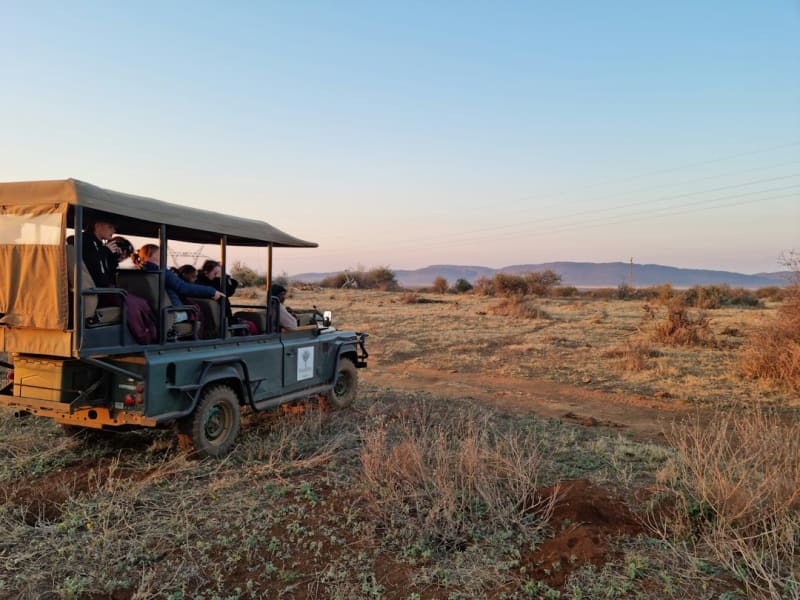
Vehicle safaris cost $50–$100 daily but limit interaction with landscapes. Horse safaris immerse you in the environment and offer cultural village visits. Vehicles access more remote areas; horses access scenic routes guides design for riding. Horse safaris suit active travelers; vehicle safaris suit those preferring comfort and passive observation.
Accommodation Options During Your Safari
Most horse safari packages include mid-range camp accommodation. Luxury lodge upgrades cost $50–$100 nightly. Budget camping adds minimal cost but offers less comfort. Eswatini's Eswatini Safari Lodges 2026: Budget vs Luxury by Park article details accommodation choices across the country, helping you plan your complete stay.
Practical Guide: Getting to Eswatini
Most travelers fly into Johannesburg's OR Tambo International Airport (JNBR), then drive 4–5 hours northeast to Eswatini. Alternatively, fly into Skukuza Airport in South Africa's Kruger National Park (3 hours from Eswatini) or Maputo, Mozambique (2.5 hours). Johannesburg offers the most flights and competitive fares.
Transportation Options
- Fly-drive: Rent a car at Johannesburg, drive to Eswatini (budget $50–$80 daily for rental). Most convenient for independent travelers.
- Guided transfers: Operators arrange airport pickup and drives to safari camps ($60–$100 per person each way).
- Shuttle services: Shared shuttles from Johannesburg to Eswatini ($40–$60 per person). Less flexible but cheaper.
- Domestic flights: Fly Johannesburg to Matsapa International Airport (1 hour), then drive 1 hour to Hlane National Park.
The Johannesburg-to-Eswatini drive crosses beautiful South African landscapes. Allow extra time for border formalities (typically 15–30 minutes). Many operators arrange all transport as part of packages, simplifying logistics.
Entry Requirements & Documentation
Most nationalities enjoy visa-free entry to Eswatini for up to 30 days. Ensure your passport is valid for 6+ months beyond your travel dates. Check Eswatini Entry Requirements 2026 — International Travellers for current regulations specific to your citizenship. Some nationalities require visas obtained in advance.
Currency & Costs
Eswatini uses the Lilangeni (SZL); 1 USD ≈ 18 SZL in 2026. Most tourist areas accept South African Rand and US Dollars. ATMs are available in main towns. Credit cards work at lodges and restaurants but not remote camps. Bring cash for tips and incidental expenses. Daily spending outside safari packages runs $20–$40 for drinks, snacks, and gifts.
Key Takeaways
- Book your 7-night Eswatini horse safari 3–6 months ahead to save 15–25% on peak season rates and secure preferred dates.
- Expect costs of £1,295–£1,405 ($1,740–$1,885 USD) for fully inclusive 7-night packages covering accommodation, meals, guides, and activities.
- Visit May through September for ideal riding weather, minimal rainfall, and peak wildlife viewing opportunities in Hlane National Park.
- Choose operators belonging to ATTA or similar tourism associations and verify credentials through SafariFind reviews from previous riders.
- Prepare physically 4–6 weeks before departure with leg exercises and balance training to handle 4–6 daily riding hours comfortably.
Frequently Asked Questions
How much does an Eswatini horse safari cost per person in 2026?
A 7-night Eswatini horse safari costs £1,295–£1,405 per person (approximately $1,740–$1,885 USD) in 2026 [1][5]. This includes accommodation, all meals, guided rides, and park fees. Single-rider supplements add about £80–£105 ($107–$141 USD). Shorter day trips start from $155 [4]. Budget travelers should plan $75–$150 daily total spending.
What is the best time to visit Eswatini for horse safaris?
The best time is May through September [1]. These months offer cool, dry weather (65–75°F daytime), minimal rainfall, and peak wildlife activity. July–August is peak season with the most visitors and highest prices. May–June and September offer excellent conditions with fewer crowds. Avoid December–April due to heat, humidity, and rain that complicate riding.
Do I need riding experience for an Eswatini horse safari?
No—operators accommodate riders of all skill levels from beginners to advanced. You'll ride 4–6 hours daily, so basic fitness is important. Operators match calm, forgiving horses to inexperienced riders and provide detailed instruction. If you haven't ridden recently, take a few lessons 4–6 weeks before departure to build confidence and leg strength.
What wildlife will I see on an Eswatini horse safari?
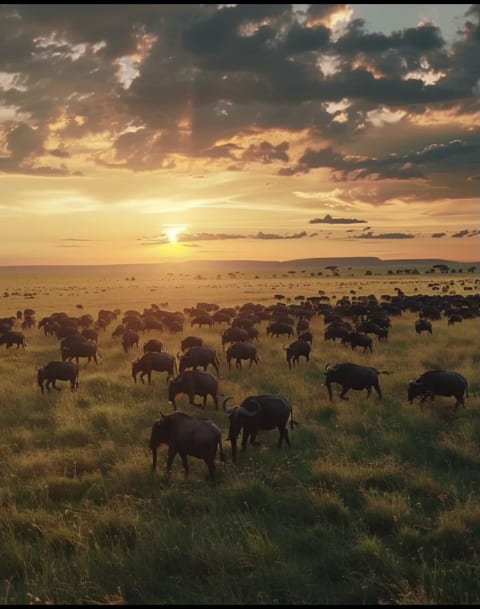
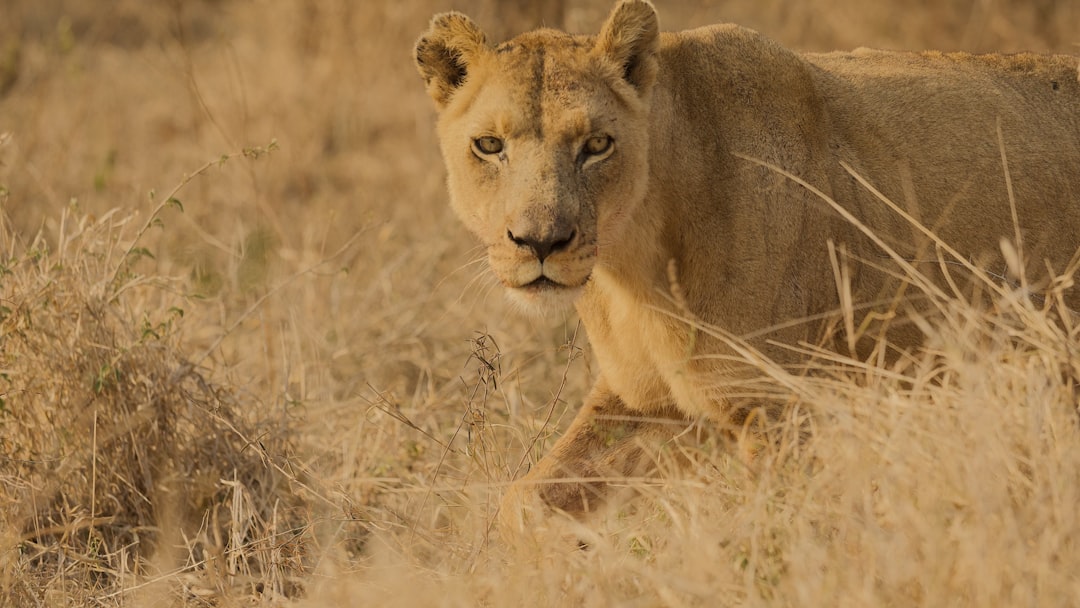
Hlane National Park hosts elephants, rhinos, antelope species (impala, kudu, wildebeest), zebras, warthogs, and over 300 bird species [1]. You'll see more wildlife during dry season (May–September) when animals concentrate near water sources. Larger predators like lions and leopards are present but rarely encountered. Guides know where to find specific species and time rides for optimal viewing.
Are vaccinations required for Eswatini?
Vaccinations are not legally required for entry, but doctors typically recommend Yellow Fever, Hepatitis A, and Typhoid. Malaria prophylaxis is recommended for some regions; Hlane National Park is lower-risk. Consult your doctor 4–6 weeks before travel. Review Vaccinations & Health Rules for Eswatini 2026: US Citizens for detailed guidance, or contact your healthcare provider about personalized recommendations based on your health history.
How do I book an Eswatini horse safari with verified operators?
Browse safari packages on SafariFind to compare operators, prices, and itineraries side-by-side. Read authentic reviews from previous travelers to assess quality and value. Request quotes from 2–3 operators to compare offerings. Contact operators directly to discuss custom dates, group discounts, or special requests. Confirm cancellation policies and what's included before booking. Book 3–6 months ahead for best rates and availability.
Conclusion
An Eswatini horse safari is an affordable, immersive way to experience African wildlife and culture on horseback. At £1,295–£1,405 per person for 7 nights (approximately $1,740–$1,885 USD), these safaris cost 25–40% less than comparable experiences in Kenya or Tanzania [1][3]. The best time to visit is May through September when weather is ideal and wildlife activity peaks.
Eswatini horse safaris suit riders of all abilities and offer unique advantages: intimate wildlife encounters, cultural village visits, small group sizes, and affordable all-inclusive pricing. Established operators like Chubeka Trails and African Horse Safaris provide set departures throughout 2026, or you can arrange custom itineraries for larger groups.
Start planning now. Book your adventure 3–6 months ahead to secure preferred dates and save 15–25% on peak season rates. Compare verified operators on SafariFind to read authentic reviews, check ratings, and request quotes. Browse safari packages matching your budget and schedule. The combination of horseback riding, wildlife viewing, and Swazi culture makes Eswatini an unforgettable destination.
Ready to saddle up? Explore verified Eswatini horse safari packages on SafariFind today. Request quotes from top-rated operators, read traveler reviews, and book your perfect African adventure in 2026.
References
- Eswatini Tours and Safari Holidays – Africa Tour Operators
- Chubeka Trails, Big Game Parks Swaziland – 7 Night Eswatini Riding Holidays
- Eswatini Horse Safari: Cost, Best Lodges 2026 – SafariFind
- The Best Eswatini Safaris & Wildlife Activities 2026 – GetYourGuide
- Swazi Culture & Scenery Horse Riding Holiday in Eswatini – Fara & Ride
- How Much Does an Eswatini Safari Cost? – African Budget Safaris
- How to Visit Eswatini for Wildlife 2026–2027 – African Trek Travel
- African Horse Safaris – #1 Horse Riding Safari Provider in Africa
Trips that match this guide