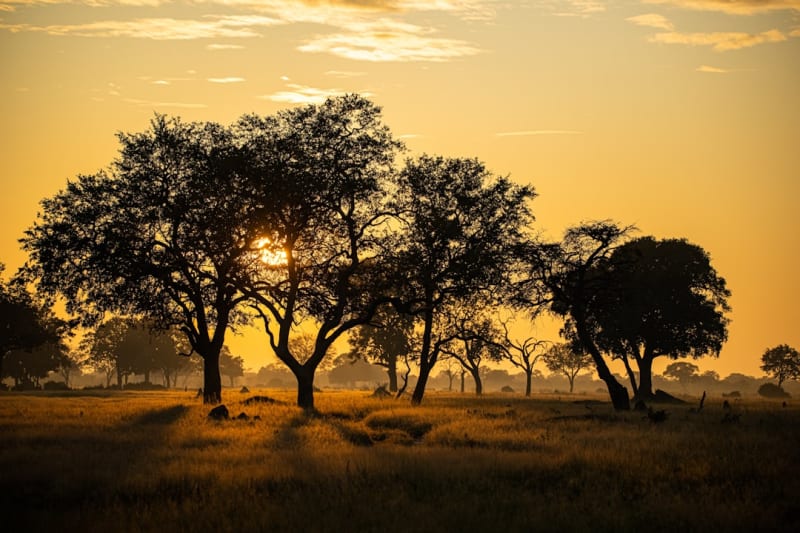
Eswatini Horse Safari: 5 Rides for Wildlife and Scenery 2026

Discover Eswatini Horse Safari: 5 Rides for Wildlife and Scenery 2026 - Expert guide to safari tourism and wildlife destinations.
Eswatini Horse Safari: 5 Scenic Wildlife Rides in 2026
Last updated: August 2026
An Eswatini horse safari combines guided riding, wildlife viewing, and mountain or bushveld scenery in southern Africa. In 2026, a seven-night Swazi Culture & Scenery itinerary starts at about £1,300 per person and links Mlilwane Wildlife Sanctuary with the KaMsholo area. The trip is best for intermediate and experienced riders who want a slower, close-to-nature safari.
At a Glance
- Cost: From approximately £1,300 per person for seven nights [2]
- Duration: Seven nights for the described Swazi Culture & Scenery itinerary [2]
- Riding level: Intermediate to experienced riders [2]
- Locations: Mlilwane Wildlife Sanctuary and bushveld near KaMsholo [2]
- Known for: Wildlife riding, scenery, Swazi culture, and varied landscapes
- Wildlife highlights: Zebra, giraffe, antelope, hippo, crocodile, and birdlife at Mlilwane [6]
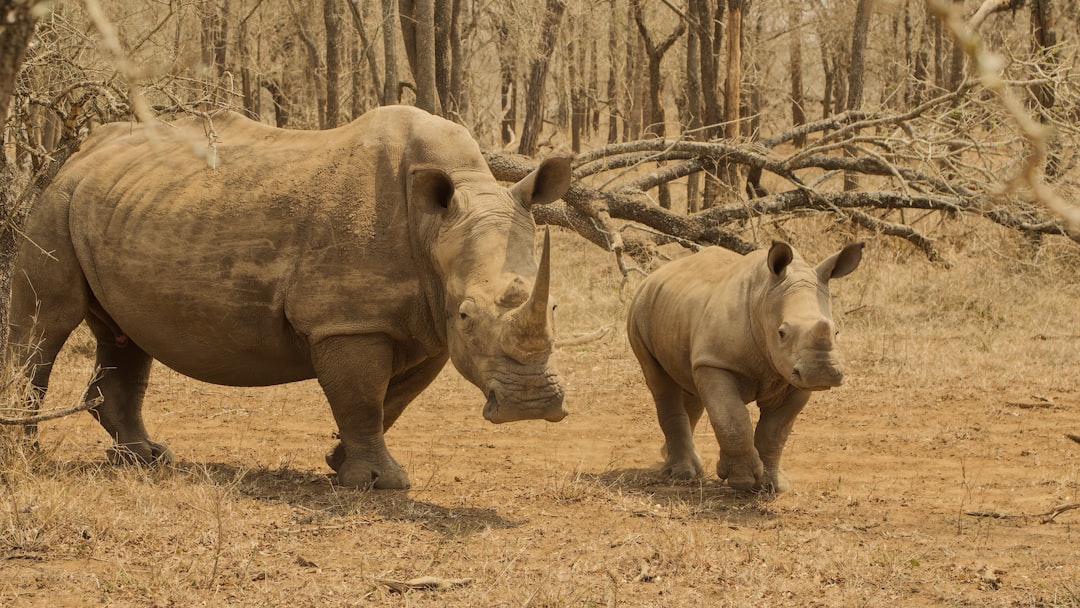
Eswatini offers a rare safari format where riders can explore wildlife areas from horseback. The Eswatini Horse Safari: 5 Scenic Wildlife Rides in 2026 guide explains five ways to enjoy this style of travel. These include wildlife riding, bushveld riding, landscape-focused trails, cultural riding, and gentle nature exploration.
As of 2026, the best-documented multi-night itinerary combines Mlilwane Wildlife Sanctuary with bushveld riding near KaMsholo. The seven-night holiday starts at about £1,300 per person. It is designed for intermediate and experienced riders, so riders should assess their comfort before booking [2].
Quick answer: An Eswatini horse safari is a guided riding holiday across wildlife and scenic areas. The 2026 seven-night route combines Mlilwane and KaMsholo, with prices from about £1,300 per person. Mlilwane offers zebra, giraffe, antelope, hippo, crocodile, and birdlife, while the wider journey adds bushveld scenery and cultural interest [2][6].
SafariFind helps travelers compare verified tour operators, review package details, and request information before they commit. The marketplace is useful when you want to compare a horse safari with a classic game drive or a walking safari.

What Is an Eswatini Horse Safari in 2026?
An Eswatini horse safari is a guided riding trip that blends wildlife viewing with landscape travel. In 2026, the featured seven-night itinerary connects Mlilwane Wildlife Sanctuary in the Ezulwini Valley with bushveld riding near KaMsholo. The route suits riders who want active travel rather than vehicle-based sightseeing alone [2].
Overview of the five riding experiences
The five rides below describe the main experiences available within this style of itinerary. They are not five separate named tours. Instead, they show how one trip can combine wildlife, scenery, culture, and different riding settings.
- Mlilwane wildlife ride: Ride through a sanctuary known for zebra, giraffe, antelope, hippo, crocodile, and many bird species [6].
- KaMsholo bushveld ride: Explore a warmer bushveld setting near KaMsholo as part of the described seven-night route [2].
- Scenery-focused ride: Follow trails that place views, open space, and changing landscapes at the centre of the experience [1].
- Swazi culture and scenery ride: Combine riding with a holiday theme that includes local cultural interest and landscape travel [2].
- Quiet nature ride: Travel at horse pace, with time to notice plants, tracks, birds, and small changes in the terrain.
Mlilwane Wildlife Sanctuary is in Eswatini’s Ezulwini Valley. It is described as the country’s most accessible and frequently visited reserve. The sanctuary is also known for allowing horse riding, walking, and cycling because it lacks major predators, although hippos are present [5].
That setting matters for riders. You can move through the reserve without the constant sound of an engine. However, a low-predator area does not mean risk-free travel. Hippos remain dangerous, and every rider must follow the guide’s instructions near water and wildlife.
Known for: Mlilwane is known for accessible wildlife experiences, scenic valley landscapes, and activities beyond the standard game drive [5].
Best for: The trip is best for intermediate and experienced riders, active couples, small groups, and travelers who enjoy nature at a steady pace [2]. Beginners should ask about riding hours, horse control, and alternative activities before paying a deposit.
For a wider look at wildlife areas, compare this guide with the best Eswatini safari parks for rhinos, walks, and drives. That comparison can help you decide whether horseback travel should be the main focus of your holiday.
Compare Eswatini horse safari packages and request a quote from verified operators.
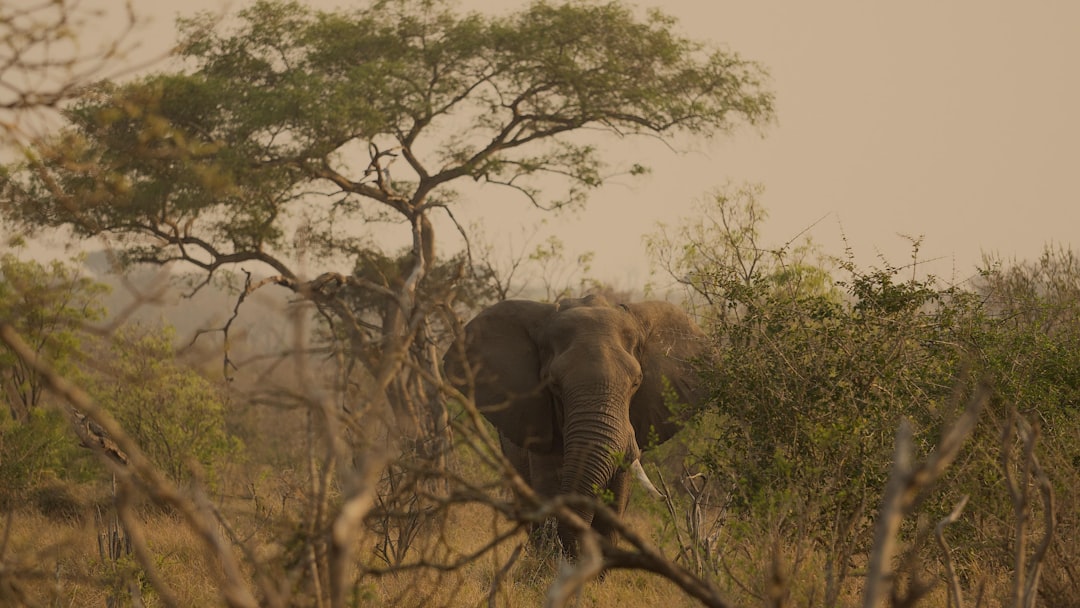
What Wildlife and Scenery Can You See on Five Rides?
Eswatini horse safaris offer wildlife and scenery in the same trip, but sightings are never guaranteed. The strongest documented wildlife list comes from Mlilwane, where riders may encounter zebra, giraffe, antelope, crocodile, hippo, and varied birdlife. The route also adds bushveld landscapes near KaMsholo [2][6].
1. Wildlife riding at Mlilwane
Mlilwane Wildlife Sanctuary gives riders a chance to see common plains animals from horseback. Zebra and antelope fit naturally into a riding-focused safari because they often use open areas. Giraffe add a striking vertical feature to the landscape, while birds bring interest during quieter stretches of trail.
Hippos and crocodiles require special care. Riders should never leave the group to approach water. A trained guide chooses safe distances and controls the pace, especially near rivers, pools, or thick vegetation.
2. Bushveld riding near KaMsholo
KaMsholo adds a different visual setting to the itinerary. Bushveld riding places more focus on vegetation, shade, tracks, and the feel of the terrain. The change from the Ezulwini Valley to a bushveld area creates variety across a seven-night holiday [2].
The bushveld ride is also useful for travelers who enjoy photography beyond large mammals. Leaves, bark, bird calls, hoof marks, and changing light can create strong images. Keep your camera secure and listen to your guide before stopping.
3. Scenic landscape riding
Scenery-focused horse safaris show that riding does not need to depend on a major wildlife sighting. African horse safaris can place equal weight on wide views, natural light, open plains, and changing terrain [1]. Eswatini works well for this style because the itinerary joins sanctuary and bushveld settings.
4. Culture and scenery riding
The Swazi Culture & Scenery itinerary adds a cultural theme to the riding holiday. This approach suits travelers who want more than animal sightings. Ask the operator which cultural visits, hosts, or activities the current 2026 package includes, because the research confirms the theme but does not list every daily activity [2].
5. Slow nature riding
The fifth ride is the quiet nature experience. Horse travel can reduce the need to cover ground quickly. That slower pace helps riders notice small details and enjoy time outside the vehicle. It also makes the trip feel active without turning every hour into a search for big game.
| Name | Price | Duration | Rating | Best For |
|---|---|---|---|---|
| Mlilwane wildlife ride | Included in itinerary price | Part of seven nights | Not provided | Wildlife and first-time safari riders |
| KaMsholo bushveld ride | Included in itinerary price | Part of seven nights | Not provided | Scenery and varied landscapes |
| Scenery-focused ride | Package dependent | Package dependent | Not provided | Photographers and landscape lovers |
| Swazi culture and scenery ride | From about £1,300 per person | Seven nights | Not provided | Active travelers seeking culture and nature |
| Quiet nature ride | Package dependent | Package dependent | Not provided | Slow travel and birding interests |
Compare 2026 Eswatini safari prices and find a riding package that matches your budget.
The table separates confirmed itinerary details from package features that need checking. SafariFind can help you compare operators, read authentic reviews, and ask whether riding time, meals, transfers, and park fees appear in the quoted price.
How Much Does an Eswatini Horse Safari Cost?
A seven-night Eswatini horse safari starts at approximately £1,300 per person in 2026. That price applies to the described Swazi Culture & Scenery holiday. The available research does not confirm a full list of inclusions, so you should request a written quote before booking [2].
Key price details
The £1,300 starting price is the clearest current figure for this trip. It gives you a useful planning point, but it is not a universal rate for every operator. Room type, riding dates, transfers, meals, flights, park fees, and private guiding can change the final total.
- Price range: From approximately £1,300 per person for seven nights [2].
- Trip length: Seven nights for the named Swazi Culture & Scenery itinerary [2].
- Rider level: Intermediate to experienced [2].
- Extra checks: Confirm transport, accommodation, meals, insurance, and activity inclusions.
Do not compare a horse safari with a day trip using price alone. A listed 2026 Eswatini day trip that combines a rhino drive and culture costs US$860 per group of up to two. It is not identified as a horse safari, so the two products serve different needs [8].
Travelers who want a shorter holiday can also compare general trip budgets in the Eswatini safari tours cost guide for three, five, and seven days. Use that information as a broad planning tool, not as a confirmed horse-riding price.
What to ask before you pay
- Ask how many hours you ride on each full riding day.
- Ask whether the horses suit intermediate and experienced riders.
- Ask whether Mlilwane and KaMsholo both appear in your confirmed itinerary.
- Ask what happens if rain, illness, or wildlife conditions change the ride.
- Ask for the total price in writing, including taxes and transfers.
SafariFind connects travelers with verified tour operators and authentic traveler reviews. Compare the quote with the package page, then ask the operator to explain every difference before you book.
How Should You Prepare for an Eswatini Horse Safari?
Prepare for an Eswatini horse safari by matching your riding skills, fitness, and gear to the itinerary. The described seven-night trip suits intermediate and experienced riders, so comfort in the saddle matters more than a desire to try horse riding for the first time [2].
Getting started
Start by checking your recent riding experience. Tell the operator how often you ride, whether you can control a horse outdoors, and whether you are comfortable with hills, uneven ground, and long periods in the saddle. Clear answers help the operator match you with a suitable horse.
Next, check the daily plan. A seven-night holiday can include riding, rest, transfers, cultural activities, or wildlife viewing. Ask for the number of riding days, the expected pace, and the backup plan for weather or safety changes.
Best practices for riders
- Wear long riding trousers and closed, supportive shoes.
- Use sunscreen, sunglasses, and a wide-brimmed hat between rides.
- Carry water in a secure bottle or pack.
- Pack light layers for changing valley and bushveld conditions.
- Keep a safe distance from hippos, crocodiles, and all wild animals.
- Follow the guide when mounting, dismounting, stopping, and approaching wildlife.
- Use a small camera or phone that stays secure while riding.
Mlilwane’s activity mix can support a flexible day. Horse riding, walking, and cycling are possible there, and the reserve lacks major predators, although hippos remain present [5]. This makes it important to ask whether a package offers non-riding time if your body needs a break.
Travel documents also need attention. Chinese and Brazilian travelers can review the relevant SafariFind guides on Eswatini visa information for Chinese citizens and visa rules for Brazilian citizens. Health needs differ by traveler, so seek current medical advice before departure.
Finally, read the cancellation policy. A horse safari involves animals, weather, park rules, and guide decisions. A clear policy protects you if the riding plan changes.
Why Choose Horseback Travel Instead of a Game Drive?
Horseback travel offers a quieter and more active way to experience Eswatini’s wildlife areas. It does not replace a game drive, rhino walk, or birding trip. Instead, it adds a different pace and viewpoint, especially for travelers who value scenery and time outdoors.
Advantages of riding
Riding can make the journey feel personal. You notice the horse’s movement, the track beneath its feet, and the sounds around the group. The experience also connects wildlife viewing with physical activity, rather than keeping you seated in a vehicle for every sighting.
Mlilwane is particularly suited to varied nature activities. Sources describe it as accessible and frequently visited, with opportunities for riding, walking, and cycling [5]. Wildlife includes zebra, giraffe, antelope, crocodile, hippo, and diverse birdlife [6].
When a game drive may suit you better
A game drive may be better if you want long-distance wildlife searching, have limited riding experience, or prefer a vehicle seat. It can also suit travelers who want to focus on rhino tracking, big-game reserves, or guided birding. A 2026–2027 wildlife guide highlights those experiences across Eswatini [3].
Horseback riding is not a guarantee of close wildlife encounters. Animals choose their own distance, and guides must protect both people and wildlife. A responsible ride keeps the group calm and avoids forcing an encounter.
For accommodation planning, read the Eswatini safari lodge guide with six stays to compare in 2026. Then ask whether your horse safari uses a lodge, a camp, or another type of accommodation.
Who should book this style of trip?
- Riders with intermediate or advanced outdoor experience.
- Travelers who want wildlife and scenery in one holiday.
- Photographers who enjoy landscapes, birds, and slower travel.
- Couples or small groups seeking an active safari.
- Visitors who want to combine riding with culture and nature.
Choose a classic safari instead if riding comfort, fitness, or safety concerns make horseback travel unsuitable. The best holiday is the one that matches your ability and interests.
Key Takeaways
- Choose the seven-night itinerary from about £1,300 per person to combine Mlilwane and KaMsholo [2].
- Check your riding level before booking because the described route suits intermediate and experienced riders [2].
- Expect zebra, giraffe, antelope, crocodile, hippo, and birdlife at Mlilwane [6].
- Compare horse safaris with Eswatini game drives, walks, and rhino activities before choosing your main experience [3].
- Request a written 2026 quote that lists riding days, transfers, meals, accommodation, and exclusions.
Frequently Asked Questions
What is an Eswatini horse safari?
An Eswatini horse safari is a guided riding holiday that combines wildlife viewing, scenery, and outdoor travel. The described 2026 itinerary links Mlilwane Wildlife Sanctuary with bushveld riding near KaMsholo and lasts seven nights [2].
How much does an Eswatini horse safari cost in 2026?
An Eswatini horse safari starts at approximately £1,300 per person for the described seven-night Swazi Culture & Scenery holiday. Ask the operator which meals, accommodation, transfers, park fees, and activities the price includes [2].
What wildlife can I see while riding at Mlilwane?
Mlilwane Wildlife Sanctuary is known for zebra, giraffe, antelope, crocodile, hippo, and diverse birdlife. Guides control the route and distance, so sightings and viewing conditions vary during each ride [6].
Who can join an Eswatini horse safari?
The described seven-night Eswatini horse safari is designed for intermediate to experienced riders. Beginners should ask about riding hours, horse control, trail conditions, and non-riding options before booking [2].
Is Mlilwane safe for horseback riding?
Mlilwane allows horse riding because the reserve lacks major predators, but hippos are present. Riders must stay with their guide, keep distance from wildlife, and follow all safety instructions near water [5].
Where can I book an Eswatini horse safari?
You can compare Eswatini horse safari packages on SafariFind, review verified operators, and request a quote before booking. Check the final itinerary, rider requirements, inclusions, and cancellation terms in writing.
Conclusion
An Eswatini horse safari is a strong choice for riders who want wildlife, scenery, and active travel in one 2026 holiday. The clearest current option is a seven-night Swazi Culture & Scenery itinerary from about £1,300 per person. It combines Mlilwane Wildlife Sanctuary with bushveld riding near KaMsholo and suits intermediate to experienced riders [2].
Mlilwane adds zebra, giraffe, antelope, hippo, crocodile, and birdlife. KaMsholo adds a different bushveld setting. Together, they create more variety than a single-location riding trip [2][6].
Before booking, confirm riding hours, horse suitability, safety rules, accommodation, transfers, and exclusions. Compare the route with a game drive or walking safari if wildlife variety matters most.
Compare verified Eswatini horse safari packages on SafariFind, read authentic reviews, and request a clear quote from a verified operator. In 2026, careful comparison helps you find a safer, better-matched riding holiday.
References
- [1] Riding Focus – African Horse Safaris: Scenery Focused Horse Safari
- [2] SafariFind: Eswatini Horse Safari 2026: Routes, Prices & Who It Suits
- [3] African Trek & Travel: How to Visit Eswatini for Wildlife 2026–2027
- [5] Responsible Travel: Eswatini Vacations, Safaris and Activities
- [6] African Budget Safaris: Eswatini Safari Tours
- [8] GetYourGuide: Eswatini Safaris and Wildlife Activities 2026